

In the world of architecture, every material tells a story. It's the silent language that shapes how we experience a space—whether we're drawn to a building's grand facade, comforted by its warm interior, or impressed by its ability to stand strong against time and weather. For architects, designers, and homeowners alike, the quest for the perfect building material often boils down to two key desires: beauty that captivates, and practicality that endures. Enter Bali Stone—a material that doesn't just meet these expectations but redefines them. Blending the best of natural allure with modern engineering, Bali Stone has emerged as a standout choice for those who refuse to compromise on either aesthetics or maintenance. Let's explore how this remarkable material transforms buildings, one wall, floor, and facade at a time.
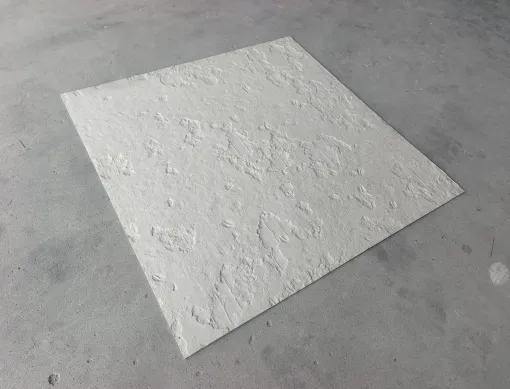
At first glance, Bali Stone feels like a love letter to the earth. Its surface bears the marks of nature's artistry—subtle veining that mimics the flow of ancient rivers, warm earthy tones ranging from soft sand to deep terracotta, and a texture that invites touch, as if it holds the memory of sun-baked cliffs and tropical breezes. Unlike uniform synthetic materials that can feel cold or sterile, Bali Stone carries a organic, lived-in quality that adds depth and character to any space.
What truly sets Bali Stone apart, though, is its versatility. Whether paired with sleek modern lines or rustic traditional designs, it adapts effortlessly, enhancing the architectural vision rather than overshadowing it. Imagine a beachfront villa in Bali, where Bali Stone clads the exterior walls—its warm beige and gold hues harmonizing with the surrounding palm trees and turquoise sea, creating a seamless connection between indoors and out. Or picture a contemporary urban apartment, where a Bali Stone accent wall in the living room adds a touch of nature's calm to an otherwise minimalist space, balancing sharp angles with soft, natural texture.
For designers seeking to make a bolder statement, Bali Stone plays well with complementary materials from the MCM (Modified Composite Material) family. Take, for example, pairing Bali Stone with Travertine (Starry Green)—a striking stone with flecks of iridescent green that mimic a starry night sky. Used together on a commercial building's facade, Bali Stone's earthy base provides the perfect canvas for Travertine (Starry Green) accents, creating a dynamic interplay of color and texture that catches the eye from blocks away. Similarly, combining Bali Stone with Lunar Peak Silvery—with its cool, metallic sheen—adds a modern twist, proving that natural materials can hold their own in even the most cutting-edge designs.
While beauty draws us in, it's durability that keeps us committed—and here, Bali Stone truly shines. Traditional natural stones like marble or limestone are beloved for their elegance, but they often come with a catch: high maintenance. Marble, for instance, is prone to etching from acidic substances, while limestone requires frequent sealing to prevent water damage. Over time, these upkeep costs add up, turning a once-gorgeous material into a source of frustration.
Bali Stone, however, is engineered to avoid these pitfalls. As part of the MCM Flexible Stone series, it benefits from advanced composite technology that combines the best of natural stone with modern durability. Unlike solid stone slabs, which are heavy and brittle, Bali Stone is lightweight and flexible, reducing the risk of cracking during installation or due to structural movement. Its surface is also treated to resist stains, scratches, and weathering—meaning spills wipe away easily, and outdoor installations hold their color even after years of exposure to rain, sun, and snow.
Another key advantage? Minimal upkeep. Unlike materials that demand annual sealing or professional cleaning, Bali Stone requires little more than occasional washing with mild soap and water. This not only saves time but also money—no need to budget for expensive sealants, specialized cleaners, or frequent repairs. For busy homeowners or commercial property managers, this low-maintenance profile is a game-changer, freeing up resources to focus on other aspects of building care and design.
The secret to this resilience lies in Bali Stone's composition. As a modified composite, it leverages the strength of natural stone particles bonded with a durable resin matrix, creating a material that's both tough and flexible. This structure also makes it resistant to mold and mildew, a common issue in humid climates—ideal for regions like Southeast Asia, where Bali Stone first gained popularity, but equally valuable in any environment where moisture is a concern.
To truly appreciate Bali Stone's benefits, it helps to see how it stacks up against other popular building materials. The table below compares Bali Stone with marble, traditional limestone, and standard concrete on key factors like maintenance, durability, and aesthetic versatility:
| Material | Maintenance Frequency | Durability (Resistance to Stains/Weather) | Aesthetic Versatility | Long-Term Cost (10-Year Estimate)* |
|---|---|---|---|---|
| Bali Stone | Low (occasional washing) | High (resistant to stains, scratches, weathering) | Excellent (blends with modern, traditional, tropical styles) | $1,200–$1,500 (installation + minimal upkeep) |
| Marble | High (annual sealing, professional cleaning) | Low (prone to etching, staining) | High (luxurious, but limited to formal/elegant styles) | $3,000–$4,500 (installation + sealing + repairs) |
| Traditional Limestone | Medium (sealing every 1–2 years) | Medium (susceptible to water damage, discoloration) | Medium (earthy, but less dynamic texture) | $2,000–$2,800 (installation + sealing + occasional repairs) |
| Standard Concrete | Medium (sealing every 2–3 years, crack repairs) | High (durable, but prone to cracking, dull appearance) | Low (limited color/texture options) | $1,800–$2,200 (installation + sealing + repairs) |
*Estimates based on 100 sq. ft. of exterior wall installation, including material and labor costs.
The Serenity Resort, a boutique hotel nestled in Bali's Ubud region, serves as a perfect example of Bali Stone's real-world impact. When the resort underwent a renovation in 2020, architects chose Bali Stone for both exterior facades and interior common areas. Five years later, the results speak for themselves: the exterior walls retain their warm, sunlit glow, with no signs of fading or weather damage, despite daily exposure to tropical rains and intense sunlight. The hotel's maintenance team reports spending less than 10 hours per month on upkeep for the Bali Stone surfaces—mostly routine cleaning—compared to the 25+ hours they previously spent sealing and repairing the old limestone walls. Guests, too, rave about the "natural, welcoming vibe" of the spaces, noting that the Bali Stone creates a sense of calm that aligns with the resort's wellness-focused mission.
In today's eco-conscious world, sustainability is another factor that can't be ignored—and Bali Stone delivers here as well. The MCM Flexible Stone manufacturing process minimizes waste by using recycled stone particles and reducing water consumption compared to traditional stone quarrying. Its lightweight nature also lowers transportation and installation carbon footprints, as it requires fewer resources to transport and can be installed with less heavy machinery. For architects and developers aiming to earn green building certifications, Bali Stone offers an added layer of environmental responsibility, making it a choice that benefits both the planet and the bottom line.
In the end, building materials are more than just tools—they're investments in the future. They shape how we feel in a space, how much time and money we spend maintaining it, and even how our choices impact the environment. Bali Stone stands out as a material that understands this balance: it captivates with its natural beauty, endures with minimal upkeep, and aligns with the growing demand for sustainable solutions. Whether you're designing a tropical retreat, a modern urban home, or a commercial space that needs to make a lasting impression, Bali Stone proves that you don't have to choose between aesthetics and practicality. It's not just a building material—it's a testament to the idea that the best designs are those that work in harmony with both nature and human needs. And in a world where we're all looking for more meaning in the spaces we inhabit, that's a story worth telling.
Recommend Products












