

In the bustling world of construction, where every decision leaves a footprint—both literal and environmental—finding materials that balance durability, aesthetics, and sustainability has long been a quest for architects, builders, and dreamers alike. Enter Bali Stone: a material that doesn't just build structures, but weaves stories of respect for the planet into the very walls we live and work within. But Bali Stone isn't alone in this mission. It's part of a larger family of innovative materials, each with its own superpower to make construction greener, smarter, and more beautiful. Let's dive into how Bali Stone, alongside companions like MCM flexible stone, foamed aluminium alloy board, and fair-faced concrete, is reshaping the future of building.
Traditional construction has a bit of a reputation problem. From quarrying massive blocks of stone that disrupt ecosystems to relying on energy-heavy manufacturing processes for synthetic materials, the industry is one of the largest contributors to global carbon emissions. Add to that the issue of waste—materials that crack, fade, or wear out after just a few decades, leading to constant rebuilding—and it's clear: we need a better way. Builders and designers aren't just looking for materials that *look* good; they want ones that do good, too. Materials that reduce carbon footprints, last longer, and even give back to the environment.
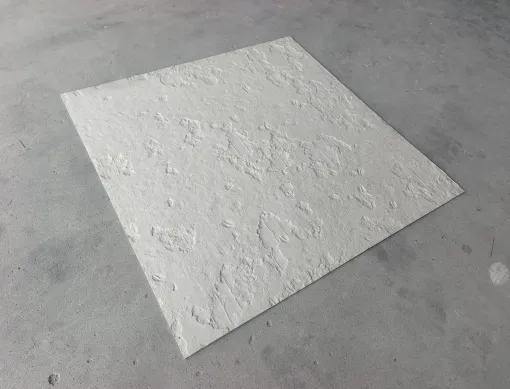
If sustainable construction had a poster child, Bali Stone might just be it. Inspired by the natural beauty of Bali's landscapes—think sun-warmed beaches, lush rice terraces, and ancient stone temples—this material is a love letter to both tradition and innovation. What makes Bali Stone stand out? For starters, its production process prioritizes low energy use. Unlike some natural stones that require heavy machinery to extract and cut, Bali Stone is often sourced from local, responsibly managed quarries, reducing transportation emissions. It's also incredibly durable, meaning buildings clad in Bali Stone won't need frequent repairs or replacements. Imagine a community center in a coastal town, its exterior wrapped in Bali Stone: years of salt spray, rain, and sun, and it still looks as warm and inviting as the day it was built. That's sustainability in action—less waste, less hassle, more longevity.
But Bali Stone isn't just about being tough; it's about being kind to the planet, too. Many variants are made with recycled or reclaimed materials, giving new life to stone fragments that would otherwise end up in landfills. And because it's a natural material, when a building does reach the end of its life (decades, maybe even centuries from now), Bali Stone can be crushed and reused as aggregate for new projects. No waste, just a cycle of renewal.
| Material | Carbon Footprint | Lifespan | End-of-Life Impact |
|---|---|---|---|
| Bali Stone | Low (local sourcing, minimal processing) | 50+ years | Recyclable as aggregate |
| Traditional Concrete | High (cement production emits CO2) | 30–40 years (prone to cracking) | Often ends in landfills |
| Standard Natural Stone | Medium-High (energy-intensive extraction) | 40+ years (but heavy, requires strong support) | Limited recyclability |
Bali Stone is a star, but even stars need a supporting cast. Let's meet some of the materials that work alongside it to make sustainable construction projects shine.
Ever wished natural stone could be as flexible as a yoga instructor? Enter MCM flexible stone. This material takes the look and feel of stone—think the rough texture of travertine or the smooth sheen of marble—and wraps it into a thin, bendable sheet. How does that help sustainability? For starters, it's lightweight. Traditional stone can be so heavy that buildings need extra structural support, which means more materials, more energy, and higher costs. MCM flexible stone, though? It's easy to install, reducing labor time and energy use on-site. Plus, because it's thin, it uses less raw material to create, cutting down on waste during production. Imagine a modern home with a curved accent wall—instead of struggling to shape heavy stone blocks, builders can simply bend MCM flexible stone to fit, creating a sleek, organic look with minimal environmental impact.
For projects that crave a touch of modern elegance, foamed aluminium alloy board is a game-changer. Available in vintage silver, gold, and classic metallic tones, this material adds a sleek, industrial-chic vibe to facades, interiors, and even furniture. But its beauty is more than skin deep. Aluminium is one of the most recyclable materials on the planet—recycling it uses just 5% of the energy needed to produce new aluminium. Foamed aluminium takes that a step further: its cellular structure makes it lightweight (great for reducing structural load) and excellent at insulating, which can lower a building's energy use for heating and cooling. Picture a boutique hotel in the city, its exterior clad in vintage gold foamed aluminium. Not only does it catch the light beautifully, but it also keeps the interior cool in summer and warm in winter, slashing the hotel's carbon footprint. And when the building is eventually renovated? That aluminium can be melted down and turned into something new—no waste, just endless potential.
Sometimes, simplicity is the ultimate sophistication—and that's where fair-faced concrete comes in. This material skips the fancy finishes and lets the concrete's natural texture shine through: the subtle variations in color, the tiny air bubbles, the honest, raw beauty of the material itself. But its sustainability superpower? Longevity. Fair-faced concrete is tough. It resists fire, water, and wear, meaning it can last for generations with minimal maintenance. Think of a community library built with fair-faced concrete walls. Decades from now, those walls will still stand strong, telling the story of the countless books read, the meetings held, and the memories made—all without needing repainting, resurfacing, or replacement. Plus, concrete can be made with recycled aggregates, turning old construction waste into new, sturdy walls. It's sustainability with a minimalist twist: less is more, and more is better for the planet.
If Bali Stone is inspired by Earth's beauty, the Lunar Peak series (silvery, golden, black) draws from the moon's mysterious allure. These stones have a unique, crater-like texture that adds depth and drama to any surface. But beyond their striking looks, they're built to last. Lunar Peak stones are resistant to harsh weather, from freezing winters to scorching summers, which means they won't fade or deteriorate quickly. For a school in a region with extreme temperature swings, choosing Lunar Peak silvery for the exterior isn't just about making the building look like it belongs in a sci-fi movie—it's about ensuring the kids inside have a safe, sturdy space for years to come, with minimal need for repairs. And like Bali Stone, many Lunar Peak variants are sourced responsibly, ensuring that their otherworldly beauty doesn't come at the expense of our planet.
The magic happens when these materials work together. Let's paint a picture: a community hub designed to be the heart of a neighborhood. The main facade? Warm, earthy Bali Stone, welcoming visitors with its natural texture. A curved entrance wall? Sleek MCM flexible stone in travertine (starry blue), adding a pop of color and softening the angles. Accent panels near the roof? Foamed aluminium alloy board in vintage silver, catching the sun and modernizing the look. Inside, the lobby features fair-faced concrete walls, their raw texture complemented by Lunar Peak golden stone countertops. Every choice here has a purpose: Bali Stone for durability and warmth, MCM flexible stone for flexibility and reduced weight, foamed aluminium for insulation and recyclability, fair-faced concrete for minimalism and longevity, and Lunar Peak for unique texture and weather resistance. Together, they create a building that's not just beautiful, but *responsible*—a space that serves the community today without compromising the planet tomorrow.
At the end of the day, sustainable construction isn't just about materials. It's about people. It's about the families who live in energy-efficient homes that cost less to heat and cool. It's about the kids who attend schools built to last, where their education isn't disrupted by constant repairs. It's about the communities that gather in spaces that reflect their values—spaces that say, "We care about this planet, and we care about you." Bali Stone and its companions are more than just building blocks; they're tools for change. They prove that we don't have to choose between beauty and sustainability. We can have both. We can build structures that make us proud—of how they look, how they function, and how they respect the world around us.
As the demand for sustainable construction grows, materials like Bali Stone are poised to lead the charge. Architects and builders are already embracing them, creating projects that push the boundaries of design while honoring the planet. And as technology improves, we can expect even more innovations: maybe Bali Stone with built-in solar panels, or MCM flexible stone that purifies the air. The future of construction isn't just about building taller or faster—it's about building smarter, kinder, and more thoughtfully. And Bali Stone? It's right there, at the forefront, showing us that sustainability isn't a trend. It's a way of life—one stone, one wall, one building at a time.
So the next time you walk past a building that makes you stop and stare—whether it's a cozy café with Bali Stone walls or a sleek office with foamed aluminium accents—take a moment to appreciate the story behind it. Chances are, it's not just a structure. It's a promise: a promise to build better, live better, and leave the planet better than we found it. And that's a promise worth keeping.
Recommend Products












