
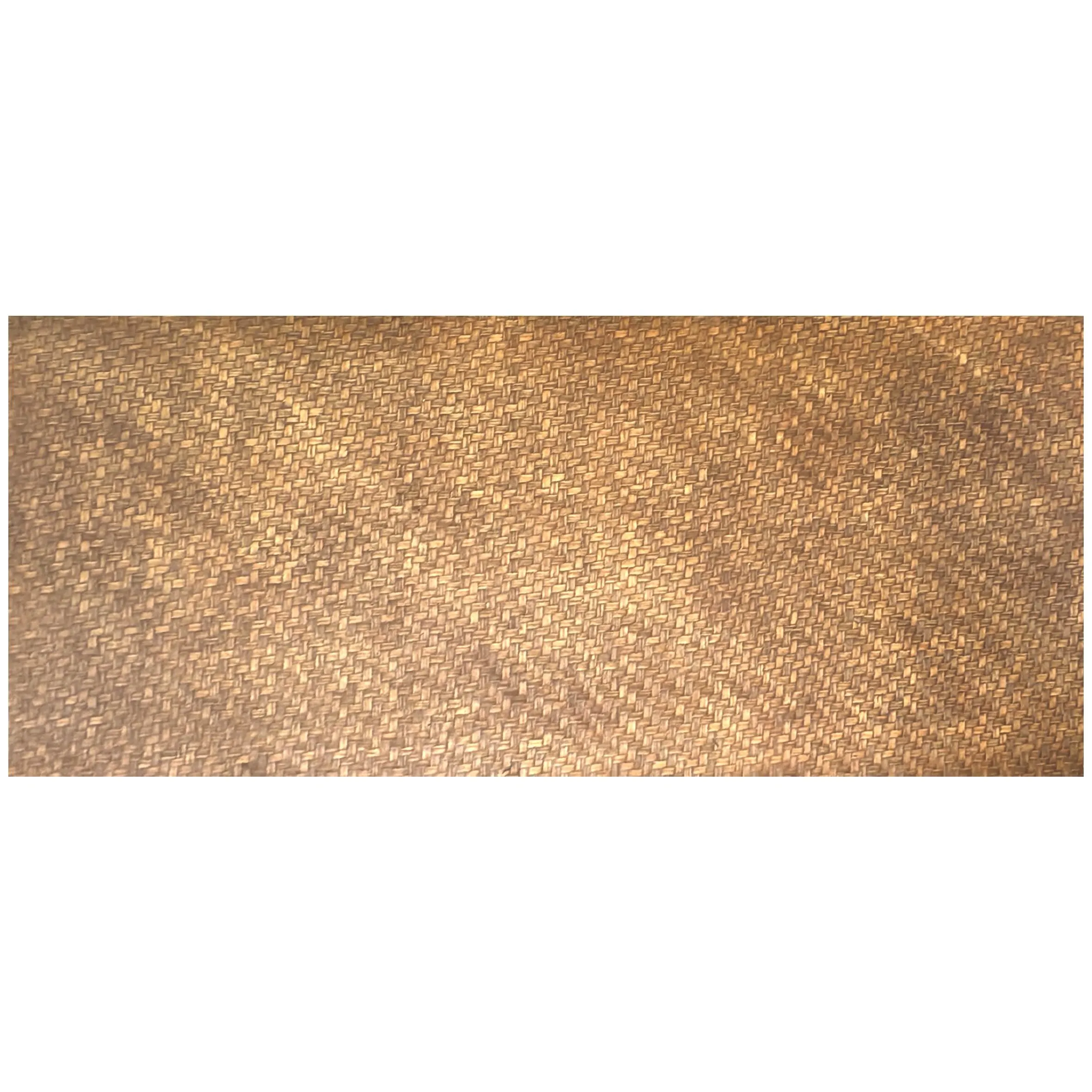
In an era where buildings aren't just structures but statements of responsibility, LEED certification has become the gold standard for green construction. It's not just about checking boxes—it's about creating spaces that respect the planet, prioritize people, and stand the test of time. At the heart of this movement lies a quiet champion: bamboo mat board . This unassuming material, rooted in nature yet engineered for modern needs, is redefining what it means to build sustainably. Let's dive into how it's not just a material choice, but a commitment to a greener future.
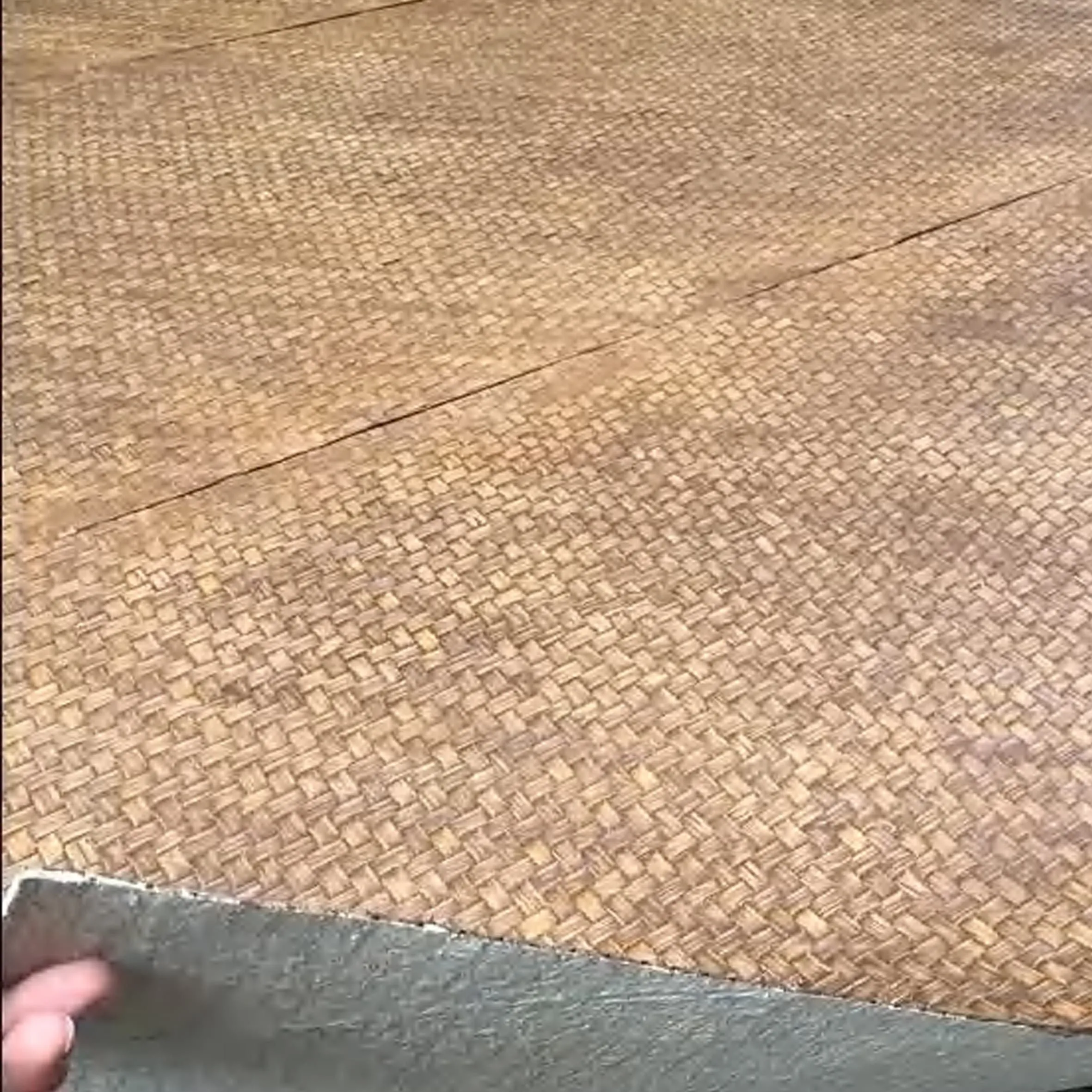
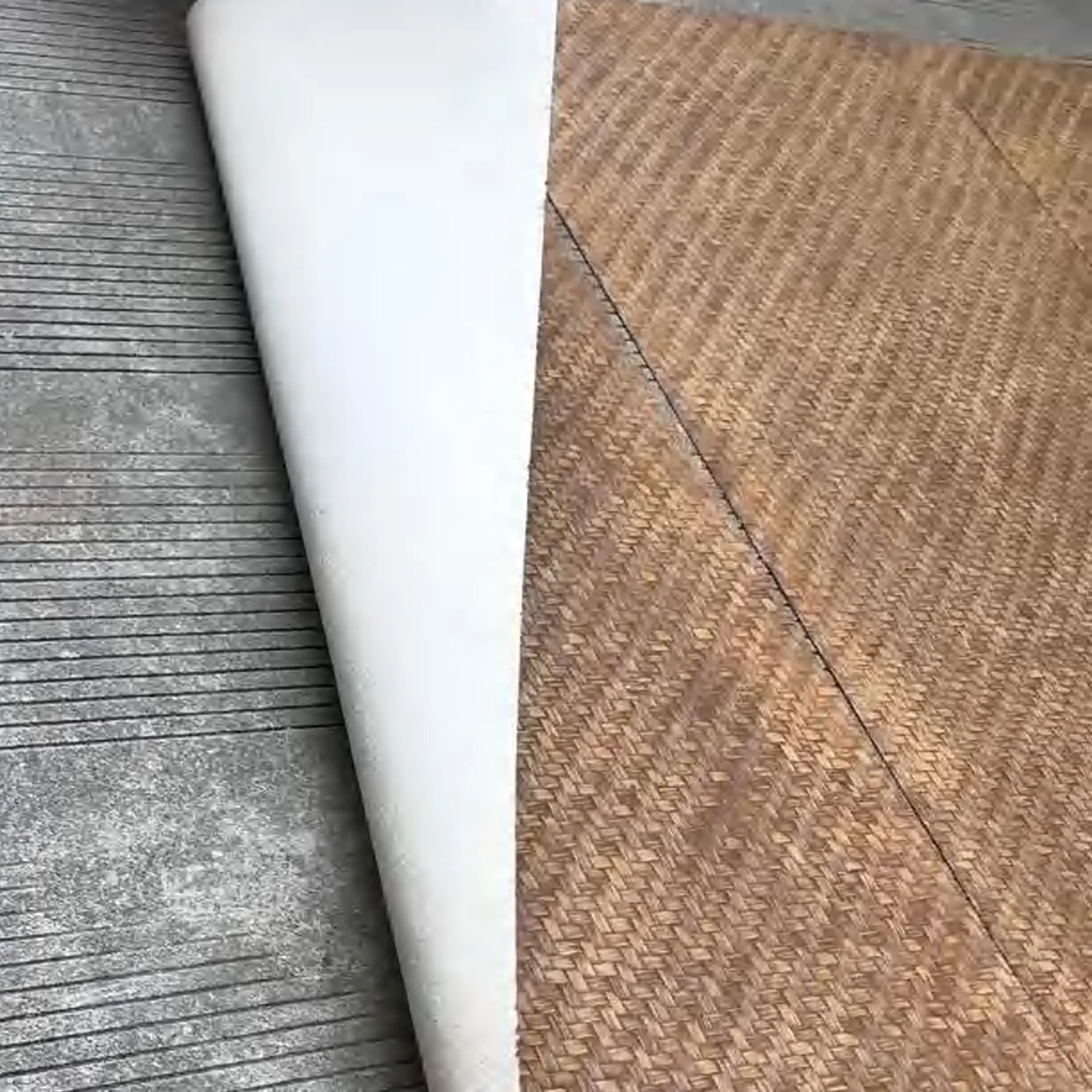
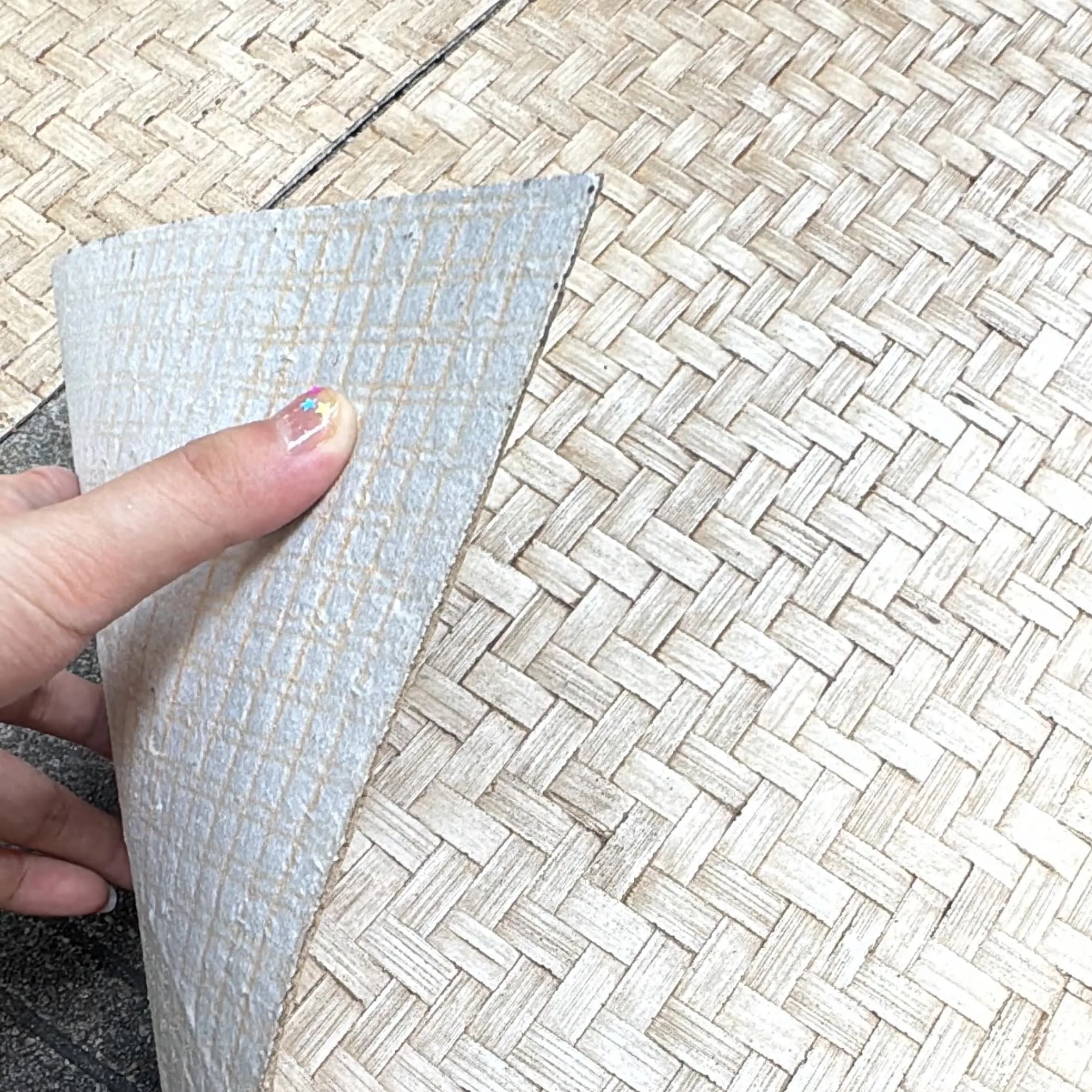
If you've ever walked through a space that felt both warm and resilient—walls that seemed to blend the organic texture of wood with the durability of stone—you might have encountered bamboo mat board without even realizing it. Made from layers of bamboo strips woven into mats and bonded with eco-friendly adhesives, it's a material born from ancient craftsmanship and modern innovation. Unlike traditional hardwoods that take decades to mature, bamboo grows back in 3–5 years, making it one of the most renewable resources on the planet. But its appeal goes beyond sustainability: it's surprisingly strong (stronger than many hardwoods, in fact), flexible enough to mold into curves, and boasts a natural grain that adds character to any surface.
Think of it as nature's answer to the construction industry's plea for balance. It doesn't require clear-cutting forests or depleting finite resources. Instead, it thrives on regrowth—each harvest encourages new shoots, making bamboo plantations carbon sinks that absorb more CO2 than they emit. For builders and architects, this isn't just a material; it's a story they can tell clients, a way to turn "sustainable" from a buzzword into something tangible.
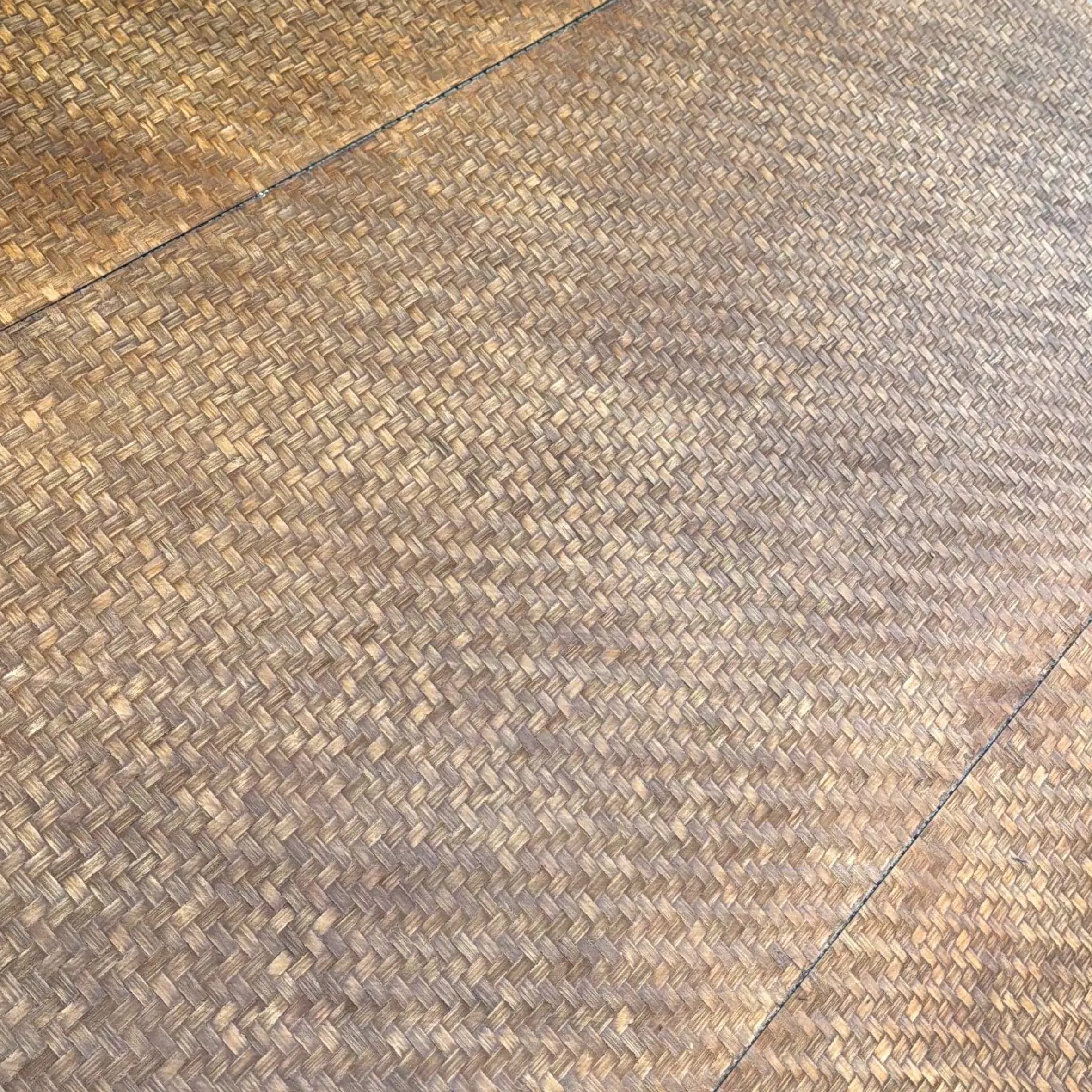
LEED certification hinges on five key areas: energy efficiency, water conservation, materials selection, indoor air quality, and innovation. Bamboo mat board shines in each, but let's start with the most obvious: its environmental footprint. When you choose bamboo over, say, oak or maple, you're not just saving trees—you're supporting a crop that requires no pesticides, little water, and grows in nutrient-poor soil, leaving other lands free for food crops. It's a win-win for ecosystems and communities that depend on agricultural land.
But sustainability isn't just about where a material comes from—it's about how it's made. Bamboo mat board production avoids the harsh chemicals often used in laminates or synthetic woods. Many manufacturers use formaldehyde-free adhesives and low-VOC finishes, ensuring that the material doesn't off-gas harmful pollutants into indoor spaces. For anyone who's ever walked into a newly built room and smelled that "fresh paint" sting, you know how crucial this is. Bamboo mat board turns "new building smell" into "clean, earthy aroma"—a small detail that makes a big difference for occupants' health.
Let's get practical: how exactly does bamboo mat board help projects earn LEED credits? Let's break it down.
LEED's MR category rewards projects that use sustainable, locally sourced, or recycled materials. Bamboo mat board hits this out of the park. As a rapidly renewable resource (remember, 3–5 years to regrow!), it qualifies for MR Credit 6: Rapidly Renewable Materials, which awards points for using materials harvested in 10 years or less. Plus, many manufacturers source bamboo locally, cutting down on transportation emissions and supporting regional economies—another checkmark for MR Credit 5: Regional Materials.
A building can't be truly green if it makes people sick. Bamboo mat board's low-VOC emissions mean it contributes to EQ Credit 4: Low-Emitting Materials, ensuring indoor air quality that's safe for allergies, asthma sufferers, and anyone who spends hours inside. Imagine a school where kids learn without breathing in toxic fumes, or an office where employees don't get headaches from "sick building syndrome"—that's the impact of choosing materials like bamboo mat board.
For projects pushing boundaries, bamboo mat board's versatility opens doors to ID credits. Its ability to be curved, cut, or layered into custom designs lets architects get creative without sacrificing sustainability. Whether it's a feature wall with a wave-like pattern or a ceiling that mimics the texture of a forest canopy, bamboo mat board proves that green design doesn't have to be boring.
No material works alone, and bamboo mat board is no exception. It pairs beautifully with other green building materials to create spaces that are both LEED-compliant and visually stunning. Let's take a look at a few perfect partners:
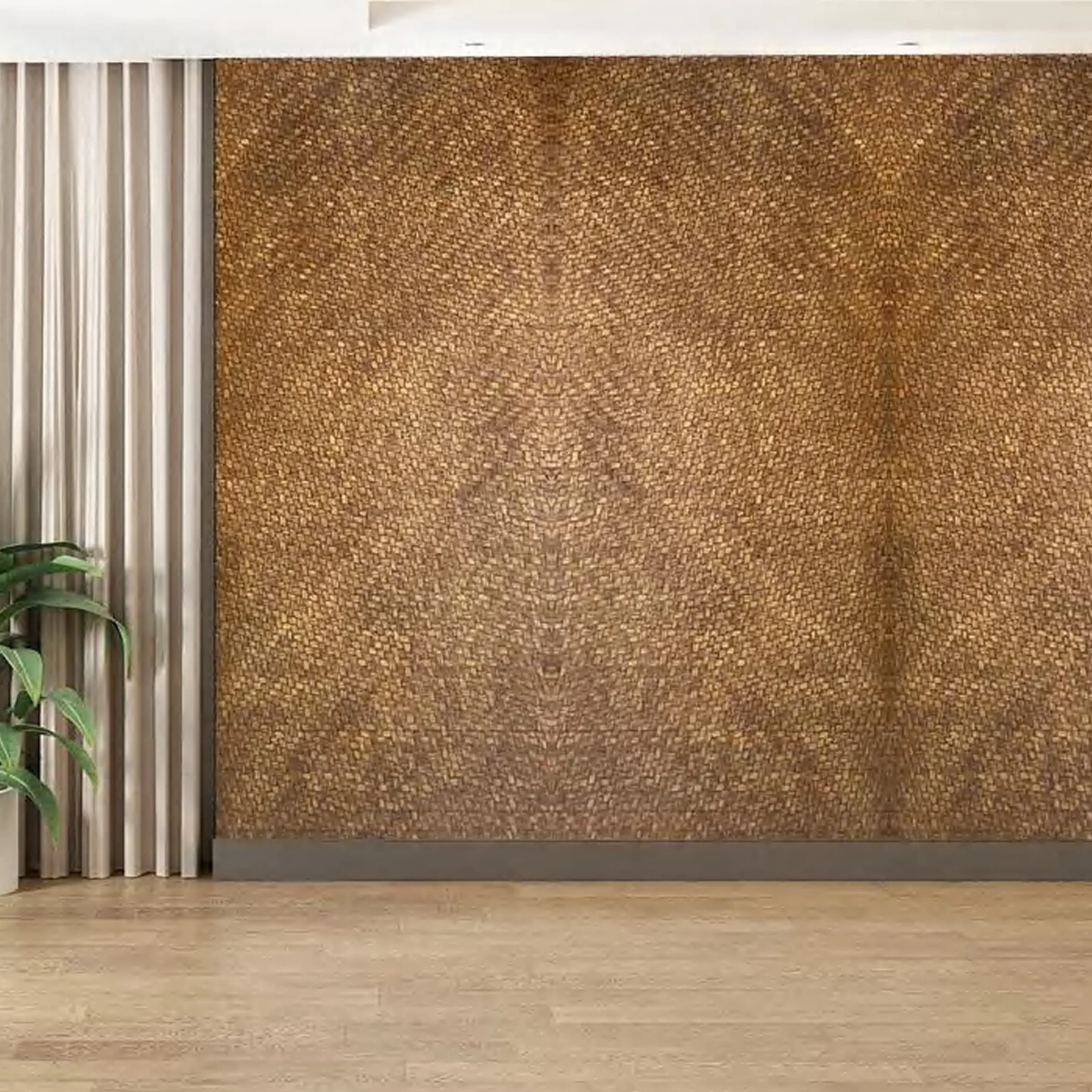
Sustainability is great, but let's be real—builders need materials that perform. Bamboo mat board doesn't just earn LEED points; it holds up in the real world. Here's why contractors and architects keep coming back to it:
Durability: Bamboo's natural density makes it resistant to scratches, dents, and moisture—perfect for high-traffic areas like airports or hospitals. Unlike softwoods that warp or chip, bamboo mat board stands up to the chaos of daily life.
Flexibility: Want a curved wall in your boutique hotel? Bamboo mat board bends without breaking, letting designers dream big. It can be cut into custom shapes, stained to match any color palette, or left natural for a raw, organic look.
Cost-Effective: While some sustainable materials come with a premium, bamboo mat board is surprisingly budget-friendly. Its fast growth cycle keeps production costs low, and its durability means fewer replacements down the line—saving money for projects in the long run.
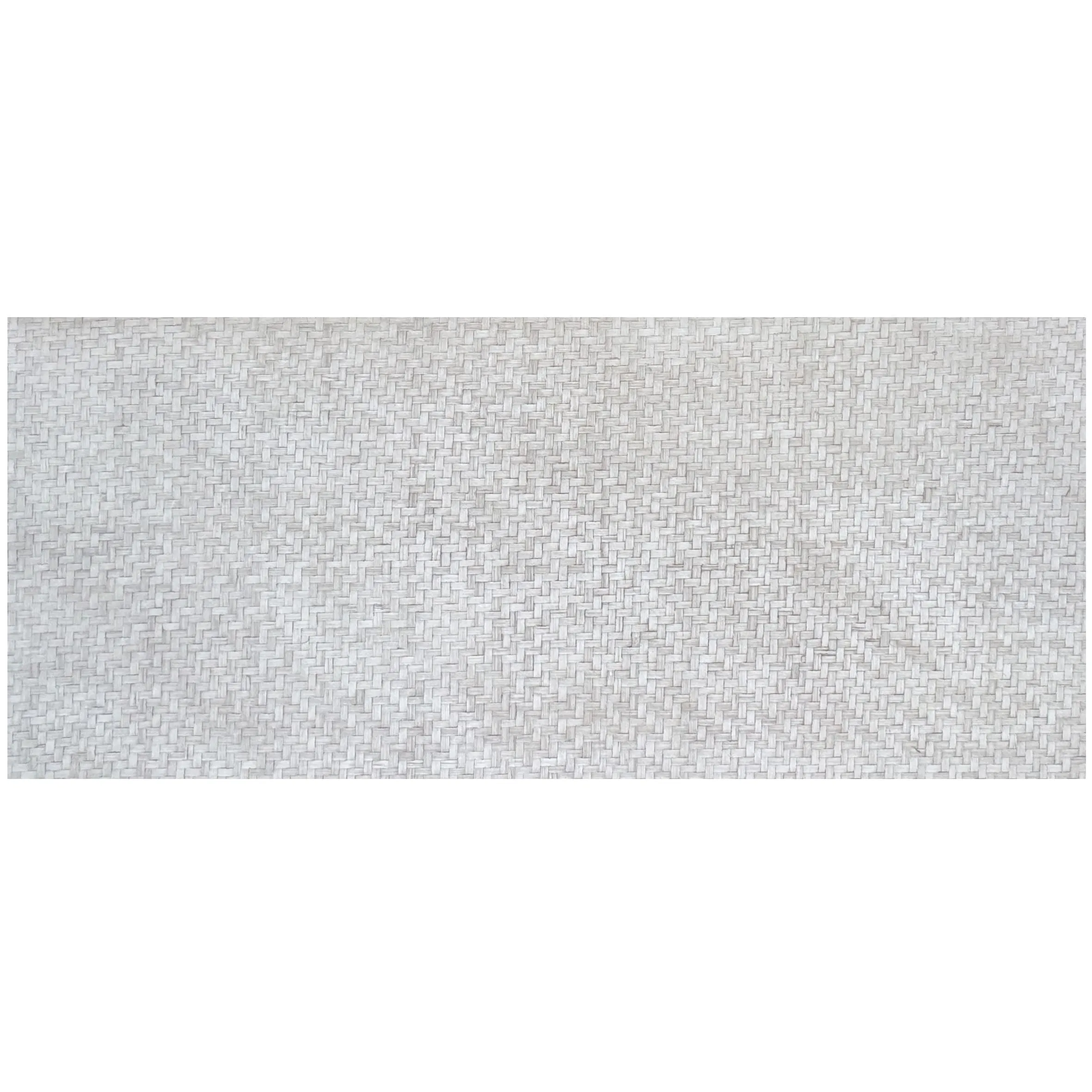
| Material | Sustainability (1-5) | LEED Credit Potential | Durability | Cost (Relative) |
|---|---|---|---|---|
| Bamboo Mat Board | 5/5 (Rapidly renewable, low emissions) | MR, EQ, ID Credits | High (Resistant to scratches, moisture) | Moderate (Budget-friendly long-term) |
| Fair-Faced Concrete | 3/5 (Low maintenance, recyclable) | MR, EQ Credits | Very High (Weather and fire resistant) | Moderate-High (Labor-intensive installation) |
| Foamed Aluminium Alloy Board (Vintage Silver) | 4/5 (Recyclable, lightweight) | MR, Innovation Credits | High (Corrosion-resistant) | High (Premium material cost) |
| Wood Grain Board | 3/5 (Recycled content, but depends on sourcing) | MR Credits (if recycled) | Medium (Prone to warping in moisture) | Low-Moderate |
Bamboo mat board isn't picky about where it goes—it thrives in just about every setting. Let's paint a few pictures:
Commercial Spaces: Imagine a tech startup's headquarters with open-concept workspaces. The walls are clad in bamboo mat board, its natural grain softening the sterile feel of glass and steel. Employees report higher focus and lower stress—no coincidence, given the material's ability to boost indoor air quality. The project earns LEED Gold, and the company's sustainability report becomes a recruitment tool.
Residential Builds: A family in Portland wants a home that's both eco-friendly and kid-proof. Bamboo mat board lines the living room walls and kitchen backsplash, standing up to sticky fingers and playful pets. It pairs with fair-faced concrete floors and energy-efficient windows, helping the home qualify for LEED for Homes certification. For the family, it's not just a house—it's a legacy of care for their kids' future.
Public Projects: A city park pavilion needs to withstand rain, sun, and crowds. Bamboo mat board panels form the roof and walls, their durability ensuring minimal maintenance. The pavilion becomes a community hub, and its LEED certification sets a precedent for other public works—proving that government projects can lead by example.
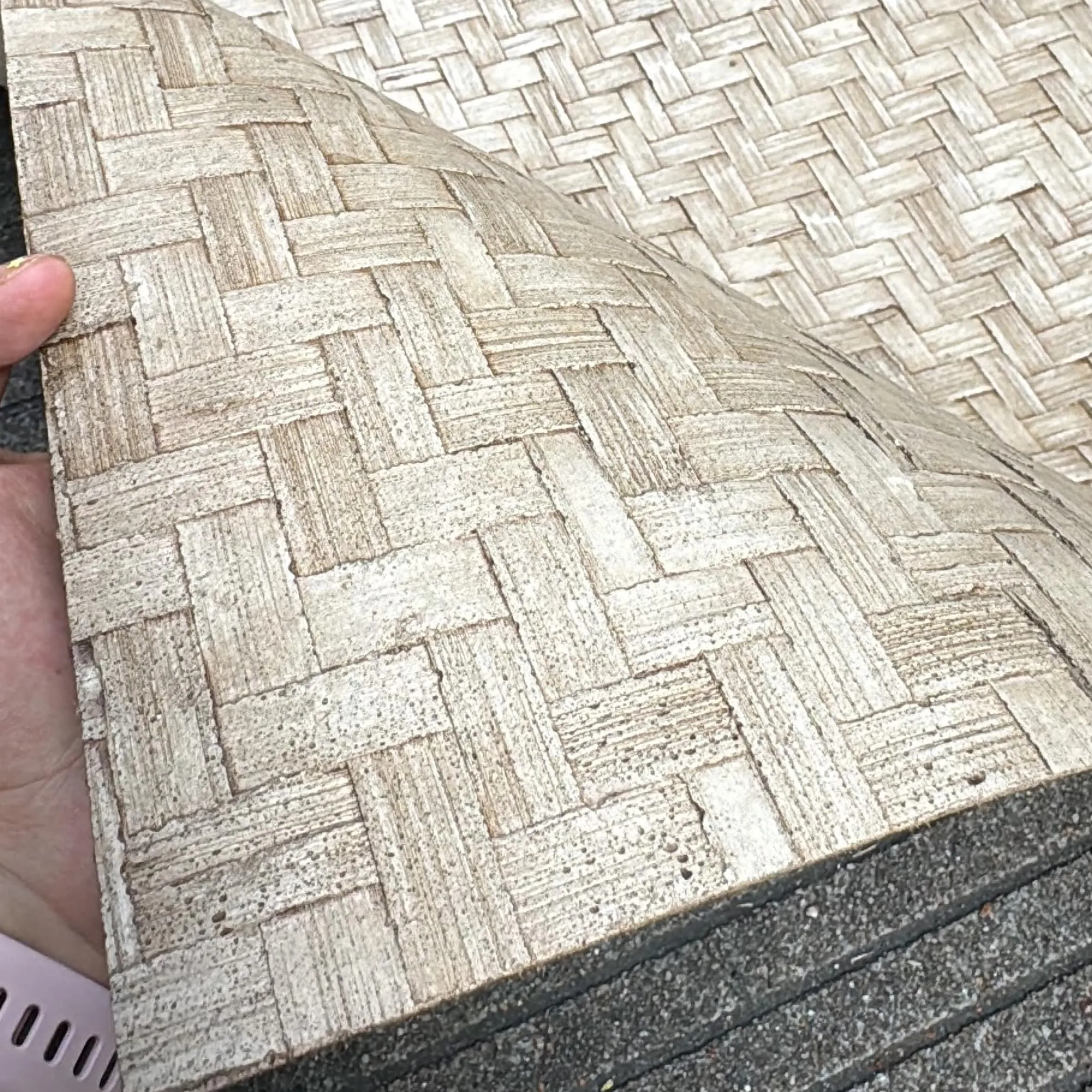
As LEED standards evolve—growing stricter on carbon footprints and material transparency—bamboo mat board is poised to become even more essential. Manufacturers are already experimenting with new adhesives derived from plant starches and exploring ways to integrate recycled bamboo waste into production. The goal? A material that's not just sustainable, but circular—one that can be repurposed or composted at the end of its life.
Architects, too, are getting bolder. We're seeing bamboo mat board used in high-rises, where its lightweight nature reduces structural load, and in net-zero energy buildings, where its insulating properties help cut heating and cooling costs. It's no longer a "niche" material; it's a mainstream choice for anyone who wants to build with intention.
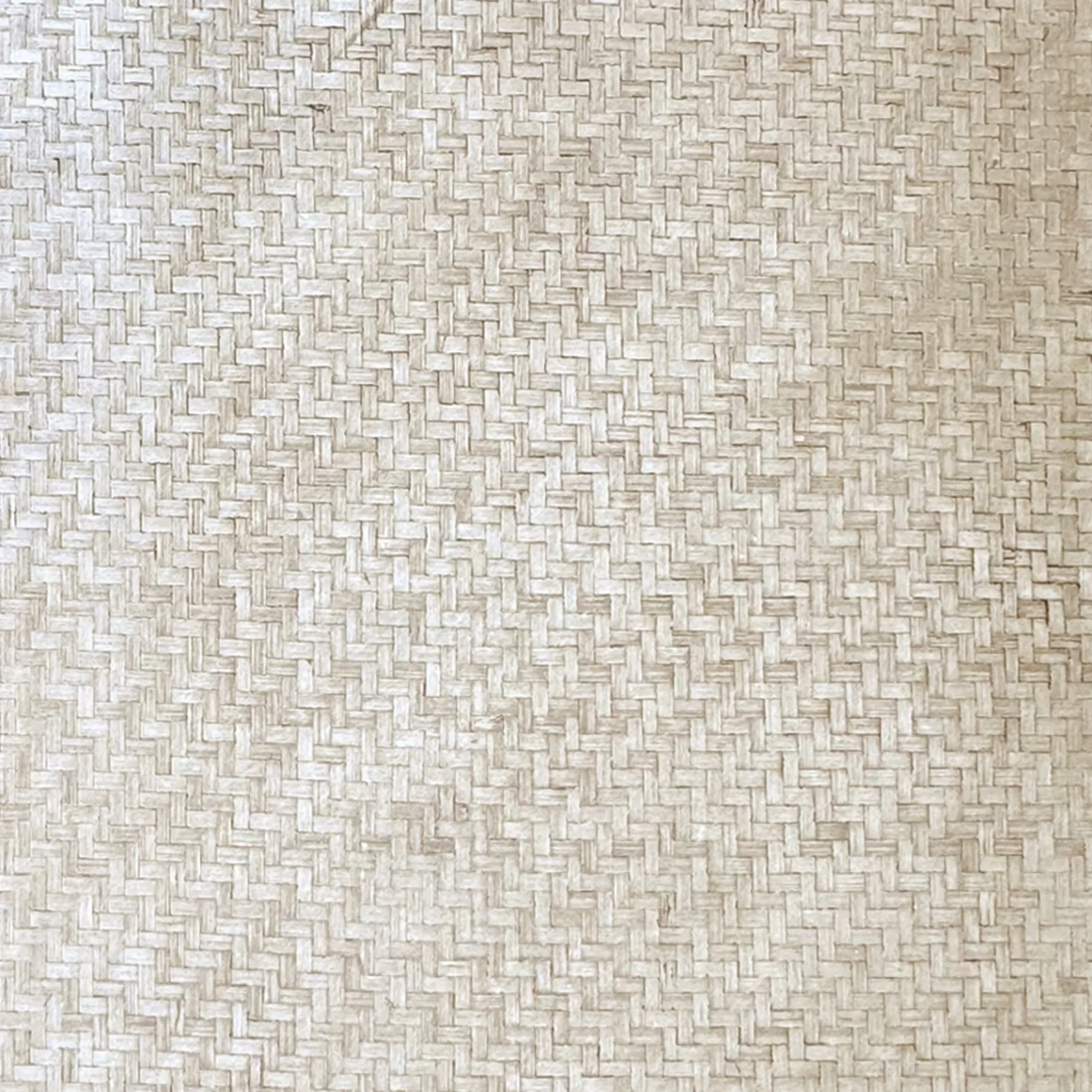
At the end of the day, LEED certification isn't just about a plaque on the wall. It's about honoring the planet we share and the people who will inherit it. Bamboo mat board embodies this ethos—it's a material that doesn't just build spaces, but trust. Trust that the buildings we create today won't compromise tomorrow. Trust that sustainability and beauty can coexist. Trust that even the smallest material choice can ripple outward, inspiring others to build better.
So the next time you walk into a LEED-certified building, take a moment to feel the walls. If they feel warm, resilient, and full of life, chances are, bamboo mat board is there—quietly, steadfastly, building a greener world, one project at a time.
Recommend Products












