
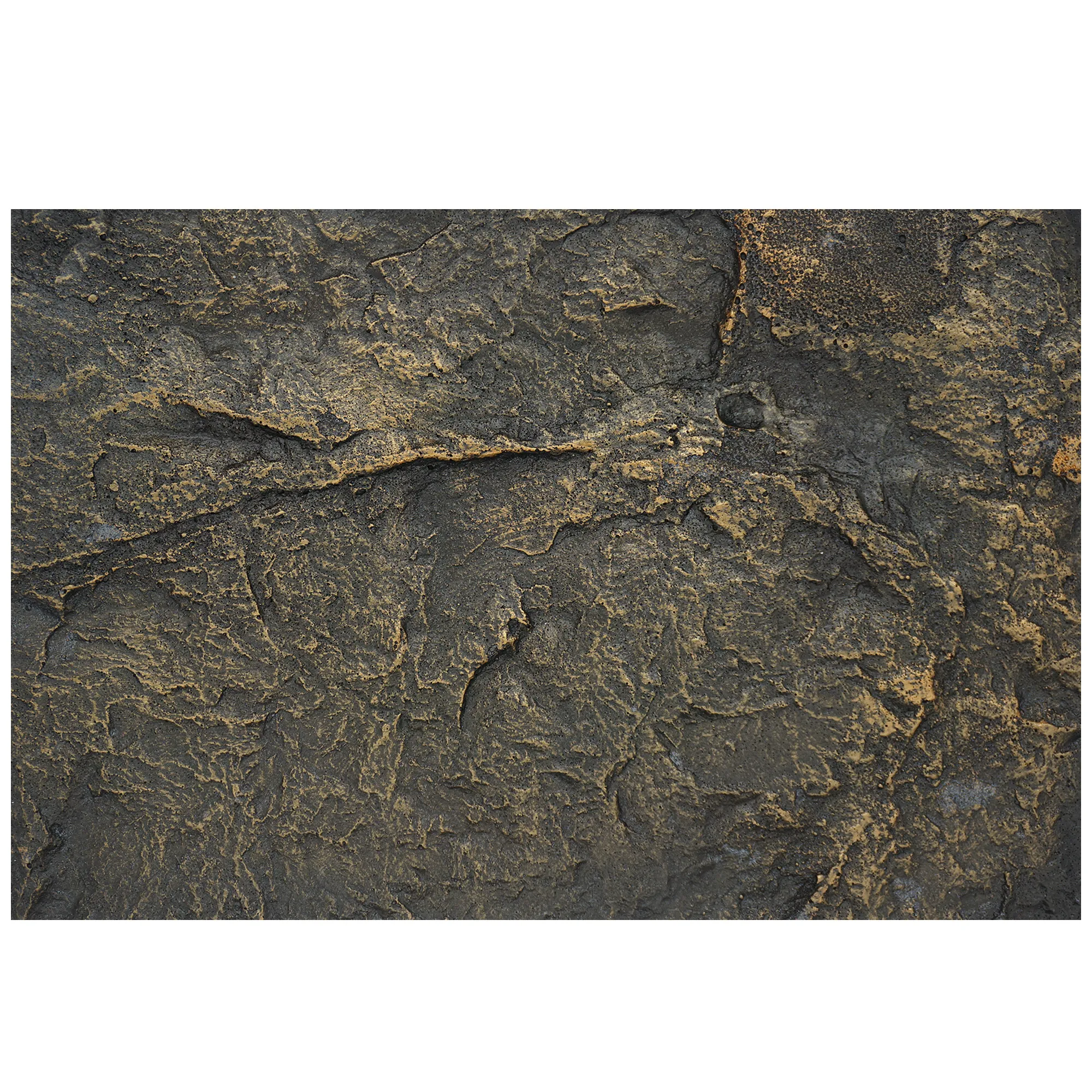
Every time we walk into a beautifully designed space—whether it's a sleek office lobby, a cozy café, or a modern home—we rarely stop to think about the story behind the walls. But for architects, builders, and environmentalists, that story often includes a hidden chapter: waste. The construction industry is one of the world's largest generators of waste, and much of it stems from something we've long admired for its beauty: natural stone. From quarries that scar landscapes to piles of discarded scraps from cutting and installation, traditional stone has a heavy environmental footprint. But what if there was a way to get the timeless elegance of stone without the waste? Enter Boulder Slab (Vintage Gold) —a star product in the MCM (Modified Composite Material) lineup that's redefining sustainability in construction.
Natural stone—think granite countertops, travertine floors, or marble walls—has been a symbol of luxury for centuries. But its journey from mountain to building is far from glamorous. Let's start at the beginning: quarrying. Extracting stone from the earth involves blasting, drilling, and heavy machinery, which not only disrupts ecosystems but also generates massive amounts of waste. For every ton of usable stone mined, up to 3 tons of rock and soil are discarded as "overburden," according to the U.S. Geological Survey. That's millions of tons of waste dumped into landfills or left to erode into rivers each year.
Then comes processing. Cutting natural stone into slabs or tiles is a messy, imprecise process. Water is used to cool saws, but much of it becomes contaminated with stone dust and chemicals, while leftover (scraps) pile up—too small to use for large projects but too valuable to ignore. In fact, the Stone Fabricators Institute estimates that up to 20% of natural stone is wasted during cutting and shaping alone. And that's before it even leaves the factory.
Transportation adds another layer of waste. Natural stone is heavy—granite, for example, weighs around 160 pounds per square foot. Hauling these heavy slabs requires fuel-guzzling trucks, and even then, breakage is common. A single cracked slab during transit means all the energy and resources used to extract and process it go to waste. Finally, installation: contractors often have to cut stones on-site to fit irregular spaces, leading to more dust, more scraps, and more waste. By the time a natural stone project is finished, it's not uncommon for 15-25% of the original material to end up in the trash.
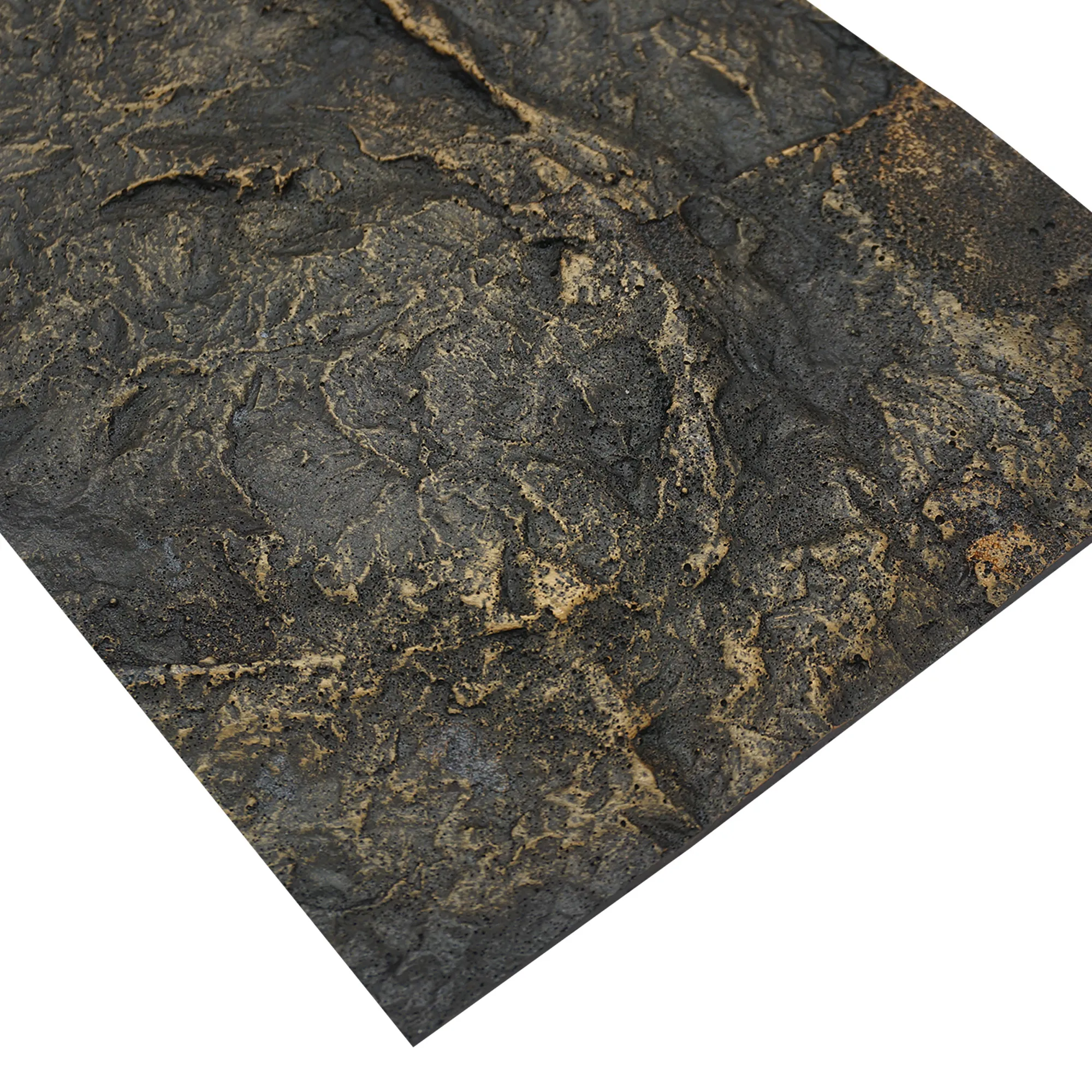
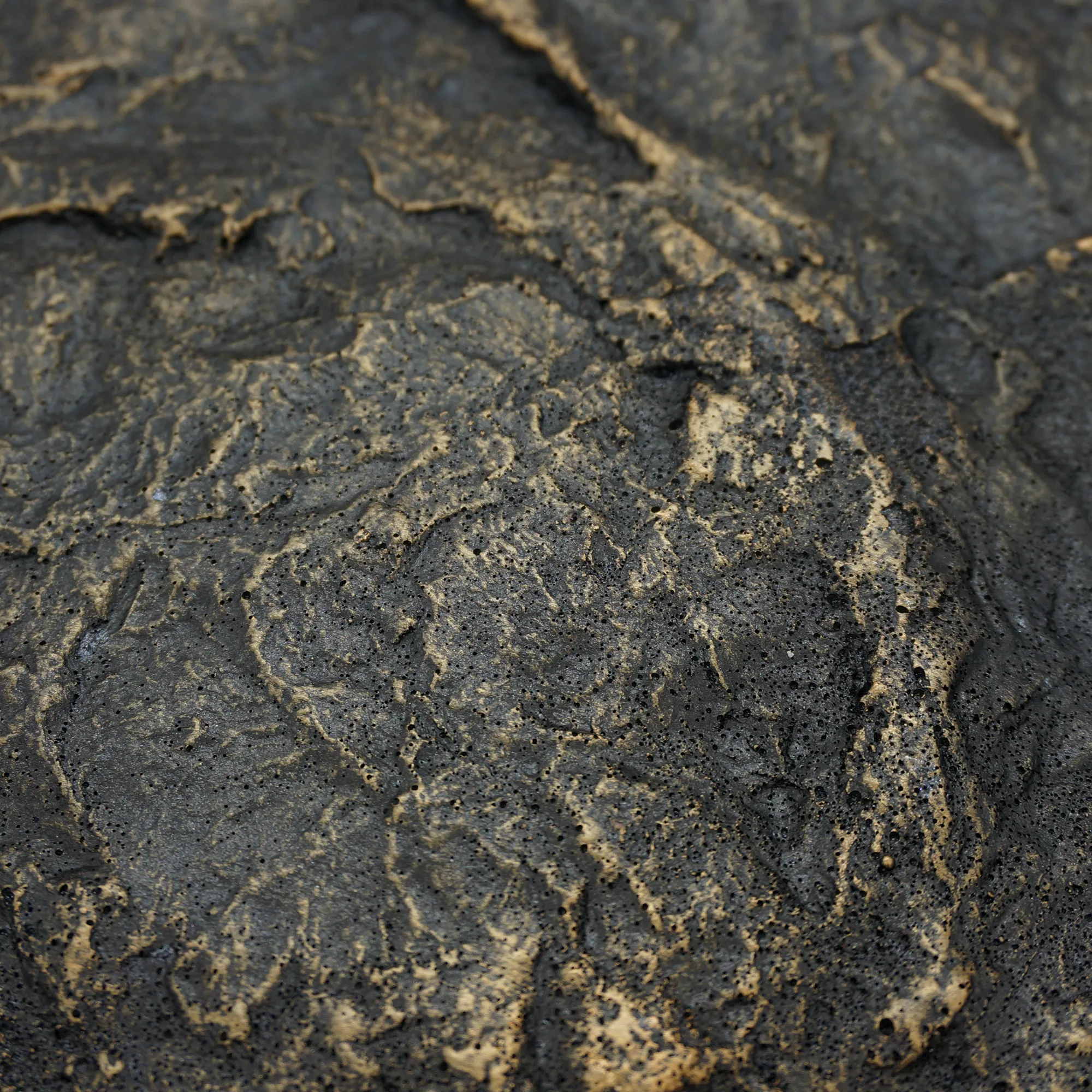
MCM products like Boulder Slab (Vintage Gold) were born from a simple question: How can we preserve the look and feel of natural stone while eliminating its wasteful flaws? The answer lies in MCM's core philosophy: using advanced technology and eco-friendly materials to mimic nature without depleting it. Boulder Slab (Vintage Gold) is a prime example—a composite material made from recycled stone powder, mineral oxides, and a lightweight polymer binder, all shaped into slabs that look and feel like weathered, golden-hued stone.
But its beauty isn't just skin-deep. From manufacturing to installation, every step of Boulder Slab's lifecycle is designed to cut waste. Let's break it down:
Unlike natural stone, which is mined in irregular blocks, Boulder Slab (Vintage Gold) is crafted using MCM 3D Printing Series technology. This isn't your average 3D printer—it's a high-precision system that layers materials with pinpoint accuracy, ensuring every slab is exactly the size and shape needed. There's no guesswork, no over-cutting, and no scraps left behind. Even better, MCM manufacturers use up to 40% recycled stone dust from natural stone processing facilities, giving new life to waste that would otherwise sit in landfills.
Compare that to natural travertine, which is often quarried in large, uneven blocks. To get a 4x8-foot slab, you might have to cut through 10 feet of stone, discarding the rest as waste. With Boulder Slab, what you see is what you get—no excess, no waste.
Natural stone's weight is one of its biggest downsides. A typical 4x8-foot granite slab weighs over 600 pounds, requiring heavy machinery to transport and install. Boulder Slab (Vintage Gold) , by contrast, weighs just 12-15 pounds per square foot—light enough for two people to carry. This lightweight design means less raw material is needed to create each slab, reducing the demand for mining and extraction. It also cuts down on transportation emissions and breakage: while natural stone has a 5-8% breakage rate during transit, Boulder Slab's durability and lightness drop that number to less than 1%.
Ask any contractor about installing natural stone, and they'll likely groan about on-site cutting. Walls are rarely perfectly straight, corners are uneven, and pipes or outlets require custom notches—all of which mean hauling heavy saws to the job site and generating piles of stone dust and scraps. With Boulder Slab (Vintage Gold), that's a thing of the past. MCM products are pre-engineered to fit standard building dimensions, and they're easy to trim with basic tools if adjustments are needed. Some even feature interlocking edges, eliminating the need for messy adhesives or grout. The result? Up to 90% less installation waste compared to natural stone, according to a 2024 study by the Green Building Council.
Waste isn't just about what's thrown away during construction—it's also about what's thrown away after construction. Natural stone, while durable, is prone to cracking, staining, and erosion over time. A chipped granite countertop or a weathered travertine patio often means replacing the entire slab, creating even more waste. Boulder Slab (Vintage Gold) , however, is built to last. Its composite structure resists scratches, moisture, and UV rays, and it's backed by a 50-year warranty. In real-world terms, that means fewer replacements, less demolition waste, and a longer lifecycle for your building materials.
| Category | Natural Stone (e.g., Granite) | Boulder Slab (Vintage Gold) |
|---|---|---|
| Extraction Waste | 3 tons of waste per 1 ton of usable stone | 0 extraction waste (made from recycled materials) |
| Processing Waste | 15-20% of material wasted during cutting | <5% waste (precision 3D printing) |
| Transportation Breakage | 5-8% of slabs cracked/damaged | <1% breakage rate (lightweight design) |
| Installation Waste | 10-15% of material wasted on-site | <2% waste (pre-cut, easy trimming) |
| Lifespan Waste (20-year use) | High (replacement needed due to wear) | Low (50-year warranty, minimal replacement) |
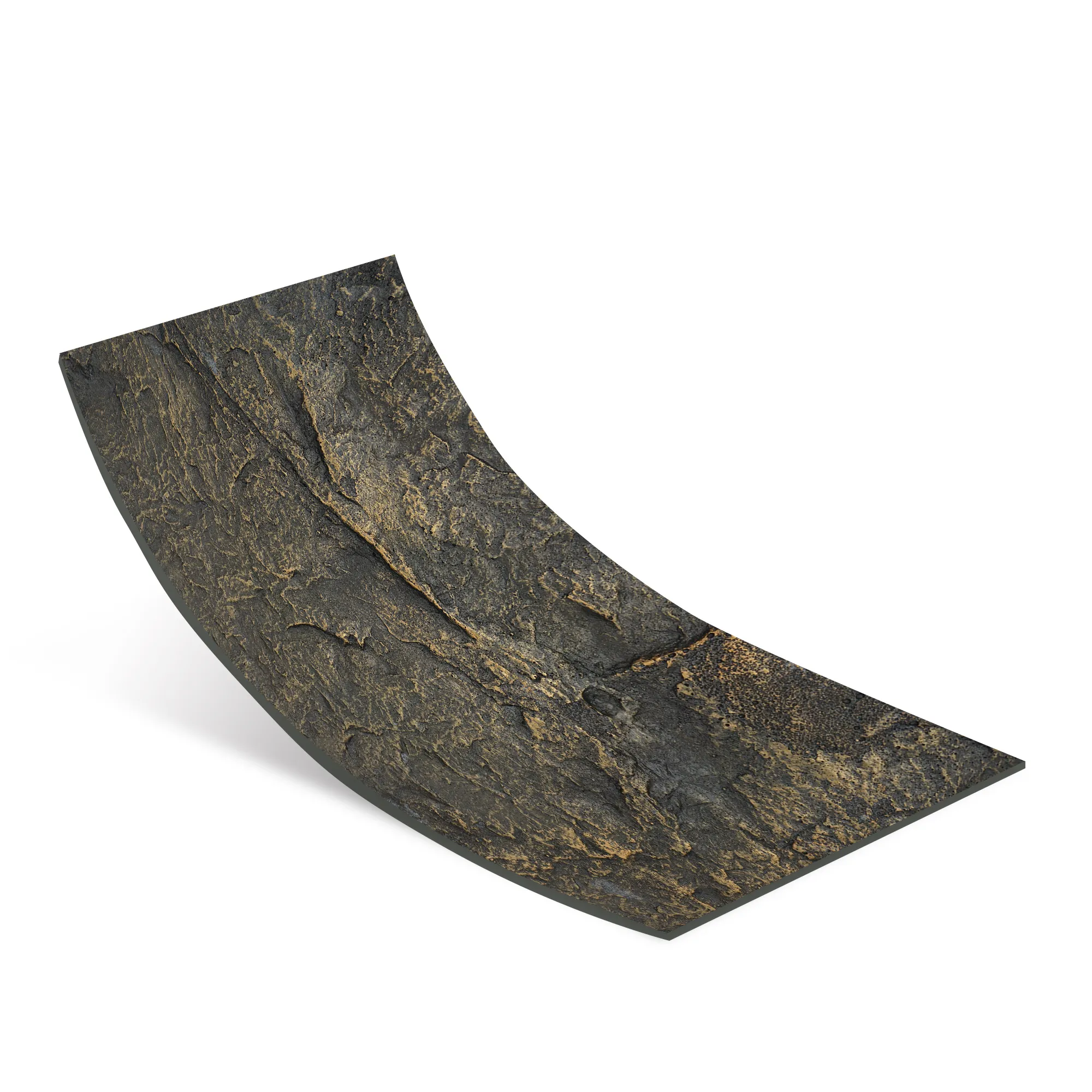
Boulder Slab (Vintage Gold) isn't alone in MCM's mission to cut waste. The lineup includes other eco-friendly stars like Foamed Aluminium Alloy Board (Vintage Gold) , which uses recycled aluminum to create lightweight, corrosion-resistant panels with minimal manufacturing waste. Then there's MCM Flexible Stone , a thin, bendable material that hugs curved surfaces without the need for cutting—perfect for architectural designs that would normally require hacking natural stone into awkward shapes.
Even MCM's more specialized products, like Lunar Peak Golden (with its iridescent, moon-like finish) or Fair-Faced Concrete (mimicking the raw beauty of concrete with 30% less material), follow the same waste-reducing principles. It's a holistic approach: beauty, function, and sustainability, all in one.
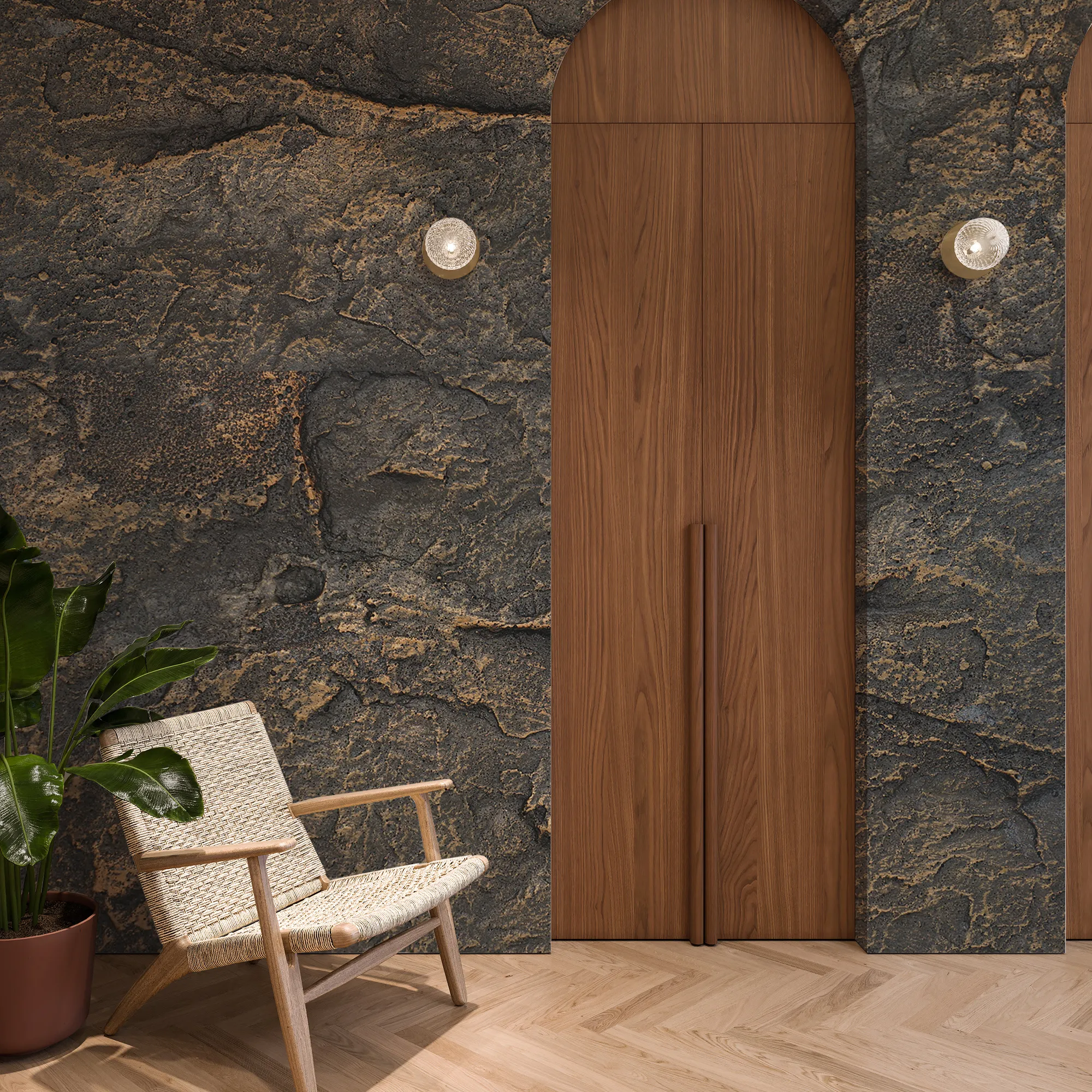
At the end of the day, Boulder Slab (Vintage Gold) isn't just a building material—it's a statement. It says that you can have the warm, earthy elegance of stone without contributing to landfill waste or destroying natural landscapes. It's for the architect who wants to design responsibly, the builder who hates cleaning up scraps, and the homeowner who wants their space to look good and do good.
The construction industry's waste problem won't solve itself, but small choices add up. By swapping traditional stone for MCM products like Boulder Slab, we're not just building better spaces—we're building a better future. And that's a story worth telling.
Recommend Products












