
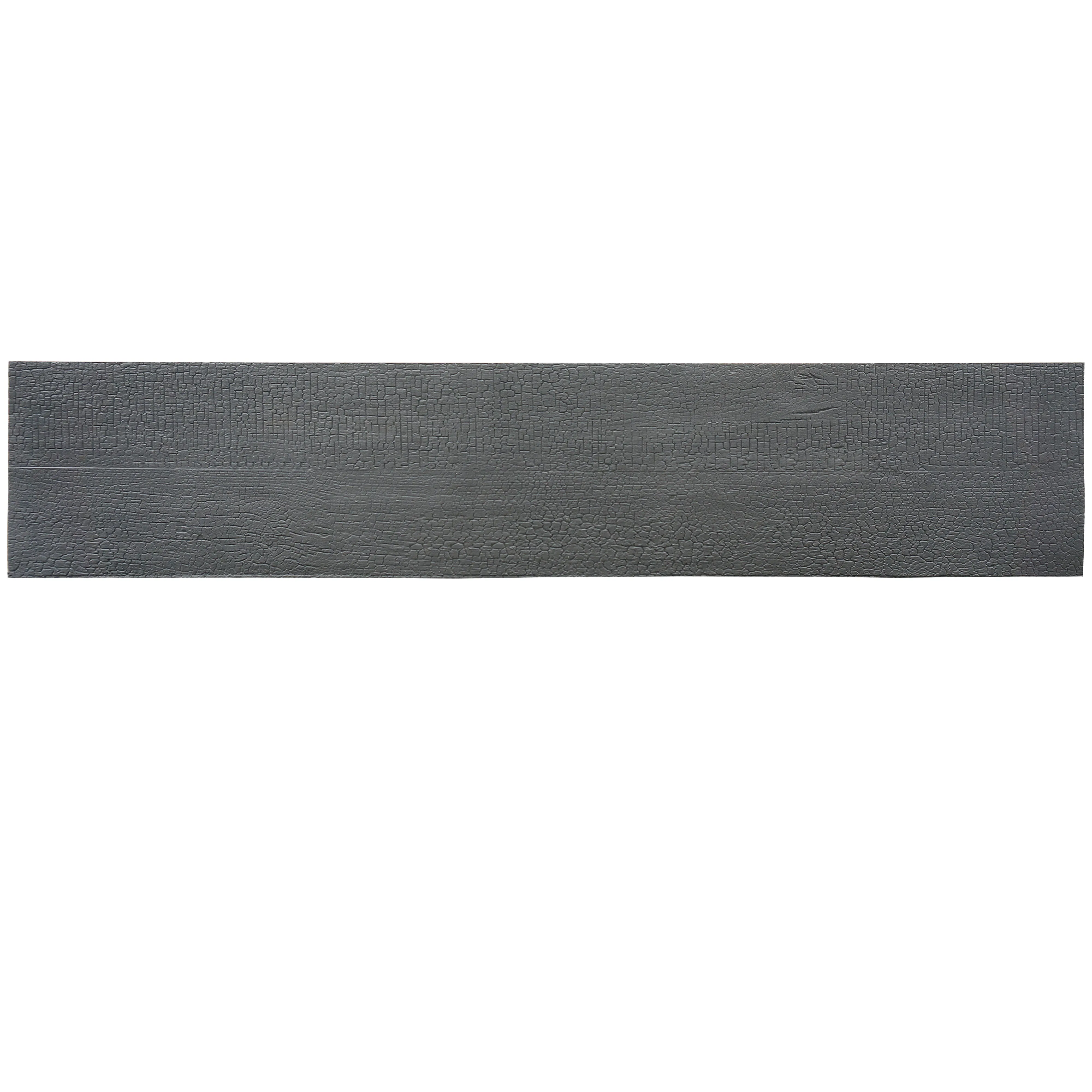
In a world where the phrase "sustainability" has shifted from a buzzword to a critical necessity, the construction industry stands at a crossroads. Buildings account for nearly 40% of global carbon emissions, from their construction to their operation, making the choice of building materials more impactful than ever. Enter green building materials—innovative solutions designed to minimize environmental harm while maximizing durability, efficiency, and aesthetic appeal. Among these, one material has quietly been gaining traction for its unique blend of tradition, sustainability, and versatility: the charcoal burnt wood board. More than just a pretty face, this material is a testament to how ancient techniques can meet modern eco-conscious goals. Let's dive into what makes it a standout player in the green building movement.
To understand the value of charcoal burnt wood board, we first need to unpack its origins. While the term might sound industrial, its roots lie in a centuries-old practice: shou sugi ban , a traditional Japanese method of preserving wood by charring its surface. Historically used to protect cedar siding from rot, insects, and fire, this technique involves carefully burning the wood's outer layer, then brushing away the loose charcoal and sealing the surface with natural oils. Today, modern manufacturers have refined this process, adapting it to a variety of wood species and applications, resulting in the charcoal burnt wood board we see in contemporary construction.
So, what exactly is a charcoal burnt wood board? At its core, it's wood—typically sourced from fast-growing, renewable species like pine or cedar—that undergoes controlled charring. The burning process creates a thin, carbon-rich layer on the surface, which acts as a natural barrier against moisture, pests, and UV rays. The result? A material with a striking, textured appearance—think deep, smoky hues ranging from jet black to warm amber, with visible grain patterns that tell the story of the wood's growth. But its beauty is more than skin deep. Beneath that charred layer lies strong, stable wood, making it suitable for everything from wall cladding and flooring to furniture and outdoor decking.
Durability by Design: The charring process isn't just for looks. That carbon layer is a powerhouse of protection. Unlike untreated wood, which can warp, rot, or become infested with termites within years, charcoal burnt wood board resists these issues. Tests show it can last decades outdoors without needing chemical treatments—a huge win for both longevity and the environment.
Low Maintenance: Forget regular coats of paint or toxic preservatives. A quick annual wipe with a damp cloth and a light application of natural oil (like linseed or tung oil) is all it takes to keep this board looking fresh. This not only saves time and money but also reduces the release of harmful chemicals into the air and soil.
Thermal Insulation: Wood is already a natural insulator, but the charred layer adds an extra boost. The porous structure of the burnt surface traps air, creating a buffer against heat transfer. In colder climates, this means less energy spent on heating; in warmer ones, it keeps interiors cooler, reducing reliance on air conditioning.
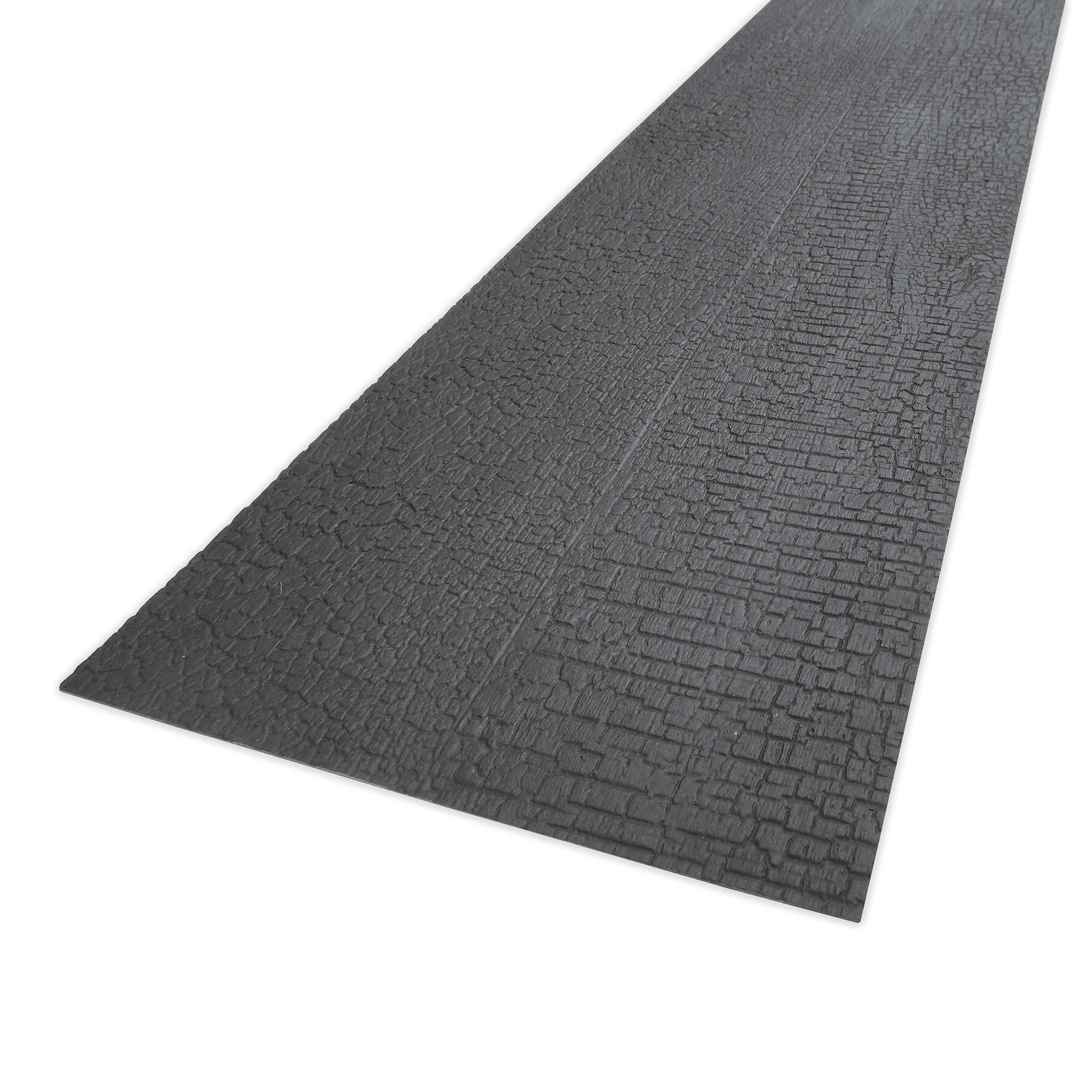
Green building initiatives focus on three core pillars: reducing environmental impact, enhancing occupant health, and improving building performance. Charcoal burnt wood board checks all three boxes, often in ways that surprise even seasoned architects. Let's break down its contributions.
The environmental impact of a building material starts long before it reaches the construction site—it begins with its production. Charcoal burnt wood board shines here for several reasons. First, it relies on wood, a renewable resource. When sourced from sustainably managed forests (where trees are replanted as they're harvested), wood acts as a carbon sink: trees absorb CO2 as they grow, and that carbon remains stored in the wood even after it's harvested. This is in stark contrast to materials like steel or concrete, which require massive amounts of energy to produce and release significant CO2 in the process.
Second, the charring process itself is low-energy. Unlike manufacturing processes for synthetic materials (think plastic cladding or vinyl siding), which involve high heat, toxic chemicals, and fossil fuels, charring wood requires minimal energy—often just a controlled flame and manual labor. Many manufacturers even use waste wood from other industries (like sawmill scraps) to create their boards, diverting material from landfills and further reducing their carbon footprint.
Sustainability isn't just about what a material is made of—it's about how long it lasts. A product that needs frequent replacement creates a cycle of waste, from manufacturing new materials to disposing of old ones. Charcoal burnt wood board's exceptional durability breaks this cycle. Thanks to its charred surface, it resists the common enemies of wood: rot, mold, and pests. In fact, properly maintained charcoal burnt wood boards have been known to last 50 years or more in outdoor applications, compared to 15–20 years for untreated wood. This longevity means fewer replacements, less demand for new resources, and less waste ending up in landfills.
A building's energy use is a major contributor to its carbon footprint, and insulation plays a key role in reducing that use. Charcoal burnt wood board, with its natural insulating properties, helps buildings stay warmer in winter and cooler in summer. This isn't just a comfort benefit—it translates to lower energy bills for homeowners and businesses, and fewer greenhouse gas emissions from power plants. For example, a home clad in charcoal burnt wood board may require 10–15% less heating energy than one with vinyl siding, according to studies by green building research firms. Over time, those savings add up—for both wallets and the planet.
Green building isn't just about the planet; it's about the people who live and work in these spaces. Traditional wood treatments often rely on chemical preservatives (like arsenic or formaldehyde) to extend lifespan, but these can off-gas harmful volatile organic compounds (VOCs) into indoor air, contributing to respiratory issues and allergies. Charcoal burnt wood board, by contrast, uses nature's own preservative: carbon. The charring process eliminates the need for toxic chemicals, and the sealing step uses plant-based oils (like linseed or beeswax) instead of synthetic sealants. The result is a material that improves indoor air quality, making it ideal for homes, schools, and healthcare facilities where occupant health is a priority.
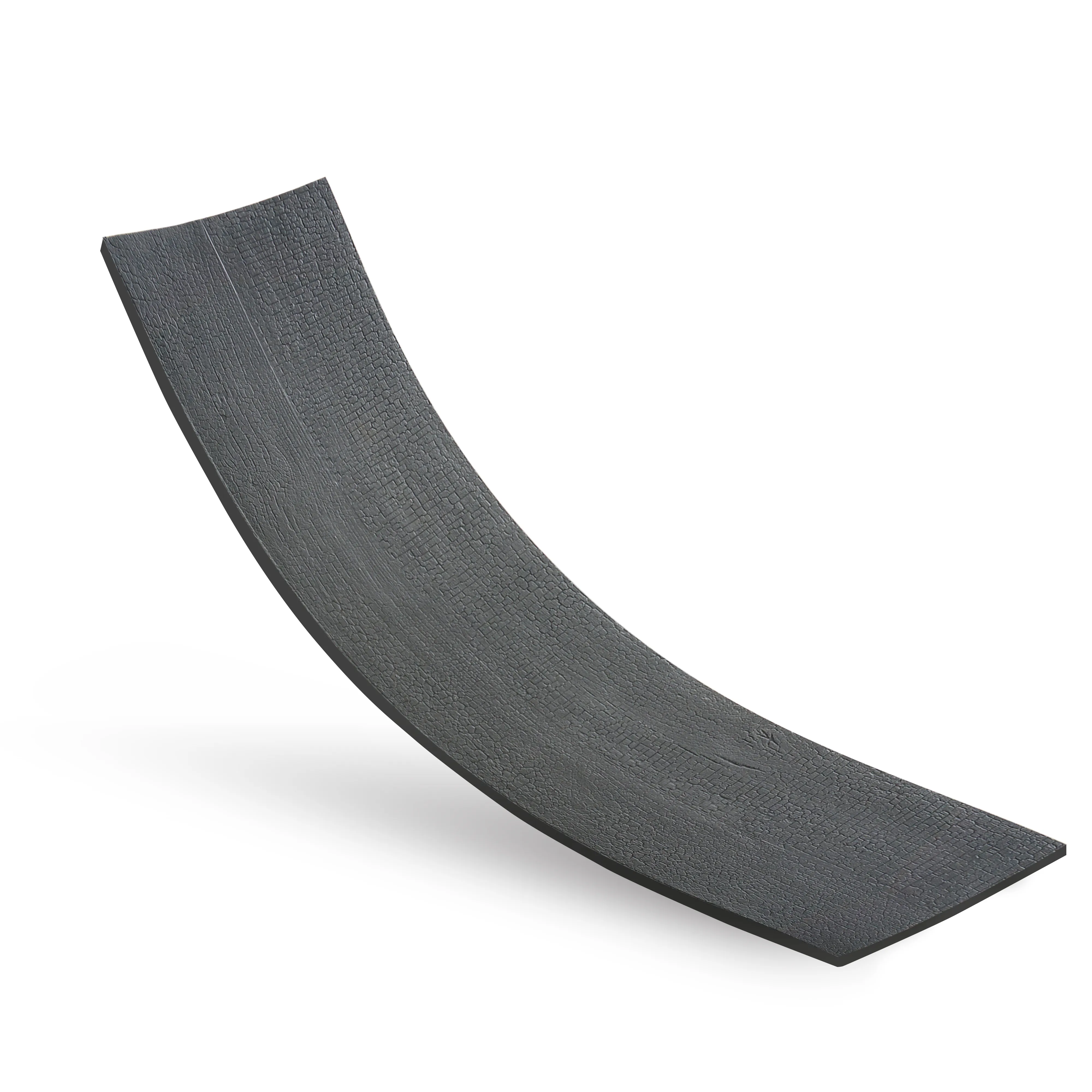
Of course, charcoal burnt wood board isn't the only green building material on the market. Let's see how it stacks up against two other popular sustainable options: wood concrete board and rammed earth board. This comparison will highlight where charcoal burnt wood board truly excels.
| Material | Sustainability (Carbon Footprint) | Durability (Outdoor Lifespan) | Thermal Insulation | Aesthetic Versatility |
|---|---|---|---|---|
| Charcoal Burnt Wood Board | Low: Renewable wood, minimal processing energy, carbon sequestration | 50+ years (with minimal maintenance) | High: Natural wood + charred air-trapping layer | Exceptional: Rich, varied textures; colors from black to amber; fits modern, rustic, and traditional designs |
| Wood Concrete Board | Moderate: Combines wood fibers (renewable) with concrete (high carbon footprint) | 30–40 years (resistant to rot, but heavier and prone to cracking if not installed properly) | Moderate: Concrete conducts heat, offset slightly by wood fibers | Good: Industrial, minimalist look; limited color range (greys, browns) |
| Rammed Earth Board | Low: Uses local soil, minimal processing | 40–60 years (durable but requires protection from heavy rain) | High: Dense earth acts as a thermal mass, regulating temperature | Strong: Earthy, natural tones; uniform texture; best for rustic or desert-inspired designs |
What stands out here? Charcoal burnt wood board offers a rare balance: it matches the low carbon footprint of rammed earth, exceeds the durability of wood concrete board, and adds unrivaled aesthetic flexibility. Its natural, organic texture can warm up a modern minimalist space or complement a rustic cabin, making it a favorite among designers aiming for both sustainability and style.
Theory is one thing, but real-world use tells the true story. Let's look at a few projects where charcoal burnt wood board has made a tangible difference in green building outcomes.
Nestled in the rainy forests of Oregon, a family wanted a home that would blend into the landscape while standing up to the region's damp climate. Their architect recommended charcoal burnt wood board for the exterior cladding. Five years later, the home's siding remains free of rot and mold, despite annual rainfall exceeding 100 inches. "We chose it for its sustainability, but we've been blown away by how little upkeep it needs," says the homeowner. "No power washing, no repainting—just an annual wipe-down with linseed oil. And the way the charred wood catches the light? It feels like the cabin is glowing at sunset."
In New York City, a co-working company aimed to create a space that felt "green" both visually and environmentally. They used charcoal burnt wood board for accent walls and conference room tables. The result? A space that feels warm and inviting, with air quality tests showing VOC levels 60% lower than similar offices using synthetic materials. "Our members often comment on how 'fresh' the air feels here," says the facility manager. "And from a branding standpoint, the wood's natural look aligns perfectly with our mission to promote sustainable workspaces."
A coastal community center in Santa Cruz needed outdoor decking that could withstand salt air, heavy foot traffic, and the occasional wildfire threat. Charcoal burnt wood board was the solution. Not only is it naturally fire-resistant (the charred layer slows combustion), but it has held up to years of beachgoers and coastal weather without warping or splintering. "We wanted something that would last, look good, and not harm the nearby marine ecosystem," explains the project engineer. "Charcoal burnt wood board checked all those boxes—and it cost less than composite decking in the long run, since we won't need to replace it for decades."
No material is perfect, and charcoal burnt wood board is no exception. It's important to acknowledge its limitations to make informed choices. For one, it's not waterproof—while the charred layer repels moisture, prolonged submersion (like in standing water) can still cause damage. Proper installation with ventilation gaps is key. Additionally, while it's more affordable than high-end materials like teak or composite wood, it can be pricier upfront than untreated lumber. However, its longevity and low maintenance costs often make it a better investment over time.
Sourcing is another consideration. To maximize sustainability, it's crucial to choose boards made from FSC-certified wood (ensuring responsible forestry) and manufactured by companies that prioritize waste reduction and energy efficiency. As with any green material, the devil is in the details—opting for a locally produced board, for example, reduces the carbon footprint associated with transportation.
As green building initiatives continue to gain momentum, materials like charcoal burnt wood board are poised to play an even bigger role. Innovations in manufacturing are expanding its applications: think thinner boards for furniture, pre-fabricated panels for quick construction, and even fire-retardant variants for high-risk zones. Architects and designers are also experimenting with combining it with other sustainable materials—like foamed aluminium alloy board for a modern, industrial look, or rammed earth board for a biophilic design that connects occupants to nature.
Perhaps most exciting is its potential to bridge the gap between "green" and "luxury." For too long, sustainable materials were seen as utilitarian or "rough around the edges." Charcoal burnt wood board challenges that narrative, proving that eco-friendly can also be elegant, versatile, and even indulgent. In a world where consumers and businesses alike are demanding both purpose and beauty, this material is a game-changer.
Charcoal burnt wood board is more than just a building material; it's a statement. It says that sustainability doesn't require sacrificing durability, beauty, or functionality. It honors ancient wisdom while embracing modern innovation. And in a construction industry grappling with its environmental impact, it offers a path forward—one that's rooted in nature, designed for longevity, and crafted with care for both people and the planet.
As we continue to build the future, let's choose materials that don't just exist in harmony with the environment, but actively support it. Charcoal burnt wood board isn't the only answer, but it's a powerful one—proof that sometimes, the best solutions are the ones that have been right in front of us all along, waiting to be reimagined.
Recommend Products












