
Walk through a sun-baked plaza in Marrakech, and you'll likely brush your hand against walls that feel warm to the touch—rough, textured, and rich with earthy tones. Now, step into a cobblestone street in Stockholm, and the stone beneath your feet might be cooler, smoother in some spots, chipped in others, bearing the quiet scars of countless winters. Both could be made of rock cut dolomitic stone, but their stories are written in the climate they've endured. For centuries, builders and architects have turned to natural stone for its durability and beauty, but few materials are as deeply influenced by their environment as rock cut dolomitic stone. Today, we're diving into the invisible dance between this versatile material and the weather—how scorching heat and bone-chilling cold shape its lifespan, appearance, and performance. Whether you're planning a home renovation, curious about historic architecture, or just love learning how the world around us leaves its mark, let's unpack how climate turns rock cut dolomitic stone from a slab of earth into a living part of our built landscape.
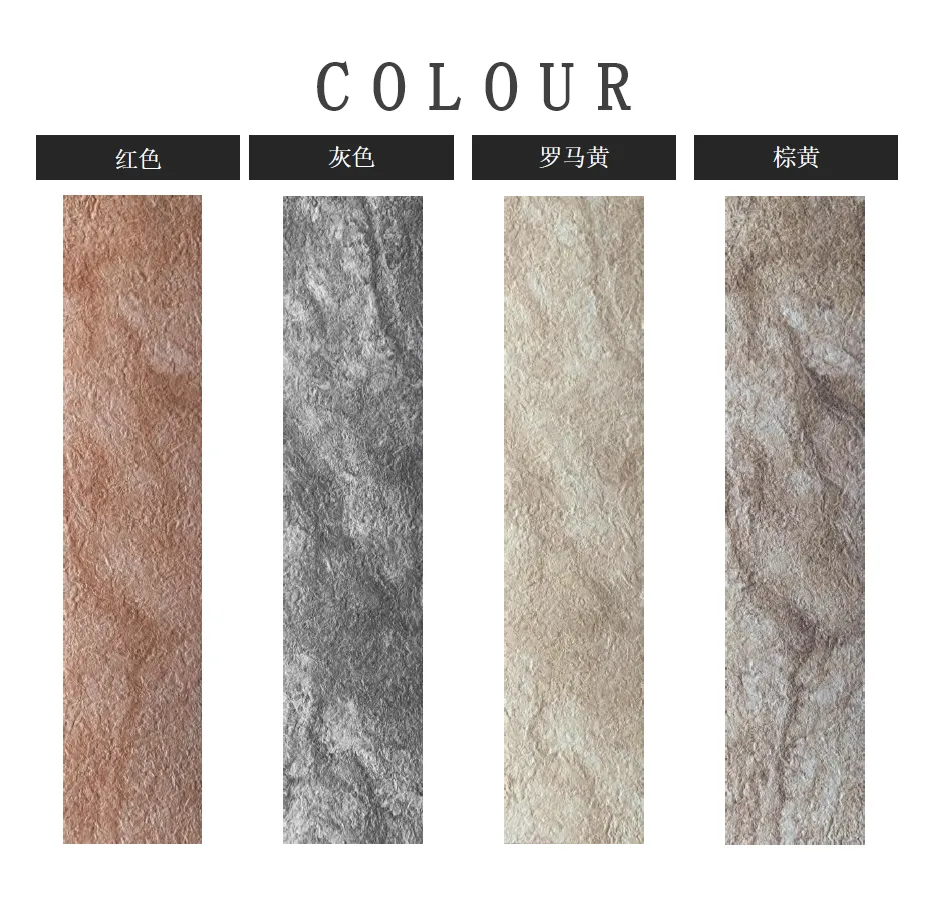
Before we jump into climate, let's make sure we're all on the same page. Rock cut dolomitic stone is a type of sedimentary rock formed from dolomite, a mineral made of calcium magnesium carbonate. Unlike polished marble or uniform concrete, rock cut dolomitic stone retains the raw, organic texture of its origins—think layers of sediment pressed together over millennia, flecked with fossil fragments, and split along natural fault lines. It's not a "one-size-fits-all" material, either. Depending on where it's quarried and how it's processed, you might find variations like dolomitic travertine (dark grey) , with its moody, storm-cloud hues, or dolomitic travertine (claybank) , a warm, sunbaked shade that feels like it was plucked from a desert plateau. These variations aren't just aesthetic—they can impact how the stone behaves in different climates, too.
What makes rock cut dolomitic stone so popular? For starters, its durability. When left to its own devices, it can stand up to centuries of wind and rain—think of ancient Roman aqueducts or medieval castles, many of which still stand thanks to dolomitic limestone foundations. But here's the catch: "left to its own devices" is rarely the case in modern construction. We build with it in deserts where temperatures soar to 120°F, in mountain towns where snow piles up for months, and in coastal cities where salt air eats away at metal. Each of these environments writes a different story on the stone's surface, and if we want our buildings to last, we need to understand those stories.
Let's start with the extremes: hot, arid regions. Picture a building in Phoenix, Arizona, clad in dolomitic travertine (dark grey) . The sun rises, and by midday, the stone is absorbing heat like a sponge. By afternoon, the temperature of the surface might hit 140°F—hot enough to fry an egg (though we don't recommend testing that). What does that kind of heat do to the stone over time?
All materials expand when heated and contract when cooled, but rock cut dolomitic stone is particularly sensitive to rapid temperature swings. In hot climates, days are scorching, but nights can bring sudden drops—think 110°F during the day, 70°F at night. That's a 40-degree difference in just a few hours. Over weeks, months, and years, this constant "breathing" starts to take a toll. Tiny cracks form along the stone's natural grain, like hairline fractures in a dry riverbed. At first, they're invisible to the naked eye, but over time, they widen. Water from rare desert rains seeps in, and when the sun comes out again, that water evaporates, pushing the cracks open even more. It's a slow process, but after 10–15 years, you might start to notice flaking—small pieces of the stone's surface peeling away like sunburned skin.
Here's where stone color matters. Dolomitic travertine (dark grey) absorbs more sunlight than its lighter counterparts, which means it heats up faster and expands more. A claybank dolomitic stone, with its lighter, reflective surface, might stay 10–15°F cooler on the same hot day. That might not sound like much, but over decades, it adds up to less stress on the stone's structure. Builders in places like Dubai or Las Vegas have caught on to this—you'll often see lighter-colored dolomitic stones on south-facing walls, where sun exposure is highest, to minimize heat absorption.
Heat isn't the only villain in hot climates—UV radiation is a silent bleacher. The sun's ultraviolet rays break down the iron oxides and organic compounds that give dolomitic stone its color. Over time, that rich dark grey dolomitic travertine might start to look washed out, more like a muted charcoal than a deep slate. Lighter stones, like claybank, fare a bit better, but they're not immune. The effect is subtle at first—you might not notice it until you compare a section of the wall that's shaded (like under an awning) to one that's been baking in the sun for years. The shaded part will be noticeably more vibrant, like a photograph that's been left in a window and faded around the edges.
It's not just about color, either. UV radiation can also dry out the stone's natural minerals, making it more brittle. Think of a piece of wood left in the sun—it becomes hard, cracked, and less flexible. The same happens to dolomitic stone. Over time, the surface loses its "give," so when a strong wind blows (carrying sand, of course), the stone is more likely to chip instead of flexing with the impact.
Hot climates aren't just about heat—they're often windy, too. In places like the Sahara or the American Southwest, wind picks up sand grains and hurls them at buildings like a natural sandblaster. Rock cut dolomitic stone, with its rough texture, is especially vulnerable here. The sand grains scratch away at the surface, wearing down the stone's natural ridges and smoothing out its character. Over time, that dolomitic travertine (claybank) that once had a rugged, hand-hewn look might start to feel almost polished—though not in a good way. The edges of the stone panels might round off, and any intricate details (like carved patterns) could disappear entirely.
Sand can also work its way into the cracks we mentioned earlier, acting like grit in a machine. When the stone expands and contracts, the sand grains grind against the inner walls of the cracks, widening them even faster. It's a double whammy: the wind causes physical abrasion, and the trapped sand accelerates structural damage.
You might think rain would be a relief in a hot climate, but for dolomitic stone, it can be a mixed blessing. When it does rain in the desert, it's often a downpour—short, intense, and full of dust and pollutants picked up from the air. That rainwater isn't pure; it's slightly acidic, thanks to carbon dioxide in the atmosphere, and it can dissolve some of the stone's minerals. Over time, this chemical weathering can leave the stone looking pitted, like someone took a hammer and tapped tiny holes all over the surface.
Even worse, the rain can wash away the protective sealants that builders apply to the stone. Sealants are like sunscreen for dolomitic stone—they block UV rays, repel water, and slow down abrasion. But a heavy rainstorm can strip that sealant right off, leaving the stone exposed. In hot climates, where sealants already degrade faster due to heat, this means more frequent re-sealing—sometimes every 2–3 years instead of the 5–7 years you might get in milder regions.
Now, let's head north—or up into the mountains—to talk about cold climates. Imagine a lodge in the Swiss Alps, or a historic building in Quebec, both using dolomitic travertine (claybank) for their exteriors. Winters here are long, with temperatures dropping well below freezing, snowfall measured in feet, and ice that seems to cling to every surface. How does rock cut dolomitic stone hold up when the mercury dips?
If hot climates are all about expansion and contraction from heat, cold climates are about a more destructive force: freeze-thaw cycles. Here's how it works: during the day, temperatures rise just enough to melt snow and ice, turning it into water. That water seeps into the tiny pores and cracks of the dolomitic stone—remember, rock cut stone is porous by nature, with all those tiny nooks and crannies from its sedimentary origins. Then, night falls, and temperatures drop below freezing. The water inside the stone freezes, and when water freezes, it expands by about 9%. That expansion is powerful enough to crack concrete, split boulders, and yes—damage dolomitic stone.
At first, the damage is minor: small cracks that you can barely see. But each freeze-thaw cycle widens those cracks, like blowing up a balloon a little more each time. After a few winters, the cracks might be big enough to stick a fingernail into. In severe cases, entire chunks of stone can break off, leaving gaping holes in the building's facade. This isn't just unsightly—it compromises the stone's structural integrity, making it less able to support the weight of the building above.
And it's not just natural snowmelt causing the problem. In urban areas, cities spread salt or de-icers on roads and sidewalks to melt ice. That salt-laden water splashes up onto building exteriors, seeping into the dolomitic stone. Salt is even more damaging than plain water because it lowers the freezing point—meaning the water inside the stone stays liquid longer, seeping deeper into the pores before finally freezing. When it does freeze, the salt crystals take up more space than water alone, increasing the pressure on the stone's internal structure. Over time, this can lead to "salt spalling"—flakes of stone breaking off in larger, irregular pieces, often leaving a white, powdery residue (salt deposits) behind.
Cold climates aren't always dry. In places like the Pacific Northwest or coastal Norway, winters are cold, wet, and foggy. All that moisture in the air can settle on the dolomitic stone, creating the perfect environment for mold, mildew, and algae. Unlike hot climates, where the sun dries things out quickly, cold climates keep that moisture trapped—think of a bathroom mirror that stays fogged up for hours after a hot shower. On stone, this trapped moisture leads to discoloration: dark, splotchy patches that mar the stone's natural color. Dolomitic travertine (dark grey) might develop black streaks, while claybank could turn greenish from algae.
But mold and mildew aren't just cosmetic issues. They feed on the organic compounds in the stone, breaking them down over time. It's like having tiny termites eating away at the stone from the inside out. What's more, the roots of these organisms can grow into the stone's pores, widening cracks and making it easier for water to seep in during freeze-thaw cycles. It's a vicious cycle: moisture leads to mold, mold leads to more cracks, more cracks lead to more moisture, and so on.
In regions with heavy snowfall, another problem arises: ice dams. Ice dams form when snow on a roof melts, runs down to the eaves, and then refreezes, creating a barrier that traps more water. That trapped water can back up under shingles and leak into walls—but it also drips down the sides of the building, freezing into icicles or sheets of ice on the dolomitic stone below. The weight of that ice can stress the stone panels, especially if they're thin or installed with minimal support. Over time, the constant pressure can cause the stone to bow or even detach from the building's structure.
Icicles themselves are a hazard, too. When they fall, they can hit the stone with surprising force, chipping edges or cracking panels. In historic buildings, where the stone might already be weakened by centuries of weathering, a single heavy icicle could cause significant damage.
Cold climates often mean shorter days and less sunlight, especially in winter. That might sound like a relief from UV radiation, but it has its own downsides. Without enough sunlight, moisture on the stone's surface takes longer to dry. In hot climates, the sun evaporates water quickly, limiting how much seeps into the stone. In cold climates, water can sit on the surface for days, slowly soaking into pores and cracks. Even if temperatures don't drop below freezing, that prolonged moisture exposure can still lead to staining, mold growth, and chemical weathering (from pollutants in rain or snowmelt).
What's more, the weak winter sun doesn't provide enough heat to "activate" the stone's natural minerals. In warmer climates, the sun's warmth helps the stone release excess moisture and maintain its structural stability. In cold climates, the stone stays damp and "dormant," making it more vulnerable to damage from other sources.
To really understand how climate shapes rock cut dolomitic stone, let's put hot and cold regions head-to-head. The table below breaks down the key differences in how each climate affects the stone's appearance, structure, and longevity—plus how two common variations, dolomitic travertine (dark grey) and dolomitic travertine (claybank) , fare in each environment.
| Factor | Hot, Arid Climates (e.g., Arizona, Dubai) | Cold, Freezing Climates (e.g., Norway, Quebec) |
|---|---|---|
| Temperature Swings | Daytime highs (90–120°F) followed by cool nights (60–75°F). Rapid expansion/contraction leads to hairline cracks and surface flaking. | Extended sub-freezing temperatures (0–32°F) with periodic thaws. Freeze-thaw cycles cause large cracks and spalling (chipping). |
| Precipitation | Rare, intense rainstorms with acidic water that strips sealants and causes pitting. Minimal snow. | Heavy snowfall and ice; salt-laden snowmelt seeps into pores, accelerating freeze-thaw damage. |
| UV Radiation | High UV levels fade color (e.g., dark grey dolomitic travertine turns charcoal) and dry out minerals, increasing brittleness. | Low UV exposure; color fading is minimal, but weak sunlight slows moisture evaporation, promoting mold. |
| Wind & Abrasion | Sand-laden winds act as sandpaper, smoothing texture and rounding edges. More severe on rough-textured stone. | Wind carries ice particles and snow, causing minor abrasion but less than sand. Ice buildup adds weight stress. |
| Effect on Dolomitic Travertine (Dark Grey) | Absorbs more heat, leading to greater expansion/contraction and faster color fading. Requires more frequent sealing. | Darker color absorbs weak winter sun, slightly reducing freeze-thaw damage. Still vulnerable to salt spalling. |
| Effect on Dolomitic Travertine (Claybank) | Reflects sunlight, staying cooler and expanding less. Better resistance to UV fading but still prone to sand abrasion. | Lighter color shows mold/algae stains more prominently. More susceptible to freeze-thaw due to higher porosity in some variants. |
| Maintenance Needs | Frequent sealant reapplication (every 2–3 years), regular cleaning to remove sand/dust, and shade structures to reduce UV exposure. | Annual waterproofing, snow/ice removal to prevent weight stress, and mold treatments. Repair cracks promptly to avoid freeze-thaw damage. |
| Expected Lifespan (with maintenance) | 20–30 years for exterior cladding; 30–40 years for protected surfaces (e.g., covered patios). | 15–25 years for exterior cladding; 25–35 years for sheltered areas (e.g., building interiors). |
Numbers and tables tell part of the story, but real buildings bring it to life. Let's look at two projects—one in a hot climate, one in a cold climate—to see how rock cut dolomitic stone performs when put to the test.
The Desert Museum in Phoenix is a celebration of desert life, and its architects wanted the building itself to reflect the landscape. They chose dolomitic travertine (claybank) for the exterior cladding, drawn to its warm, earthy tone that blends with the surrounding Sonoran Desert. That was back in 2002—now, 21 years later, how does the stone look?
Walk around the museum today, and you'll notice the stone still has its characteristic rough texture, but the edges are softer, rounded by decades of sandblasting winds. The claybank color has faded slightly, leaning more toward a pale cream than the rich terracotta it once was—a result of UV radiation. There are also small, scattered cracks on the south-facing walls, where the sun exposure is highest, and some minor flaking near the roofline, where heat accumulates.
But here's the good news: the museum's maintenance team has stayed on top of sealing. They reapply a silicone-based sealant every 3 years, which has slowed down water absorption and abrasion. They also installed retractable awnings over the most exposed walls, reducing direct sunlight by 40%. As a result, the stone is still structurally sound, and visitors often comment on how "natural" the building feels—like it's grown out of the desert rather than being built on it.
Would dolomitic travertine (dark grey) have worked here? Maybe, but the museum's architects made a deliberate choice. Dark grey stone would have absorbed more heat, leading to higher cooling costs for the building's interior and faster structural wear. The claybank stone, with its lighter color, reflects sunlight, keeping the building cooler and reducing stress on the stone. It was a trade-off: slightly more fading for longer-term durability.
Nestled in the Canadian Rockies, the Mountain Lodge is a luxury hotel that prides itself on blending rustic charm with modern comfort. When it was built in 2010, the owners opted for dolomitic travertine (dark grey) for the exterior, hoping its moody color would complement the snow-capped peaks. But Banff's winters are brutal: temperatures drop to -20°F, snowfall averages 12 feet per year, and ice dams are a constant battle.
By 2015, the lodge's maintenance team started noticing problems. The stone panels on the north side of the building—where snow lingered longest—were developing large cracks, and some had even begun to spall (chip off in chunks). The culprit? Freeze-thaw cycles. Water from melting snow seeped into the stone's pores, froze, and expanded, cracking the stone from the inside. To make matters worse, the hotel uses salt to melt ice on its sidewalks, and that salt-laden water was splashing up onto the lower panels, accelerating the damage.
The solution? The lodge switched to a calcium chloride-free de-icer (less damaging to stone) and installed heating cables along the roofline to prevent ice dams. They also started applying a specialized waterproofing sealant every year, which penetrates deeper into the stone's pores than standard sealants, blocking water absorption. Today, the dark grey dolomitic travertine still shows signs of wear—the cracks are visible if you look closely—but the damage has slowed significantly. The lodge's general manager jokes that the stone now has "character," but privately, they admit they might have chosen a lighter stone if they'd known how harsh Banff's winters could be. Lighter stone, they've learned, shows salt deposits and mold less prominently, making maintenance easier.
Whether you're building a new home or maintaining an existing structure, the key to making rock cut dolomitic stone last is adapting your care routine to the climate. Here's a breakdown of what works best in hot vs. cold regions—plus a few universal tips that apply anywhere.
Rock cut dolomitic stone is more than just a building material—it's a storyteller. Every crack, every faded hue, every smooth edge tells the tale of the climate it's endured. In hot, arid regions, it's a story of sun and sand, of resilience in the face of relentless heat. In cold, freezing regions, it's a story of ice and snow, of adaptation to a world that expands and contracts with the seasons.
But here's the thing: that story doesn't have to be one of decay. With the right knowledge—understanding how temperature, precipitation, and weathering shape the stone—we can work with climate, not against it. Whether we're choosing dolomitic travertine (dark grey) for a mountain lodge or dolomitic travertine (claybank) for a desert museum, whether we're sealing it every year or installing heating cables to fight ice dams, we're writing the next chapter in that stone's story. And if we do it right, that story will be one of longevity—of buildings that stand strong for decades, blending into their landscapes, and reminding us that nature and architecture have always been partners.
So the next time you walk past a building clad in rock cut dolomitic stone, take a closer look. Touch the surface—feel its texture, notice its color, trace its cracks. You're not just touching stone; you're touching the climate itself. And in that touch, there's a lesson: to build well, we must first understand the world around us.
Recommend Products












