
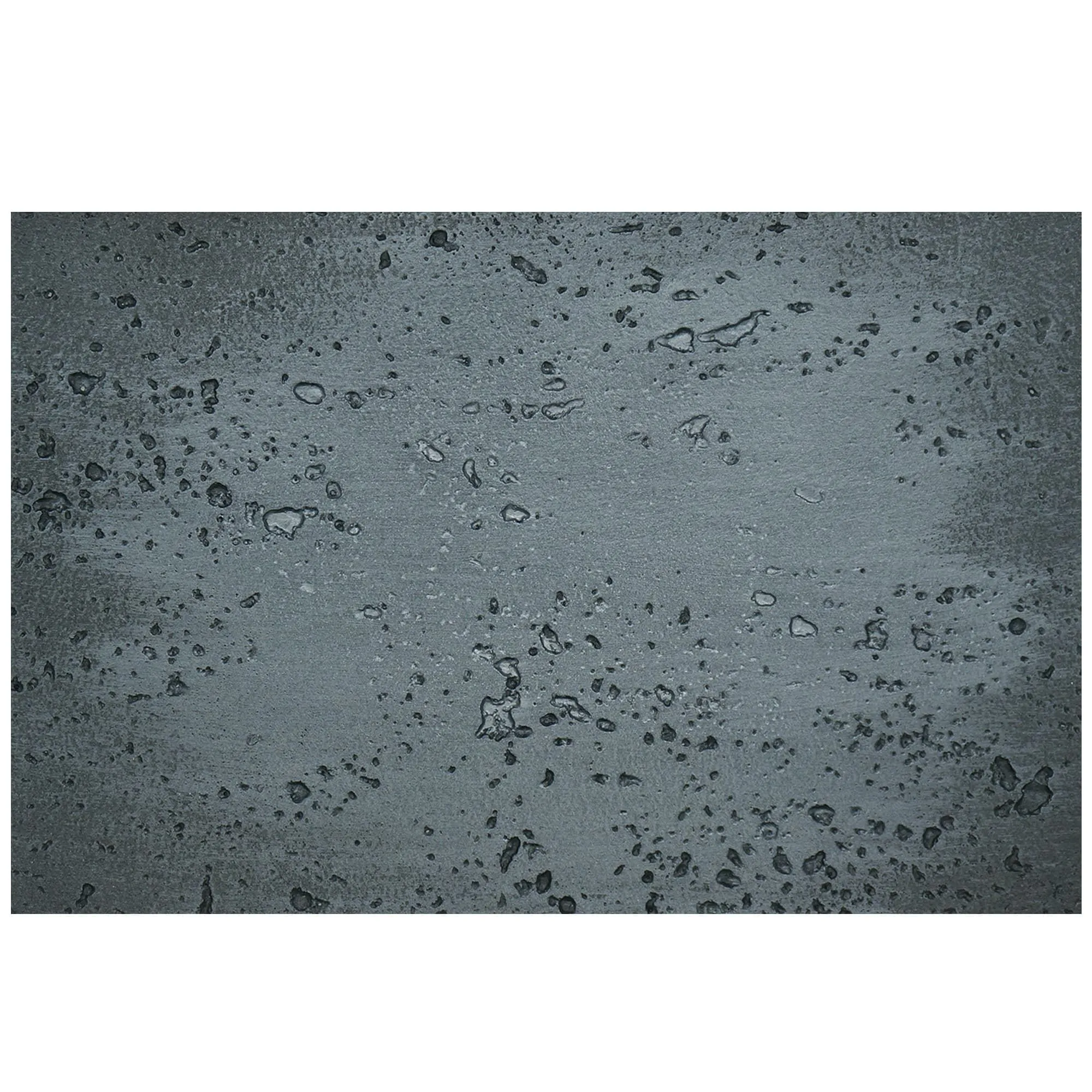
Picture this: You're standing in front of a newly built home, its exterior clad in a material that shimmers like moonlight on water. The soft silver tones catch the sun, shifting subtly with the light, and you think, "That's perfect." Chances are, what you're admiring is travertine (vintage silver) —a popular choice for homeowners and designers alike, prized for its timeless elegance and organic texture. But here's the thing: beauty alone isn't enough when it comes to exterior materials. The climate where you live? It's the silent co-designer, shaping how that travertine ages, weathers, and holds up over the years. Whether you're in a rainy coastal town, a scorching desert, or a snowy mountain region, understanding how climate interacts with travertine (vintage silver) is key to making it last.
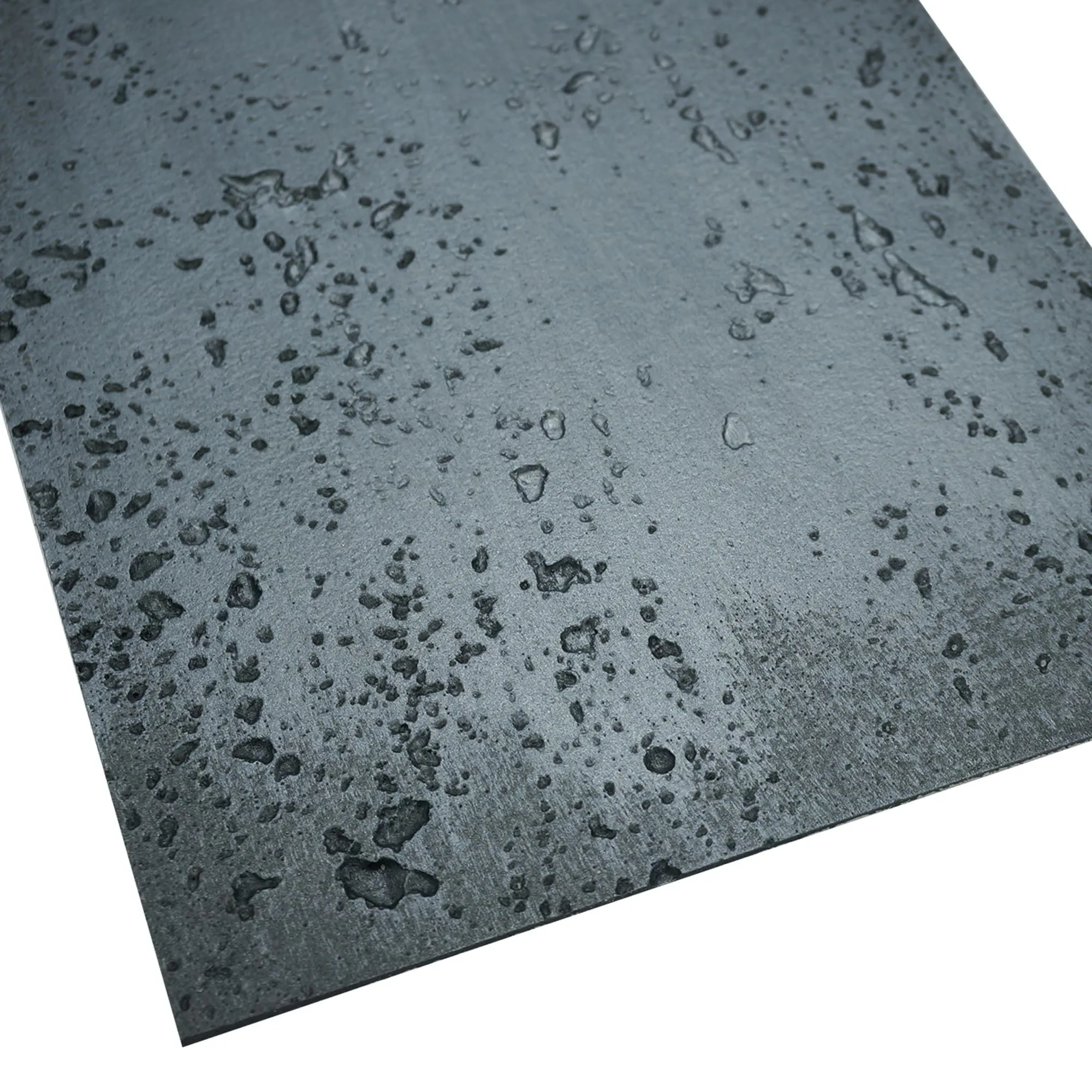
Before we dive into climate wars, let's get to know the star of the show. Travertine (vintage silver) is part of the broader travertine family—a sedimentary rock formed by mineral deposits from hot springs. What sets the "vintage silver" variant apart is its cool, muted sheen, almost like polished stone dusted with a hint of frost. It's not as flashy as marble or as bold as travertine (starry blue) , but its understated elegance makes it a chameleon in design, blending with modern, rustic, and even industrial styles.
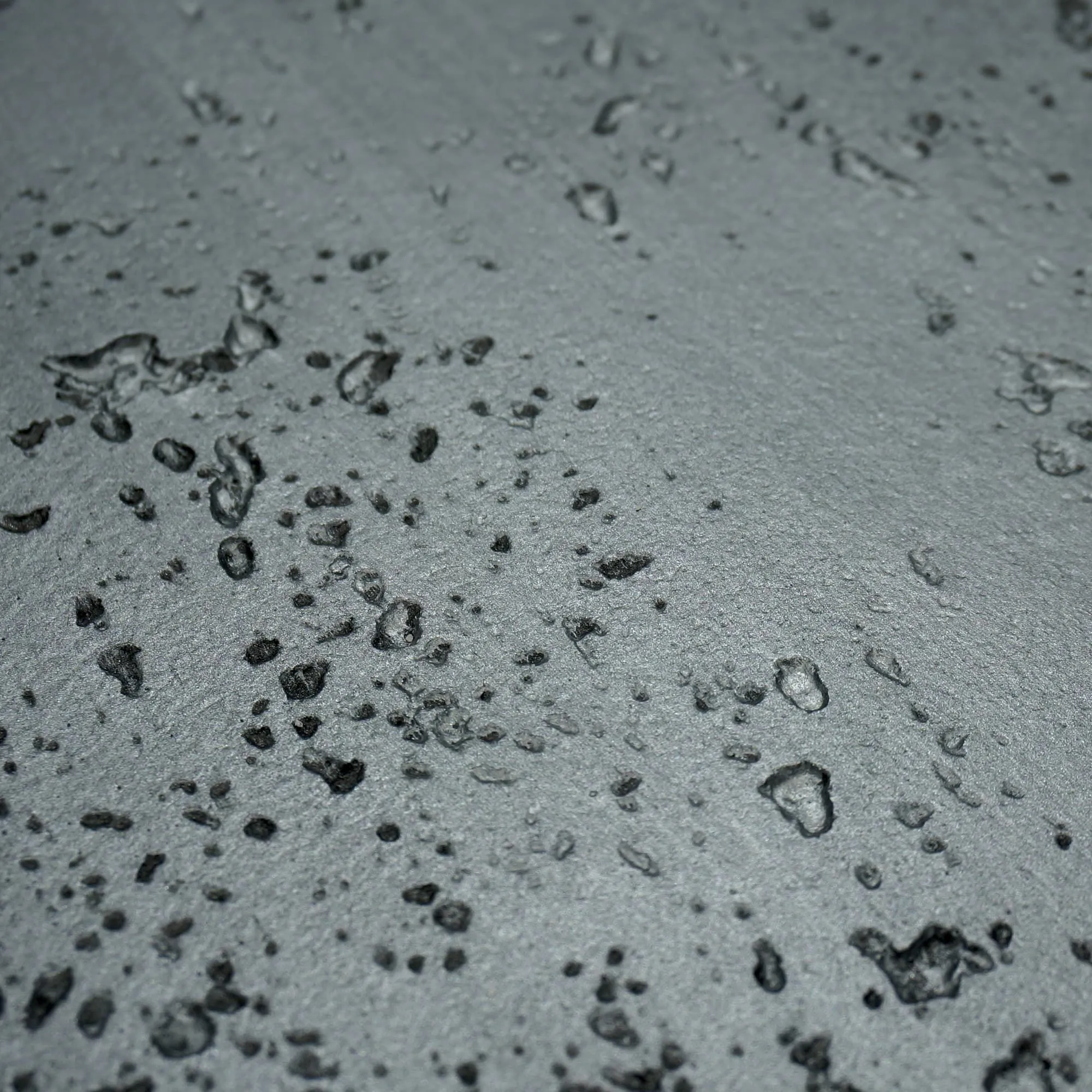
But travertine, in general, has a secret: it's porous. Those tiny holes and crevices that give it character? They're also doorways for moisture, dirt, and other climate-related troublemakers. That's why, when it comes to exterior installations, climate isn't just a background detail—it's the main plot twist. Let's break down how different weather patterns can impact your travertine (vintage silver) and what you can do to keep it looking like day one.
Not all climates are created equal, and neither are their effects on stone. Let's tour four common climate zones and see how travertine (vintage silver) holds up in each.
Think of places like the Pacific Northwest, parts of Europe, or the northeastern U.S.—mild summers, cool winters, and a healthy dose of rain spread throughout the year. You might assume this is easy street for exterior materials, but don't be fooled. The combination of seasonal moisture, temperature swings, and occasional humidity can spell trouble for travertine (vintage silver) .
Here's what happens: Rainwater seeps into those porous surfaces, and if it doesn't dry quickly (thanks to overcast days), it creates a breeding ground for algae and moss. You've probably seen it on old stone walls—those greenish streaks that start small and spread like a quiet invasion. Over time, this not only dulls the silver finish but can also etch the surface if left unchecked. And let's not forget spring and fall, when temperatures hover around freezing at night but rise during the day. That's when water trapped in the pores freezes, expands, and creates tiny cracks—like invisible potholes in your travertine.
Now, imagine living in Miami, Bangkok, or Bali—where the air feels thick with moisture, rainstorms hit hard and fast, and if you're near the coast, salt spray is part of the daily breeze. Tropical climates are a beauty test for travertine (vintage silver) , and here's why: humidity loves to cling to porous stone, turning it into a magnet for mold and mildew. Those dark, damp corners under eaves or around windows? Perfect spots for black mold to take root, which not only looks unsightly but can also eat away at the stone's surface over time.
Heavy rains are another culprit. While travertine is durable, constant pounding from raindrops can wear down the stone's outer layer, especially if the water is acidic (thanks to pollution or natural factors). And coastal tropical areas add salt to the mix: saltwater spray dries on the surface, leaving behind crystals that scratch and corrode. Over the years, this can fade the vintage silver color, turning it into a dull, uneven shade—hardly the "moonlit" look you fell in love with.
Desert regions like Arizona, Dubai, or parts of Australia bring their own set of challenges: blistering heat, bone-dry air, and sandstorms that hit with the force of a freight train. You might think, "No rain? Great—my travertine is safe!" But arid climates are all about extremes, and travertine (vintage silver) feels the burn.
First, the sun: UV rays beat down relentlessly, causing the stone's color to fade. That rich silver can turn into a washed-out gray if left unprotected. Then there's thermal expansion: during the day, the stone heats up, expanding slightly, and at night, it cools and contracts. Do this enough times, and small cracks can form, weakening the structure. And let's not forget sandstorms: tiny grains of sand act like sandpaper, scratching the surface every time the wind blows. Over time, the smooth, polished look of travertine (vintage silver) can turn rough and pitted—more "desert scruff" than "vintage elegance."
If you live in Minnesota, Siberia, or Canada, you know winter isn't just a season—it's a full-time job. Snow, ice, freezing rain, and subzero temperatures: these are the enemies of travertine (vintage silver) . The biggest threat here? Freeze-thaw cycles. When snow melts (or rain falls) and seeps into the stone's pores, then freezes overnight, the water expands by about 9%, creating pressure from the inside out. It's like blowing up a balloon inside a tiny hole—eventually, the stone cracks.
And then there's de-icing salt. We sprinkle it on driveways and walkways to melt ice, but salt is corrosive. When it mixes with melted snow and drips onto your travertine, it can leave white, powdery stains (called efflorescence) and even eat away at the surface. Add in heavy snow loads, which can chip edges or loosen mortar, and cold climates become a minefield for maintaining that sleek silver finish.
| Climate Type | Key Challenges | Effects on Travertine (Vintage Silver) | Quick Maintenance Tips |
|---|---|---|---|
| Temperate | Seasonal rain, humidity, mild freeze-thaw | Algae growth, minor cracking, dullness | Seal yearly; clean with mild detergent monthly |
| Tropical | High humidity, heavy rain, salt (coastal) | Mold, color fading, surface erosion | Seal twice yearly; use mold-resistant cleaners |
| Arid | Extreme heat, UV rays, sandstorms | Color fading, thermal cracking, surface abrasion | Apply UV protectant; rinse sand off weekly |
| Cold | Freeze-thaw cycles, de-icing salt, snow | Cracking, efflorescence, chipping | Use salt-free de-icers; seal before winter |
The good news? Travertine (vintage silver) isn't helpless against the elements. With a little TLC, you can keep it looking stunning for decades. Here's how to tailor your maintenance routine to your climate:
Think of sealant as a raincoat for your travertine. It fills in those porous holes, blocking moisture, dirt, and salt from getting in. But not all sealants are created equal. In humid or rainy climates (tropical, temperate), go for a penetrating sealer that breathes—this prevents moisture from getting trapped inside and causing mold. In arid climates, opt for a UV-resistant sealer to fight sun fading. And in cold climates, a flexible sealer can help absorb the stress of freeze-thaw cycles.
Pro tip: Re-seal every 1–2 years, depending on your climate. Tropical and coastal areas might need it twice a year, while arid regions can stretch to two. To check if it's time, sprinkle water on the surface—if it beads up, you're good; if it soaks in, grab the sealer.
You don't need harsh chemicals to clean travertine (vintage silver) —in fact, they can do more harm than good. Stick to mild, pH-neutral detergents (like dish soap) and a soft brush or sponge. Avoid vinegar, bleach, or abrasive cleaners—they'll etch the surface or strip the sealant.
In temperate climates, a monthly rinse with a garden hose and a quick scrub will keep algae at bay. In tropical areas, add a dash of hydrogen peroxide to the soapy water to kill mold. In arid regions, focus on rinsing off sand and dust weekly to prevent scratching. And in cold climates, sweep snow off promptly and avoid shoveling directly on the stone—use a plastic shovel instead of metal to prevent chips.
Even with the best care, small issues can pop up. A tiny crack today can turn into a big problem tomorrow, especially in freeze-thaw zones. If you spot a chip, crack, or loose mortar, fix it ASAP with a stone repair kit (available at hardware stores). For efflorescence (those white salt stains), mix equal parts water and white vinegar, apply with a soft cloth, and rinse thoroughly—just don't do this too often, as vinegar is acidic.
Maybe you're wondering: Is travertine (vintage silver) the only option? Let's compare it to a few popular alternatives to see how it holds up.
Fair-faced concrete is known for its industrial, raw look and durability—great for cold climates, as it resists freeze-thaw better than travertine. But it lacks the warmth and texture of travertine, and it stains easily. If you want elegance over ruggedness, travertine wins—just plan for more maintenance.
Lunar peak silvery is a synthetic stone that mimics the look of travertine but with a denser, less porous structure. It's more resistant to moisture and salt, making it better for coastal tropical areas. However, it can feel less organic—no two pieces have the unique, natural variation of real travertine. If authenticity matters, stick with the vintage silver.
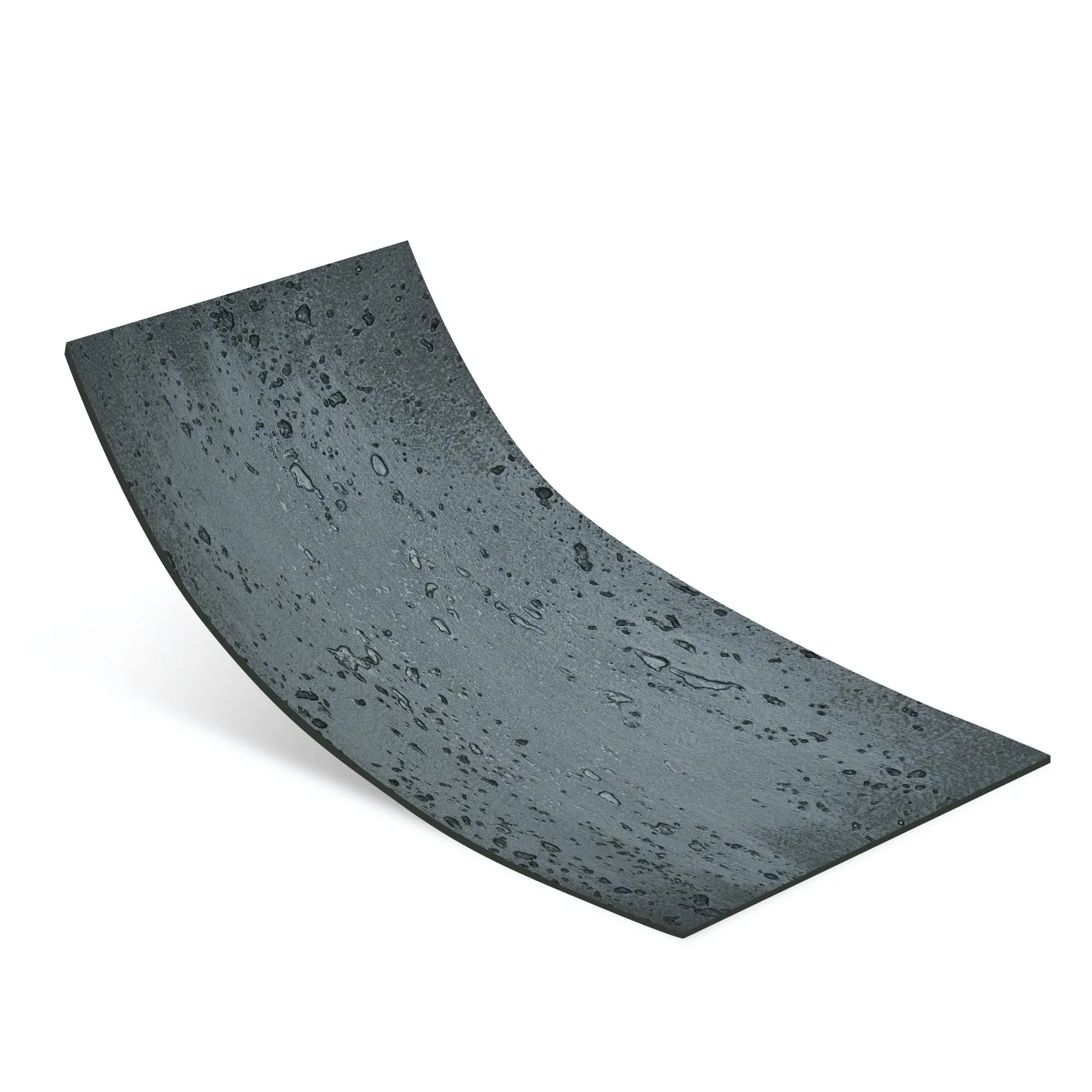
MCM flexible stone is a newer player—thin, lightweight, and bendable, which makes it great for curved surfaces or seismic zones. It's also more resistant to cracking from temperature swings. But again, it's a composite material, so it lacks the depth and natural aging of real travertine. For a classic, timeless look, travertine (vintage silver) still reigns supreme.
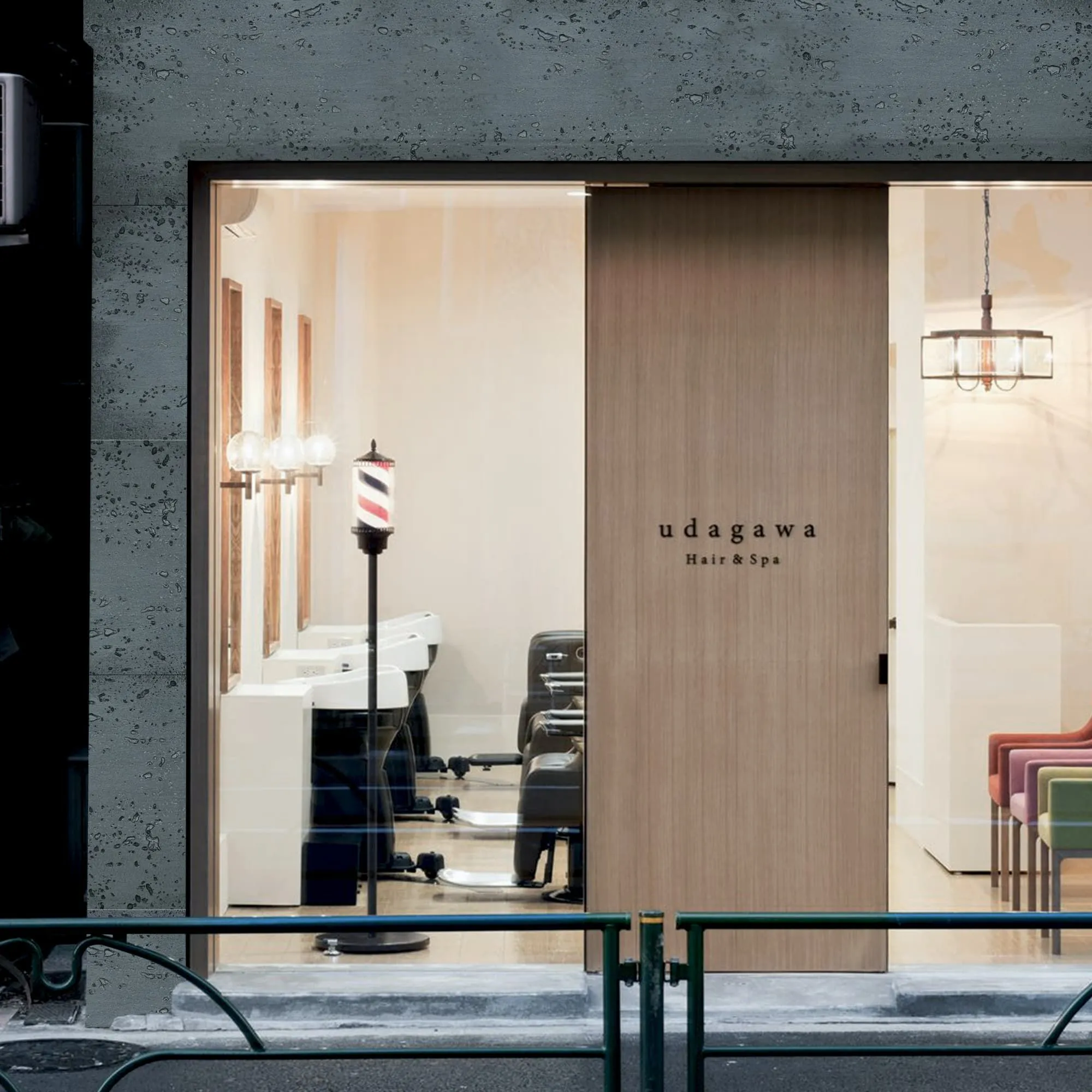
At the end of the day, travertine (vintage silver) is like a fine wine—it gets better with age, but only if you treat it right. Climate will throw curveballs, but with the right maintenance, it can thrive in nearly any environment. Whether you're dealing with the rain of the Pacific Northwest, the humidity of Florida, the heat of Arizona, or the snow of Minnesota, the key is to respect the stone's porous nature and stay ahead of weather-related wear.
And let's not forget why we choose it in the first place: that soft, silvery glow that turns a house into a home, that natural texture that tells a story, that versatility that fits any style. When you invest in travertine (vintage silver) , you're not just buying a material—you're buying a legacy. With a little care, it will outlast trends, weather storms, and keep shining for years to come.
So go ahead—embrace the beauty. Just remember: climate is your co-designer. Work with it, and your travertine will thank you.
Recommend Products












