
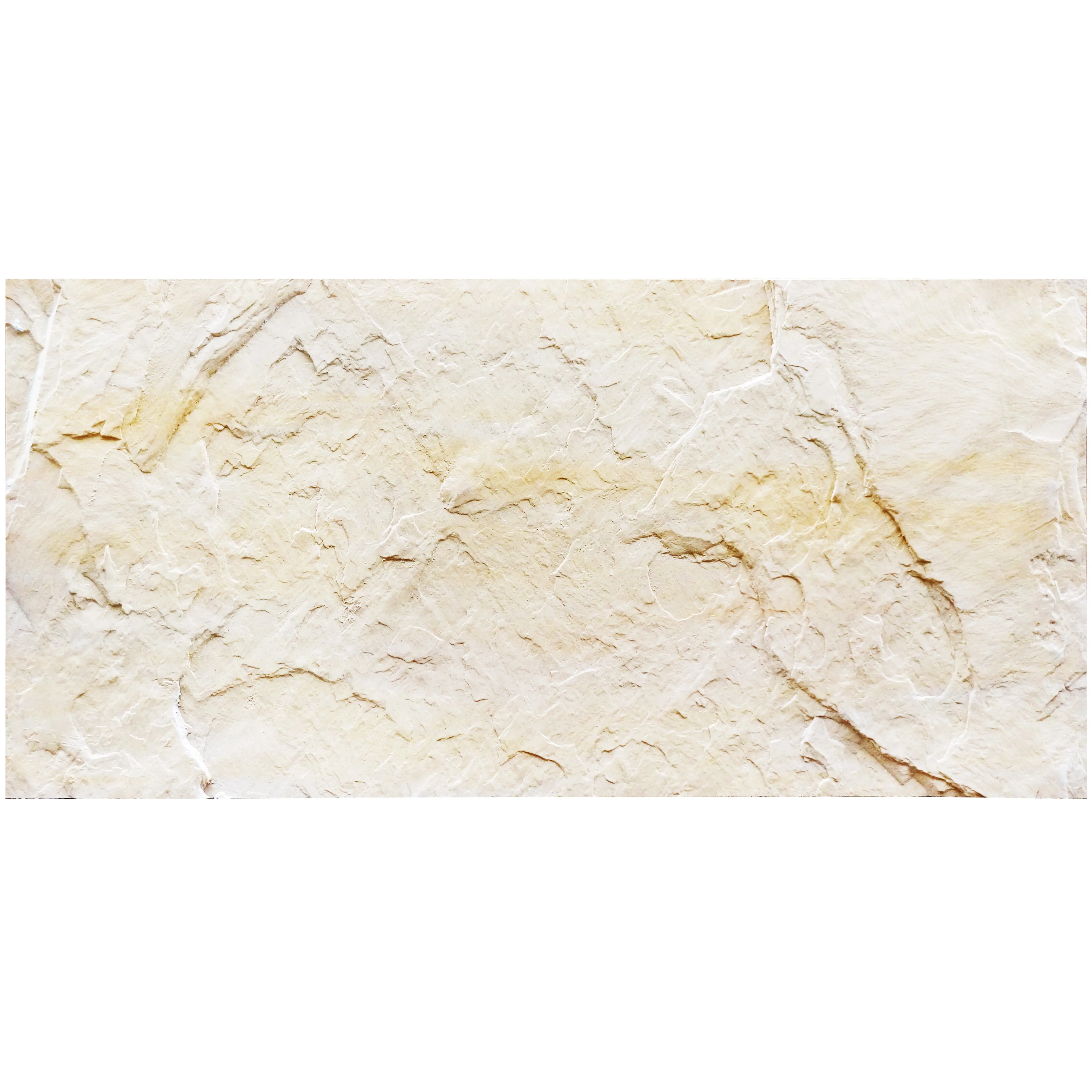
Redefining Architectural Possibilities with Lightweight, Durable, and Design-Flexible Solutions
Stone has been a cornerstone of architecture for millennia, from the grandeur of Roman forums to the rustic charm of countryside cottages. Its ability to blend durability with natural beauty makes it a perennial favorite for cladding—adding texture, warmth, and character to buildings. Yet, as construction practices evolve and demands for efficiency, sustainability, and innovation grow, traditional stone cladding has revealed a host of stubborn challenges. Architects, builders, and developers often find themselves caught between the desire for that timeless stone aesthetic and the practical realities of modern construction: heavy materials straining structural limits, labor-intensive installations eating into budgets, and rigid designs limiting creative expression.
Enter COLORIA GROUP, a pioneer in reimagining building materials for the 21st century. Among their groundbreaking offerings, Slate Sunnye stands out as a game-changer. Part of the broader MCM flexible stone family—a line of modified composite materials engineered for performance and versatility—Slate Sunnye isn't just another cladding option. It's a solution to the very problems that have long plagued traditional stone cladding. In this article, we'll dive into the most common headaches faced by professionals in the field and explore how Slate Sunnye, alongside complementary innovations like fair-faced concrete and travertine (beige) alternatives, is transforming the way we build with stone.
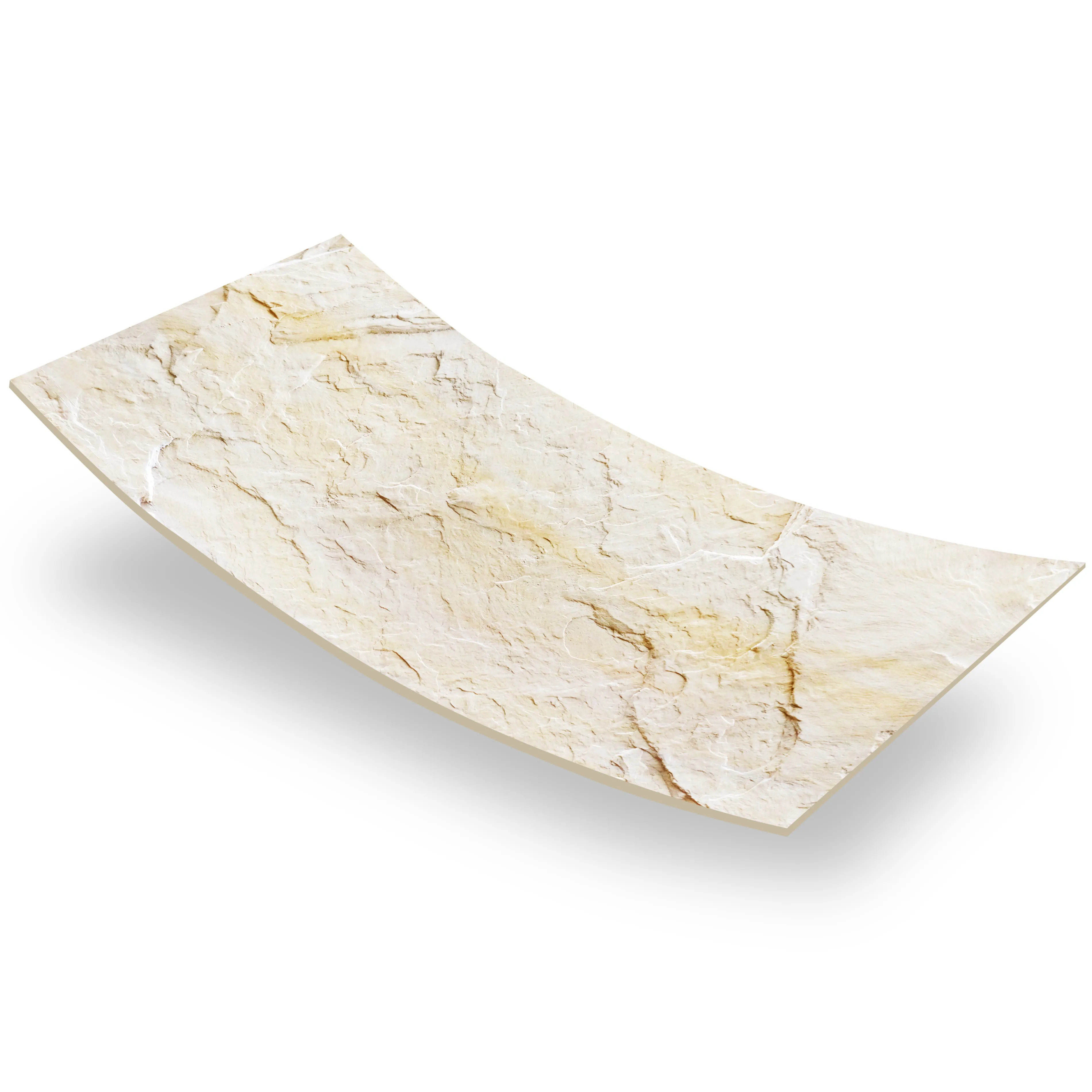
One of the oldest and most persistent issues with traditional stone cladding is its weight. Natural stone—whether it's the dense heft of granite, the porous solidity of travertine (beige) , or the raw texture of fair-faced concrete —is inherently heavy. A standard 1-square-meter slab of natural travertine, for example, can weigh upwards of 50 kilograms. Multiply that by the thousands of square meters needed for a commercial facade, and you're looking at a structural load that demands reinforced foundations, heavy-duty support systems, and often, costly engineering work to ensure the building can bear the weight.
This isn't just a matter of construction costs; it's a safety concern. Over time, the cumulative stress of heavy cladding can lead to cracks in walls, shifting foundations, or even detachment—a nightmare scenario for any project. For architects working on renovation projects or buildings with existing structural limitations, this weight problem can be a dealbreaker, forcing them to abandon stone cladding altogether in favor of less appealing alternatives.
Slate Sunnye flips this script entirely. As a core product in COLORIA GROUP's MCM flexible stone range, it's engineered to deliver the look and feel of natural stone at a fraction of the weight. Thanks to its innovative composition—layered modified composite materials bonded with advanced polymers—Slate Sunnye weighs in at just 8-12 kilograms per square meter. That's roughly 1/5 the weight of natural travertine and even lighter than many lightweight concrete options. Suddenly, the structural constraints vanish. Builders no longer need to overengineer foundations or add bulky support brackets. Slate Sunnye can be applied to a wide range of substrates, from wood frames to steel panels, without compromising safety or structural integrity.
Consider a recent project in downtown Chicago, where an architect wanted to clad a 10-story historic building with a stone-like facade to preserve its classic aesthetic. Traditional travertine (beige) was initially proposed, but structural assessments revealed the building's original 1920s framework couldn't support the load. Switching to Slate Sunnye solved the problem: the lightweight panels were installed without reinforcing the structure, saving the client over $200,000 in engineering and renovation costs while achieving the desired timeless look.
Even if a building can structurally support heavy stone cladding, installing it is no small feat. Traditional stone installation is a labor-intensive, time-consuming process that requires highly skilled masons. Each slab must be carefully cut, shaped, and positioned, often with specialized tools and adhesives. For large-scale projects, this can mean weeks—even months—of installation time, delaying project timelines and driving up labor costs.
Worse, natural stone is unforgiving. A single miscalculation in cutting or placement can ruin an expensive slab, leading to waste and rework. This is especially true for intricate designs or curved surfaces, where the rigidity of natural stone makes precision work exponentially harder. For developers working on tight deadlines, these delays can translate to lost revenue, as projects miss lease start dates or opening milestones.
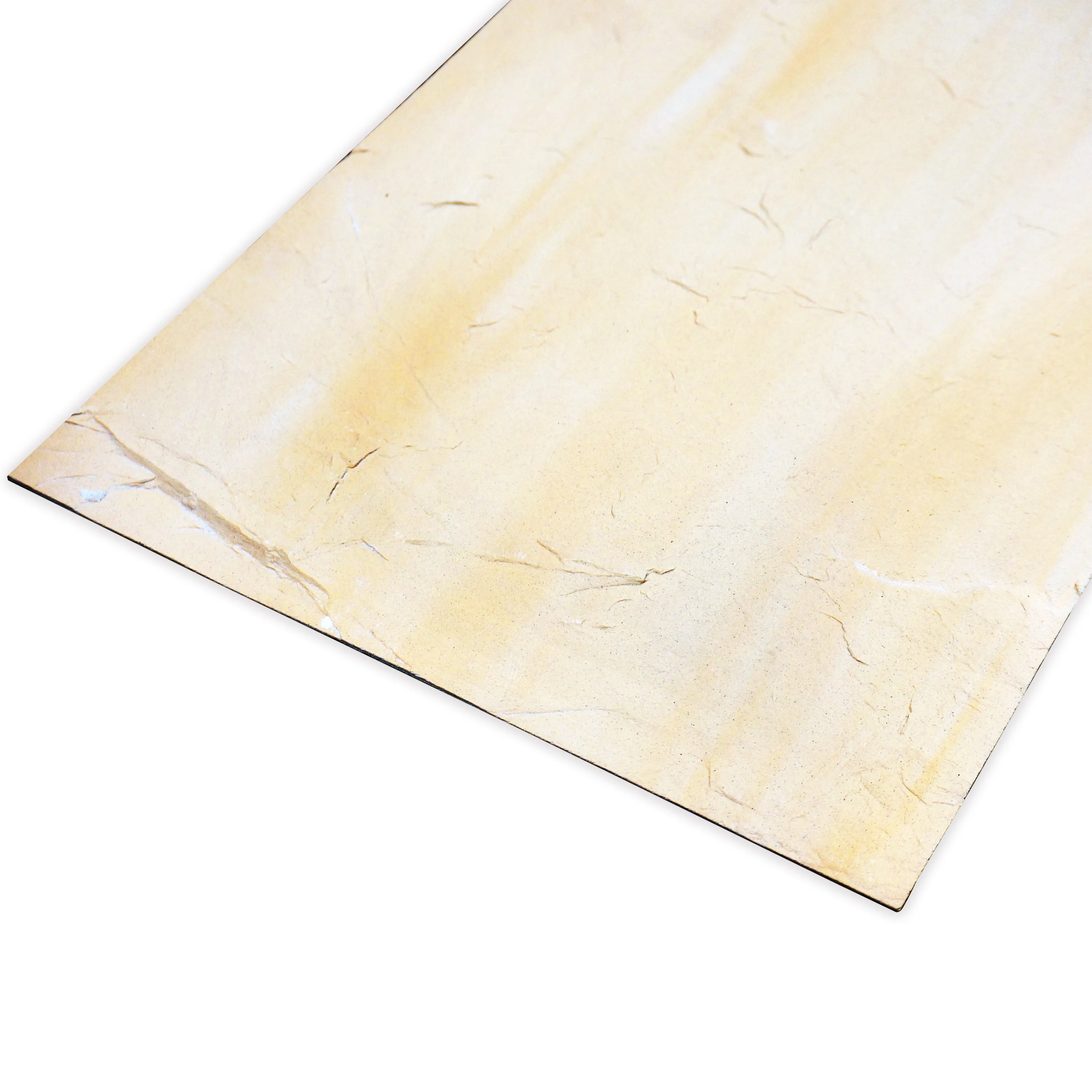
Slate Sunnye streamlines installation from start to finish, turning a headache into a hassle-free process. Its lightweight nature makes handling a breeze—no need for cranes or heavy lifting equipment. A two-person crew can carry and position panels with ease, reducing the number of workers needed on-site. But the real game-changer is its flexibility and workability. Unlike rigid natural stone, Slate Sunnye can be cut with standard tools—circular saws, jigsaws, even utility knives—allowing for quick, precise adjustments on-site. It bends slightly, too, making it ideal for curved walls or unique architectural features that would be nearly impossible with traditional stone.
Installation time is slashed, too. Whereas traditional stone cladding might take 4-6 weeks for a 5,000-square-meter facade, Slate Sunnye can be installed in just 2-3 weeks with the same crew size. This speed doesn't come at the cost of quality, either. The panels are designed with a simple, secure fastening system—either mechanical clips or adhesive bonding—that ensures a tight, durable fit. Even less experienced installers can achieve professional results, reducing reliance on scarce, expensive skilled labor.
A resort project in Bali offers a vivid example. The developer wanted to clad 20 villa exteriors with a stone-like finish to blend with the tropical landscape, but local labor shortages meant skilled masons were in short supply. Slate Sunnye's easy installation allowed the project to proceed with a smaller, less specialized crew, cutting installation time by 40% and avoiding costly delays during the peak tourist season.
Stone is often chosen for its durability, but natural stone is surprisingly vulnerable to the elements. Rain, snow, UV radiation, and temperature fluctuations can take a heavy toll over time. Porous stones like travertine absorb water, leading to freeze-thaw damage in cold climates as trapped water expands and contracts. Saltwater air in coastal areas can corrode stone, while pollution and industrial gases cause discoloration and pitting. Even something as simple as a spilled drink or bird droppings can stain porous surfaces, leaving permanent marks that mar the facade's appearance.
Maintenance is another battle. Traditional stone cladding often requires regular sealing, cleaning with harsh chemicals, and occasional repairs—costs that add up over the building's lifetime. For busy property managers or homeowners, this ongoing upkeep is a drain on time and resources.
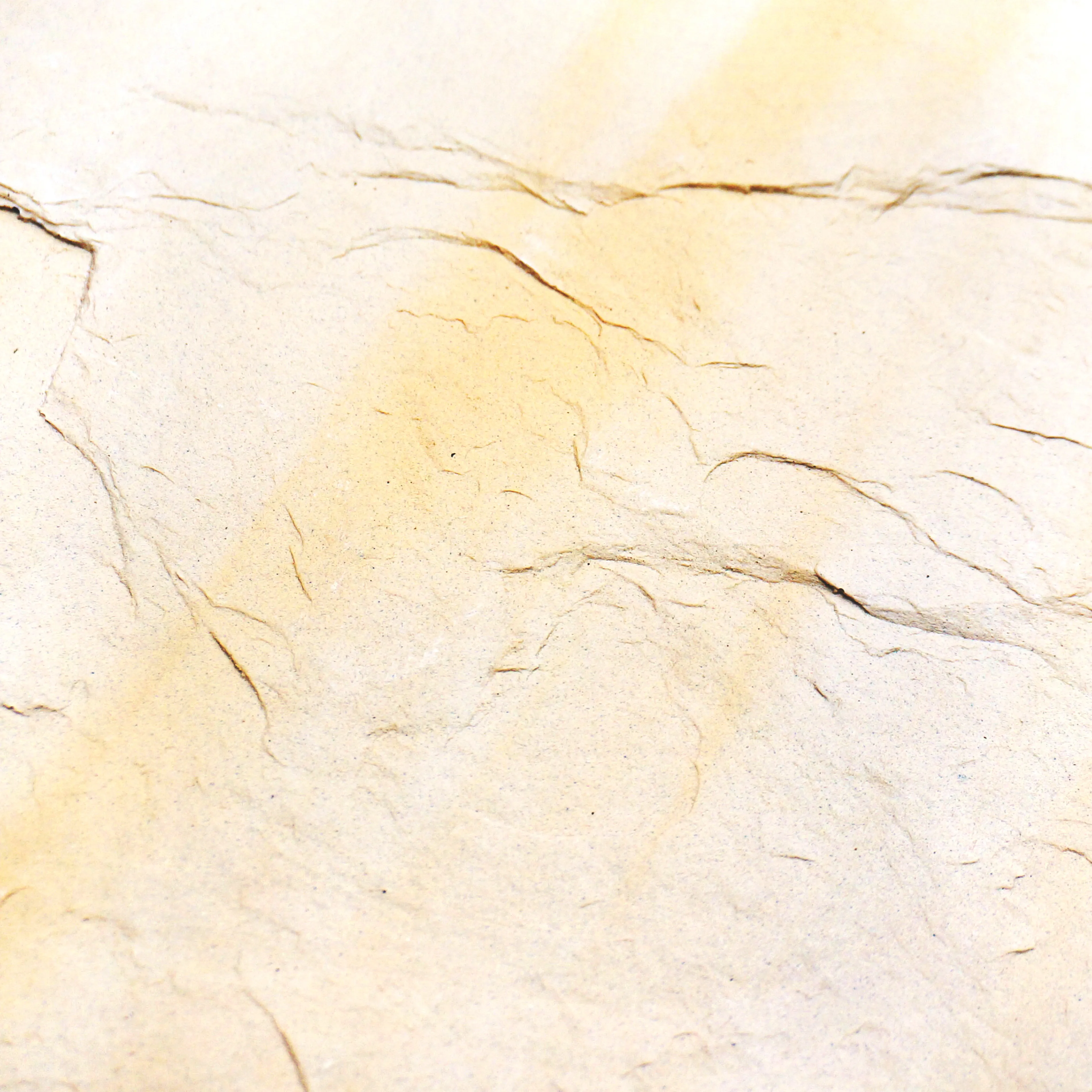
Slate Sunnye is built to withstand the harshest environments, combining the durability of stone with the resilience of modern materials. Its modified composite core is inherently resistant to water absorption, preventing freeze-thaw damage and mold growth. The outer layer is treated with a UV-stabilized coating that blocks harmful sun rays, ensuring the color won't fade or chalk over time. Unlike natural stone, it's non-porous, so stains bead up and wipe away easily—no need for expensive sealants or specialized cleaners. A quick rinse with water is often all it takes to keep Slate Sunnye looking fresh.
To put this to the test, COLORIA GROUP subjected Slate Sunnye to rigorous third-party testing: 1,000 hours of salt spray exposure (simulating coastal conditions), 500 cycles of freeze-thaw testing, and accelerated UV aging equivalent to 20 years of sunlight. The results? No cracking, no fading, no staining. Compare that to natural travertine (beige) , which often shows signs of weathering after just 5-7 years in harsh climates. For a coastal hotel in Miami, this durability was a deciding factor. Slate Sunnye was chosen over traditional stone for its poolside cabanas, and after three hurricane seasons, the panels still look brand-new—no peeling, no discoloration, and zero maintenance beyond occasional hosing down.
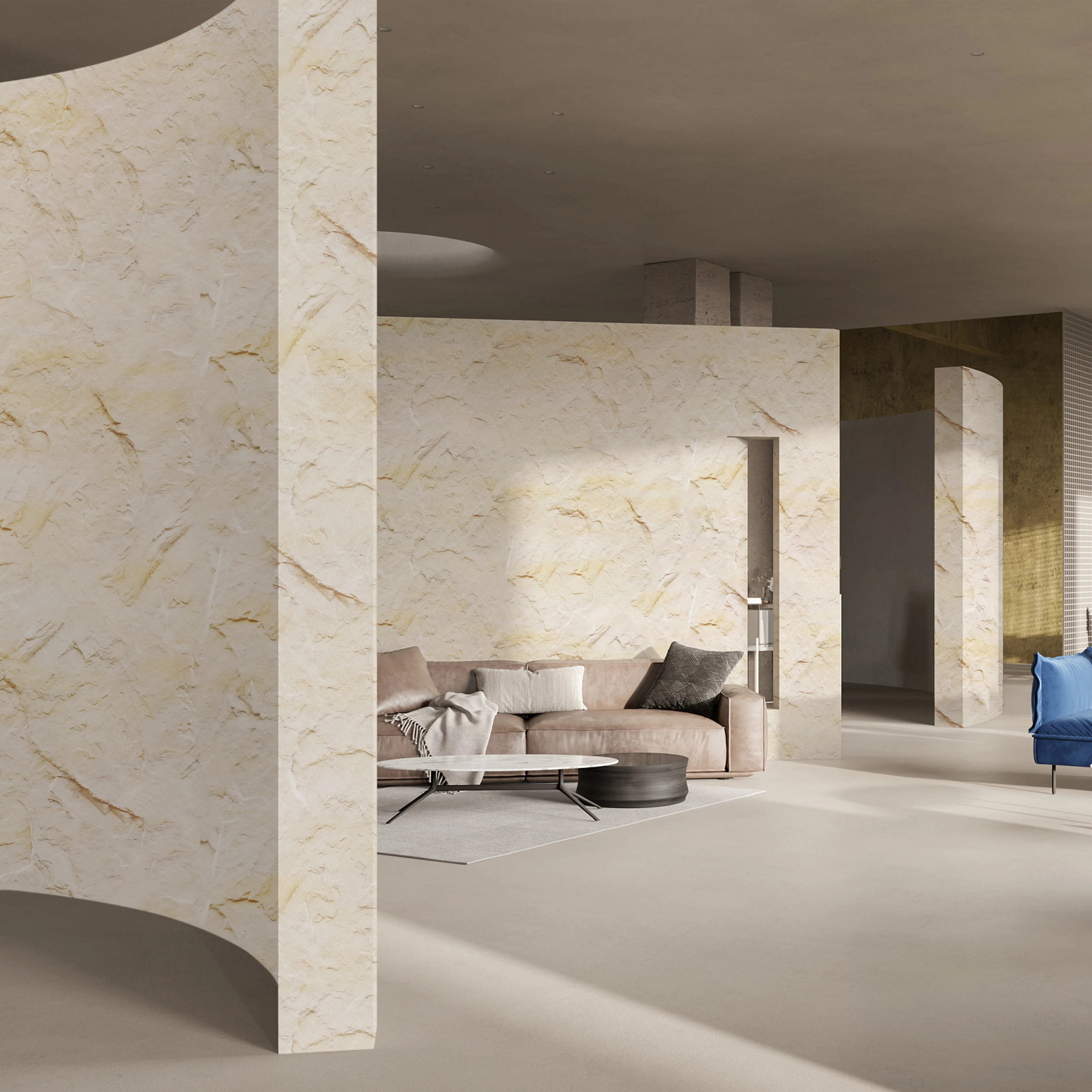
Architects thrive on creativity, but traditional stone cladding has long been a straightjacket for innovative design. Natural stone is rigid, heavy, and hard to manipulate into complex shapes. Curved walls, undulating facades, or custom patterns often require expensive, time-consuming fabrication—if they're possible at all. Even something as simple as mixing textures or colors can be challenging, as natural stone varies widely in hue and veining, making consistency hard to achieve.
This rigidity limits not just aesthetics but functionality. For example, buildings in earthquake-prone regions need cladding that can flex with structural movement, but traditional stone is brittle and prone to cracking under stress. For architects aiming to push boundaries—think parametric facades or dynamic, organic shapes—traditional stone cladding is often more of a barrier than a tool.
Slate Sunnye shatters these limitations, putting creative control back in the hands of designers. Its flexibility is its greatest asset here: the panels can be bent to a minimum radius of 30 centimeters, allowing for sweeping curves, rounded corners, and even three-dimensional sculptural elements. Want a facade that mimics the undulating waves of the ocean? Slate Sunnye can do that. Dream of a building wrapped in a custom geometric pattern? Simply cut the panels to size and arrange them like a giant puzzle.
But flexibility isn't the only design advantage. COLORIA GROUP offers Slate Sunnye in a stunning array of textures, colors, and finishes, from the earthy warmth of travertine (beige) to the sleek modernity of Lunar Peak Silvery . Unlike natural stone, these colors are consistent across batches, ensuring a uniform look even for large projects. For clients who want a truly unique design, custom colors and textures can be created—something nearly impossible with natural stone without exorbitant costs.
A recent cultural center in Barcelona exemplifies this design freedom. The architect envisioned a facade that would "flow" like a river, with undulating curves and a mix of textures inspired by the region's coastal landscapes. Traditional stone was ruled out early on due to its rigidity, but Slate Sunnye made the vision possible. The panels were curved on-site to match the design's fluid lines, with alternating textures—some mimicking smooth river stones, others rough-hewn rock—to create depth. The result is a building that feels alive, a testament to how Slate Sunnye turns design dreams into reality.
In an era where sustainability is no longer optional but essential, traditional stone cladding faces increasing scrutiny for its environmental impact. Quarrying natural stone is resource-intensive, requiring heavy machinery that burns fossil fuels, disrupts ecosystems, and generates massive amounts of waste. Transporting heavy stone from quarries to job sites adds to the carbon footprint, while cutting and shaping stone on-site produces even more waste—up to 30% of a natural stone slab is often discarded as offcuts.
For developers aiming for green building certifications like LEED or BREEAM, these environmental costs can be a significant barrier. Traditional stone cladding rarely qualifies for sustainability credits, and in some regions, strict regulations on quarrying are making natural stone harder to source ethically.
Slate Sunnye, by contrast, is designed with sustainability at its core. As part of COLORIA GROUP's commitment to eco-friendly innovation, it's manufactured using a high percentage of recycled materials—including post-industrial plastic and stone dust that would otherwise end up in landfills. The production process itself is energy-efficient, with low emissions and minimal water usage. And because Slate Sunnye is lightweight, transporting it generates 70% less carbon emissions than transporting natural stone over the same distance.
Waste is also drastically reduced. The panels are precision-cut in the factory, minimizing on-site offcuts, and any waste generated during production is recycled back into the manufacturing process. Even better, Slate Sunnye is fully recyclable at the end of its lifespan, closing the loop on sustainability. For a university campus project in Portland, Oregon, this commitment to sustainability was a key factor. The client wanted a stone-like facade for their new science building but required LEED Platinum certification. Slate Sunnye's recycled content, low carbon footprint, and energy-efficient production helped the project meet its sustainability goals, while the natural stone aesthetic aligned with the campus's commitment to blending modernity with nature.
To truly appreciate how Slate Sunnye transforms stone cladding, let's put it head-to-head with traditional options like natural travertine (beige) , fair-faced concrete , and even other lightweight alternatives. The table below breaks down the key metrics that matter most to architects, builders, and developers:
| Metric | Traditional Natural Stone (e.g., Travertine Beige) | Fair-Faced Concrete | Slate Sunnye (MCM Flexible Stone) |
|---|---|---|---|
| Weight (kg/m²) | 40-60 | 25-35 | 8-12 |
| Installation Time | 4-6 weeks (5,000 m²) | 3-4 weeks (5,000 m²) | 2-3 weeks (5,000 m²) |
| Durability (UV/Weather Resistance) | Moderate (fades/stains in 5-7 years) | Good (prone to cracking over time) | Excellent (resists fading/staining for 20+ years) |
| Maintenance Required | High (sealing every 1-2 years, specialized cleaning) | Moderate (occasional sealing, pressure washing) | Low (rinse with water, no sealing) |
| Design Flexibility | Low (rigid, hard to curve or customize) | Moderate (can be molded, limited textures) | High (flexible, custom colors/textures, curved surfaces) |
| Sustainability | Low (high quarrying waste, high transport emissions) | Moderate (cement production is carbon-intensive) | High (recycled materials, low emissions, recyclable) |
| Cost (Installation + Material) | High ($80-120/m²) | Moderate ($50-70/m²) | Competitive ($60-80/m², lower long-term costs) |
The data speaks for itself. Slate Sunnye outperforms traditional options in nearly every category, offering a rare combination of beauty, performance, and practicality. While it may have a slightly higher upfront material cost than basic concrete, the savings in installation time, structural engineering, and long-term maintenance make it the most cost-effective choice over the building's lifetime.
Stone cladding has always been about more than just covering walls; it's about telling a story—of place, of craftsmanship, of timelessness. But in today's fast-paced, sustainability-driven world, that story can't be told at the expense of practicality, efficiency, or creativity. COLORIA GROUP's Slate Sunnye doesn't just write a new chapter in that story; it rewrites the rules, proving that you don't have to sacrifice beauty for performance, or tradition for innovation.
By addressing the core problems of weight, installation, durability, design, and sustainability, Slate Sunnye empowers architects to dream bigger, builders to work smarter, and developers to invest wisely. It's a material that respects the past—channeling the warmth and texture of natural stone like travertine (beige) or Lunar Peak Silvery —while embracing the future of construction. Whether you're cladding a historic renovation, a cutting-edge commercial tower, or a cozy residential project, Slate Sunnye offers a solution that's as versatile as it is beautiful.
As the construction industry continues to evolve, one thing is clear: the future of stone cladding isn't heavy, rigid, or outdated. It's lightweight, flexible, and full of possibility. And at the forefront of that future is COLORIA GROUP's Slate Sunnye—proving that sometimes, the best way to honor tradition is to reinvent it.
Recommend Products












