
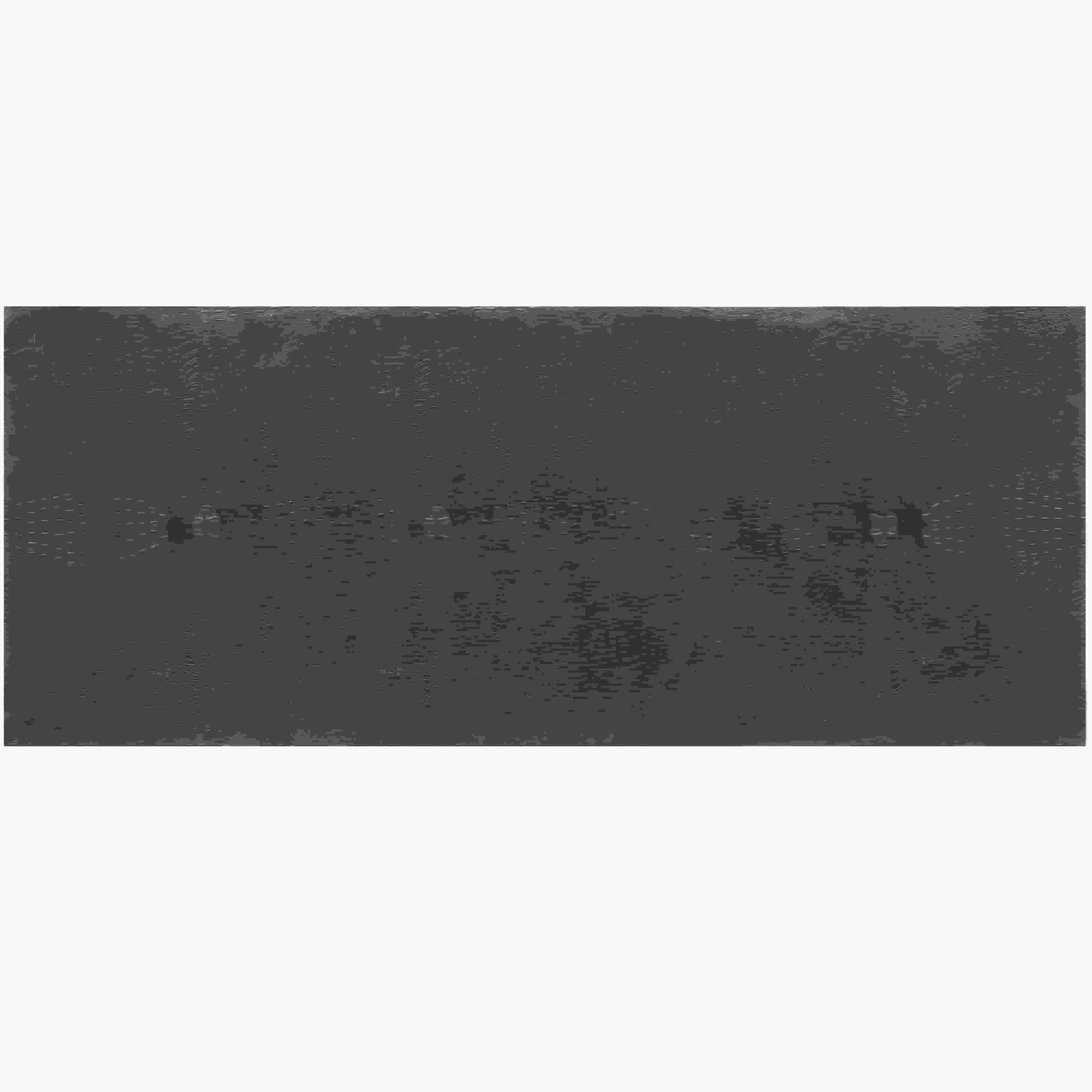
Picture this: an architect sits at their desk, sketching a facade that twists and curves like a wave frozen in time. They've dreamed of this design for months—organic, bold, and utterly unique. But then reality hits: traditional building materials, like heavy stone slabs or rigid concrete panels, can't bend to those shapes without compromising strength or blowing the budget. For decades, this has been the silent barrier between architectural vision and execution. That is, until now. Enter Croco MCM 3D Printing Technology—a game-changer that's not just redefining how buildings are made, but how they look , feel , and interact with the world around them. Let's dive into how this innovative technology is unlocking design flexibility that once seemed impossible.
For too long, architects have danced around the limitations of traditional building materials. Stone is durable but heavy, making complex curves or large-scale custom designs impractical. Concrete is versatile but rigid, often requiring expensive molds that lock in a single shape. Even modern composites, while lighter, still struggle with the kind of intricate detailing or on-demand customization that today's clients crave. Imagine trying to create a facade that shimmers like a starry night sky, or a ceiling that flows like water—with traditional methods, these ideas often get watered down to flat, repetitive panels. It's not for lack of creativity; it's for lack of tools that can keep up.
This is where Croco's mcm 3d printing series steps in. By combining advanced 3D printing techniques with modified composite materials (MCM), the technology turns "what if" into "what is." It's not just about printing a wall panel—it's about printing possibility . Whether you're designing a boutique hotel with a facade that mimics the texture of travertine (starry green) or a public library with accents of foamed aluminium alloy board (vintage silver) , MCM 3D printing lets you build materials that are as flexible in form as they are in function.
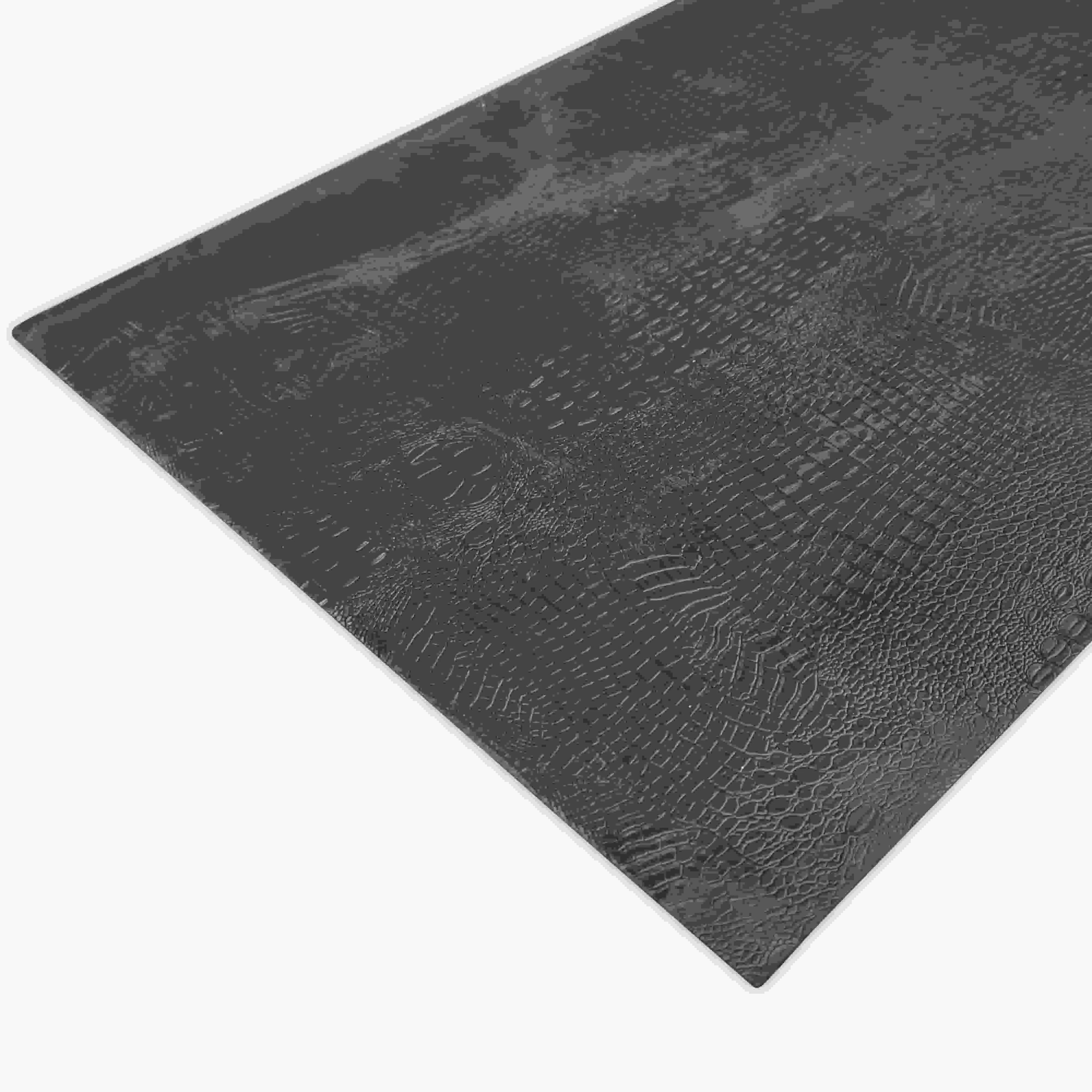
At its core, Croco MCM 3D Printing Technology is a marriage of precision engineering and material science. Unlike standard 3D printers that extrude plastic or resin, Croco's system works with specialized MCMs—materials designed to be lightweight, durable, and infinitely moldable. Think of it as "printing with stone, metal, or wood" but without the weight or waste of traditional extraction and fabrication. The magic lies in how the technology layers these materials, allowing for designs that are both structurally sound and visually stunning.
Take the mcm big slab board series , for example. These large-format panels (up to 3 meters in length) are printed in one piece, eliminating the need for unsightly seams. Traditional big slabs often crack under their own weight or require heavy steel supports, but MCM 3D printed slabs are up to 70% lighter while maintaining the strength of natural stone. This means architects can design larger, more dramatic facades without worrying about structural overload—a freedom that's changing the skyline of modern cities.
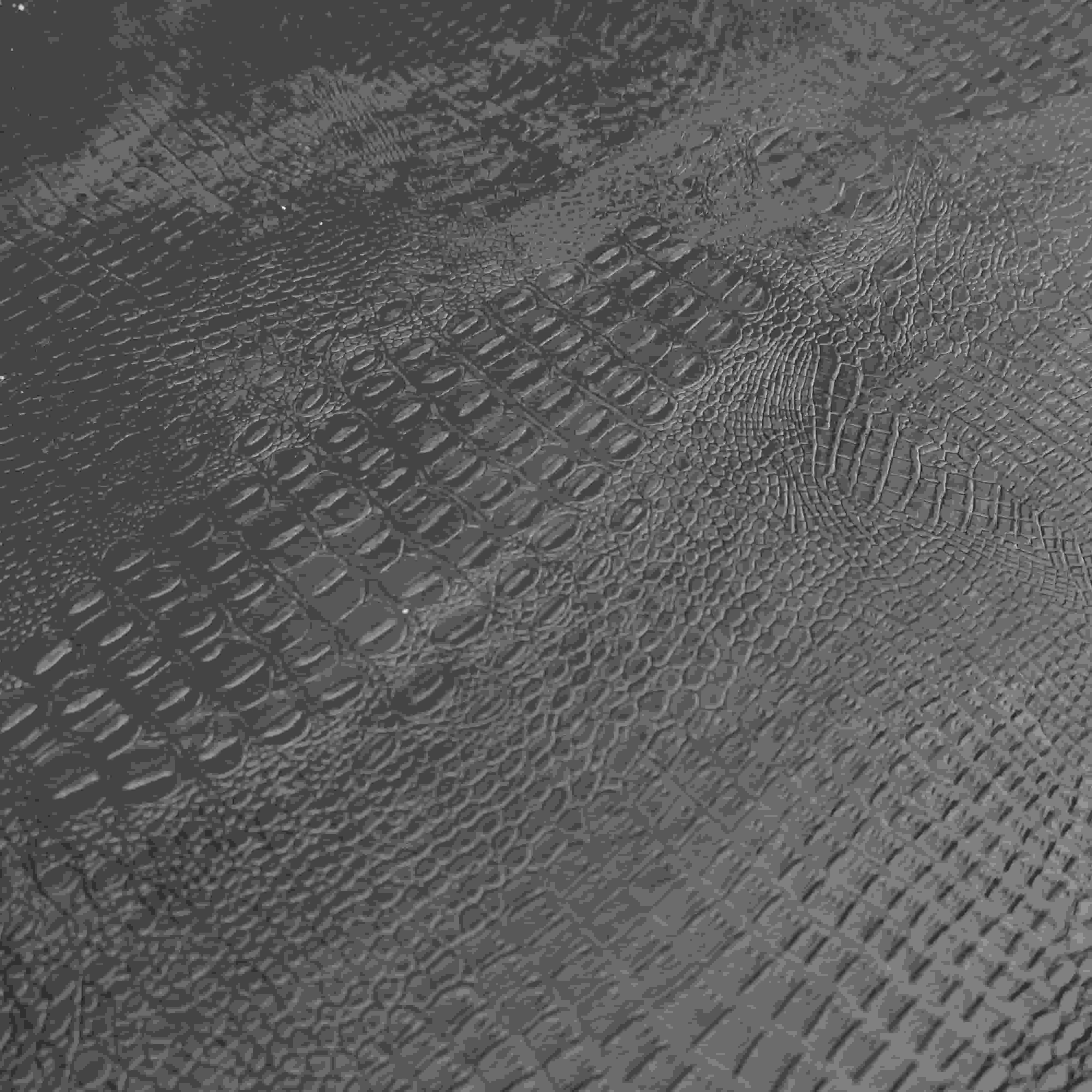
The true power of Croco MCM 3D Printing lies in its ability to turn digital designs into physical reality with zero compromise. Let's break down the key ways it enhances flexibility:
Traditional manufacturing relies on molds, which are great for repetitive shapes but terrible for one-of-a-kind curves, undulations, or asymmetries. With 3D printing, there are no molds—just a digital file that the printer translates layer by layer. Want a facade that curves inward like a shell? Or a column that tapers and twists as it rises? The printer handles it, no custom molds required. This is especially impactful for projects that aim to tell a story through architecture, like a museum honoring a local artist's fluid brushstrokes or a community center inspired by the natural contours of the surrounding landscape.
In the past, customization meant small batches and high costs. If you wanted 100 unique panels for a facade, each with a slightly different texture or color, you'd be looking at a logistical nightmare. Croco's MCM 3D printing changes that. The technology allows for mass customization —printing hundreds of panels with subtle variations (like the gradient shimmer of foamed aluminium alloy board (vintage silver) or the speckled pattern of travertine (starry green) ) without slowing down production. This is a game-changer for projects where "one-size-fits-all" feels generic, like luxury retail spaces or high-end residential buildings that want to stand out in a crowded market.
Architecture isn't just about one material—it's about how materials talk to each other . A stone facade might pair with metal accents; a concrete wall might meet a wooden ceiling. Croco's MCM 3D printing excels at blending materials that traditionally clash. For example, the mcm flexible stone (a lightweight, bendable composite that mimics the look of natural stone) can be 3D printed into a curved panel, then seamlessly joined with foamed aluminium alloy board (vintage silver) for a modern, industrial-chic finish. The printer can even embed textures or patterns that transition from one material to the next, creating a visual flow that feels intentional, not forced.
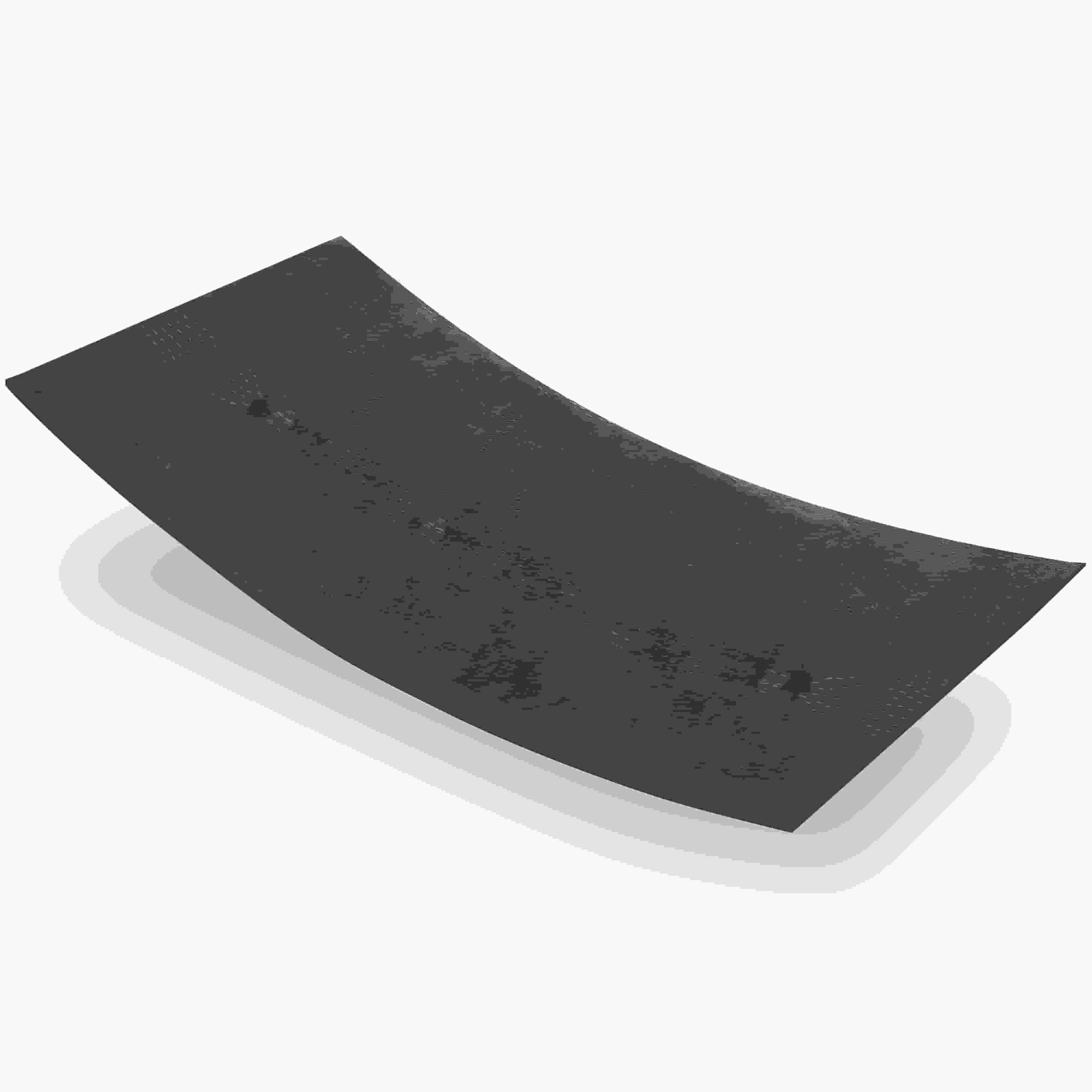
What truly sets Croco's technology apart is its material library—a curated collection of MCMs designed to push the boundaries of both form and function. Let's shine a light on a few standout options that are making waves in the architectural world:
Travertine has long been a favorite for its warm, earthy texture, but traditional travertine is heavy and prone to chipping. Croco's travertine (starry green) reimagines this classic material. Using 3D printing, the MCM version captures the natural pitting and veining of travertine but adds a twist: tiny, iridescent particles that catch the light, mimicking a starry sky. It's lightweight enough to be used on ceilings or overhead installations, and because it's 3D printed, you can customize the "star density"—from a subtle sparkle to a full-on galaxy effect. Imagine a restaurant with a ceiling printed in starry green travertine; diners would feel like they're eating under the night sky, all while the material remains durable enough to withstand daily wear and tear.
For architects craving an industrial or retro-futuristic vibe, foamed aluminium alloy board (vintage silver) is a dream come true. Foamed aluminium is already known for its strength-to-weight ratio (it's up to 80% lighter than solid aluminium), but 3D printing takes it further. Croco's version can be printed into intricate lattice patterns, perforated screens, or even 3D sculptural elements that would be impossible to machine from solid metal. The "vintage silver" finish adds a warm, aged patina that softens the industrial edge, making it perfect for everything from boutique storefronts to office lobbies. And because it's 3D printed, you can mix and match finishes—vintage silver here, matte black there—without switching production lines.
Large-format panels make a statement, but they've always come with a catch: weight. A standard 4x8-foot stone slab can weigh hundreds of pounds, requiring heavy machinery and reinforced structures to install. Croco's mcm big slab board series flips that script. These slabs, which can reach up to 10 feet in length, weigh a fraction of traditional stone or concrete (thanks to their foam-core MCM structure) but maintain the same durability. They're also 100% customizable—print a slab with the texture of rough-hewn stone, the smoothness of polished marble, or even a custom graphic or pattern. For a hotel chain looking to brand its facade with a signature design, or a corporate headquarters aiming for a sleek, monolithic look, these big slabs deliver impact without the hassle.
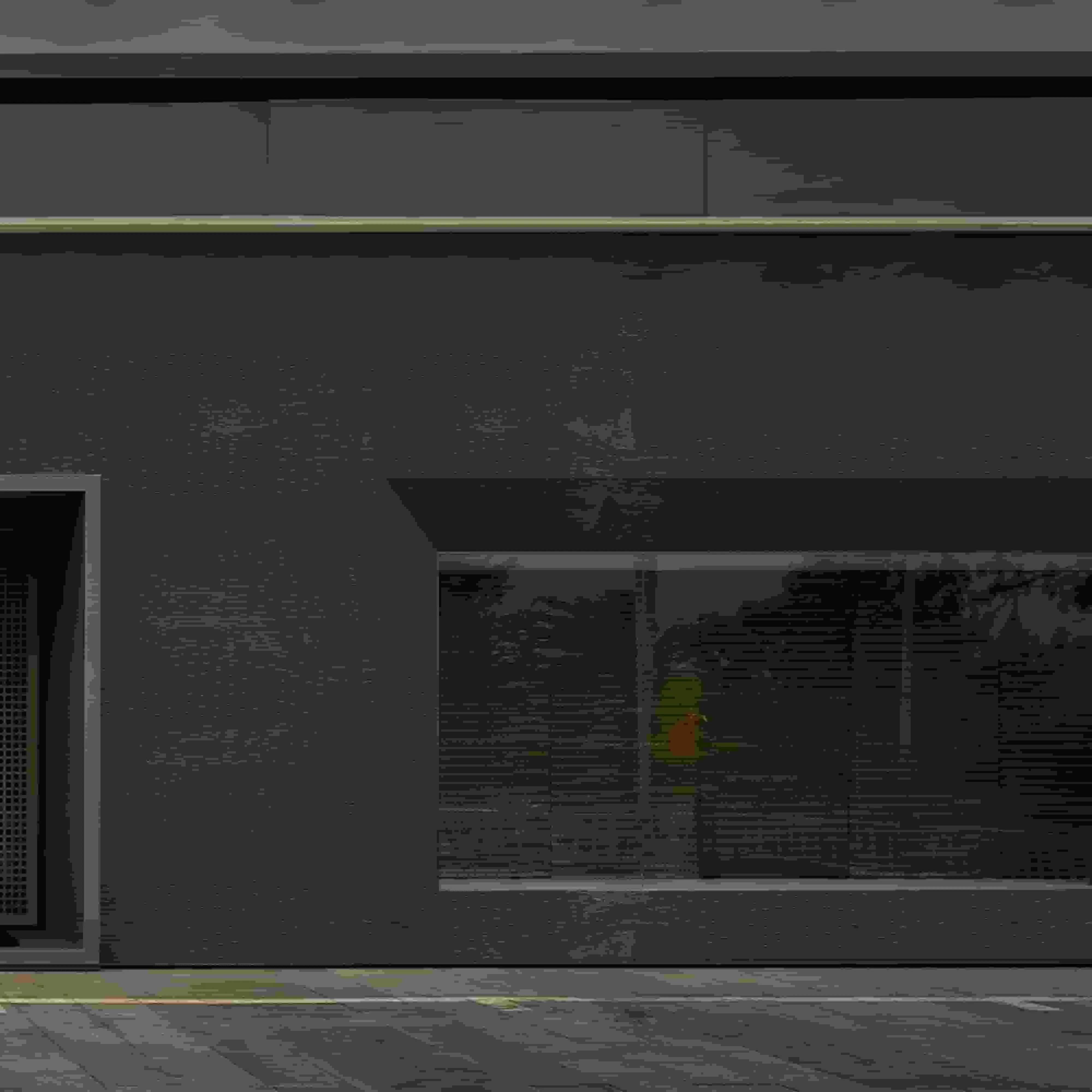
It's one thing to talk about design flexibility; it's another to see it in action. Let's look at a recent project that used Croco MCM 3D Printing Technology to turn a bold vision into a built masterpiece: the Azure Wave Hotel in Barcelona.
The Azure Wave's architects wanted a facade that embodied the energy of the Mediterranean Sea—curved, dynamic, and ever-changing. Traditional materials couldn't handle the building's sweeping arcs without requiring massive structural support. Enter Croco's mcm 3d printing series . The team used mcm flexible stone printed in a wave-like pattern, with embedded travertine (starry green) accents to mimic sunlight filtering through water. The result? A facade that ripples as you walk past it, with the starry green travertine catching the light at different angles to create the illusion of movement. And because the panels were 3D printed on-site (yes, the printer can be transported to construction locations), the project stayed on schedule, even with last-minute tweaks to the wave pattern.
Another standout example is the Lunar Library in Tokyo, which features a ceiling printed with foamed aluminium alloy board (vintage silver) in a crisscrossing lattice pattern. The design was inspired by the moon's surface—intricate, pockmarked, and otherworldly. Traditional metal fabrication would have required thousands of individual pieces welded together, but 3D printing allowed the entire ceiling to be printed in modular sections that snapped into place, cutting installation time by 40%. Visitors now look up and see a ceiling that feels both industrial and ethereal, a perfect backdrop for the library's focus on innovation and discovery.
Curious how MCM 3D printed materials stack up against the old guard? Let's break it down:
| Feature | Traditional Materials (Stone/Concrete/Metal) | Croco MCM 3D Printed Materials |
|---|---|---|
| Design Flexibility | Limited to simple shapes; complex curves require expensive molds. | Unlimited—3D printing allows for organic shapes, custom textures, and on-demand variations. |
| Weight | Heavy (e.g., 200+ lbs per stone slab). | Lightweight (up to 70% lighter than traditional equivalents, thanks to foam-core MCM). |
| Durability | High, but prone to cracking under stress or weight. | High—MCMs are engineered to resist weathering, impact, and wear. |
| Customization | Limited—mass-produced panels with few finish options. | Unlimited—custom colors (e.g., travertine (starry green) ), textures, and patterns, even at scale. |
| Installation Time | Slow—requires heavy machinery and precise alignment. | Fast—lightweight panels snap into place; on-site printing reduces shipping delays. |
| Sustainability | Resource-heavy (mining, high energy for fabrication). | Eco-friendly—minimal waste, recycled materials in MCMs, and lower transportation emissions. |
As the world leans into sustainable architecture, MCM 3D printing is poised to lead the charge. Traditional building methods generate tons of waste—excess stone from quarrying, unused concrete from molds, scrap metal from fabrication. Croco's technology, by contrast, is inherently waste-conscious: 3D printing uses only the material needed for the design, and MCMs often incorporate recycled content (like reclaimed stone dust or recycled aluminium). Add in the reduced transportation emissions from lightweight panels, and you've got a technology that's as kind to the planet as it is to creative expression.
Looking ahead, we can expect even more innovation. Imagine 3D printed MCM panels that change color with temperature, or that harvest solar energy through integrated textures. Or perhaps mcm flexible stone printed into self-healing facades that repair small cracks over time. The possibilities are as limitless as the designs they'll enable. For architects, this means not just building structures, but building experiences —spaces that adapt, inspire, and feel truly alive.
At the end of the day, architecture is about storytelling. Every curve, texture, and material choice tells a story about the people who use the space, the culture it belongs to, and the vision of its creators. For too long, that story has been edited down to fit the constraints of traditional materials. Croco MCM 3D Printing Technology is the editor that says, "Why not tell the whole story?"
Whether it's through the otherworldly shimmer of travertine (starry green) , the industrial elegance of foamed aluminium alloy board (vintage silver) , or the bold scale of the mcm big slab board series , this technology is giving architects the tools to stop compromising and start creating. It's not just about printing panels—it's about printing a future where architecture is as flexible, diverse, and imaginative as the people who design it.
So, to all the architects out there with sketches that push the edge of the page: your time has come. With Croco MCM 3D Printing Technology, the only limit is your imagination. And isn't that what architecture was always supposed to be?
Recommend Products












