
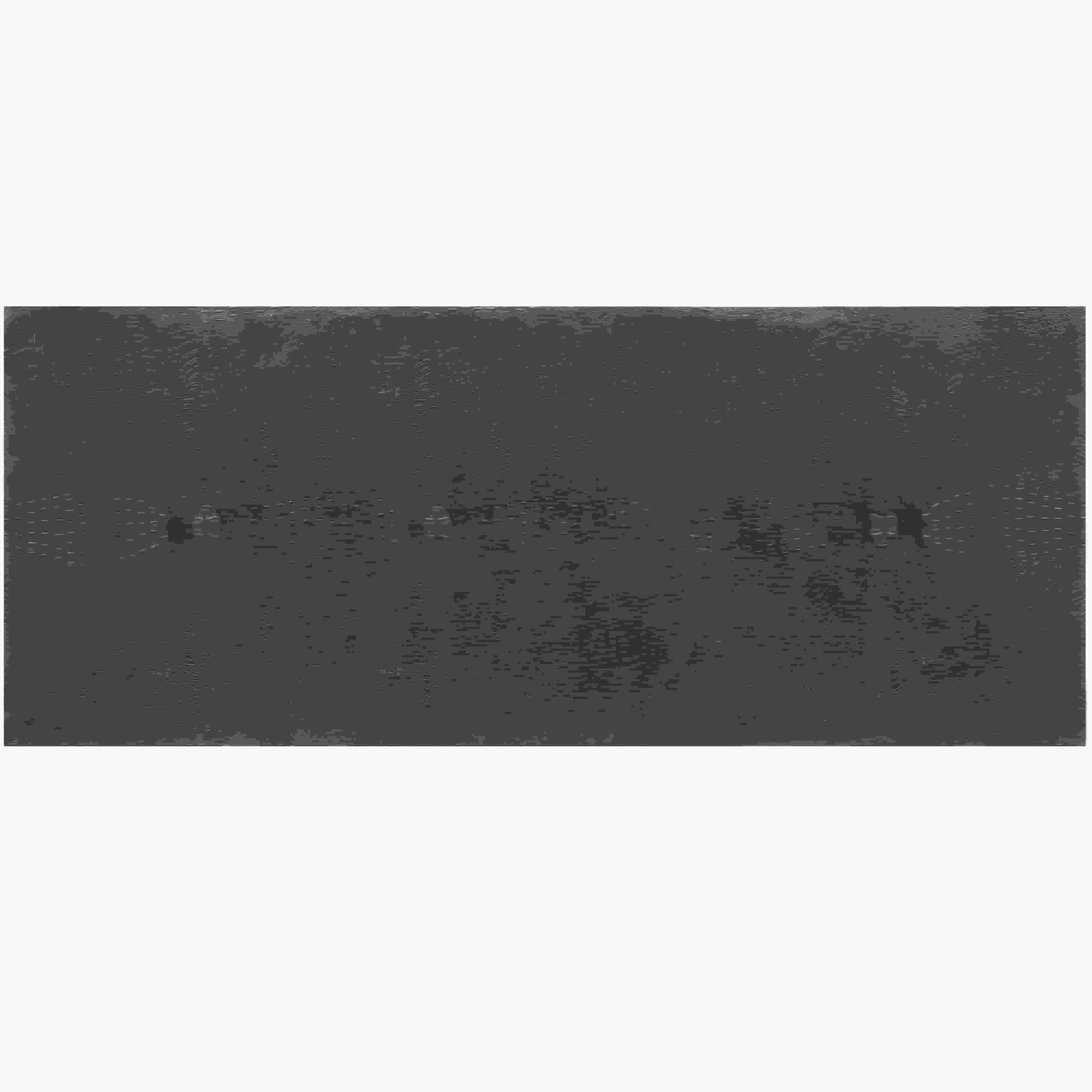
Picture this: An architect stands in front of a blueprint, coffee in hand, staring at the materials list. The project is a state-of-the-art office building in downtown Seattle, and the client has one non-negotiable demand: it must achieve LEED Platinum certification. "We need materials that check all the boxes—sustainable, durable, energy-efficient, and maybe even a little visually striking," the client had said. That's where Croco MCM comes in. For years, architects, builders, and developers have turned to Croco's Modified Composite Material (MCM) products not just for their aesthetic versatility, but for their ability to align with the strict criteria of green building certifications like BREEAM and LEED. In a world where 40% of global energy consumption comes from buildings, choosing materials that reduce environmental impact isn't just a trend—it's a responsibility. Let's dive into how Croco MCM's innovative product lines are helping projects around the world earn those coveted green certifications, one stone, panel, and slab at a time.
Before we unpack how Croco MCM products make a difference, let's get clear on what BREEAM and LEED actually measure. These certifications aren't just labels—they're rigorous frameworks that evaluate a building's environmental performance across its entire lifecycle, from design and construction to operation and demolition. Think of them as report cards for sustainability, with points awarded for everything from energy efficiency to indoor air quality.
Launched in 1990 by the Building Research Establishment (BRE), BREEAM (Building Research Establishment Environmental Assessment Method) is one of the oldest and most widely used green building certification systems globally. It assesses nine categories: Management, Health & Wellbeing, Energy, Transport, Water, Materials, Waste, Land Use & Ecology, and Pollution. Projects are rated on a scale from "Pass" to "Outstanding," with points awarded for meeting specific criteria. For example, the "Materials" category rewards using resources efficiently, sourcing locally, and choosing products with low environmental impact—areas where Croco MCM shines.
Developed by the U.S. Green Building Council (USGBC), LEED (Leadership in Energy and Environmental Design) is the most recognized green building certification worldwide. It operates on a credit system, with projects earning points in categories like Sustainable Sites (SS), Water Efficiency (WE), Energy and Atmosphere (EA), Materials and Resources (MR), Indoor Environmental Quality (EQ), Innovation (IN), and Regional Priority (RP). Certifications range from Certified (40-49 points) to Platinum (80+ points). LEED places heavy emphasis on reducing carbon footprints, improving occupant health, and promoting circular economy principles—all of which Croco MCM's products are engineered to support.
Both certifications share a common goal: to push the construction industry toward more sustainable practices. And at the heart of that goal is material selection. The products used in a building don't just shape its look—they determine its energy use, waste output, and impact on human health. That's why Croco MCM has spent years refining its product lines to meet (and exceed) these standards.
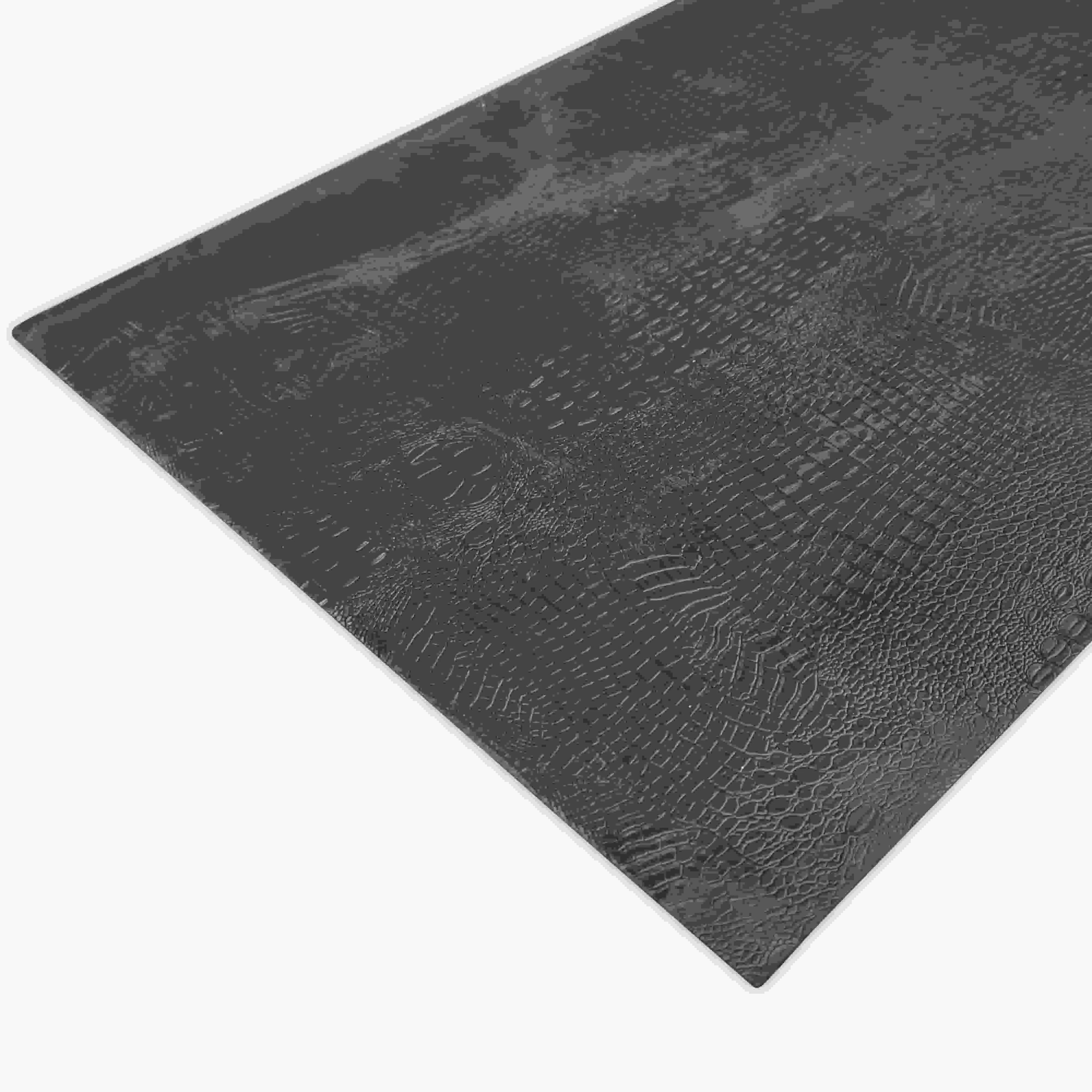
Croco MCM isn't just about creating beautiful building materials—it's about reimagining what materials can do for the planet. From flexible stones that reduce transportation emissions to foamed aluminium alloys that prioritize recyclability, each product is crafted with BREEAM and LEED criteria in mind. Let's take a closer look at five standout lines and how they contribute to green certifications.
At the core of Croco MCM's offering is mcm flexible stone —a game-changer for architects and builders aiming for sustainability. Traditional stone cladding is heavy, requiring reinforced structures and increasing transportation costs (and emissions). MCM flexible stone, by contrast, is engineered to be up to 70% lighter than natural stone, thanks to its composite structure of mineral aggregates and polymer binders. This lightweight design reduces the need for excessive structural support, cutting down on the use of steel and concrete (major sources of carbon emissions in construction).
But the benefits don't stop there. MCM flexible stone is also highly durable, resistant to moisture, fire, and UV radiation. This longevity means buildings need fewer replacements over time, reducing waste—a key point for BREEAM's "Waste" category and LEED's "Materials and Resources" credits. Plus, at the end of its lifecycle, the material is fully recyclable, aligning with LEED's MR Credit 5: Construction and Demolition Waste Management. Imagine a 10-story hotel using MCM flexible stone instead of natural granite; not only does it shave tons off the building's carbon footprint during construction, but it also ensures that decades later, those panels won't end up in a landfill.
Concrete often gets a bad rap for its high carbon footprint, but Croco MCM's fair-faced concrete is rewriting that narrative. Unlike traditional concrete mixes, which can release harmful volatile organic compounds (VOCs) as they cure, Croco's fair-faced concrete is formulated with low-VOC additives, ensuring better indoor air quality—a critical factor for LEED's EQ Credit 1: Indoor Air Quality Assessment and BREEAM's "Health & Wellbeing" category.
What really sets this product apart, though, is its thermal mass. Fair-faced concrete absorbs and stores heat, acting as a natural insulator. In hot climates, it keeps interiors cool by slowing heat transfer; in cold climates, it retains warmth, reducing the need for heating and cooling systems. This directly contributes to LEED's EA Credit 1: Optimize Energy Performance and BREEAM's "Energy" category, which rewards buildings that minimize energy consumption. A school in Copenhagen, for example, used Croco's fair-faced concrete for its walls and floors, cutting HVAC costs by 23% and earning LEED Gold certification in the process.
For projects that crave natural aesthetics without sacrificing sustainability, travertine (starry green) is a standout choice. Travertine is a form of limestone formed by mineral-rich spring water, making it a naturally occurring material—a plus for BREEAM's "Materials" category, which favors resources extracted with minimal environmental impact. But Croco MCM takes it a step further by processing the travertine to be lightweight and energy-efficient.
The "starry green" variant features a unique surface pattern that reflects sunlight, reducing heat absorption and lowering cooling needs in warm environments. This solar reflectance contributes to LEED's SS Credit 7: Heat Island Reduction, which aims to mitigate urban heat islands. Additionally, because the stone is sourced from regional quarries (within 500 miles of most project sites in Europe and North America), it reduces transportation emissions—earning points for LEED's MR Credit 5: Regional Materials. A boutique hotel in Barcelona used travertine (starry green) for its exterior cladding, not only impressing guests with its iridescent finish but also nabbing LEED points for both regional sourcing and heat island reduction.
Metals are a staple in construction, but their production is energy-intensive. Croco MCM's foamed aluminium alloy board (vintage silver) addresses this by using a closed-cell foam structure that reduces material usage by up to 60% compared to solid aluminium. The result? A panel that's strong enough for exterior cladding but lightweight enough to lower transportation and installation emissions.
Aluminium is also 100% recyclable, with recycled aluminium requiring just 5% of the energy needed to produce new aluminium. This makes the foamed aluminium alloy board a star in LEED's MR Credit 4: Building Product Disclosure and Optimization—Environmental Product Declarations (EPDs), which rewards products with transparent environmental impact data. BREEAM's "Materials" category similarly values recyclability, and the board's vintage silver finish adds a sleek, modern look without the need for toxic paints or coatings (another win for indoor air quality). A tech campus in San Francisco used these panels for its facade, earning LEED Platinum in part by achieving 90% recyclability for its construction materials.
Beyond these specific products, Croco MCM's entire line falls under the umbrella of green building materials , a term that encompasses everything from low-emission paints to energy-efficient insulation. What unites them is a commitment to reducing environmental impact at every stage: from raw material extraction (sourcing from certified sustainable suppliers) to manufacturing (using renewable energy in production facilities) to distribution (optimizing logistics to cut carbon miles). For example, Croco's factories in Italy and China run on solar and wind power, ensuring that even the production process aligns with BREEAM's "Energy" category and LEED's EA Credit 2: On-Site Renewable Energy.
Perhaps most importantly, Croco MCM provides comprehensive Environmental Product Declarations (EPDs) for all its products. EPDs are third-party verified reports that quantify a product's environmental impact—from carbon footprint to water usage. These documents are invaluable for projects pursuing BREEAM and LEED, as they provide the data needed to earn credits like LEED's MR Credit 1: Building Product Disclosure and Optimization. An EPD for mcm flexible stone, for instance, might show that it has 40% lower embodied carbon than natural marble, making it an easy choice for teams chasing certification points.
| Product | BREEAM Credits Addressed | LEED Credits Addressed | Key Sustainability Features |
|---|---|---|---|
| MCM Flexible Stone | Mat 01 (Responsible Sourcing), Mat 02 (Resource Efficiency), Was 01 (Waste Minimization) | MR Credit 2 (Construction Waste Management), MR Credit 5 (Regional Materials) | 70% lighter than natural stone, recyclable, durable |
| Fair-Faced Concrete | HWB 01 (Indoor Air Quality), Env 01 (Energy Efficiency) | EQ Credit 1 (Indoor Air Quality), EA Credit 1 (Optimize Energy Performance) | Low-VOC, high thermal mass, energy-efficient |
| Travertine (Starry Green) | Mat 01 (Responsible Sourcing), Env 03 (Solar Reflectance) | SS Credit 7 (Heat Island Reduction), MR Credit 5 (Regional Materials) | Naturally sourced, solar-reflective surface, regional availability |
| Foamed Aluminium Alloy Board (Vintage Silver) | Mat 02 (Resource Efficiency), Was 02 (Recycling) | MR Credit 4 (EPDs), MR Credit 5 (Recyclability) | 60% lighter than solid aluminium, 100% recyclable, low-emission finish |
| Green Building Materials (General) | Man 01 (Management Commitment), Env 02 (Renewable Energy) | IN Credit 1 (Innovation in Design), EA Credit 2 (On-Site Renewable Energy) | Renewable energy manufacturing, comprehensive EPDs |
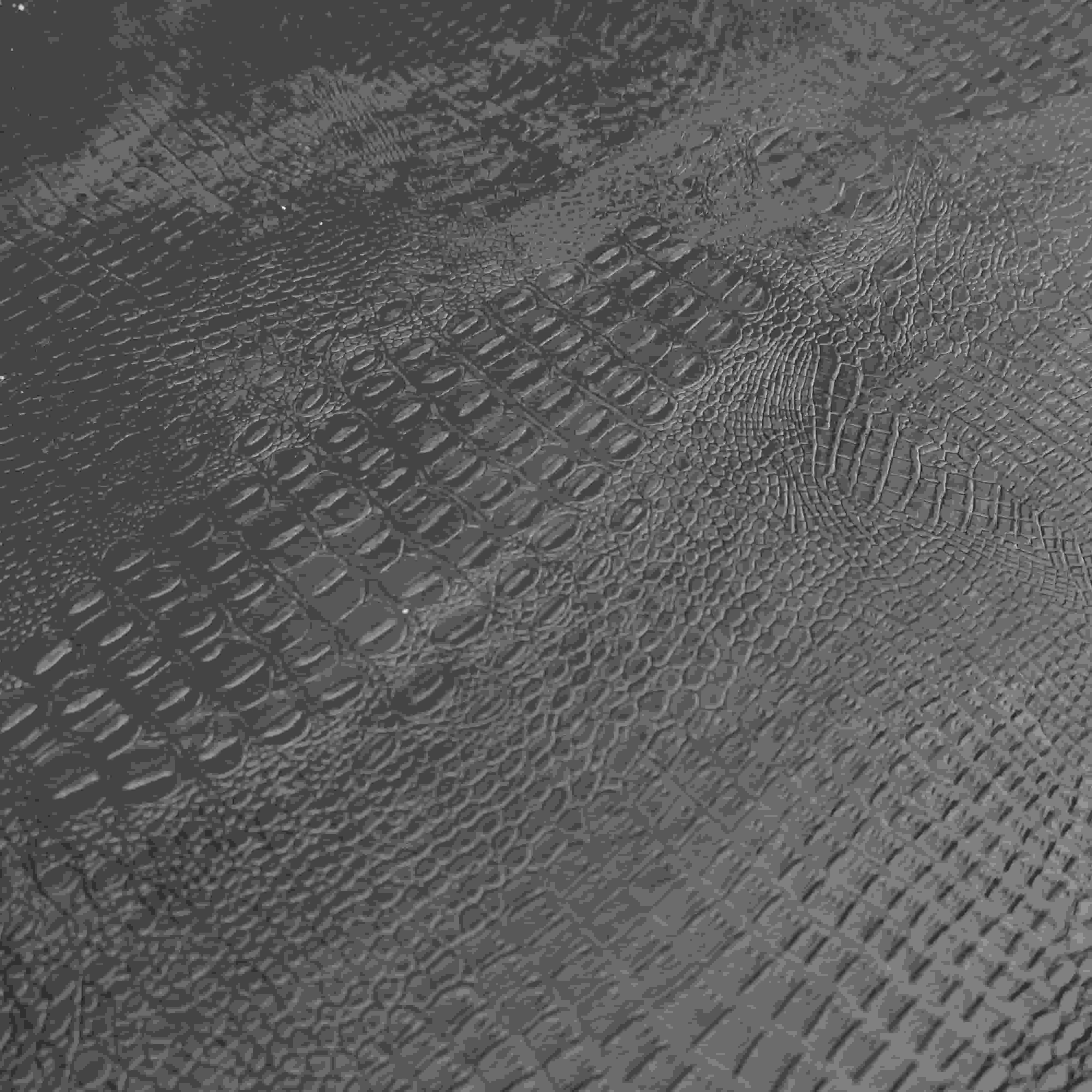
Numbers and credits are one thing, but real projects bring sustainability to life. Let's explore two examples where Croco MCM products played a pivotal role in achieving BREEAM and LEED certifications.
The EcoVillage Office Complex, a 50,000-square-meter development in Berlin, set out to be one of Europe's most sustainable commercial hubs. The design team prioritized materials that would minimize environmental impact while creating a healthy workspace. They turned to Croco MCM for three key products: mcm flexible stone for exterior cladding, fair-faced concrete for interior walls, and travertine (starry green) for the central atrium.
By choosing mcm flexible stone, the project reduced transportation emissions by 45% compared to using natural limestone, earning BREEAM's "Transport" category points. The fair-faced concrete's low VOCs and thermal mass contributed to the "Health & Wellbeing" and "Energy" categories, while the travertine (starry green), sourced from a quarry 300km away, scored high in "Materials." In the end, EcoVillage achieved BREEAM Outstanding, with 85% of its total points attributed to material selection—including 12 points directly from Croco MCM products.
Dubai's Serenity Residences, a luxury apartment complex, aimed to prove that opulence and sustainability could coexist. The developers chose Croco MCM's foamed aluminium alloy board (vintage silver) for the facade and mcm flexible stone for the balconies. The foamed aluminium's lightweight design reduced the building's overall weight, allowing for a slimmer foundation and cutting concrete usage by 15% (LEED MR Credit 3: Material Resource Optimization). The mcm flexible stone, meanwhile, was recycled from post-industrial waste, contributing to LEED's MR Credit 5: Construction and Demolition Waste Management.
Perhaps most impressively, the complex's use of Croco's green building materials helped it earn LEED's IN Credit 1: Innovation in Design, thanks to a novel ventilation system integrated with the fair-faced concrete walls. The result? LEED Platinum certification and a 30% reduction in energy bills for residents—proving that sustainability can also be a selling point for luxury real estate.
Green building certifications like BREEAM and LEED aren't just badges of honor—they're roadmaps for a more sustainable future. As the construction industry continues to account for a significant portion of global carbon emissions, the materials we choose matter more than ever. Croco MCM's commitment to innovation—whether through lightweight flexible stones, low-VOC concretes, or recyclable aluminium alloys—proves that sustainability and aesthetics don't have to be mutually exclusive.
For architects, builders, and developers, the message is clear: choosing the right materials isn't just about meeting certification requirements—it's about creating spaces that are healthier for people and kinder to the planet. With Croco MCM, that choice becomes easier. So the next time you're standing in front of a blueprint, coffee in hand, wondering how to make your project greener, remember: the answer might just be in the panels, stones, and slabs that Croco MCM has spent years perfecting. After all, the future of green building isn't just about big ideas—it's about the small, intentional choices that add up to something extraordinary.
Recommend Products












