
On a sweltering summer afternoon, you step into a building and immediately feel relief—not from an overworked air conditioner, but from the natural coolness of the walls themselves. On a frigid winter evening, you walk into another space and notice the warmth lingers, even as the furnace cycles off. What's the secret? It's not magic. It's the building envelope—the "skin" of a structure—and the materials that make it work smarter, not harder. In an era where energy costs rise and environmental concerns grow, the building envelope has emerged as a critical battleground for efficiency. And at the forefront of this movement is Croco MCM, a brand redefining what's possible with innovative, sustainable cladding solutions. Let's dive into how Croco MCM's diverse product lineup transforms building envelopes into allies in the fight for lower energy bills, reduced carbon footprints, and more comfortable living and working spaces.
Before we explore Croco MCM's solutions, let's clarify why the building envelope matters. Think of it as your home or office's protective barrier: walls, roofs, floors, windows, and doors. Its job? To separate the controlled indoor environment from the unpredictable outdoors. A well-designed envelope keeps heat in during winter and out during summer, blocks drafts, and reduces the load on heating, ventilation, and air conditioning (HVAC) systems. According to the U.S. Department of Energy, heating and cooling account for nearly 50% of energy use in typical homes—so even small improvements in envelope efficiency can lead to significant savings.
But not all building materials are created equal. Traditional options like solid concrete or vinyl siding often fall short, either absorbing too much heat, conducting cold, or failing to seal out air leaks. This is where Croco MCM steps in. By blending cutting-edge technology with nature-inspired design, their materials address the envelope's core challenges: thermal resistance, airtightness, reflectivity, and thermal mass. Let's break down what makes Croco MCM stand out.
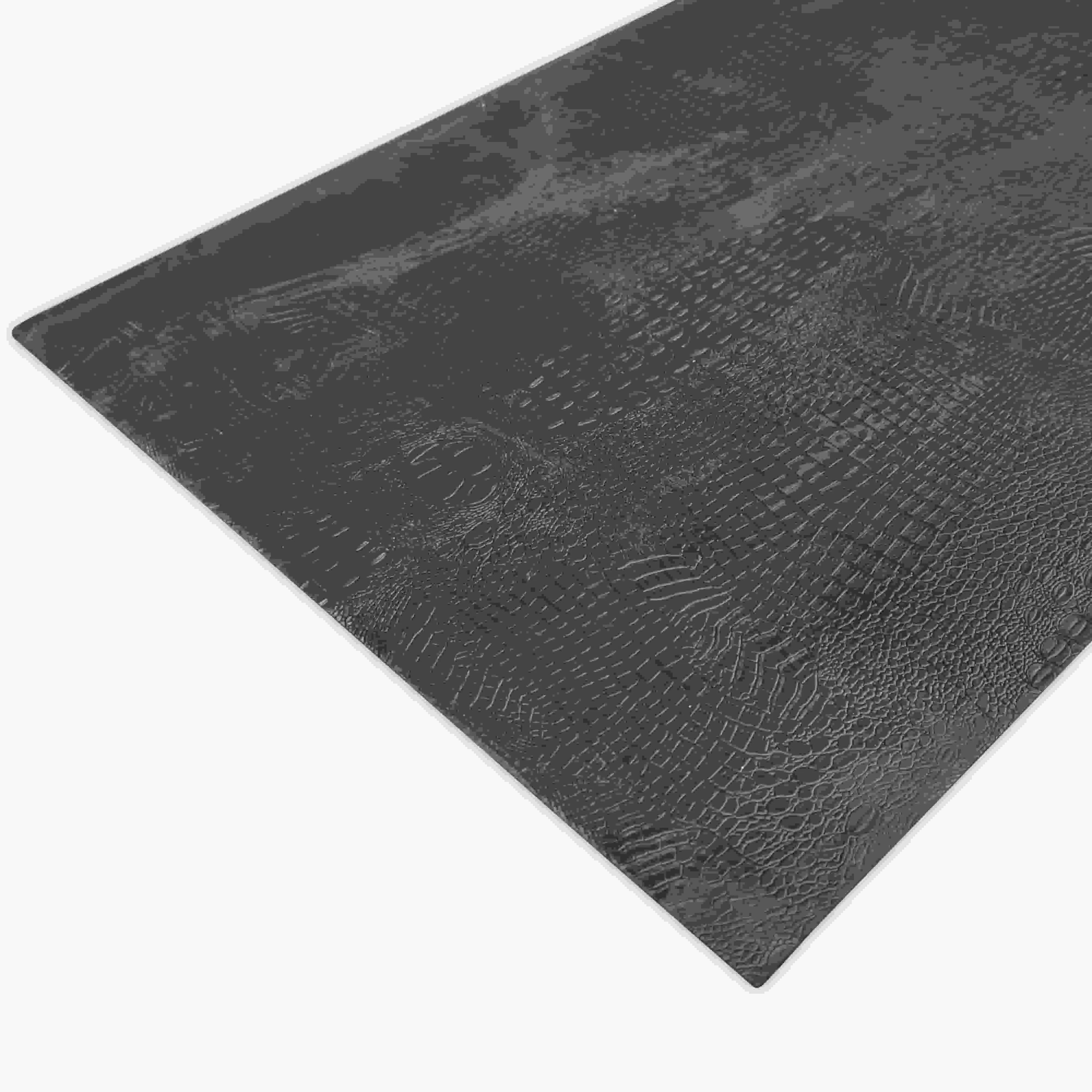
Croco MCM (Modified Composite Material) isn't just a single product—it's a family of cladding solutions engineered to balance aesthetics, performance, and sustainability. Unlike conventional materials, which often prioritize one attribute over others (e.g., durability over insulation), Croco MCM products are designed with a holistic approach. Many are lightweight yet strong, flexible yet weather-resistant, and visually striking while delivering tangible energy benefits. Plus, their manufacturing processes often incorporate recycled materials or low-energy production methods, reducing embodied energy—the energy required to extract, make, and transport materials. This lifecycle thinking ensures that Croco MCM doesn't just save energy in use, but also minimizes environmental impact from the start.
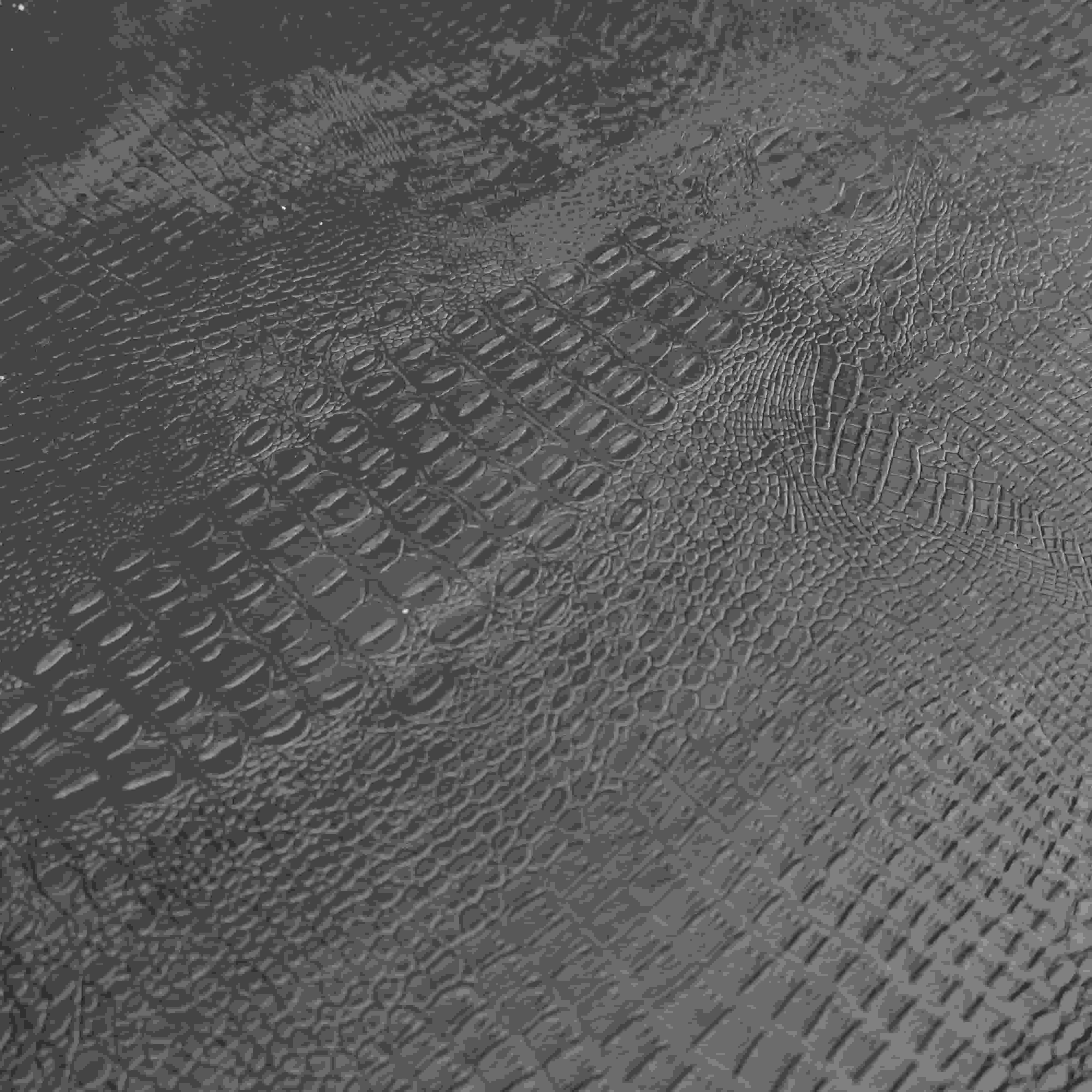
Let's explore some of Croco MCM's standout products and how they enhance building envelope performance. From flexible stones to reflective alloys, each brings unique strengths to the table.
What it is: MCM flexible stone is a game-changer in cladding. Made by bonding natural stone aggregates with a polymer matrix, it retains the look and feel of real stone but with a flexibility that traditional stone can't match. Imagine a material that bends to follow architectural curves, wraps around corners seamlessly, and installs with minimal waste.
Energy efficiency benefits: Its flexibility is more than just a design perk—it's an insulation ally. Traditional rigid cladding often leaves tiny gaps during installation, which become pathways for heat loss or gain. MCM flexible stone, however, conforms tightly to surfaces, reducing air infiltration. Additionally, the stone-polymer composite has natural thermal mass, meaning it absorbs heat during the day and releases it slowly at night, stabilizing indoor temperatures and reducing HVAC demand. In warmer climates, this thermal mass can keep interiors cooler by delaying heat transfer, while in colder regions, it acts as a buffer against sudden temperature drops.
Real-world impact: A recent renovation project in Chicago replaced outdated vinyl siding with MCM flexible stone (in a warm travertine beige finish). The homeowners reported a 15% reduction in winter heating bills, noting that rooms felt more consistently warm, even on windy days. The installer praised the material's flexibility, stating it eliminated the need for custom-cut trim pieces that often create weak points in insulation.
What it is: Foamed aluminium alloy boards are a modern twist on metal cladding. Created by injecting gas into molten aluminium, the result is a lightweight, rigid panel with a porous structure that's both strong and insulating. Croco MCM offers them in vintage silver, vintage gold, and classic gold finishes, blending industrial chic with functional performance.
Energy efficiency benefits: Aluminium is naturally reflective, and Croco MCM's foamed version takes this a step further. The vintage silver finish, for example, has a high solar reflectance index (SRI), meaning it bounces back a significant portion of the sun's rays instead of absorbing them. This is critical for "cool roof" and "cool wall" designs, which aim to reduce the urban heat island effect and lower cooling costs. In hot, sunny regions like Arizona or Dubai, buildings clad in foamed aluminium alloy boards can see a 20-30% reduction in peak cooling demand compared to dark, absorptive materials like traditional asphalt shingles or concrete.
Bonus: Insulation and durability: The foamed structure isn't just for show—it creates tiny air pockets that act as insulators, improving the board's R-value (a measure of thermal resistance). Unlike solid aluminium, which conducts heat readily, foamed aluminium resists heat transfer, making it a two-in-one solution: reflectivity + insulation. Plus, aluminium is corrosion-resistant, ensuring the cladding maintains its reflective properties for decades, unlike painted surfaces that fade over time.
What it is: Rammed earth is an ancient building technique, but Croco MCM's rammed earth boards bring it into the 21st century. These panels are crafted by compressing layers of natural earth (clay, sand, silt) with stabilizers, resulting in dense, durable boards with rich, earthy hues—from soft matcha green to warm gradient reds.
Energy efficiency benefits: Rammed earth is renowned for its exceptional thermal mass. A thick rammed earth wall can absorb heat during the day and release it at night, creating a "passive heating" effect that reduces reliance on furnaces. Croco MCM's rammed earth boards, while thinner than traditional rammed earth walls, still pack this thermal punch. When used as cladding over insulation, they enhance the envelope's ability to regulate temperature. For example, in a Mediterranean-style home in California, rammed earth boards (gradient color, blending terracotta and beige) were installed on south-facing walls. The homeowners noticed that even on 90°F days, the interior walls stayed cool to the touch, and the air conditioner ran 25% less than in their previous home with stucco siding.
Sustainability bonus: Made from locally sourced earth and minimal additives, rammed earth boards have low embodied energy. They're also breathable, allowing moisture to escape and preventing mold growth—a common issue in poorly insulated walls that can degrade indoor air quality and insulation performance over time.
What it is: Travertine is a classic natural stone, prized for its porous texture and warm tones. Croco MCM's travertine series takes this a step further with "starry" variants—blue, green, red, orange—infused with subtle metallic flecks that catch the light. But beyond aesthetics, travertine's porosity is a hidden asset for energy efficiency.
Energy efficiency benefits: The tiny pores in travertine act as natural insulators, slowing heat transfer. While solid stone is dense and conductive, travertine's porous structure creates air pockets that reduce thermal conductivity. Croco MCM enhances this by pairing travertine cladding with a thin, high-performance insulation layer behind it, creating a "thermal break" that prevents heat from moving through the wall. In a hotel project in Miami, the exterior was clad in travertine (starry blue) with a foam insulation backing. Guests reported cooler rooms, and the hotel's energy bills dropped by 18% compared to a neighboring property with marble cladding, which lacks travertine's insulating porosity.
Durability and maintenance: Travertine is naturally resistant to weathering, and Croco MCM's sealing process ensures it repels water while retaining breathability. This longevity means fewer replacements over the building's lifetime, reducing the embodied energy associated with manufacturing and installing new cladding.
What it is: Fair-faced concrete, also known as architectural concrete, is finished to expose its natural texture and color without additional cladding. Croco MCM's fair-faced concrete panels are precision-cast to ensure uniformity and durability, offering a sleek, modern look that's popular in commercial and residential design.
Energy efficiency benefits: Concrete is famous for its thermal mass, and fair-faced concrete leverages this to stabilize indoor temperatures. During the day, it absorbs heat from sunlight or indoor activities; at night, it releases that heat, reducing the need for artificial heating or cooling. In a tech office in Seattle, which experiences mild but variable temperatures, fair-faced concrete walls were used in open workspaces. The building's energy management system showed that HVAC runtime decreased by 12% compared to offices with drywall and paint, as the concrete moderated temperature swings throughout the day.
Sustainability edge: Croco MCM's fair-faced concrete incorporates recycled aggregates, reducing the environmental impact of raw material extraction. It also requires minimal maintenance—no painting or sealing—lowering the lifecycle costs and energy use associated with upkeep.
| Material | Thermal Conductivity (W/m·K) | Solar Reflectance (SRI) | Installation Air Gaps | Thermal Mass | Embodied Energy (MJ/kg) |
|---|---|---|---|---|---|
| Traditional Vinyl Siding | 0.15 (low insulation) | 20-30 (varies by color) | Common (rigid panels) | Low | 8-10 (high, non-recyclable) |
| Solid Natural Stone | 1.5-3.0 (high conductivity) | 10-25 (dark colors) | Common (heavy, rigid) | High | 12-15 (high extraction energy) |
| Croco MCM Flexible Stone | 0.08 (improved insulation) | 30-40 (light colors) | Minimal (flexible, conforms) | Medium-High | 5-7 (recycled polymer content) |
| Croco Foamed Aluminium (Vintage Silver) | 0.05 (excellent insulation) | 70-80 (high reflectivity) | Minimal (rigid but lightweight) | Low | 4-6 (recycled aluminium content) |
| Croco Rammed Earth Board | 0.7-1.0 (moderate conductivity) | 35-45 (earthy tones) | Minimal (dense, tight fit) | Very High | 2-3 (locally sourced materials) |
The table above highlights a clear trend: Croco MCM materials consistently outperform traditional options in key areas. Lower thermal conductivity means better insulation; higher solar reflectance reduces heat gain; minimal air gaps prevent drafts; and lower embodied energy aligns with sustainability goals. When combined, these factors translate to significant energy savings over time.
Challenge: A 10-story office building in downtown Austin struggled with soaring cooling costs during Texas summers. The original glass curtain wall allowed intense sunlight to heat interiors, forcing HVAC systems to run continuously.
Solution: The building owners retrofitted the exterior with Croco MCM foamed aluminium alloy boards (vintage silver) on the south and west facades, paired with MCM flexible stone (travertine beige) on the north and east. The foamed aluminium reflected solar radiation, while the flexible stone added thermal mass.
Result: After installation, the building's peak cooling demand dropped by 28%. Tenants reported more comfortable temperatures, and the owners calculated a payback period of just 4 years on the retrofit investment through energy savings. Additionally, the building's LEED certification score improved, enhancing its market value.
Challenge: A family in Portland wanted to build a net-zero energy home but was concerned about the cost and aesthetics of traditional insulation materials like fiberglass batts.
Solution: The architect recommended Croco MCM rammed earth boards (gradient matcha green) for exterior walls, paired with fair-faced concrete for interior partitions. The rammed earth's thermal mass and the concrete's stability were designed to work with the home's solar panels and heat pump.
Result: The home achieved net-zero status in its first year, producing more energy than it consumed. The homeowners noted that indoor temperatures rarely fluctuated more than 2-3°F, even during Portland's rainy winters and hot, dry summers. "We barely use the heat pump," said the homeowner. "The walls just… keep the temperature steady. It's like living in a natural thermostat."
The building envelope isn't just a structural necessity—it's a canvas for innovation, and Croco MCM is painting a future where efficiency and beauty coexist. By reimagining traditional materials like stone, concrete, and aluminium, and infusing them with flexibility, reflectivity, and thermal mass, Croco MCM has created a lineup of cladding solutions that don't just cover buildings—they protect them, stabilize indoor environments, and slash energy use.
Whether it's the curve-hugging MCM flexible stone sealing gaps, the sun-reflecting foamed aluminium alloy boards beating the heat, or the ancient wisdom of rammed earth keeping temperatures steady, each product tells a story of how thoughtful material science can transform the way we build. And as energy costs rise and climate change accelerates, these stories aren't just inspiring—they're essential.
So, the next time you walk into a building that feels effortlessly comfortable, take a closer look at the walls. Chances are, it's not just good design—it's Croco MCM, turning building envelopes into energy-saving champions, one panel at a time.
Recommend Products












