
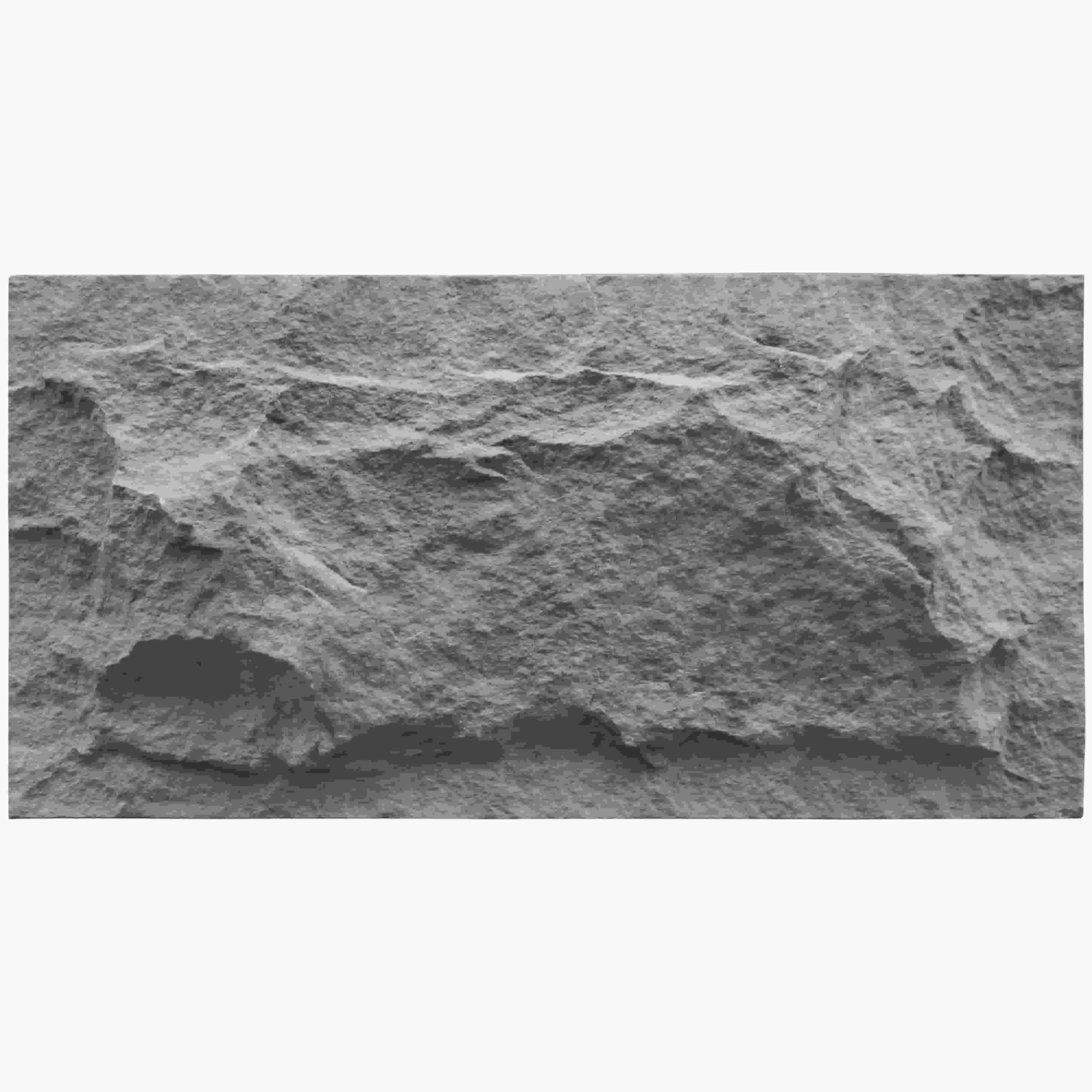
In the quiet hours of a winter morning, when the first light seeps through your windows, have you ever paused to wonder why some rooms stay warm with minimal heating while others feel like they're leaking heat faster than a sieve? The answer often lies in the walls themselves—in the materials that form the skin of our homes, offices, and community spaces. As energy costs soar and sustainability becomes more than just a buzzword, the race is on to find building materials that don't just look good, but work tirelessly to keep our spaces comfortable and our carbon footprints small. Today, we're diving into one such material that's making waves in the industry: Crossare Mushroom Stone043 . Part of the innovative MCM product family, this unassuming cladding solution is redefining what it means to build "smart."
Let's start with the basics: buildings account for nearly 40% of global energy consumption, and a large chunk of that is wasted on heating and cooling. Why? Because many common building materials are thermal conductors, not insulators. Think about a typical brick wall or standard concrete slab—they absorb heat in summer, turning your home into a slow-cooker, then release it in winter, leaving you shivering even with the heater on. Over time, this "thermal bridging" forces HVAC systems to work overtime, driving up bills and emissions.
For decades, the solution was to layer on insulation—fiberglass batts, foam boards, or spray foam—between structural materials. But this adds thickness, weight, and cost, and often still leaves gaps where energy escapes. What if the structural material itself could insulate? That's the promise of advanced composites like Crossare Mushroom Stone043, a star player in the MCM flexible stone lineup.
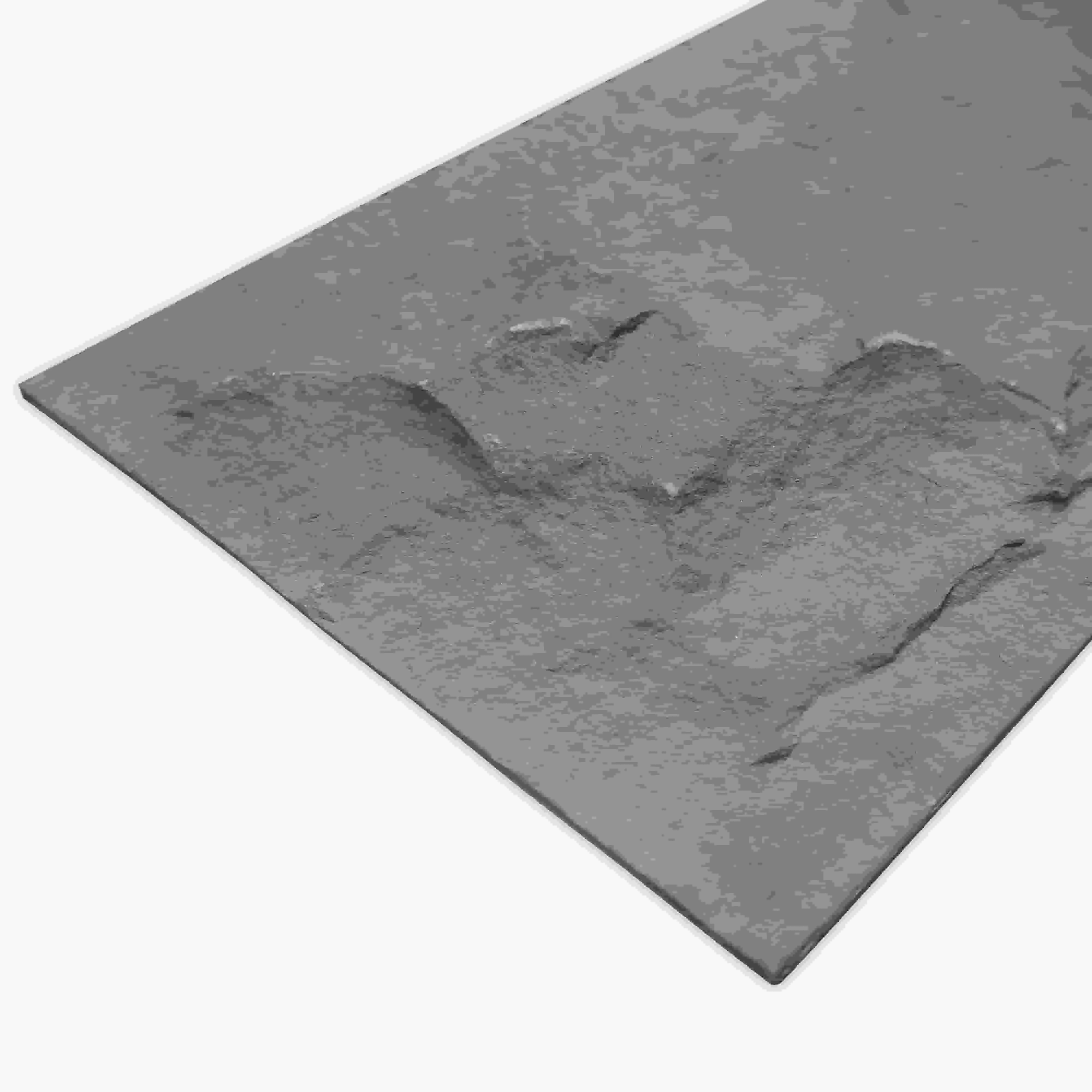
First, let's clear up the name. "Crossare Mushroom Stone043" might sound like a code from a geology textbook, but it's actually a nod to both its design and function. The "mushroom" texture—subtly pitted and irregular, like the underside of a forest mushroom—isn't just for aesthetics. Those tiny indentations scatter heat and light, reducing solar gain in summer. And "Crossare"? A hat-tip to its cross-layered construction, which combines natural stone particles with high-performance polymers to create a material that's lightweight, durable, and thermally savvy.
Unlike solid stone or heavy concrete, this is a composite —engineered to leverage the best of both worlds: the timeless look of natural stone and the efficiency of modern technology. It's part of the broader MCM (Modified Composite Material) family, which includes standouts like lunar peak silvery and fair-faced concrete , but what makes Crossare Mushroom Stone043 unique is its laser focus on energy efficiency.
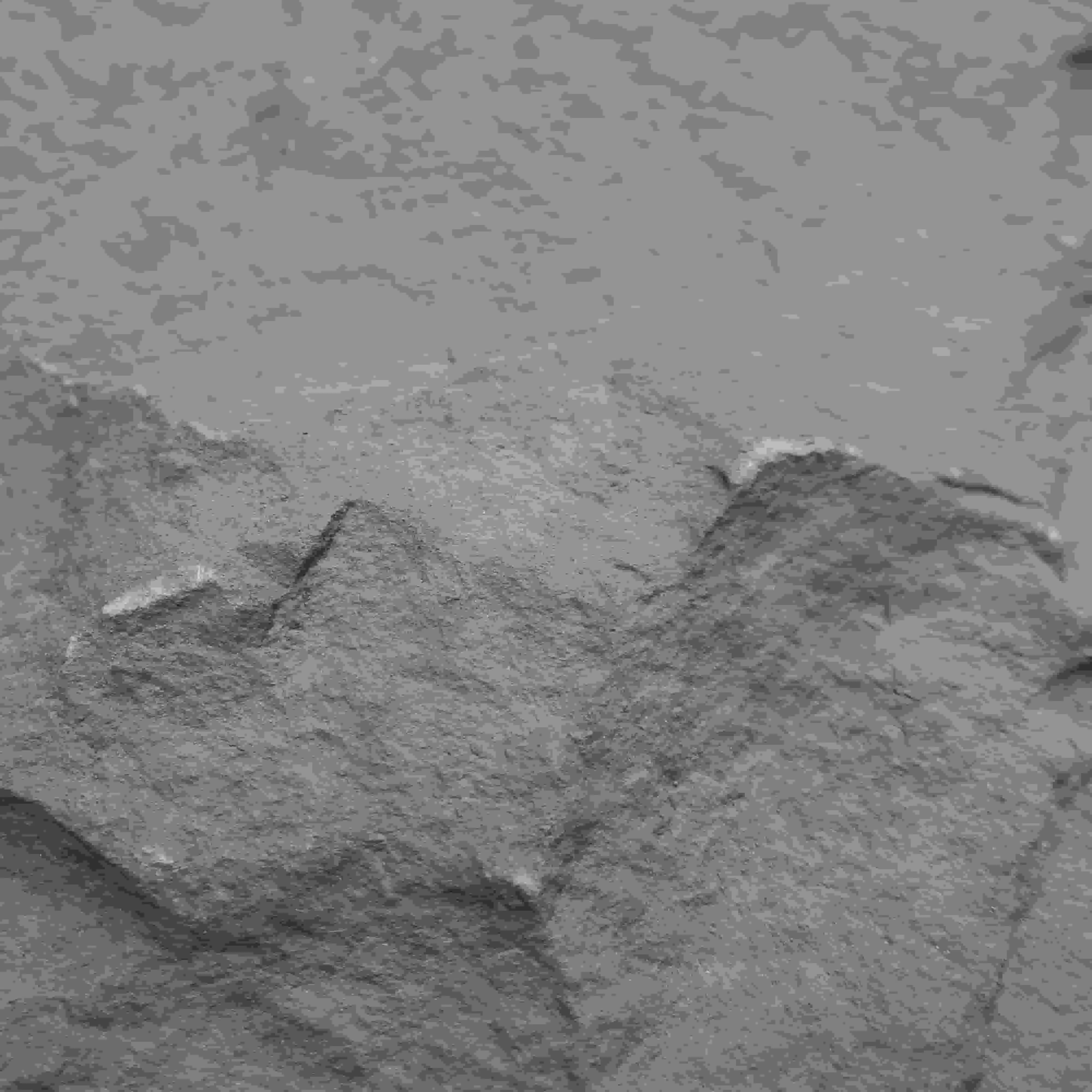
Let's break down why this material is a game-changer for energy-conscious builders:
Ever noticed how a down jacket keeps you warm? It's not the feathers themselves—it's the tiny air pockets between them, trapping heat and blocking cold. Crossare Mushroom Stone043 uses a similar principle. During manufacturing, its composite structure forms millions of microscopic air pockets that act as thermal barriers. This gives it an impressively low thermal conductivity rating of ~0.18 W/m·K (for context, standard concrete clocks in at 1.2 W/m·K). In plain English: heat struggles to pass through it, meaning your (heater) or AC runs less, and your wallet breathes easier.
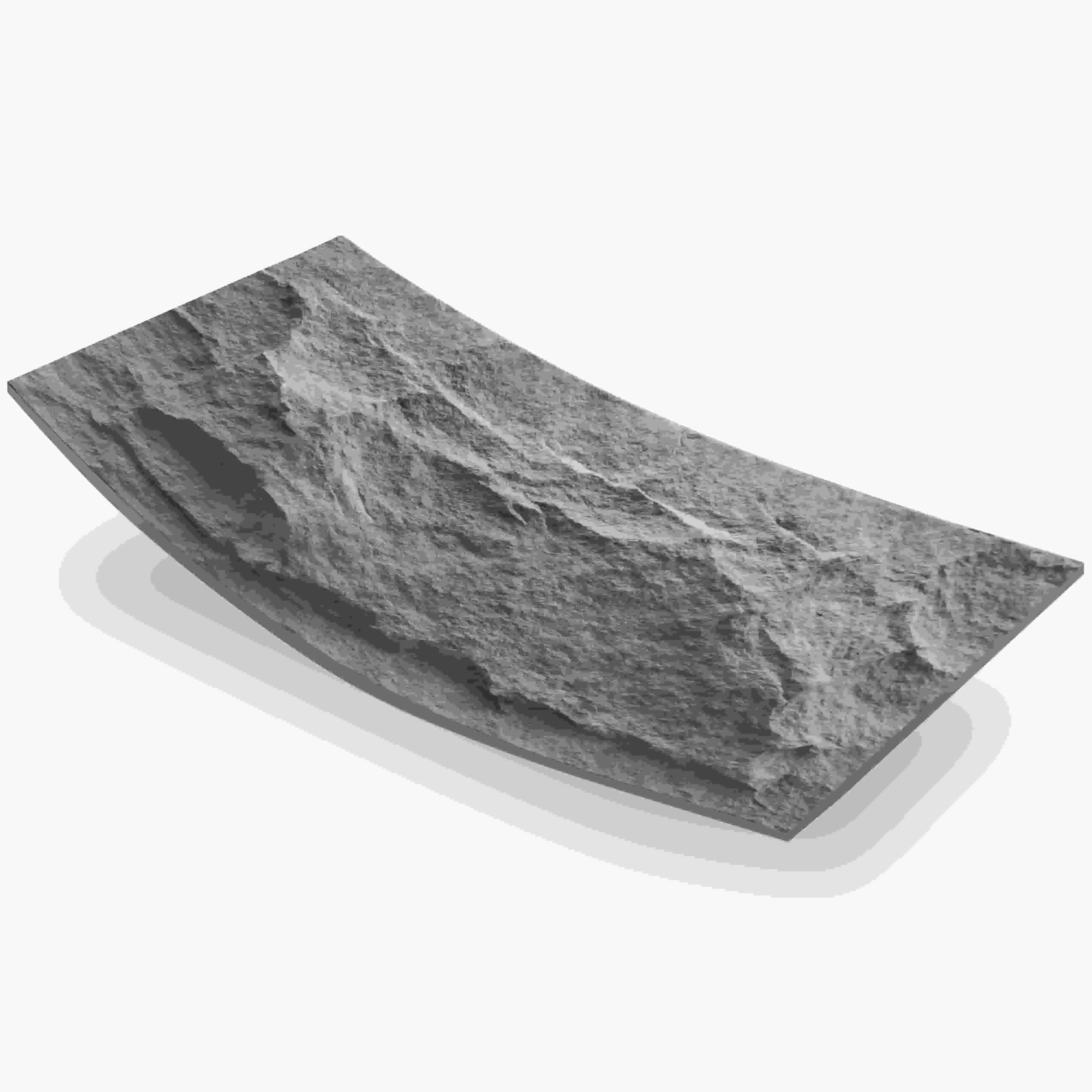
Traditional stone cladding can weigh 30-40 kg per square meter—so heavy that walls need extra reinforcement, leaving little room for insulation. Crossare Mushroom Stone043 flips this script at just 8-10 kg/m². That's lighter than drywall! This featherweight profile means builders can add extra insulation layers without overloading the structure. Imagine building a wall that's both a structural barrier and a cozy blanket—no compromises needed.
Energy efficiency isn't just about insulation—it's about durability. A material that cracks, fades, or warps in extreme weather will lose its insulating properties fast. Crossare Mushroom Stone043 is built tough: resistant to UV rays, moisture, and temperature swings from -40°C to 80°C. In coastal areas, it stands up to salt spray; in deserts, it laughs off sandstorms. This longevity means your building's energy efficiency doesn't degrade over time—saving you from costly replacements and re-insulations down the line.
Numbers tell the story best. Let's stack Crossare Mushroom Stone043 against three common alternatives: fair-faced concrete , lunar peak silvery , and traditional travertine. We'll focus on thermal conductivity (lower = better insulation), R-value (higher = better heat resistance), and weight (lower = easier installation + more insulation space).
| Material | Thermal Conductivity (W/m·K) | R-Value (m²·K/W per cm thickness) | Weight (kg/m²) | Installation Flexibility |
|---|---|---|---|---|
| Crossare Mushroom Stone043 | 0.18 | 0.56 | 8-10 | High (bends to curves, cuts easily) |
| Fair-Faced Concrete | 1.2 | 0.08 | 240-250 | Low (requires formwork, heavy lifting) |
| Lunar Peak Silvery (MCM Series) | 0.25 | 0.40 | 12-14 | Medium (rigid, limited curve adaptability) |
| Traditional Travertine | 0.7-0.9 | 0.11-0.14 | 30-35 | Low (brittle, requires specialized cutting) |
The verdict? Crossare Mushroom Stone043 outperforms fair-faced concrete and traditional travertine by a mile in thermal resistance, and even edges out Lunar Peak Silvery in insulation while being lighter. For builders, this translates to lower labor costs, faster installation, and walls that work with your HVAC system, not against it.
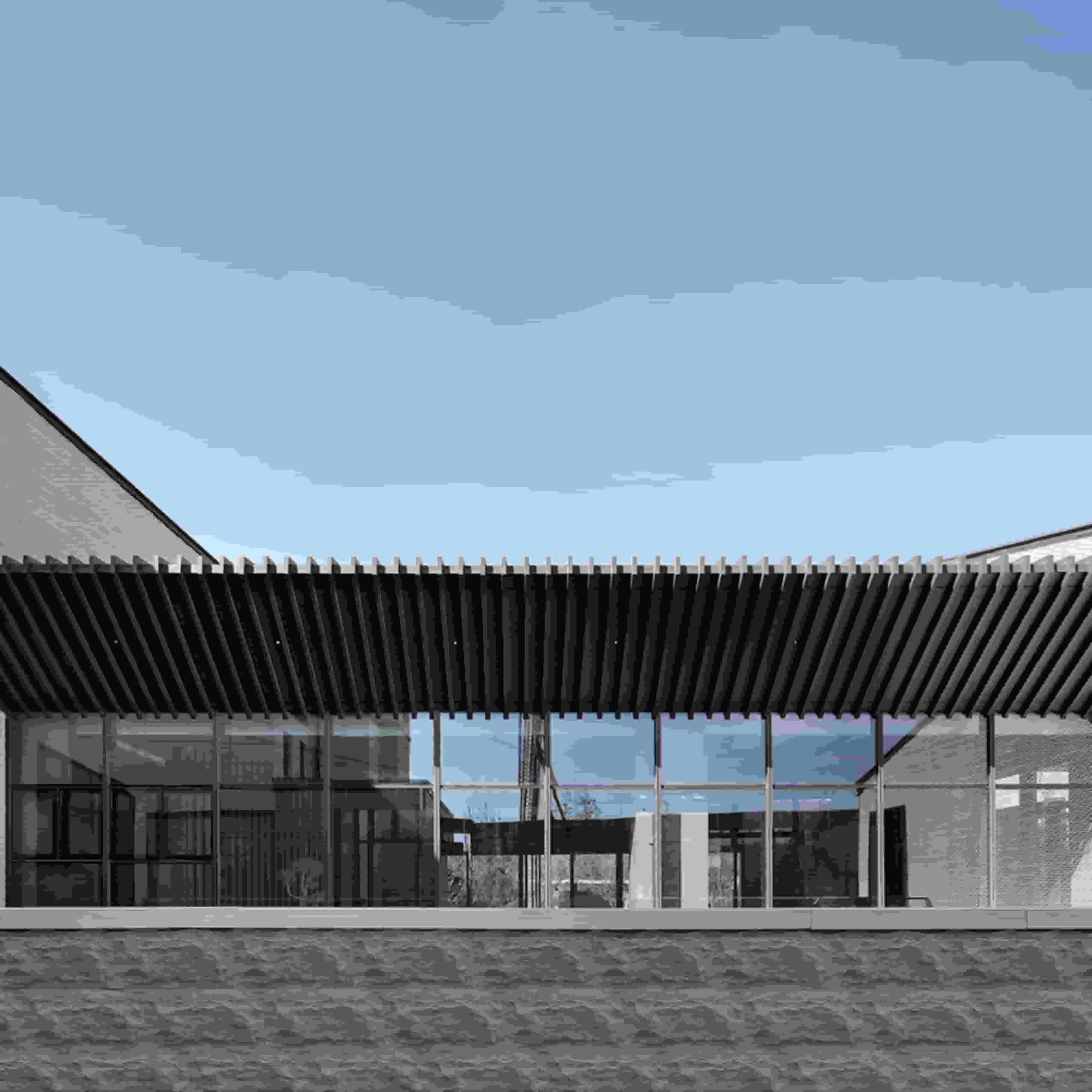
Let's step out of the lab and into real buildings. In 2022, a community center in Minneapolis replaced its aging brick exterior with Crossare Mushroom Stone043. The results? A 32% drop in heating costs during the first winter. "We used to have to crank the heat to 72°F just to keep the lobby from feeling like a cave," says facility manager James Lin. "Now we set it to 68°F, and no one complains. The stone holds the warmth like a hug."
Over in Seattle, a boutique office building chose the material for its curtain walls. Architect Maya Patel explains: "Our clients wanted a modern, natural look but refused to sacrifice energy efficiency. Crossare Mushroom Stone043 gave us both. The texture diffuses sunlight, so we use less AC in summer, and the insulation means we're hitting LEED Gold without adding bulk to the design."
Even residential projects are benefiting. A homeowner in Vermont, tired of sky-high oil bills, clad their home's exterior with the stone. "Last winter was the coldest in a decade, but our heating bill dropped by $200 a month," they reported. "It's like the house finally learned to hold onto heat."
Energy efficiency is the headline, but Crossare Mushroom Stone043 has another ace up its sleeve: sustainability. Let's start with its origins. Unlike traditional stone, which requires mining and heavy cutting (a process that generates 20-30% waste), this material uses recycled stone aggregates and low-VOC binders. That means less quarrying, less landfill waste, and a smaller carbon footprint from the start.
Then there's its lifespan. Rated to last 50+ years (twice as long as vinyl siding or fiber cement), it reduces the need for frequent replacements—a major source of construction waste. And when it does reach the end of its life? It's fully recyclable, with crushed particles repurposed into new building materials. For eco-conscious builders, this is a triple win: lower energy use, lower waste, and lower guilt.
No material is perfect, so let's be honest: Crossare Mushroom Stone043 isn't the cheapest option upfront. It costs more than standard concrete or vinyl siding. But consider the long game: lower energy bills, reduced maintenance, and potential tax incentives for green building. Most projects see a return on investment in 5-7 years—and with a 50-year lifespan, that's decades of savings.
It's also versatile. Whether you're building a modern home, a historic renovation, or a commercial complex, its earthy tones (think soft grays, warm beiges, and muted browns) blend seamlessly with any style. And since it's flexible, it works on curved walls, columns, and even ceilings—opening up design possibilities that rigid materials can't match.
At the end of the day, Crossare Mushroom Stone043 is more than a building material—it's a shift in mindset. For too long, we've treated buildings as static structures, expecting our HVAC systems to fix their flaws. But the future belongs to materials that actively contribute to comfort and efficiency. Materials that don't just enclose space, but optimize it.
As we face the twin challenges of climate change and rising energy costs, innovations like this give us hope. They prove that we don't have to choose between beauty and sustainability, between durability and efficiency. Crossare Mushroom Stone043 isn't just building a better wall—it's building a better way to live: warmer in winter, cooler in summer, and lighter on the planet.
So the next time you walk into a building that feels effortlessly comfortable, take a closer look at the walls. Chances are, you're looking at the future—and it might just be wearing the subtle, mushroom-pitted texture of Crossare Mushroom Stone043.
Recommend Products












