
Exploring the role of innovative building materials in shaping eco-friendly construction futures
In an era where climate change concerns loom large and resource scarcity becomes increasingly tangible, the construction industry stands at a critical crossroads. Long criticized for its heavy carbon footprint—accounting for nearly 39% of global carbon emissions, according to the United Nations Environment Programme—construction is under mounting pressure to rethink traditional practices. Enter sustainable construction: a movement that prioritizes materials, methods, and designs that minimize environmental harm while maximizing efficiency, durability, and human well-being.
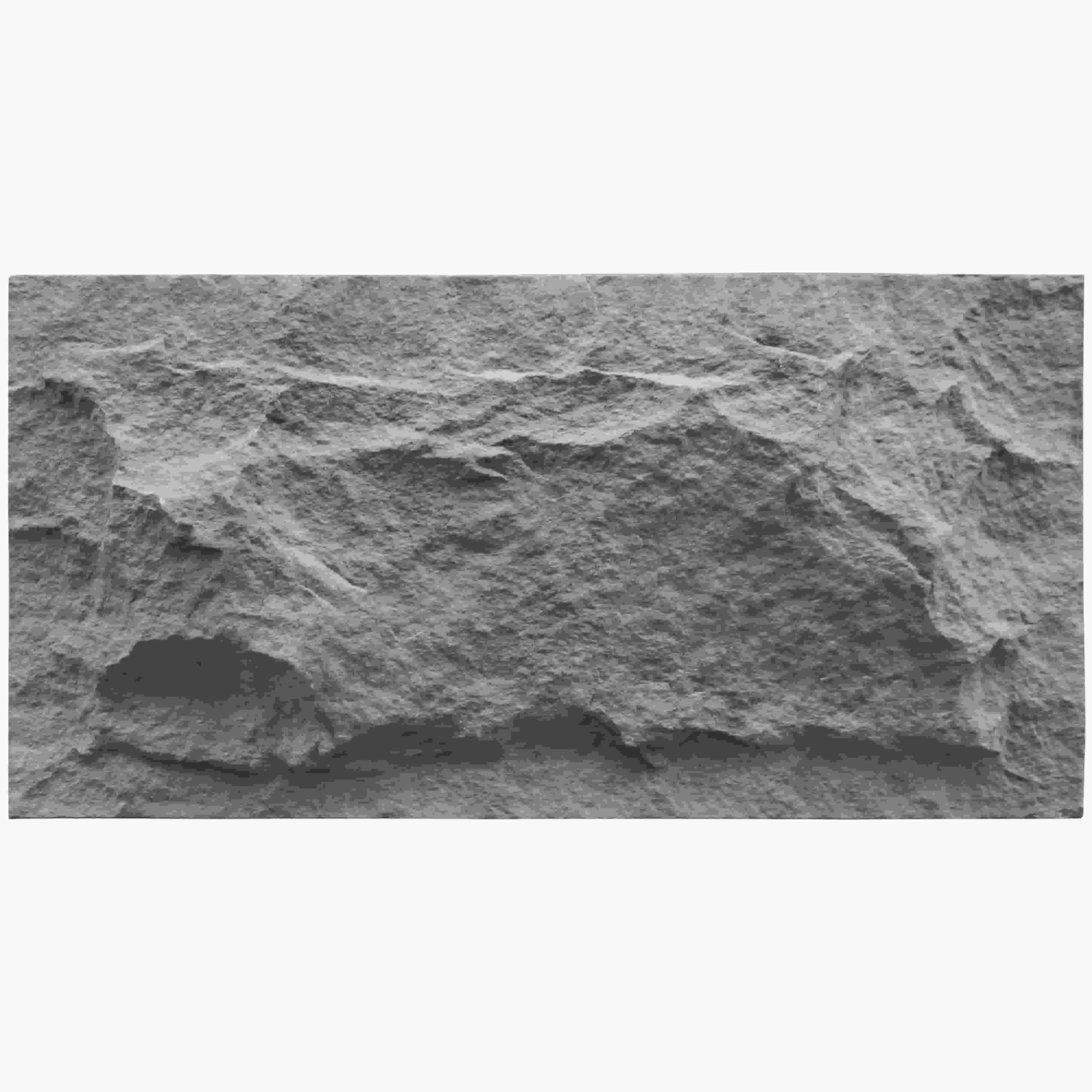
At the heart of this shift lies innovation in building materials. While concepts like energy-efficient windows and solar panels often grab headlines, the choice of cladding, flooring, and structural materials plays an equally pivotal role. This is where products like Crossare Mushroom Stone043 step in. More than just a decorative element, this material represents a new breed of eco-conscious building solutions designed to align with global sustainability goals—from reducing carbon emissions to conserving natural resources. Let's dive into how Crossare Mushroom Stone043 is redefining what it means to build responsibly.
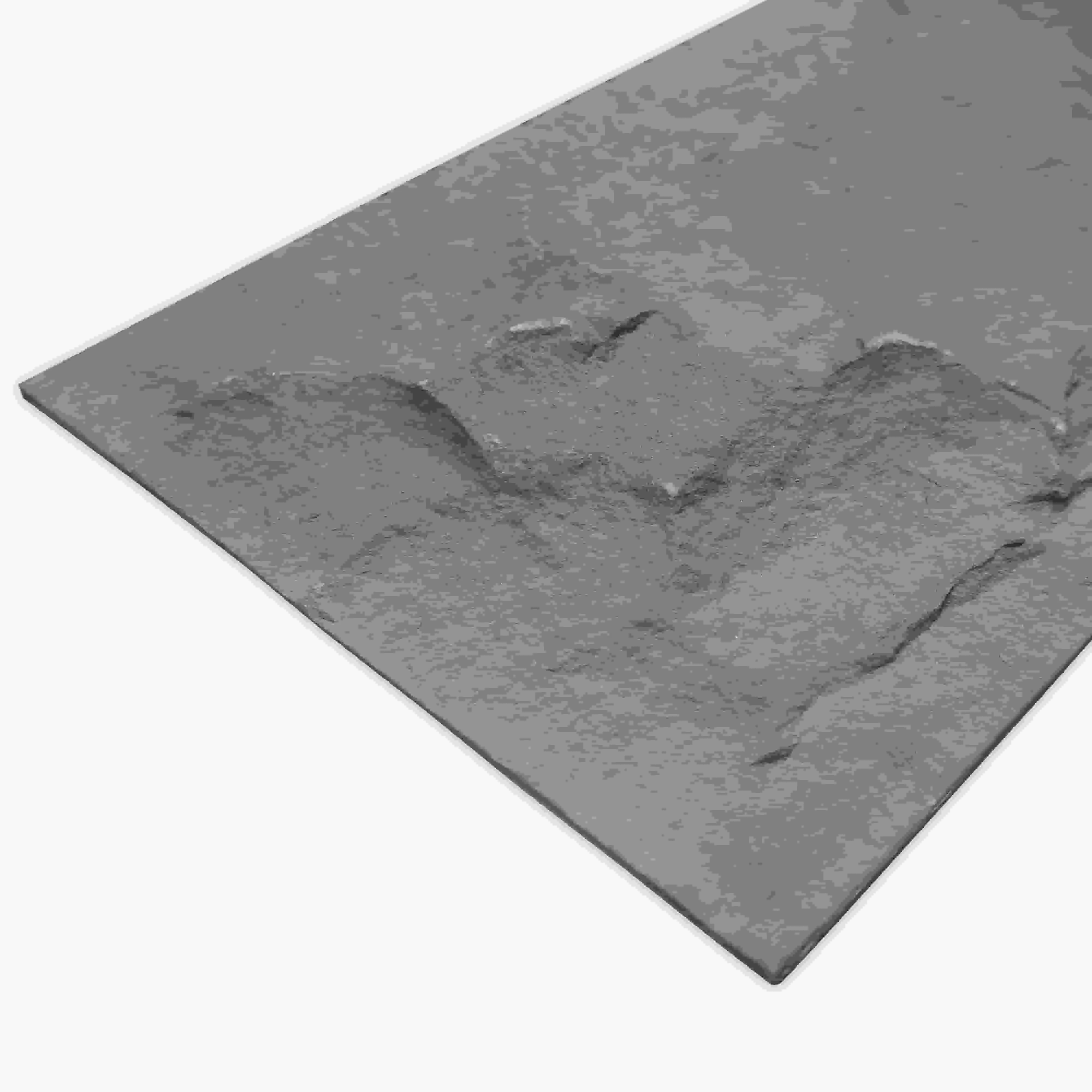
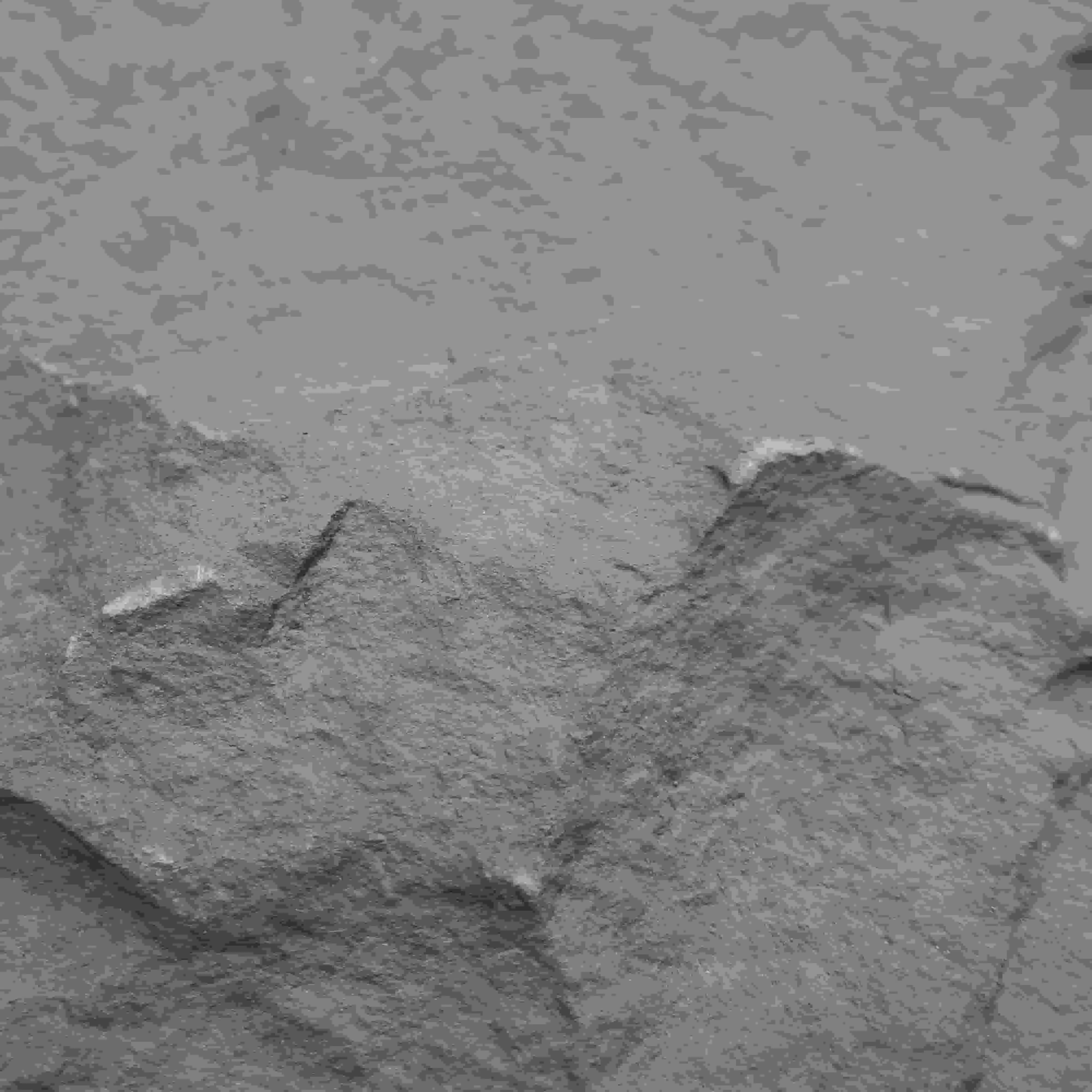
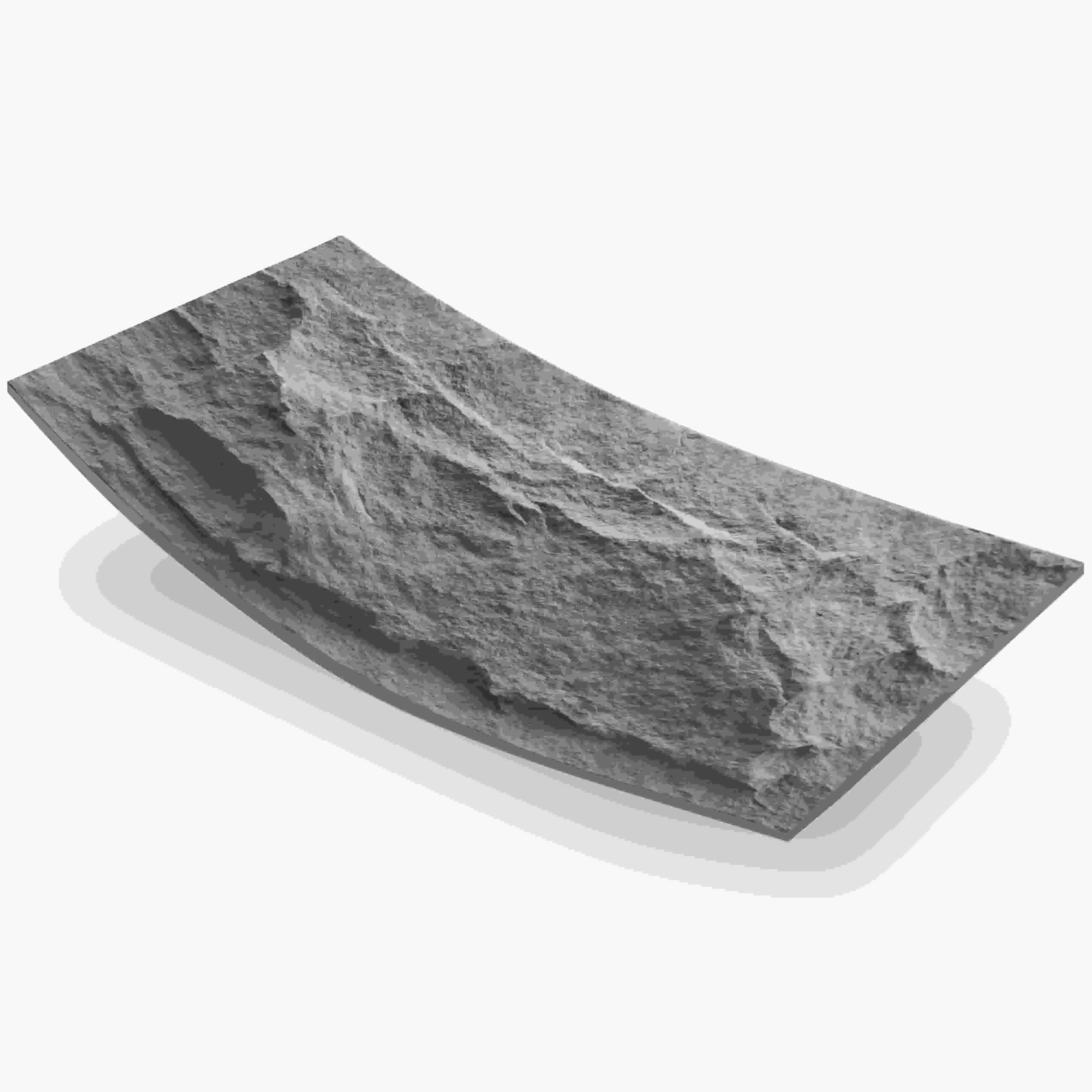
Before delving into its sustainability credentials, it's important to understand what Crossare Mushroom Stone043 is. Part of the broader mcm flexible stone category—a family of lightweight, durable, and adaptable cladding materials—Crossare Mushroom Stone043 stands out for its unique texture and eco-friendly composition. Inspired by the organic, uneven surfaces of natural mushroom stones, it mimics the aesthetic appeal of quarried stone but with a fraction of the environmental impact.
Unlike traditional natural stone, which requires extensive mining, cutting, and transportation, Crossare Mushroom Stone043 is engineered using a blend of recycled aggregates, mineral composites, and eco-resins. This not only reduces reliance on virgin resources but also results in a product that is lighter (by up to 70% compared to natural stone), easier to install, and less prone to cracking or weathering. Its flexibility allows it to conform to curved surfaces, eliminating the need for custom-cutting and reducing material waste during installation—two factors that further boost its sustainability profile.
One of the most compelling aspects of Crossare Mushroom Stone043 is its commitment to circular resource use. The material incorporates up to 60% recycled content, including crushed stone waste from quarry operations, post-consumer glass, and even reclaimed industrial byproducts. By repurposing these materials, the production process diverts waste from landfills—where decomposing construction debris releases methane, a potent greenhouse gas—and reduces the need for extracting new raw materials. For context, traditional natural stone mining disrupts ecosystems, contributes to soil erosion, and consumes vast amounts of water; Crossare Mushroom Stone043 sidesteps these issues by giving new life to existing resources.
The manufacturing process of Crossare Mushroom Stone043 is designed with energy efficiency in mind. Unlike firing bricks or quarrying stone, which require high temperatures or heavy machinery, this material is produced using a low-heat pressing technique that consumes 40% less energy than traditional cladding production. Additionally, the production facilities prioritize renewable energy sources—many operate on solar or wind power—and implement closed-loop water systems, ensuring that 95% of water used in production is recycled and reused. This stands in stark contrast to materials like fair-faced concrete , which relies on energy-intensive cement production and often involves water-intensive curing processes.
Transportation is a hidden but significant contributor to a building material's carbon footprint. Heavier materials require more fuel to ship, increasing emissions during transit. Crossare Mushroom Stone043, however, weighs just 8–12 kg per square meter, compared to 25–30 kg for natural stone slabs of similar thickness. This lightweight nature means more panels can be loaded onto a single truck, cutting down on the number of trips needed to transport materials to construction sites. In one case study, a commercial project in Barcelona reported a 35% reduction in transportation-related emissions after switching from natural travertine to Crossare Mushroom Stone043 for its exterior cladding.
Sustainability isn't just about reducing initial environmental impact—it's also about creating materials that stand the test of time. Crossare Mushroom Stone043 excels here, with a projected lifespan of 50+ years, compared to 20–30 years for many traditional cladding materials. Its resistance to moisture, UV radiation, and temperature fluctuations means less frequent replacement, reducing the need for new material production and minimizing waste over the building's lifetime. In coastal regions, where saltwater corrosion often degrades natural stone, Crossare Mushroom Stone043's composite structure has proven to be 3x more resistant, as observed in a 10-year study of a hotel complex in (Sanya).
Even when a building reaches the end of its useful life, Crossare Mushroom Stone043 continues to support sustainability. Unlike some composite materials that are difficult to break down, its components can be separated and recycled again. For example, the stone aggregates can be crushed and reused in new panels, while the resin binders can be repurposed in industrial adhesives. This closed-loop approach aligns with the circular economy model, where waste is minimized, and resources are kept in use for as long as possible.
In 2023, the GreenHaven Residential Complex in Berlin set out to achieve LEED Platinum certification, the highest standard for green buildings. A key part of their strategy was selecting exterior cladding that balanced aesthetics, performance, and sustainability. After evaluating options like natural travertine (starry green) and traditional brick, they chose Crossare Mushroom Stone043 for its lower carbon footprint and design flexibility.
The results were striking: By using Crossare Mushroom Stone043, the project reduced its embodied carbon (the carbon emitted during material production and transportation) by 28% compared to the initial natural stone plan. The lightweight panels also simplified installation, cutting labor costs by 15% and reducing construction time by two weeks. Today, residents praise the building's energy efficiency—thanks in part to the stone's natural thermal insulation properties—and its unique, earthy aesthetic that blends seamlessly with Berlin's historic architecture.
In Dubai, where extreme temperatures and high humidity test building materials, the Innovation Hub—a tech campus focused on sustainability—needed a cladding solution that could withstand harsh conditions while aligning with its eco-friendly mission. The project team paired Crossare Mushroom Stone043 with foamed aluminium alloy board (vintage silver) for a modern, durable exterior. The combination proved ideal: Crossare Mushroom Stone043 provided thermal mass to regulate indoor temperatures, reducing air conditioning use by 22%, while the foamed aluminium added structural support and a sleek finish.
Perhaps most impressively, the project's sustainability report noted that the use of recycled materials in Crossare Mushroom Stone043 diverted over 120 tons of waste from landfills—equivalent to the weight of 20 African elephants. "We wanted to build a space that inspires innovation, not just in tech, but in how we interact with the planet," said the Hub's architect. "Crossare Mushroom Stone043 helped us do exactly that."
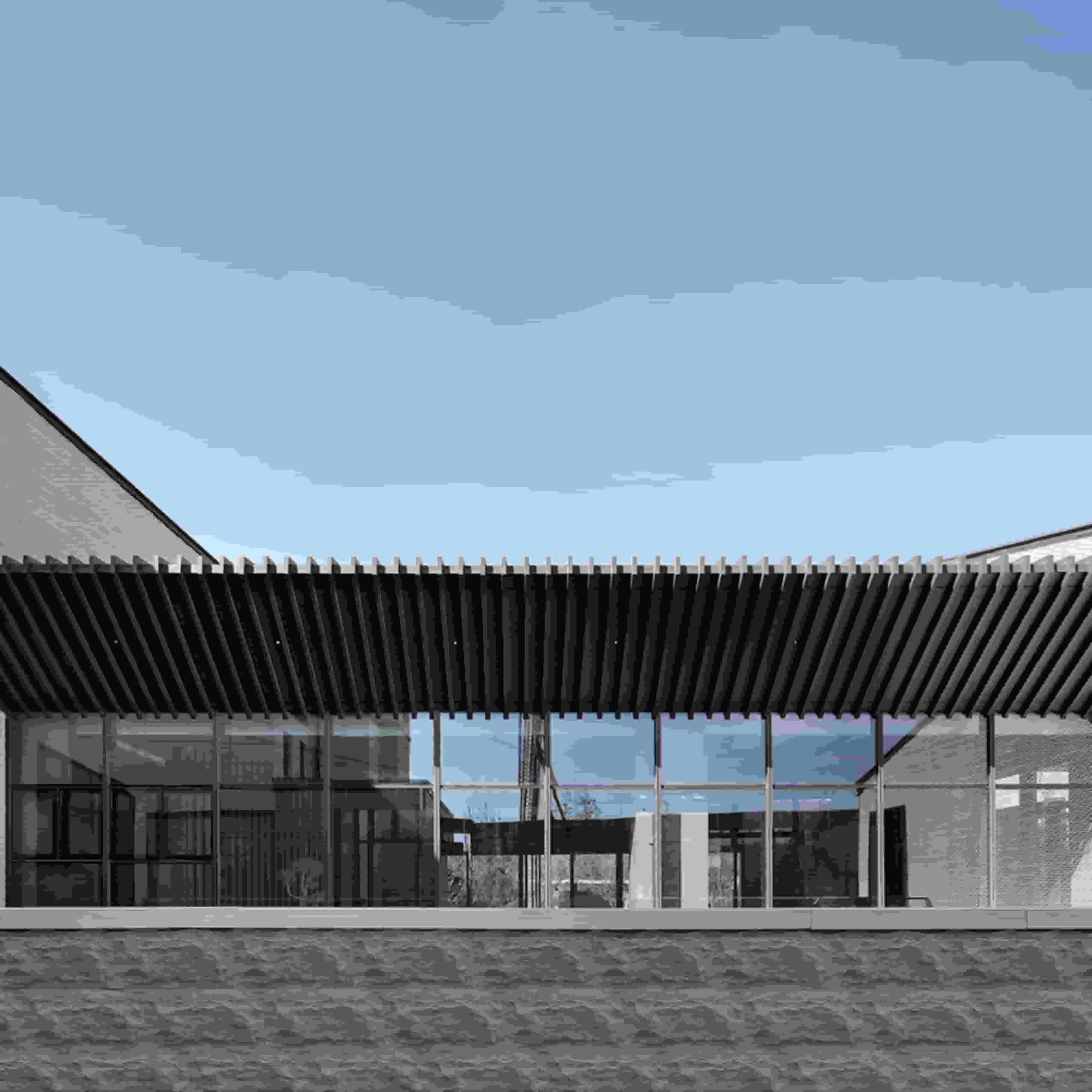
To truly grasp Crossare Mushroom Stone043's impact, it helps to see how it stacks up against common building materials. The table below compares key sustainability metrics for Crossare Mushroom Stone043, natural travertine, and fair-faced concrete—three popular choices for exterior cladding.
| Sustainability Metric | Crossare Mushroom Stone043 | Natural Travertine | Fair-Faced Concrete |
|---|---|---|---|
| Recycled Content | Up to 60% | 0% | 5–10% (varies by manufacturer) |
| Carbon Footprint (kg CO₂/m²) | 8–10 | 22–28 | 18–24 |
| Expected Lifespan | 50+ years | 30–40 years (with maintenance) | 25–35 years |
| Transportation Efficiency (kg/m²) | 8–12 (lightweight) | 25–30 (heavy) | 20–25 (moderate) |
| Recyclability at End-of-Life | High (components can be separated and reused) | Low (often ends up in landfills due to weight) | Moderate (crushed for aggregate, but quality degrades) |
The data speaks for itself: Crossare Mushroom Stone043 outperforms traditional materials across nearly every sustainability metric, from recycled content to carbon footprint. For builders and developers aiming to meet green building standards like LEED, BREEAM, or WELL, this material offers a clear path to achieving certification while maintaining design integrity.
As the construction industry continues to evolve, materials like Crossare Mushroom Stone043 are poised to play an even larger role in sustainable building. Innovations in manufacturing are already pushing the boundaries: researchers are exploring ways to increase recycled content to 80% and incorporate bio-based resins derived from agricultural waste, further reducing the material's environmental impact. Additionally, advancements in 3D printing technology could soon allow for on-site customization of Crossare Mushroom Stone043 panels, minimizing waste and transportation needs even more.
Beyond its environmental benefits, Crossare Mushroom Stone043 also addresses a growing demand for aesthetic versatility. In a market where architects and designers seek unique, nature-inspired textures without the ecological cost, this material delivers. Its ability to mimic not just mushroom stone, but also finishes like travertine (starry green) or muretto stone , makes it a favorite for projects aiming to blend sustainability with visual appeal. "Clients no longer have to choose between beauty and the planet," notes a leading sustainable architect. "Materials like Crossare Mushroom Stone043 make that choice obsolete."
Looking ahead, the integration of smart technology could further enhance its sustainability credentials. Imagine panels embedded with sensors that monitor structural health, reducing the need for invasive inspections, or solar-reflective coatings that lower cooling costs—all while maintaining the material's eco-friendly core. These innovations, paired with increasing global regulations on carbon emissions, position Crossare Mushroom Stone043 as more than a trend, but a cornerstone of future construction.
Sustainable construction isn't just a buzzword—it's a necessity. As we strive to reduce our collective environmental footprint, the choices we make in building materials matter more than ever. Crossare Mushroom Stone043 exemplifies how innovation can transform an industry, proving that eco-friendly solutions don't have to compromise on durability, aesthetics, or performance. From its recycled content and low-energy manufacturing to its lightweight design and long lifespan, every aspect of this material is engineered with sustainability in mind.
The case studies from Berlin to Dubai show that these benefits aren't theoretical—they're real, measurable, and impactful. Whether it's reducing carbon emissions, diverting waste from landfills, or lowering energy costs for building occupants, Crossare Mushroom Stone043 is already making a difference. As more projects adopt this material and others like it, the construction industry edges closer to a future where buildings enhance, rather than harm, the planet.
So, the next time you walk past a building with a textured, earthy exterior, take a closer look. It might just be Crossare Mushroom Stone043—quietly supporting sustainable construction goals, one panel at a time. And in that quiet contribution lies a powerful message: that progress and preservation can, indeed, go hand in hand.
Recommend Products












