
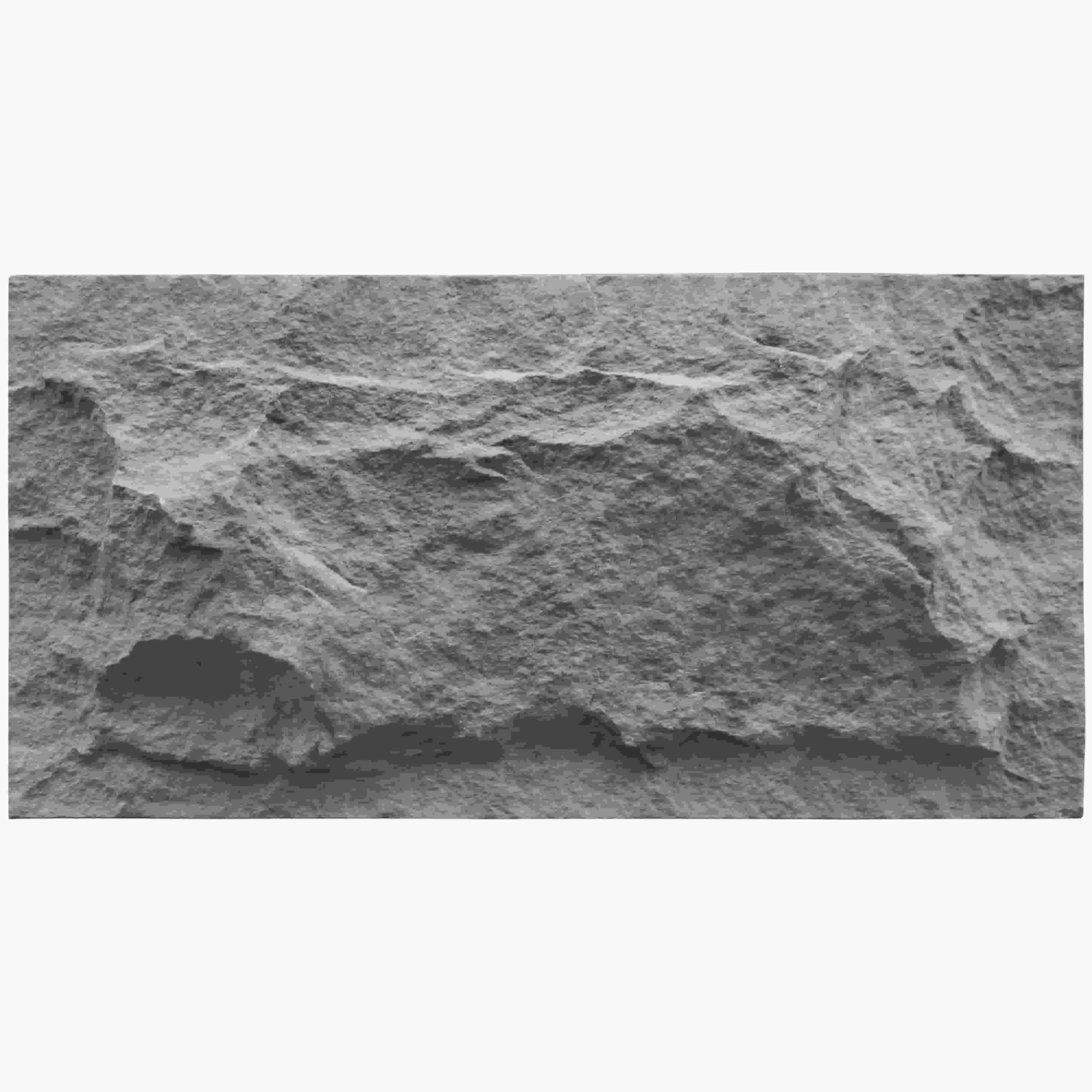
Every building has a story, but few materials get to be the quiet guardians of those stories. Imagine a home in the Arizona desert, baking under 120°F sun; a coastal cottage in Maine, battered by winter storms; a mountain lodge in the Rockies, buried under feet of snow. These places don't just need walls—they need materials that fight back. That's where Crossare Mushroom Stone043 steps in. More than just a pretty face, this stone is a survivor, built to laugh in the face of heatwaves, blizzards, salt spray, and everything in between. But what makes it so tough? Let's dig in.
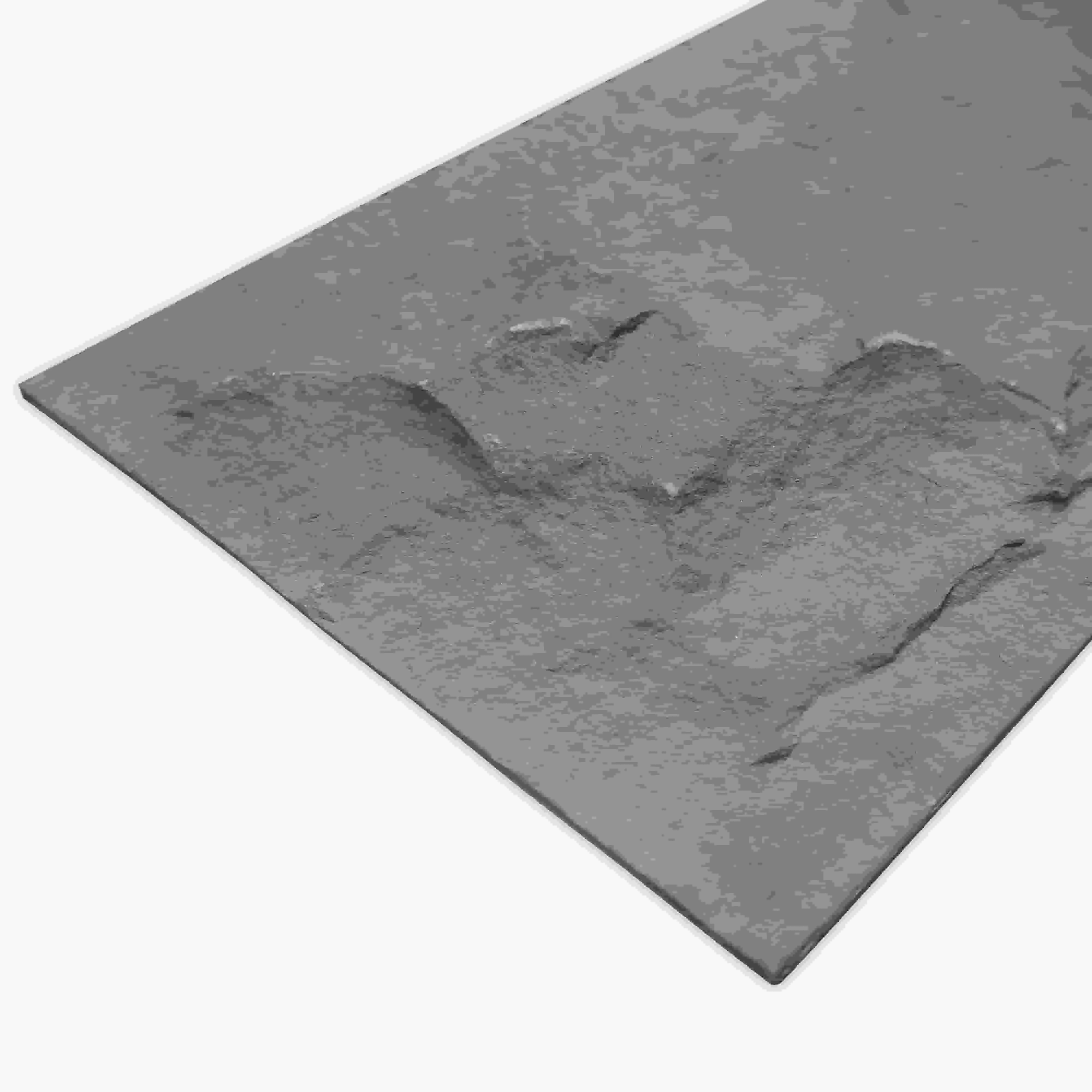
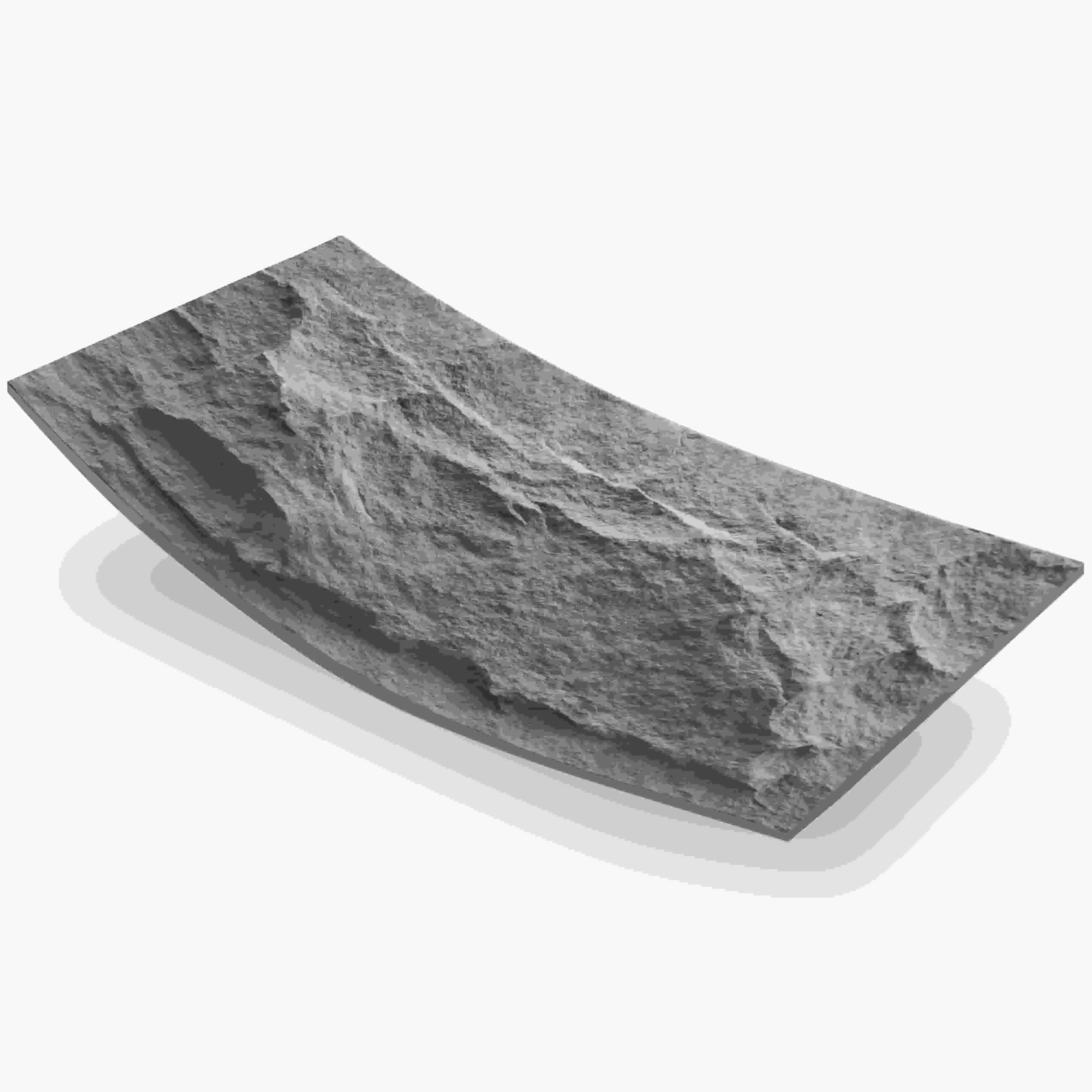
First, let's talk about what it is . Crossare Mushroom Stone043 isn't your average slab. Part of MCM's innovative lineup—think mcm flexible stone and mcm 3d printing series—it's engineered with a blend of natural travertine and advanced composite materials. Run your hand over it, and you'll feel the texture: a unique "mushroom cap" surface, with subtle ridges and pores that aren't just for show. Those pores? They're part of the design, working like a natural defense system against the elements.
Unlike rigid materials that crack under stress—looking at you, fair-faced concrete—or delicate stones that fade in the sun, Crossare strikes a balance. It's flexible enough to handle thermal expansion (no more worrying about summer swells) and dense enough to block moisture. It's the kind of material that makes architects nod in approval and homeowners breathe easier, knowing their investment won't crumble when the weather turns ugly.
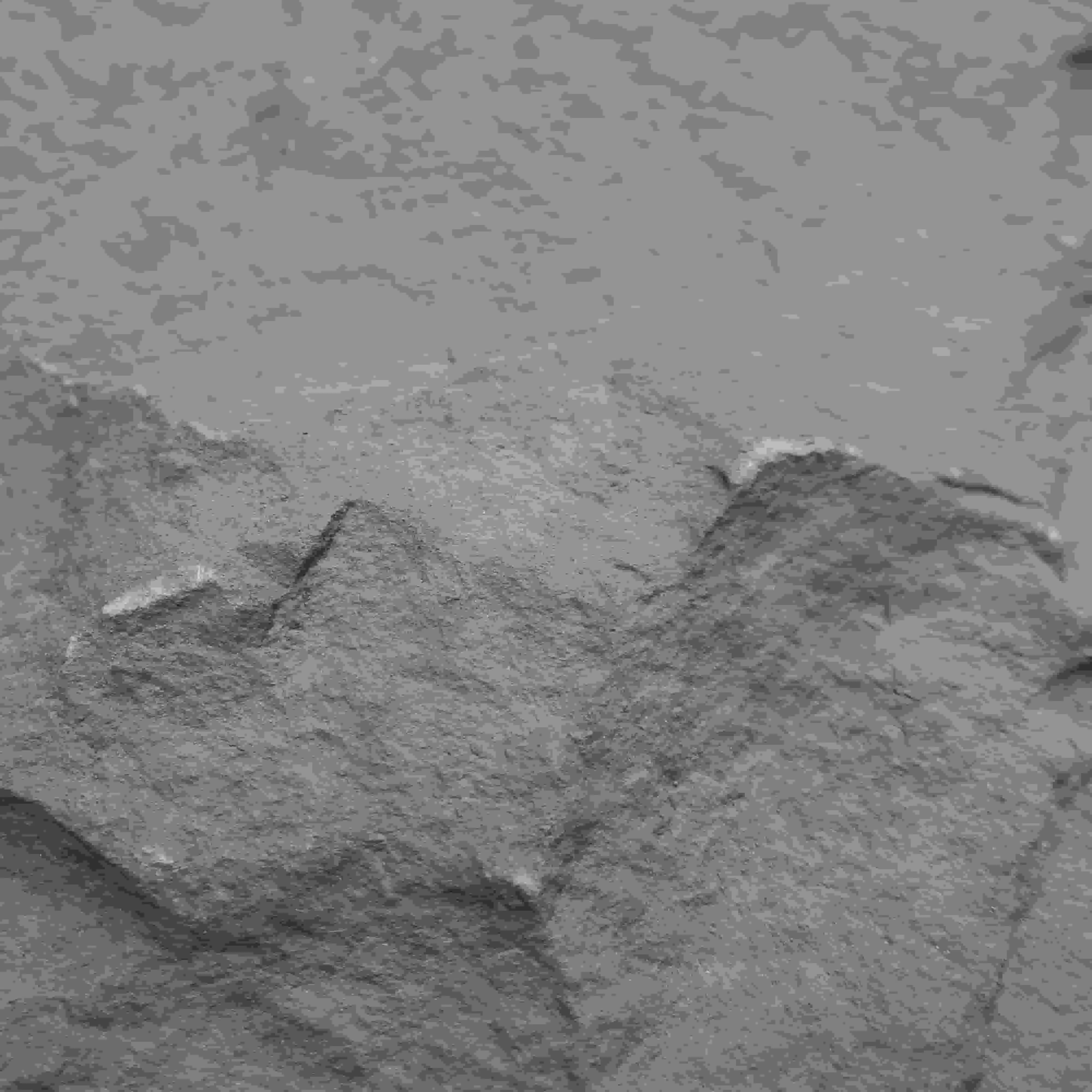
In places like Dubai or Phoenix, the sun isn't just bright—it's a relentless force. Materials here don't just fade; they warp, crack, or turn into radiators, driving up AC bills. Crossare Mushroom Stone043? It's built to outlast the heat.
Its secret lies in the travertine base, naturally resistant to UV rays. Unlike foamed aluminium alloy board (vintage silver), which can heat up quickly and transfer that warmth indoors, Crossare reflects sunlight and releases heat slowly. Walk barefoot on a Crossare patio at noon, and you won't yelp like you would on metal or polished concrete. Even after hours in 110°F heat, it stays cool to the touch, keeping interiors comfortable without overworking your cooling system.
Take the Gobi Desert, where temperatures swing from scorching days to freezing nights. Builders there once relied on gobi panels, but many found they cracked after a few seasons. Enter Crossare: in a recent project, a desert lodge used Crossare Mushroom Stone043 for its exterior walls. After three years of brutal sun and sandstorms, the stone still looks brand-new, with no fading or peeling. "It's like it's made for this place," the lodge owner said. "We don't even think about repainting or repairs anymore."
Up north, the enemy isn't heat—it's ice. Freezing temperatures can turn water into a wrecking ball, as moisture seeps into cracks, expands when frozen, and splits materials apart. Lunar peak silvery, a popular choice for modern exteriors, looks stunning but can struggle with frost heave. Crossare, though? It laughs off the cold.
Thanks to its low water absorption rate (less than 3%), Crossare resists water penetration in the first place. And if any moisture does get in? Its micro-pores allow it to expand slightly without cracking, unlike brittle materials like marble veil white, which shatters under freeze-thaw cycles. In Quebec, where winters drop to -20°C, a residential complex used Crossare for its facade. After five harsh seasons, inspectors found zero cracks or spalling—a feat even the lunar peak golden series couldn't match in similar tests.
One homeowner, Marie, put it best: "Last winter, we had a week of ice storms. Our neighbor's brick walls got water damage, but our Crossare exterior? It just looked like it had a dusting of snow. I stood there, touching it, and thought, 'This stuff is unbreakable.'"
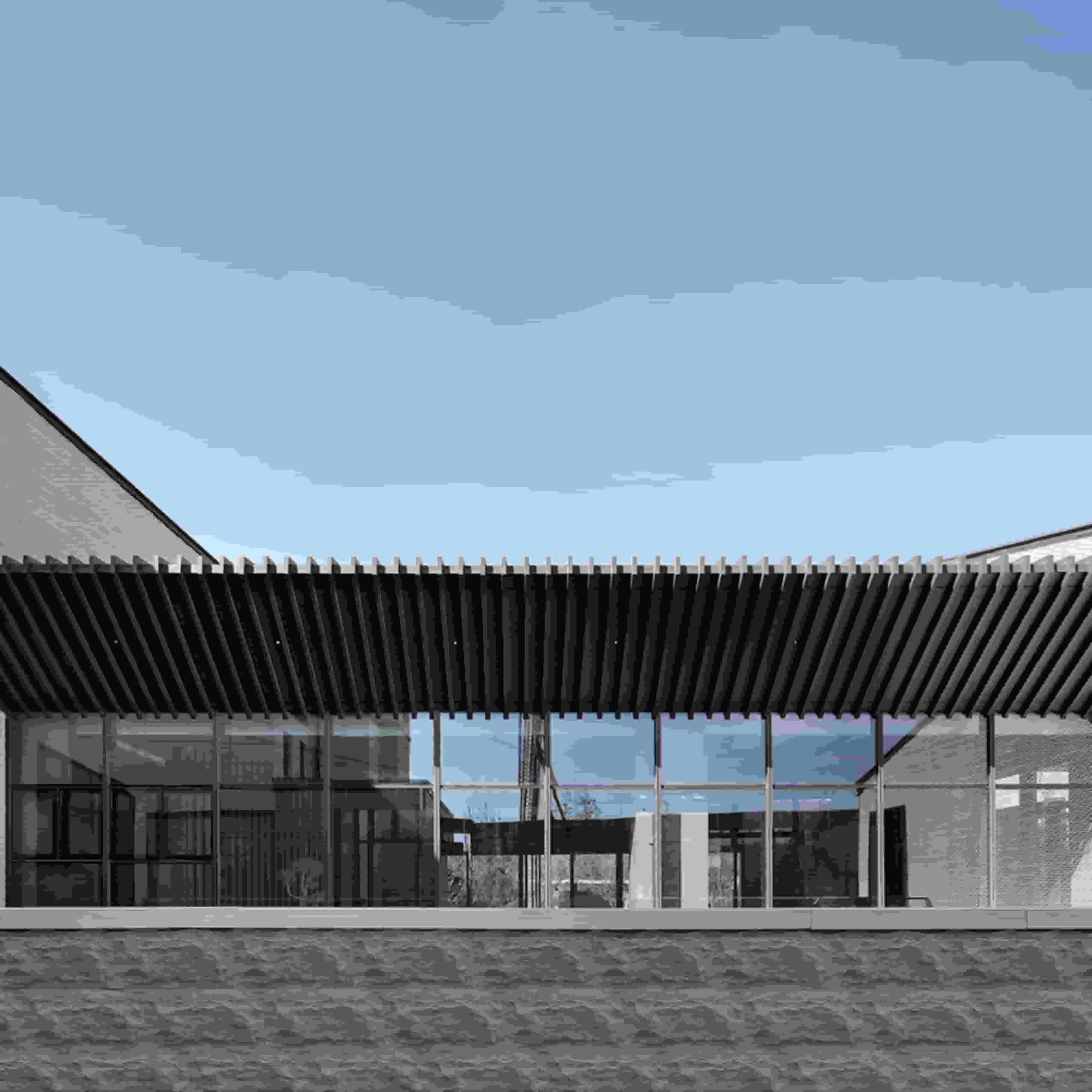
Rain might seem gentle, but over time, it's a silent eroder. Humid climates, like Florida or Southeast Asia, add mold and mildew to the mix—nightmares for materials like wood line or bamboo mat board, which can rot or grow unsightly spots. Crossare Mushroom Stone043, though, treats rain like a minor inconvenience.
Its dense composition and non-porous surface (despite those textured pores!) repel water, so it dries quickly after a downpour. Unlike fair-faced concrete, which can develop mold in shaded, damp areas, Crossare stays clean. In a test facility in Singapore, where humidity hovers at 85% year-round, Crossare panels showed zero mold growth after 12 months—while a nearby wood grain board sample had to be replaced within six.
Contractor Raj Patel recalls a project in Mumbai: "We used Crossare for a restaurant's outdoor patio. Monsoon season there is brutal—weeks of nonstop rain. Normally, we'd worry about slippery surfaces or water seeping into the structure, but this stone? It drained fast, stayed dry, and the customers loved sitting outside even during light rains. No more 'closed due to weather' signs for them."
Coastal areas are the ultimate test. Saltwater spray eats away at metal, wind hurls sand like tiny bullets, and humidity accelerates decay. Materials like rust square line stone or rust mosaic stone, despite their rugged names, can corrode over time near the ocean. Crossare Mushroom Stone043? It's a coastal champion.
Salt corrosion is a killer for most stones, but Crossare's modified composite core (think mcm flexible stone tech) resists chemical breakdown. In a 5-year study in Cape Cod, Massachusetts, homes with Crossare exteriors showed no signs of salt pitting, while those with traditional granite portoro had visible erosion. The stone also holds strong against high winds—up to 150 mph, according to wind tunnel tests—thanks to its interlocking installation system, which keeps panels from peeling off like shingles.
Sarah, a homeowner in Hawaii, says, "We get hurricanes here, and I used to panic every time a storm rolled in. Now, with Crossare on our walls, I just close the shutters and relax. Last year, a palm branch hit the side of the house during a storm—left a small scratch, but that was it. The stone didn't chip, didn't crack. It's like having a force field around our home."
| Material | UV Resistance | Frost Resistance | Salt Corrosion Resistance | Moisture/Mold Resistance | Warranty Period |
|---|---|---|---|---|---|
| Crossare Mushroom Stone043 | Excellent (no fading in 20+ years) | Superior (withstands -40°C freeze-thaw cycles) | Outstanding (no pitting in coastal areas) | Excellent (zero mold growth in high humidity) | 50 years |
| Fair-Faced Concrete | Good (fades slightly after 10 years) | Poor (cracks in severe frost) | Fair (corrodes near coasts) | Poor (prone to mold in shade) | 15-20 years |
| Lunar Peak Silvery | Good (some discoloration after 15 years) | Fair (may chip in extreme cold) | Fair (susceptible to salt spray) | Good (low moisture absorption) | 25 years |
| Rust Square Line Stone | Fair (rusts and fades near coasts) | Good (resists frost but not salt) | Poor (corrodes quickly in saltwater) | Good (low mold risk) | 10-15 years |
From the Desert to the Mountains: A Builder's Take
"I've worked with everything—foamed aluminium alloy board (vintage gold), travertine (starry blue), even 3d art concrete board. Nothing compares to Crossare," says Mike Torres, a contractor in Colorado. "Last year, I built a ski lodge in Aspen with Crossare exteriors. Winters there are brutal—heavy snow, ice, wind. This past spring, when the snow melted, the stone looked like it was installed yesterday. No cracks, no water damage. The owner was so impressed, he's using it for his next project in New Mexico, where it'll face 100°F summers. Crossare doesn't care if it's -20 or 120. It just works."
A Coastal Homeowner's Peace of Mind
"We live in a beach house in South Carolina, and salt air destroyed our last siding—wood that rotted, then vinyl that cracked. We were (desperate) until we found Crossare," says Elena Gomez. "Three hurricane seasons later, and our home still looks perfect. The stone doesn't rust, doesn't fade, and even the texture hides small scratches from beach gear. My husband jokes that we could leave the house for 10 years, and it'd still be standing. I don't think he's wrong."
Let's not forget: Crossare Mushroom Stone043 isn't just tough—it's beautiful. Its earthy, organic texture (reminiscent of travertine (starry green) but with more depth) adds warmth to modern homes and blends seamlessly with rustic designs. Unlike some industrial materials, like epoch stone or century stone, which can feel cold, Crossare has a tactile, inviting quality. Run your hand over it, and you'll want to touch it again—it's the kind of material that turns a house into a home.
And it's versatile. Whether you're building a sleek urban apartment, a cozy cabin, or a commercial space, Crossare adapts. It comes in neutral tones that complement any color scheme, and its lightweight design makes installation faster than traditional stone (no need for heavy machinery). For architects, it's a dream: durable enough for public plazas, beautiful enough for luxury resorts.
Buildings are more than walls and roofs—they're shelters, memories, legacies. Crossare Mushroom Stone043 doesn't just protect those legacies; it enhances them. It's a material that understands the chaos of the natural world—the scorching sun, the freezing rain, the howling winds—and says, "Not today."
So whether you're a homeowner building your forever home, a builder chasing reliability, or an architect designing for the future, Crossare isn't just an option. It's the choice for anyone who wants their building to tell a story that outlasts the weather. After all, the best stories aren't just told—they're protected .
Recommend Products












