
In a world where every kilowatt-hour counts, the buildings we live and work in are no longer just shelters—they're partners in our fight against climate change. Imagine stepping into a home on a scorching summer day, where the air feels cool without cranking up the AC, or walking into an office in winter that stays toasty even as the thermostat dips. These small comforts often boil down to one unsung hero: the materials we build with. Among them, Dark Grey Dolomitic Travertine has emerged as a quiet revolutionary, blending timeless beauty with a superpower few materials can match: energy efficiency. Let's dive into how this unassuming stone is reshaping the way we design buildings that are kinder to the planet—and our wallets.
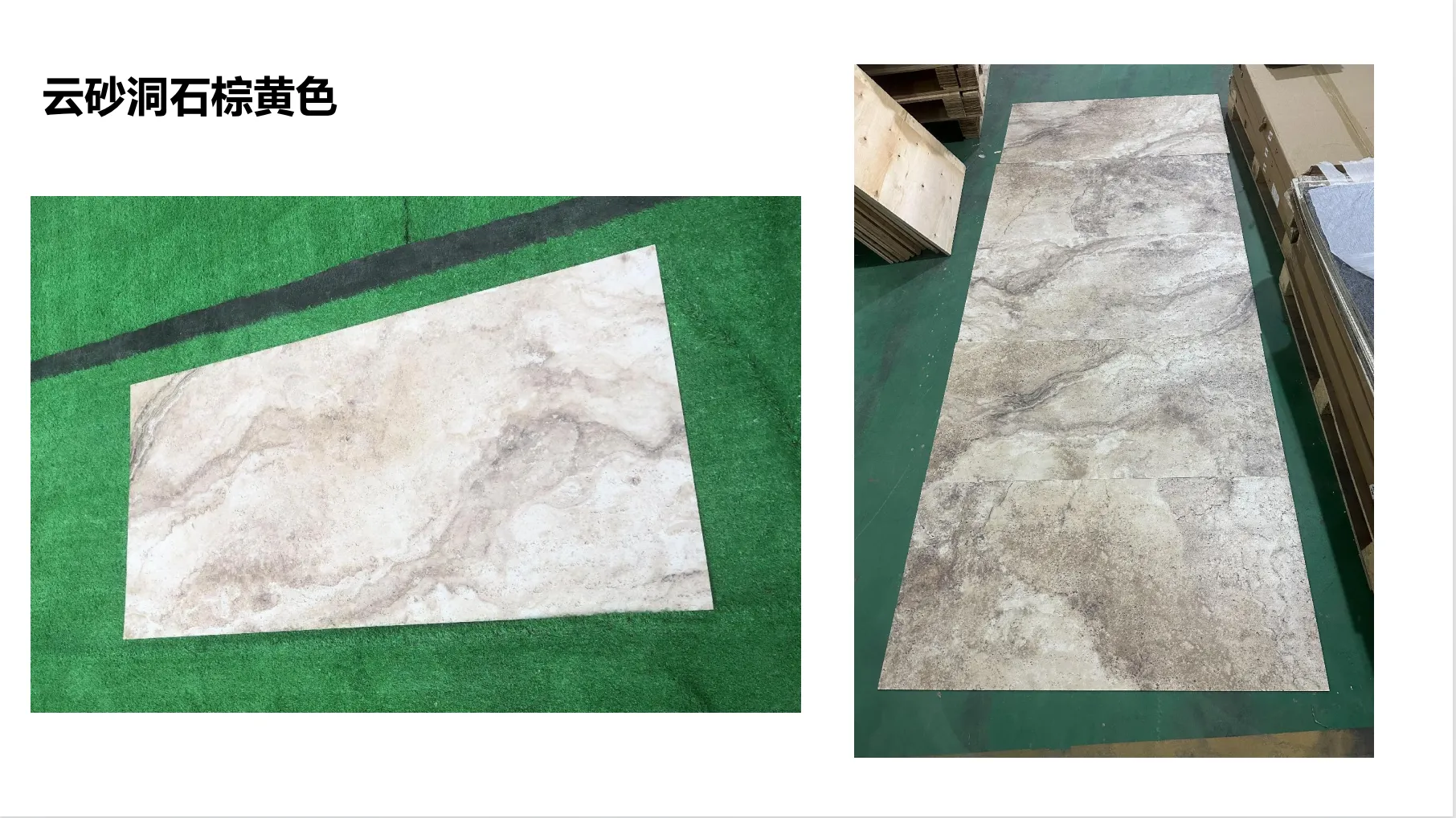
First, let's get to know the star of the show. Dark Grey Dolomitic Travertine isn't your average stone. It's a variant of travertine, a natural limestone formed by mineral-rich hot springs over centuries. What sets it apart? Its unique dolomitic composition (a mix of calcium and magnesium carbonate) gives it a deeper, moodier hue—think storm clouds at dawn, with subtle veins of silver and charcoal running through its surface. But beyond its striking looks, it's the stone's structure that makes it special: tiny, interconnected pores that act like a built-in insulation system, and a density that lets it hold onto heat (or cold) like a well-worn blanket.
Unlike polished marble or glossy granite, Dark Grey Dolomitic Travertine wears its texture proudly—rough yet refined, with a tactile quality that adds warmth to any space. It's durable, too; ancient Roman structures like the Colosseum still stand tall with travertine walls, a testament to its longevity. But in today's world, its real claim to fame isn't just endurance—it's how it helps buildings breathe, adapt, and save energy.
So, how exactly does a piece of stone cut down on energy bills? Let's break it down into three game-changing features:
Ever held a piece of travertine and noticed how it feels slightly cool to the touch, even on a hot day? That's its porous structure at work. Those tiny air pockets trapped within the stone act like millions of miniature insulation bubbles, slowing down the transfer of heat. In summer, this means less outdoor heat seeps into your home, reducing the need for air conditioning. In winter, it keeps warm air from escaping, so your heater doesn't have to work overtime. Studies have shown that buildings clad in travertine can reduce heat loss by up to 15% compared to standard concrete walls—translating to lower energy use and smaller carbon footprints.
Here's where Dark Grey Dolomitic Travertine truly shines: its ability to act as a "thermal battery." Thanks to its density, it absorbs heat during the day (from sunlight streaming through windows or even indoor lighting) and releases it slowly at night, when temperatures drop. This natural cycle stabilizes indoor temperatures, preventing the wild swings that force HVAC systems to kick on and off constantly. Imagine a living room where the temperature stays between 20-24°C all day, without a single beep from the thermostat. That's thermal mass in action—and Dark Grey Dolomitic Travertine does it better than most, thanks to its unique mineral composition.
You might be thinking, "Wait, dark colors absorb heat—isn't that bad?" It's a fair question. But here's the twist: Dark Grey Dolomitic Travertine's surface isn't just dark—it's matte. Unlike glossy black stones that soak up sunlight like a sponge, its textured finish scatters some of that solar radiation back into the atmosphere. When used strategically—say, on a building's facade paired with lighter materials like Lunar Peak Silvery or Foamed Aluminium Alloy Board (Vintage Silver)—it creates a balance: the travertine absorbs just enough heat to fuel its thermal mass, while the lighter accents reflect excess sunlight. The result? A roof or wall that stays cooler than you'd expect, reducing the "urban heat island" effect and easing the load on cooling systems.
Great materials rarely work alone. Dark Grey Dolomitic Travertine is at its best when paired with other eco-friendly building products, creating a "dream team" for energy efficiency. Let's meet a few of its closest collaborators:
Foamed Aluminium Alloy Board (think Vintage Silver or Gold finishes) is like the travertine's high-tech sidekick. Light as a feather but tough as nails, this material is made by injecting gas into molten aluminium, creating a foam-like structure full of air pockets—perfect for insulation. When used as a backing or accent panel with Dark Grey Dolomitic Travertine, it adds an extra layer of thermal protection without weighing down the building. Architects love it for modern designs: imagine a facade where the travertine's earthy texture contrasts with the sleek, metallic sheen of foamed aluminium, all while cutting energy use by up to 25%. It's beauty with a purpose.
Fair-Faced Concrete—raw, unpolished, and full of character—shares travertine's love for thermal mass. When combined, the two materials create a wall that's both structurally sound and energy-smart. The concrete provides a solid base, absorbing heat during the day, while the travertine adds a layer of insulation and aesthetic warmth. Together, they turn a cold, industrial space into a cozy, energy-efficient haven. Think of a community center with exposed fair-faced concrete beams and travertine accent walls: in winter, the concrete holds onto the heat from sunlight, and the travertine keeps it from escaping, so the building stays warm even when the heaters are off.
The Lunar Peak Series—with its silvery, golden, and black variants—isn't just about looking good (though it does that, too). These stones have a metallic undertone that boosts solar reflectance, making them ideal for pairing with Dark Grey Dolomitic Travertine. For example, a roof clad in Lunar Peak Silvery and Dark Grey Dolomitic Travertine works like a solar mirror: the silvery panels reflect sunlight, while the travertine absorbs just enough to regulate temperature. It's a dynamic duo that keeps the building cool in summer and reduces reliance on air conditioning. Plus, the contrast of dark and light adds visual interest—proof that energy efficiency doesn't have to be boring.
| Material | Thermal Conductivity (W/m·K) | Solar Reflectance | Key Energy Benefit |
|---|---|---|---|
| Dark Grey Dolomitic Travertine | 0.8-1.0 | 0.35-0.45 (matte finish) | Thermal mass + porous insulation |
| Foamed Aluminium Alloy Board (Vintage Silver) | 0.15-0.25 | 0.65-0.75 | Lightweight, high reflectivity |
| Fair-Faced Concrete | 1.2-1.5 | 0.30-0.40 | High thermal mass, structural support |
| Lunar Peak Silvery | 0.9-1.1 | 0.55-0.65 | Metallic reflectance, solar control |
Numbers and properties are great, but nothing tells the story like real buildings. Let's look at two projects where Dark Grey Dolomitic Travertine took center stage—and delivered impressive energy savings:
A family in Portland, Oregon, wanted a home that could withstand rainy winters and hot, dry summers without racking up huge energy bills. Their architect suggested a facade combining Dark Grey Dolomitic Travertine, Foamed Aluminium Alloy Board (Vintage Gold), and Lunar Peak Black accents. The results? In summer, the travertine's insulation and the foamed aluminium's reflectivity kept indoor temps 8-10°C cooler than the outside, slashing AC use by 30%. In winter, the travertine and concrete walls stored heat from the sun and a small wood stove, maintaining a steady 21°C inside even on freezing nights. "We used to dread opening the energy bill," says homeowner Maria. "Now? We barely notice it. And the house feels alive—like it's breathing with the seasons."
The GreenWave Office Park wanted to stand out as a leader in sustainable design. Their secret weapon? A facade of Dark Grey Dolomitic Travertine and Fair-Faced Concrete, with Lunar Peak Silvery panels on the roof. Post-construction, energy audits showed the buildings used 22% less electricity than similar office parks in the area. Employees reported feeling more comfortable, with fewer complaints about "too hot" or "too cold" spots. "It's not just about saving money," says project manager James. "It's about creating spaces where people want to work—spaces that respect the planet. The travertine makes the buildings feel grounded, while the energy savings make our clients proud to lease here."
Energy efficiency is just the start. Dark Grey Dolomitic Travertine is a sustainability all-star in other ways, too:
Dark Grey Dolomitic Travertine isn't just a pretty face. It's a reminder that the best solutions to our energy challenges often lie in the natural world, waiting to be rediscovered and reimagined. Whether it's keeping a home warm in winter, a office cool in summer, or a city from overheating, this stone works quietly, tirelessly, and beautifully. And when paired with partners like Foamed Aluminium Alloy Board, Fair-Faced Concrete, and the Lunar Peak Series, it becomes part of a movement—one where buildings don't just take from the planet, but give back.
So the next time you walk past a building with a textured, dark grey stone facade, take a closer look. It might just be Dark Grey Dolomitic Travertine, doing what it does best: saving energy, enhancing comfort, and proving that sustainability and beauty can go hand in hand. After all, the future of building isn't just about being efficient—it's about being thoughtful. And with materials like this, we're off to a great start.
Recommend Products












