
Walk into any thoughtfully designed home, and you'll notice something: the walls aren't just there to hold up the roof. They're storytellers. They set the mood, reflect the people who live there, and turn a house into a home. In recent years, homeowners and designers alike have been moving beyond plain paint and generic wallpaper, craving materials that bring depth, texture, and a touch of the extraordinary. If you've ever found yourself staring at a blank wall, wondering how to make it feel intentional—like it belongs—you're not alone. And that's where dark grey dolomitic travertine comes in. This isn't just a stone; it's a design partner, one that adds character without shouting, and elegance without pretense. Let's dive into how this unique material is transforming interior walls, one home at a time.
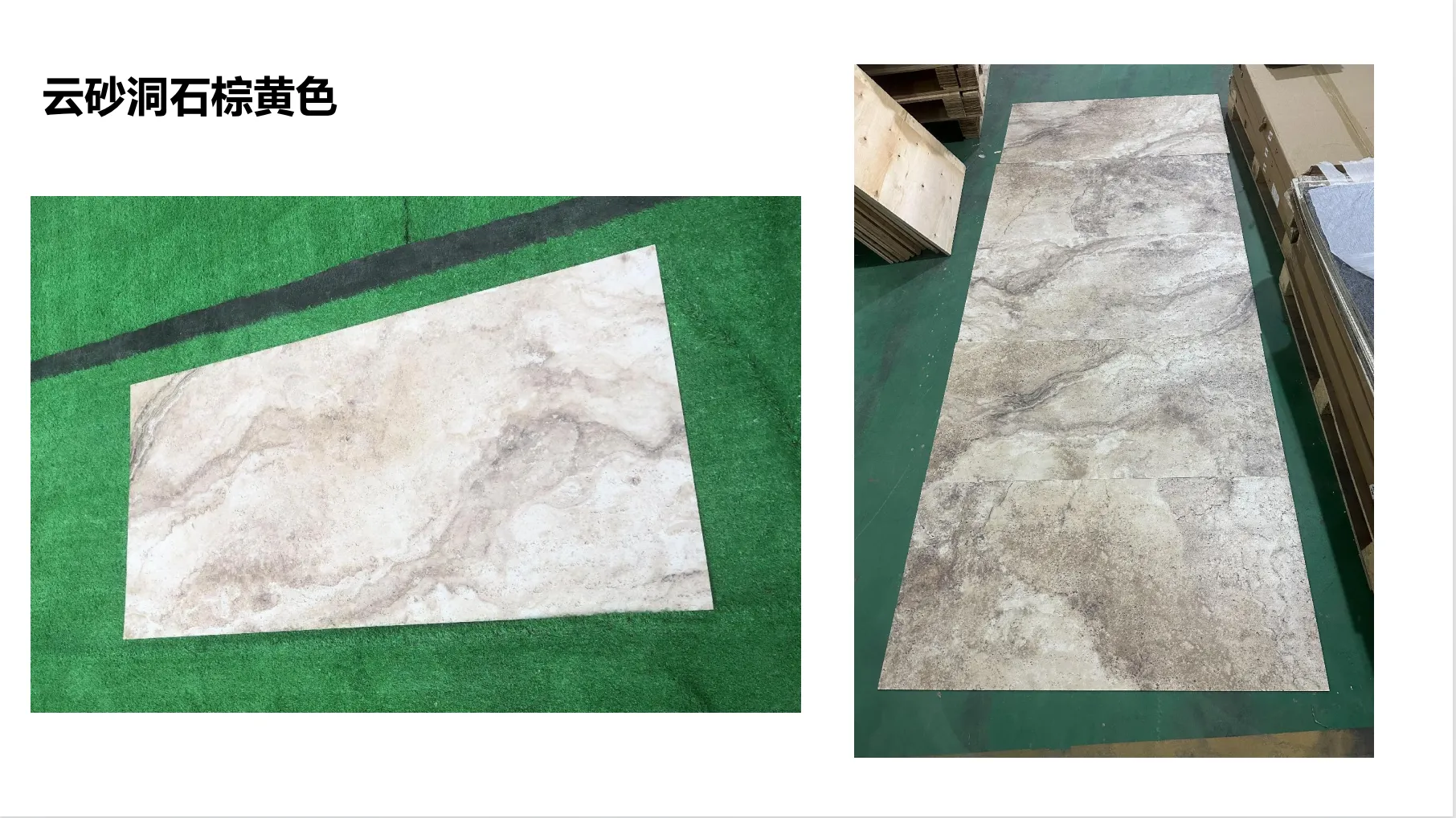
Before we get into how it enhances walls, let's make sure we're all on the same page about what dark grey dolomitic travertine is . Travertine itself is a type of limestone formed from mineral deposits in hot springs, known for its porous texture and earthy tones. But dolomitic travertine? It's a variation that includes dolomite, a mineral that gives the stone a denser structure and a distinct color palette—think deep, moody greys with subtle undertones that shift in different lights. Dark grey dolomitic travertine, in particular, is like a storm cloud frozen in stone: rich, layered, and full of movement.
What sets it apart from other stones? For starters, its texture. Run your hand over a slab, and you'll feel a surface that's both smooth and tactile—tiny indentations, called "vugs," left behind by gas bubbles during formation, which add a natural, organic feel. Unlike polished marble that shines like a mirror, dolomitic travertine often has a matte or slightly honed finish, which softens light rather than reflecting it harshly. Then there's the color: not a flat, one-note grey, but a spectrum. Some slabs lean toward charcoal, with veins of lighter grey or even faint hints of blue or green. Others have a more silvery base, with deeper grey striations that look like brushstrokes. It's a stone that changes with the light of day—warmer in the morning sun, cooler under evening lamps—and that dynamism is exactly what makes it so captivating for interior walls.
Let's talk about the "why" behind choosing this stone for your walls. Aesthetically, dark grey dolomitic travertine is a chameleon. It plays well with almost any design style, from modern minimalism to industrial chic, and even adds a unexpected twist to more traditional spaces. Here's how it works its magic:
Plain painted walls, even in bold colors, can feel flat. They're two-dimensional, like a canvas that never quite comes to life. Dark grey dolomitic travertine, on the other hand, is inherently three-dimensional. Its natural pits, grooves, and veining create shadows and highlights, making the wall feel like a living, breathing part of the room. Imagine a living room where one wall is clad in this stone: during the day, sunlight streams in, casting soft shadows that dance across the surface, making the space feel larger and more dynamic. In the evening, a floor lamp or pendant light hits the stone, and suddenly those subtle veins glow, turning the wall into a focal point that doesn't demand attention—it earns it.
Grey is often called the "neutral with nuance," and dark grey dolomitic travertine takes that to the next level. Want a modern, sleek living room? Pair it with white trim, black metal accents, and a few pops of green from plants—the stone grounds the space, letting the other elements shine. Going for an industrial look? Combine it with exposed brick, Edison bulbs, and reclaimed wood furniture—the stone's raw texture complements the ruggedness of the other materials. Even in a cozy, minimalist bedroom, a dark grey dolomitic travertine accent wall adds warmth without overwhelming, especially when paired with soft textiles like linen bedding and a plush rug. It's not just a backdrop; it's a foundation that lets your personal style shine through.
We've all seen design fads come and go—shag carpets, avocado green appliances, accent walls covered in chevron wallpaper (no judgment if you loved it). But natural stone? It's been used in architecture and design for centuries, and for good reason. Dark grey dolomitic travertine has that same timeless quality. It doesn't feel tied to a specific decade or "in" moment. Instead, it feels like a material that will age gracefully, developing a subtle patina over time that only adds to its charm. When you invest in a wall clad with this stone, you're not just decorating for now—you're creating a space that will still feel fresh and intentional ten, twenty, even thirty years down the line. That's the kind of longevity that makes design decisions feel less stressful and more satisfying.
Let's be real: as much as we love beautiful things, home design also needs to make sense in the chaos of daily life. Dark grey dolomitic travertine isn't just a feast for the eyes—it's also surprisingly practical, which is why it's gaining traction as a go-to for interior walls. Here's what makes it stand out:
Kids with sticky fingers, pets that rub against walls, accidental bumps with furniture—walls take a lot of abuse. Dark grey dolomitic travertine is up for the challenge. Thanks to its dolomite content, it's denser and more resistant to scratches than standard travertine. While it's not completely impervious (no material is), it holds up well to everyday wear and tear. Unlike wallpaper, which can tear or peel, or paint, which chips and fades, this stone stays looking good for years. Even if it does get a scuff, a quick wipe with a damp cloth usually does the trick. It's the kind of material that lets you live in your home without worrying about "ruining" the walls—a relief for anyone who's ever tiptoed around a freshly painted room.
No one wants a wall that requires constant upkeep. Dark grey dolomitic travertine is refreshingly low-maintenance. Unlike some natural stones that need frequent sealing, dolomitic travertine is less porous, meaning it's more resistant to stains. A good initial seal (done by your installer) will protect it from spills, and after that, occasional cleaning with a mild soap and water is all it needs. No special cleaners, no monthly treatments, no stress. It's perfect for busy families, people who travel often, or anyone who'd rather spend weekends relaxing than maintaining their walls.
Here's a fun fact: travertine is a "breathable" material, meaning it allows moisture to evaporate rather than trapping it. In rooms like bathrooms (though we're focusing on residential interiors here, not wet areas) or even kitchens, this can help prevent mold and mildew. But even in living spaces, that breathability adds to the stone's natural, earthy feel. It's a small detail, but it contributes to a healthier, more comfortable home environment. Plus, unlike synthetic materials that can off-gas chemicals, natural stone is inert, making it a great choice for anyone sensitive to allergens or VOCs.
One of the best things about dark grey dolomitic travertine is how well it plays with others. It's not a diva material that demands all the attention; instead, it complements and elevates the other elements in a room. Let's talk about some of our favorite pairings that bring out the best in both the stone and its counterparts:
Fair-faced concrete—raw, unpolished, with visible aggregates and subtle texture—has long been a staple in industrial and modern design. But on its own, it can feel a bit cold, like walking into a warehouse. Pair it with dark grey dolomitic travertine, though, and something magical happens. The stone's organic texture softens the concrete's harshness, while the concrete adds a sleek, contemporary edge to the stone. Imagine a living room where one wall is fair-faced concrete and the adjacent wall is dark grey dolomitic travertine: the contrast is striking, but not jarring. It's like pairing a crisp white shirt with a well-worn leather jacket—effortlessly cool, with just the right balance of hard and soft.
There's something inherently comforting about wood. It brings warmth, texture, and a connection to the outdoors into a space. Wood grain board, with its realistic wood-look finish, is a great way to add that warmth without the cost or maintenance of solid wood. When paired with dark grey dolomitic travertine, it creates a balance of natural elements that feels grounded and inviting. Try using wood grain board for wainscoting up the lower half of a wall, with dark grey dolomitic travertine above—it's a classic combination that works in everything from traditional to modern homes. Or, use wood grain floating shelves on a travertine accent wall; the shelves add functionality, while the wood and stone play off each other's textures. It's the kind of pairing that makes a room feel cozy and sophisticated, all at once.
For those who love bold, statement-making design, pairing dark grey dolomitic travertine with rough granite stone is a game-changer. Rough granite, with its jagged edges and crystalline texture, is the ultimate in rugged elegance. When used sparingly—say, as a small accent panel next to a larger travertine wall—it adds depth and contrast that's hard to achieve with smoother materials. Imagine a home office where the main wall is dark grey dolomitic travertine, and a smaller wall (behind a desk, perhaps) is clad in rough granite stone in a similar grey tone. The two stones play off each other, creating a space that feels both powerful and grounded—perfect for sparking creativity or focusing on work.
While dark grey dolomitic travertine is stunning in its natural slab form, some homeowners might worry about the weight or installation complexity, especially in older homes or on non-load-bearing walls. That's where mcm flexible stone comes in. MCM (Modified Composite Material) flexible stone is a lightweight, thin material that mimics the look and texture of natural stone—including dolomitic travertine—without the heft. It's flexible, making it easier to install on curved walls or in tight spaces, and it's often more budget-friendly than natural stone slabs. Pairing a full slab of dark grey dolomitic travertine for a focal point with mcm flexible stone for adjacent walls or smaller areas can create a cohesive look while keeping installation simple and costs in check. It's a smart way to get the aesthetic you love without compromising on practicality.
Still on the fence? Let's break down how dark grey dolomitic travertine stacks up against other popular wall materials. This quick comparison might help you see why it's worth considering:
| Material | Aesthetic Vibe | Durability | Maintenance | Best For |
|---|---|---|---|---|
| Dark Grey Dolomitic Travertine | Organic, textured, moody yet versatile—works with modern, industrial, minimalist, and even traditional styles. | High—resistant to scratches, chips, and stains (with sealing). | Low—occasional wiping with mild soap and water; reseal every 3–5 years. | Accent walls, focal points, high-traffic areas, and spaces where you want both beauty and longevity. |
| Fair-Faced Concrete | Sleek, industrial, modern—cool and minimalist. | High—very durable, but can crack if not installed properly. | Moderate—may need sealing to prevent staining; prone to dust buildup. | Contemporary homes, lofts, and spaces where a raw, edgy look is desired. |
| Wood Grain Board | Warm, cozy, natural—adds a rustic or Scandinavian feel. | Moderate—can scratch or warp with moisture; not ideal for high-humidity areas. | Moderate—dusting, occasional polishing; may need refinishing over time. | Cottages, cabins, or rooms where warmth and texture are top priorities. |
| Rough Granite Stone | Bold, rugged, dramatic—makes a strong statement. | Very high—extremely hard and scratch-resistant. | Low—similar to travertine, but heavier and harder to install. | Statement walls in large spaces; pairs well with minimalist decor to balance its intensity. |
As you can see, dark grey dolomitic travertine offers a unique blend of aesthetic versatility, durability, and low maintenance that's hard to beat. It's not that the other materials aren't great—they absolutely have their place—but if you're looking for something that feels special, timeless, and adaptable, this stone checks a lot of boxes.
Theory is great, but let's get into real-world examples. Here are a few ways homeowners and designers are incorporating dark grey dolomitic travertine into their interior walls to stunning effect:
Take Sarah and Mark, a young couple in Chicago who wanted their living room to feel both cozy for movie nights and polished for hosting friends. They chose a dark grey dolomitic travertine accent wall behind their sofa, paired with a plush cream rug, black leather armchairs, and a wooden coffee table. The stone wall adds depth, while the lighter elements keep the space from feeling too heavy. "We love how it changes with the light," Sarah says. "In the morning, with the sun coming through the windows, it looks almost silvery. At night, with the lamp on, it's deeper, moodier—it feels like we have two different rooms in one."
Bedrooms should be sanctuaries, and dark grey dolomitic travertine can help create that vibe. Take Mia, a yoga instructor in Portland who wanted her bedroom to feel like a retreat. She installed the stone on the wall behind her bed, painting the other walls a soft sage green. She added sheer white curtains, a jute rug, and plenty of plants. "The stone is cool to the touch, which is nice on hot summer nights, and the texture is so grounding," Mia explains. "It's like bringing a little piece of the outdoors in, but in a way that feels calm, not chaotic. I sleep better knowing my walls aren't just pretty—they're also natural and healthy."
With more people working from home, home offices have become a priority. For James, a graphic designer in Austin, his office needed to be both functional and inspiring. He went with dark grey dolomitic travertine on one wall, where he mounted his desk and shelves. "I wanted something that would keep me focused but not feel sterile," he says. "The stone has so much texture that it's almost like a piece of art—when I'm stuck on a project, I'll stare at the veins and let my mind wander. It's weird, but it works. Plus, it's durable enough to handle my late-night coffee spills, which is a must."
Dining rooms are for gathering, and a well-designed wall can make meals feel more special. David and Lisa, empty nesters in Boston, redid their dining room with a dark grey dolomitic travertine wall behind their buffet. They paired it with a large wooden dining table, brass fixtures, and white linen curtains. "We wanted it to feel elegant but not formal—like a place where our grandkids can spill juice and we won't panic," Lisa laughs. "The stone is so easy to clean, and it makes even takeout pizza feel like a fancy dinner. Our friends always comment on it—they can't believe it's real stone, it looks so unique."
Like any material that's not yet mainstream, dark grey dolomitic travertine comes with its share of misconceptions. Let's set the record straight:
Natural stone slabs can be heavy, but modern installation methods (like using metal brackets or mortar designed for stone) make it feasible for most interior walls. Plus, if weight is a concern, thinner slabs or mcm flexible stone (which mimics the look) are great alternatives. Most residential walls can handle the weight of a properly installed dolomitic travertine slab—just consult with a professional installer to be sure.
It's true that dark colors can absorb light, but dark grey dolomitic travertine's matte finish and texture actually reflect light in soft, subtle ways. Pair it with plenty of natural light (windows, skylights) and artificial light sources (floor lamps, recessed lighting), and it won't feel dark at all—just rich and inviting. Think of it like a well-tailored dark suit: it adds sophistication, not gloom.
While it does shine in modern and industrial spaces, dark grey dolomitic travertine is surprisingly versatile. In a traditional home, pair it with warm wood tones, classic moldings, and antique decor for a juxtaposition that feels fresh and unexpected. In a bohemian space, layer it with macramé, vibrant textiles, and global art for a look that's eclectic and inviting. Don't let stereotypes limit your creativity!
Natural stone does come with a higher upfront cost than paint or wallpaper, but consider it an investment. It lasts longer, requires less maintenance, and adds value to your home. Plus, there are ways to make it more budget-friendly: use it for an accent wall instead of all walls, opt for smaller slabs, or mix natural stone with mcm flexible stone. When you factor in the longevity and timelessness, it often ends up being more cost-effective than materials that need replacing every few years.
At the end of the day, interior design is about more than just aesthetics. It's about creating spaces that make us feel something—calm, inspired, connected, proud. Dark grey dolomitic travertine does exactly that. It's a material that tells a story: of nature's beauty, of craftsmanship, of intentional living. It's not just a wall covering; it's a choice to surround yourself with something real, something that ages with you, and something that makes every day feel a little more special.
Whether you're building a new home, renovating a room, or just dreaming of ways to make your current space feel more like "you," dark grey dolomitic travertine is worth considering. It's a stone that doesn't just enhance walls—it enhances lives, one textured, moody, utterly captivating surface at a time.
So the next time you find yourself staring at that blank wall, remember: it's not just a wall. It's an opportunity. And with dark grey dolomitic travertine, that opportunity might just lead to the most beautiful, meaningful room in your home.
Recommend Products












