
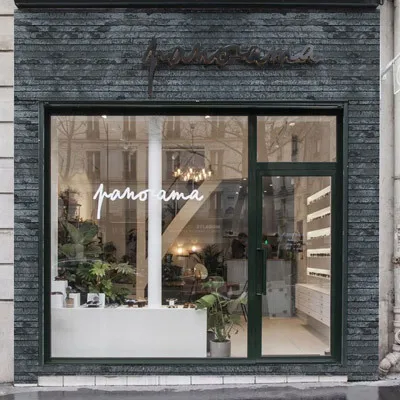
Picture standing in the middle of Riyadh in July. The sun blazes so fiercely that asphalt melts, and even the air feels like a hot blanket wrapped around you. Now, look up at the buildings around you—their exteriors baked by 50°C+ temperatures, pummeled by sandstorms that roar in from the desert, and tested by sudden humidity spikes when the rare rainstorm hits. For architects and builders in Saudi Arabia, creating structures that don't just survive but thrive in this extreme climate is more than a challenge; it's a daily battle.
Enter Dark Grey Muretto Stone. In a market flooded with materials that promise durability but often crack, fade, or warp within a few years, this unassuming stone has quietly become a go-to choice for projects across the Kingdom. But what makes it so special? How does a material that looks as elegant as natural stone stand up to one of the harshest climates on Earth? Let's dive in.
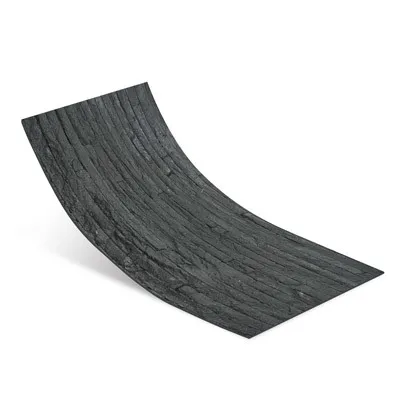
If you're not in the construction world, you might picture stone as heavy, thick slabs quarried from the earth—beautiful but cumbersome, and prone to cracking under stress. Dark Grey Muretto Stone flips that script. It's part of the MCM (Modified Composite Material) family, a line of MCM flexible stone products designed to combine the best of natural stone's aesthetics with modern engineering's resilience.
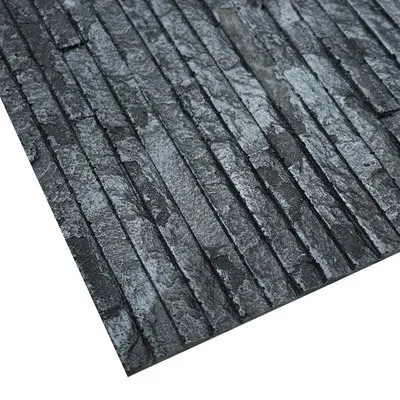
Here's the quick version: Muretto Stone starts with natural stone particles (think crushed marble or travertine) mixed with a high-performance polymer binder. The result? A thin, lightweight panel—usually just 3-5mm thick—that's flexible enough to bend without breaking, yet tough enough to withstand years of abuse. Dark Grey Muretto, in particular, gets its rich, moody color from mineral pigments blended into the mix, giving it that sleek, modern look that architects love for both commercial and residential projects.
But why does this matter in Saudi Arabia? Because in a country where every kilogram of building material adds to construction costs (and where heat makes heavy materials expand and contract dangerously), a lightweight, flexible stone is a game-changer. It's easier to install, puts less stress on building frames, and—most importantly—adapts to the climate instead of fighting it.
To understand why Dark Grey Muretto stands out, let's first talk about what it's up against. Saudi Arabia's climate isn't just "hot"—it's a cocktail of extremes that would test even the sturdiest materials:
For years, builders relied on heavyweights like concrete or metal panels to fight these issues. But concrete absorbs heat like a sponge (making interiors harder to cool), and metal dents easily in sandstorms. Enter Muretto Stone—light, flexible, and engineered to outsmart each of these challenges.
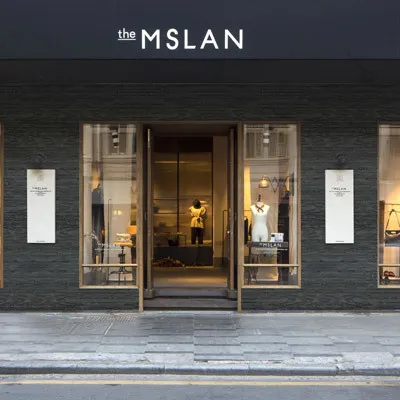
Let's break it down, challenge by challenge. Spoiler: It's not magic—just smart engineering.
Walk past a building wrapped in dark-colored materials on a hot day, and you'll notice it feels like a furnace. Dark Grey Muretto, despite its deep color, is surprisingly good at beating the heat. Here's why: Its composite structure has low thermal conductivity, meaning it doesn't absorb and trap heat like solid stone or concrete. Instead, it reflects much of the sun's radiation, keeping the building's interior cooler (and reducing AC bills—always a win in Saudi!).
But what about the stone itself? Unlike some plastics or paints that soften or warp at high temps, Muretto's polymer binder is heat-resistant up to 120°C (248°F)—way higher than even the hottest Saudi summer days. And because it's thin and lightweight, it doesn't hold onto heat, so it cools down quickly once the sun sets. No more warped panels or cracked surfaces here.
Saudi sandstorms are like nature's sandpaper. Tiny quartz particles in the sand hit buildings at speeds up to 60 km/h (37 mph), leaving scratches and dulling finishes. Most materials—even some "durable" metals—start to look worn after a few storms. Muretto, though, has a secret weapon: its surface is treated with a scratch-resistant coating that's tough enough to handle the abrasion without losing its sheen.
I visited a project in Riyadh last year that had used Dark Grey Muretto on its facade three years prior. The site engineer, Ahmed, laughed when I asked about sandstorms. "We had a big one in 2023—winds over 70 km/h," he said. "The next day, we inspected the panels, and you couldn't even tell. No scratches, no chips. We just hosed off the dust, and it looked brand new." That's the kind of resilience builders in Saudi dream of.
Humidity might not sound as scary as sandstorms, but it's a silent killer for building materials. When moisture seeps into porous materials like traditional stone or concrete, it expands when heated and contracts when cooled, creating tiny cracks that grow over time. Muretto, though, is non-porous—water can't seep in. And because it's flexible (remember, it's part of the MCM flexible stone line), it can bend slightly with temperature and humidity changes instead of cracking. It's like the difference between a rigid metal ruler and a rubber one—one snaps, the other bends.
Ever seen a once-vibrant building facade turn chalky and faded after a few years in the sun? That's UV radiation breaking down pigments and surface layers. Dark Grey Muretto avoids this with UV-stable pigments mixed directly into its composite core, not just painted on top. So even after years of Saudi sun, the color stays rich and even. A quick test: compare a 5-year-old Muretto panel to a new one, and you'll be hard-pressed to spot a difference. Try that with most paints or natural stones!
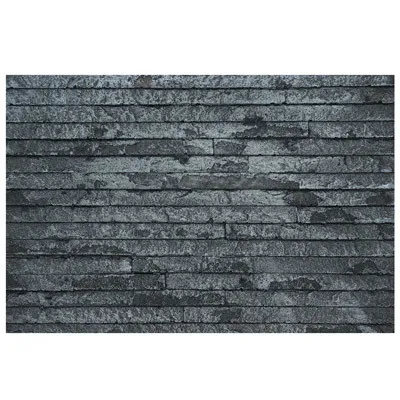
Still not convinced? Let's put Dark Grey Muretto head-to-head with some common building materials used in Saudi Arabia. We'll focus on the metrics that matter most here: heat resistance, durability, weight, and cost over time.
| Material | Heat Resistance (Max Temp) | Sandstorm Abrasion (1-10) | Weight (kg/m²) | Expected Lifespan (Years) |
|---|---|---|---|---|
| Dark Grey Muretto Stone | 120°C | 9/10 | 4-6 | 25+ |
| Fair-Faced Concrete | 60°C (may crack above) | 6/10 | 20-25 | 15-20 |
| Foamed Aluminium Alloy Board (Vintage Silver) | 80°C | 7/10 (prone to dents) | 8-10 | 15-20 |
| Traditional Travertine (Beige) | 70°C (fades easily) | 5/10 (porous, scratches) | 18-22 | 10-15 |
The numbers speak for themselves. Muretto outperforms traditional materials on heat resistance, durability, and weight—all while lasting longer. And while the upfront cost might be slightly higher than concrete, its 25+ year lifespan means lower maintenance and replacement costs over time. It's an investment that pays off, especially in a climate as tough as Saudi's.
Numbers are great, but nothing beats real stories. Let's look at two projects in Saudi Arabia where Dark Grey Muretto has already proven its mettle.
Completed in 2021, this 15-story office tower in downtown Riyadh needed a facade that could handle the city's brutal summers and still look sleek. The architects chose Dark Grey Muretto for the entire exterior, and three years later, the building still turns heads. "We were worried about fading, honestly," says the project manager, Lina. "Dark colors can be tricky in the sun. But after three summers—including the 52°C heatwave in 2023—the panels look exactly like they did on day one. No cracks, no discoloration. Our clients are thrilled."
Coastal Jeddah brings a different challenge: high humidity and salt air, which can corrode metal and seep into porous materials. The developers of this luxury apartment complex wanted a material that could handle the moisture while matching the project's modern aesthetic. They opted for Dark Grey Muretto on the balconies and lower-level facades. "We've had zero issues with mold or water damage," reports the maintenance supervisor, Kareem. "And during sandstorms, we just hose off the panels—no scrubbing needed. It's made our job so much easier."
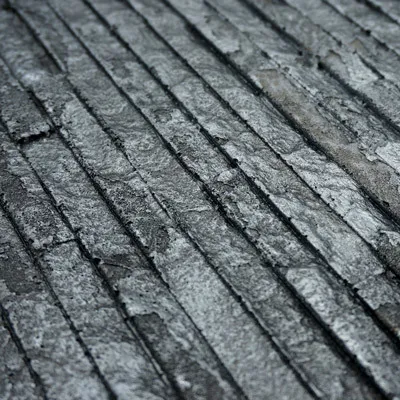
At the end of the day, building in Saudi Arabia isn't just about creating structures—it's about creating structures that last. Dark Grey Muretto Stone checks every box: it's tough enough to handle the heat, sand, and humidity; it's lightweight and easy to install; it looks great; and it saves money in the long run.
For architects and builders tired of watching their hard work fade or crack under the Saudi sun, Muretto isn't just a material—it's a solution. It's proof that with the right engineering, even the harshest climates can be tamed. So the next time you're in Riyadh or Jeddah, keep an eye out for that sleek, dark grey facade that seems to laugh off the desert heat. Chances are, it's Muretto—and it's not going anywhere anytime soon.
Recommend Products












