The Battle of Outdoor Wood: Why Weather Resistance Matters
Picture this: a backyard deck that's been the heart of summer barbecues, a garden fence that's stood guard through spring rains and autumn winds, or a patio table where morning coffee meets the first light of day. These outdoor spaces aren't just functional—they're part of our memories. But here's the catch: wood, for all its warmth and beauty, has a complicated relationship with the elements. Left unprotected, it swells with moisture, cracks under the sun, warps in temperature swings, and becomes a buffet for termites and rot. It's why so many homeowners find themselves refinishing, repairing, or replacing outdoor wood every few years, pouring time and money into a material that never quite keeps up with nature's demands.
Enter
charcoal burnt wood board—a material that sounds almost contradictory at first. Burned wood? How does something that's been through fire stand up to rain, snow, and harsh sun? It's a question I've heard from curious designers and homeowners alike, and the answer lies in a centuries-old technique reimagined for modern needs. This isn't just wood that's been charred; it's wood that's been transformed into a weather-resistant warrior, ready to take on the elements without losing an ounce of its natural charm. Let's dive into how it works, why it lasts, and why it might just be the solution to outdoor wood's biggest problem.
First things first:
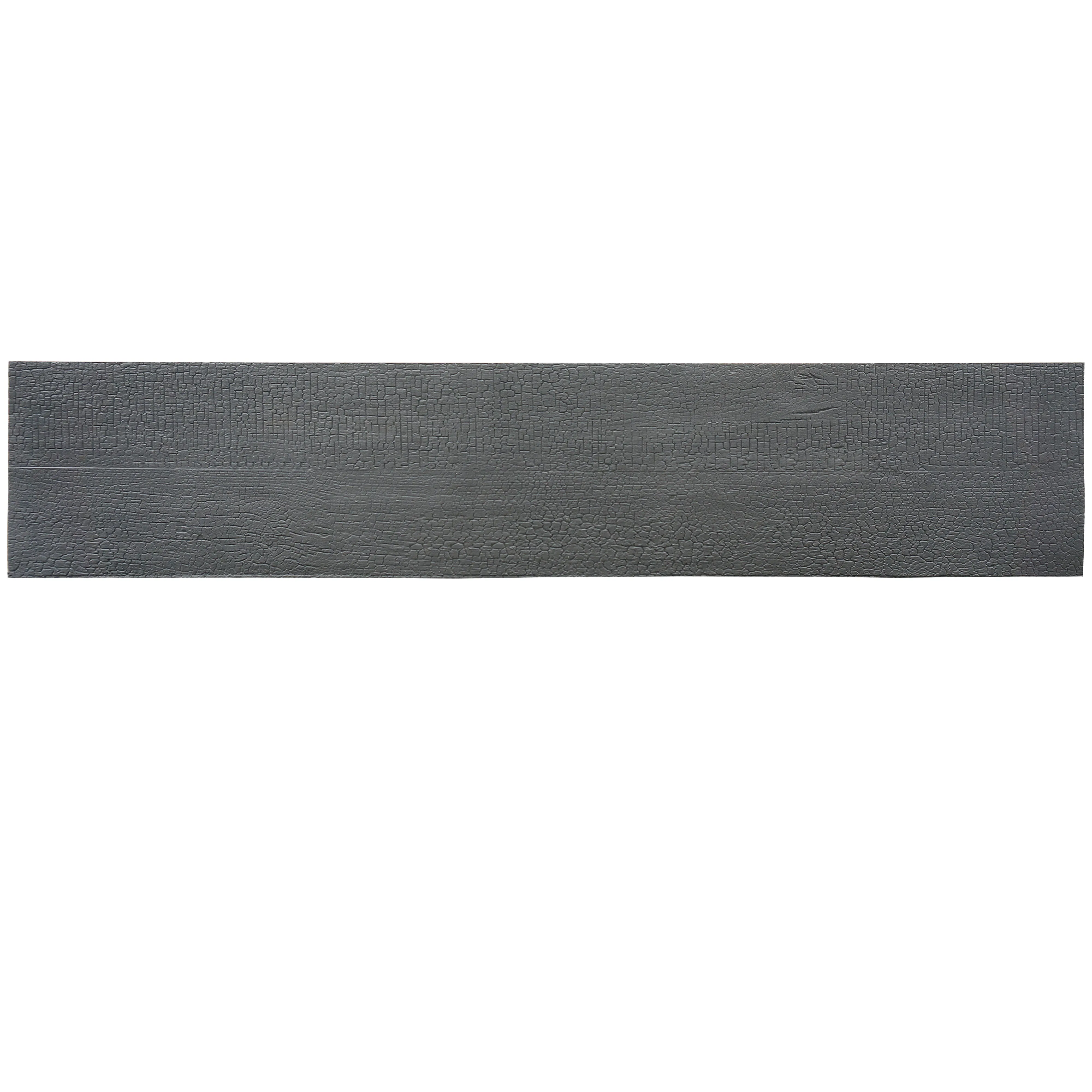
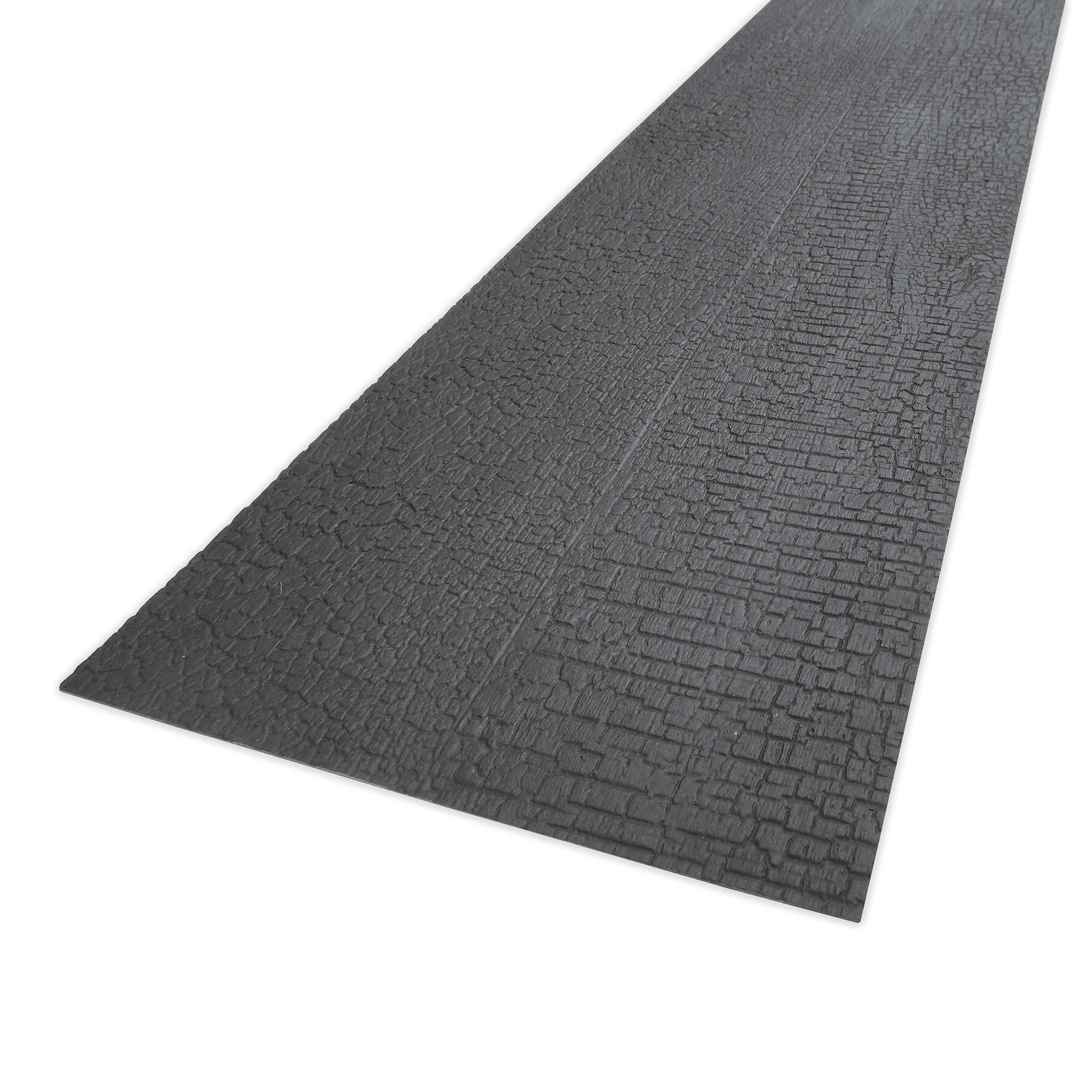
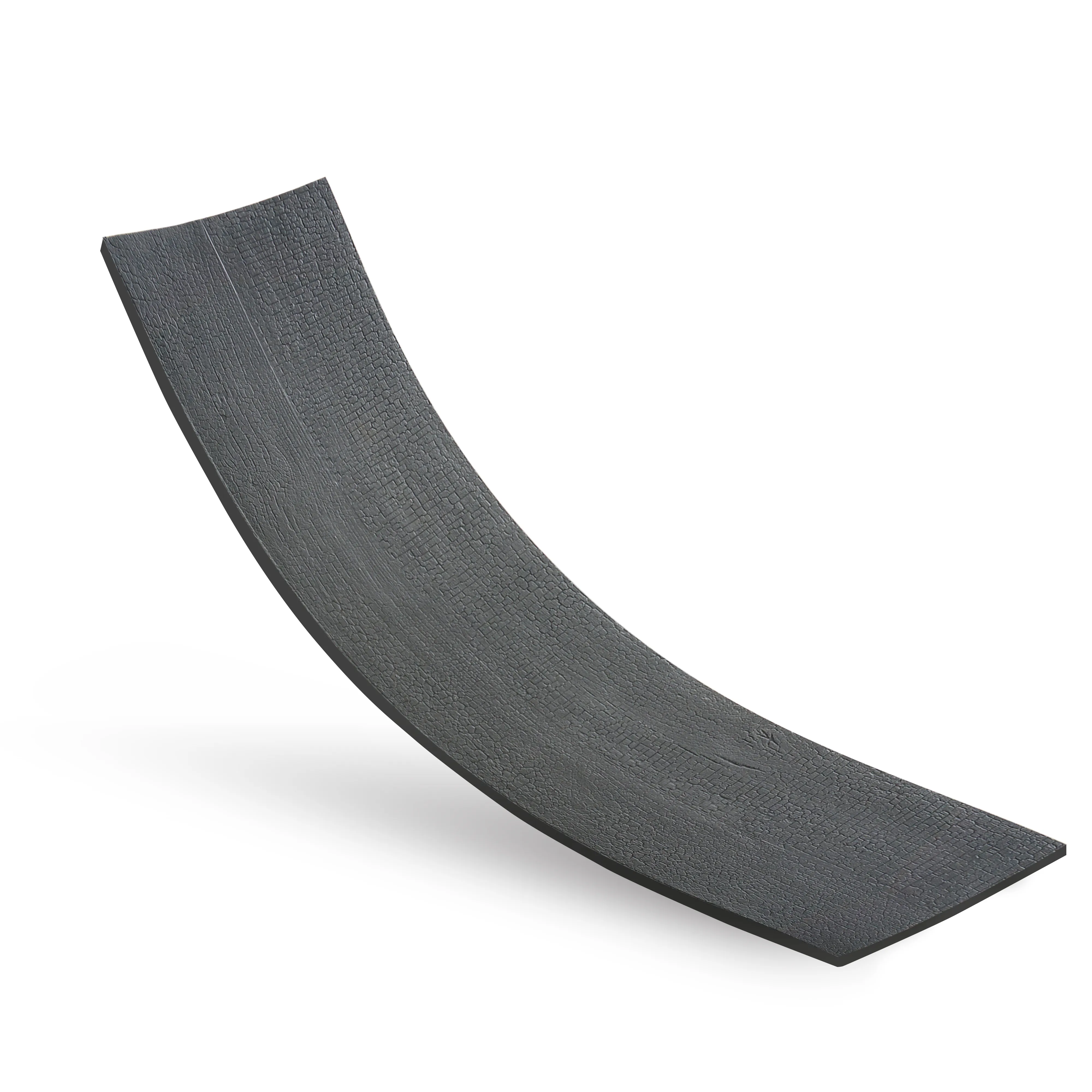
charcoal burnt wood board isn't your average fire-damaged plank. The process, rooted in traditional Japanese wood preservation (think shou sugi ban, but adapted for commercial use), involves carefully burning the surface of wood to create a layer of carbon. It's a controlled dance with flame—enough to char the outer layer, but not so much that the wood becomes brittle. The result? A board with a deep, rich texture (think ebony blacks, warm browns, and even hints of silver where the char is thinner) and a secret weapon against the elements: that charred layer isn't just for show. It's a natural shield, born from fire, designed to fight back against weather.
Unlike pressure-treated wood, which relies on chemical additives to repel pests and moisture,
charcoal burnt wood board uses physics and chemistry in its purest form. When wood is burned at high temperatures (usually around 600–800°C), its cellular structure changes. The outer layer carbonizes, creating a dense, porous surface that's surprisingly resistant to water. Think of it like a suit of armor for the wood—tough on the outside, strong on the inside. And because the burning process is precise, the inner wood remains intact, retaining its structural integrity while the charred exterior takes on the role of protector.
How It Stands Up to Mother Nature: The Science of Weather Resistance
Let's break down the weather challenges outdoor materials face—moisture, UV rays, extreme temperatures, and pests—and see how
charcoal burnt wood board holds its own.
1. Moisture: The Silent Enemy of Wood
Rain, snow, humidity—moisture is wood's worst nightmare. It seeps into pores, causing swelling, warping, and eventually rot. But
charcoal burnt wood board flips the script. The charred layer is hydrophobic, meaning it repels water. How? Carbon, when heated, forms a structure that's less absorbent than raw wood. Think of a sponge versus a piece of toast: the sponge soaks up water, but the dry, porous toast (like the charred layer) lets water bead up and roll off. In tests, charcoal burnt wood has shown up to 90% less water absorption than untreated wood, drastically reducing the risk of rot and mold. Even in humid climates, where wood usually turns musty, this board stays dry and stable.
2. UV Rays: Fading and Cracking No More
The sun's ultraviolet rays are relentless. They break down wood fibers, causing fading, graying, and surface cracking—a process called photooxidation. But the carbon layer in charcoal burnt wood acts like a built-in sunscreen. Carbon absorbs UV radiation, preventing it from penetrating to the underlying wood. That means no more bleached-out decks or fences that look old before their time. Instead, the charred surface develops a subtle patina over time, growing more beautiful as it ages, like a well-loved leather jacket. I've seen decks made with this material that, after five years in direct sunlight, still have their rich color and smooth texture—no refinishing needed.
3. Temperature Swings: From Freezing to Sweltering
Wood expands in heat and contracts in cold, a cycle that leads to warping, splitting, and loose joints.
Charcoal burnt wood board, however, has a more stable cellular structure thanks to the burning process. The charred layer is denser and less prone to expansion, acting as a buffer against temperature changes. In regions with extreme seasons—think snowy winters and scorching summers—this stability is a game-changer. A porch made with this board won't develop unsightly gaps in winter or buckle in summer; it stays true to its shape, year after year.
4. Pests: Termites, Carpenter Ants, and the Case of the Unappetizing Wood
Insects love wood—specifically, the cellulose in wood. But charred wood? Not so much. The burning process breaks down cellulose, making it unpalatable to termites, carpenter ants, and other wood-boring pests. It's like serving them a meal they can't digest. Unlike pressure-treated wood, which uses toxic chemicals to repel pests, charcoal burnt wood relies on its altered composition. That means no harmful fumes, no leaching chemicals into the soil, and peace of mind for families with kids and pets. It's a natural pest deterrent that works as hard as any chemical treatment, without the environmental cost.
How Does It Compare to Other Outdoor Materials?
Charcoal burnt wood board isn't the only option for outdoor surfaces, of course. Let's stack it up against two popular alternatives:
wood grain board (a common engineered wood) and
fair-faced concrete (a sleek, industrial choice) to see how it measures up.
|
Feature
|
Charcoal Burnt Wood Board
|
Wood Grain Board
|
Fair-Faced Concrete
|
|
Weather Resistance
|
High (repels moisture, UV, pests)
|
Medium (needs regular sealing; prone to swelling)
|
High (resistant to moisture/UV, but can crack in freeze-thaw)
|
|
Durability
|
20+ years with minimal maintenance
|
5–10 years (often warps/cracks prematurely)
|
50+ years (but heavy; requires proper installation)
|
|
Maintenance
|
Low (occasional cleaning; no refinishing)
|
High (annual sealing, sanding, staining)
|
Low (seal every 5–10 years; prone to staining)
|
|
Aesthetics
|
Warm, organic, unique charred texture
|
Uniform wood look (less character)
|
Sleek, industrial, monochromatic
|
|
Sustainability
|
High (natural process, long lifespan, often FSC-certified)
|
Medium (engineered with adhesives; shorter lifespan)
|
Medium (high carbon footprint in production)
|
What stands out?
Charcoal burnt wood board hits the sweet spot: it has the durability of concrete, the warmth of wood, and the low maintenance of a material that's built to last.
Wood grain board, while cheaper upfront, ends up costing more in the long run with constant upkeep.
Fair-faced concrete is tough but lacks the organic feel that makes outdoor spaces inviting. Charcoal burnt wood, though, brings both resilience and soul—a rare combo in outdoor materials.
Sustainability: More Than Just Weather Resistance
In a world where "
green building materials" are no longer a trend but a necessity,
charcoal burnt wood board shines. Its sustainability story starts with the process: unlike pressure-treated wood, which uses toxic chemicals like arsenic or copper, the only "treatment" here is fire. No harsh substances leach into soil or water, making it safe for gardens, near lakes, or around children. And because it lasts decades without replacement, it reduces the demand for new wood, lowering deforestation rates. Many manufacturers even source wood from FSC-certified forests, ensuring responsible harvesting.
Then there's the maintenance factor. Traditional wood requires regular sanding, staining, and sealing—products that often contain volatile organic compounds (VOCs) harmful to air quality. Charcoal burnt wood? A quick hose-down with water is usually all it needs. No chemicals, no waste, no hassle. It's a material that aligns with the "reduce, reuse, recycle" ethos, proving that durability and sustainability can go hand in hand. For eco-conscious builders and homeowners, that's a win-win.
The beauty of this material isn't just its resilience—it's its versatility. It works anywhere you'd use outdoor wood, and then some. Here are a few places where it truly shines:
Decks and Patios:
Imagine a deck that doesn't splinter under bare feet, even after a rainstorm. Charcoal burnt wood boards stay smooth and slip-resistant, making them perfect for high-traffic areas.
Siding and Exteriors:
Homes clad in this material stand out for their unique texture, and they're virtually maintenance-free. No more repainting every few years—just a surface that ages gracefully.
Fences and Privacy Screens:
A fence that doesn't rot, warp, or get eaten by pests? Yes, please. It also adds a modern, sculptural element to gardens, thanks to its bold color.
Outdoor Furniture:
From dining sets to benches, this wood holds up to cushions, spills, and the occasional summer storm. It's heavy enough to stay put in wind but light enough to rearrange when needed.
I recently visited a coastal café in Oregon that used charcoal burnt wood for its outdoor seating area. The Pacific Northwest is known for rain, but the tables and benches looked as good as new, even after a particularly wet winter. The owner mentioned they'd had the setup for six years with zero maintenance—no refinishing, no repairs. "It's the best investment we ever made," they told me. "We used to replace wood furniture every two years. Now, this stuff just keeps going."
Final Thoughts: A Material That Bridges Past and Present
Charcoal burnt wood board is more than a weather-resistant material—it's a reminder that sometimes, the oldest solutions are the most innovative. By taking a centuries-old technique and adapting it for modern needs, we get a product that respects nature while standing up to it. It's wood that's been through fire, yes, but it's also wood that's been given a second life as a durable, beautiful, and sustainable choice for outdoor spaces.
So, the next time you're planning an outdoor project, think beyond the usual options. Think about the memories you want to create there—the barbecues, the morning coffees, the quiet evenings under the stars. And think about a material that can keep up with all of it, year after year, without losing its heart.
Charcoal burnt wood board isn't just built to withstand the weather; it's built to be part of your story, for decades to come.