
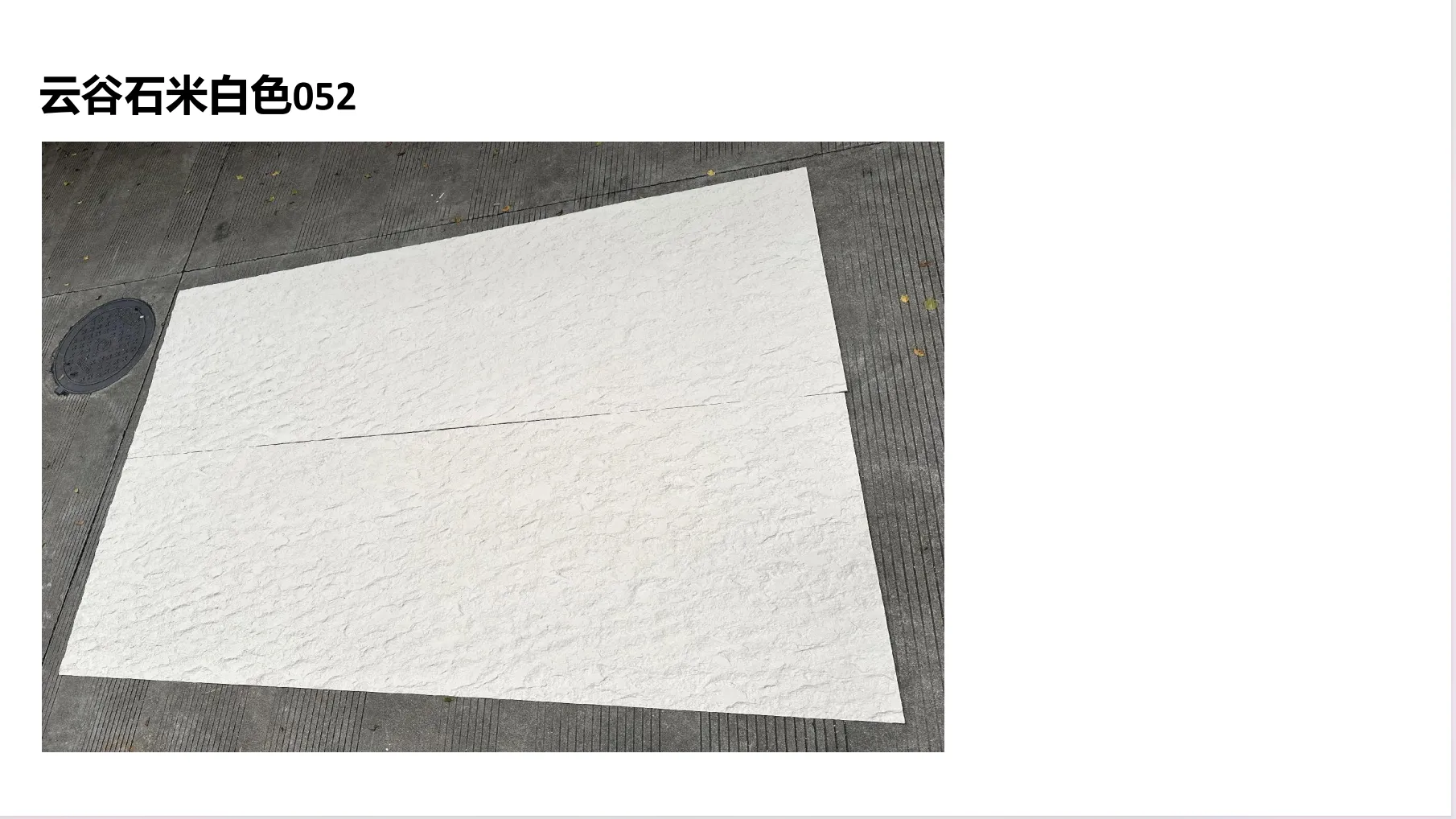
When winter temperatures drop below freezing and snow begins to fall, building materials face one of their toughest challenges. For architects and contractors working in cold climate regions, understanding how cloud stone performs in these harsh conditions is essential for making informed material decisions.
Cold climates present a unique set of obstacles that many building materials struggle to overcome. The primary enemy is the freeze-thaw cycle—a process where water penetrates porous materials, freezes, expands, and then thaws, causing internal stress that leads to cracking, spalling, and eventual deterioration.
In regions where temperatures regularly fluctuate above and below 0°C (32°F), exterior stone applications must demonstrate exceptional resistance to moisture absorption and thermal shock. Materials that perform well in moderate climates can fail rapidly when exposed to repeated freezing temperatures combined with snow, ice, and de-icing chemicals.
Additionally, cold weather brings other concerns: salt and chemical de-icers can stain or etch stone surfaces, while the accumulation of ice and snow increases structural loads on facades and roofing applications.
Cloud stone has emerged as a strong performer in cold climate applications, thanks to its dense crystalline structure and low porosity. Unlike many natural stones that absorb water readily, cloud stone's mineral composition—primarily calcite, dolomite, and quartz—creates a tight matrix that limits moisture penetration.
| Material | Water Absorption Rate | Freeze-Thaw Resistance | Cold Climate Suitability |
|---|---|---|---|
| Cloud Stone | Low (0.1-0.3%) | Excellent | Highly Recommended |
| Granite | Low (0.1-0.4%) | Very Good | Recommended |
| Travertine | Medium (0.5-2.0%) | Moderate | Requires Sealing |
| Limestone | High (1.0-3.0%) | Poor | Not Recommended |
This low absorption rate is crucial. When water cannot penetrate deeply into the stone, it cannot freeze inside and cause internal damage. Cloud stone's natural density acts as a barrier against the destructive forces of winter weather.
One of cloud stone's advantages in cold climates is its thermal stability. While some materials become brittle or prone to cracking when temperatures drop significantly, cloud stone maintains its structural integrity across a wide temperature range.
The coefficient of thermal expansion for cloud stone is relatively low, meaning it does not expand and contract dramatically with temperature changes. This property reduces stress on both the stone itself and the anchoring systems used in facade applications, minimizing the risk of cracks developing over years of seasonal temperature swings.
In extremely cold conditions, cloud stone also provides better insulation than darker stones. Its lighter color and crystalline structure reflect rather than absorb radiant heat, which can help reduce heating costs when used in exterior applications—particularly beneficial in northern regions where energy efficiency is a priority.
Proper installation is key to maximizing cloud stone's performance in freezing environments. Here are the essential guidelines contractors should follow:
Maintaining cloud stone during winter months requires attention to a few key practices:
Snow and ice removal: Use plastic shovels or snow blowers rather than metal tools that could scratch the surface. Avoid using sharp objects to chip away ice, as this can damage both the sealer and the stone.
De-icing chemical selection: Choose calcium magnesium acetate (CMA) or other stone-safe de-icers. Avoid rock salt (sodium chloride) and calcium chloride, which can cause efflorescence and potentially damage the sealer over time.
Post-winter inspection: After the snow melts, inspect sealed surfaces for any damage. Reseal any areas where the sealer has worn thin, particularly on horizontal surfaces that experienced standing water or heavy foot traffic.
Cloud stone has proven its durability in cold climate applications across numerous projects. In Northern Europe, cloud stone facades have withstood over a decade of harsh winters without showing signs of freeze-thaw damage. The material's resistance to thermal shock means it handles rapid temperature changes—such as a sunny winter day followed by a freezing night—without the cracking that affects more porous alternatives.
In mountain regions where temperatures regularly drop below -20°C (-4°F), cloud stone flooring and wall cladding have maintained both their structural integrity and aesthetic appeal. Homeowners report that properly sealed cloud stone surfaces shed snow and ice more readily than other materials, reducing the labor required for winter maintenance.
Not all cloud stone is identical. Variations in quarry source and mineral composition can affect cold-weather performance. When selecting cloud stone for cold climate projects:
For architects, builders, and property owners in cold climate regions, cloud stone offers a compelling combination of beauty and resilience. Its low water absorption, thermal stability, and resistance to freeze-thaw damage make it suitable for exterior applications where other stones might fail. With proper installation, sealing, and winter maintenance, cloud stone delivers lasting performance that withstands the most challenging winter conditions while maintaining its distinctive aesthetic appeal.
Recommend Products












