

Freezing winters put exterior walls under stress that warm regions never experience. When temperatures fall below freezing, moisture trapped in a wall or paver freezes and expands by roughly 9% in volume. This expansion pushes outward against the surrounding material, and when the ice thaws and refreezes over and over through the season, the constant pressure slowly cracks, crumbles, and flakes the surface. That gradual breakdown is what builders commonly call freeze-thaw damage, and it is one of the main reasons ordinary stone and brick facades fail in cold areas.
The worst offenders are materials that soak up water easily. If a cladding absorbs rainwater or snowmelt into its pores, that absorbed moisture becomes frost wedges inside the material once the temperature drops. Heavy natural stone is especially vulnerable because its density and pore structure make it hard to dry out between storms, so it stays wet right up to the next freeze. The result is a facade that looks solid in autumn and starts to show hairline cracks, spalling, and white salt stains by the time spring arrives.
For architects and contractors working in cold regions, the practical question is never whether winter will stress the building envelope. It always will. The smarter question is what type of cladding can stand up to the seasonal cycle while still giving the project the stone look it wants.
COLORIA’s Masonry Stone belongs to a family of MCM flexible stone cladding panels, and that change in construction makes a real difference during a hard winter. Unlike a thick slab of quarried rock, MCM flexible stone is a thin, modified clay material that combines a natural stone surface finish with a lightweight, flexible core. Because the panel is so much lighter and thinner than real stone, it does not hold the same volume of moisture, so it has far less water inside it to freeze and expand in the first place.
Flexibility is just as important as weight. Freeze-thaw cycles do not only attack the cladding itself; they also make the substrate behind it shift, contract, and expand as temperatures swing. A rigid stone slab has no give, so the stress concentrates in one place and ends up as a visible crack. A flexible panel absorbs that slight movement without transferring it to the surface, which keeps the facade sound through repeated seasonal change. That combination of light weight and flexibility is the core reason masonry-clad walls built with MCM panels tend to stay cleaner and more intact through winters that would wear down conventional stone.
There is a cosmetic advantage for cold climates as well. Coloria’s masonry-style panels replicate the stacking, the mortar joints, and the natural color variation of laid stone, so projects in cold regions get the warm, handcrafted masonry appearance without the fragility that comes with real stone. Whether the brief calls for a greystone facade, a barn-style wall, or a contemporary muted stack, the look survives winter without the spalling and efflorescence that mar natural stone surfaces.
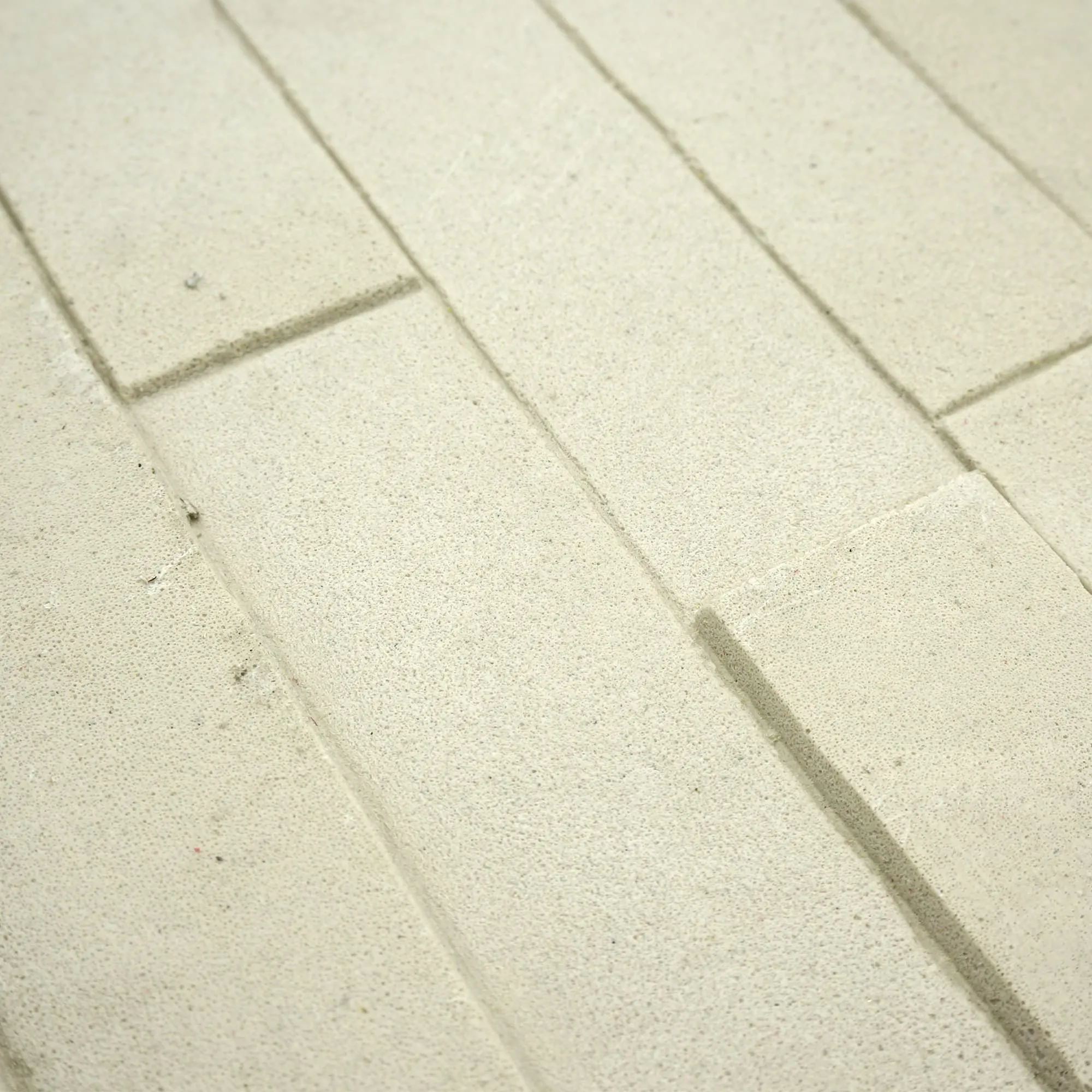
Cold weather also complicates installation. With heavy natural stone, cold temperatures slow or stop the chemical curing of mortar and setting beds; below around 4°C, the hydration reaction that gives mortar its strength barely progresses, which can leave a new facade weak and un-bonded. Because MCM flexible stone is thin and light, it does not demand the same load-bearing mortar bed. Panels can be fixed more directly and with less heavy adhesive, so crews face fewer weather-related hold-ups and do not need to wait for a mortar system to cure in freezing air. That matters a great deal for projects on a winter schedule.
Lightweight panels also ease handling in cold, uncomfortable conditions. Real stone slabs must be lifted, manoeuvred, and bedded carefully, and any mistake is expensive to correct. A flexible panel can be carried, cut, and fitted by hand, and because it flexes rather than snapping under handling, it tolerates the bumps of a winter worksite far better than a brittle slab. In short, cold climates do not just challenge the finished wall; they challenge the people building it, and a lighter cladding makes the entire process more forgiving.
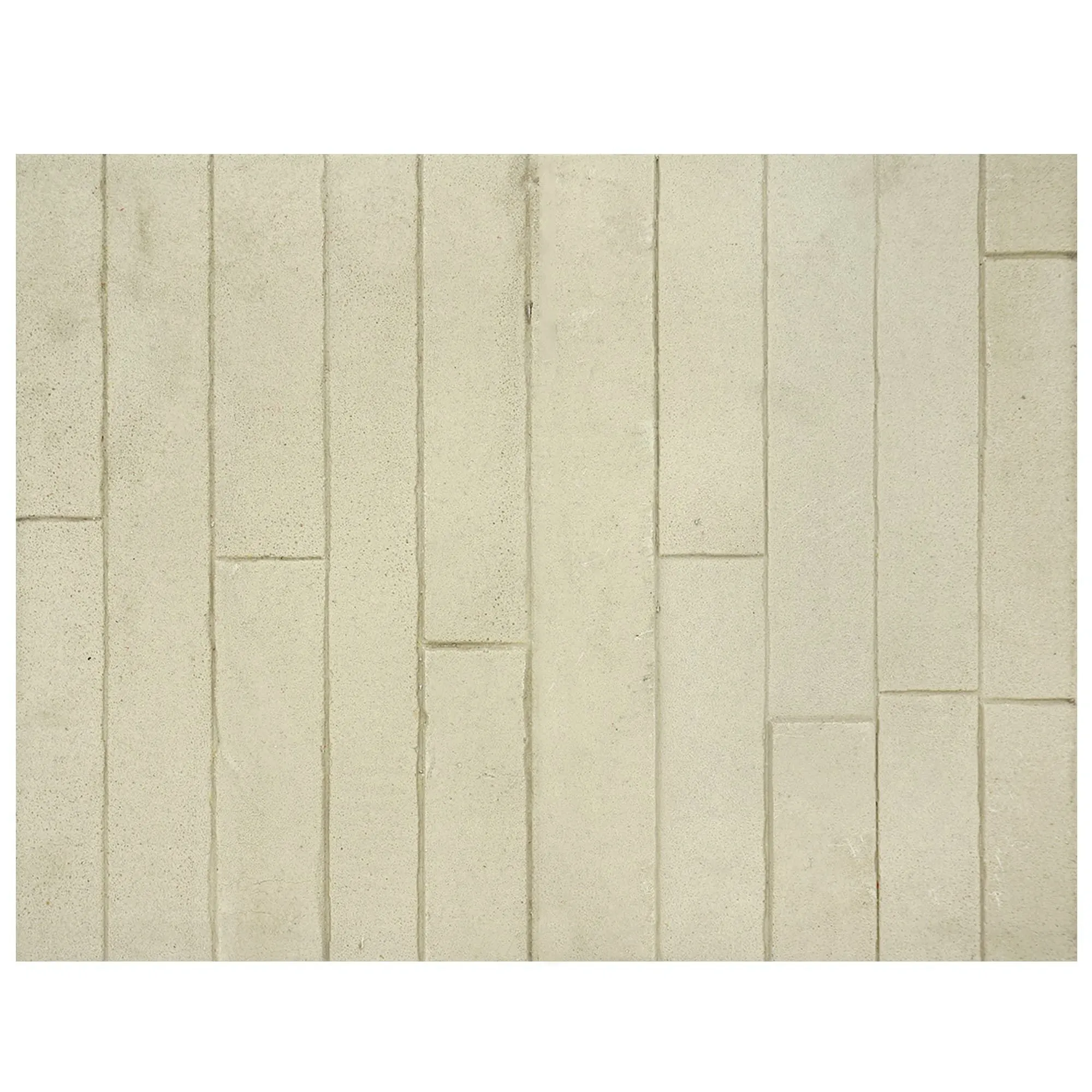
One reservation architects often have about engineered cladding is that it might limit the range of finishes. That is not the case with Coloria’s flexible stone line, which produces a broad palette of masonry, stacked, and stone-look surfaces alongside travertine, marble, slate, and timber-effect panels. A designer working in a cold region can therefore choose a masonry or natural-stone aesthetic that suits the building and the surrounding landscape, and still count on a panel that handles moisture and movement far better than the heavier material it imitates.
Because the panels are flexible, they can also wrap around curves, arches, and other details that would be impractical or structurally risky with rigid stone slabs. This gives cold-climate projects the visual richness that usually belongs to masonry while keeping the practical benefits of a lightweight, easy-to-install flexible material.
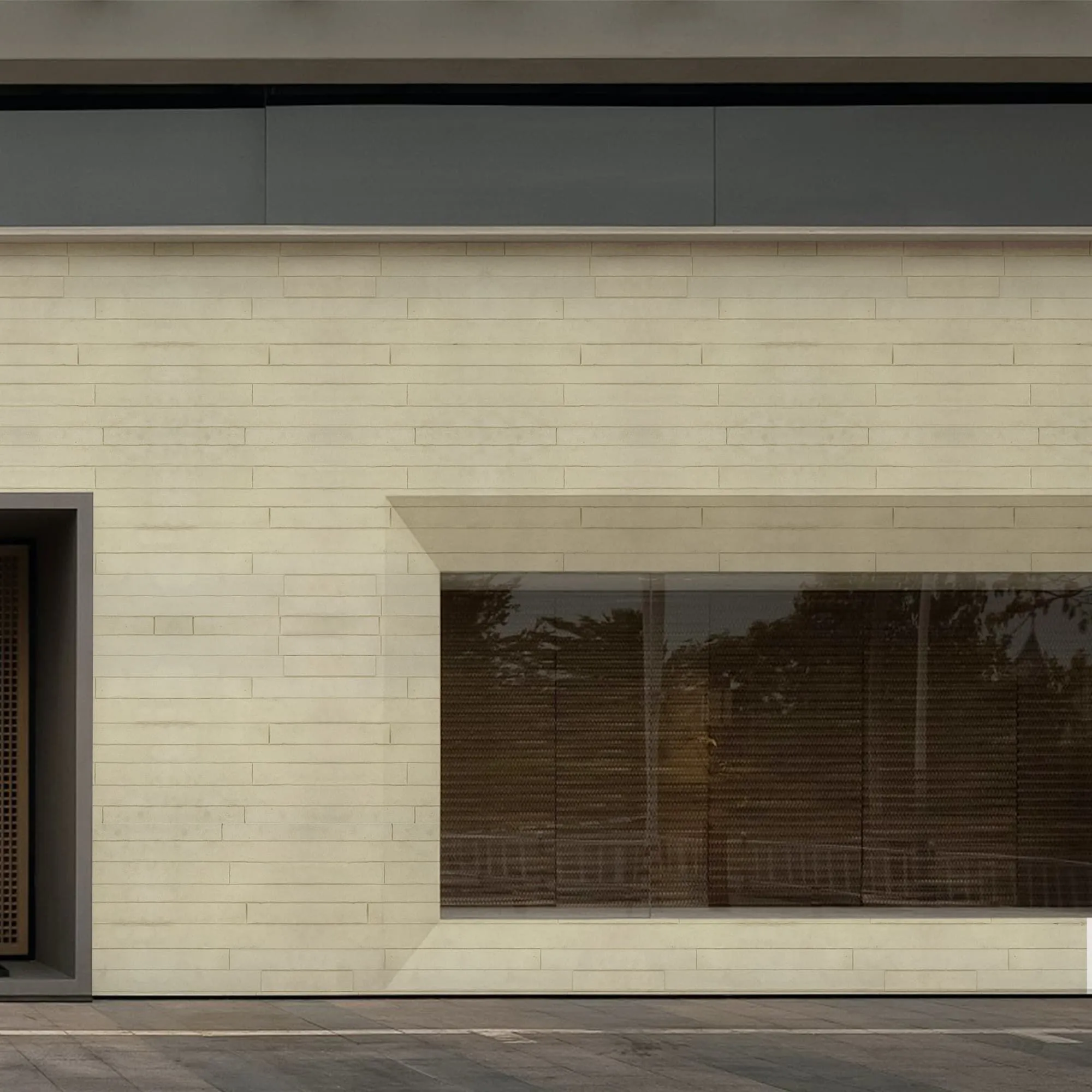
No cladding is maintenance-free, and getting the best from flexible stone in a cold climate comes down to a few straightforward habits. Ensure that joints and flashings are properly sealed before the first frost so that water draining off the facade cannot work its way behind the panels. Clear gutters and keep weep holes open so meltwater moves away quickly instead of pooling. And when winter weather is forecast around an installation, let the substrate and adhesive do their job at the temperature range recommended by the supplier rather than pushing a wet set through a freeze. Kept this way, a masonry-clad wall should stay flat, clean, and free of frost damage through many winters.
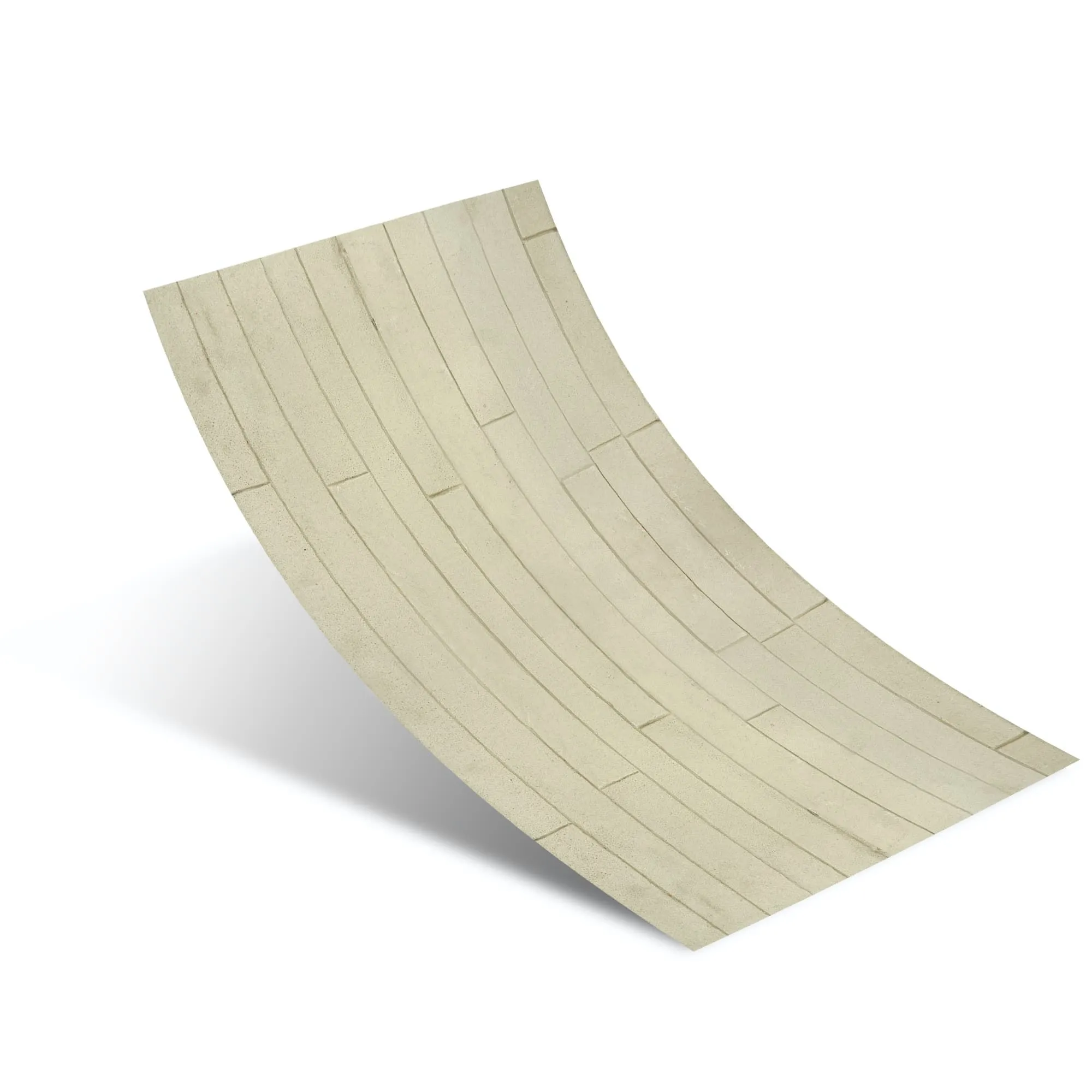
Real masonry and natural stone will always have their place, but in regions where freeze and thaw repeat relentlessly all winter, the case for a flexible engineered alternative is hard to ignore. Coloria’s Masonry Stone offers the appearance of laid stone with the practical advantages of light weight, flexibility, and easier cold-weather installation, which together mean fewer cracks, less spalling, and a facade that still looks deliberate and handsome when spring finally returns. For specifiers, contractors, and property owners planning an exterior in a cold climate, it is a dependable route to the stone look without the winter worries.
For more information on MCM flexible stone panels, cladding options, and project supply, visit the Coloria Group website or get in touch with the team directly, and we will help you match the right finish to your climate.
Recommend Products











