
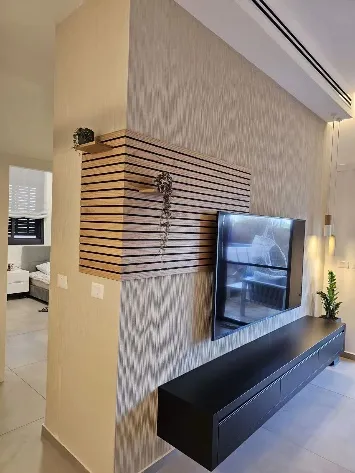
When choosing wall cladding materials for commercial or residential projects, architects and contractors frequently weigh the benefits of modern innovations against traditional options. One comparison that has gained significant attention in recent years is between MCM flexible cladding stone wall panel solutions and natural slate cladding. Understanding their differences in material composition, weight, installation, cost, and long-term performance helps project decision-makers select the right solution for their specific needs.
MCM stands for Modified Clay Materials, a technology that has revolutionized the building materials industry. These panels are engineered using inorganic mineral powders combined with modified clay, creating a flexible ceramic material that replicates the appearance of natural stone. Unlike traditional rigid stone, MCM panels can bend slightly, allowing them to conform to curved surfaces and irregular wall geometries without cracking or breaking.
The manufacturing process produces panels with consistent thickness, uniform color, and controlled surface textures. This consistency eliminates the natural variations found in quarried stone, ensuring predictable aesthetics across large-scale projects. MCM panels are available in various textures including travertine, slate, marble, and wood grain looks, offering designers extensive creative flexibility.
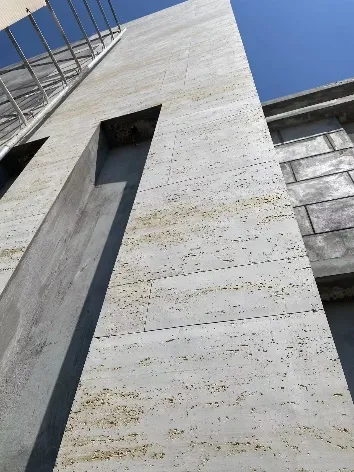
Natural slate has been used for centuries in construction and remains a premium choice for many architects. Formed through geological processes over millions of years, slate is a metamorphic rock known for its distinctive layered structure, durability, and unique color variations ranging from deep grey and black to green, purple, and rust tones.
The authenticity of natural slate appeals to projects seeking genuine stone character. Each piece carries the imprint of its geological history, with no two panels being identical. This uniqueness creates rich visual depth that manufactured products attempt to replicate. However, natural slate comes with inherent challenges: significant weight, thickness requirements, and the need for specialized installation expertise.

One of the most significant differences between these materials lies in their physical properties. Flexible stone panels typically measure between 3 to 5 millimeters in thickness, with weight ranging from 4 to 8 kilograms per square meter. This lightweight profile reduces structural load requirements significantly.
In contrast, natural slate cladding requires thickness of 10 to 25 millimeters and weighs between 50 to 70 kilograms per square meter. This substantial weight difference impacts multiple aspects of project planning: transportation costs, structural support requirements, handling logistics, and installation labor intensity. The 85 to 90 percent weight reduction achieved with MCM panels translates directly into cost savings across the supply chain.
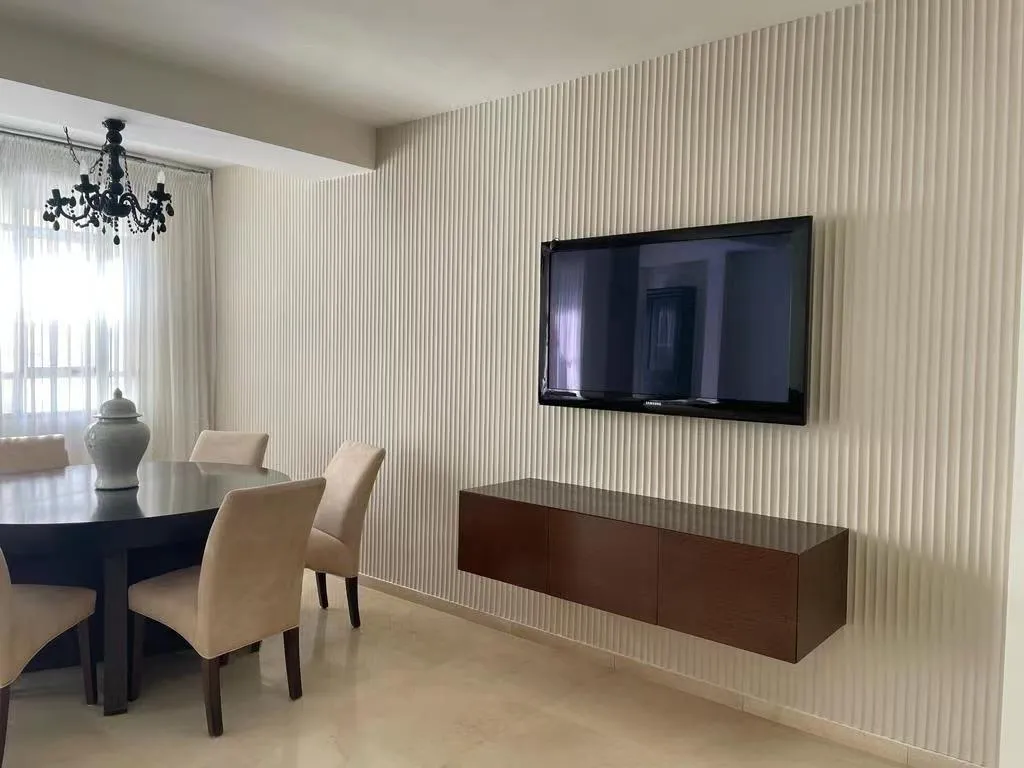
Installation methodology represents another critical distinction between these cladding options. MCM panels install using standard tile adhesive, requiring only basic construction tools: a utility knife for cutting, notched trowel for adhesive application, and standard safety equipment. General contractors can complete installations without specialized training, and panels bond directly to various substrates including drywall, cement board, and existing tile surfaces.
Natural slate installation demands certified stone masons with expertise in handling heavy materials. The process requires wet saws, diamond blades, and angle grinders for cutting. Structural substrate reinforcement is often necessary to support the substantial weight, particularly for exterior applications. A 500-square-meter commercial facade project might require 10 to 14 days with a three-person crew for natural slate, compared to 3 to 5 days with a two-person crew for MCM panels.
The flexibility of MCM panels also enables applications impossible with rigid slate: wrapping curved columns, creating seamless arch transitions, and conforming to irregular architectural features. These capabilities expand design possibilities while reducing fabrication complexity and associated costs.

Cost comparisons extend beyond material pricing to encompass transportation, handling, and installation expenses. MCM flexible panels typically range from $8 to $25 per square meter FOB, depending on texture and finish complexity. Natural slate starts at $30 per square meter for basic grades and can exceed $100 for premium selections, with additional costs for proper quarrying and processing.
Transportation costs reveal even greater disparities. A standard 20-foot shipping container holds approximately 2,500 to 3,000 square meters of MCM panels but maxes out at 50 to 100 square meters of natural slate before reaching weight limits. This translates to freight costs of approximately $3 per square meter for flexible panels versus $8 to $12 for natural slate on comparable international routes.
For project managers specifying exterior wall cladding panels, the total installed cost often becomes the decisive factor. Labor savings of 40 percent or more, combined with reduced structural reinforcement requirements, substrate preparation needs, and transportation expenses, frequently make MCM panels the more economical choice for large-scale commercial applications while maintaining the aesthetic appeal of natural stone.
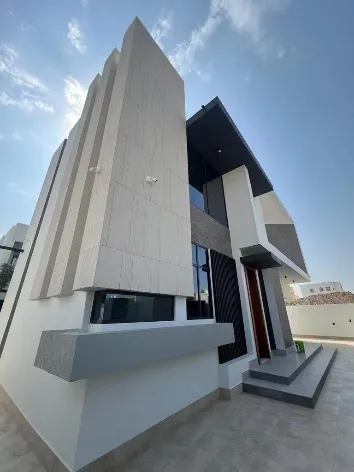
Natural slate offers exceptional longevity, often lasting 50 years or more with proper maintenance. However, that durability comes with maintenance requirements: annual sealing to prevent staining, vigilance against oil and acid exposure, and potential cracking under point loads or impact. Natural stone can also exhibit color variations between batches, sometimes reaching 10 to 20 percent variance, which may affect project aesthetics.
Quality MCM panels, particularly those with fiberglass backing, deliver 15 to 25 years of service life in commercial applications with minimal maintenance requirements. The engineered surface resists moisture penetration, and color consistency remains within 3 percent variance between batches. Fire-rated versions achieving Class A ratings under ASTM E84 standards are available for applications requiring enhanced fire safety compliance.
For exterior applications, MCM panels withstand UV exposure and temperature cycling when properly manufactured. Requesting UV resistance test reports, such as 500-hour QUV accelerated weathering tests, provides assurance of long-term color stability. Quality suppliers also offer comprehensive warranties, typically five years or longer, covering structural performance.
Understanding where each material excels helps architects make appropriate selections. MCM flexible panels suit projects prioritizing weight reduction, installation efficiency, and budget optimization. They excel in renovation projects where structural modifications are impractical, commercial fit-outs requiring rapid completion, and applications involving curved surfaces or complex geometries. Hotels, retail environments, office buildings, and residential projects benefit from the combination of aesthetic appeal and practical installation.
Natural slate remains the preferred choice for projects where authentic material character takes precedence over cost considerations. Historic renovations, premium residential properties, and applications where genuine stone provenance adds value may warrant the additional investment in natural slate. Architects seeking specific geological characteristics or working within heritage preservation guidelines often specify natural slate despite its higher total project cost.
Both materials offer environmental considerations worth evaluating. Natural slate is a finite resource requiring quarrying, which impacts landscapes and ecosystems. However, its exceptional longevity means replacement cycles extend across decades, reducing lifetime material consumption. At end of life, natural slate can be reclaimed and repurposed.
MCM panels incorporate inorganic mineral powders and modified clay, with many formulations achieving 100 percent eco-friendly material composition. The reduced transportation weight lowers carbon emissions associated with logistics. Lighter weight also means less structural steel and concrete in building construction, contributing to overall project sustainability. Some MCM panel manufacturers hold ISO 14001 environmental management certification, demonstrating commitment to sustainable production practices.
Choosing between MCM flexible cladding stone wall panels and natural slate cladding requires evaluating multiple project factors: budget constraints, structural capacity, installation timeline, aesthetic requirements, and long-term maintenance expectations. For most commercial applications, the weight reduction, installation efficiency, and cost savings of MCM panels provide compelling advantages while delivering the sophisticated appearance of natural stone.
Working with experienced suppliers who provide comprehensive technical support, material certifications, and warranty coverage ensures project success regardless of material selection. Requesting samples, reviewing test reports, and discussing specific application requirements with manufacturer representatives helps clarify which solution aligns best with project objectives.
As building material technology continues advancing, MCM flexible panels represent a practical evolution that addresses many traditional stone limitations while preserving the aesthetic qualities that make natural stone enduringly popular. For architects, contractors, and developers seeking efficient, cost-effective cladding solutions without sacrificing visual impact, MCM technology offers a compelling alternative worthy of serious consideration.
Recommend Products












