Ever gazed upon a stunning mosaic of rust-colored stones and wondered how nature, or perhaps skillful craftsmanship, bestows upon them such a rich, earthy, and utterly captivating hue? It's a question that many admirers of unique architectural finishes ponder. The answer lies in a fascinating blend of geological processes, chemical reactions, and often, innovative material science. At COLORIA GROUP, we've dedicated ourselves to understanding these intricate details, translating nature's beauty into high-performance building materials, including our celebrated range of MCM (Modified Cementitious Material) Flexible Stone, which beautifully mimics and often surpasses the aesthetic qualities of natural stones, rust mosaics included.
The allure of rust mosaic stone isn't just about its visual appeal; it's about the story it tells—a narrative of time, oxidation, and the raw power of the elements. Whether it's a natural stone that has weathered eons or a modern composite designed to evoke that same ancient charm, the science behind its color is equally intriguing. Let's peel back the layers and uncover the secrets behind these unique shades.
The Natural Science of Rust: An Earthy Palette
When we talk about "rust," we're fundamentally discussing a chemical process: oxidation. Specifically, it's the corrosion of iron and its alloys, such as steel, in the presence of oxygen and water. This seemingly simple reaction is responsible for the myriad shades of red, orange, brown, and even deep purple found in many natural stones and mineral formations.
Iron-Rich Minerals: Nature's Pigment Suppliers
Many rocks and minerals naturally contain iron. These can include:
-
Hematite (Fe₂O₃):
This is one of the most common iron oxides and is responsible for many red and brown colors in rocks and soils. It's often the primary mineral giving rocks their "rusty" appearance.
-
Goethite (FeO(OH)):
A hydrated iron oxide, goethite contributes to yellowish-brown to dark brown hues. It often forms from the weathering of other iron-bearing minerals.
-
Limonite:
While not a distinct mineral, Limonite is a general term for a mixture of hydrated iron oxide minerals, typically goethite and hematite, which give rocks a characteristic yellow-brown to ochre color.
-
Pyrite (FeS₂):
Often called "fool's gold," pyrite itself is brassy yellow. However, upon weathering and exposure to oxygen and water, it oxidizes to form iron oxides and hydroxides, contributing to rusty staining.
The presence and concentration of these iron-bearing minerals within a stone, combined with the extent of their oxidation, dictate the precise shade of rust. A stone rich in hematite will lean towards deeper reds, while one with more goethite might appear more yellowish-brown. The interplay of these minerals creates a spectrum of natural rust colors, each unique and full of character.
Environmental Factors in Color Formation
Beyond the intrinsic mineral composition, the environment plays a crucial role in shaping the rust hue.
-
Exposure to Oxygen and Water:
This is the fundamental requirement for oxidation. Areas with fluctuating water tables or consistent exposure to rain and air will exhibit more pronounced rusting.
-
Time:
Oxidation is a slow process. Over geological timescales, even trace amounts of iron can accumulate significant rust coloration.
-
Acidity/Alkalinity:
The pH of the surrounding water can influence the rate and type of iron oxide formation, subtly altering the final color.
-
Presence of Other Minerals:
Trace elements can act as catalysts or inhibitors, further diversifying the color palette. For instance, manganese can introduce darker, almost blackish tones.
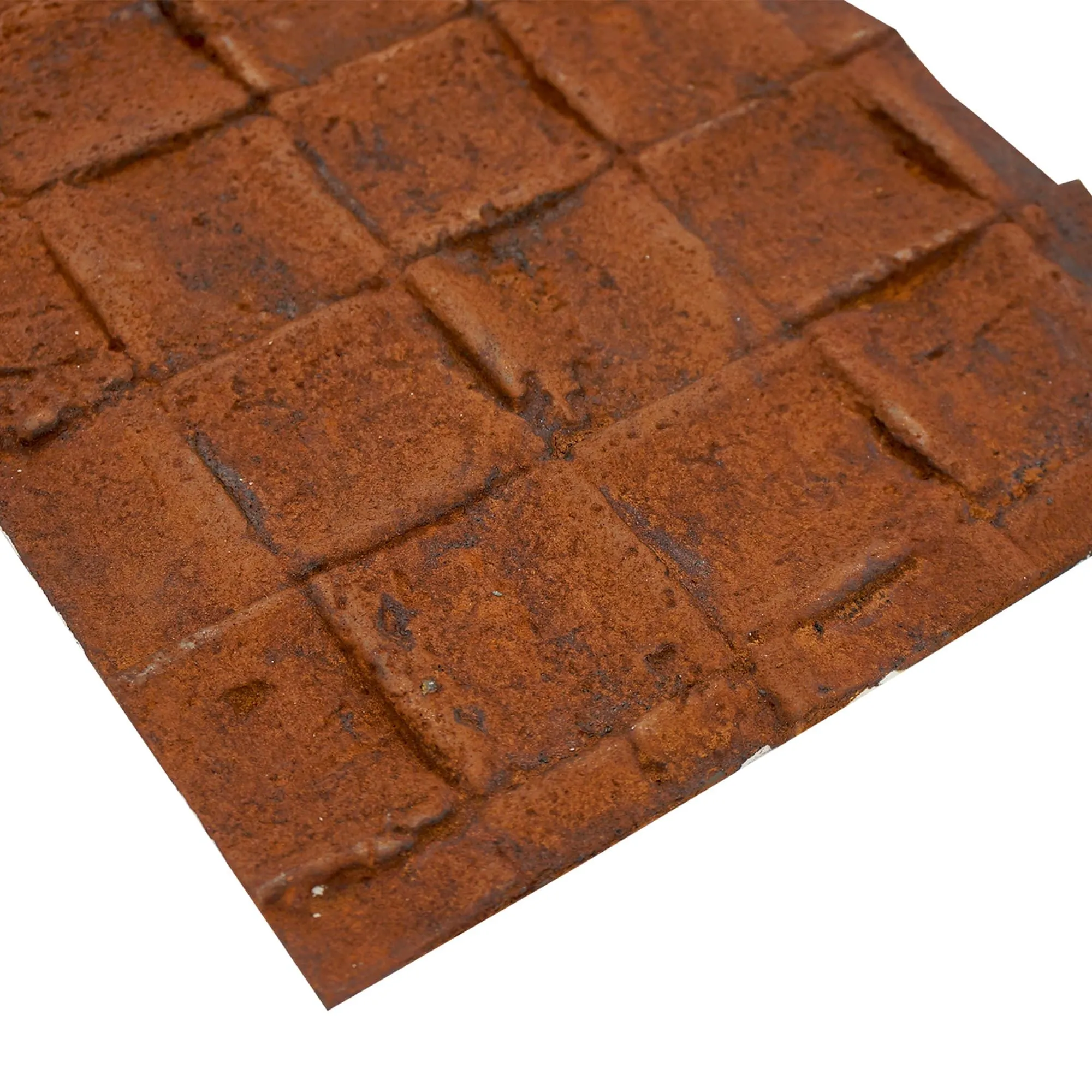
Beyond Natural Stone: The Innovation of Engineered Rust Hues
While natural rust mosaic stones are undeniably beautiful, they often come with limitations in terms of availability, cost, weight, and consistency. This is where advanced material science and innovative manufacturing processes come into play. Companies like COLORIA GROUP are at the forefront of creating engineered solutions that not only replicate these stunning aesthetics but also offer enhanced performance. Our core competency lies in
MCM (Modified Cementitious Material) series products
, which are revolutionizing the architectural finishes market.
One of the most exciting applications for achieving unique rust mosaic colors in a controlled and sustainable way is through our
MCM Flexible Stone
. This material is a game-changer for both residential and commercial projects. How do we achieve those perfect rust tones?
-
Controlled Pigmentation:
Instead of relying solely on naturally occurring iron, we meticulously incorporate specific mineral pigments, primarily various forms of iron oxides, into the MCM mixture. These pigments are high-purity and color-fast, ensuring consistent and long-lasting hues. We can precisely control the ratios of different iron oxides (red, yellow, black) to create a vast spectrum of rust shades, from vibrant terracotta to deep, weathered browns and even hints of metallic sheen.
-
Textural Elements:
The surface texture also plays a vital role in how color is perceived. Natural rust stones often have a rough, variegated surface. Our MCM Flexible Stone is designed to replicate these textures, adding depth and authenticity to the color. This can involve casting, pressing, or other proprietary techniques to create subtle undulations, pits, and patterns that mimic weathered stone.
-
Layering and Blending:
To achieve the complex, mottled appearance of natural rust, we often employ layering techniques. Different colored batches of MCM material might be applied or blended during the manufacturing process, creating natural-looking variations and gradients within a single piece. This prevents a flat, artificial look and ensures the dynamic visual interest characteristic of real rust.
-
Binder and Curing Process:
The modified cementitious binder used in MCM products provides an excellent matrix for pigment dispersion and adhesion. The curing process is carefully controlled to ensure the pigments are locked into the material, providing UV stability and resistance to fading. This ensures that the beautiful rust color will endure for decades, even in harsh exterior conditions.
The Advantages of Engineered Rust Hues for Modern Architecture
Choosing engineered rust mosaic solutions, particularly those offered by COLORIA GROUP, provides significant benefits over purely natural alternatives:
-
Consistency and Customization:
Natural stones can vary wildly in color. With MCM Flexible Stone, architects and designers can specify exact rust shades, ensuring uniformity across large projects or achieving specific design visions. This allows for
customization
that is difficult, if not impossible, with natural stone.
-
Lightweight and Flexible:
This is a huge advantage. Natural rust stone mosaics are heavy, requiring robust structural support. Our Flexible Stone is incredibly lightweight and can even be applied over existing surfaces, significantly reducing installation time and costs. Its flexibility allows for application on curved surfaces where traditional stone would be impractical.
-
Durability and Performance:
Engineered materials often outperform natural stone in specific metrics. Our MCM Flexible Stone is highly resistant to weathering, UV radiation, impact, and abrasion, making it ideal for both interior and exterior applications. It doesn't flake or crumble like some highly weathered natural stones.
-
Sustainability:
Our MCM products are inherently more sustainable. They use fewer natural resources, often incorporate recycled content, and have a lower carbon footprint during production and transportation compared to quarrying and transporting heavy natural stone. This aligns with modern green building practices.
-
Ease of Installation:
Being lightweight and flexible simplifies the installation process, leading to reduced labor costs and faster project completion. This makes it an attractive option for large-scale developments.
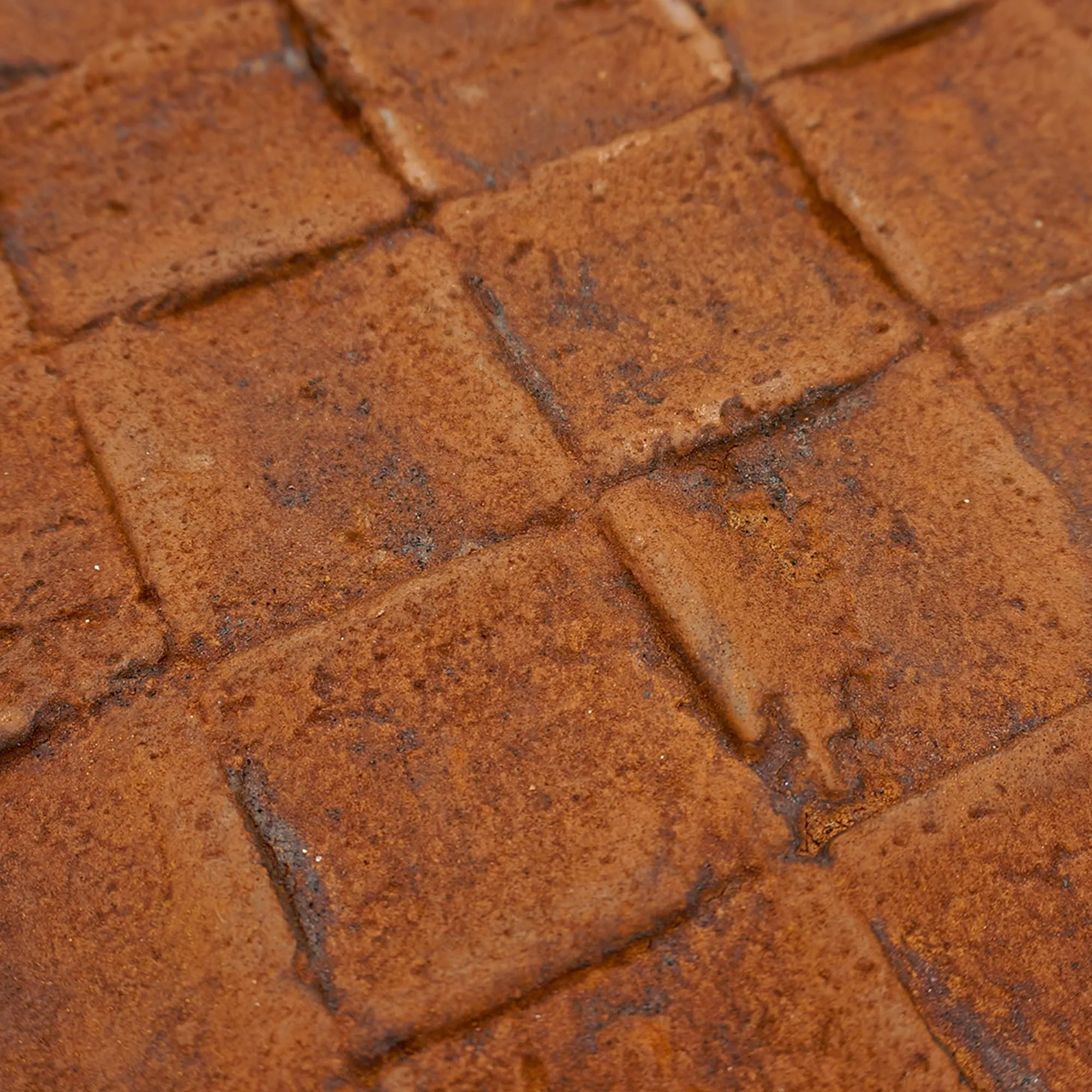
Exploring the MCM Product Line for Rust Mosaic Applications
At COLORIA GROUP, our expertise in
MCM (Modified Cementitious Material) series products
allows us to deliver exceptional solutions for creating striking rust mosaic effects. While MCM Flexible Stone is our flagship for this aesthetic, other products within our MCM range can also contribute to projects aiming for this unique look, often through large format applications or specialized textures.
Imagine creating a feature wall or building facade with the commanding presence of rust, but on an unprecedented scale. Our
MCM Big Slab Board Series
makes this a reality. These large format panels, often several meters in length, can be manufactured with integrated rust-colored finishes.
-
Homogeneous Color Application:
For a more uniform rust look across vast areas, these slabs are ideal. The coloration is integrated throughout the top layer, ensuring consistent hue and texture.
-
Seamless Appearance:
The large size minimizes grout lines, creating a more monolithic and impactful rust aesthetic, perfect for modern minimalist designs that still want to incorporate the warmth of earthy tones.
-
Speed of Installation:
Covering large areas with fewer, bigger pieces dramatically speeds up construction, a critical factor for large-scale commercial projects.
These big slabs offer a different interpretation of the "mosaic" concept—instead of many small pieces, it's a grand mosaic formed by the arrangement of large, rust-hued panels, each meticulously crafted to perfection.
The
MCM Project Board Series
offers immense versatility for a wide array of applications where a rust effect is desired. These boards are engineered for robustness and adaptability, making them suitable for various interior and exterior uses.
-
Targeted Coloration:
Like the Flexible Stone, Project Boards can be manufactured with a specific rust color palette, from light copper to deep, oxidized iron tones.
-
Structural Applications:
Unlike the more decorative Flexible Stone, Project Boards can form structural or semi-structural elements, providing both form and function with a rust finish.
-
Custom Cuts and Shapes:
These boards can be cut and shaped to create unique patterns and designs, allowing for a personalized "mosaic" effect tailored to the project's specific needs.
Whether for cladding, partitions, or specialized architectural features, the Project Board Series offers durable and aesthetically pleasing rust solutions.
The future of architectural finishes is here with our
MCM 3D Printing Series
. This innovative technology allows for the creation of complex, three-dimensional textures and patterns, which can then be imbued with rust-colored finishes.
-
Unprecedented Detail:
Imagine a rust mosaic where individual pieces are not only colored but also have a unique, tactile texture, replicating the granular surface of naturally oxidized metal or stone. 3D printing makes this possible.
-
Custom Geometric Patterns:
This series allows designers to create intricate geometric rust mosaics that would be impossible or prohibitively expensive with traditional methods.
-
Integrated Rust Pigments:
The 3D printable MCM material can be formulated with iron oxide pigments, so the rust color is integral to the printed object, ensuring durability and depth of color.
This technology opens up new frontiers for architectural expression, allowing for truly bespoke rust mosaic designs that are limited only by imagination.
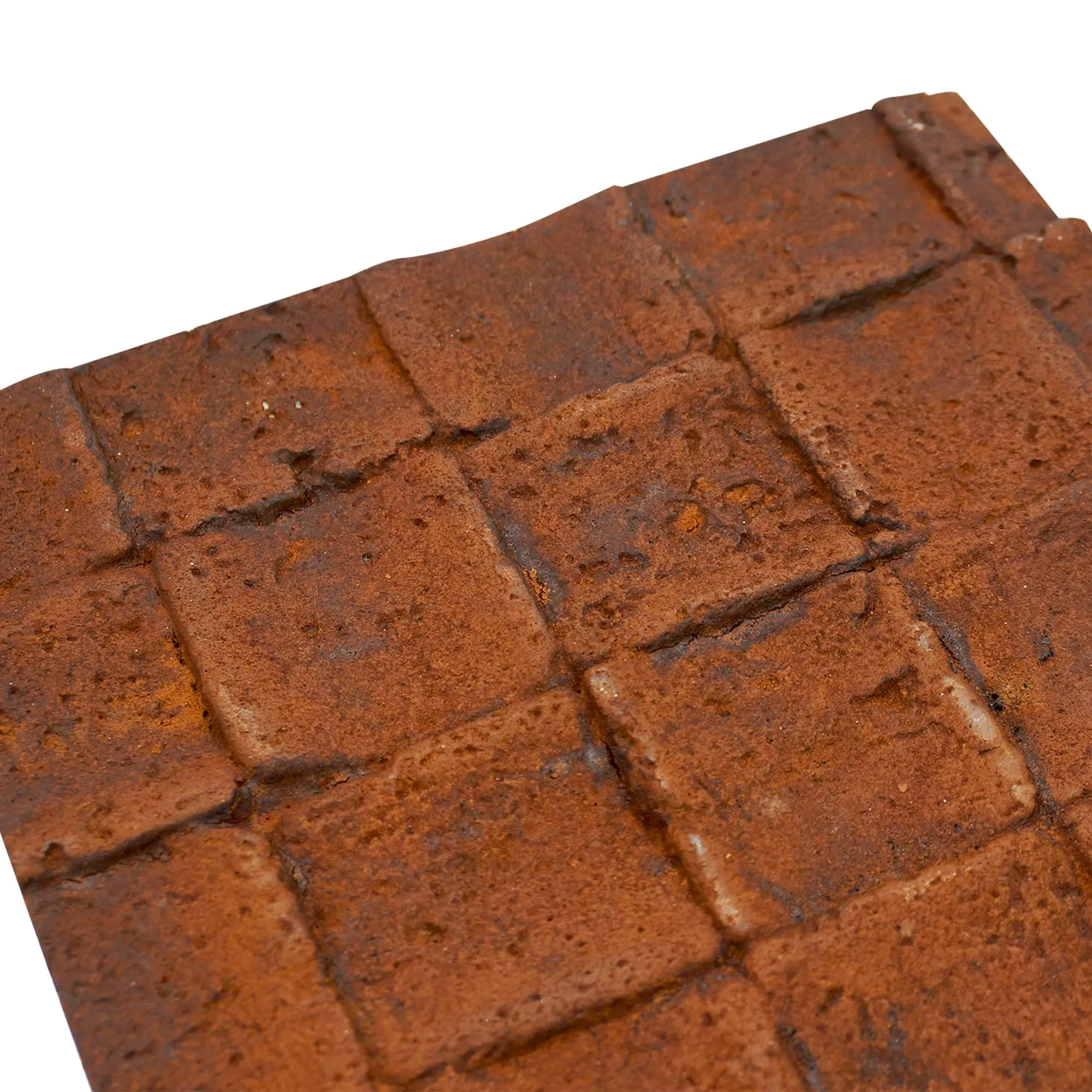
The Art of Application: Crafting the Rust Mosaic Aesthetic
Achieving a beautiful rust mosaic isn't just about the material; it's also about how it's applied. Whether using natural stone or advanced MCM solutions, the installation process significantly impacts the final aesthetic.
Design Considerations for Rust Hues
When designing with rust mosaic elements, several factors come into play:
-
Lighting:
The interplay of light (natural and artificial) with the textured, varied surface of rust-colored materials can dramatically change their appearance throughout the day or night. Different angles of light can highlight certain iron oxide formations, revealing nuances in color.
-
Surrounding Palette:
Rust tones pair beautifully with a range of colors. They can provide a warm contrast to cool grays and blues, complement other earthy tones like greens and browns, or create a striking focal point against minimalist white or black backdrops.
-
Scale and Pattern:
The size of the mosaic pieces, whether small tiles or large format panels, influences the overall feel. Small, intricate mosaics create a detailed, artisanal look, while larger elements provide a bolder, more contemporary statement.
-
Architectural Style:
Rust mosaics can suit a variety of architectural styles, from rustic and industrial to modern and even eclectic designs. The key is thoughtful integration.
Installation Techniques for MCM Flexible Stone Rust Mosaics
The installation of our MCM Flexible Stone is designed to be efficient and adaptable.
-
Adhesive Application:
A high-performance adhesive specifically designed for MCM materials is used, ensuring a strong and durable bond to various substrates (concrete, plaster, wood, metal).
-
Flexibility:
The inherent flexibility of the material allows it to conform to slightly irregular or curved surfaces, something rigid natural stone cannot do without complex cutting.
-
Grouting Options:
Depending on the desired aesthetic, installers can choose to grout the flexible stone panels for a more traditional tiled look or butt-join them for a near-seamless appearance. Grout color can further enhance or subtly blend with the rust tones.
-
Weather Resistance:
Once installed, and properly sealed if required, our MCM Flexible Stone forms a weather-resistant barrier, making it perfect for external facades in diverse climates, including those in regions like Saudi Arabia where COLORIA GROUP has a strong presence.
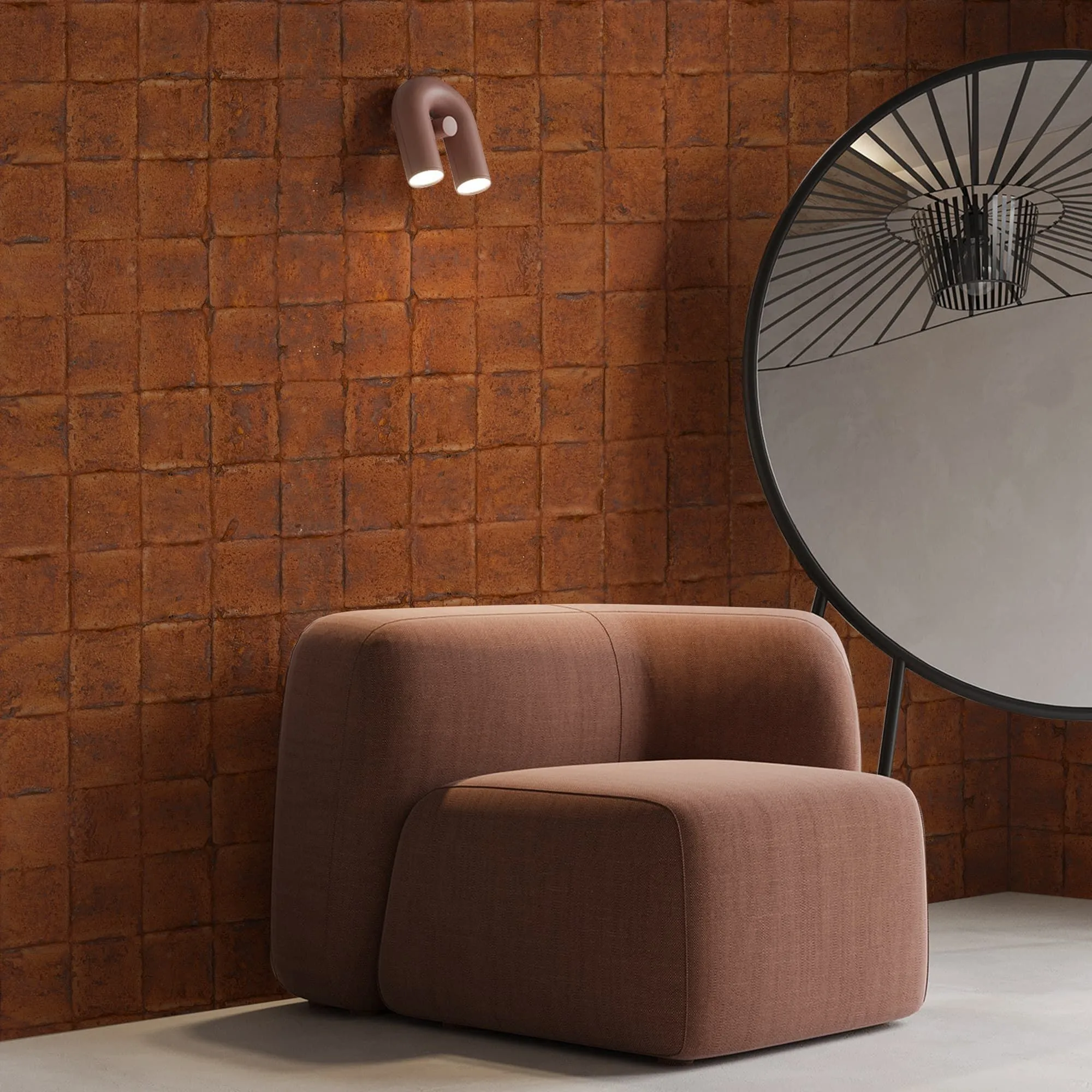
The Global Reach and Expertise of COLORIA GROUP
Our commitment to delivering exceptional building materials, including those that capture the unique beauty of rust mosaics, extends globally. COLORIA GROUP is recognized as an
one-stop solution provider
in the field of building materials. This means we don't just sell products; we offer comprehensive support from selection to specification to after-sales service, ensuring our clients achieve their project goals with the best possible materials.
With decades of industry experience, we understand the nuances of architectural design and construction in various markets. Our international presence, particularly our established agency in Saudi Arabia, underscores our capability to cater to diverse climatic and aesthetic requirements. The demand for unique, durable, and sustainable finishes, such as rust mosaics, is growing worldwide, and we are strategically positioned to meet this demand.
Whether it's a residential villa seeking a touch of rustic elegance or a large commercial complex aiming for a robust, industrial aesthetic, COLORIA GROUP provides the materials and expertise to bring visions to life. Our materials are not just about mimicking natural beauty; they are about enhancing it with superior performance, sustainability, and design flexibility.
Comparing Natural Rust Stone vs. Engineered MCM Rust Solutions
To further illustrate the benefits of modern material science, let's look at a comparative table between traditional natural rust stone and COLORIA GROUP's engineered MCM solutions for achieving that distinctive rust mosaic color.
|
Feature
|
Natural Rust Stone
|
COLORIA GROUP MCM Flexible Stone (Rust Finish)
|
|
Color Consistency
|
Highly variable; depends on quarry and specific mineral composition. Unique but unpredictable.
|
MCM Flexible Stone (Rust Finish)">
High consistency; colors are controlled and replicable for large projects. Customizable.
|
|
Weight
|
Very heavy, requires significant structural support.
|
MCM Flexible Stone (Rust Finish)">
Extremely lightweight (approx. 1/6th of natural stone), reduces structural load.
|
|
Flexibility
|
Rigid, difficult to install on curved surfaces. Prone to cracking if improperly handled.
|
MCM Flexible Stone (Rust Finish)">
Highly flexible, can be applied to curved or irregular surfaces without cracking.
|
|
Installation
|
Labor-intensive, requires specialized masonry skills. Slower installation.
|
MCM Flexible Stone (Rust Finish)">
Easier and faster to install, can be applied with adhesive. Reduces labor costs.
|
|
Durability (Oxidation)
|
Can continue to oxidize and change color over time; some may flake or degrade.
|
MCM Flexible Stone (Rust Finish)">
Color is stable and fade-resistant; material is highly durable against weathering and UV.
|
|
Cost
|
Often higher due to quarrying, transportation, and specialized installation.
|
MCM Flexible Stone (Rust Finish)">
Generally more cost-effective due to lower material and installation costs.
|
|
Environmental Impact
|
Energy-intensive quarrying and transportation; limited resource.
|
MCM Flexible Stone (Rust Finish)">
Lower carbon footprint, uses less natural resource, often recyclable. Green building compliant.
|
|
Customization
|
Limited to what nature provides.
|
MCM Flexible Stone (Rust Finish)">
High degree of customization in color, texture, and size.
|
Conclusion: The Enduring Appeal of Rust and the Future of Architectural Finishes
The unique color of rust mosaic stone, whether formed by eons of natural geological processes or meticulously engineered in a state-of-the-art facility, holds an undeniable charm. It evokes a sense of history, authenticity, and connection to the earth. The science behind these hues is a captivating journey through chemistry, mineralogy, and increasingly, innovative material technology.
At COLORIA GROUP, we are proud to be at the forefront of providing solutions that not only respect this natural beauty but also enhance its accessibility and performance. Our
MCM (Modified Cementitious Material) series products
, especially our Flexible Stone, offer architects, designers, and builders the opportunity to integrate the stunning aesthetics of rust mosaics into their projects without the traditional limitations. We are a dedicated
one-stop solution provider
for a wide array of high-quality internal and external finishing materials, ensuring that every project, from residential homes to grand commercial complexes, benefits from our expertise and innovative product range.
The transition from traditional, heavy, and often inconsistent natural stones to lightweight, flexible, and consistently colored engineered materials marks a significant evolution in the building industry. As global markets continue to demand both aesthetic excellence and sustainable practices, COLORIA GROUP remains committed to pushing the boundaries of what's possible, ensuring that the warm, intricate, and unique colors of rust mosaics continue to inspire and adorn our built environment for generations to come. We are excited about the future of architectural finishes and continue to innovate to meet the evolving needs of our global clientele.













