
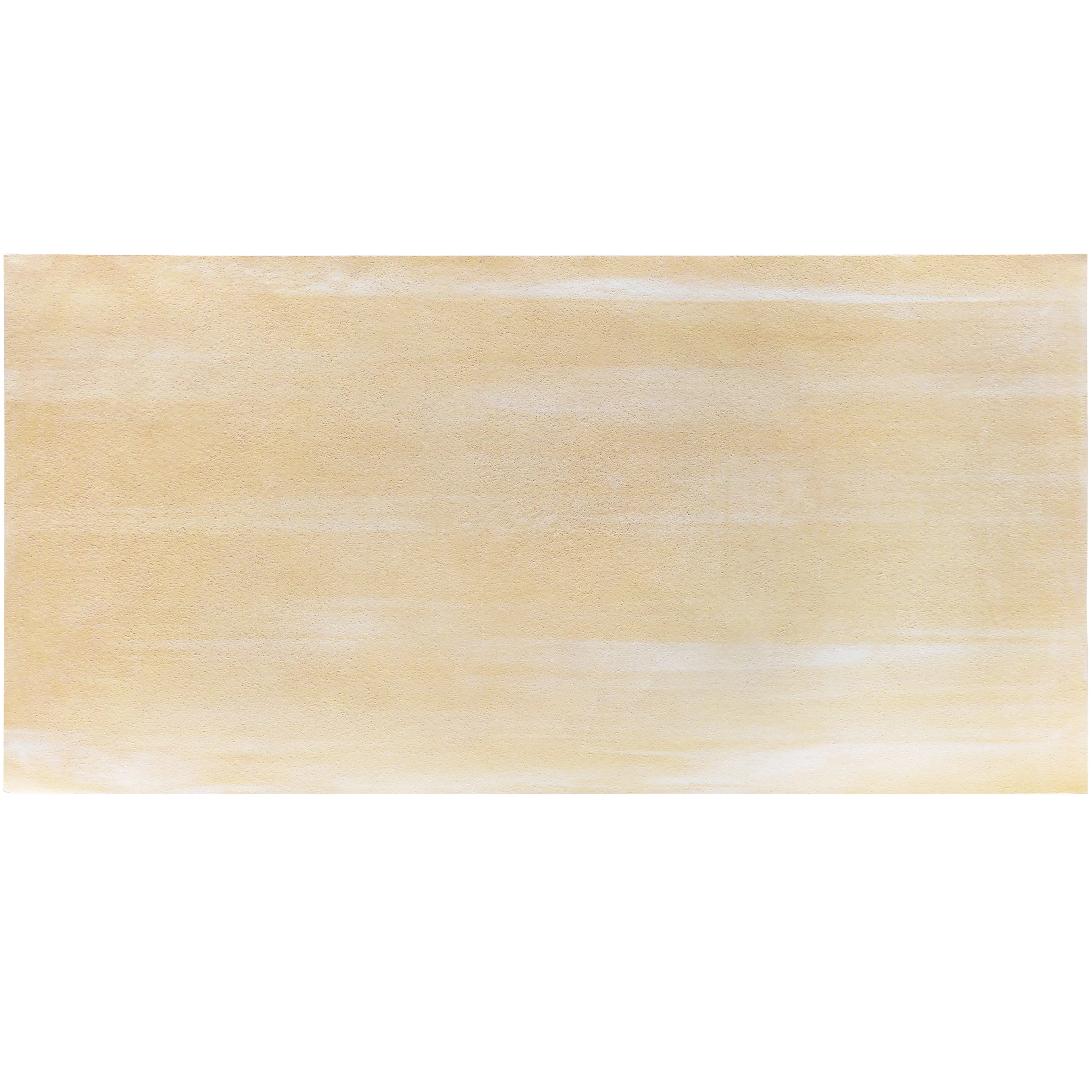
Sandstone Cloude is a flexible stone cladding panel made by Coloria Group in Foshan, China. It belongs to the family of MCM (Modified Clay Materials) cladding, which takes the appearance and texture of natural sandstone and reproduces it in a thin, bendable panel. Instead of being a heavy stone tile that has to be mortared and supported by a structural frame, Sandstone Cloude is light enough to be handled and installed much like a large flexible sheet, while still carrying the natural grain and surface of real sandstone. This basic difference in how the product is made has a direct effect on how it behaves when winter temperatures plunge.
Freeze-thaw damage is the classic enemy of stone in cold climates. During the day, snow or rain soaks into the pores and cracks of a stone facade. At night the temperature drops below freezing, and the trapped water expands by around nine percent as it turns to ice. This expansion pushes outward against the walls of the pores. Over a single winter this process repeats many times, and each cycle throws a little more internal pressure at the material until micro-cracks appear, widen, and eventually cause the surface to flake off or spall. Dense, low-porosity stones resist this better, but conventional sandstone cladding is often fastened with rigid anchors and grout that leave little room for movement, so thermal stress can be transferred straight into the stone.
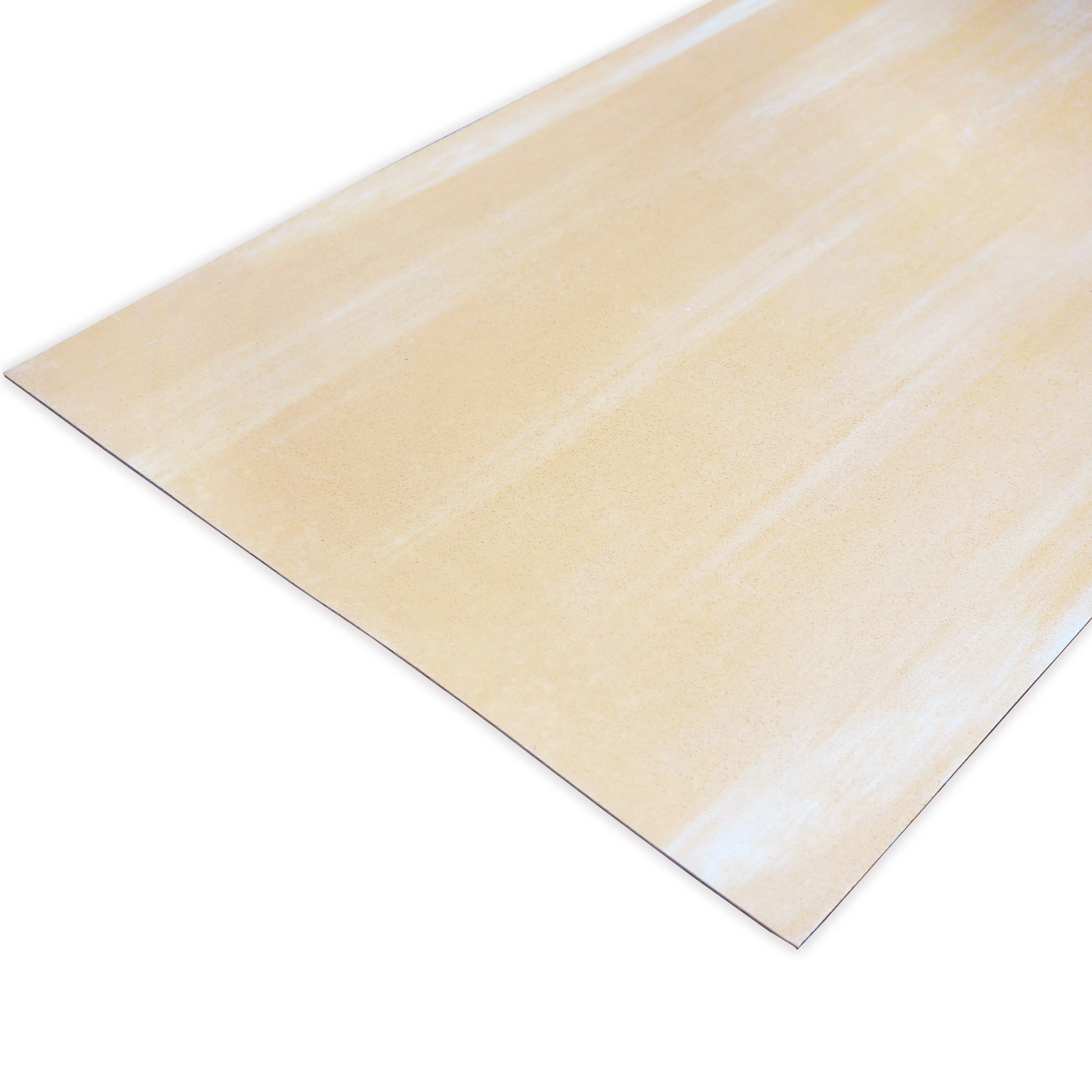
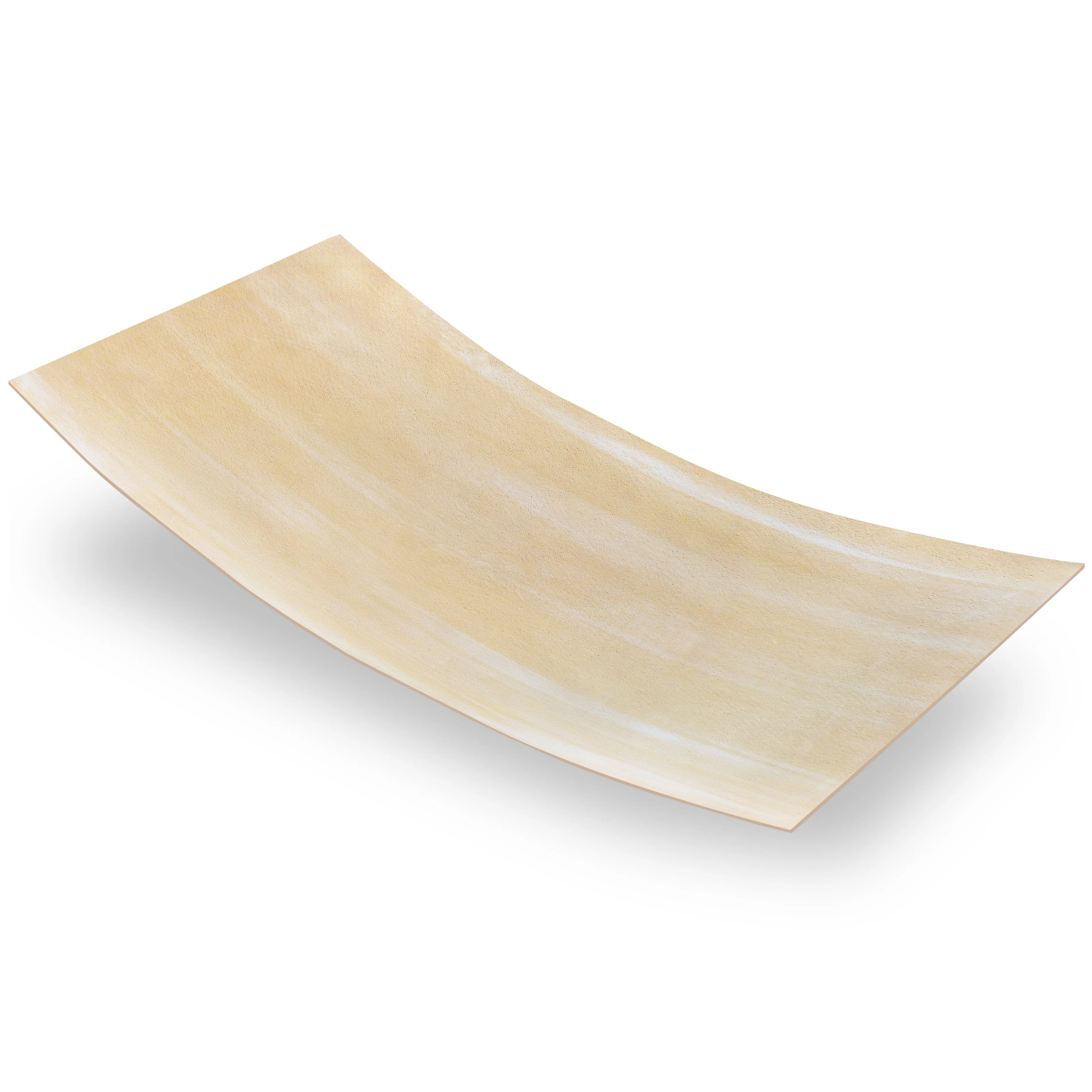
The main advantage of MCM flexible stone in cold weather comes from its construction. A rigid stone tile has to absorb thermal movement internally, which is why it cracks. A flexible panel, by contrast, is engineered to give slightly under stress. Because the material is thin and laminated onto an elastic core, it can expand and contract with temperature changes without concentrating the strain at a single weak point the way a thick slab does.
Its lightweight, low-bulk structure also changes the moisture story. Sections are installed as a ventilated rainscreen with a trapped-air space behind them, so water that does pass the panel face drains away and pressure can equalize behind the surface. Less standing water next to the stone means less water available to freeze. In practice this is why lightweight flexible stone panels are frequently chosen for projects in climates with severe winters, where the combination of repeated freezing and de-icing salt can be very hard on more rigid claddings.
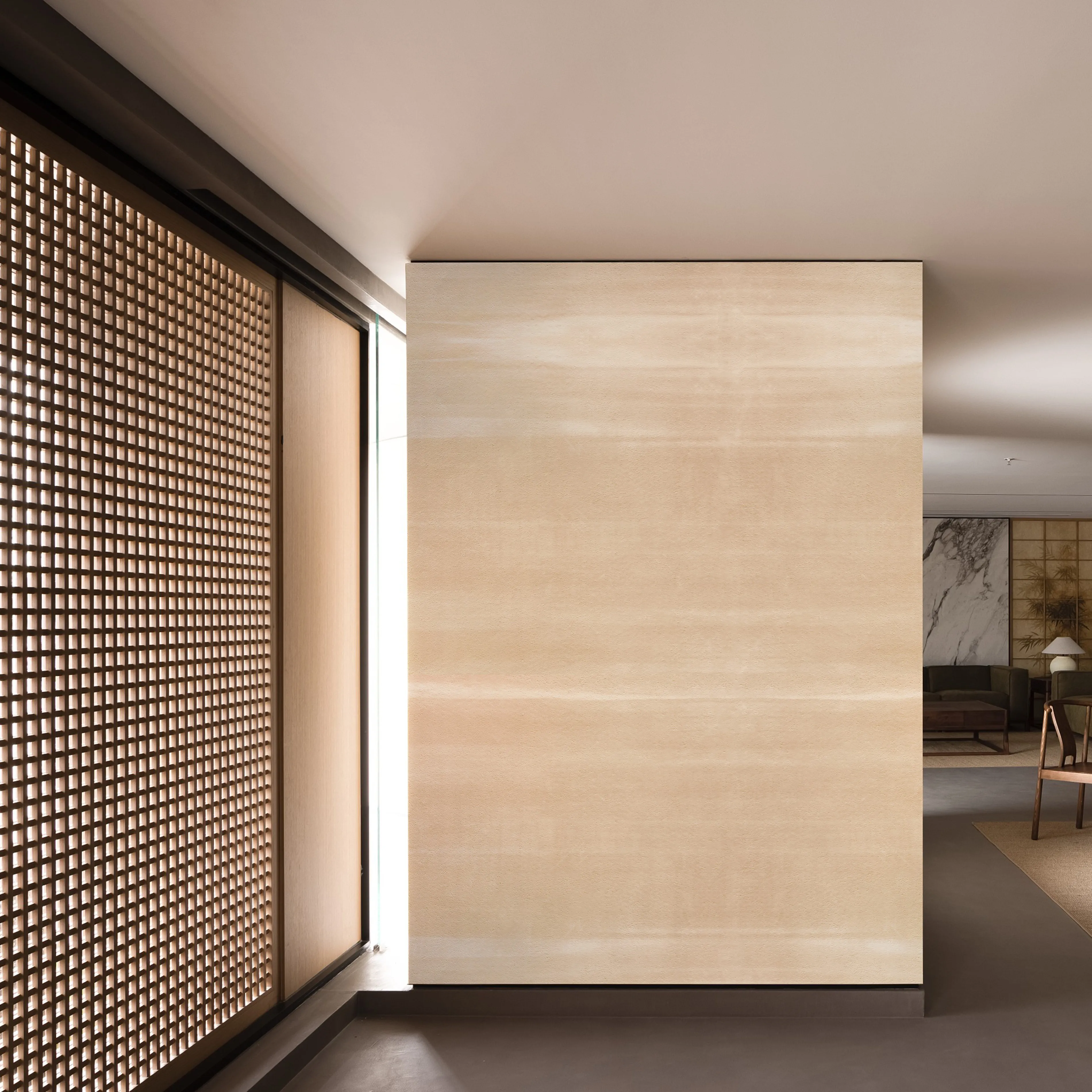
As with any cladding, performance in winter depends heavily on how the system is put together. For a Sandstone Cloude facade in a freezing region, the points that matter most are the ventilation gap and the sealing of the substrate. Keeping a clear drained cavity behind the panels allows moisture to escape instead of pooling against the back of the board. Detailing the base, the window reveals, and the top edges so water is directed outward limits the amount of moisture that ever reaches the material. Because the flexible panel moves slightly while a rigid tile cannot, it is also worth using jointing and corner profiles that leave a little room for that movement rather than locking everything in place.
Anyone planning a winter-season install should also confirm the adhesive and the substrate are suitable for cold curing temperatures, since bonding performance is affected by the weather on site just as it is for traditional stone. The material itself does not depend on being back-filled with heavy mortar, which keeps the system fast and clean to assemble, but attention to the surrounding detailing still decides how long the facade stays sound.
Sandstone Cloude is a credible choice for cold climates because it approaches the familiar problems of freeze-thaw and thermal movement differently from rigid stone. It keeps the natural sandstone look while giving installers a material that is lighter, easier to handle, and able to flex under temperature swings instead of cracking. The combination of a drainage-backed mounting system and sensible edge detailing gives it a sound basis for long service in regions with hard winters.
If you are evaluating sandstone cladding for a project in a cold region and would like samples, technical data, or guidance on the right mounting system, the team at Coloria Group can provide details for your specific climate and building structure.
Recommend Products












