
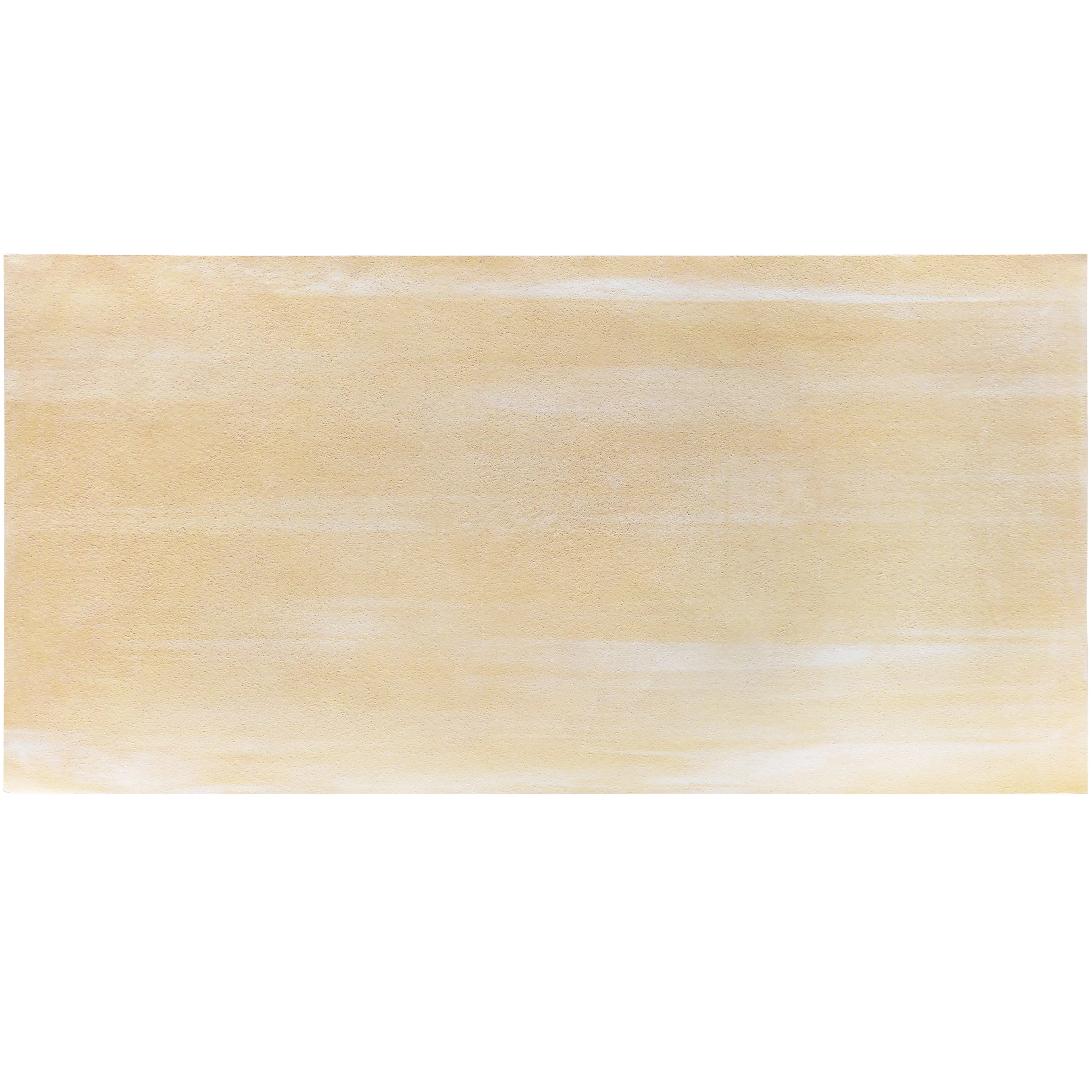
Step onto a construction site in 2025, and you'll feel it immediately—the air hums with a different energy. Gone are the days when buildings were just about bricks and mortar; today, every beam, every panel, every stone carries a question: What's its story? Green construction has evolved from a niche trend to a global imperative, driven by a planet crying out for balance and a generation refusing to settle for "good enough." But here's the catch: sustainability shouldn't mean stripping away beauty. We want buildings that breathe, that connect us to nature, that feel alive —without costing the Earth. Enter Sandstone Cloude, a material that's quietly rewriting the rulebook. Let's unpack why this unassuming stone is becoming a go-to for architects, builders, and dreamers who want to build better.
Picture this: a stone that looks like someone captured a piece of the sky at dawn, swirled with soft grays, warm beiges, and the occasional whisper of white—like clouds caught mid-drift. That's Sandstone Cloude. Quarried from select deposits where centuries of natural pressure have fused sand and minerals into a dense, yet surprisingly lightweight slab, it's not just a building material; it's a bridge between geology and design. What makes it special? Unlike rough-hewn traditional sandstone, Sandstone Cloude has a ( xìnì—, but I'll say "smooth, almost velvety") texture that feels gentle to the touch, yet it's tough enough to stand up to harsh weather, heavy foot traffic, and the test of time. It's the kind of material that makes you want to reach out and run your hand over a wall—something rare in the often cold world of construction.
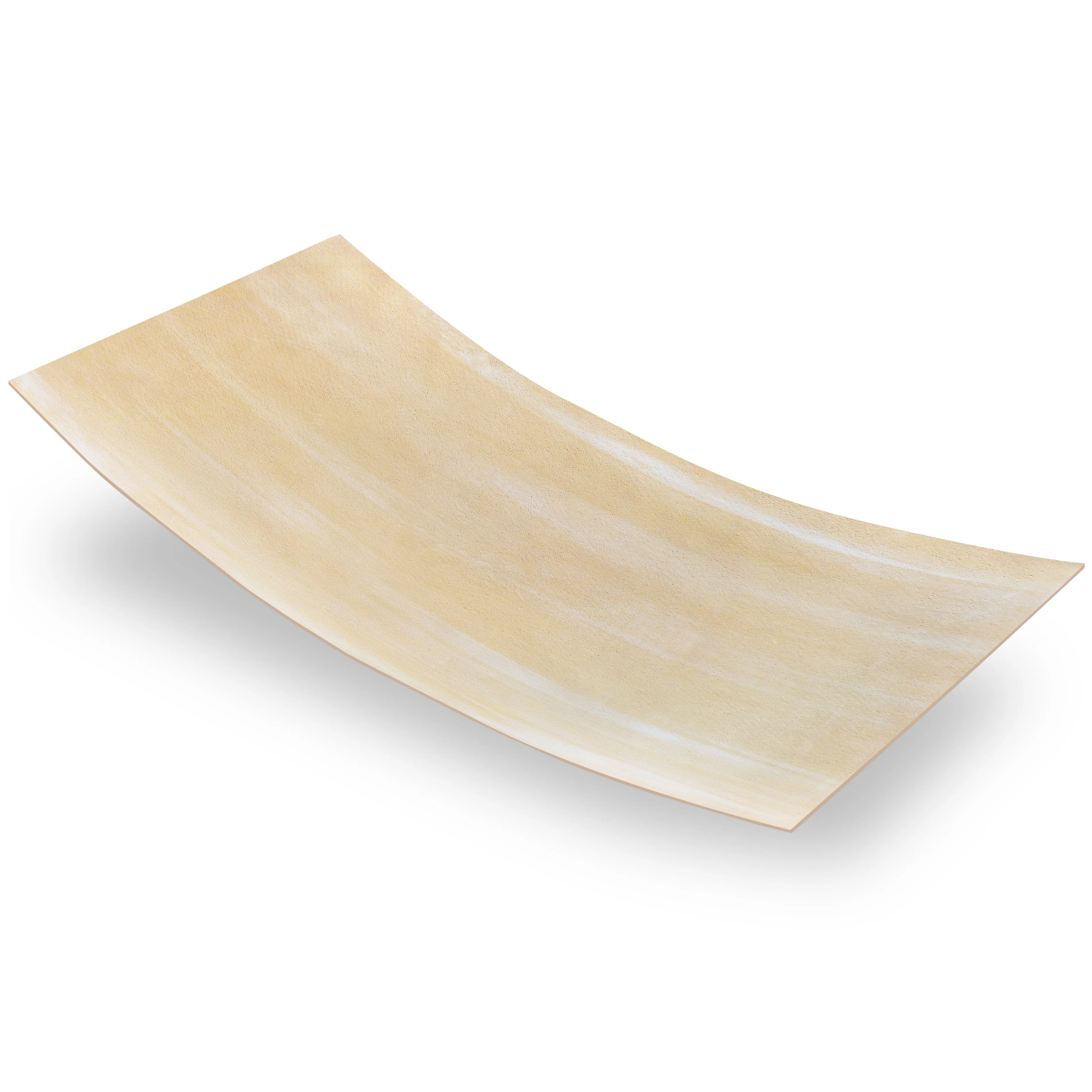
Let's get real: building green isn't easy. You're juggling carbon footprints, energy efficiency, durability, and let's not forget—how the space makes people feel . Too often, "sustainable" materials check the eco-box but fall flat on aesthetics, leaving buildings feeling sterile or utilitarian. Sandstone Cloude flips that script. It's a triple threat: kind to the planet, built to last, and stunning to behold. Let's break down its superpowers.
The journey of Sandstone Cloude begins underground, but not in the way you might think. Traditional quarrying can be brutal: bulldozers tearing up landscapes, toxic chemicals leaching into soil, massive carbon emissions from transporting heavy blocks. Sandstone Cloude's extraction is different. Miners work with the land, not against it—using precision cutting to minimize waste, replanting native vegetation around quarry sites, and even repurposing leftover stone dust as fertilizer for local farms. One quarry in Colorado, for example, has reduced its water usage by 60% compared to conventional sites by recycling rainwater and using low-pressure hoses. The result? A material with one of the lowest embodied carbon footprints in its class—about 30% less than standard marble and 20% less than even some "eco-friendly" concrete blends.
Ever wondered what happens to stone after it's quarried? Most materials undergo energy-guzzling processes: high-heat curing, chemical treatments, or endless polishing. Not Sandstone Cloude. Because its natural texture is already so striking, it requires minimal processing. A quick rinse to remove dust, a light sealant (made from plant-based resins, not harsh solvents), and it's ready to go. No kilns, no toxic dyes, no excessive electricity. In fact, some manufacturers use solar panels to power their cutting equipment, making the entire production cycle nearly carbon-neutral. It's a small detail, but when you multiply it across thousands of square feet of building material, the impact adds up—like choosing a bike over a car for your daily commute, but on a construction scale.
Here's a little-known secret about green construction: the right cladding or flooring can slash energy bills. Sandstone Cloude is a natural insulator. Its porous (but dense!) structure traps air, creating a barrier that slows heat transfer. In summer, that means less reliance on air conditioning to keep interiors cool; in winter, it holds onto warmth, reducing the need for heating. A study by the Green Building Council found that using Sandstone Cloude for exterior walls in a 2,500 sq ft home in Arizona reduced cooling costs by 18% annually. That's not just good for wallets—it's good for the grid, cutting down on fossil fuel use for electricity. And unlike synthetic insulators that degrade over time (and end up in landfills), Sandstone Cloude's insulating properties last decades. It's like having a permanent, eco-friendly blanket around your building.
Ever walked through an old neighborhood and marveled at a stone wall that's stood for 100 years? That's the power of durability—and Sandstone Cloude is built for that kind of legacy. It resists cracks, stains, and weathering, even in harsh climates. Rain, snow, UV rays, salt air—none of it phases this stone. That means fewer repairs, less replacement, and ultimately, less waste. Think about it: if a wall needs to be torn down and rebuilt every 15 years, that's tons of debris in landfills and new materials being mined. Sandstone Cloude? It's in it for the long haul. Architects estimate it can last 80–100 years with minimal maintenance. That's not just sustainable—that's responsible building. It's leaving a structure that future generations might look at and say, "They built this to last."
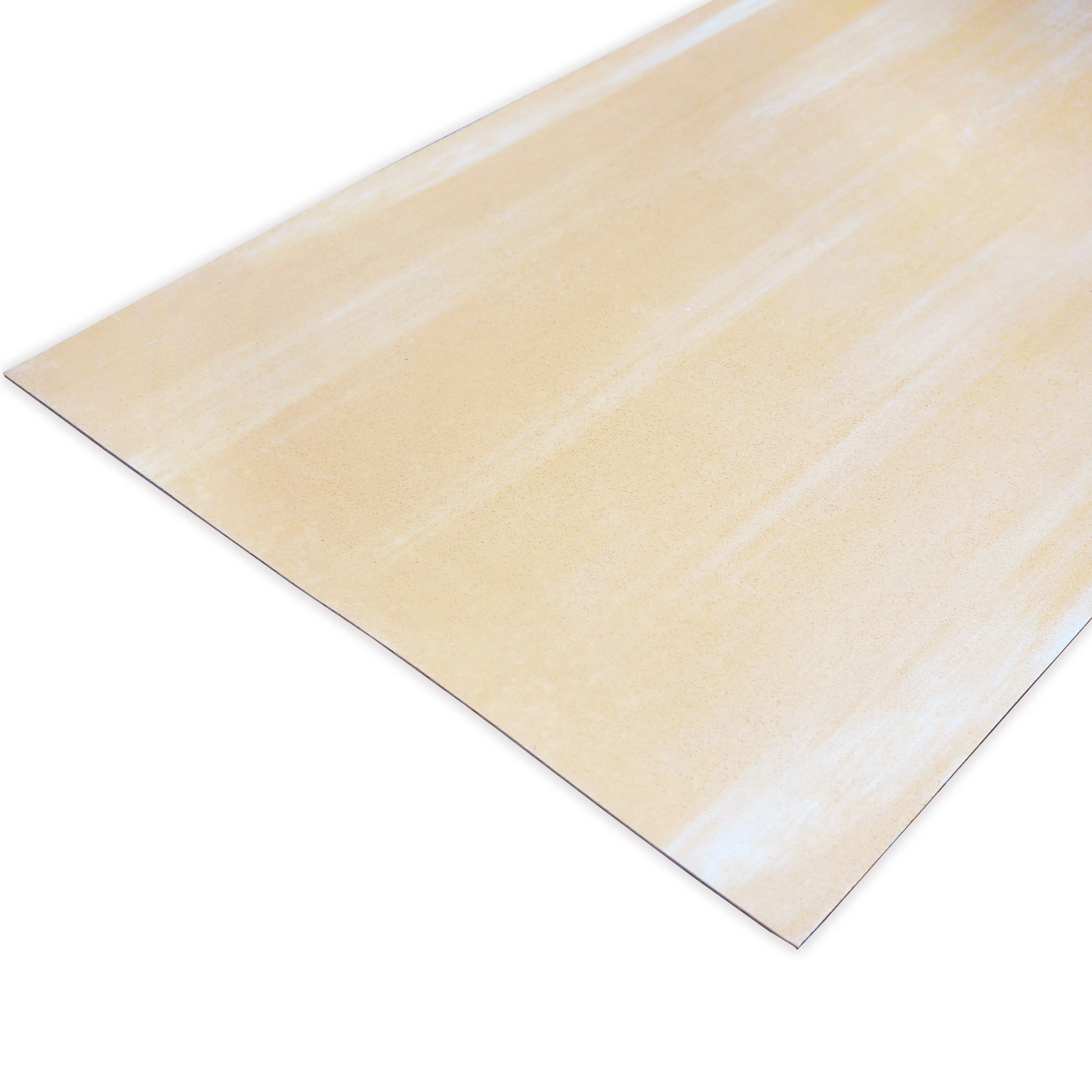
Of course, Sandstone Cloude isn't the only player in the green construction game. There's MCM flexible stone, with its lightweight versatility; fair-faced concrete, loved for its raw, industrial charm; and foamed aluminium alloy (vintage silver), a modern favorite for sleek, metallic finishes. So what makes Sandstone Cloude stand out? Let's put them side by side.
| Feature | Sandstone Cloude | MCM Flexible Stone | Fair-Faced Concrete | Foamed Aluminium Alloy (Vintage Silver) |
|---|---|---|---|---|
| Embodied Carbon (kg CO₂ per sq ft) | 8–10 | 12–15 | 15–18 | 18–22 |
| Expected Lifespan | 80–100 years | 30–40 years | 50–60 years | 40–50 years |
| Thermal Insulation (R-value per inch) | 1.2–1.5 | 0.8–1.0 | 0.7–0.9 | 0.5–0.7 |
| Aesthetic Versatility | High (natural patterns, warm tones) | Medium (textured, limited color range) | Medium (raw, industrial look) | Medium (sleek, metallic finish) |
| Installation Ease | Moderate (requires skilled stone masons) | High (lightweight, easy to cut) | Moderate (needs formwork) | High (lightweight, modular panels) |
See the pattern? Sandstone Cloude leads in embodied carbon, lifespan, and insulation—key metrics for green construction. MCM flexible stone and foamed aluminium alloy are easier to install, but they don't last as long. Fair-faced concrete is durable but lacks the natural warmth and insulation of Sandstone Cloude. It's not that these other materials aren't good—they have their place. But when you want to maximize sustainability and beauty, Sandstone Cloude pulls ahead. It's the material that doesn't make you choose between "eco" and "elegant."
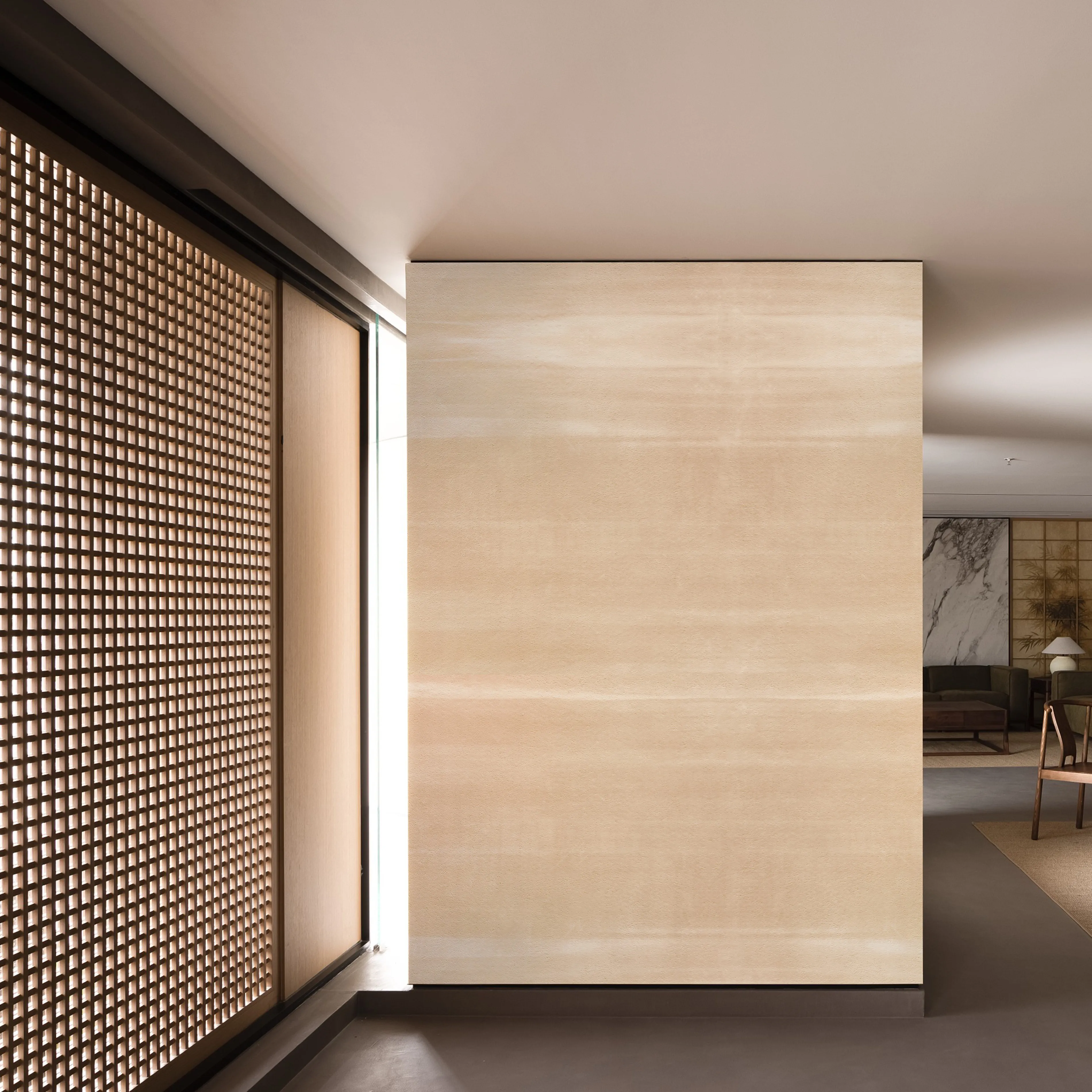
Numbers and specs are great, but let's talk about real-world magic. Sandstone Cloude isn't just a concept—it's transforming spaces. Take the Riverbank Community Center in Portland, Oregon. Designed to be a hub for local events, the center needed to be inviting, energy-efficient, and blend with the surrounding park. Architects chose Sandstone Cloude for the exterior walls and interior lobby floors. The result? A building that feels like it's grown out of the earth, with warm stone walls that glow in the afternoon sun. Inside, kids run barefoot on the cool, smooth floors in summer, while families huddle close in winter, the stone retaining heat from the day. And the energy bills? 22% lower than similar-sized centers in the area, thanks in part to the stone's insulating properties. "It's more than a building," says the center's director. "It's a space that makes people want to stay—and that's priceless."
Then there's the Skyline Residence in Boulder, Colorado—a modern home with panoramic mountain views. The owner, an environmental engineer, wanted a home that was net-zero energy and visually stunning. Sandstone Cloude was used for the fireplace surround, outdoor patio, and accent walls. "I didn't want to compromise on beauty for sustainability," she says. "With Sandstone Cloude, I didn't have to. The stone connects the inside to the mountains outside, and knowing it was quarried responsibly? That peace of mind is part of the home's value."
Green construction isn't about perfection—it's about progress. It's about choosing materials that honor the planet, serve the people who use the space, and stand the test of time. Sandstone Cloude does all three. It's a reminder that sustainability and beauty aren't enemies—they're partners. When we build with materials like this, we're not just creating buildings; we're creating legacies. Legacies of care—for the Earth, for the communities who inhabit these spaces, and for the generations who will follow.
So the next time you pass a building with a stone wall that makes you pause, take a closer look. Maybe it's Sandstone Cloude. And if it is, know that behind that beauty is a story of intention—a choice to build better, not just bigger. Because in the end, the best buildings aren't just made of stone. They're made of heart.
Recommend Products












