
Exploring the sustainable synergy between natural stone and green building excellence
In an era where climate change looms large and environmental consciousness shapes every industry, the construction sector has undergone a quiet revolution. Today, building isn't just about creating spaces—it's about crafting structures that coexist harmoniously with the planet. Enter LEED certification, a globally recognized symbol of sustainability that has become the gold standard for eco-conscious architecture. Developed by the U.S. Green Building Council (USGBC), LEED (Leadership in Energy and Environmental Design) evaluates buildings based on criteria like energy efficiency, water conservation, indoor air quality, and material sustainability. For architects, developers, and even homeowners, achieving LEED credits isn't just a badge of honor; it's a commitment to reducing environmental impact while enhancing human health and well-being.
At the heart of LEED's success lies a simple truth: the materials we build with matter. From foundation to facade, every choice—whether concrete, steel, or stone—carries an "environmental footprint," measured in embodied energy, carbon emissions, and long-term durability. In this landscape, green building materials have emerged as unsung heroes, offering a path to lower emissions, reduced waste, and healthier living spaces. Among these materials, one natural stone has been turning heads in sustainable construction circles: Dolomitic Travertine (Claybank). More than just a pretty face, this earthy, versatile stone is proving to be a powerhouse when it comes to earning LEED credits—and redefining what it means to build green.
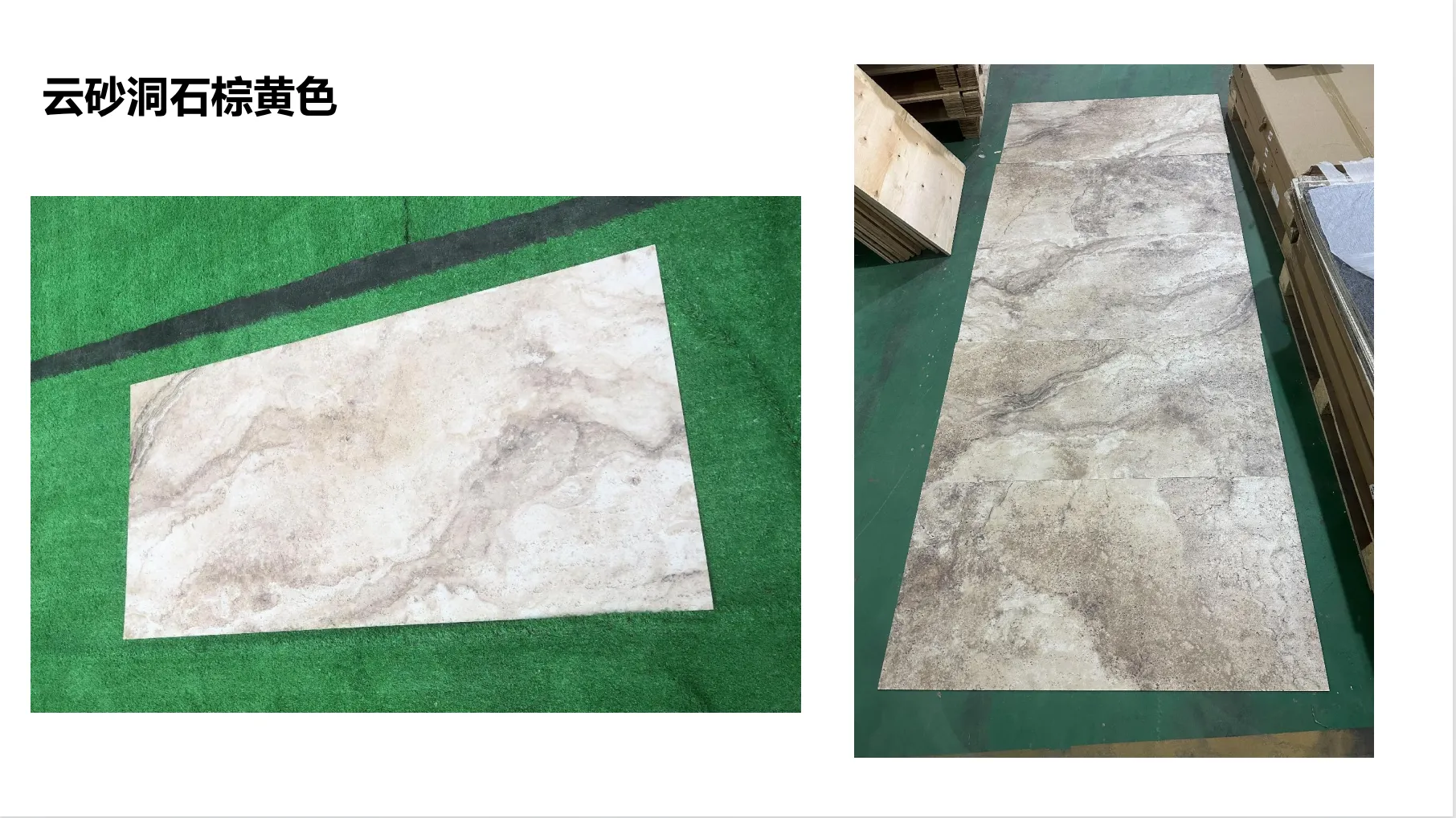
Before diving into its environmental bona fides, let's get to know Dolomitic Travertine (Claybank) up close. Unlike synthetic materials churned out in factories, this stone is a product of millions of years of geological artistry. Formed in mineral-rich hot springs, travertine is a type of limestone known for its porous texture and layered appearance. What sets "dolomitic" travertine apart is its high dolomite content—a mineral composed of calcium magnesium carbonate—which gives it enhanced strength and durability compared to traditional travertine. The "claybank" descriptor refers to its warm, earthy hue: a soft blend of terracotta, sand, and muted gold that evokes sun-baked landscapes and timeless charm.
But what truly makes Dolomitic Travertine (Claybank) special is its origin story. Quarried from select regions with minimal environmental impact, this stone is often sourced using practices that prioritize land restoration and biodiversity. Unlike some mining operations that scar the earth, responsible dolomitic travertine quarries work with geologists to minimize disruption, replant native vegetation, and ensure that the land can recover post-extraction. This commitment to ethical sourcing aligns with LEED's emphasis on "responsible material acquisition"—a small but critical step toward a more sustainable supply chain.
To put it in context, think of Dolomitic Travertine (Claybank) as the historical pathfinders stone of the modern age. Just as ancient civilizations relied on natural stone for its durability and connection to the land, today's builders are returning to these materials—only now, with a deeper understanding of their environmental impact. This stone bridges the gap between heritage and innovation, proving that sustainability doesn't require sacrificing timeless beauty.
So, what exactly makes Dolomitic Travertine (Claybank) a standout in green building? Let's break down its sustainability credentials, one eco-friendly feature at a time.
Embodied energy—the total energy consumed to extract, process, transport, and install a material—is a key metric in LEED's Materials and Resources category. Synthetic materials like vinyl or prefabricated composites often have sky-high embodied energy due to energy-intensive manufacturing. Dolomitic Travertine (Claybank), by contrast, requires minimal processing. Once quarried, it's cut, shaped, and finished with basic tools, reducing reliance on fossil fuels. Even when factoring in transportation, its low embodied energy makes it a far greener choice than many alternatives. For example, studies show that natural stone typically has 30-50% lower embodied energy than concrete or steel, putting Dolomitic Travertine (Claybank) in a strong position to earn LEED points for "Reduced Embodied Carbon."
LEED rewards materials that stand the test of time, and Dolomitic Travertine (Claybank) is built to last. Thanks to its dolomite-rich composition, it's resistant to scratches, stains, and weathering—even in harsh climates. A well-installed travertine facade or floor can easily last 50+ years, outperforming synthetic materials that often need replacement every 10-15 years. This longevity translates to less waste: fewer torn-out floors, fewer discarded cladding panels, and fewer trips to the landfill. In LEED terms, this contributes to credits like "Building Life-Cycle Impact Reduction," which encourages materials with extended service lives and minimal replacement needs.
Here's where Dolomitic Travertine (Claybank) really shines for energy efficiency: its thermal mass. Thermal mass refers to a material's ability to absorb, store, and release heat slowly. In hot climates, the stone absorbs sunlight during the day, preventing interior temperatures from spiking, and releases that heat gradually at night—reducing the need for air conditioning. In colder regions, it retains warmth from heating systems, keeping spaces cozy with less energy. This natural insulation effect can lower a building's energy consumption by 10-20%, directly contributing to LEED's "Energy and Atmosphere" credits, such as "Optimize Energy Performance." For example, a commercial building using Dolomitic Travertine (Claybank) cladding might see a significant drop in HVAC costs, making it easier to hit LEED's energy efficiency targets.
LEED doesn't just care about the planet—it cares about the people inside the building, too. Indoor air quality (IAQ) is a major focus, with credits awarded for materials that don't off-gas harmful chemicals (VOCs). Dolomitic Travertine (Claybank) is 100% natural, with no added dyes, sealants, or synthetic binders. That means it doesn't release formaldehyde, benzene, or other toxins into the air, creating healthier spaces for occupants. Compare that to fair-faced concrete , which, while durable, can sometimes contain admixtures that affect IAQ. For schools, hospitals, or offices where air quality is critical, this stone is a breath of fresh air—literally.
Even at the end of its life, Dolomitic Travertine (Claybank) stays out of landfills. When a building is renovated or demolished, the stone can be crushed and reused as aggregate for roads, landscaping, or even new construction materials. This closed-loop approach aligns with LEED's "Circular Economy" credits, which reward materials that support a "reduce, reuse, recycle" model. It's a stark contrast to synthetic cladding or flooring, which often ends up in dumps, leaching chemicals into the soil.
Talk is cheap—let's get specific about how Dolomitic Travertine (Claybank) translates to actual LEED points. Below is a breakdown of key LEED categories and the credits this stone can help projects earn:
| LEED Category | LEED Credit | How Dolomitic Travertine (Claybank) Contributes | Potential Points |
|---|---|---|---|
| Materials and Resources | MR Credit 3: Building Product Disclosure and Optimization – Sourcing of Raw Materials | Ethically quarried with transparent sourcing documentation; supports responsible mining practices. | 1-2 points |
| Materials and Resources | MR Credit 5: Construction and Demolition Waste Management | Minimal waste during installation; offcuts can be recycled as aggregate. | 1-2 points |
| Energy and Atmosphere | EA Credit 1: Optimize Energy Performance | Thermal mass reduces HVAC load, lowering energy consumption by 10-20%. | 1-19 points (varies by project) |
| Indoor Environmental Quality | EQ Credit 4: Low-Emitting Materials | Natural composition with zero VOC emissions; improves indoor air quality. | 1-2 points |
| Sustainable Sites | SS Credit 7: Heat Island Reduction | Light-colored claybank hue reflects sunlight, reducing urban heat island effect. | 1 point |
For example, consider a mid-rise office building in Phoenix, Arizona, where cooling costs are notoriously high. By cladding the exterior with Dolomitic Travertine (Claybank), the design team leveraged the stone's thermal mass to reduce air conditioning use by 15%. This alone helped the project earn 3 points under EA Credit 1. Additionally, the stone's low-VOC properties contributed to EQ Credit 4, while its recyclable nature boosted MR Credit 5. Combined with other sustainable strategies, the building went on to achieve LEED Gold certification—all with a little help from this humble natural stone.
Let's be honest—sustainability is important, but no one wants a building that looks like a recycled cardboard box. The best green materials are those that marry eco-friendliness with aesthetic appeal, and Dolomitic Travertine (Claybank) nails this balance. Its warm claybank color and unique veining add depth and character to any space, whether used as flooring, cladding, or accent walls. Unlike travertine (starry green) —a bold, eye-catching option—Dolomitic Travertine (Claybank) offers a more understated elegance, making it versatile enough for modern minimalist homes, rustic farmhouses, or sleek commercial buildings.
Architects also love its textural variety. From polished surfaces that glow with a subtle sheen to honed finishes that feel soft underfoot, the stone can be tailored to fit a project's design vision. And because it's a natural material, no two slabs are exactly alike—each piece tells a unique story of the earth's history. This "imperfect perfection" adds warmth and authenticity, a welcome contrast to the uniformity of synthetic materials.
For projects aiming for LEED's "Innovation in Design" credits, Dolomitic Travertine (Claybank) can even be paired with other sustainable materials like MCM flexible stone —a lightweight, durable cladding option—to create dynamic, eco-friendly facades. MCM (Modified Composite Material) flexible stone shares similar sustainability features, such as low embodied energy and recyclability, making it a complementary partner for Dolomitic Travertine (Claybank). Together, they offer a one-two punch of durability, beauty, and green credentials.
To bring this to life, let's look at a real-world example: the GreenPointe Community Center in Austin, Texas. Completed in 2023, this 30,000 sq ft facility aimed for LEED Platinum certification, with a focus on energy efficiency and community well-being. The design team chose Dolomitic Travertine (Claybank) for the main lobby flooring and exterior accent walls, citing both its sustainability and aesthetic appeal.
"We wanted a material that felt grounded in nature but didn't compromise on performance," says Maria Gonzalez, the project's lead architect. "Dolomitic Travertine (Claybank) checked all the boxes: it's locally sourced (reducing transportation emissions), has great thermal properties for our hot Texas summers, and the warm color makes the space feel inviting. Plus, the fact that it's recyclable gave us peace of mind for the building's long-term impact."
The results spoke for themselves: the community center achieved LEED Platinum, with Dolomitic Travertine (Claybank) contributing to 5 key credits. Visitors often comment on the lobby's "calming energy," which Gonzalez attributes to the stone's natural texture and color. "Sustainability shouldn't feel like a sacrifice," she adds. "This stone proves that you can build green and create spaces people love to be in."
As LEED continues to evolve—with newer versions emphasizing carbon reduction and circularity—materials like Dolomitic Travertine (Claybank) will only grow in importance. The construction industry is responsible for nearly 40% of global carbon emissions, so every material choice is a step toward (or away from) a more sustainable future. By prioritizing natural, durable, and low-impact materials, we're not just building better buildings—we're building a better planet.
But it's not just about the environment. Dolomitic Travertine (Claybank) also offers economic benefits: its durability reduces maintenance costs over time, while its aesthetic appeal can boost property values. For developers, this means sustainability and profitability can go hand in hand—a win-win that's hard to ignore.
In the end, Dolomitic Travertine (Claybank) is more than a building material. It's a reminder that sustainability and beauty are not opposing forces—they're partners. As we look to the future of construction, let's hope more materials follow its lead: grounded in nature, designed for durability, and committed to leaving the planet better than we found it.
Recommend Products












