
A closer look at why this innovative material is becoming a staple in sustainable construction
In an era where climate change looms large and energy costs continue to rise, the construction industry is undergoing a quiet revolution. Green buildings—structures designed to minimize environmental impact while maximizing efficiency—are no longer a niche trend but a global imperative. At the heart of this movement lies a critical question: what materials can truly deliver on the promise of energy efficiency without sacrificing durability or design? Enter Fine Line Stone (White), a standout product in the MCM flexible stone series that's capturing the attention of architects, builders, and sustainability advocates alike. Let's dive into how this unassuming material is redefining what it means to build green.
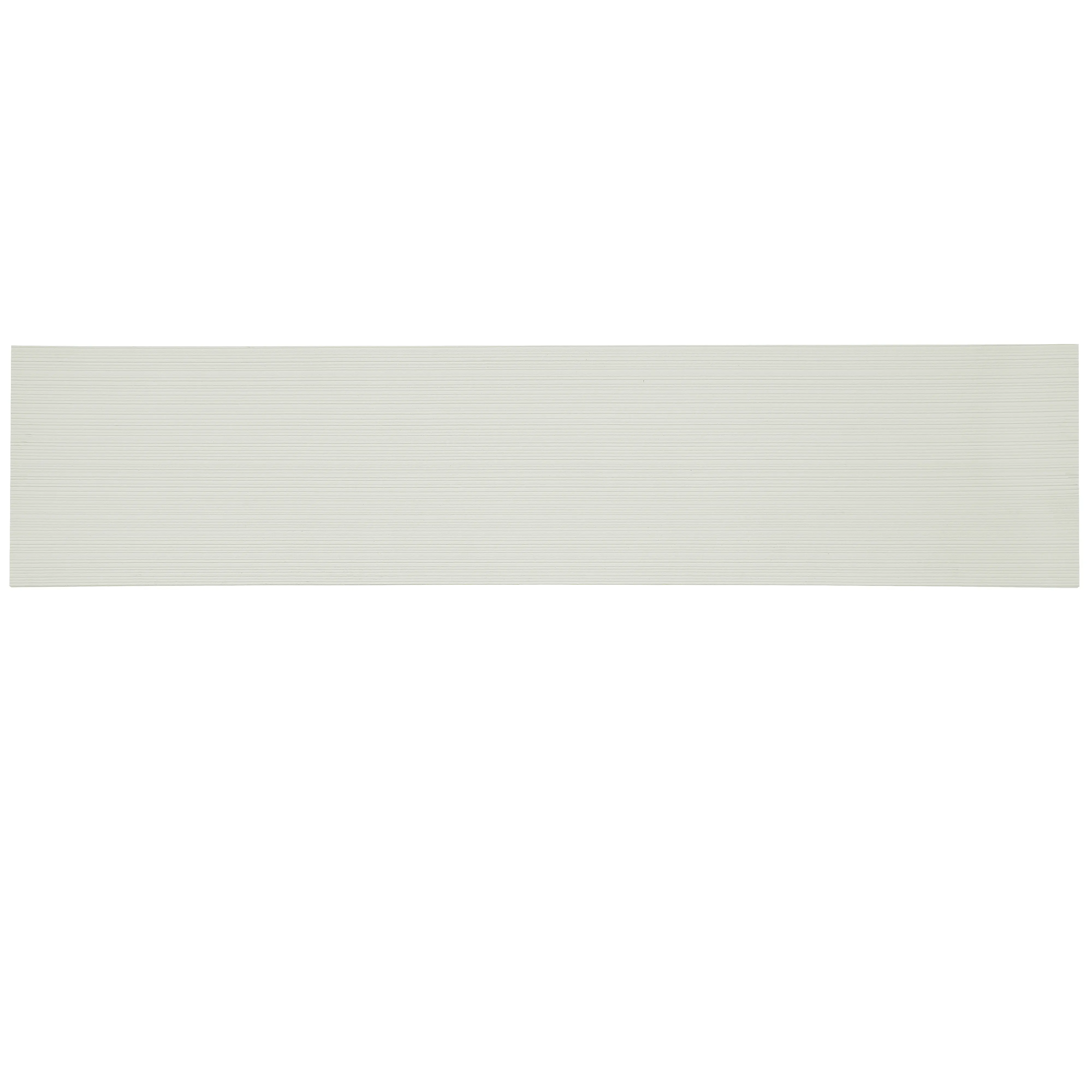
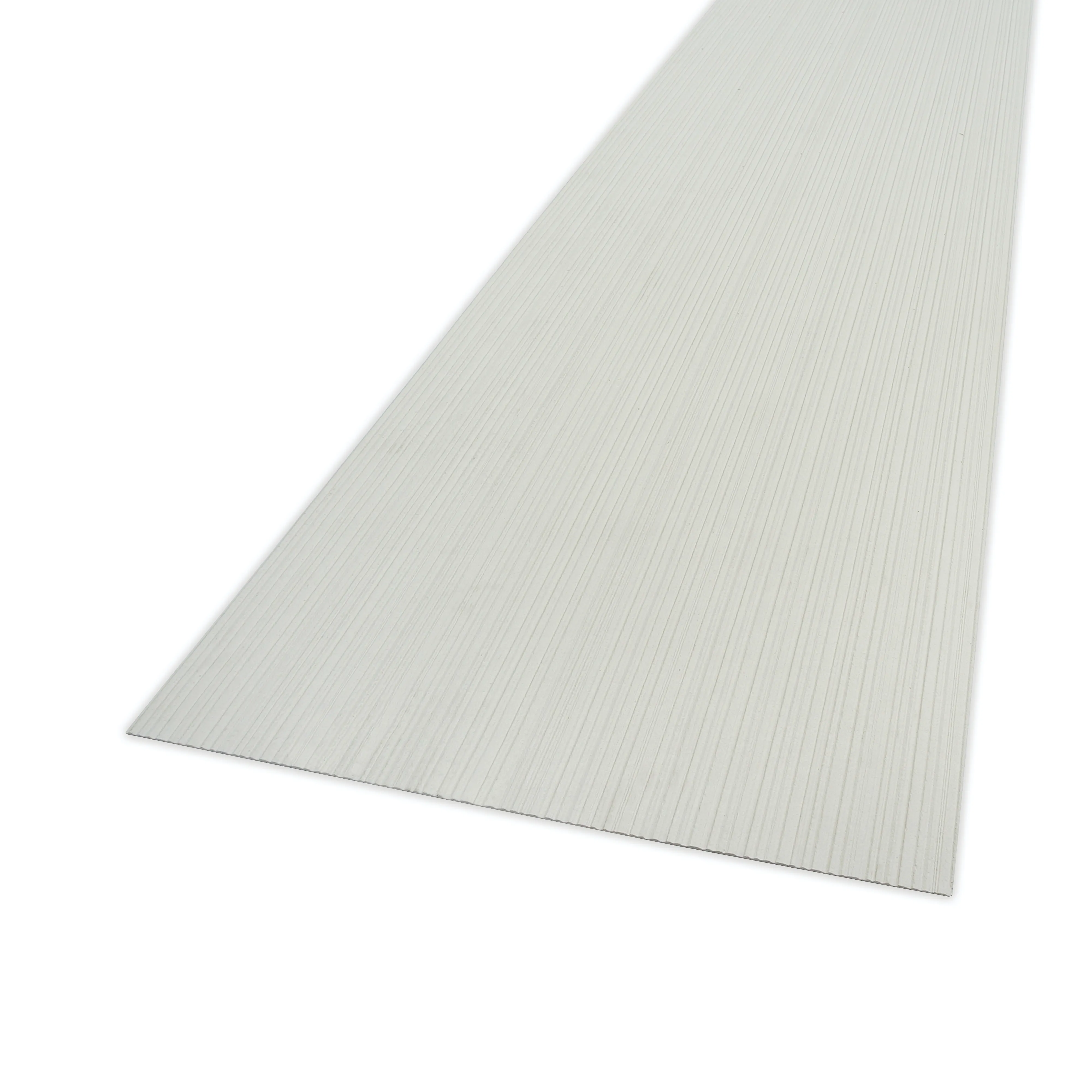
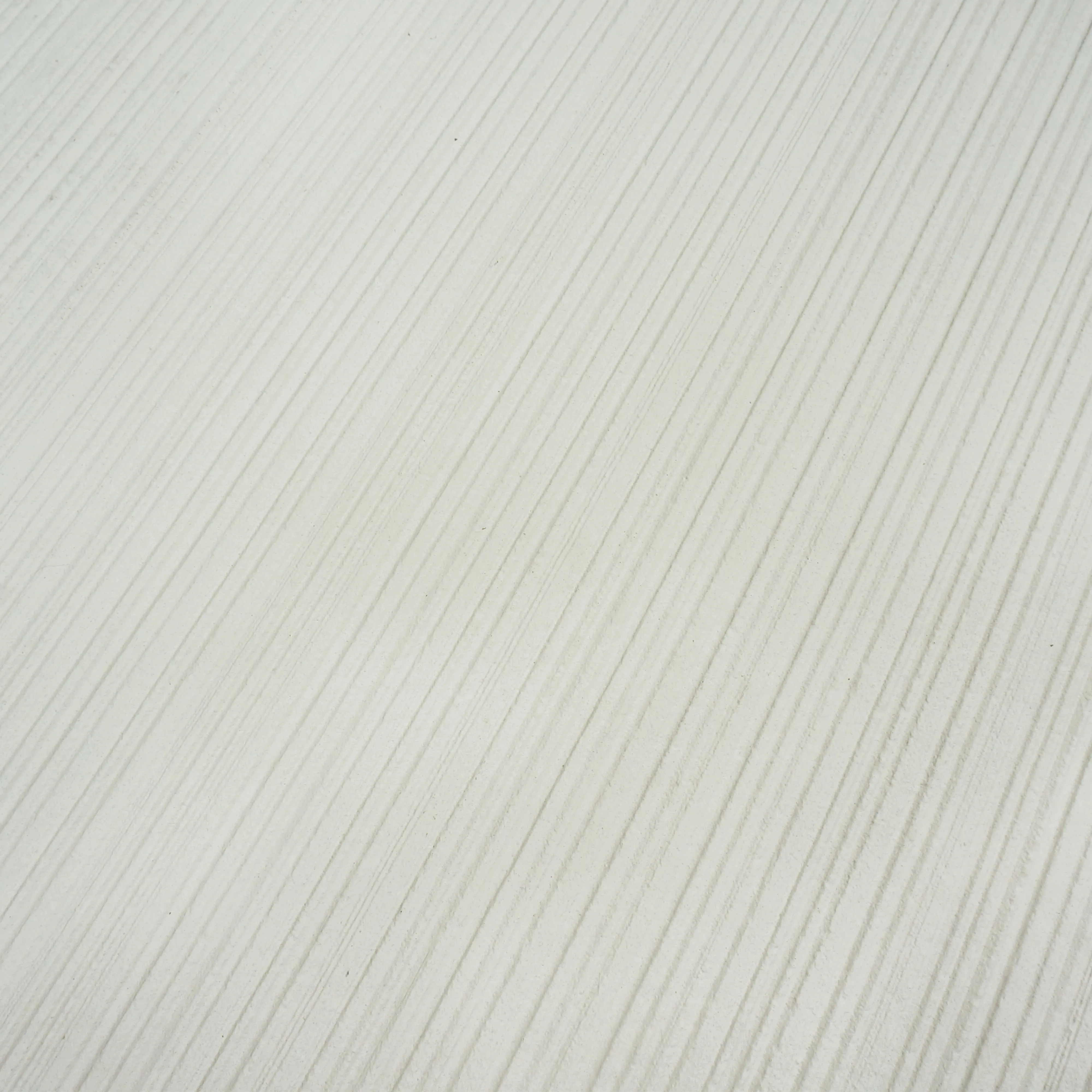
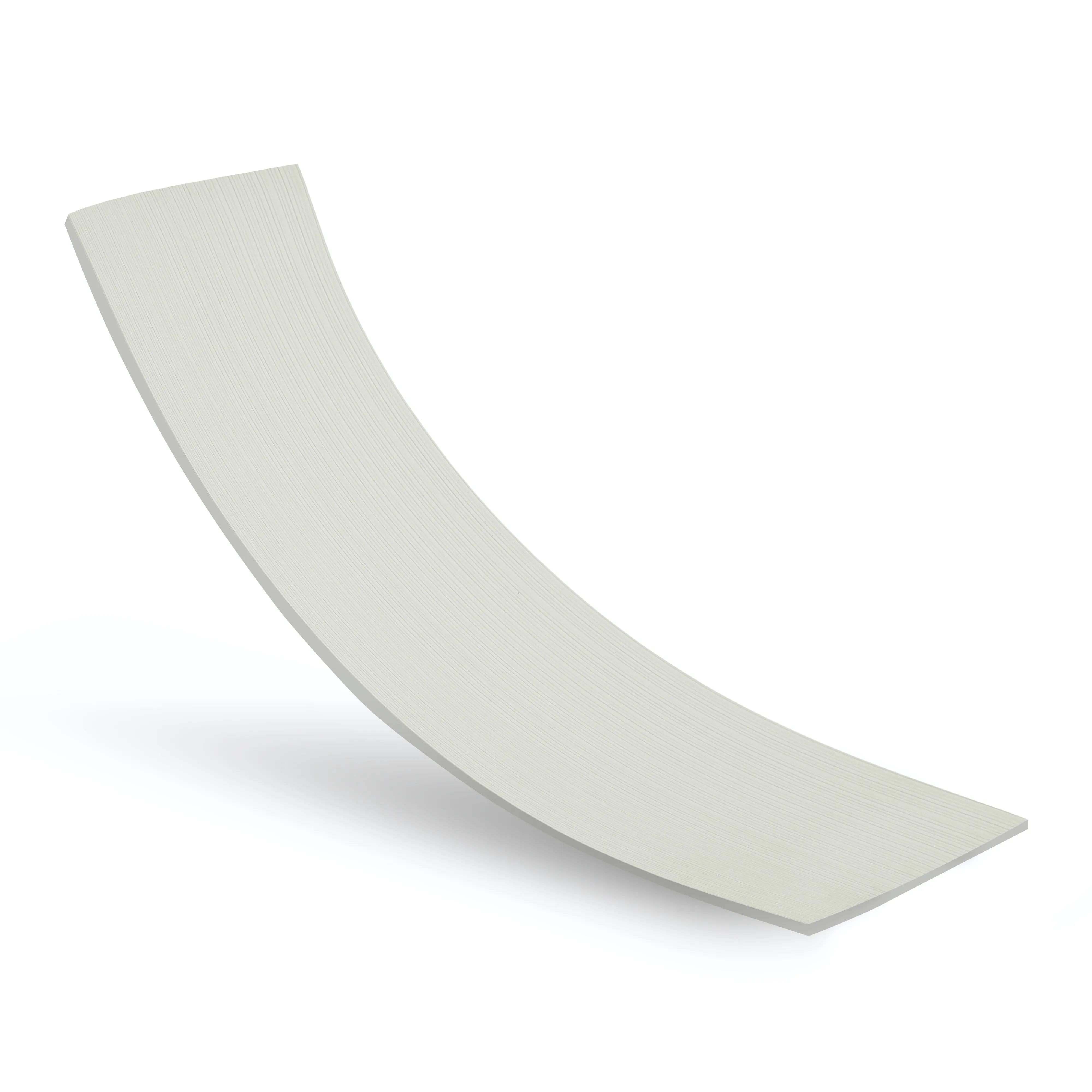
Before we explore its energy-saving superpowers, let's get to know Fine Line Stone (White) better. Part of the broader MCM flexible stone family—a collection of lightweight, durable cladding materials—this variant stands out for its striking aesthetic: a clean, crisp white base intersected by delicate, fine gray lines that mimic the look of natural stone. But its beauty is more than skin deep. Unlike traditional stone cladding, which can be heavy and brittle, Fine Line Stone (White) is engineered using a blend of natural stone aggregates, high-performance polymers, and reinforcing fibers. This unique composition gives it two key advantages: flexibility (it can bend slightly without cracking) and lightness (up to 70% lighter than solid stone), making installation faster and more cost-effective.
"We first encountered Fine Line Stone (White) while working on a net-zero office building in Portland," says Maria Gonzalez, a senior architect at GreenSpaces Design. "What sold us wasn't just its modern, minimalist look—it was how it checked every box for sustainability. It's made with recycled stone dust from quarry waste, and the production process uses 30% less water than traditional stone cutting. For clients who want both style and substance, that's a game-changer."
Energy efficiency in buildings boils down to one core goal: reducing the need for artificial heating and cooling. Materials play a starring role here, and Fine Line Stone (White) excels in three key areas: thermal regulation, solar reflectivity, and long-term durability.
Thermal mass refers to a material's ability to absorb, store, and release heat over time. Think of it as a "thermal battery" for your building. Fine Line Stone (White) has a high thermal mass, which means it soaks up heat during the day (when temperatures rise) and slowly releases it at night (when temperatures drop). This natural cycle helps stabilize indoor temperatures, reducing the load on HVAC systems. In hot climates, this translates to less air conditioning use; in cooler regions, it means fewer heating cycles. For example, a study by the Green Building Institute found that buildings clad in materials with high thermal mass like Fine Line Stone (White) can reduce peak heating and cooling demands by up to 20% compared to those using lightweight, low-mass materials.
Color matters when it comes to energy efficiency, especially for exterior cladding. Dark-colored materials absorb sunlight, turning buildings into giant heat sinks that require constant cooling. Fine Line Stone (White), with its bright white surface, does the opposite: it reflects a significant portion of the sun's rays. The Solar Reflectance Index (SRI), a scale that measures how well a material reflects solar heat, rates Fine Line Stone (White) at 85—far higher than dark stone (around 30) or even standard fair-faced concrete (which averages 50). This high reflectivity not only lowers cooling costs but also reduces the urban heat island effect, a phenomenon where cities are several degrees warmer than surrounding rural areas due to heat-absorbing infrastructure.
"We installed Fine Line Stone (White) on a school in Phoenix, where summer temperatures regularly hit 110°F," recalls James Chen, a project manager at Sustainable Builders Co. "Before the renovation, the classrooms on the west side were so hot that teachers had to keep the AC cranked to 68°F just to keep students comfortable. After cladding the exterior with Fine Line Stone, we saw a 28% drop in cooling costs. The kids even commented that the rooms felt 'less stuffy'—a small detail that made a big difference in their learning environment."
Energy efficiency isn't just about daily operations—it's also about longevity. A material that needs frequent replacement requires energy to manufacture, transport, and install new products, negating any short-term efficiency gains. Fine Line Stone (White) is built to last. Its polymer reinforcement resists cracking, fading, and water damage, with a projected lifespan of 50+ years—double that of some vinyl sidings or even traditional stucco. This durability means fewer repairs, less waste, and a lower carbon footprint over the building's lifetime. It's a point that resonates with developers focused on long-term sustainability, like Raj Patel, who used Fine Line Stone (White) for a 50-unit apartment complex in Austin. "We didn't just want to meet LEED certification—we wanted to build something that would still be efficient in 2050," he says. "Knowing the cladding won't need to be replaced for decades was a huge factor in our decision."
To truly appreciate Fine Line Stone (White)'s impact, it helps to see how it compares to other popular green building materials. Below is a side-by-side look at key metrics:
| Material | Thermal Conductivity (W/m·K)* | Solar Reflectance Index (SRI) | Estimated Lifespan (Years) | Recycled Content |
|---|---|---|---|---|
| Fine Line Stone (White) | 0.35 | 85 | 50+ | 30% |
| Fair-Faced Concrete | 1.5 | 50 | 40 | 15% |
| Rammed Earth Board (Beige) | 0.7 | 65 | 60 | 5% |
| Standard Dark Stone Cladding | 2.0 | 30 | 45 | 0% |
*Lower thermal conductivity = better insulation
The table tells a clear story: Fine Line Stone (White) outperforms many traditional and even green materials in key areas. Its low thermal conductivity means better insulation, its high SRI keeps buildings cooler, and its recycled content aligns with circular economy goals. While rammed earth board has a longer lifespan, its lower reflectivity makes it less ideal for hot climates—a reminder that the "best" material often depends on context. For most mixed or warm climates, though, Fine Line Stone (White) offers a rare balance of efficiency, durability, and sustainability.
Energy efficiency metrics are important, but at the end of the day, buildings are for people. Fine Line Stone (White) doesn't just save energy—it improves the quality of life for those inside. Take the case of the Riverview Senior Living Community in Denver. When the facility was renovated with Fine Line Stone (White) cladding, residents reported more consistent indoor temperatures, with fewer cold drafts in winter and less stuffiness in summer. "My apartment used to feel like a sauna in July," says 78-year-old resident Clara Martinez. "Now, even on hot days, I can keep the windows open and the AC off. It's quieter, too—no more loud fans running all the time."
From an environmental standpoint, the benefits extend beyond lower energy use. The MCM flexible stone series, including Fine Line Stone (White), is manufactured in a zero-waste facility that runs on 100% renewable energy. What's more, because it's lightweight, transporting the material requires fewer trucks, cutting down on carbon emissions during delivery. For builders aiming for certifications like LEED, BREEAM, or WELL, these factors can make the difference between meeting and exceeding sustainability targets.
As the demand for green buildings grows, materials like Fine Line Stone (White) are setting a new standard. Architects and builders are no longer forced to choose between "sustainable" and "stylish"—innovations in MCM technology are proving that you can have both. What's next? Industry insiders predict even more customization, with materials that combine the benefits of Fine Line Stone (White) with features like integrated solar panels or self-cleaning coatings. But for now, the focus remains on getting the basics right: creating materials that reduce energy use, minimize waste, and stand the test of time.
"At the end of the day, green building isn't just about checking boxes," says Gonzalez. "It's about creating spaces that are healthy for people and kind to the planet. Fine Line Stone (White) does that in a way that feels accessible—not like some futuristic technology, but like a smart, practical choice. And that's how real change happens."
Recommend Products












