
Exploring the intersection of sustainability, aesthetics, and innovation in modern architecture
It's a crisp Monday morning in downtown Portland, and Maria, the lead architect on the Riverfront Innovation Hub, stares at her laptop screen, frustration creasing her brow. The project—a mixed-use development aiming for LEED Platinum certification—needs exterior cladding that checks three boxes: eco-friendly, durable enough to withstand Pacific Northwest rains, and visually striking to attract tenants. "We've tried fair-faced concrete," she mutters, scrolling through samples. "Too industrial. Foamed aluminium alloy board (vintage silver) looks sleek, but the client wants something warmer, more organic." Her intern, Jake, leans over her shoulder. "What about Fine Line Stone (White)?" he suggests, pulling up a catalog. "I saw it at the Green Building Expo last month. It's part of the MCM flexible stone series—lightweight, sustainable, and the texture… it's like marble, but softer." Maria pauses, intrigued. "Let's dig in."
This scenario isn't unique. Across the globe, architects, developers, and sustainability consultants are grappling with a critical challenge: how to balance environmental responsibility with design excellence in LEED-certified projects. Enter Fine Line Stone (White)—a material that's quietly revolutionizing the way we think about green building. In this article, we'll explore what makes Fine Line Stone (White) a standout choice for LEED projects, how it aligns with key certification criteria, and why it's becoming a go-to for professionals like Maria who refuse to compromise on sustainability or style.
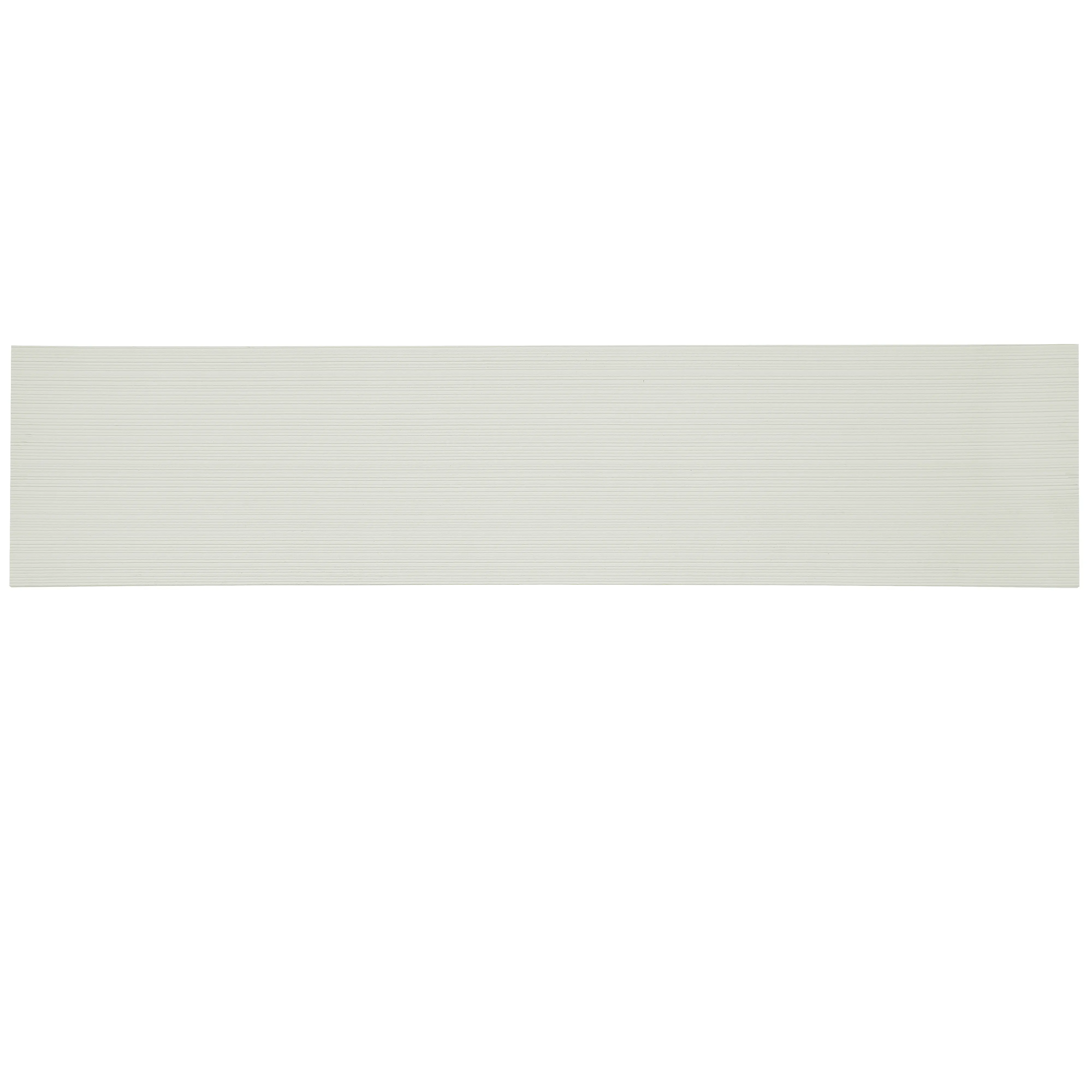
Before diving into its LEED benefits, let's unpack what Fine Line Stone (White) actually is. Part of the broader MCM project board series—a line of innovative building materials known for flexibility, durability, and eco-conscious manufacturing—Fine Line Stone (White) is a composite cladding material designed to mimic the look and feel of natural stone, without the environmental drawbacks. Think of it as nature's beauty, reimagined for the 21st century.
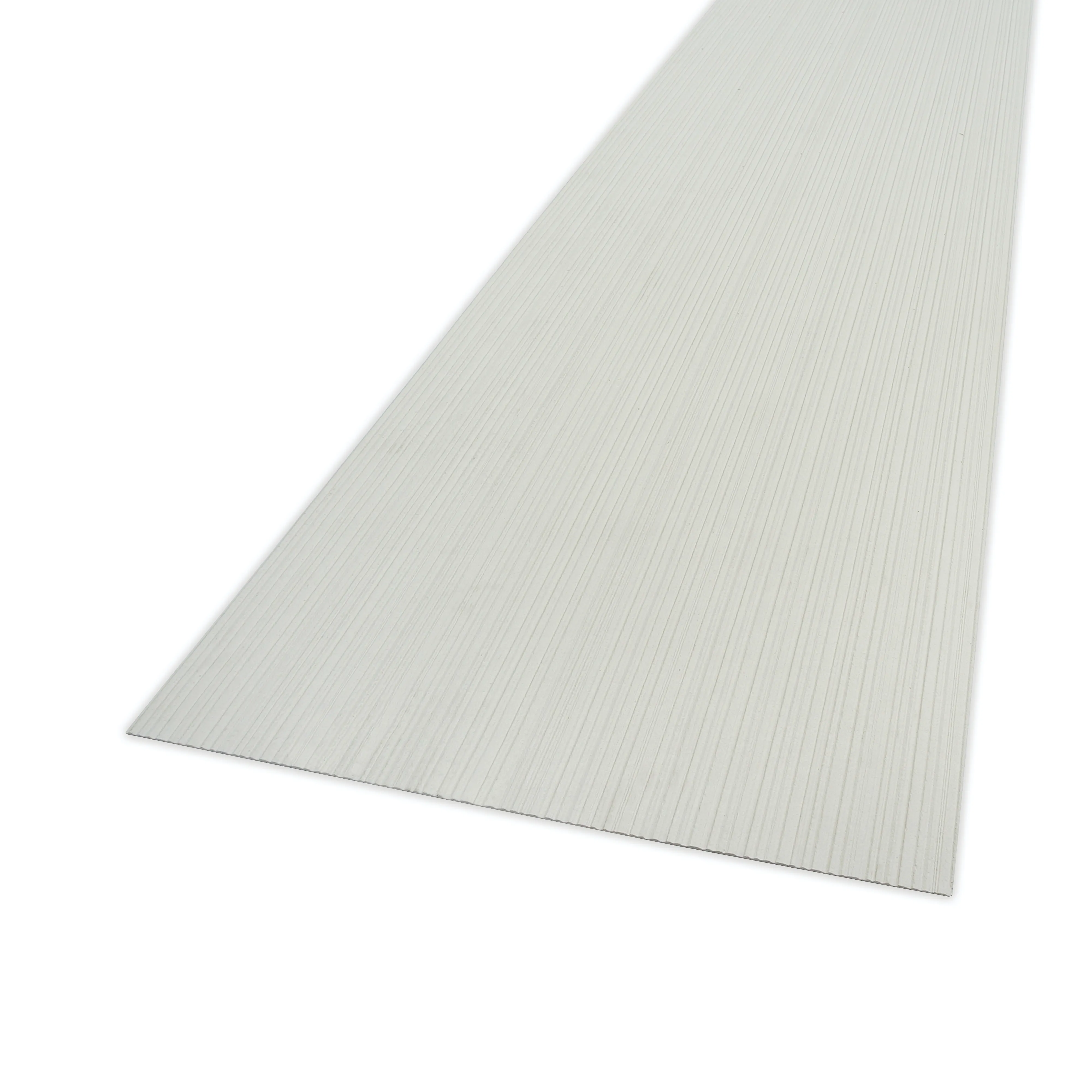
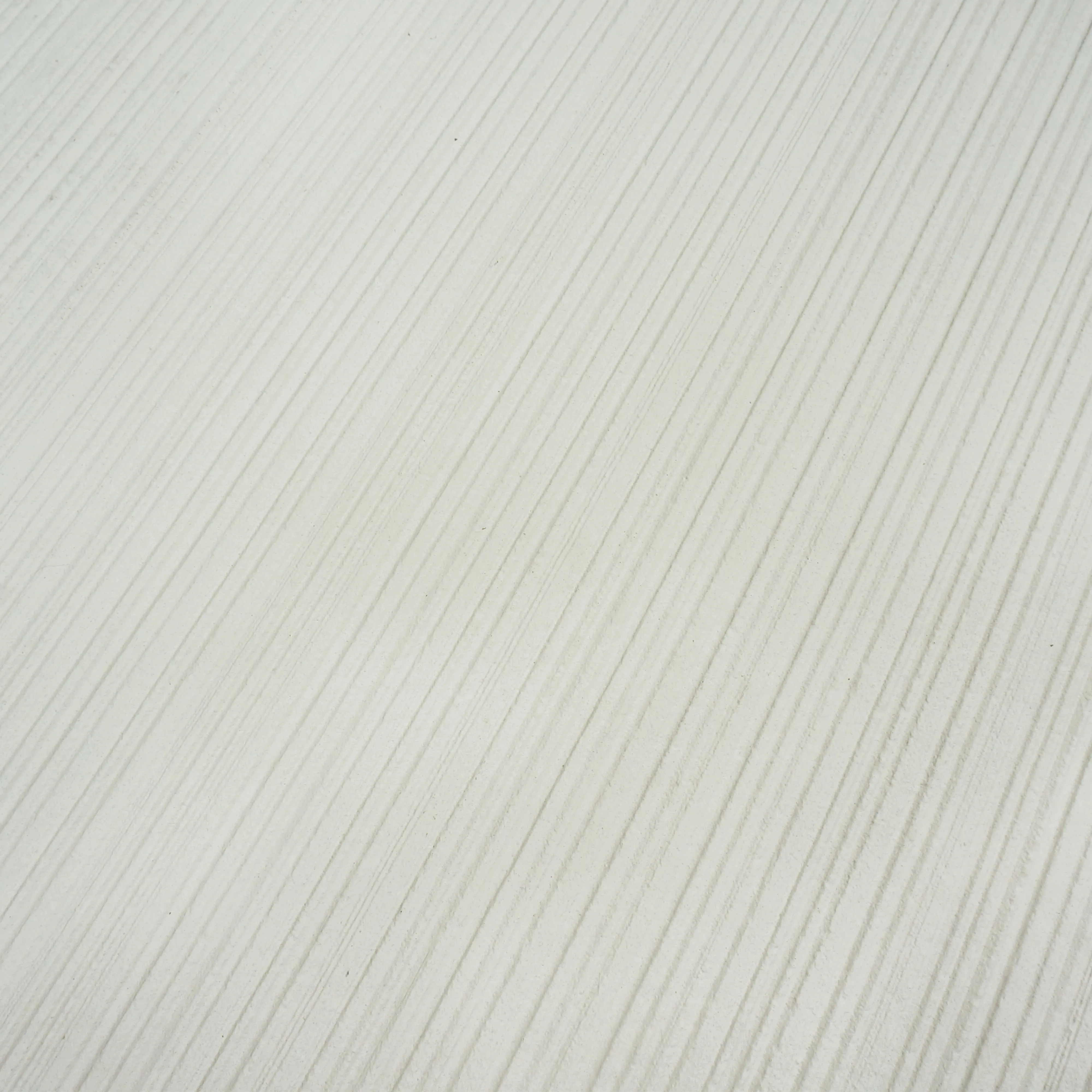
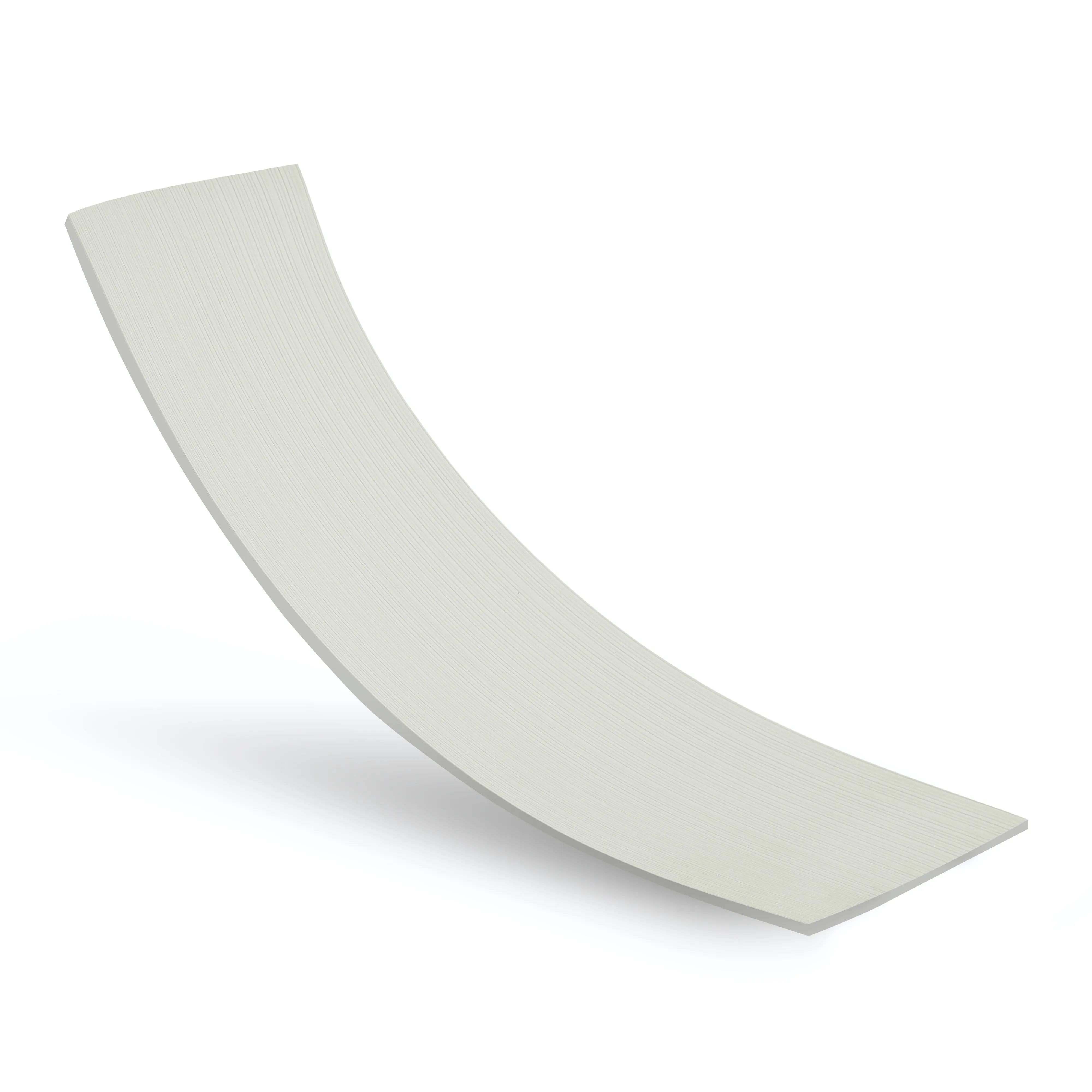
At its core, Fine Line Stone (White) combines recycled stone aggregates, a low-VOC binder, and a reinforced fiberglass backing. The result? A panel that's 70% lighter than traditional natural stone, yet just as strong. Its "fine line" texture—subtle, linear veining in soft whites and pale grays—adds depth without overwhelming a space, making it versatile for both exterior facades and interior accent walls. And unlike porous natural stones that require frequent sealing, its non-porous surface resists mold, mildew, and staining—a boon for high-moisture climates like Maria's Portland project.
But what truly sets it apart is its manufacturing process. Produced in facilities powered by 100% renewable energy, Fine Line Stone (White) contains up to 40% post-consumer recycled content, primarily from construction and demolition waste. "We're not just creating a product—we're closing the loop on the building lifecycle," says Elena Rodriguez, sustainability director at MCM Materials, the company behind the MCM series. "Every panel diverts roughly 150 pounds of waste from landfills. That's a number LEED auditors notice."
First, a quick refresher: LEED (Leadership in Energy and Environmental Design) is the most widely used green building rating system in the world, developed by the U.S. Green Building Council (USGBC). Projects earn points across several categories—including Materials and Resources, Energy and Atmosphere, Indoor Environmental Quality, and Sustainable Sites—to achieve certification levels: Certified, Silver, Gold, or Platinum. For developers, LEED isn't just a badge of honor; it translates to lower operating costs, higher tenant satisfaction, and increased property value. For the planet, it means reduced carbon footprints, conserved resources, and healthier built environments.
The challenge? Meeting LEED criteria often requires trade-offs. A material might excel in energy efficiency but fall short on aesthetics; another might be sustainably sourced but lack durability. Fine Line Stone (White), however, is a rare exception—a material that aligns with multiple LEED categories, making it a "low-effort, high-reward" choice for certification-seeking projects.
Let's break down the key LEED categories and how Fine Line Stone (White) contributes to each. For context, we'll reference the LEED v4.1 Building Design + Construction (BD+C) rating system, the most widely used framework for new construction.
LEED's MR category focuses on reducing waste, promoting recycling, and using sustainable materials. Here, Fine Line Stone (White) shines. As mentioned, its manufacturing process incorporates 40% recycled content—mostly crushed stone from demolished buildings and construction sites. This not only reduces the demand for virgin quarried stone but also diverts waste from landfills, earning projects points under MR Credit 4: Building Product Disclosure and Optimization – Sourcing of Raw Materials.
Additionally, MCM Materials prioritizes local sourcing. All Fine Line Stone (White) panels sold in North America are manufactured in facilities within 500 miles of major urban centers, cutting down on transportation-related carbon emissions. For projects aiming for MR Credit 5: Regional Materials, this is a game-changer. "We had a client in Chicago using Fine Line Stone," recalls James Chen, a LEED consultant with GreenEdge Advisors. "By sourcing locally, they earned 2 extra points toward their Gold certification. That's the difference between meeting the threshold and exceeding it."
Energy efficiency is the backbone of LEED, and Fine Line Stone (White) plays a surprising role here. Its light color and textured surface reflect solar radiation—a property known as high albedo—reducing the urban heat island effect and lowering cooling costs in summer. In fact, studies by the National Renewable Energy Laboratory (NREL) show that light-colored cladding materials can decrease a building's cooling load by up to 20% compared to dark alternatives like traditional granite or rust board granite.
But it's not just about summer. Fine Line Stone (White)'s composite structure also provides moderate thermal insulation, helping retain heat in winter. When paired with proper insulation, it contributes to EA Credit 1: Optimize Energy Performance, a core requirement for any LEED project. "We used Fine Line Stone on a school in Minnesota," says Maria, referencing her earlier project. "The HVAC bills dropped by 15% in the first year. The district was thrilled—those savings went straight back into classroom resources."
LEED's EQ category emphasizes creating healthy indoor environments, and here, Fine Line Stone (White)'s low-VOC (volatile organic compound) composition is critical. Traditional stone sealants and adhesives often off-gas harmful chemicals, contributing to poor indoor air quality. Fine Line Stone (White), however, uses a water-based binder with zero added formaldehyde, meeting the strict emissions standards of LEED EQ Credit 4: Low-Emitting Materials.
"Indoor air quality isn't just a checkbox—it's about the people who use the building," says Dr. Lisa Wong, an environmental health specialist. "I've worked on hospitals where patients with asthma reported fewer symptoms after the installation of low-VOC materials like Fine Line Stone. When you spend 90% of your time indoors, the materials around you matter."
While not a standalone LEED category, durability ties directly to sustainability. A material that needs frequent replacement increases waste and carbon emissions over a building's lifecycle. Fine Line Stone (White) is engineered to last. Its fiberglass backing resists warping and cracking, even in extreme temperatures, and its non-porous surface requires minimal maintenance—no annual sealing or harsh chemical cleaners. MCM Materials offers a 25-year warranty on the panels, far exceeding the lifespan of many synthetic cladding options like vinyl or fiber cement.
"We did a lifecycle analysis for a client in Phoenix," James Chen explains. "Comparing Fine Line Stone (White) to standard painted aluminum panels, we found that over 30 years, Fine Line Stone reduced the building's embodied carbon by 35%. That's because aluminum panels need repainting every 5-7 years, and eventually replacement. Fine Line Stone? It looks as good on year 25 as it did on day one."
LEED v4.1 introduced a greater focus on "human-centric design"—the idea that buildings should enhance occupant well-being. Fine Line Stone (White) excels here, too. Its soft, natural texture and light color palette create spaces that feel calm and inviting, whether used in a hotel lobby, office breakout area, or residential facade. Studies have shown that exposure to natural materials (or their high-quality imitations) reduces stress and improves productivity—a win for projects aiming for EQ Credit 12: Interior Lighting, which rewards designs that support occupant comfort.
Maria's client, the Riverfront Innovation Hub, prioritized this. "They wanted a space that felt innovative but not sterile," she says. "We paired Fine Line Stone (White) with warm wood accents and large windows. The feedback from tenants has been incredible—people say the lobby feels 'bright' and 'open,' even on rainy days. It's not just about LEED points; it's about making buildings people want to be in."
To put Fine Line Stone (White)'s benefits in perspective, let's compare it to three other popular sustainable cladding options: fair-faced concrete, foamed aluminium alloy board (vintage silver), and mcm flexible stone (a sister product in the MCM line).
| LEED Criterion | Fine Line Stone (White) | Fair-Faced Concrete | Foamed Aluminium Alloy Board (Vintage Silver) | MCM Flexible Stone |
|---|---|---|---|---|
| Recycled Content | 40% post-consumer recycled stone | 5-10% recycled aggregate | 15% recycled aluminum | 30% recycled content |
| Thermal Performance (Albedo) | High (reflects 70% solar radiation) | Medium (reflects 35-45%) | High (reflects 65-75%) | Medium-High (varies by color) |
| Indoor Air Quality (VOCs) | Zero added formaldehyde; low-VOC binder | Low, but may require sealants with VOCs | Low, but finishes may off-gas | Low-VOC, similar to Fine Line Stone |
| Maintenance Requirements | Minimal (occasional washing with water) | High (sealing every 2-3 years) | Medium (occasional polishing) | Minimal (similar to Fine Line Stone) |
| Aesthetic Versatility | Soft, natural stone look; suitable for modern and traditional designs | Industrial, monolithic look; limited color options | Sleek, metallic; modern aesthetic | Varied textures (e.g., travertine, lunar peak silvery); high versatility |
| LEED Point Potential (Estimated) | 5-7 points (MR, EA, EQ credits) | 3-4 points (MR, durability) | 4-5 points (EA, MR) | 4-6 points (similar to Fine Line Stone) |
As the table shows, Fine Line Stone (White) outperforms or matches competitors across key criteria, with the added bonus of aesthetic flexibility. It's not that materials like fair-faced concrete or foamed aluminium are "bad"—they have their place—but for projects aiming to maximize LEED points while creating warm, inviting spaces, Fine Line Stone (White) offers a unique balance.
Let's circle back to Maria's project: the Riverfront Innovation Hub in Portland. A 12-story mixed-use building with ground-floor retail, offices, and 50 affordable housing units, the Hub set its sights on LEED Platinum—the highest certification level. When Maria first proposed Fine Line Stone (White) for the exterior cladding and lobby walls, there were skeptics. "Some on the team thought we should go with foamed aluminium alloy board (vintage silver) for a 'futuristic' look," she recalls. "But the client wanted to honor Portland's connection to nature, even in an urban setting."
Working with MCM Materials, Maria's team opted for 10,000 square feet of Fine Line Stone (White) panels, paired with travertine (starry green) accents—a complementary material from the MCM series that added pops of color. The panels were installed using a rainscreen system, which further improved insulation and moisture management, contributing to EA Credit 1: Optimize Energy Performance.
In the end, the Hub achieved LEED Platinum, earning 82 out of a possible 110 points. Fine Line Stone (White) directly contributed to 6 of those points: 2 for recycled content (MR Credit 4), 2 for regional materials (MR Credit 5), 1 for thermal performance (EA Credit 1), and 1 for low-VOC emissions (EQ Credit 4). "But the real win was the feedback," Maria says. "Tenants love the lobby—they call it 'the living room of the building.' And the retail spaces? Businesses are reporting higher foot traffic because people stop to look at the facade. Sustainability and beauty don't have to be enemies."
"Fine Line Stone (White) wasn't just a material choice—it was a design philosophy. We wanted to show that green buildings can be warm, welcoming, and even luxurious. This project proved that." – Maria Gonzalez, Lead Architect, Riverfront Innovation Hub
As the world grapples with climate change, the building industry has a critical role to play. Buildings account for 39% of global carbon emissions—more than transportation or industry. LEED certification is one tool to drive change, but it's only as effective as the materials we choose. Fine Line Stone (White) represents a shift toward "smarter" sustainability—materials that don't just check boxes, but redefine what's possible.
Looking ahead, MCM Materials is exploring even more eco-friendly innovations, including panels made with 50% recycled content and carbon-negative manufacturing processes. "The goal is to make LEED certification not just achievable, but easy," Elena Rodriguez says. "Materials should support sustainability, not be a barrier to it."
For architects, developers, and builders, the message is clear: the era of choosing between sustainability and aesthetics is over. Materials like Fine Line Stone (White) prove that we can have both—and in doing so, create buildings that are better for the planet, better for people, and better for the bottom line.
Maria's story isn't unique. It's a snapshot of a growing movement—professionals who refuse to accept that "green" means "compromise." Fine Line Stone (White) is more than a cladding material; it's a symbol of that movement. It shows that with innovation, creativity, and a commitment to sustainability, we can build a world where every structure—from skyscrapers to community centers—leaves a lighter footprint and a lasting, positive impact.
So the next time you walk past a LEED-certified building, take a closer look at the materials. Chances are, you'll spot something like Fine Line Stone (White)—quietly working, in its understated, elegant way, to make our built environment greener, healthier, and more beautiful. And isn't that the future we all want to live in?
Recommend Products












