
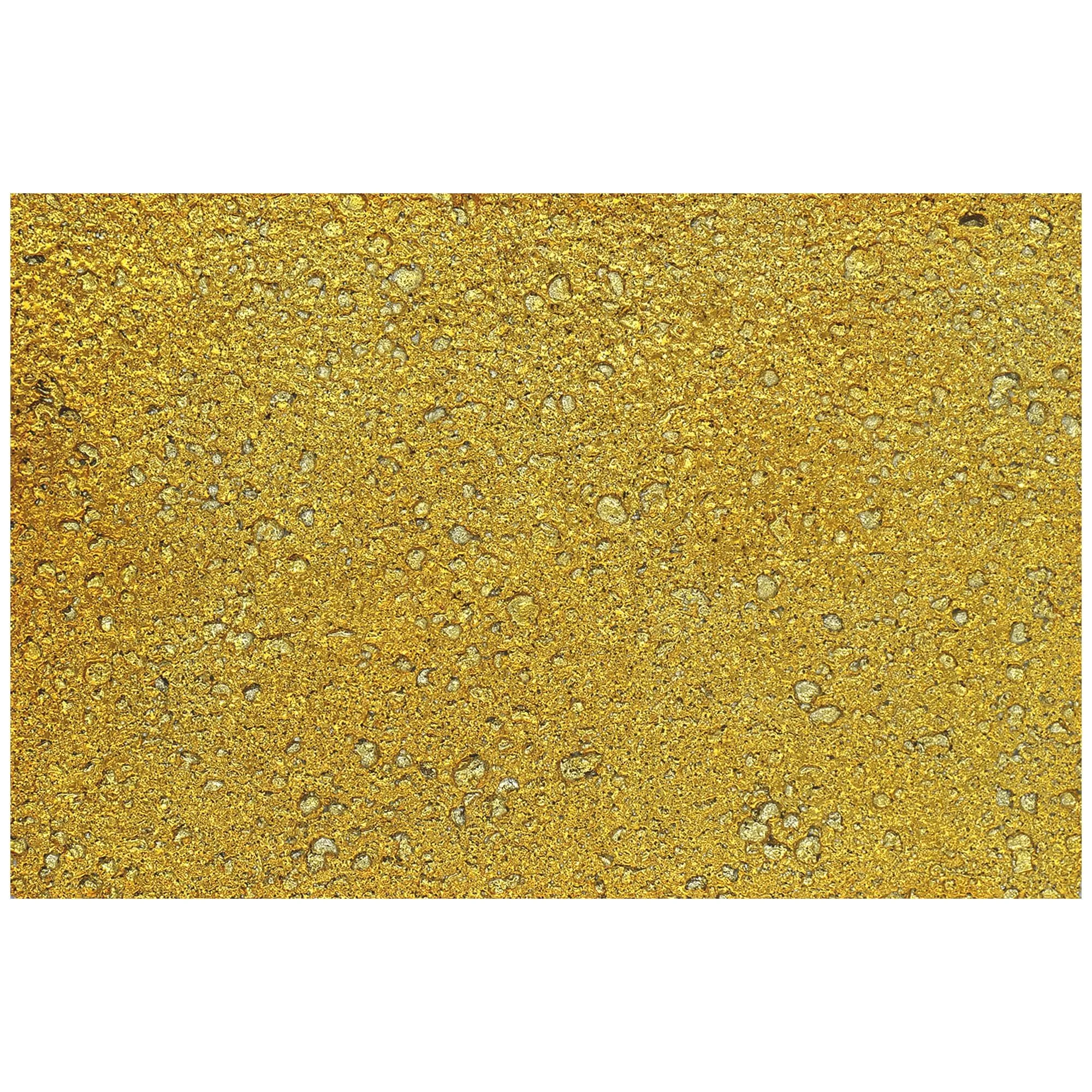
In our modern world, the skylines of cities are a testament to human ambition and progress. But behind every gleaming skyscraper and sprawling residential complex lies a hidden environmental cost: construction waste. The construction and demolition (C&D) industry is one of the largest single waste-producing sectors globally, contributing a staggering volume of discarded materials to our landfills. This reality has sparked a crucial conversation and a powerful movement within the industry towards sustainability. Architects, builders, and clients are increasingly demanding greener buildings, and the key to achieving this lies in the very materials we use.
This quest for sustainability has given rise to a new generation of innovative building materials. One such example that has garnered attention is the Foamed Aluminium Alloy Board. Prized for its lightweight nature and recyclability, it represents a conscious effort to design materials that minimize waste from production to demolition. It's a fantastic example of how materials science can directly address a pressing environmental challenge. However, this is just one chapter in a much larger story. The revolution in building materials is broad and deep, and while materials like foamed aluminum are making an impact, another groundbreaking technology is emerging that redefines what's possible in terms of sustainability, versatility, and design. This is where COLORIA GROUP is making its mark, pioneering a solution that tackles construction waste at every single stage of a building's lifecycle.
Before we can appreciate the solution, we must first grasp the sheer scale of the problem. Construction and Demolition (C&D) waste is a complex mix of materials. It's not just the rubble from a torn-down building; it's the offcuts of drywall, the unused concrete, the broken tiles, the wooden pallets, the plastic wrapping, and the excess soil from excavation. Globally, it's estimated that the construction industry is responsible for over a third of all waste generated. This isn't just an environmental eyesore; it has profound and far-reaching consequences.
Firstly, there's the issue of landfill space. Our landfills are finite, and filling them with materials that could have been reused or recycled is an incredible waste of resources and space. Many of these materials, like plastics and treated woods, can take hundreds of years to decompose, leaching chemicals into the soil and groundwater in the process.
Secondly, there's the depletion of natural resources. Every time we quarry new stone, harvest new timber, or mine new metals, we are consuming finite planetary resources. A significant portion of C&D waste consists of virgin materials that were over-ordered, damaged during transit, or became offcuts during installation. This linear "take-make-waste" model is simply unsustainable in the long run.
Finally, there's the hidden carbon footprint. The transportation of heavy building materials like concrete, stone, and brick from their source to the construction site is incredibly energy-intensive. Moving tons of material requires fleets of heavy trucks, burning vast amounts of fossil fuels. Then, the process of disposing of that waste—transporting it from the site to a landfill—doubles down on this carbon cost. This entire lifecycle creates a massive, often unaccounted-for, environmental burden. The economic cost is also significant, as businesses pay first to buy the material and then again to haul away and dispose of the unused portion. It's clear that the traditional way of building is inefficient, costly, and environmentally damaging. The solution lies in a fundamental shift, starting with the materials themselves.
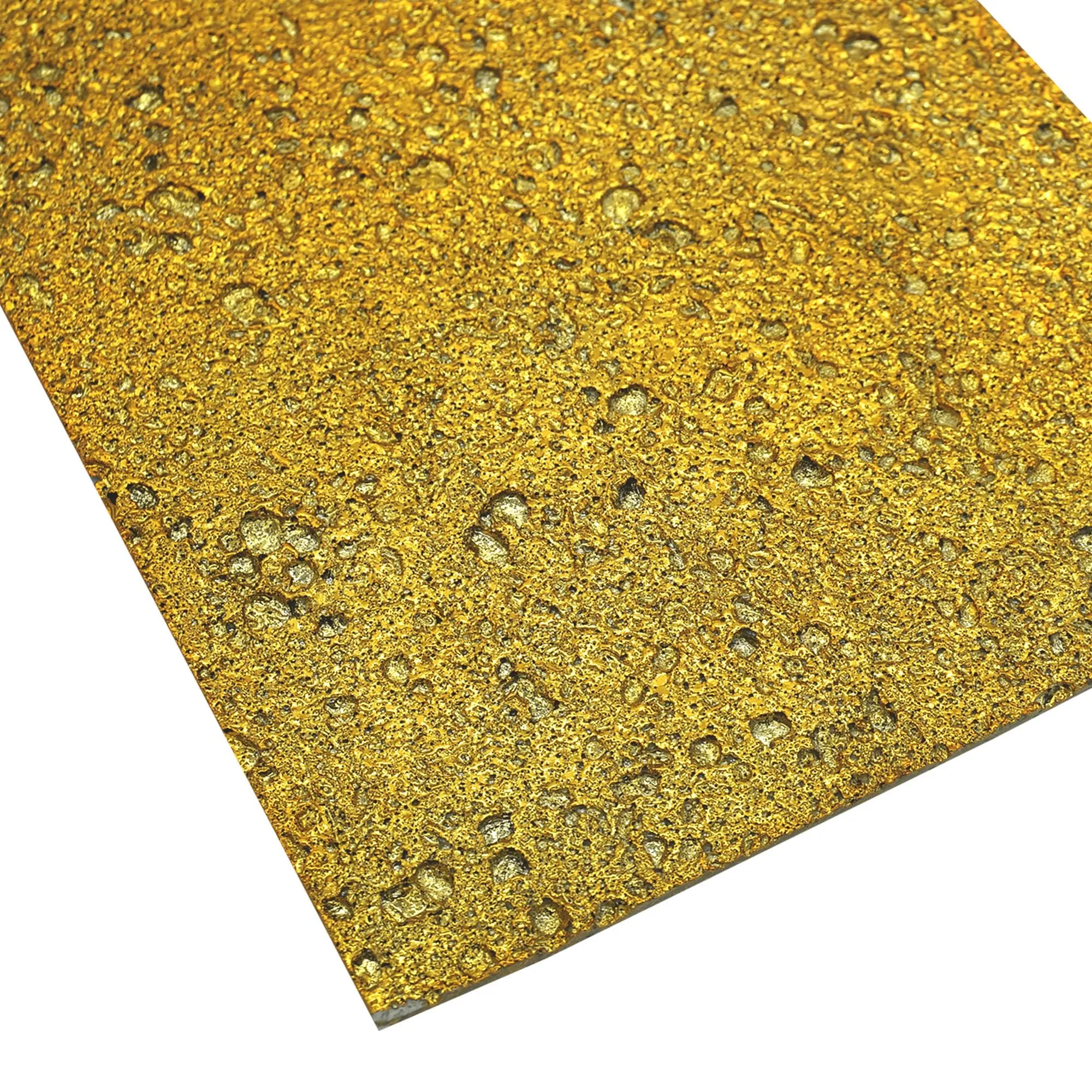
To fulfill the promise of our title, let's look closer at a material like Foamed Aluminium Alloy Board. It's an excellent case study in how rethinking material composition can lead to significant waste reduction. These boards are typically sandwich panels, with a core of foamed aluminum bonded between two thin aluminum sheets. Their contribution to sustainability is multi-faceted.
Materials like this represent a significant leap forward. They prove that we can build with less weight, less on-site mess, and a clearer plan for end-of-life. They set a high bar for what a "sustainable material" should be. Yet, the innovation doesn't stop here. What if we could take these principles—lightweight, low-waste, eco-friendly composition—and apply them to the most common aesthetic finishes in the world, like stone, brick, and wood, but in a completely new form?
While metallic composites address many issues, a truly groundbreaking technology from COLORIA GROUP is changing the paradigm of surface materials. It's called **Modified Cementitious Material**, or MCM. This isn't just another product; it's a completely new category of material that combines the beauty of nature with the performance of advanced science, all while placing sustainability at its core.
So, what is it? Imagine taking natural, common materials like soil, sand, mineral powders, and stone dust—the very building blocks of the earth—and using a high-tech process to modify their molecular bonds. Through a low-temperature, unfired curing process, these raw materials are transformed into a new type of material that is incredibly thin, lightweight, and flexible, yet durable. It's a technology that mimics the millions-of-years-long process of geological formation but accomplishes it in a matter of hours with a tiny fraction of the energy.
COLORIA GROUP stands at the forefront of this innovation, harnessing the power of **Modified Cementitious Material** to create an extensive range of products that are poised to solve the construction waste problem from a completely different angle. Unlike rigid metal panels, MCM offers an unprecedented level of aesthetic freedom, capable of replicating the intricate textures of natural stone, the grain of wood, the weave of leather, or the pattern of brick, all in a form that is radically more sustainable than the original. This is the next step in the evolution of building materials.
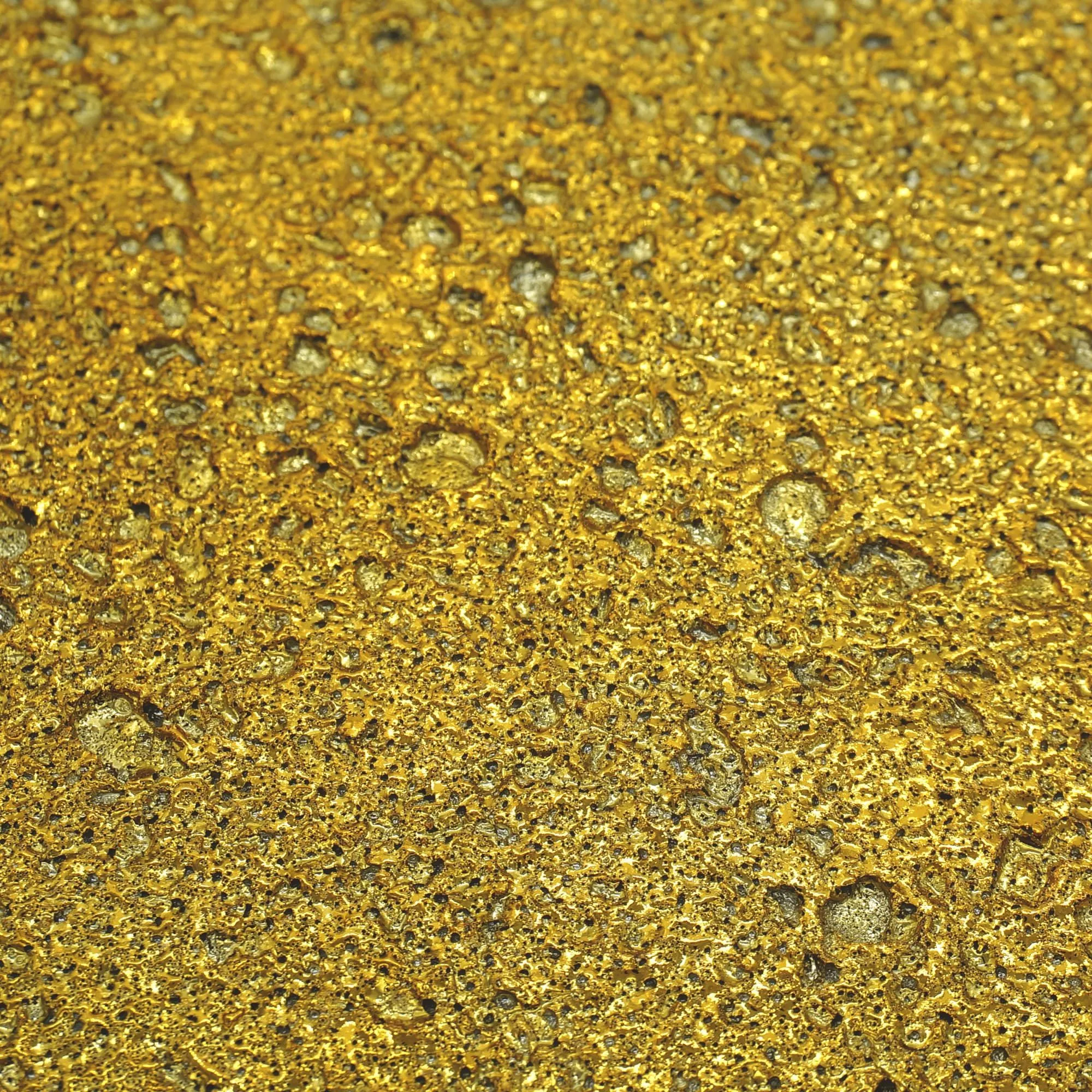
The true genius of COLORIA GROUP's MCM technology is how it addresses waste at every single point in the value chain—from its creation, through its installation, and even at the end of its life. It's a holistic approach to sustainability that goes far beyond simple recyclability.
Waste reduction begins before the material even reaches the factory. Traditional materials are hugely resource-intensive. Natural stone requires blasting mountainsides, a destructive process that generates immense quarry waste and permanently scars the landscape. Bricks and ceramics require high-temperature kilns that burn enormous amounts of fossil fuels. MCM, by contrast, is fundamentally different.
The primary raw materials for MCM are often recycled or reclaimed, including things like construction slurry, fly ash, and mineral tailings, combined with natural inorganic materials like soil and stone powder. It takes waste products from other industries and upcycles them into a high-value building material. The production process itself is incredibly low-impact. It is an "unfired" technology, meaning it cures at temperatures between 80-120°C. Compared to the 1200°C or more required for ceramics, or the high energy demands of cement production, the carbon footprint of manufacturing MCM is drastically lower. This isn't just reducing waste; it's preventing the massive energy waste that is hidden in the production of conventional materials.
This is where the benefits of MCM become dramatically clear. Let's consider a popular product like COLORIA GROUP's **MCM Flexible Stone**. A sheet of this material can look and feel just like a solid slab of slate or travertine, but its physical properties are revolutionary. It is incredibly thin (often just 2-4mm) and lightweight. To put this in perspective, MCM typically weighs less than 7 kg per square meter. A comparable 2cm thick slab of natural granite can weigh over 50 kg per square meter.
What does this 85%+ weight reduction mean for waste?
Even with the best planning, on-site adjustments are always necessary. This is where a material's "workability" becomes crucial in preventing waste. Cutting ceramic tile requires a wet saw, which is messy and creates slurry waste. Cutting stone is even more intensive. Cutting metal panels requires specialized saws and creates sharp, dangerous offcuts.
MCM changes the game completely. It can be easily cut to size on-site using just a standard utility knife. Need to fit a piece around a pipe or an outlet? Simply score and snap. Need to wrap a finish around a curved column or a sharp corner? The material's flexibility allows it to bend and conform, eliminating the need for complex, waste-generating miter cuts that are required for rigid materials.
For large-scale developments, COLORIA GROUP offers products like the **MCM Project Board Series**. These are engineered for efficiency, often supplied in larger formats or custom dimensions tailored to the project. This approach, similar to the prefabrication benefits of metal panels, means that the design is optimized to use standard panel sizes, drastically reducing the number of cuts and the volume of offcut waste generated on the job site. The combination of factory optimization with easy on-site workability offers the best of both worlds for a low-waste installation.
A material is only truly sustainable if it has a responsible end-of-life plan. MCM excels here as well. Its durability, UV resistance, and weather-proof nature mean it has a very long service life, reducing the frequency of replacement and the associated waste. But when a building is eventually decommissioned, MCM doesn't have to end up in a landfill. Because its core components are natural and inorganic, it can be handled in two innovative ways. It can be ground down and recycled, serving as a raw material for the production of new MCM products. Alternatively, depending on the specific formulation, it can be returned to nature, breaking down into its constituent parts of soil and sand to be reabsorbed by the earth, truly closing the material loop.
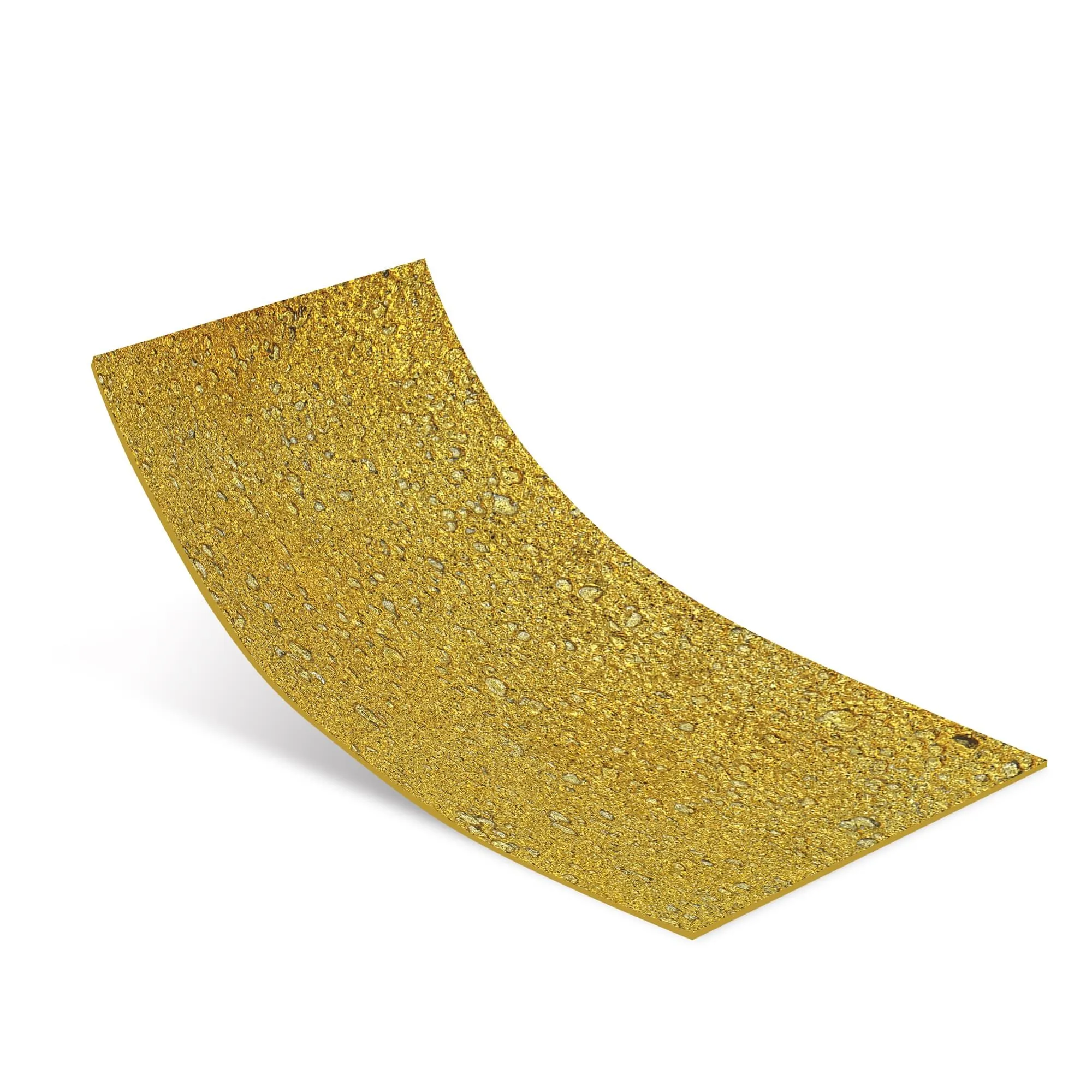
To summarize the advantages, let's compare COLORIA GROUP's MCM technology against both a traditional material (Natural Stone) and another modern alternative (Foamed Aluminium Board). This table illustrates how MCM offers a unique combination of benefits that make it a superior choice for waste-conscious construction.
| Feature | Traditional Natural Stone | Foamed Aluminium Alloy Board | COLORIA GROUP's MCM (e.g., MCM Flexible Stone) |
|---|---|---|---|
| Primary Composition | Quarried solid rock (e.g., granite, marble). | Aluminum sheets with a foamed aluminum core. | Natural mineral powders, soil, sand, and recycled components. |
| Production Impact | High-impact quarrying; high energy for cutting/polishing. | Energy-intensive aluminum production (if virgin); moderate fabrication energy. | Extremely low energy; unfired curing process; upcycles waste materials. |
| Weight (Approx.) | Very Heavy (50-60 kg/m² for 2cm thickness). | Light (10-15 kg/m²). | Ultra-Light (5-7 kg/m²). |
| Transport & Handling Waste | High risk of breakage, cracks, and chipping. Requires heavy machinery. | Low risk of breakage, but can be dented or scratched. | Virtually zero breakage waste due to flexibility. Can be rolled and carried. |
| On-Site Cutting Waste | High. Requires specialized wet saws; creates slurry and dust. Difficult cuts lead to high scrap rate. | Moderate. Requires metal-cutting saws. Generates metal shavings. | Extremely low. Can be cut with a utility knife. Flexibility allows wrapping around corners, reducing cuts. |
| Installation Method | Complex mechanical fixing or thick-bed mortar. Slow and labor-intensive. | Mechanical fixing systems, requires specialized installers. | Simple adhesive application. Fast, easy, and low-mess. |
| Renovation Suitability | Poor. Requires complete demolition of the existing substrate. | Fair. Can sometimes cover existing surfaces, but thickness can be an issue. | Excellent. Thin and lightweight, can be applied directly over old tiles, paint, etc., eliminating demolition waste. |
| End-of-Life Options | Can be crushed for aggregate (downcycling), but often landfilled. | Highly recyclable. Aluminum can be melted and reformed. | Can be recycled into new MCM products or returned to farmland to be re-integrated into the ecosystem. |
The title of this article posed a question about how a specific modern material, Foamed Aluminium Alloy Board, helps reduce construction waste. We've seen that it does so through its lightweight nature, potential for prefabrication, and recyclability. It is, without a doubt, part of the solution and a positive step away from the wasteful practices of the past.
However, as we've explored, the journey toward truly sustainable construction requires an even more profound innovation. COLORIA GROUP, with its pioneering work in **Modified Cementitious Material**, has delivered just that. MCM isn't just a single product; it's a comprehensive platform that attacks the waste problem on all fronts. It minimizes resource consumption and energy use at its very creation. Its ultra-light and flexible properties slash waste in transport and on the construction site. Its versatility allows for renovations without the need for destructive demolition. And its end-of-life potential fulfills the promise of a circular economy.
By offering a full spectrum of solutions, from the versatile **MCM Flexible Stone** to the efficient **MCM Project Board Series**, COLORIA GROUP empowers architects, developers, and builders to achieve their aesthetic vision without compromising their environmental responsibilities. It proves that high-end design and deep-green sustainability are not mutually exclusive. The future of building will be defined by those who can do more with less—less weight, less waste, less energy, and less environmental impact. In this new era of construction, materials like MCM are not just an alternative; they are the future.
Recommend Products












