
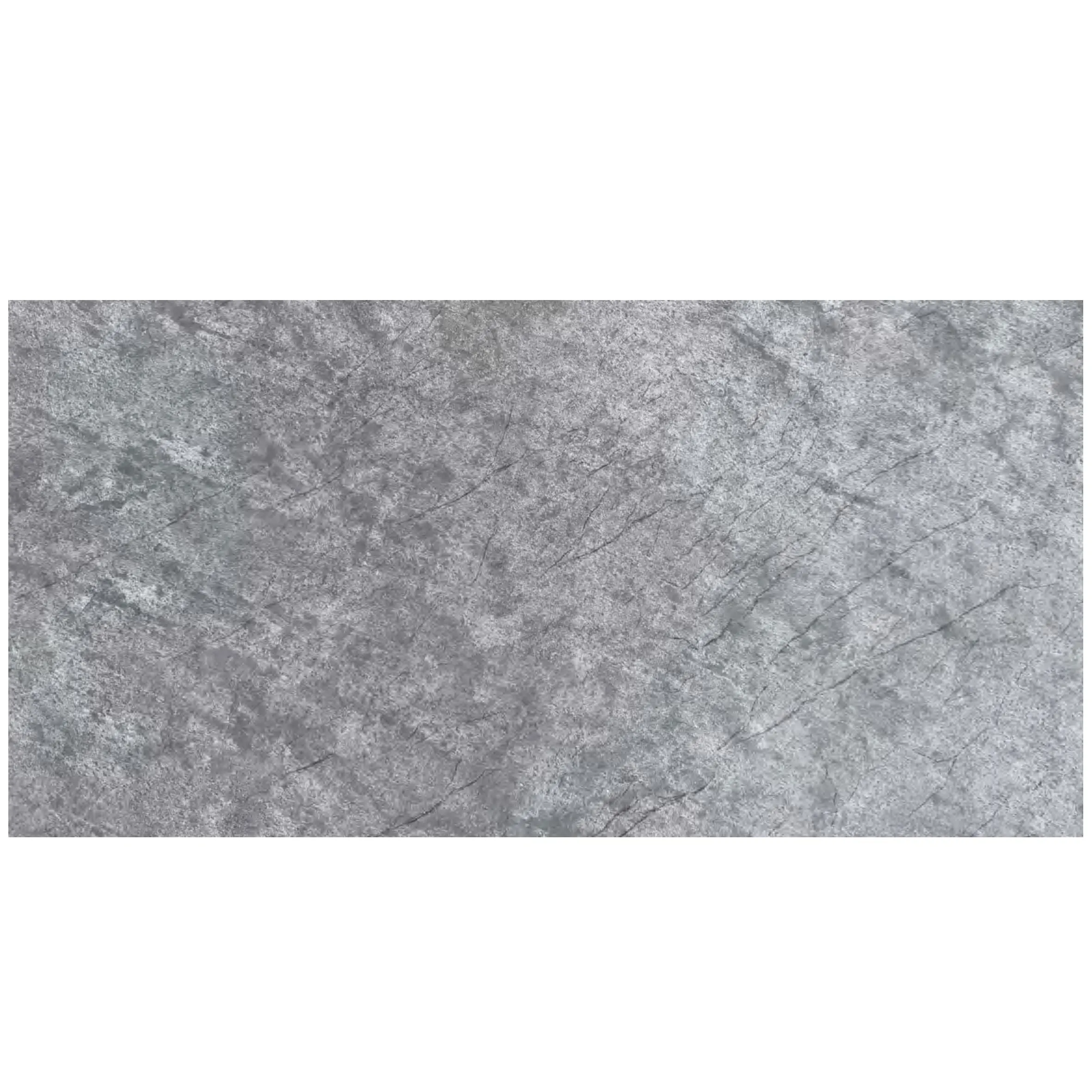
In a sunlit office in Copenhagen, architect Lise Andersen spreads out blueprints across her desk, pausing to trace a line with her finger. "This community center needs to last," she says, her voice soft but firm. "Not just for the next 10 years—for the next 100. And it can't cost the planet in the process." It's a dilemma echoed in design studios from Tokyo to Toronto: how to build spaces that serve people today without sacrificing the needs of tomorrow. In an industry responsible for nearly 40% of global carbon emissions, the search for sustainable materials has become more than a trend; it's a moral imperative. For Andersen and a growing number of builders, the answer is emerging from an unlikely source: the ancient, ice-carved layers of glacial slate.
Glacial slate isn't just another building material—it's a piece of Earth's history. Formed over millions of years by the slow grind of glaciers, its layers hold the memory of prehistoric rivers, volcanic ash, and the of ice sheets. Unlike quarried stones that require heavy machinery and chemical treatments, glacial slate is often harvested from deposits left by retreating glaciers, minimizing the need for deep excavation. Its surface, marked by subtle ridges and cool, muted tones of gray and blue, carries a quiet grandeur that feels both timeless and alive.
"When you run your hand over it, you can almost feel the time in it," says Marco Rossi, a stonemason with 30 years of experience in northern Italy. "It's not just hard—it's resilient . I've seen glacial slate tiles in mountain huts that have weathered avalanches and blizzards for decades, and they still look like they were laid yesterday." That resilience is at the heart of its sustainability story. In a world where construction waste often ends up in landfills, materials that stand the test of time are a powerful tool for reducing environmental impact.
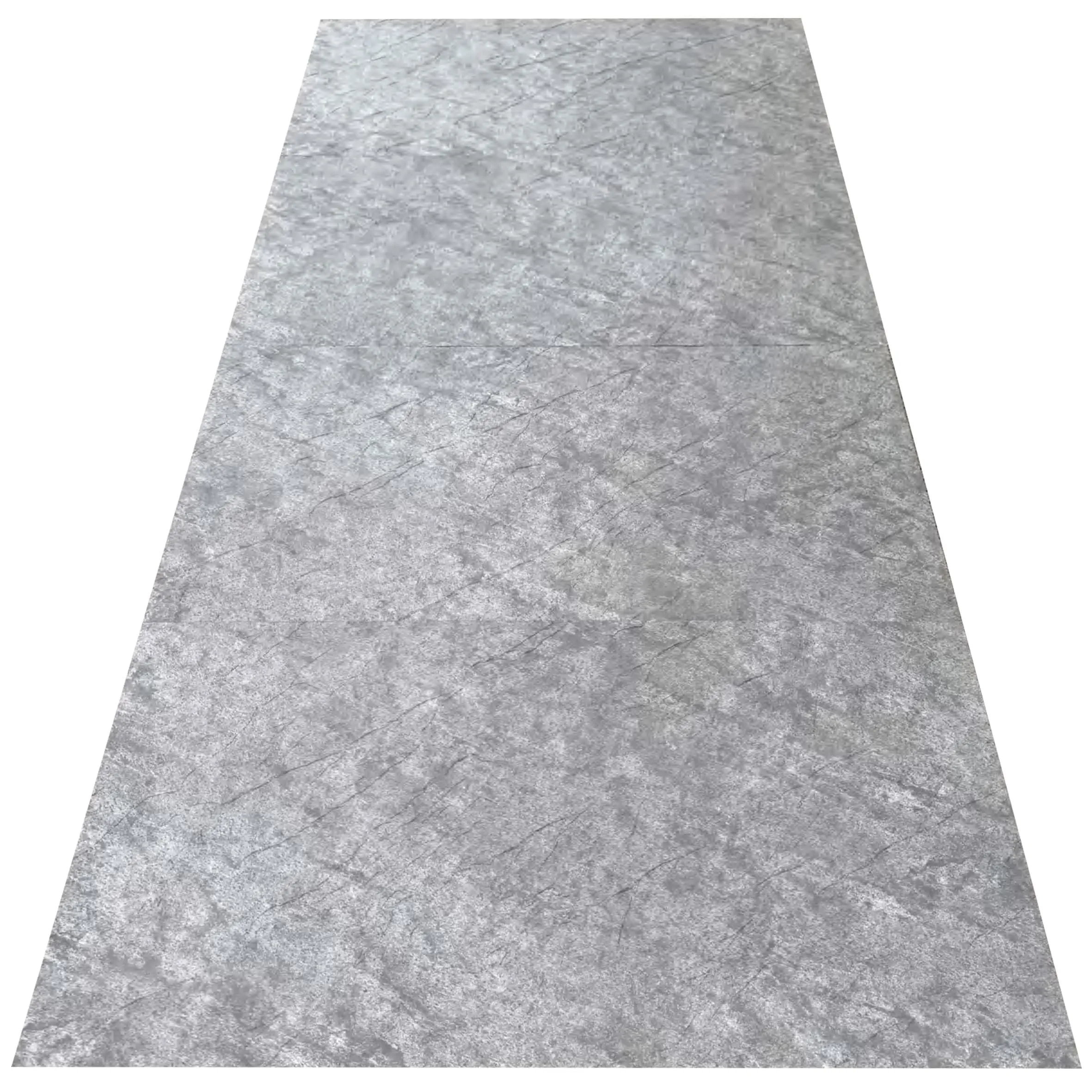
One of the most pressing issues in construction is the "replacement cycle." Traditional materials like painted wood or low-grade concrete often degrade within 15–20 years, requiring frequent repairs or full replacements that drive up carbon footprints. Glacial slate, by contrast, has a lifespan measured in centuries. A study by the European Stone Association found that glacial slate cladding installed in the 1950s in Switzerland showed less than 5% wear, even in harsh alpine conditions. "If you build with slate, you're not just building a wall—you're building a legacy," says environmental engineer Priya Patel, who specializes in sustainable building practices. "Every decade you avoid replacing materials is a decade of saved energy, reduced emissions, and less waste."
Embodied carbon—the emissions released during a material's extraction, processing, and transportation—haunts many building projects. Steel, for example, requires intense heat to produce, while ceramic tiles often involve high-temperature firing. Glacial slate, however, needs minimal processing. After extraction, it's typically split along natural cleavage lines (a process called "riven" slate) and cut to size with water jets, avoiding the need for energy-heavy grinding or chemical treatments. "We truck our slate from a quarry 80 kilometers from the build site," says Anders Jensen, a contractor in Norway. "Compare that to importing marble from Italy or China— the difference in fuel use alone is staggering."
Even at the end of its life as a building material, glacial slate doesn't become waste. Crushed slate can be used as aggregate in new concrete or as a drainage layer in landscaping. In Scotland, a heritage restoration project repurposed 200-year-old glacial slate roof tiles by breaking them into gravel for a community garden path. "It's circular by design," Patel explains. "The stone that once protected a building can go on to nourish the earth. That's the kind of closed-loop system we need to fight climate change."
In Tromsø, Norway, a community hub built in 2022 has become a showcase for glacial slate's potential. Designed to withstand polar nights and heavy snowfall, the hub's exterior features glacial slate cladding paired with fair-faced concrete —a material chosen for its raw, industrial beauty and low maintenance needs. "We wanted the building to feel rooted in the landscape," says lead architect Sven Eriksson. "The slate's cool grays mirror the fjords, and its texture catches the winter light in a way that makes the space feel warm, even on the darkest days."
The results speak for themselves: the hub uses 30% less energy for heating than comparable buildings, thanks in part to the slate's insulating properties, and its carbon footprint was 45% lower than the national average for public construction. "Local residents love it," Eriksson adds. "They say it feels like the building has always been here, like it's part of the land. That connection—between people, place, and planet—is what sustainable design is all about."
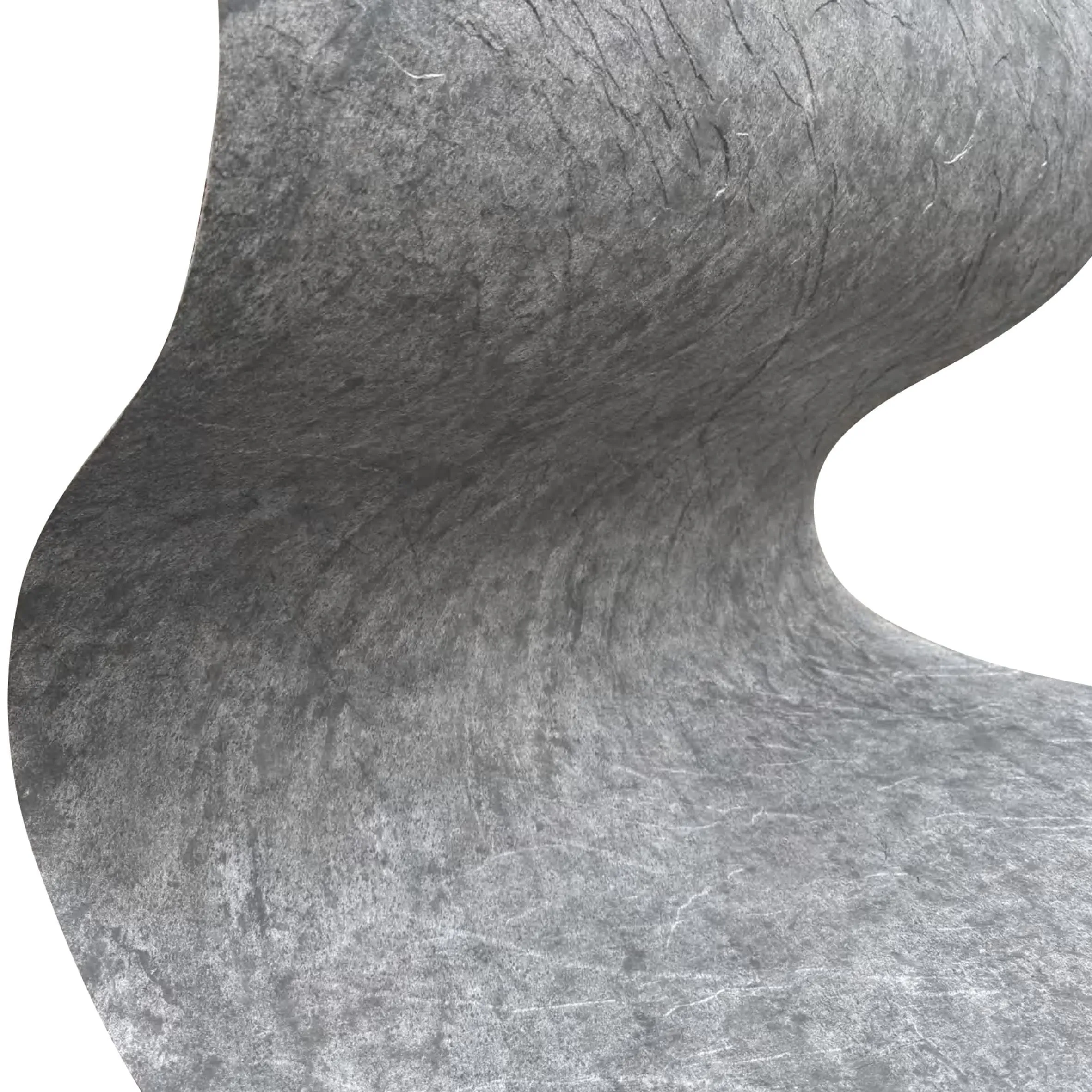
Glacial slate rarely works alone. The most sustainable projects pair it with other eco-friendly materials to balance performance, aesthetics, and impact. Take, for example, the use of green building materials like recycled steel beams or bamboo flooring, which enhance a structure's overall sustainability. In Barcelona, an eco-hotel combined glacial slate walls with travertine (starry blue) accents—a choice that reduced the need for synthetic dyes while adding a striking visual contrast.
Another rising trend is the integration of foamed aluminium alloy boards, such as the vintage silver variant, which offer lightweight durability for roofing or facade details. "Aluminium is 100% recyclable, and when paired with slate, you get a building that's both strong and light," says Jensen. "It's a match made in sustainability heaven." These combinations not only reduce environmental impact but also open up new design possibilities, proving that green building doesn't have to mean sacrificing style.
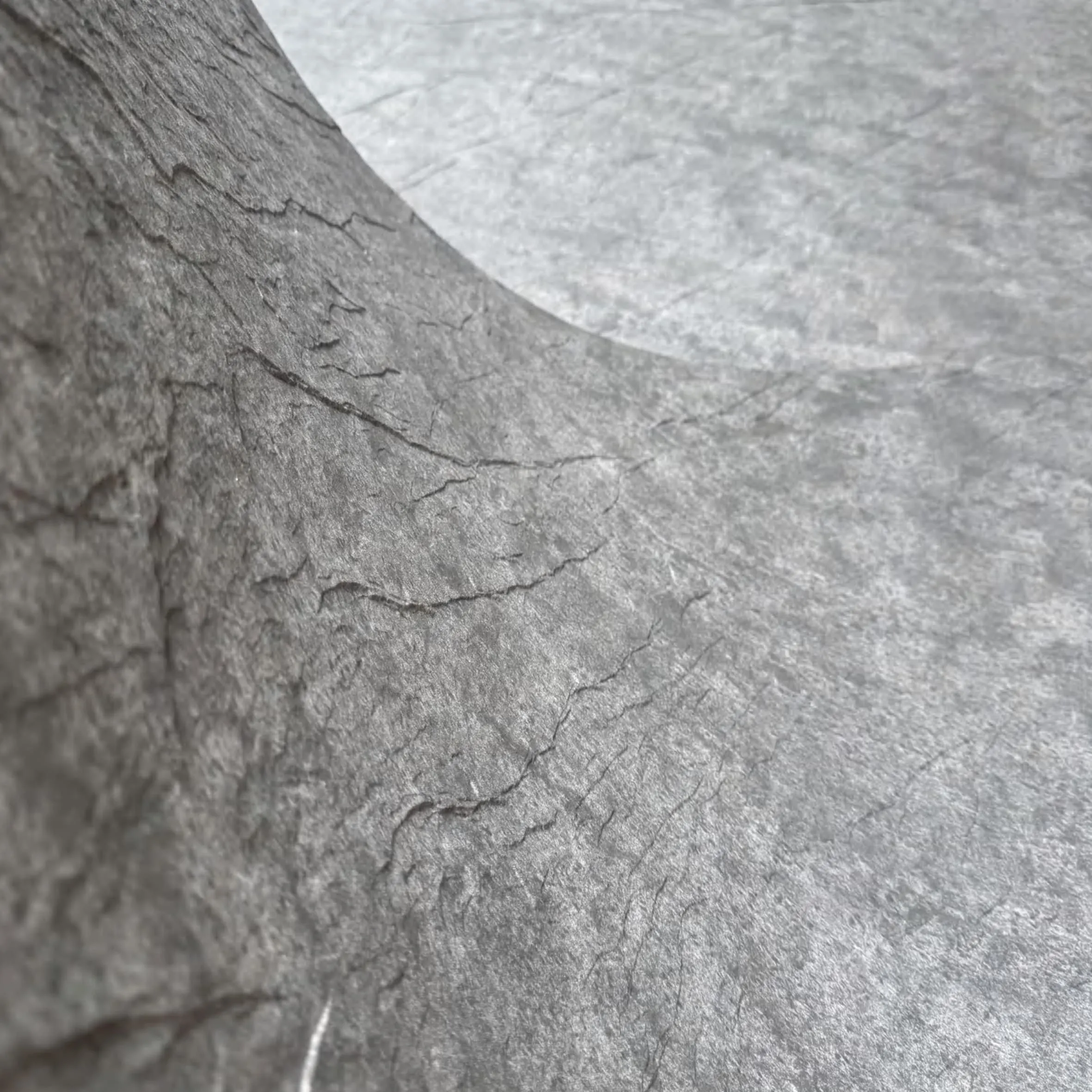
As the world races to meet net-zero goals, glacial slate is poised to play an even bigger role. Innovations in extraction techniques, such as drone surveys to pinpoint the most accessible deposits, are reducing the environmental footprint of quarrying. Meanwhile, architects are finding new uses for the stone—from furniture to acoustic panels—expanding its reach beyond walls and roofs. "I recently designed a classroom where the blackboard is made from polished glacial slate," laughs Andersen. "It's durable, non-toxic, and the kids love writing on it. Who says sustainability can't be fun?"
Perhaps the most exciting development is the growing demand from clients themselves. "Ten years ago, sustainability was a 'nice-to-have' for most developers," Rossi recalls. "Now, it's a dealbreaker. Homeowners, businesses, even governments are asking for materials like glacial slate by name. They want to know their building isn't just beautiful—it's doing good."
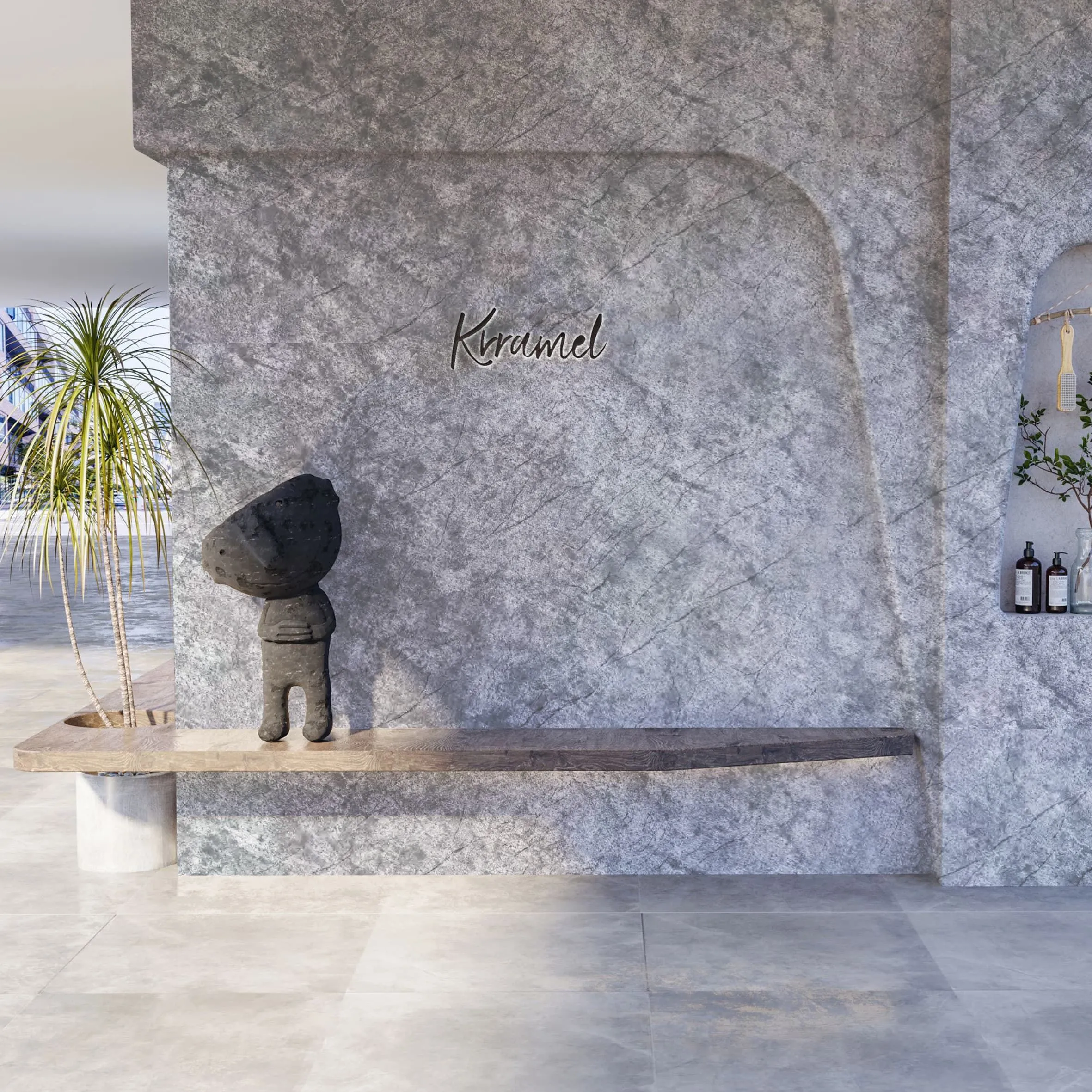
In the end, sustainable construction isn't just about materials—it's about mindset. It's about choosing to build with intention, to prioritize the planet alongside profit, and to create spaces that honor both the past and the future. Glacial slate, with its ancient origins and modern applications, embodies that mindset. It's a reminder that the best solutions often lie in the earth itself, waiting to be used wisely.
As Lise Andersen puts it, "When I look at a wall of glacial slate, I don't just see stone. I see a promise—to the people who will use this space, to the community that will grow around it, and to the planet that sustains us all. That's the power of sustainable building. That's the power of slate."
Recommend Products












