
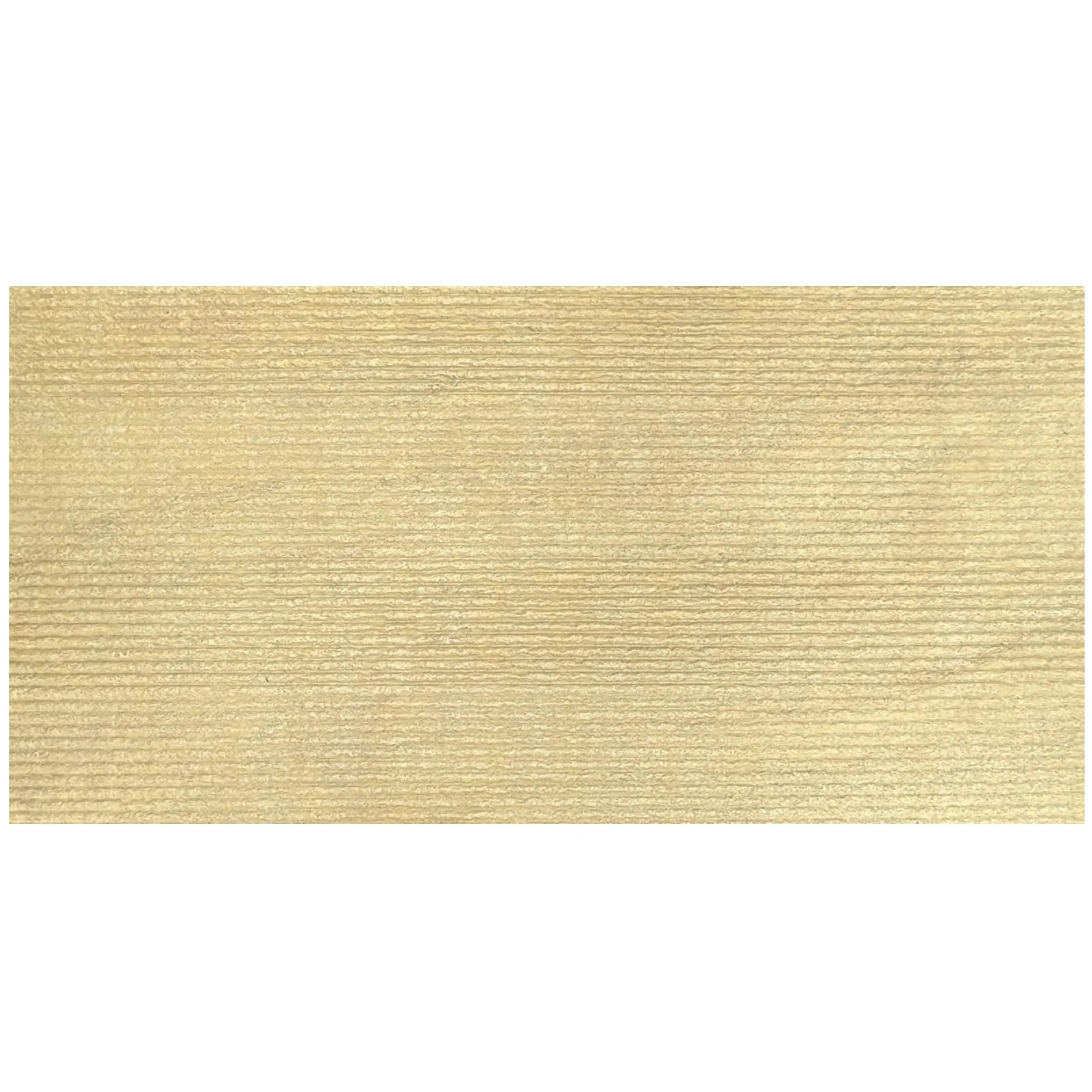
In the heart of Saudi Arabia, mosques stand not just as places of worship, but as living narratives of faith, culture, and artistry. From the grandeur of the Masjid al-Haram in Mecca to the serene simplicity of neighborhood masjids in Riyadh, these structures are designed to inspire awe and foster spiritual reflection. Every element, from the archways to the floor tiles, is chosen with intention—none more so than the materials that clothe their walls and grounds. Among these, Gravel Omani Stone has emerged as a quiet yet powerful protagonist, weaving together heritage and modernity to elevate the aesthetic and emotional resonance of sacred spaces.
Saudi mosque architecture is a dialogue between tradition and innovation. For centuries, builders relied on local materials—limestone from the Hijaz region, marble from Yemen, and clay bricks—to craft structures that mirrored the desert landscape's earthy tones and enduring strength. Today, this legacy lives on, but with a twist: modern architects are reimagining these materials, infusing them with contemporary techniques to meet the needs of growing congregations while preserving the soul of Islamic design.
At the core of this design philosophy is the belief that a mosque's materials should not just serve a functional purpose, but also evoke emotion. Cool stone underfoot grounds worshippers in the present moment; warm, textured walls wrap around them like a hug; light filtering through intricate screens dances across surfaces, turning static spaces into dynamic, living entities. It's in this delicate balance of texture, light, and symbolism that Gravel Omani Stone shines.
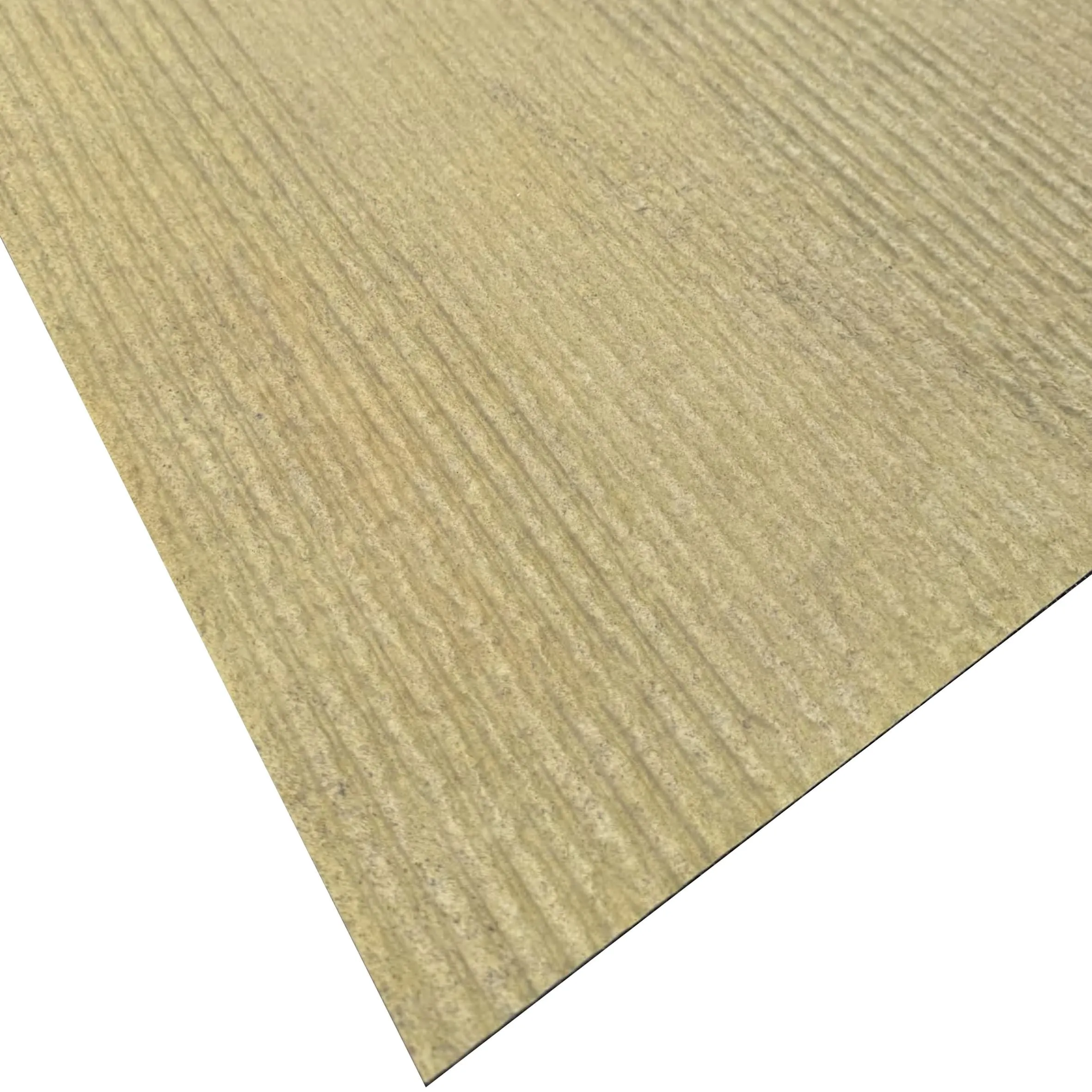
Hailing from the rocky landscapes of Oman, Gravel Omani Stone carries with it the weight of centuries. Formed by the slow compression of sediment and gravel over millennia, each slab tells a story of time—visible in its layered textures, flecks of quartz, and subtle variations in color, ranging from soft beiges to deep terracottas. Unlike highly polished marble or uniform concrete, it retains a raw, organic quality that feels both ancient and alive.
What makes Gravel Omani Stone particularly suited for mosques is its duality. On one hand, it honors the region's architectural heritage, echoing the stonework of historic forts and traditional madrasas. On the other, its durability and versatility make it a favorite for modern projects. It stands up to heavy foot traffic in prayer halls, resists weathering in courtyard areas, and can be cut into large slabs or small tiles, adapting to any design vision. For architects, it's not just a material—it's a collaborator, one that brings warmth to minimalist spaces and depth to ornate ones.
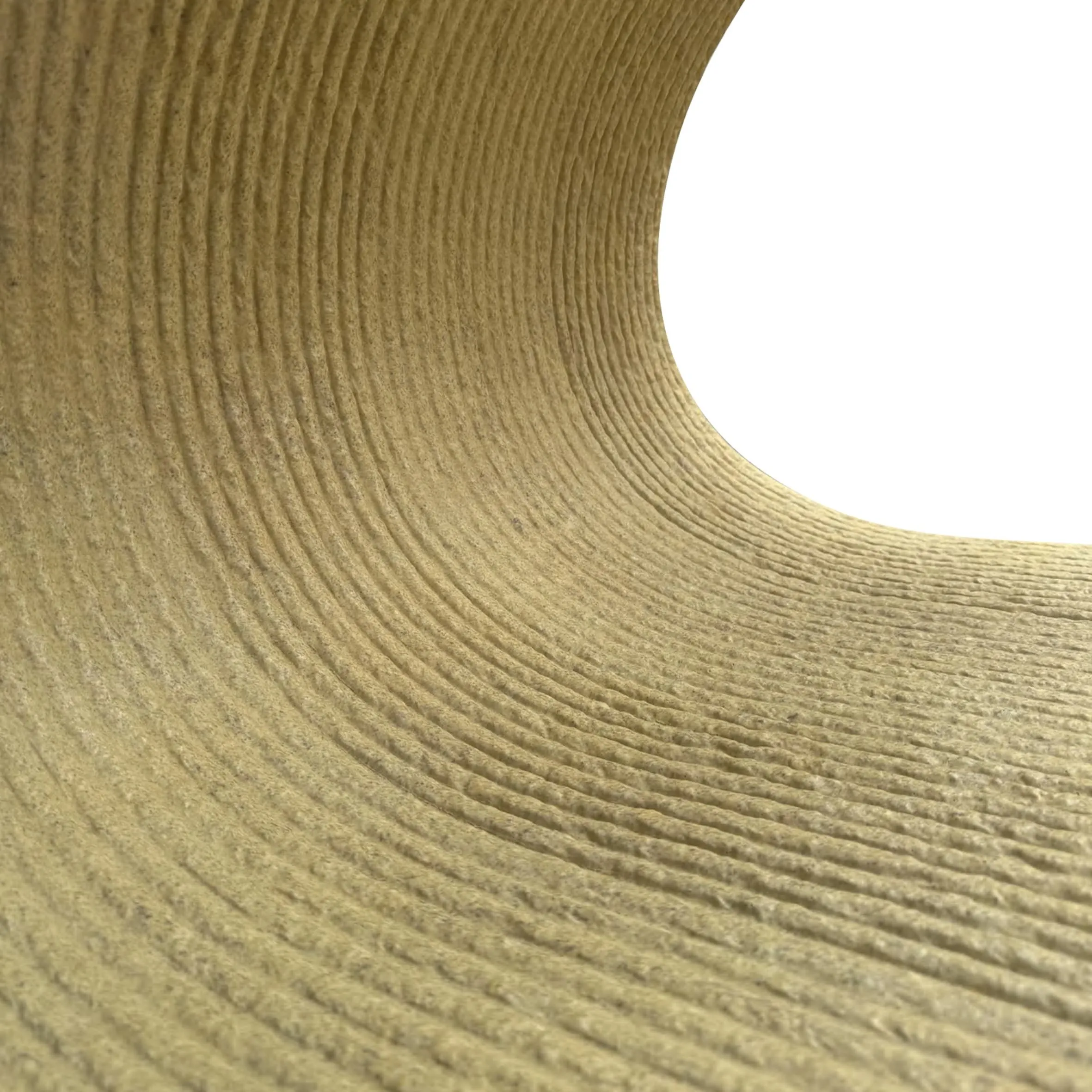
Walk into a mosque adorned with Gravel Omani Stone, and the first thing you notice is its texture. Run a hand along a wall, and you'll feel the gentle roughness of embedded gravel, a tactile reminder of nature's artistry. This texture isn't just decorative; it's intentional. In Islamic design, where geometric patterns and calligraphy often take center stage, the stone's understated grain provides a neutral backdrop, allowing these elements to pop without overwhelming the senses. It's the quiet support act that makes the main performance shine.
Light, too, plays a starring role in how Gravel Omani Stone transforms a space. In the early morning, when the sun rises over a mosque's courtyard, its rays hit the stone's surface and scatter, casting warm, dappled patterns on the floor. At dusk, as worshippers gather for Maghrib prayer, the stone absorbs the soft golden light, turning walls into glowing canvases. This interplay of light and texture creates a sense of movement, as if the mosque itself is breathing—a fitting metaphor for a space where the divine and human meet.
Perhaps most importantly, Gravel Omani Stone fosters harmony. In a religion that emphasizes unity, the stone's earthy palette—beiges, creams, and warm grays—blends seamlessly with other traditional materials. Pair it with Travertine (Starry Green) , for example, and you get a striking contrast: the stone's warmth grounding the travertine's cool, celestial flecks, like stars meeting the desert. Or combine it with Fair-Faced Concrete , and you bridge old and new, creating a space that feels both timeless and forward-thinking.
| Material | Texture | Light Interaction | Cultural Resonance | Aesthetic Contribution |
|---|---|---|---|---|
| Gravel Omani Stone | Rough, gravel-embedded surface; tactile and organic | Scatters light to create warm, dappled patterns | Rooted in regional heritage; evokes desert landscapes | Neutral backdrop that enhances geometric patterns and calligraphy |
| Traditional Marble | Polished, smooth; reflective and sleek | Mirrors light, creating bright, airy spaces | Symbol of luxury and timelessness | Adds elegance but can feel cold without texture |
| Limestone (Beige) | Fine-grained, slightly porous; soft to the touch | Absorbs light, creating muted, calm atmospheres | Historic use in Hijazi architecture | Warm but lacks the depth of Gravel Omani Stone |
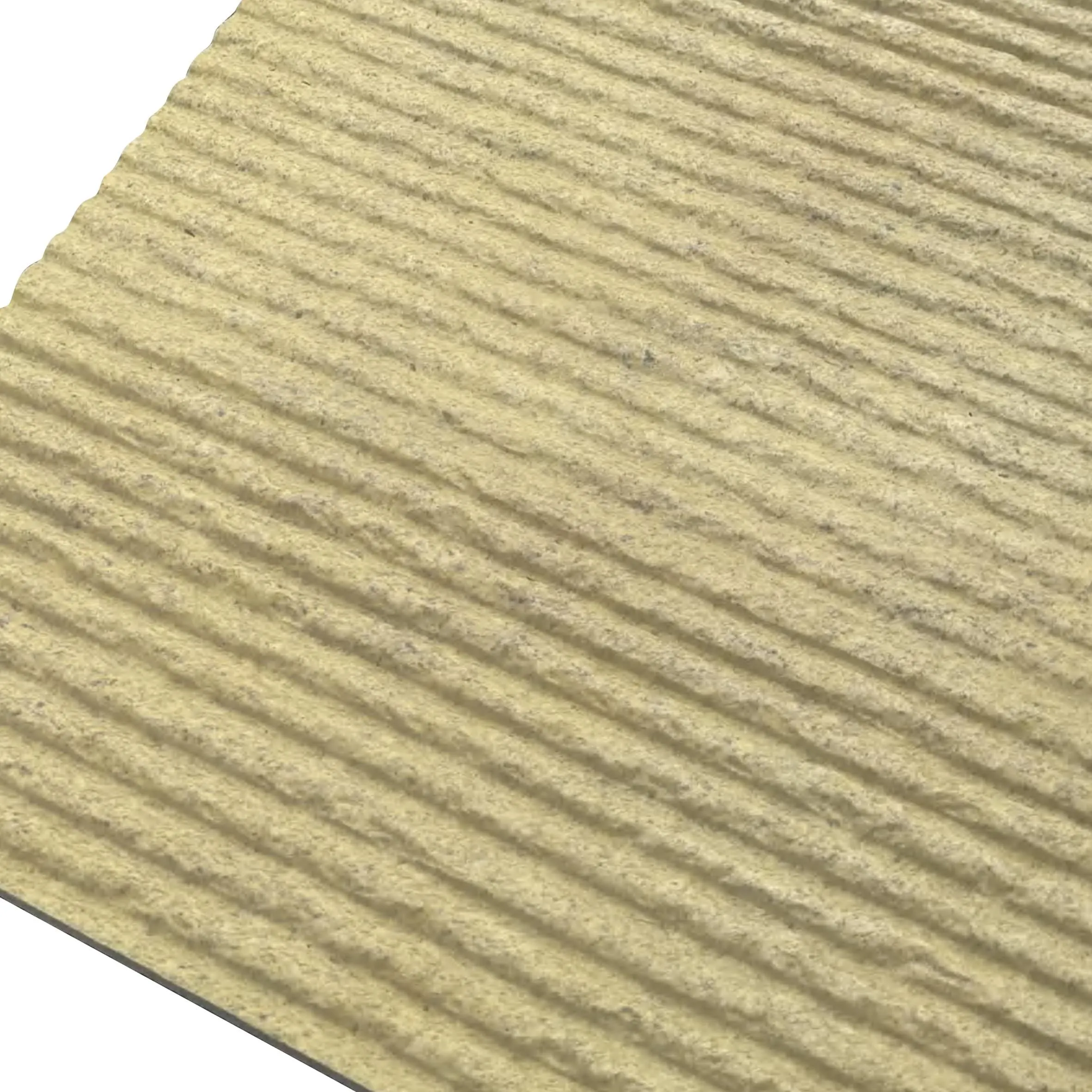
While Gravel Omani Stone is a standout material, its true magic lies in how it complements others. Take Lunar Peak Silvery , for instance—a modern material with a metallic sheen that mimics moonlight. When used as an accent alongside Gravel Omani Stone, it adds a touch of celestial wonder, as if the desert floor (represented by the stone) is reaching up to the night sky (Lunar Peak). This pairing is especially effective in mihrab areas, where the focus is on the qibla, and the materials work together to draw the eye toward the sacred direction.
Another perfect companion is Rust Mosaic Stone . With its rich, reddish-brown hues and fragmented pattern, it adds a pop of color and movement to spaces dominated by Gravel Omani Stone. Imagine a mosque courtyard where the main pathways are paved with Gravel Omani Stone, and the borders are lined with Rust Mosaic Stone—like a river of earth winding through a desert plain. It's a subtle nod to the region's landscapes, grounding the space in local identity.
Even more contemporary materials find harmony with Gravel Omani Stone. Fair-Faced Concrete , with its industrial, minimalist vibe, softens when paired with the stone's organic texture. Together, they create a space that feels both modern and rooted—a reflection of Saudi Arabia's own journey, where rapid development coexists with deep cultural roots.
In Riyadh's Al-Faisaliah Mosque, a recent renovation chose Gravel Omani Stone for its main prayer hall floors. Previously paved with smooth marble, the space felt formal and distant. The switch to Gravel Omani Stone changed everything: worshippers now speak of feeling "more connected to the earth," as if the stone itself is a bridge between their bodies and the divine. The Imam noted that attendance at midday prayers has increased, with many citing the "warmer, more welcoming" atmosphere as a reason.
In Jeddah, the newly built Al-Rahman Mosque features a facade combining Gravel Omani Stone with Lunar Peak Silvery panels. The stone covers the lower half of the walls, grounding the structure, while the silvery panels rise above, catching the light and giving the mosque a futuristic silhouette. "We wanted to honor our past while looking to the future," says the lead architect. "Gravel Omani Stone was the obvious choice—it's our heritage, but it's also incredibly versatile. Paired with Lunar Peak, it tells the story of where we've been and where we're going."
Perhaps the most poignant example is a small mosque in a rural village outside Medina. Built with limited funds, the community chose Gravel Omani Stone for its affordability and local availability. Today, the mosque's walls, made from rough-hewn stone slabs, are covered in children's handprints—gifts from the village's youth. The stone, with its own "imperfections," has become a symbol of the community's unity and resilience. As one elder put it: "The stone isn't just part of the mosque. It's part of us."
In the end, Gravel Omani Stone is more than a building material. It's a storyteller, a bridge between generations, and a silent participant in the spiritual lives of millions. In Saudi Arabian mosques, it elevates aesthetics not by demanding attention, but by creating spaces that feel authentic, warm, and deeply human. It reminds us that beauty in sacred architecture isn't about opulence—it's about connection: to the earth, to tradition, and to something greater than ourselves.
As architects continue to push the boundaries of mosque design, materials like Gravel Omani Stone will remain essential. They are the constants in a world of change, grounding us in heritage while allowing us to dream of the future. And in that balance—between old and new, rough and refined, earth and sky—lies the true beauty of Saudi Arabia's sacred spaces.
Recommend Products












