
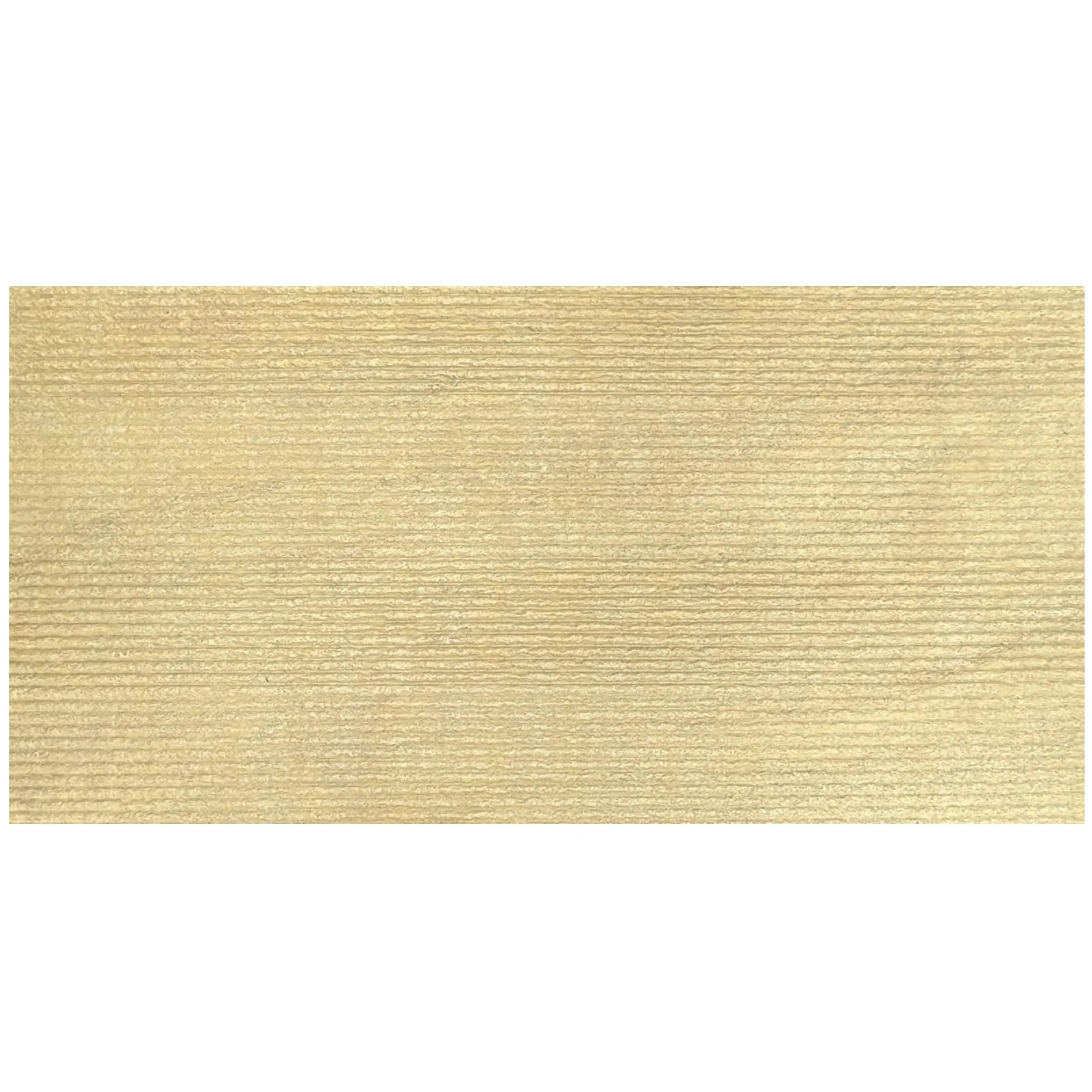
In the bustling commercial hubs of Riyadh, Jeddah, and Dammam, a quiet revolution is unfolding. Walk into a newly opened café, a boutique hotel, or a modern office lobby, and you'll notice something different—spaces that don't just serve a function, but breathe . They feel less like generic shells and more like stories waiting to be told. At the heart of this shift? A growing appreciation for materials that carry warmth, history, and a touch of the earth. Among these, one material has emerged as a favorite for designers aiming to blend tradition with contemporary flair: Gravel Omani Stone .
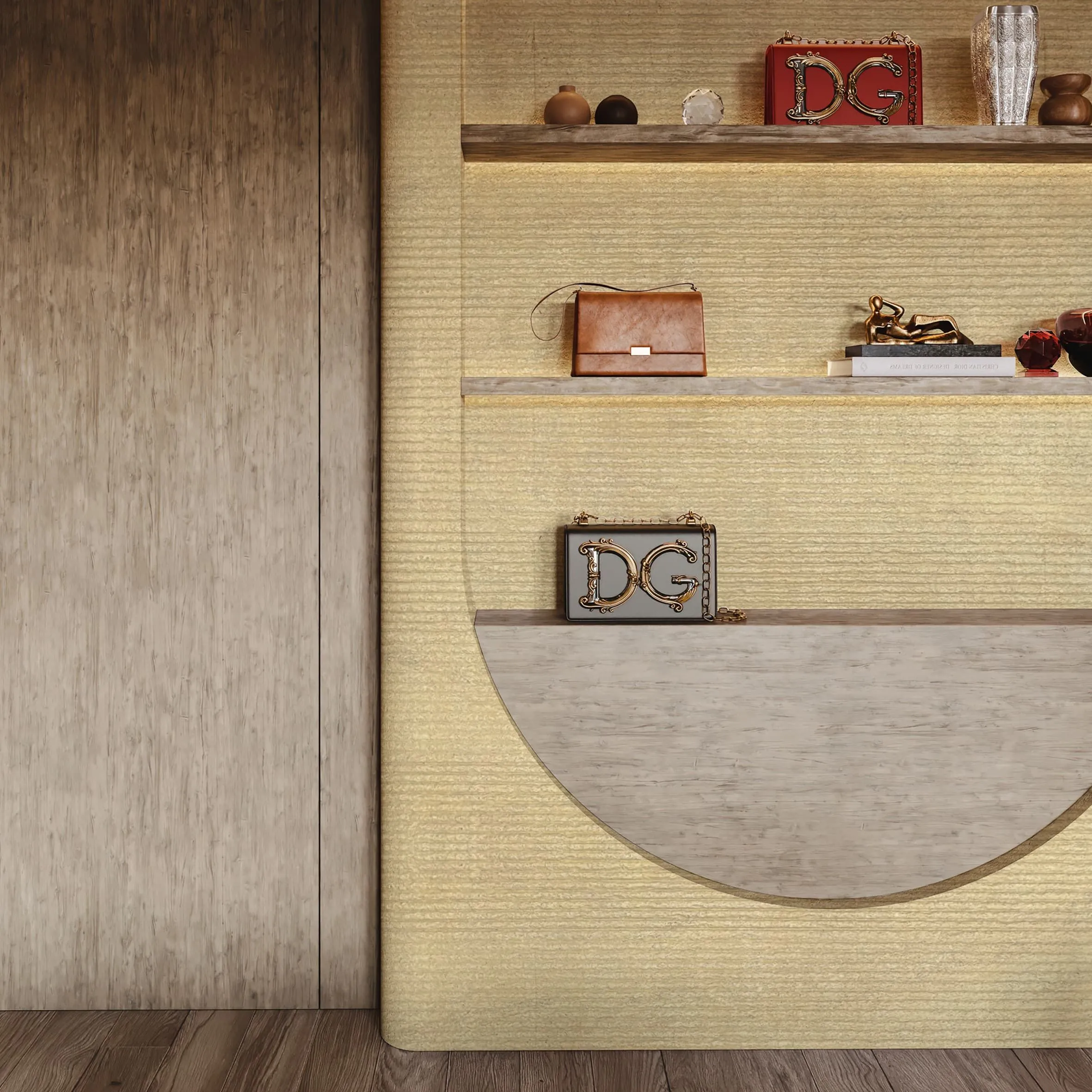
Imagine stepping into a high-end retail store in Riyadh's King Abdullah Financial District. The first thing that hits you isn't the flashy displays or sleek lighting—it's the wall. Textured, earthy, and alive with tiny specks of gravel that catch the light, it feels like a piece of the desert landscape was gently lifted and placed indoors. That's the magic of Gravel Omani Stone. Unlike polished marble or sterile concrete, it doesn't shout. It whispers , inviting you to lean in, touch its surface, and lose yourself in its details.
Quarried from the rocky landscapes of Oman, this stone carries the weight of centuries in its grains. Each slab is unique, marked by nature's handiwork—no two pieces share the same pattern of gravel or the same blend of sandy beiges, warm taupes, and soft grays. For designers in Saudi Arabia, this uniqueness is gold. In a market saturated with cookie-cutter finishes, Gravel Omani Stone offers a chance to create spaces that feel one-of-a-kind, rooted in the region's natural beauty.
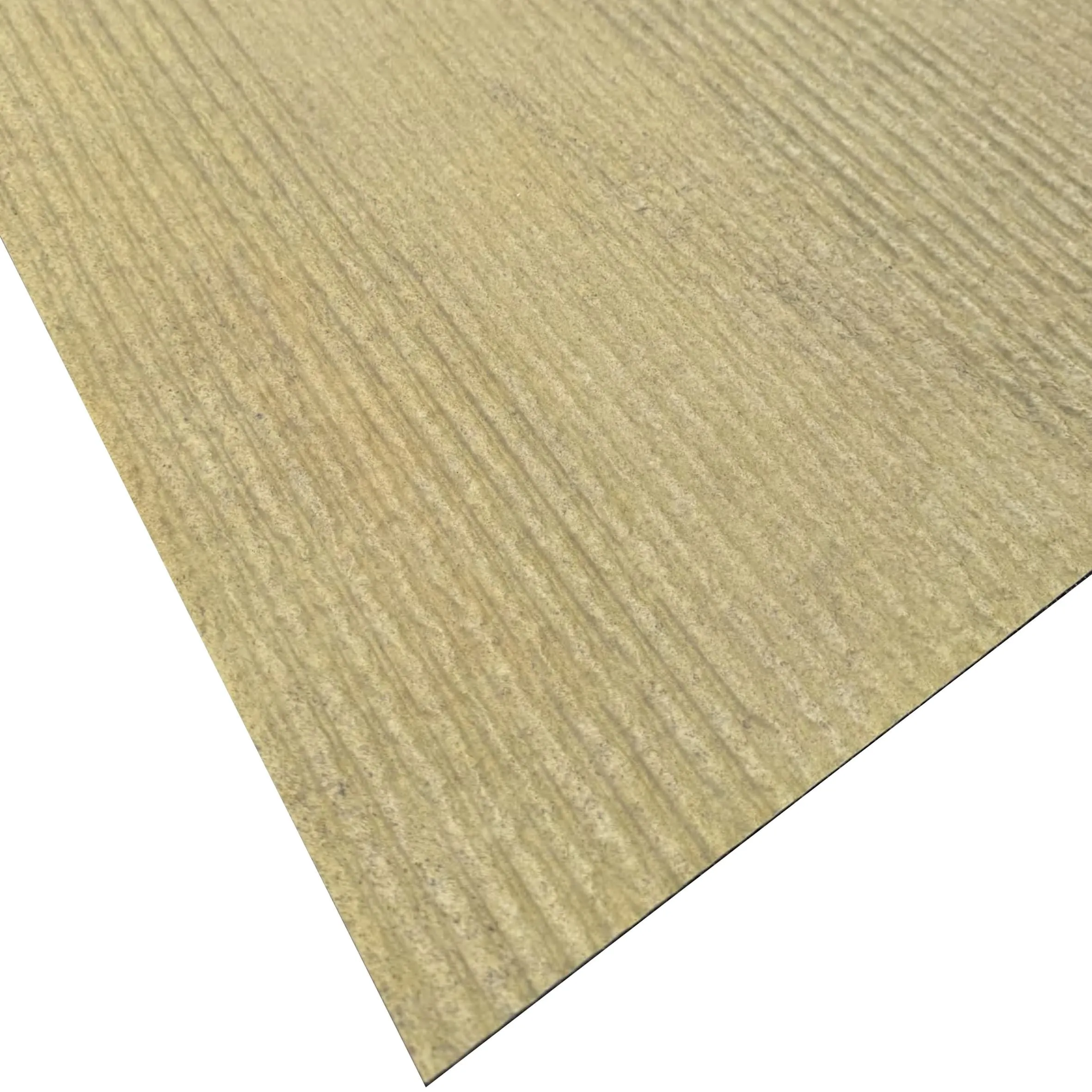
What truly sets Gravel Omani Stone apart is its texture. Run your hand over it, and you'll feel the slight roughness of embedded gravel, a reminder of the desert winds that shaped it. It's tactile, almost primal—like touching the side of a canyon or the bed of a dry wadi. This isn't just a surface; it's a sensory experience. In commercial spaces, where so much is designed to be looked at but not touched, this quality is revolutionary. It turns passive observers into active participants, forging a deeper connection between people and their environment.
Take, for example, a restaurant in Jeddah's Al-Balad district. The owners wanted to evoke the warmth of a traditional majlis but with a modern twist. They clad the main dining wall in Gravel Omani Stone, pairing it with handwoven weaving (beige) textiles and brass lanterns. The result? A space that feels both timeless and fresh. Patrons often comment on how "grounded" they feel there—as if the stone itself is rooting them in the region's heritage while embracing the present.
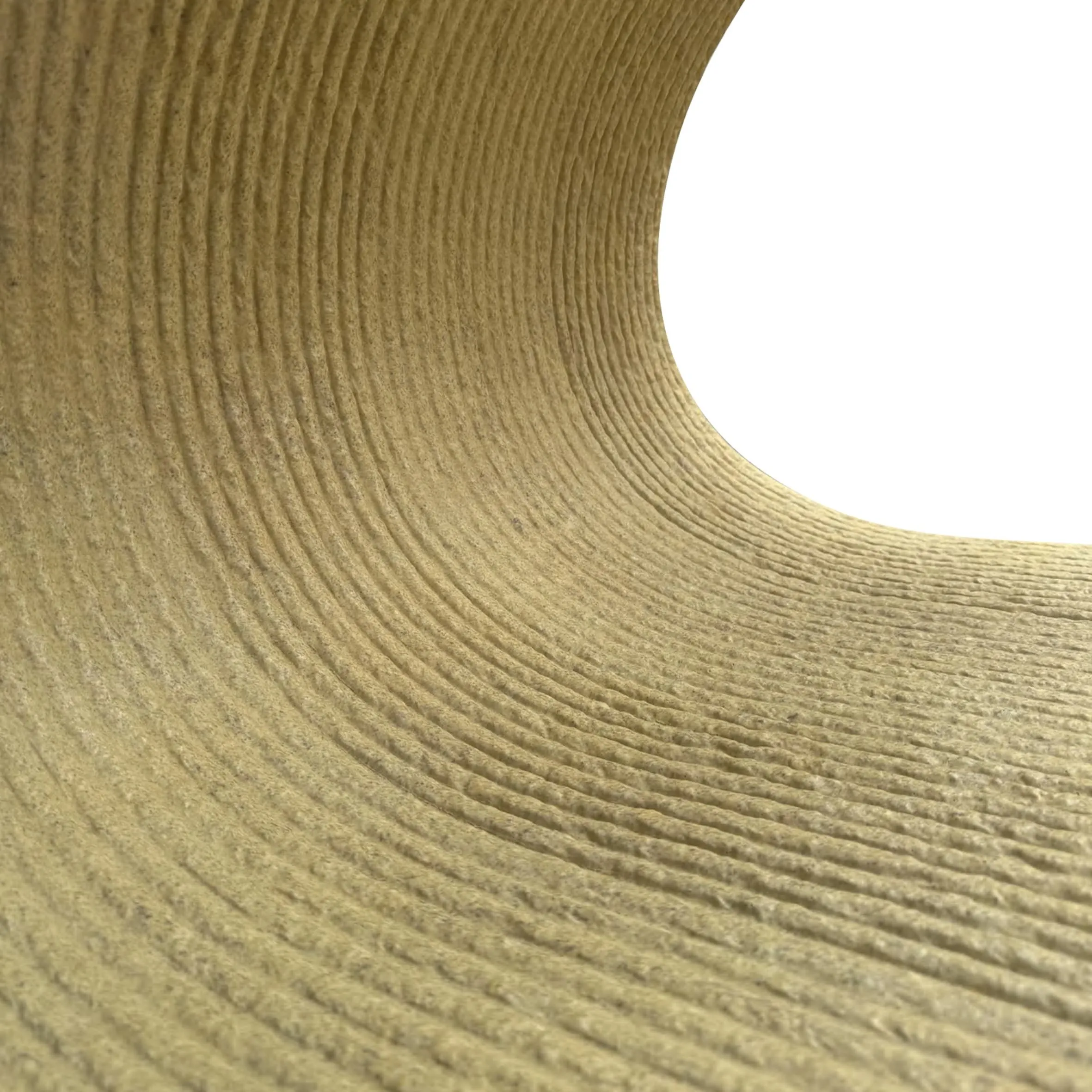
Commercial design in Saudi Arabia is no longer about impressing with opulence alone. Today, it's about creating mood . Gravel Omani Stone excels at this, thanks to its ability to play with light and shadow. In the morning, sunlight filters through floor-to-ceiling windows, casting dappled patterns across its surface, making the space feel bright and airy. As evening falls, warm pendant lights highlight its texture, turning the stone into a canvas of depth and mystery. This versatility makes it ideal for everything from boutique hotels to corporate offices.
Consider a co-working space in Dammam. Previously, the walls were painted a flat white, leaving the area feeling cold and uninspiring. After reimagining the space with Gravel Omani Stone accent walls, the atmosphere shifted entirely. Members now describe it as "calming" and "creative"—a place where they can focus without feeling disconnected from nature. The stone's neutral palette also acts as a perfect backdrop for vibrant artworks and colorful furniture, creating a balanced, harmonious look that feels curated, not cluttered.
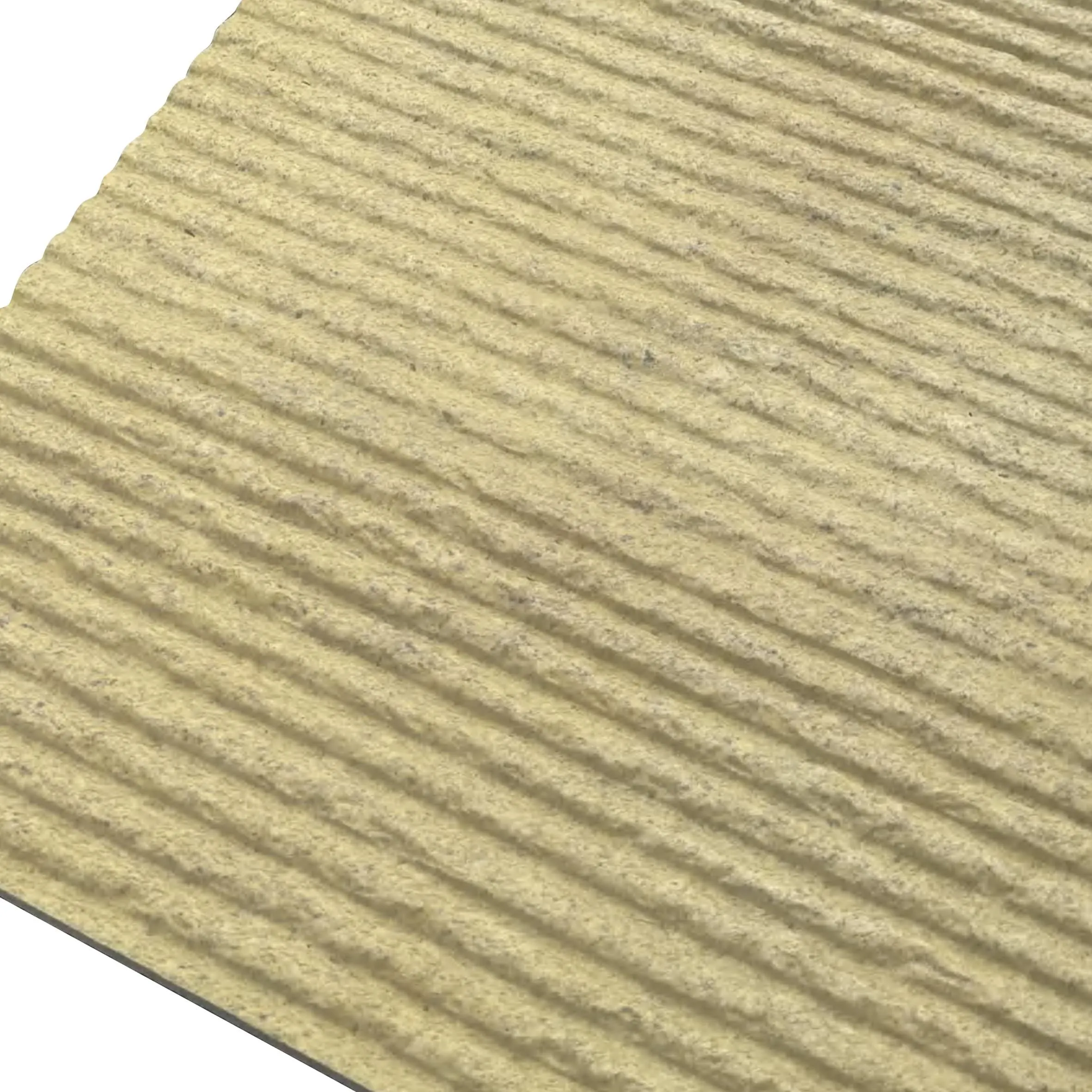
Great design is about balance, and Gravel Omani Stone plays well with others. Its earthy tones and organic texture make it a versatile companion for both natural and modern materials, allowing designers to craft layered, dynamic spaces. Here are a few pairings that have been turning heads in Saudi's commercial scene:
Nestled in Jeddah's trendy Al-Rawdah neighborhood, Al-Maha Café wanted to stand out in a crowded market. The owner, a Saudi architect with a passion for heritage, envisioned a space that felt like a "modern majlis"—a place where friends could gather, share stories, and feel at home. The solution? Gravel Omani Stone.
The café's main wall is clad in large slabs of Gravel Omani Stone, paired with wood grain board for the ceiling and warm, amber lighting. The stone's texture mirrors the desert landscape visible through the café's large windows, creating a seamless connection between indoors and out. Customers often remark on how the space "feels like a hug"—cozy, inviting, and deeply rooted in Saudi culture. Since opening, Al-Maha has become a social media sensation, with patrons flocking not just for the coffee, but for the experience of being surrounded by such a soulful material.
It's no accident that Gravel Omani Stone has become a staple in Saudi commercial design. Beyond its aesthetic appeal, it aligns with two key trends shaping the kingdom's architecture: a return to natural materials and a focus on durability.
Culturally, Saudis have long revered materials that reflect the land. From traditional mud-brick houses to the use of local sandstone in historic forts, there's a deep-seated appreciation for elements that tell the story of the region. Gravel Omani Stone, with its desert-inspired palette and organic texture, taps into this heritage, making it feel familiar and comforting, even in modern settings.
Practicality also plays a role. Saudi Arabia's harsh climate—scorching summers, occasional sandstorms—demands materials that can withstand the elements. Gravel Omani Stone is naturally resistant to heat, moisture, and wear, making it ideal for both indoor and outdoor use. A hotel in Al-Ula, for example, used it for their outdoor terrace walls, where it has stood up to years of sun and sand without losing its beauty.
Finally, it aligns with Saudi Vision 2030's push for unique, world-class architecture. As the kingdom invests in tourism and business, there's a growing demand for spaces that stand out on the global stage. Gravel Omani Stone, with its blend of uniqueness and versatility, helps designers create projects that put Saudi Arabia's design sensibility on the map.
| Material | Texture | Color Palette | Emotional Impact | Best For |
|---|---|---|---|---|
| Gravel Omani Stone | Rough, gravel-embedded, tactile | Earthy beiges, taupes, soft grays | Warmth, grounding, connection to nature | Cafés, hotels, co-working spaces |
| Travertine (Beige) | Smooth with subtle pitting | Light beiges, ivory, soft golds | Elegance, timelessness | Luxury retail, high-end offices |
| Epoch Stone | Polished, uniform | Greys, blacks, modern neutrals | Sophistication, minimalism | Contemporary tech offices, art galleries |
In a world of quick fixes and mass-produced finishes, Gravel Omani Stone is a reminder that great design is about intention. It's not just a material—it's a storyteller, carrying the beauty of the region's landscapes and the craftsmanship of its people into every space it inhabits. For commercial projects in Saudi Arabia, it's more than a trend; it's a movement toward spaces that feel human, spaces that matter.
So the next time you walk into a commercial space that makes you pause, that makes you feel something, take a closer look. Chances are, there's a piece of the desert in there—a slab of Gravel Omani Stone, quietly working its magic, turning walls into stories and spaces into memories.
Recommend Products












