
Let's start with something we've all experienced: walking into a room on a scorching summer day and feeling an immediate wave of relief—or the opposite, shivering in a drafty space during winter even with the heater cranked up. Those moments aren't just about AC or heating; they're about how well a building holds onto temperature. Thermal insulation is the quiet force that keeps our homes and offices comfortable, our energy bills in check, and our carbon footprints smaller. In a world where climate change pushes us to build smarter, the materials we choose for walls, floors, and exteriors have never mattered more.
Think about it: a poorly insulated building acts like a sieve for heat. In summer, the sun bakes the exterior, and that heat seeps indoors, making AC units work overtime. In winter, warmth escapes through walls, forcing furnaces to run nonstop. The result? Skyrocketing energy costs and a planet paying the price. But here's the good news: the right materials can flip the script. Enter Gravel Omani Stone—a natural, textured material that's quietly revolutionizing how we insulate buildings. Let's dive into what makes it so special.
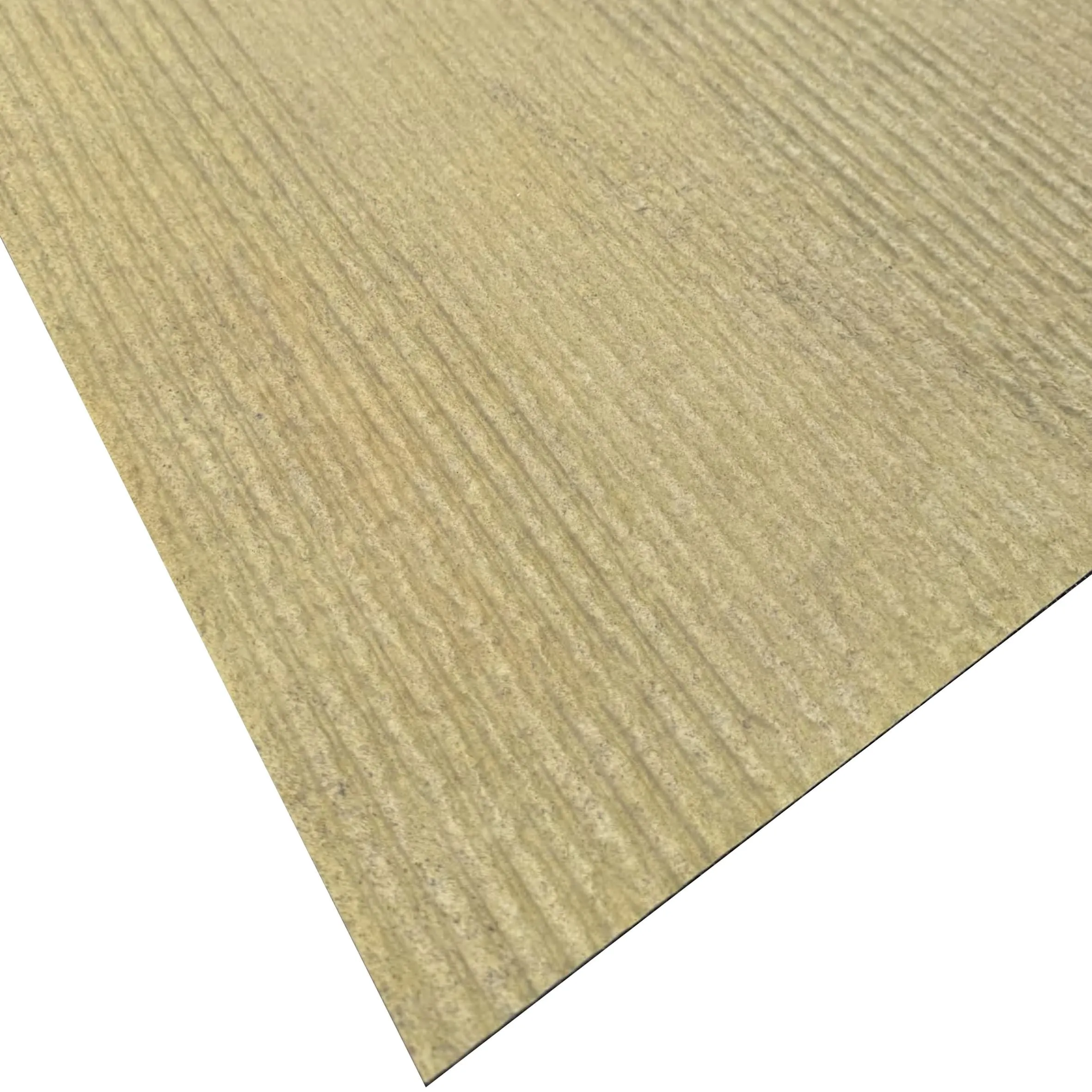
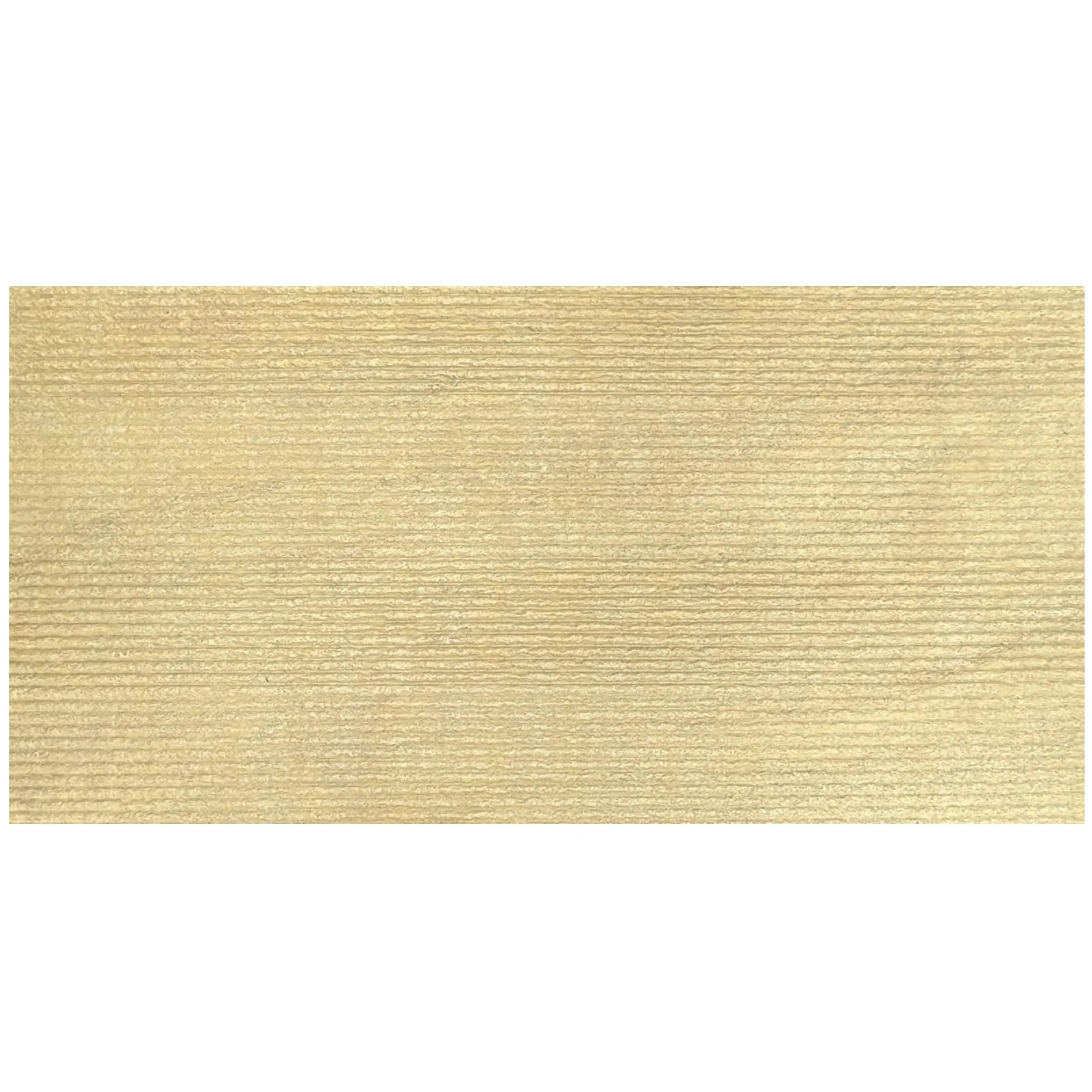
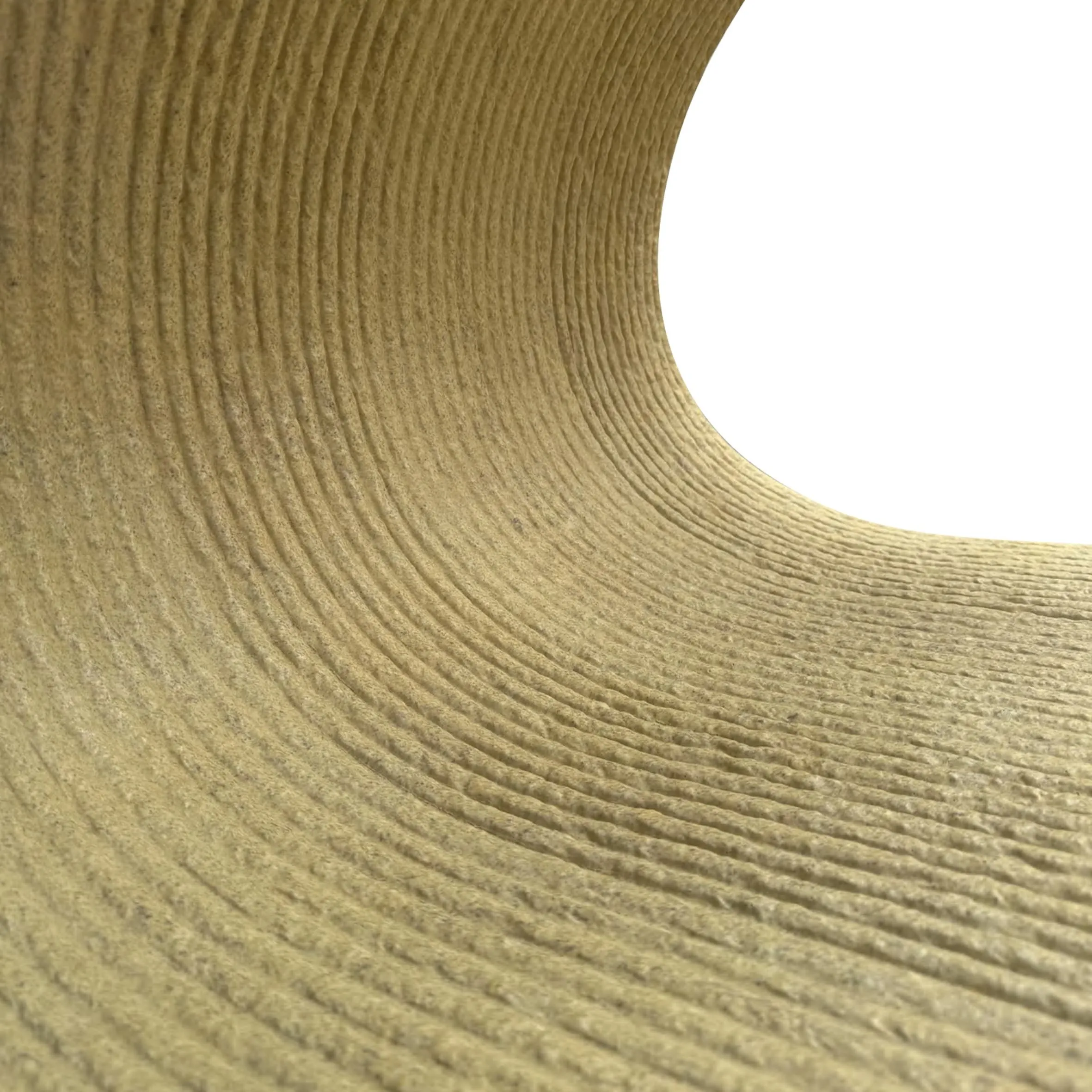
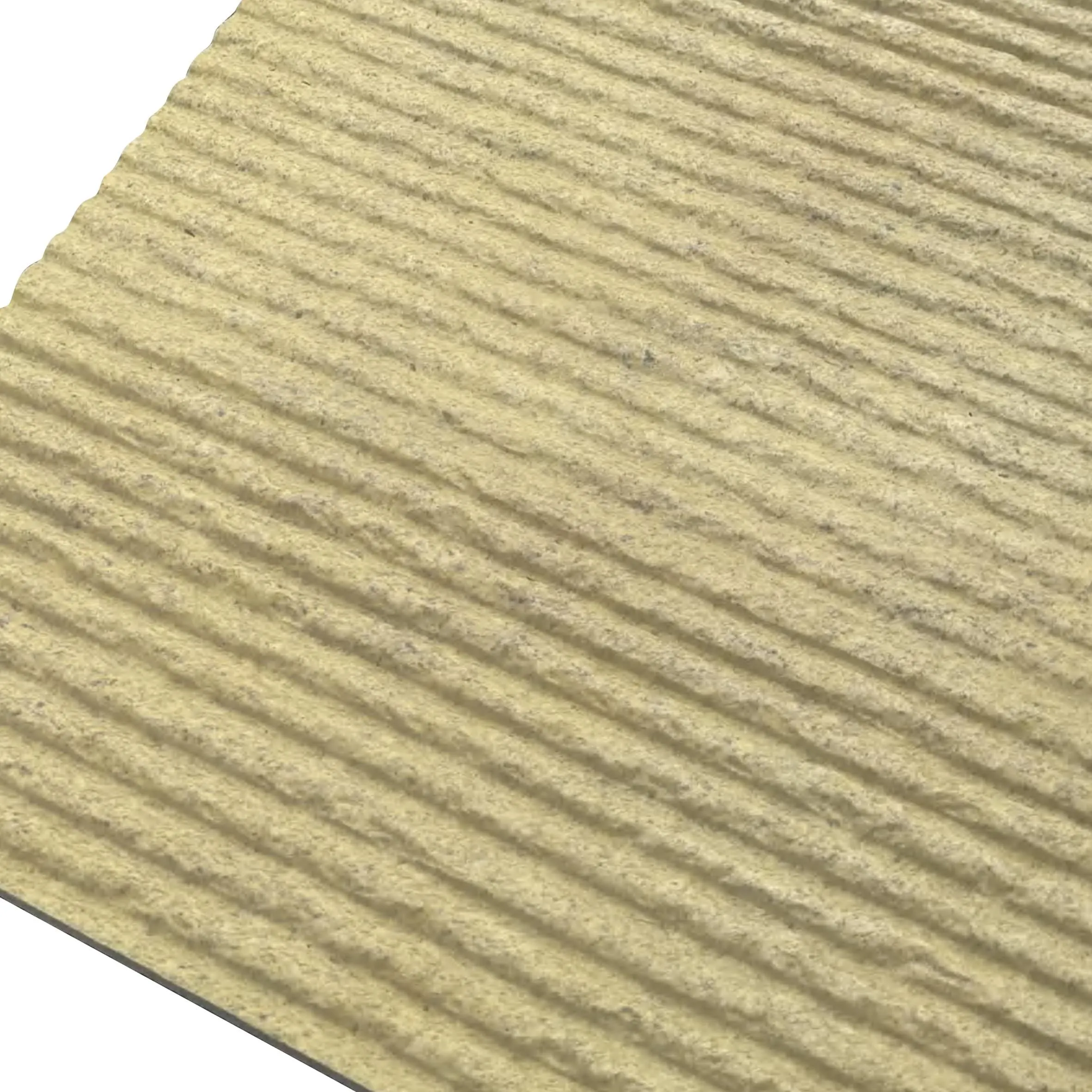
First things first: what exactly is Gravel Omani Stone? Hailing from the arid landscapes of Oman, this material is a product of nature's patient craftsmanship. Formed over centuries from compacted gravel, sand, and natural minerals, it carries the earthy character of its origins—think warm, sandy hues flecked with pebbles, giving it a rustic yet refined look. But its beauty isn't just skin deep. Unlike polished marbles or dense concretes, Gravel Omani Stone has a porous, uneven texture that's key to its superpower: keeping heat in (or out).
Let's talk texture. Run your hand over a slab of Gravel Omani Stone, and you'll feel tiny indentations, gaps between pebbles, and a slightly rough surface. Those gaps aren't flaws—they're air pockets, and air is one of the best insulators around. Imagine a blanket: its fluffiness traps air, which slows down heat transfer. Gravel Omani Stone works the same way, but on a sturdier scale. Its natural porosity creates a network of tiny air pockets that act as barriers, preventing heat from rushing through the material. And because it's made from natural gravel, it's dense enough to be durable but not so dense that it conducts heat like a metal pan.
But don't just take my word for it. Architects and builders in Oman and beyond have started turning to Gravel Omani Stone not just for its aesthetic appeal—though it pairs beautifully with modern designs, from sleek commercial buildings to cozy homes—but for its ability to regulate temperature. It's a material that tells a story: of the desert's extremes, of resilience, and of nature's knack for solving problems we're still trying to engineer our way out of.
Let's get a little science-y, but don't worry—I'll keep it simple. Thermal insulation boils down to one key factor: thermal conductivity. That's just a fancy term for how well a material lets heat pass through it. Materials with low thermal conductivity are like gatekeepers; they slow heat down, keeping it on the side where it belongs. Gravel Omani Stone has a thermal conductivity of around 0.15 W/m·K (watts per meter-kelvin), which is significantly lower than dense materials like fair-faced concrete (around 1.5 W/m·K) or even some woods (0.12 W/m·K for softwoods, but with trade-offs we'll get to later).
Why is that number so important? Let's put it in context. If you have a wall made of fair-faced concrete, heat from the sun will zip through it in no time, turning your living room into a sauna. But with Gravel Omani Stone, that heat hits the air pockets in the stone, gets trapped, and moves much slower. The same goes for winter: the warmth inside your home stays put because the stone resists letting it escape. It's like adding a layer of armor against temperature swings.
Another factor is density. Gravel Omani Stone isn't lightweight, but it's not overly heavy either. Its balanced density (around 1200 kg/m³) means it has enough mass to absorb and store heat without becoming a conductor. This "thermal mass" helps stabilize temperatures over time. For example, during the day, it soaks up heat from the sun, then releases it slowly at night when the air cools down—naturally regulating indoor temps without relying on gadgets. It's nature's version of a smart thermostat.
To really see why Gravel Omani Stone stands out, let's compare it to other popular building materials. We'll look at thermal conductivity (lower is better), R-value (higher is better—it measures heat resistance), density, and sustainability. Here's how they stack up:
| Material | Thermal Conductivity (W/m·K) | R-Value (m²·K/W) | Density (kg/m³) | Sustainability Score (1-5) | Best For |
|---|---|---|---|---|---|
| Gravel Omani Stone | 0.15 | 2.5 | 1200 | 4.5 | Exterior cladding, interior walls |
| Fair-faced Concrete | 1.5 | 0.5 | 2400 | 3.0 | Structural elements, industrial spaces |
| Wood Grain Board | 0.12 | 3.0 | 600 | 3.5 | Interior paneling, accent walls |
| Lunar Peak Silvery | 0.8 | 1.0 | 1800 | 4.0 | Modern exteriors, decorative features |
| MCM Flexible Stone | 0.20 | 2.0 | 1100 | 4.0 | Curved surfaces, lightweight cladding |
As you can see, Gravel Omani Stone holds its own against the competition. It beats fair-faced concrete hands down in insulation and sustainability, and while wood grain board has a slightly higher R-value, it's less durable for exterior use (wood can warp or rot in harsh weather). Lunar Peak Silvery, with its sleek metallic finish, is stylish but not as insulating. And MCM flexible stone, a popular modern option, is close but still has higher thermal conductivity. For a material that's natural, durable, and effective, Gravel Omani Stone is hard to beat.
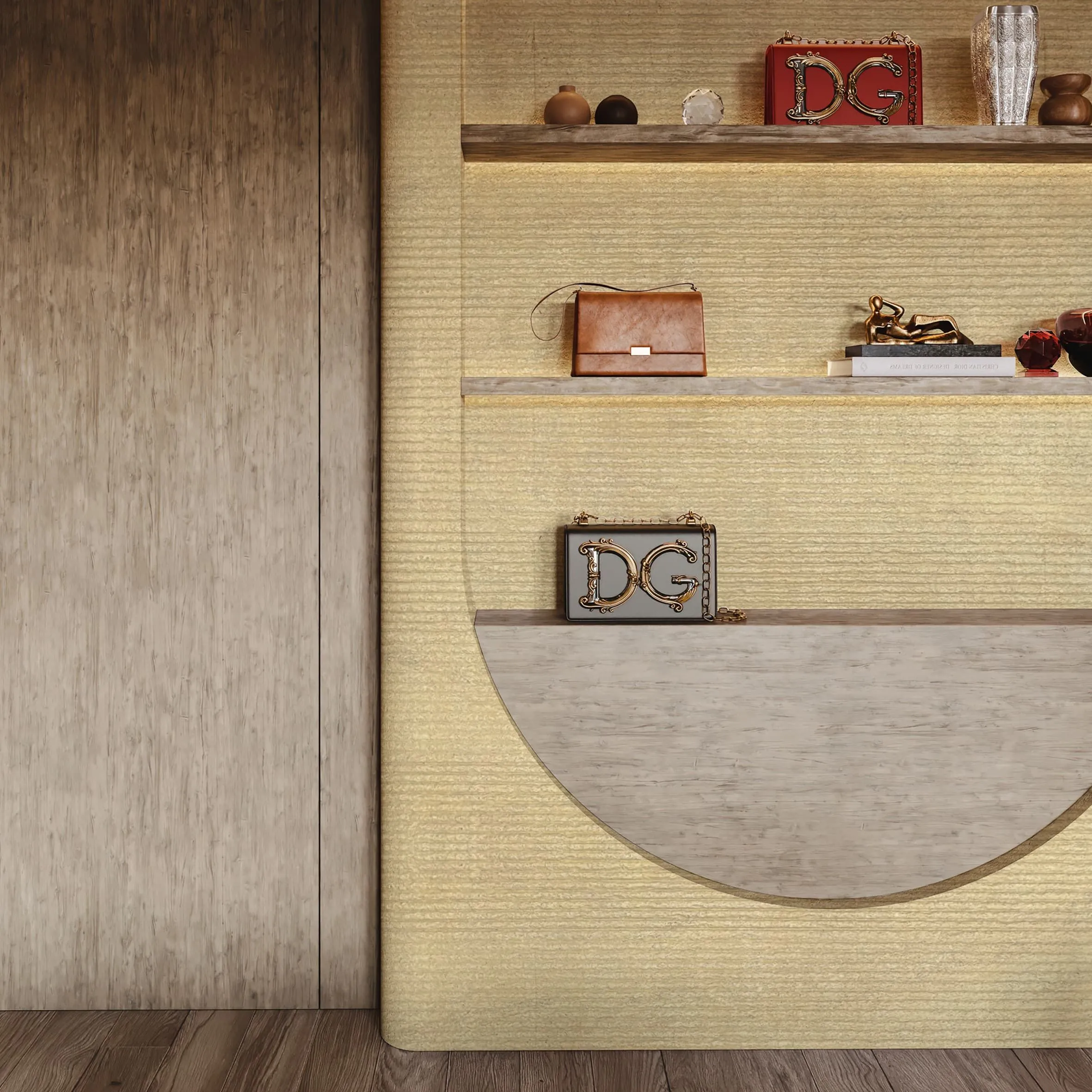
Gravel Omani Stone isn't just a lab star—it shines in real buildings, too. Let's break down where it works best:
Exterior Cladding: This is where Gravel Omani Stone truly excels. When used as exterior wall cladding, it acts as a shield against the elements. In hot climates like the Middle East, it reflects sunlight and slows heat absorption, keeping interiors cool. In colder regions, it traps warmth inside. Plus, its rough texture adds visual interest—imagine a modern home with a facade of Gravel Omani Stone, complemented by sleek Lunar Peak Silvery accents. It's functional and beautiful.
Interior Walls: Even indoors, it makes a difference. Using it for accent walls or entire rooms adds a cozy, earthy vibe while helping maintain consistent temps. It also has bonus sound insulation properties—those air pockets that block heat also muffle noise, making it great for bedrooms or home offices.
Commercial Buildings: Think shopping malls, hotels, or offices with large exterior surfaces. Gravel Omani Stone can reduce energy costs by up to 30% in these spaces, which adds up fast for businesses. It's also low maintenance—no need for frequent painting or sealing—so it stays looking good for decades.
Heritage and Cultural Sites: For buildings that need to blend with history, Gravel Omani Stone is a dream. Its natural look complements traditional architecture, while its insulation properties modernize the structure without sacrificing character. Pair it with MCM flexible stone for intricate details, and you get the best of old and new.
Thermal insulation is the headline, but Gravel Omani Stone has more to offer. Let's talk about the extras that make builders and homeowners fall in love:
Durability: This stone is tough. It can handle rain, wind, extreme temperatures, and even the occasional scratch from furniture. Unlike wood, it won't rot or attract pests. Unlike some synthetic materials, it won't fade in the sun. It's built to last, which means fewer replacements and less waste over time.
Low Maintenance: No fancy cleaning products needed. A quick hose down or wipe with a damp cloth is all it takes to keep it looking fresh. It doesn't need sealing every year like some stones, and its natural color won't peel or chip. For busy homeowners or commercial properties, that's a huge relief.
Sustainability: Let's talk green. Gravel Omani Stone is a natural material—mined from the earth with minimal processing. Unlike concrete, which requires energy-intensive manufacturing, or synthetic insulators made from plastics, it has a low carbon footprint. And because it lasts so long, it reduces the need for frequent material replacements, which is better for the planet.
Aesthetic Versatility: It plays well with others. Want a modern look? Pair it with fair-faced concrete and metal accents. Going for rustic? Mix it with wood grain board and warm lighting. It comes in a range of earthy tones, from soft beiges to deeper terracottas, so it fits any design style. It's like the neutral sweater of building materials—goes with everything.
Let's take a real example. In Muscat, Oman, a family built a home using Gravel Omani Stone for their exterior walls and interior living room accent wall. Before moving in, their previous home (with fair-faced concrete walls) had AC bills averaging $300/month in summer. After switching to Gravel Omani Stone, those bills dropped to $180/month—a 40% savings. They also noticed the indoor temperature stayed steady at 24°C (75°F) even when outside temps hit 45°C (113°F), without the AC running constantly.
The homeowner, Fatima Al-Mansoori, put it this way: "We used to come home and immediately turn on the AC, but now the house stays cool on its own. It's quieter, too—no more loud AC all day. And I love how the stone looks; it feels like bringing a piece of the desert into our home, but in a good way." The architect, Khalid bin Said, added, "Gravel Omani Stone was a no-brainer. It solved the insulation problem while giving the home a unique, local identity. Clients are asking for it now after seeing the results."
At the end of the day, building materials are about more than just bricks and mortar—they're about the life we live inside those walls. Gravel Omani Stone isn't just a material; it's an investment in comfort, savings, and sustainability. It's proof that nature often has the best solutions, if we take the time to look.
Whether you're building a new home, renovating an office, or designing a commercial space, consider the impact of your material choices. Gravel Omani Stone offers a rare combination: it keeps you comfortable, saves you money, and helps the planet—all while adding a touch of natural beauty. And with options like MCM flexible stone for modern designs or Lunar Peak Silvery for metallic flair, you don't have to sacrifice style for function.
So the next time you walk into a building and think, "Wow, this feels nice," take a look around. Maybe it's not just the AC or the decor—it could be the quiet work of Gravel Omani Stone, keeping the temperature just right, one air pocket at a time.
Recommend Products












