
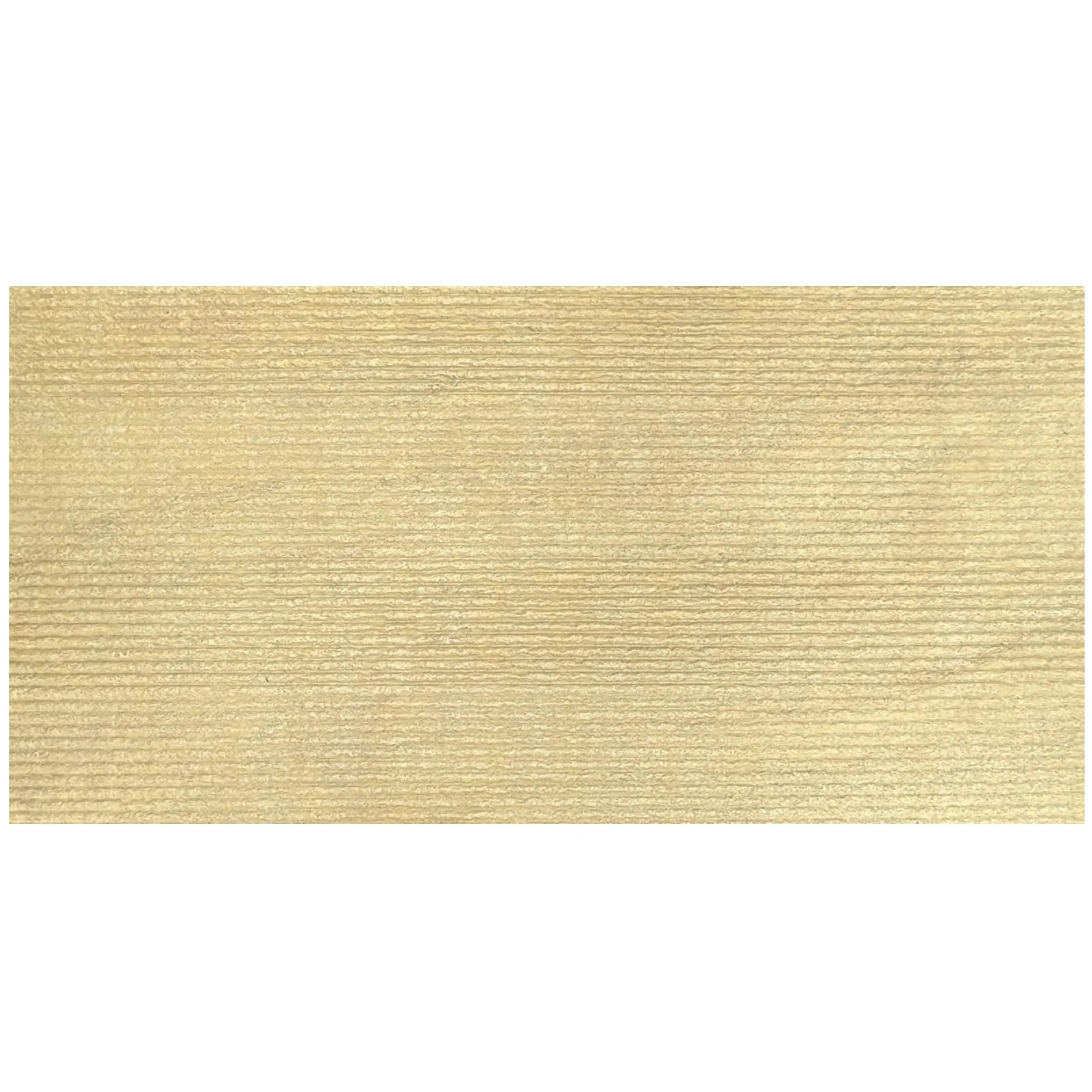
Walk into any modern construction site these days, and you'll likely hear the same buzzword echoing between architects, contractors, and developers: sustainability. It's not just a trend anymore—it's a necessity. With the built environment accounting for nearly 40% of global carbon emissions (according to the UN Environment Programme), the pressure is on to rethink how we build. From skyscrapers to suburban homes, every choice—down to the cladding on the exterior—carries weight for our planet. That's where materials like Gravel Omani Stone come into play. You might not have heard of it yet, but this unassuming natural stone is quietly becoming a hero in the quest for greener building practices. Let's dive into why it matters, how it works, and why it might just be the material your next project has been waiting for.
Before we get into what makes Gravel Omani Stone special, let's talk about the problem it's solving. For decades, construction has relied on materials like natural granite, marble, and even standard concrete. These materials have their perks—they're strong, they look good, and they've been tried and tested. But here's the catch: their environmental footprint is often massive. Quarrying natural stone, for example, involves heavy machinery that guzzles fossil fuels, disrupts local ecosystems, and generates tons of waste rock that often ends up in landfills. Then there's transportation: hauling heavy slabs across continents adds even more carbon to the mix. And once installed, many traditional cladding materials lack insulation properties, forcing buildings to rely more on heating and cooling systems—draining energy and hiking utility bills for decades.
Worse, some materials simply don't stand the test of time. A marble facade might look stunning at first, but exposure to rain, wind, and pollution can erode it within 20 years, requiring costly replacements that repeat the entire wasteful cycle. Sustainability isn't just about the "green" in production—it's about longevity, efficiency, and reducing the need for constant upkeep. So, what if there was a material that checked all these boxes: easy on the planet during production, durable enough to last a lifetime, and even helpful in cutting energy use once installed? Enter Gravel Omani Stone.
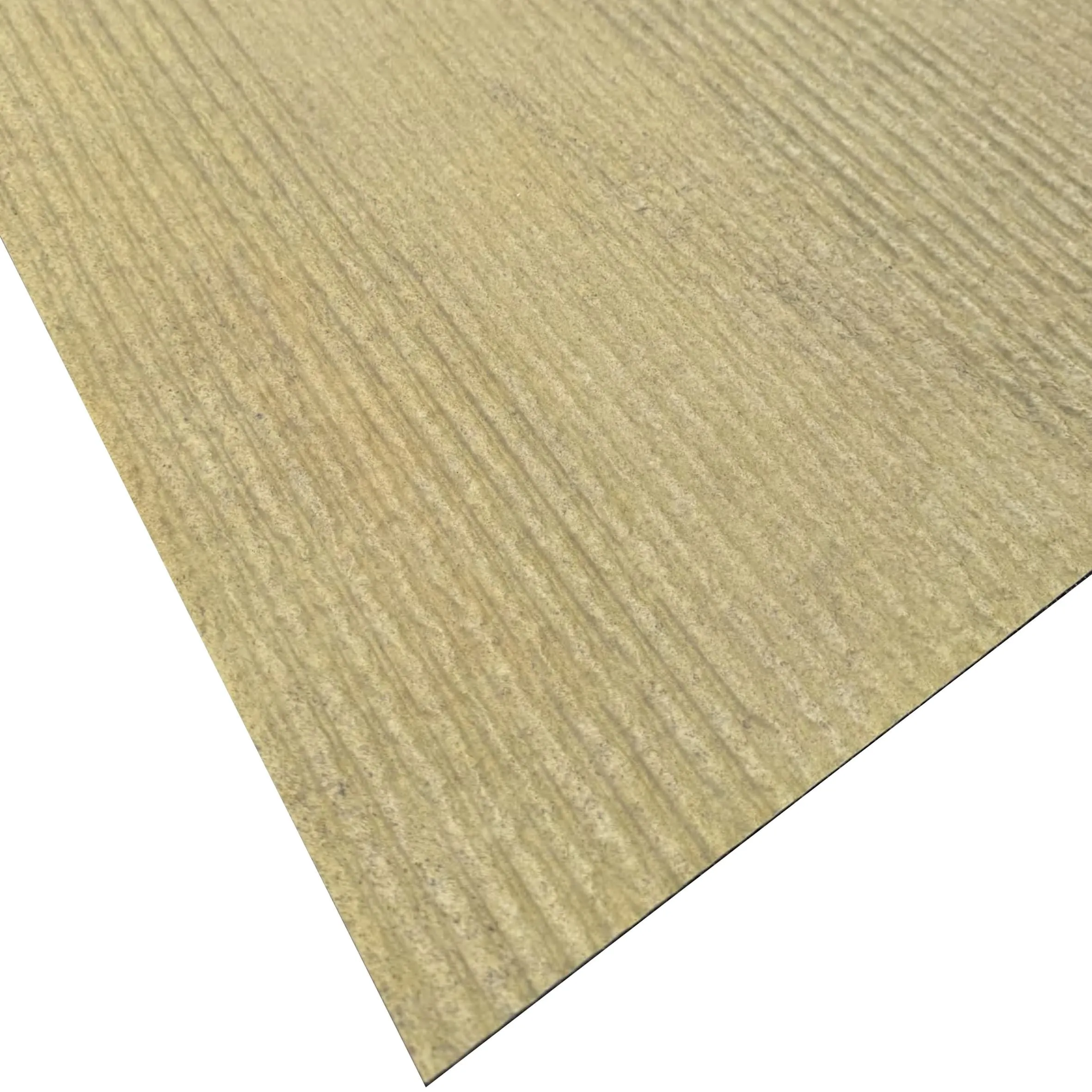
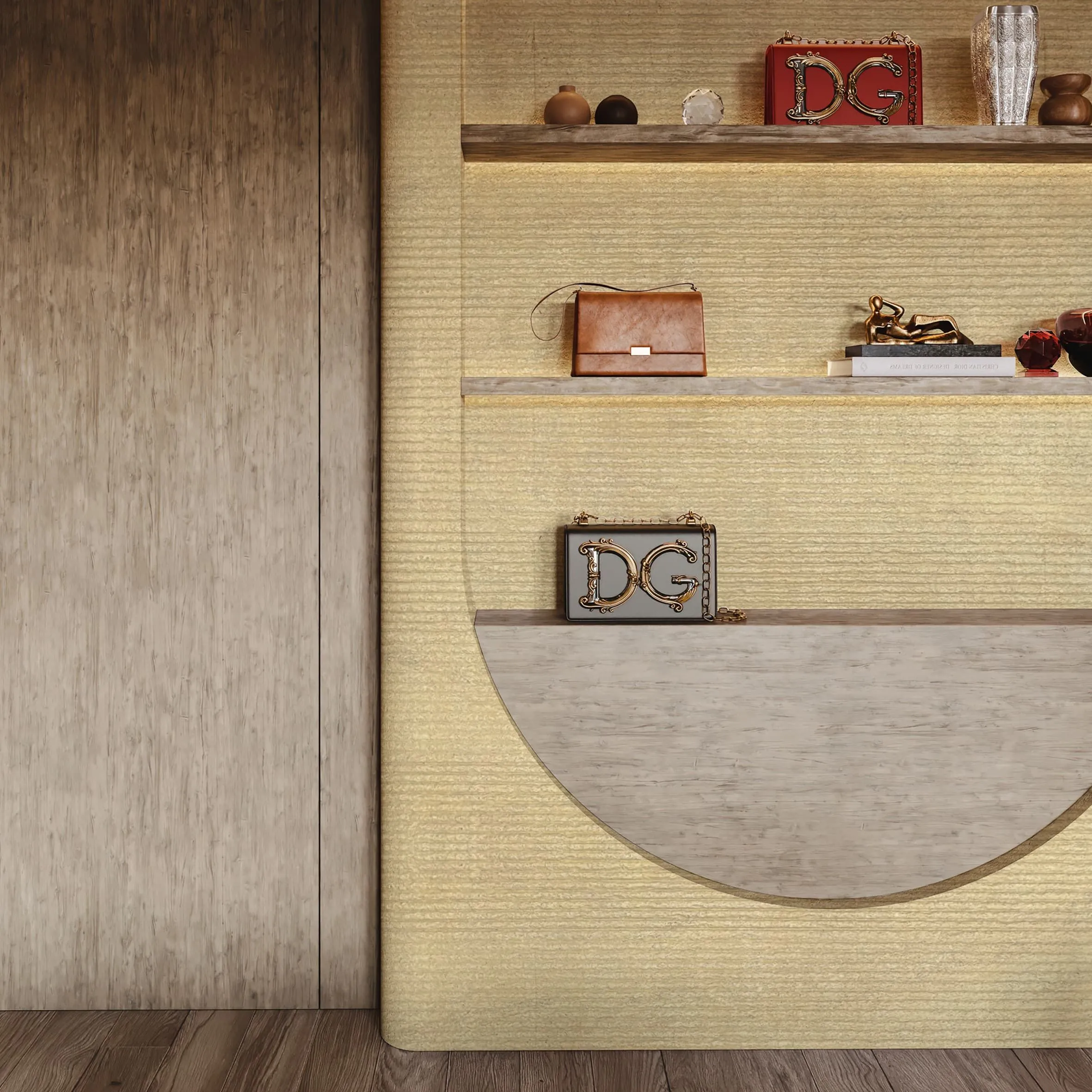
First things first: What is Gravel Omani Stone? Hailing from the rocky landscapes of Oman, this sedimentary stone is formed over millions of years by the compression of natural gravel and limestone. Picture a stone that's not just one uniform slab, but a mosaic of tiny, smooth pebbles embedded in a creamy, earthy matrix—think of it as nature's own version of terrazzo, but with a rugged, organic charm. Its unique composition gives it a warm, textured look that architects adore, ranging from soft beiges to deeper, sandstone-like hues. But beauty is just the starting point. What really sets it apart is its sustainability superpowers.
Let's start at the source: how Gravel Omani Stone is extracted. Unlike traditional quarrying, which often involves blasting entire rock faces, the extraction process for this stone is much gentler. Miners use precision cutting tools to remove slabs from existing rock formations, minimizing disruption to the surrounding environment. Because the stone is found in large, continuous deposits, there's less waste—most of what's extracted is usable, unlike marble or granite, where up to 30% of quarried stone is discarded as "offcuts." And since Oman is home to abundant reserves, the stone doesn't require long-haul transportation for many global markets, slashing carbon emissions from shipping.
Durability might be Gravel Omani Stone's most underrated feature. Thanks to its gravel-reinforced structure, it's naturally resistant to cracking, chipping, and weathering. Tests show it can withstand extreme temperatures—from the scorching heat of desert summers to the freezing cold of mountain winters—without losing its integrity. Compare that to traditional travertine, which can develop cracks after just 15 years of exposure to harsh weather. A building clad in Gravel Omani Stone isn't just a structure for today; it's a structure for the next 50 to 100 years. That longevity means fewer replacements, less waste, and a smaller carbon footprint over the building's lifecycle.
Here's a fun fact: The tiny air pockets between the gravel particles in Gravel Omani Stone act as natural insulators. That means when used as cladding, it helps regulate a building's internal temperature, keeping it cooler in summer and warmer in winter. In hot climates, this can reduce air conditioning use by up to 20%, according to a study by the International Institute for Sustainable Construction. In colder regions, it cuts down on heating costs. Over time, those energy savings add up to a significant reduction in the building's overall carbon emissions—not to mention lower utility bills for homeowners or tenants. It's a win-win: the planet benefits, and so does your wallet.
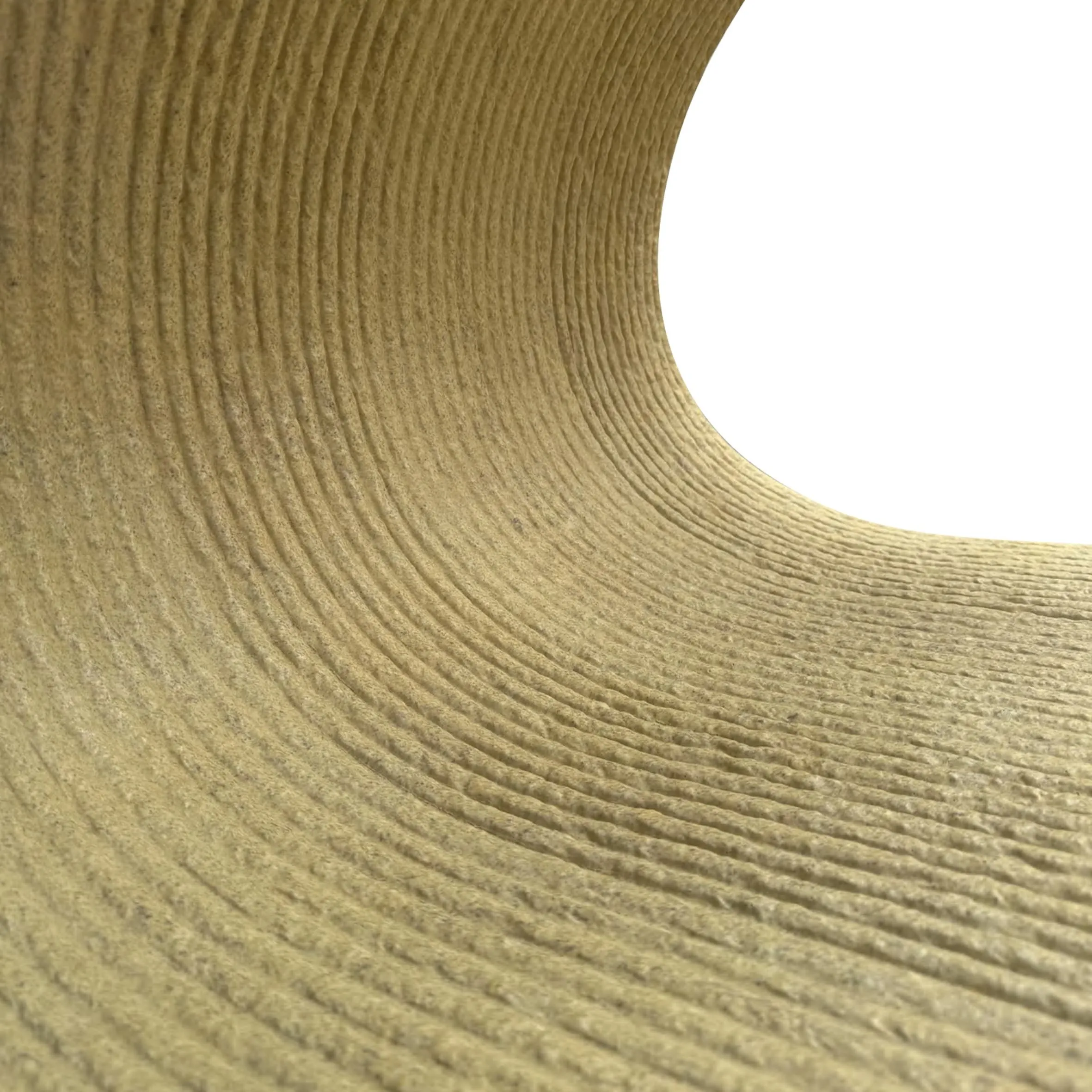
Even the most sustainable material can fall short if it's installed inefficiently. That's where Gravel Omani Stone's compatibility with prefabricated MCM panel systems comes into play. MCM (Modified Composite Material) panels are pre-made, lightweight cladding units that combine natural materials like stone with eco-friendly binders. Instead of cutting and installing individual stone slabs on-site (which generates tons of dust, noise, and waste), manufacturers can bond thin layers of Gravel Omani Stone to a durable backing, creating panels that are lightweight, easy to transport, and quick to install.
Prefabrication is a sustainability game-changer. For starters, it shifts most of the production process to controlled factory settings, where waste can be minimized and recycled. Any offcuts from cutting the stone can be ground down and reused in new panels, rather than being dumped on-site. Then there's the installation itself: prefab panels snap together like puzzle pieces, reducing labor time by up to 40% compared to traditional stone cladding. Less time on-site means fewer emissions from construction equipment and less disruption to local communities. And because the panels are lightweight—thanks in part to Gravel Omani Stone's natural density—they require less structural support, which can even reduce the amount of steel and concrete needed for the building's frame. It's a ripple effect of efficiency.
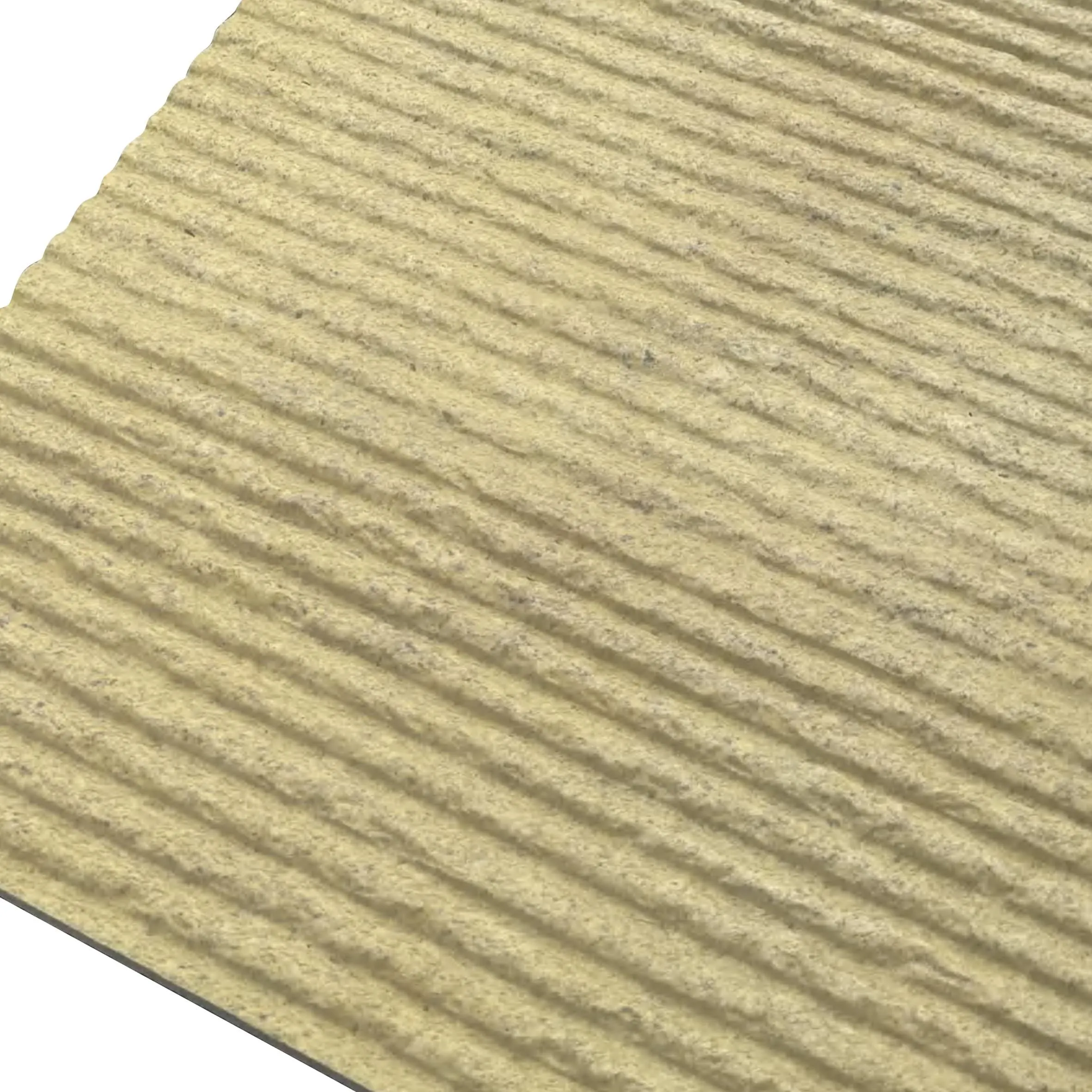
Sustainability in construction isn't about relying on one "miracle material"—it's about creating a team of eco-friendly options that complement each other. Gravel Omani Stone shines brightest when paired with materials like flexible stone cladding panels and fair-faced concrete .
Flexible stone cladding, made from thin slices of natural stone bonded to a flexible backing, is perfect for curved or irregular surfaces where rigid slabs won't work. Imagine a modern art museum with a sweeping, wave-like facade—traditional stone would crack under the bend, but flexible cladding bends with the design. When combined with Gravel Omani Stone panels on flat surfaces, it creates a cohesive, sustainable exterior with endless design possibilities. And since both materials are lightweight, the building's foundation doesn't need to be over-engineered, saving on concrete and steel.
Then there's fair-faced concrete—a material that's gaining popularity for its raw, industrial aesthetic. Unlike standard concrete, which requires heavy chemical treatments or paint to look presentable, fair-faced concrete is left "as-cast," with its natural texture and color on full display. It's durable, low-maintenance, and uses less water and cement in production than decorative concrete mixes. When paired with Gravel Omani Stone, the combination is striking: the stone's warmth balances the concrete's coolness, creating a facade that feels both modern and grounded. Best of all, both materials are fire-resistant, reducing the need for chemical fire treatments that can off-gas harmful fumes over time.
Still not convinced? Let's put Gravel Omani Stone head-to-head with some common cladding materials. The table below compares key sustainability metrics, based on data from the Construction Sustainability Assessment Method (CSAM).
| Material | Carbon Footprint (kg CO₂/m²) | Expected Lifespan (Years) | Recyclability | Installation Waste (%) |
|---|---|---|---|---|
| Gravel Omani Stone (Prefab Panels) | 12-15 | 80-100 | High (crushed for aggregate) | 5-8% |
| Natural Marble | 25-30 | 20-30 | Low (fragile, hard to repurpose) | 20-25% |
| Standard Granite | 20-22 | 40-50 | Medium (limited reuse options) | 15-20% |
| Fair-Faced Concrete | 18-20 | 60-70 | Medium (recycled as rubble) | 10-12% |
The numbers speak for themselves. Gravel Omani Stone has a carbon footprint nearly half that of marble, lasts three times longer, and generates far less waste during installation. And when it finally reaches the end of its lifecycle (decades from now), it can be crushed and reused as aggregate for roads or new construction—closing the loop on sustainability.
Let's take a hypothetical (but realistic) example to see how this plays out in practice. Imagine a developer in Dubai wants to build a 10-story office complex with sustainability as its core value. They choose Gravel Omani Stone prefab panels for the main facade, paired with flexible stone cladding on the building's curved entranceway and fair-faced concrete accents. Here's what happens:
This isn't just a dream scenario—it's the kind of impact we're starting to see as more projects adopt materials like Gravel Omani Stone. From boutique hotels in Bali to corporate headquarters in Europe, the stone is proving that sustainability and beauty don't have to be enemies.
As the construction industry continues to evolve, materials like Gravel Omani Stone are leading the charge toward a greener future. But it's not stopping there. Innovators are already exploring ways to make the stone even more sustainable: adding recycled glass to the matrix for extra strength, developing solar-reflective coatings that bounce sunlight away from buildings (further reducing cooling needs), and even integrating it with green wall systems to boost biodiversity. Imagine a facade that not only looks good and saves energy but also hosts native plants, providing habitat for pollinators—now that's next-level sustainability.
And let's not forget the role of technology. 3D scanning and digital modeling are making it easier than ever to design prefab panels that fit perfectly, reducing waste even further. Some manufacturers are even using AI to optimize the cutting process, ensuring every inch of extracted stone is used. The future of construction isn't just about "less bad"—it's about "more good," and Gravel Omani Stone is proving it can be part of that vision.
Sustainability in construction isn't a trend—it's a responsibility. Every choice we make today shapes the planet we leave for future generations. Gravel Omani Stone isn't a magic bullet, but it's a powerful tool in the toolkit: a material that's kind to the planet, tough enough to last, and beautiful enough to inspire. Whether you're an architect designing your next masterpiece, a homeowner building your dream house, or a developer looking to make a positive impact, it's worth considering. After all, the best buildings aren't just built with materials—they're built for people and the planet. And with Gravel Omani Stone, that future looks a little brighter.
Recommend Products












