
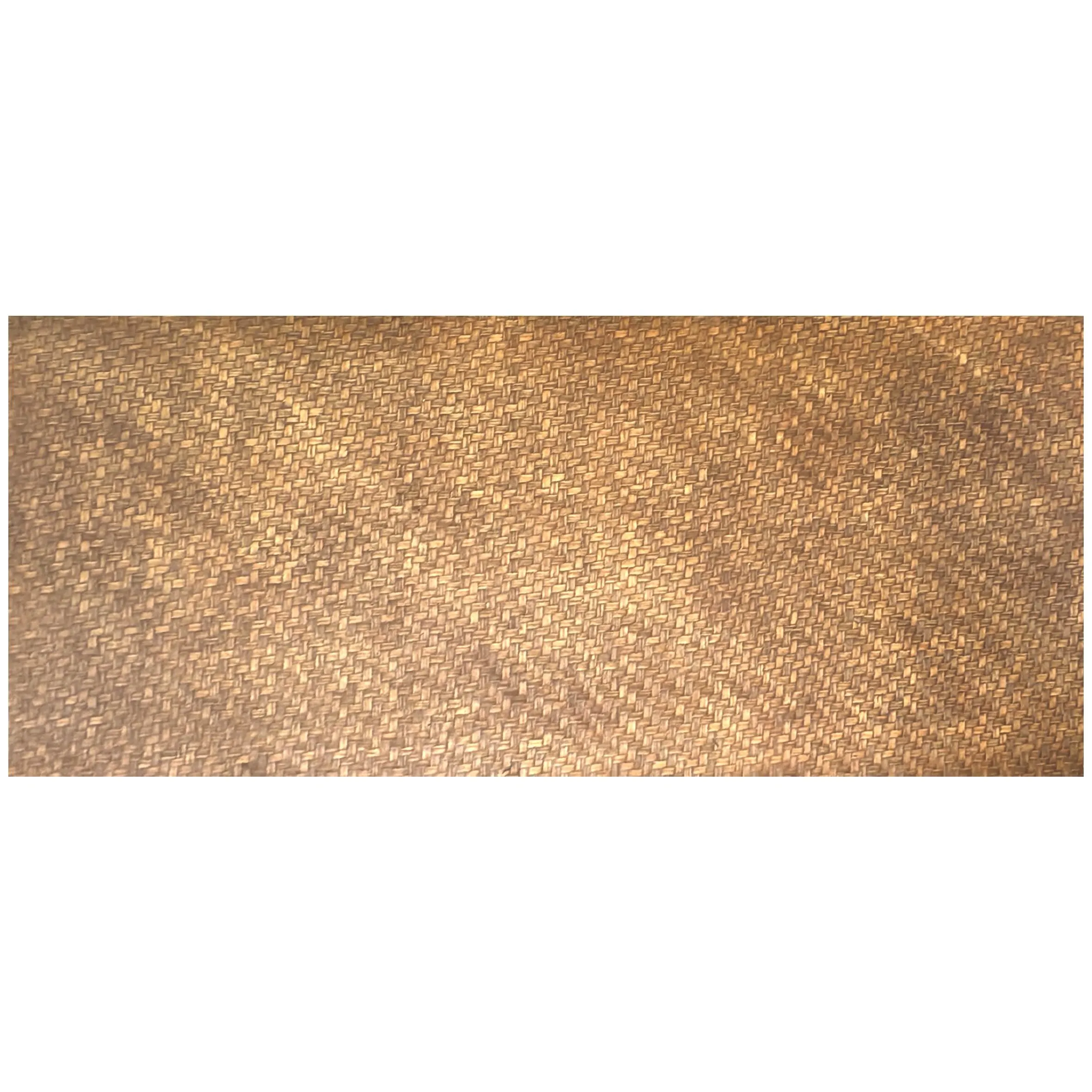
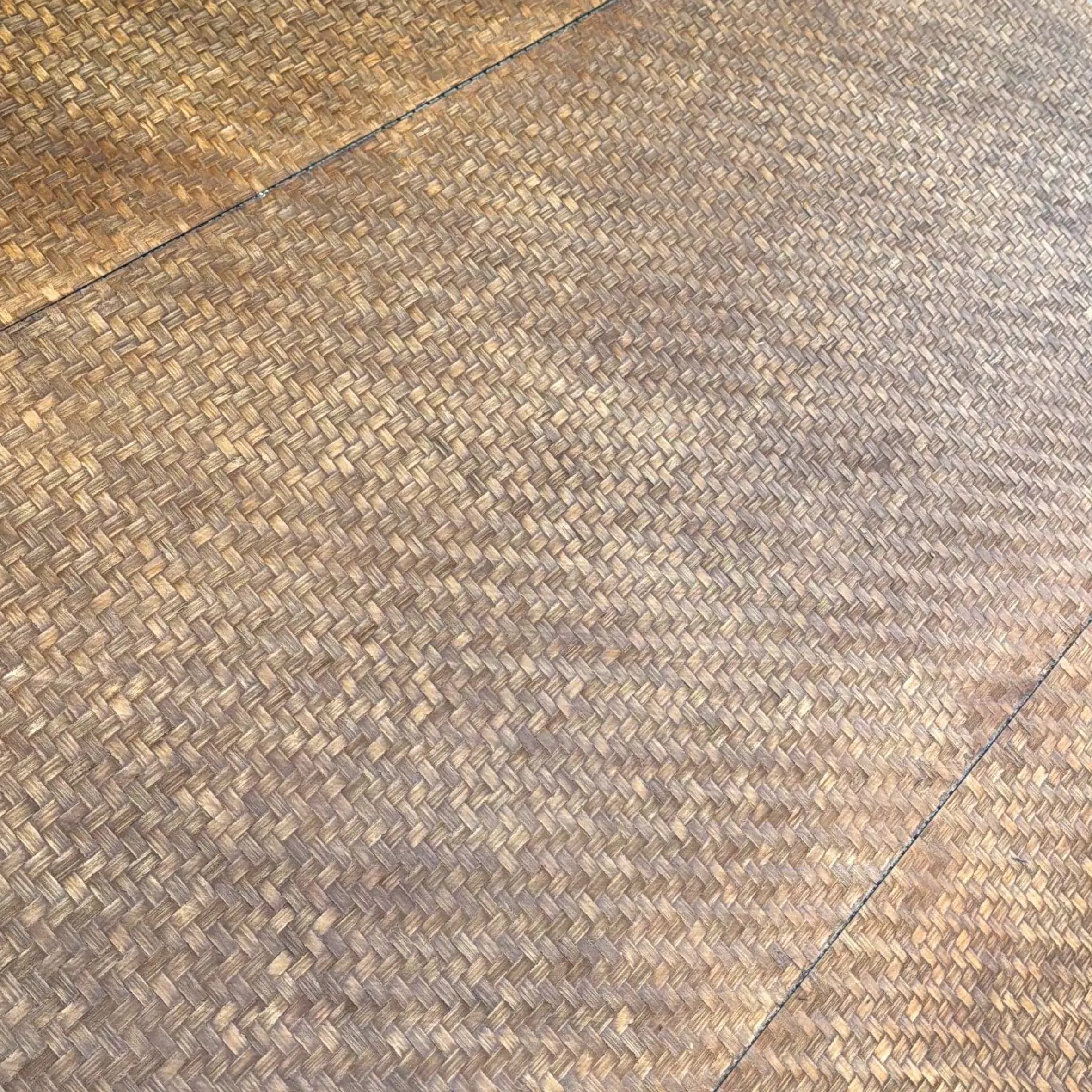
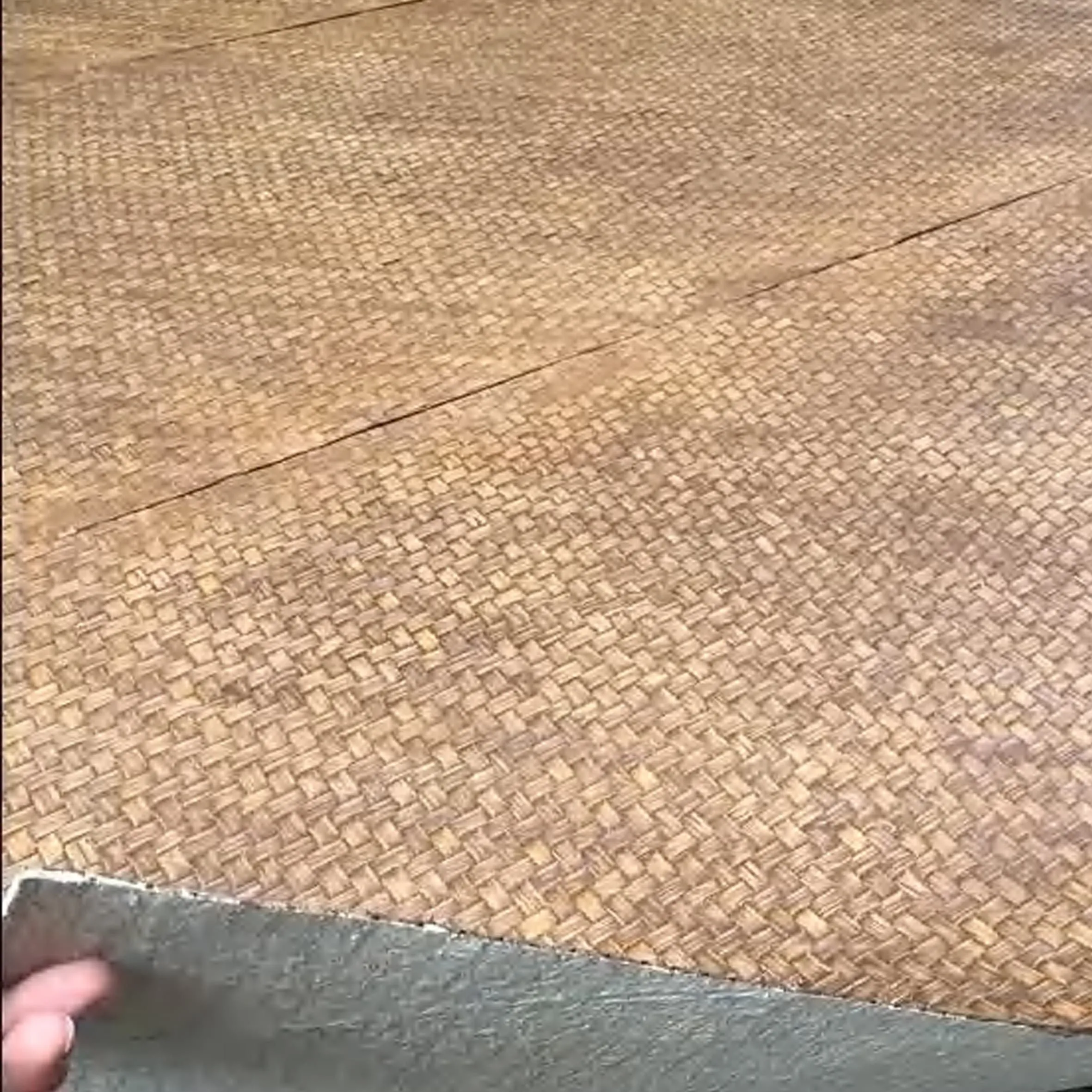
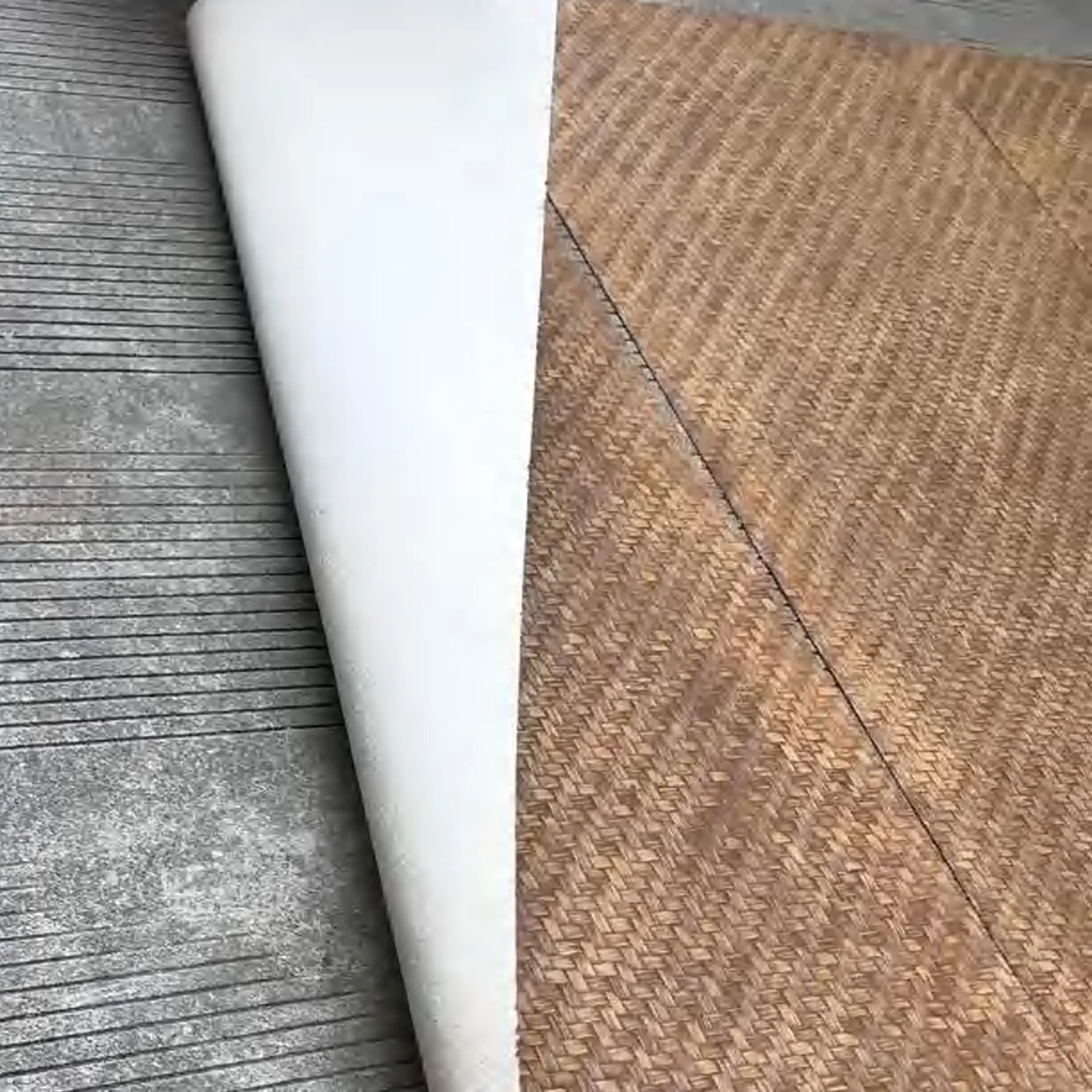
In the world of modern construction and interior design, materials that blend sustainability, durability, and aesthetic appeal are worth their weight in gold. Bamboo mat board is one such gem—a versatile material that has been gaining traction for its eco-friendly credentials and unique visual charm. Unlike concrete or mass-produced synthetic boards, bamboo mat board carries the warmth of natural bamboo, woven into a structure that's both flexible and strong. Whether used as wall cladding, furniture panels, or decorative accents, it adds a touch of organic elegance to spaces. But have you ever wondered how this material goes from a towering bamboo stalk to a finished board ready for your next project? Let's dive into the step-by-step journey of bamboo mat board manufacturing, exploring the craftsmanship, technology, and care that go into every sheet. Along the way, we'll also see how it stacks up against other popular materials like fair-faced concrete and even complements innovative options such as mcm flexible stone in contemporary design.
The first step in creating high-quality bamboo mat board is selecting the right raw material—and not just any bamboo will do. Manufacturers typically opt for moso bamboo (Phyllostachys edulis), a species renowned for its rapid growth, impressive height (up to 25 meters), and thick, sturdy culms (stalks). Why moso? Its fibers are dense yet flexible, making it ideal for weaving and bonding into boards. But age matters too: bamboo is harvested when it's 3–5 years old. Younger stalks (less than 3 years) are too tender and lack structural strength, while older ones (over 5 years) become brittle and difficult to process.
Harvesting is timed carefully, usually in late winter or early spring. At this time, the bamboo's sap flow is slow, which reduces moisture content and minimizes the risk of pest infestations during processing. Harvesters use sharp, clean tools to cut the culms at the base, taking care not to damage the root system—this ensures the bamboo grove can regrow, aligning with sustainable forestry practices. Once cut, the culms are transported to the processing facility, where they're sorted by diameter and straightness to ensure uniformity in the final product.
Before the bamboo can be transformed into mats, it needs a thorough "makeover." The first task is removing the outer layer, or epidermis , which is hard and smooth. This is done using mechanical scrapers or traditional hand tools, revealing the lighter, fibrous inner layer. Next, the culms are trimmed to remove any knots, branches, or irregularities—these imperfections could weaken the final board or create uneven surfaces.
Once cleaned, the bamboo is cut into manageable lengths, typically 2–3 meters, depending on the desired size of the finished board. At this stage, quality control workers inspect each section for cracks, splits, or signs of decay. Only the healthiest, most uniform pieces move forward to the next step. This attention to detail is crucial: even a small flaw in the raw bamboo can compromise the strength of the entire mat board.
Now comes the transformation from stalk to strip. The trimmed bamboo culms are split longitudinally into thin, flat strips. This is done using specialized machines that ensure precision—each strip must be uniform in thickness (usually 1–3 mm) and width (10–20 mm). Why uniformity? Because inconsistent strips would lead to uneven weaving and weak spots in the mat.
The splitting process requires a delicate balance: too thin, and the strips may break during weaving; too thick, and the mat becomes rigid and hard to handle. Skilled operators adjust the machine settings based on the bamboo's density, ensuring each strip retains its natural strength. After splitting, the strips are passed through a sanding machine to smooth their edges, removing any splinters or rough spots. This not only makes handling safer but also ensures the strips lie flat during weaving.
Bamboo is naturally high in moisture, which can lead to mold, warping, or shrinkage if not properly dried. This step is all about reducing the moisture content to a stable level—typically 8–12%. There are two main methods used: air drying and kiln drying .
Air drying is the traditional approach: bamboo strips are hung in well-ventilated sheds or open-air racks, protected from direct sunlight and rain. This method takes 2–4 weeks, depending on humidity and temperature. It's gentle on the bamboo, preserving its natural color and flexibility, but it's slower and weather-dependent. Kiln drying, on the other hand, uses controlled heat and airflow to speed up the process, taking just 2–3 days. Manufacturers often combine both methods: air drying to reduce moisture initially, then kiln drying to hit the exact target.
Throughout drying, workers monitor moisture levels using handheld meters. If the strips dry too quickly, they can crack; too slowly, and mold may form. The goal is a consistent, stable moisture content that ensures the bamboo mat board won't warp or degrade once installed.
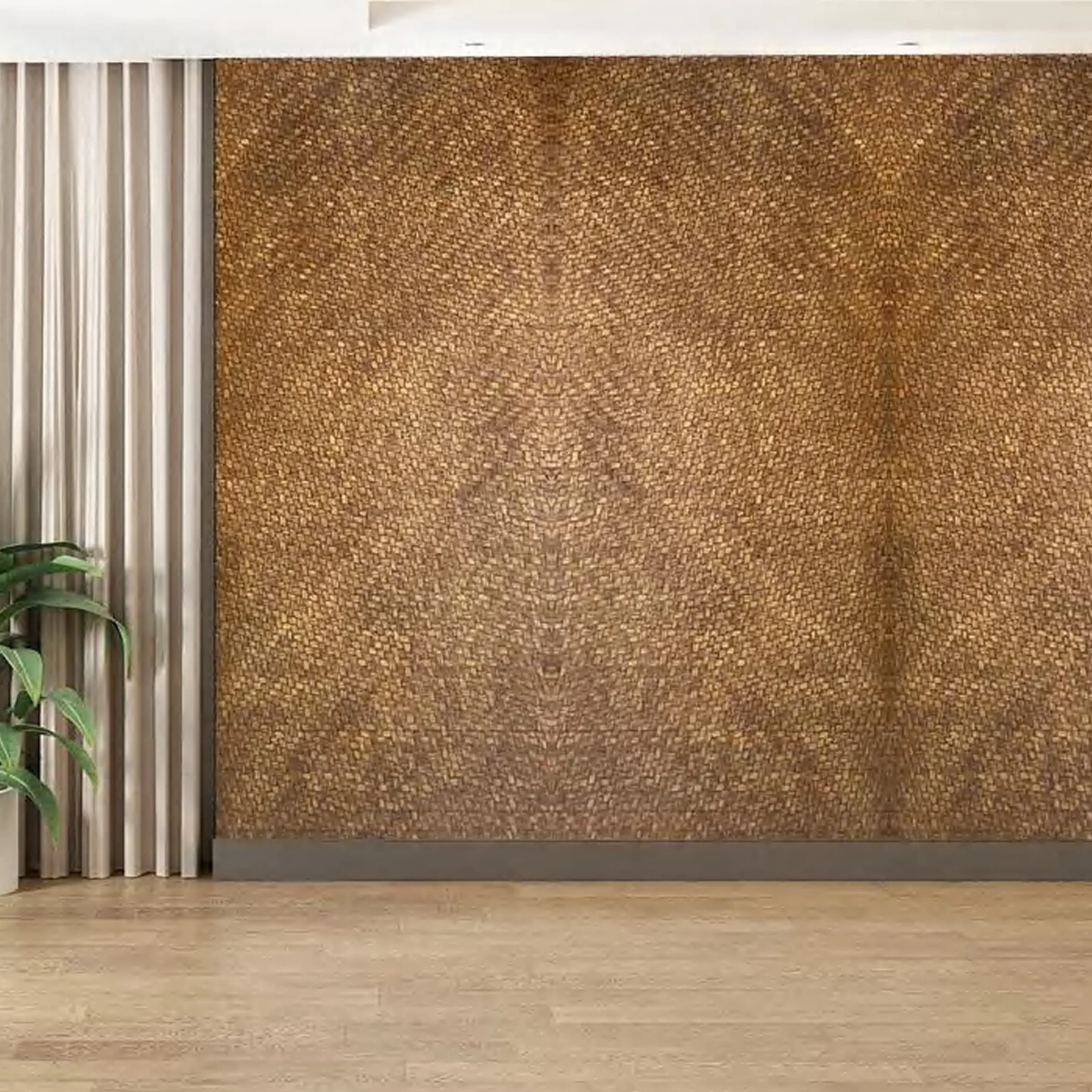
Weaving is where the magic happens—the individual bamboo strips are transformed into a cohesive mat, the foundation of the final board. This step blends tradition with technology: while small-scale operations may still use manual weaving (a skill passed down through generations), large manufacturers rely on automated looms for efficiency and consistency.
The most common weaving pattern is the plain weave , where strips are interlaced over and under each other in a simple crisscross. This creates a balanced, strong mat with a classic, grid-like appearance. For more decorative boards, manufacturers may use twill weaves (strips pass over two and under two) or even custom patterns, adding texture and visual interest. The density of the weave is also adjustable: tighter weaves (more strips per inch) result in stronger, heavier boards, while looser weaves are lighter and more flexible.
During weaving, tension is carefully controlled to ensure the mat lies flat and even. Any slack in the strips can lead to bulges or gaps in the final board. Once woven, the mats are cut to standard sizes (e.g., 4x8 feet) or custom dimensions, ready for bonding.
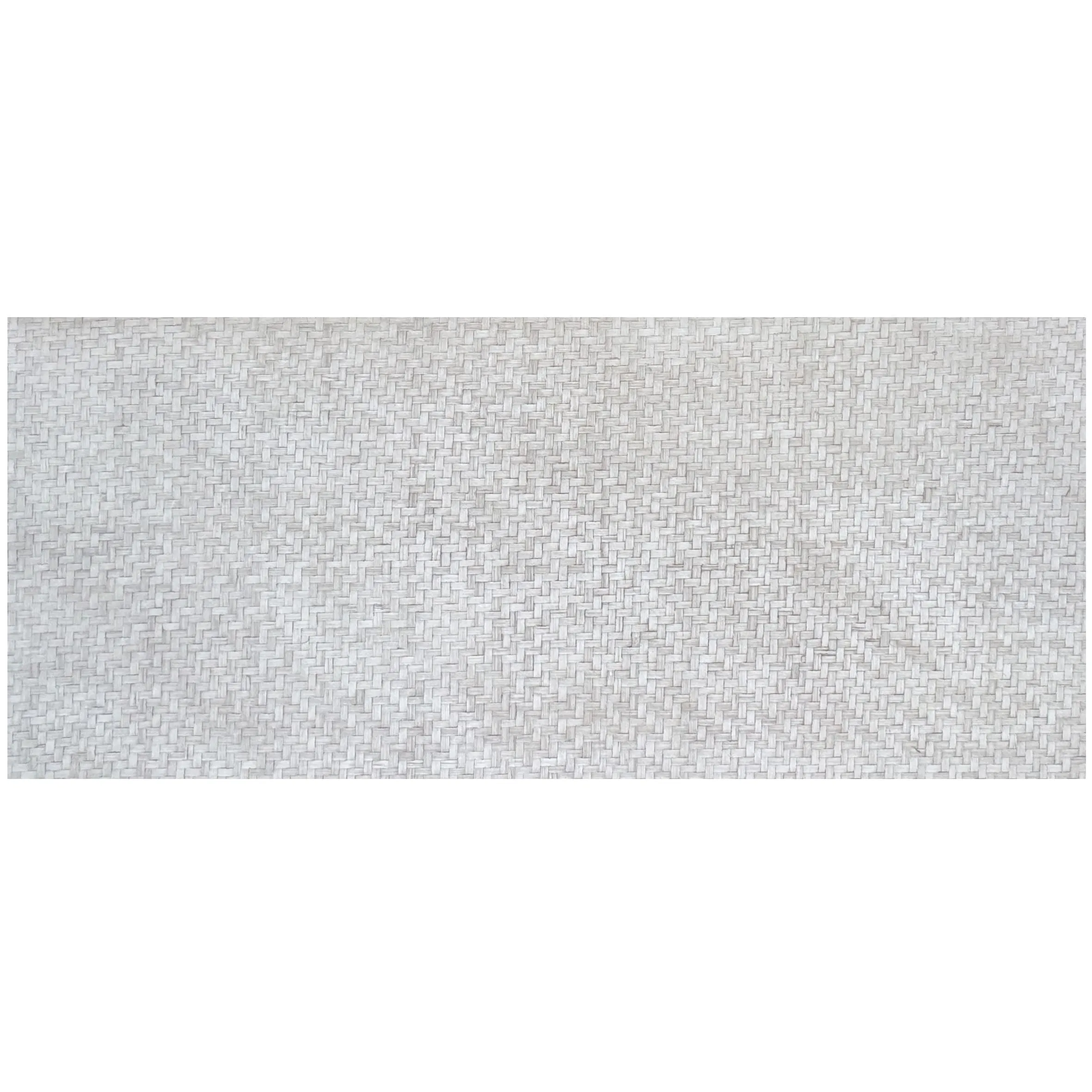
To turn a flexible bamboo mat into a rigid board, multiple mats are bonded together using adhesive. The choice of adhesive is critical—not only for strength but also for sustainability. Modern manufacturers prioritize eco-friendly, formaldehyde-free adhesives (often based on soy or starch) to meet green building standards. These adhesives are non-toxic and emit minimal volatile organic compounds (VOCs), making the final board safe for indoor use.
The adhesive is applied evenly to one side of each mat using rollers or sprayers. The amount of adhesive is carefully measured: too little, and the bond will be weak; too much, and excess may seep out during pressing, creating a messy finish. Once coated, the mats are stacked—usually 2–5 layers thick, depending on the desired board thickness (common options are 6mm, 12mm, and 18mm). The direction of the weave in each layer may also be alternated (e.g., first layer horizontal, next vertical) to strength and reduce warping, a technique borrowed from plywood manufacturing.
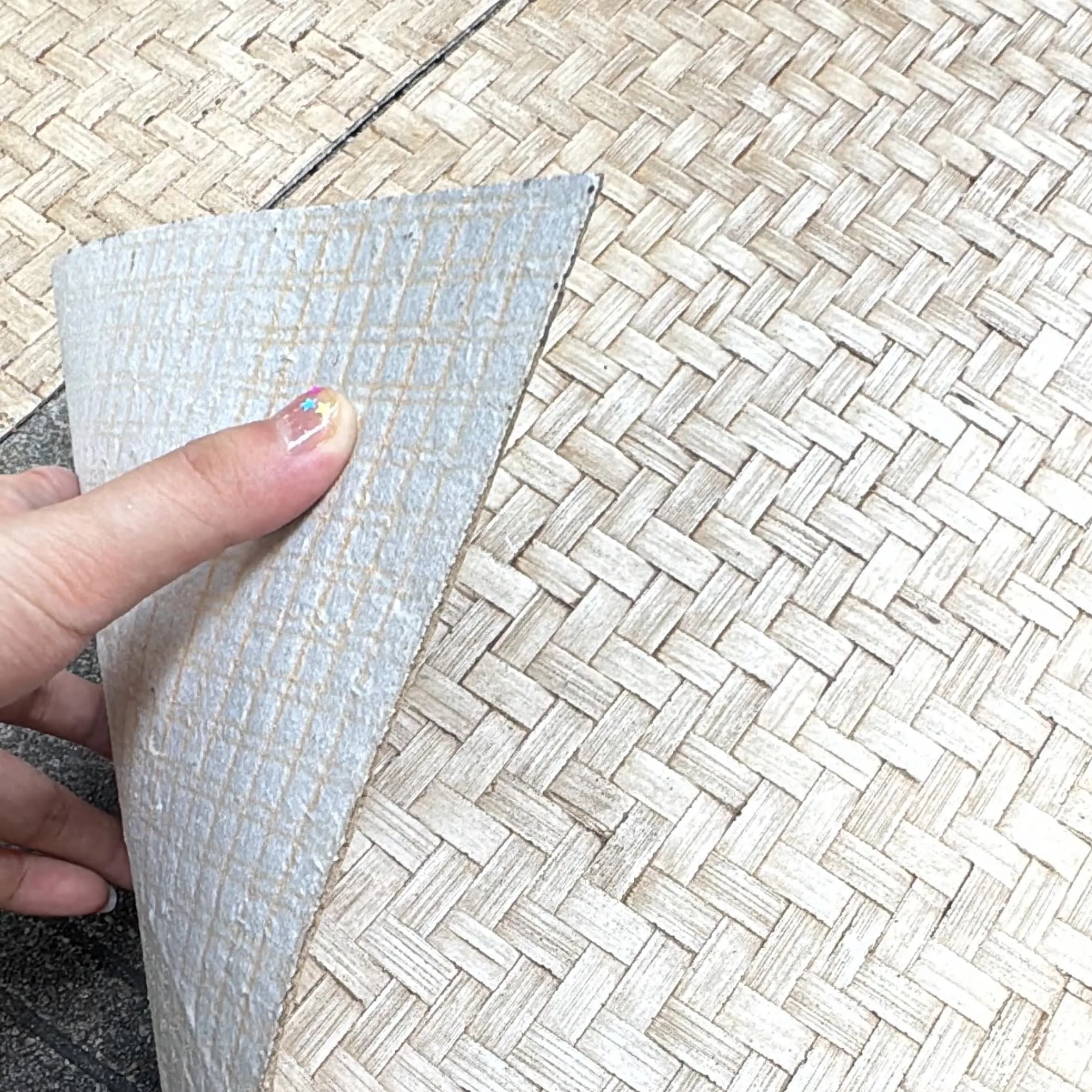
With the mats stacked and adhesive applied, it's time to press them into a single, solid board. This is done using a hydraulic press , which applies heat and pressure to activate the adhesive and bond the layers together. The press operates at temperatures between 120–150°C (248–302°F) and pressures of 8–12 MPa (megapascals), depending on the board thickness and adhesive type.
The pressing cycle typically lasts 30–60 minutes. During this time, the heat melts the adhesive, allowing it to flow into the gaps between the bamboo strips and form a strong bond. The pressure ensures the layers are compressed tightly, eliminating air bubbles and ensuring uniform thickness. After pressing, the boards are left to cool and cure for 24–48 hours. This curing period is essential: rushing it can weaken the adhesive bond, leading to delamination later.
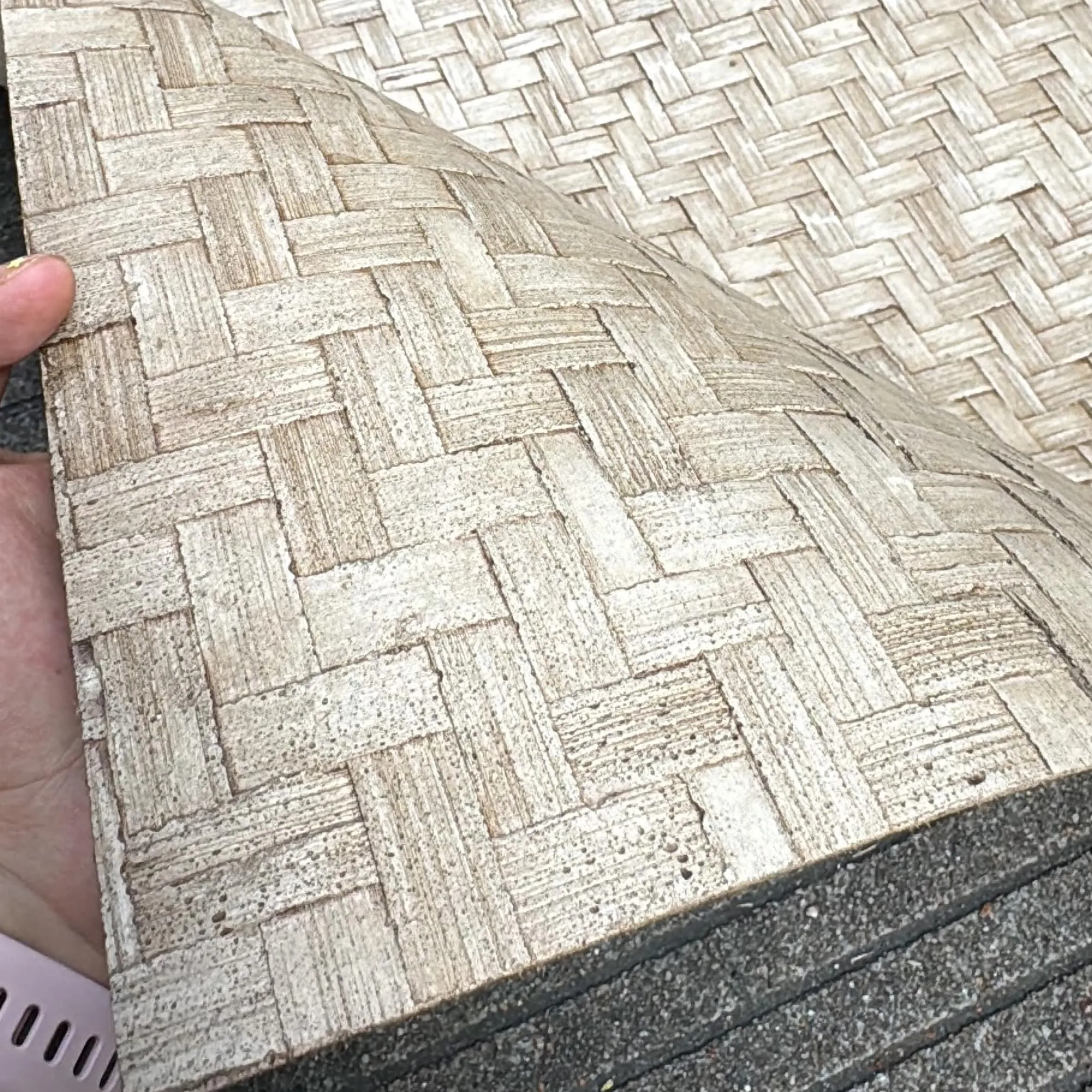
Once cured, the bamboo mat boards undergo surface treatment to improve their performance and appearance. The first step is sanding: the boards are passed through sanding machines with progressively finer grits (from 80-grit to 220-grit) to smooth the surface, remove any adhesive residue, and create a uniform texture. This prepares the board for finishing.
Finishes vary based on the intended use. For indoor applications like furniture or wall panels, a clear water-based sealant or natural oil (e.g., tung oil) is often used to enhance the bamboo's natural color and protect against stains and scratches. For outdoor use (e.g., exterior cladding), a UV-resistant stain or paint may be applied to prevent fading and weathering. Some manufacturers also offer wood grain board -inspired finishes, where the bamboo surface is embossed to mimic the look of oak, teak, or other hardwoods, expanding its design versatility.
In recent years, there's also been a trend toward combining bamboo mat board with other materials for hybrid cladding systems. For example, it's sometimes paired with mcm flexible stone —a lightweight, durable stone composite—to create accent walls that blend organic bamboo texture with the rugged beauty of stone. This synergy highlights bamboo mat board's adaptability in modern design.
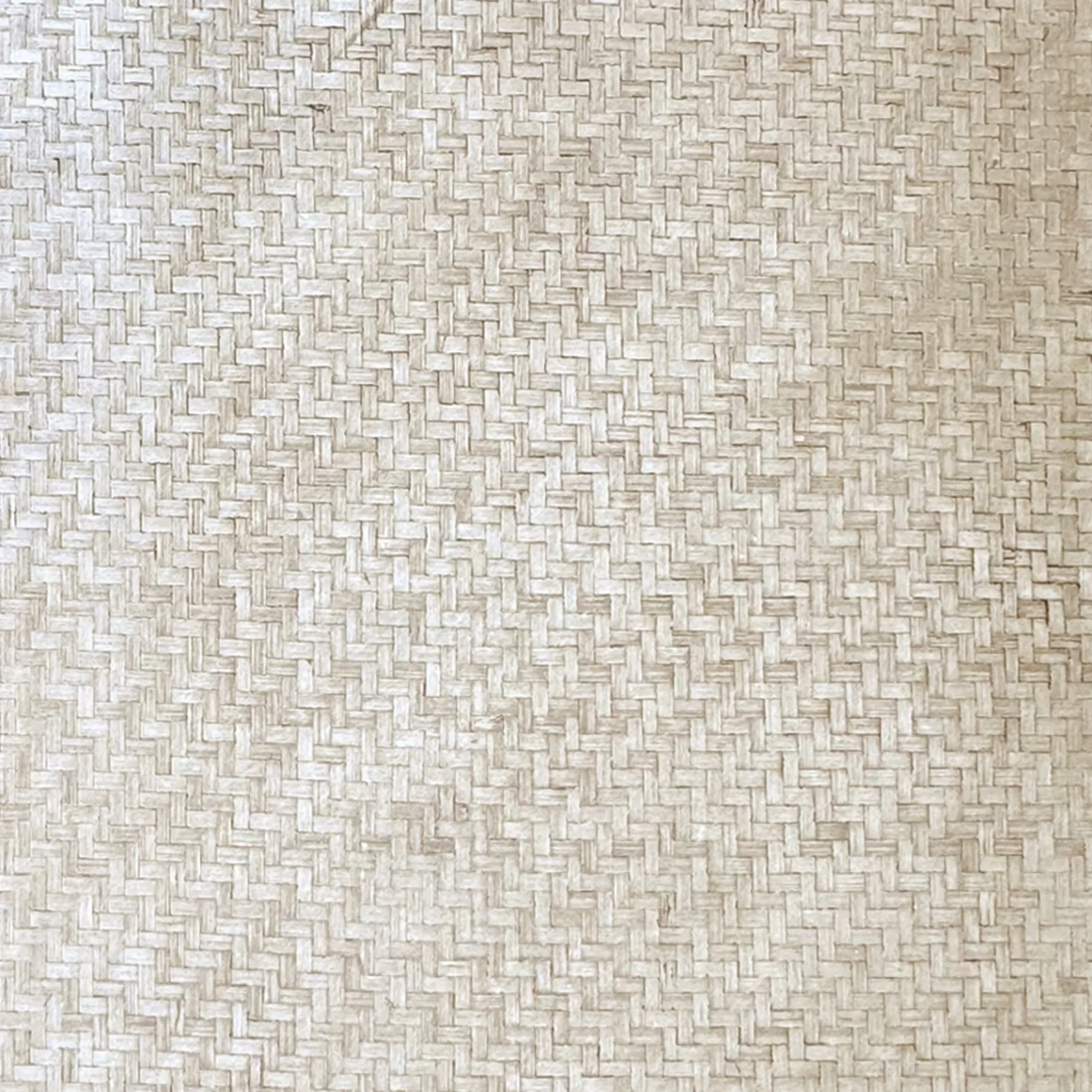
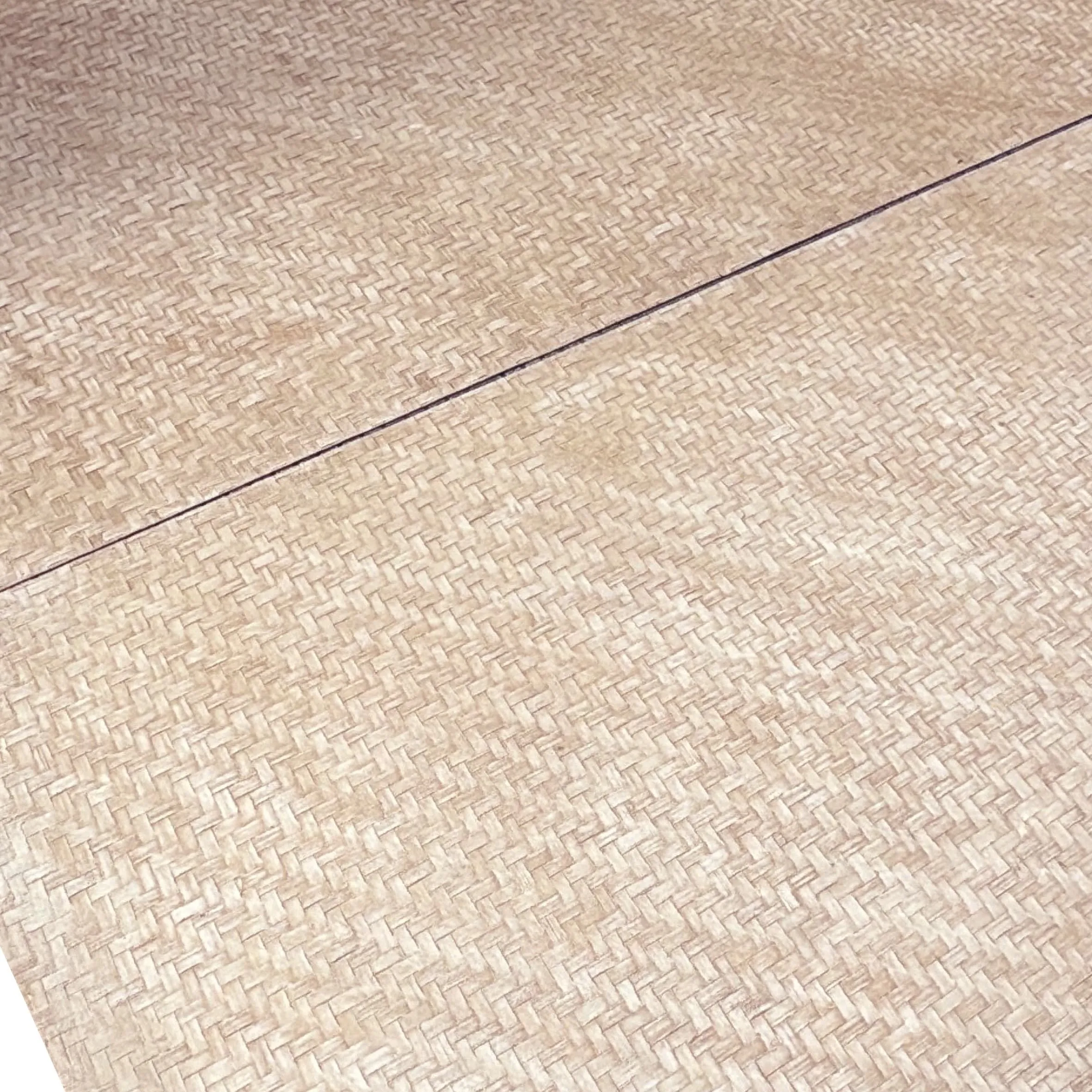
No manufacturing process is complete without rigorous quality control. Each bamboo mat board is inspected for defects like delamination (layers separating), warping, cracks, or uneven coloring. Samples are also tested for strength (e.g., bending resistance, impact resistance), water absorption, and formaldehyde emissions to meet industry standards (such as CARB 2 for indoor air quality).
Boards that pass inspection are marked with quality grades (e.g., A, B, C), with Grade A being the highest quality (fewest blemishes, uniform color, optimal strength). Lower-grade boards may be used for non-visible applications or recycled into smaller products. This commitment to quality ensures that customers receive a material they can trust for both residential and commercial projects.
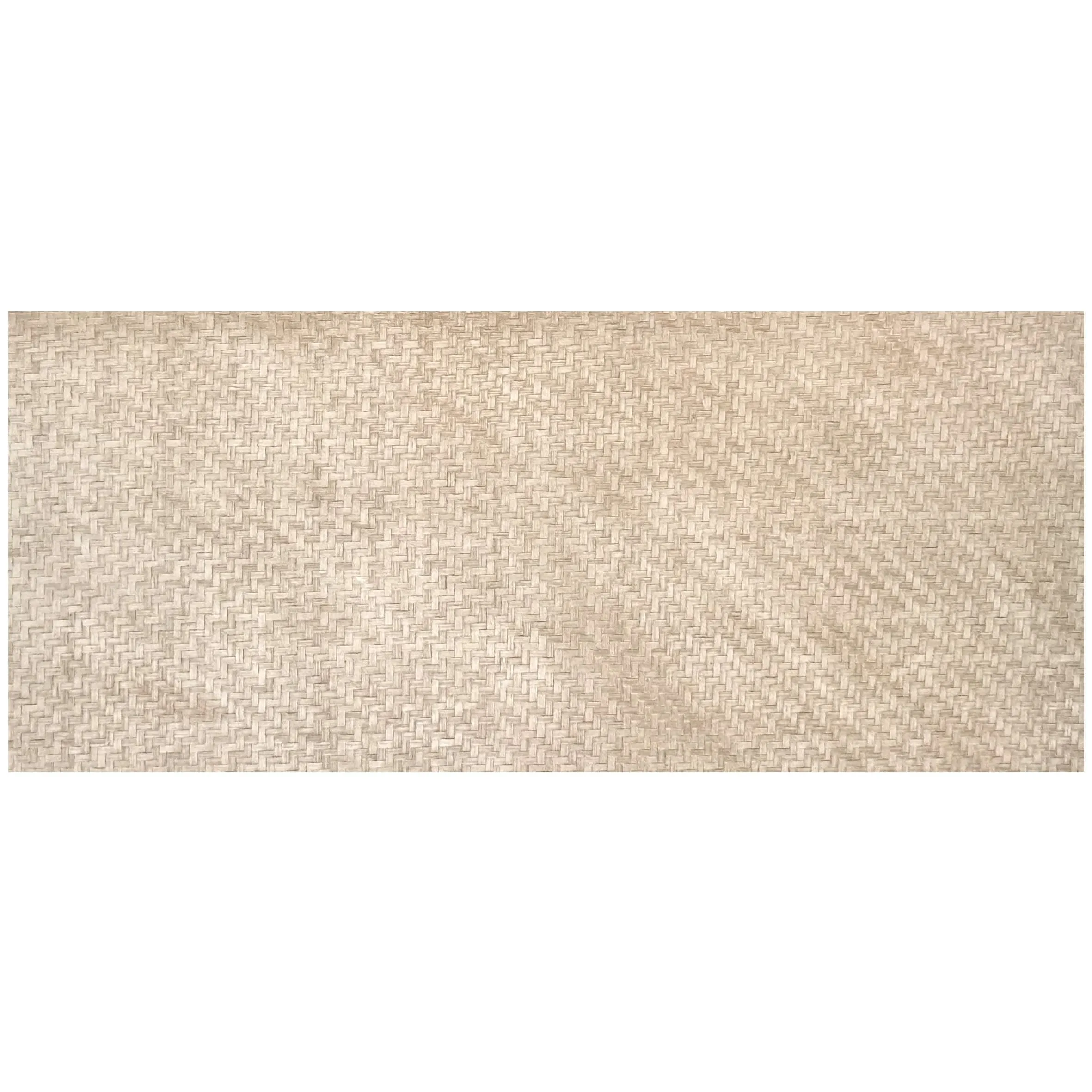
Finally, the finished bamboo mat boards are packaged to protect them during shipping. They're often wrapped in plastic sheeting to prevent moisture damage and stacked on pallets with protective spacers to avoid scratching. For international shipments, manufacturers may use reinforced cardboard boxes or wooden crates to withstand long-distance transport.
From here, the boards are distributed to distributors, retailers, or directly to construction sites, ready to be transformed into everything from kitchen cabinets to hotel lobbies. It's a journey that starts with a humble bamboo stalk and ends with a material that brings nature's beauty into our built environment.
| Feature | Bamboo Mat Board | Fair-Faced Concrete |
|---|---|---|
| Material Source | Renewable (bamboo, regrows in 3–5 years) | Non-renewable (cement, sand, gravel) |
| Weight | Lightweight (≈600–800 kg/m³) | Heavy (≈2400 kg/m³) |
| Aesthetic | Warm, organic, woven texture | Industrial, raw, uniform gray finish |
| Installation | Easy to cut, drill, and install (similar to wood) | Requires specialized labor; heavy lifting equipment |
| Sustainability | Carbon-negative (bamboo absorbs CO2 as it grows) | High carbon footprint (cement production emits CO2) |
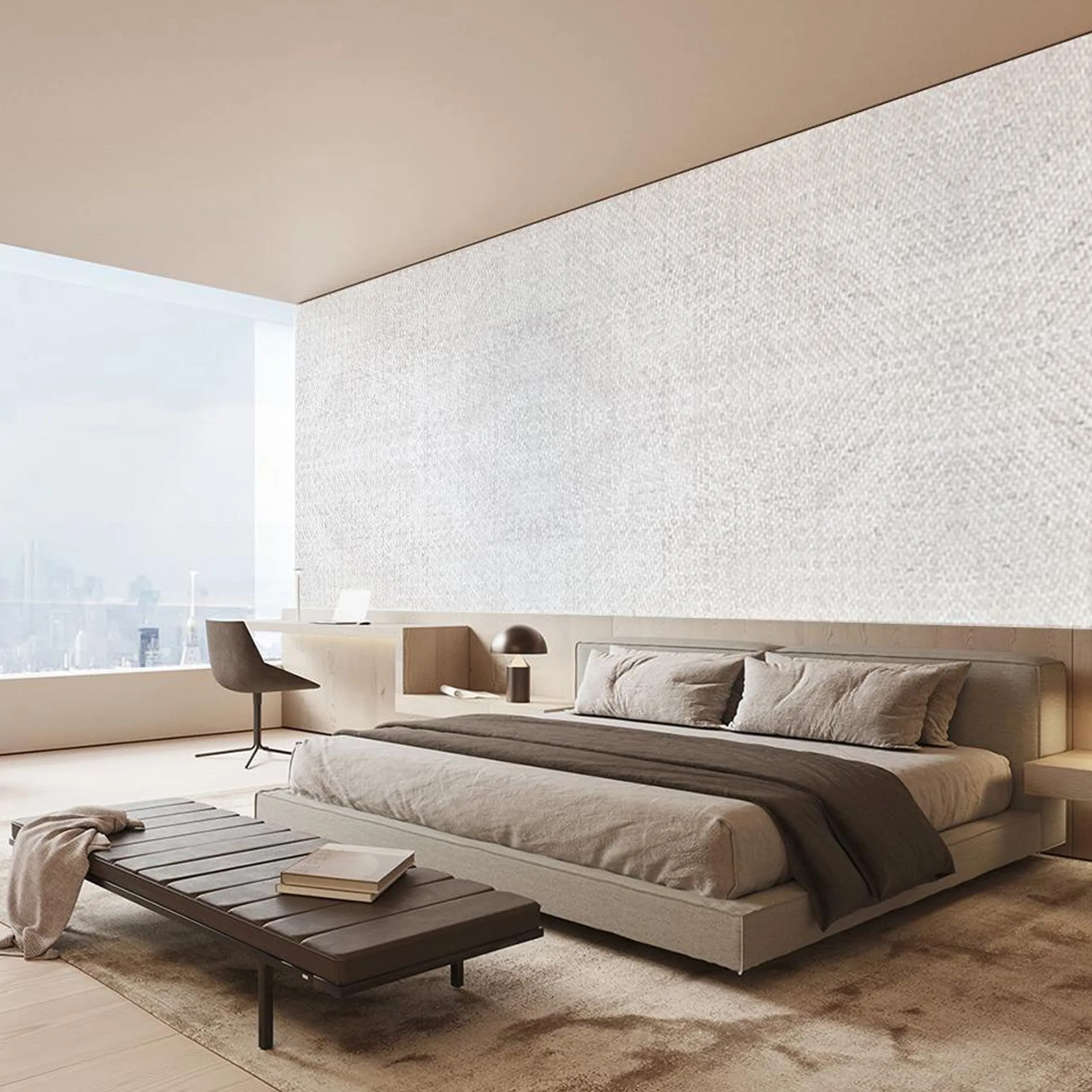
Bamboo mat board's versatility makes it suitable for a wide range of applications. Indoors, it's used for wall panels, ceiling tiles, cabinet doors, and furniture (think tables, shelves, and headboards). Its natural texture adds warmth to minimalist spaces, while its strength stands up to daily use. Outdoors, it works well for exterior cladding, garden fences, and even decking (when treated for weather resistance).
One of its most exciting uses is in combination with mcm flexible stone for feature walls. Imagine a restaurant interior where bamboo mat board panels are paired with mcm flexible stone in earthy tones—the bamboo's weave softens the stone's ruggedness, creating a balanced, inviting atmosphere. It's also a favorite in eco-conscious projects, where its sustainability aligns with green building certifications like LEED or BREEAM.
The manufacturing of bamboo mat board is a beautiful blend of tradition and technology, where natural bamboo is transformed into a functional, sustainable material through careful craftsmanship. From selecting the perfect bamboo culms to weaving, bonding, and finishing, each step reflects a commitment to quality and environmental responsibility. In a world that's increasingly seeking alternatives to plastic and hardwoods, bamboo mat board stands out as a material that doesn't just meet our needs but respects the planet too. Whether used alone or paired with materials like mcm flexible stone, it's a testament to how nature and innovation can work hand in hand to create something truly special. So the next time you see a bamboo mat board in a design project, you'll know the story behind it—and appreciate the journey from stalk to board even more.
Recommend Products












