
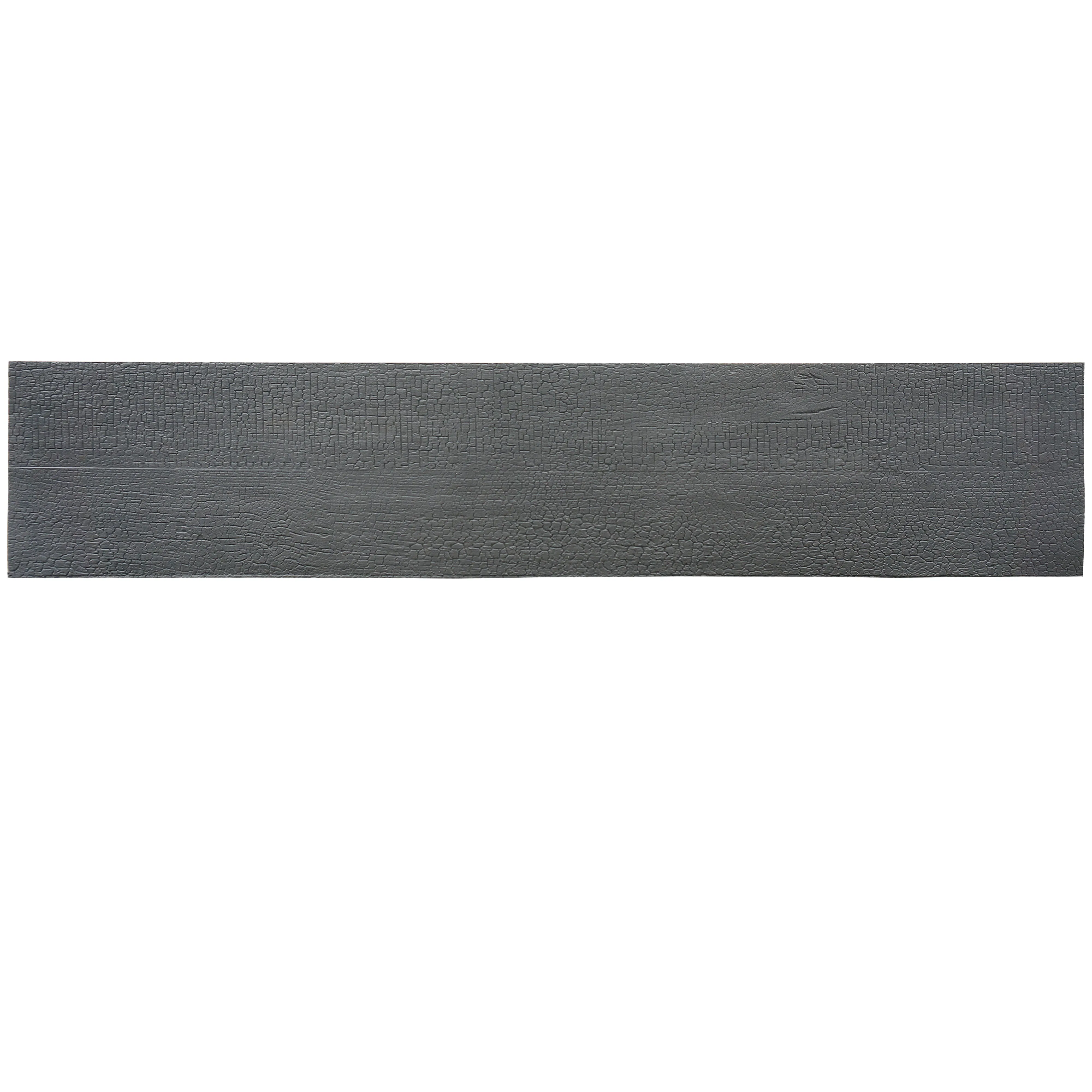
There's something inherently captivating about wood—its warmth, its organic grain, the way it tells a story of growth and time. But when wood meets fire, something magical happens. Charcoal burnt wood board, with its deep, smoky hues and textured surface, has become a darling of designers and homeowners alike, blending rustic charm with a modern edge. It's not just a material; it's a bridge between tradition and innovation, between the raw power of nature and the precision of human craftsmanship. Let's pull back the curtain and explore how this striking material goes from a humble tree to a statement piece in your home or office.
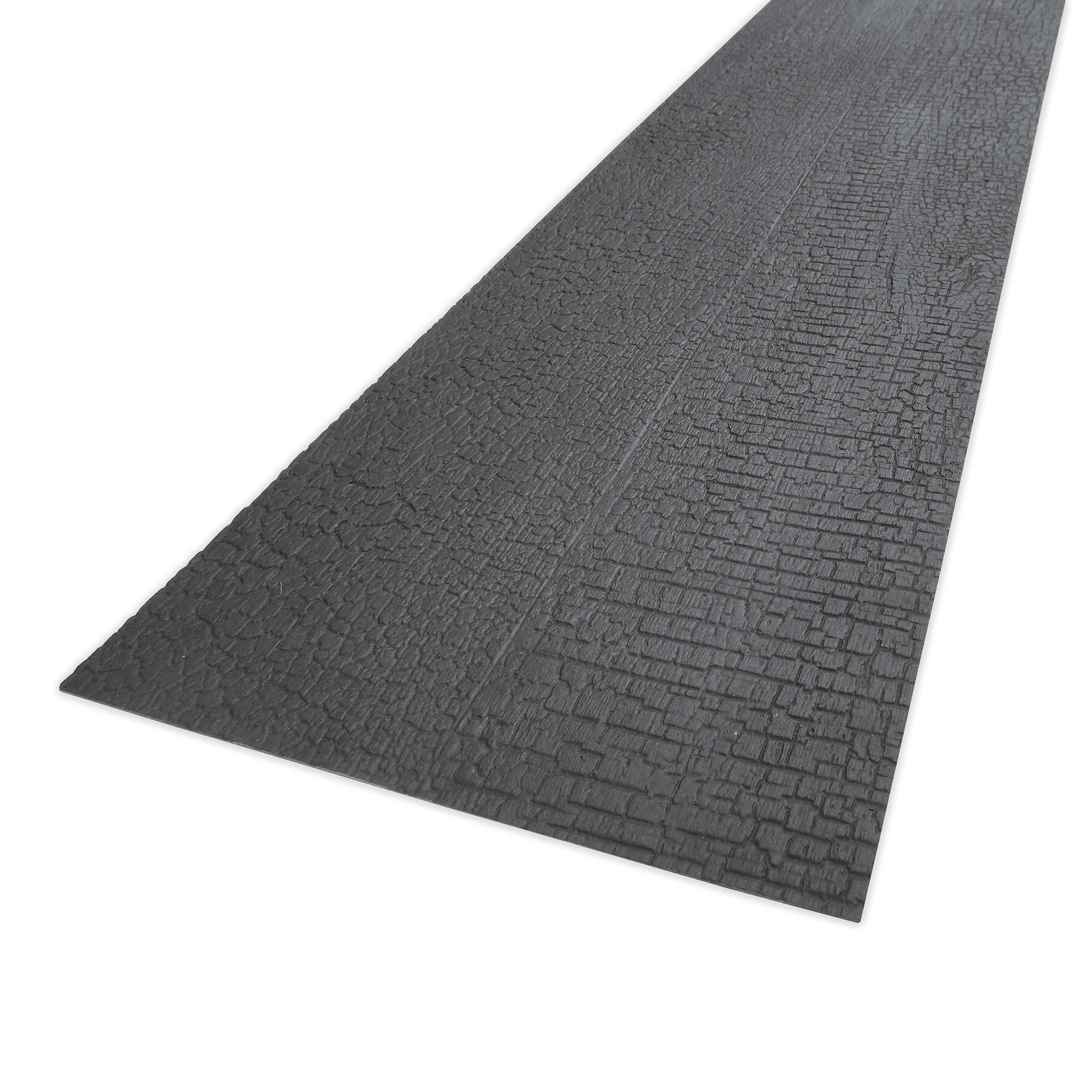
Before diving into the "how," let's take a moment to appreciate the "why." Charcoal burnt wood board—also known as shou sugi ban, after the traditional Japanese technique that inspired its modern iterations—isn't just about aesthetics. The charring process does more than darken the wood; it transforms it. The surface becomes resistant to fire, pests, and rot, making it durable enough for both indoor and outdoor use. Run your hand over it, and you'll feel a subtle roughness, a tactile reminder of the fire that shaped it. It's a material that invites touch, that ages gracefully, and that brings a sense of calm and history to any space. Whether paired with sleek fair-faced concrete in a minimalist loft or with earthy travertine (beige) in a cozy café, it adds depth and character that's hard to replicate.
The journey starts in the forest, where selecting the right timber is critical. Not every tree can become charcoal burnt wood board. Craftsmen typically opt for hardwoods like oak, cedar, or pine, though softwoods like cypress are also used for their natural resistance to decay. Why these species? Oak, with its dense grain, holds up well to charring, creating a rich, layered texture. Cedar, on the other hand, has natural oils that enhance its durability even before treatment. The key is consistency—trees that are straight, free of knots or splits, and harvested at the right time of year (usually winter, when sap levels are low, reducing warping during drying).
Sustainability is also top of mind. Many manufacturers source from FSC-certified forests, ensuring that for every tree cut down, another is planted. It's a small but meaningful way to honor the material's natural origins and ensure it remains available for future generations.
Once the timber arrives at the workshop, it's time to shape it into planks. The logs are cut into boards of desired thickness—usually 1 to 2 inches, though custom sizes are possible—using precision saws. But before any burning happens, the wood must be dried. Green wood (freshly cut) is full of moisture, which can cause warping or cracking during charring. So, the planks are stacked in a dry, well-ventilated area for several months, or placed in a kiln for faster drying. The goal? A moisture content of around 12-15%—dry enough to char evenly, but not so dry that it becomes brittle.
Next, the planks are inspected for defects. Any knots, splits, or uneven grain are marked and either repaired or cut out. This step is all about attention to detail; a single flaw can ruin the final product, so craftsmen take their time here, running their hands over the wood to feel for imperfections the eye might miss.
Now comes the most dramatic part: charring. This is where the wood truly transforms. Traditional shou sugi ban uses a torch to manually char the surface, a method that requires years of practice to master. Modern workshops often use specialized ovens or conveyor systems for larger batches, but the principle remains the same: controlled heat that chars the surface without burning the wood entirely.
Temperature and timing are everything here. Too hot, and the wood will catch fire; too cool, and the charring will be uneven. Most craftsmen aim for temperatures between 300-600°C (572-1112°F), holding the heat long enough to darken the top layer (about 1-3mm thick) to a deep black or brown. The wood is rotated slowly to ensure every inch is charred evenly, and experienced operators watch for the telltale signs—a faint glow, a crackling sound, the way the smoke shifts from white to gray—to know when it's ready.
It's a dance with fire, really. Imagine standing in the workshop, the air thick with the smell of burning wood, the heat of the torch or oven warming your face as you focus on the wood's surface changing color. It's not just a task; it's a craft that demands patience and intuition.
Once the charring is done, the wood needs to cool—quickly. If left to cool on its own, residual heat could continue to burn the wood from the inside out. Some workshops use water to quench the planks, which also helps set the charred layer; others prefer air cooling, using fans to speed up the process. Either way, the goal is to bring the wood back to room temperature within an hour to lock in the char.
Next comes cleaning. The surface is covered in loose, powdery charcoal that needs to be brushed away. Craftsmen use stiff-bristled brushes—often wire brushes for thicker char, softer ones for more delicate finishes—to gently scrub the wood. As the loose charcoal falls away, something remarkable happens: the natural grain of the wood emerges, now highlighted against the dark charred background. It's like uncovering a hidden pattern, the wood's own fingerprint made visible by fire.
Charred wood is naturally durable, but a little protection goes a long way. After cleaning, the planks are treated with a sealant—usually a natural oil like linseed or tung oil, or a water-based sealant for a more eco-friendly option. This step locks in the charred layer, prevents moisture from seeping in, and adds a subtle sheen that makes the grain pop even more. Some manufacturers also add fire-retardant coatings, especially for outdoor use, to enhance the wood's resistance to flames.
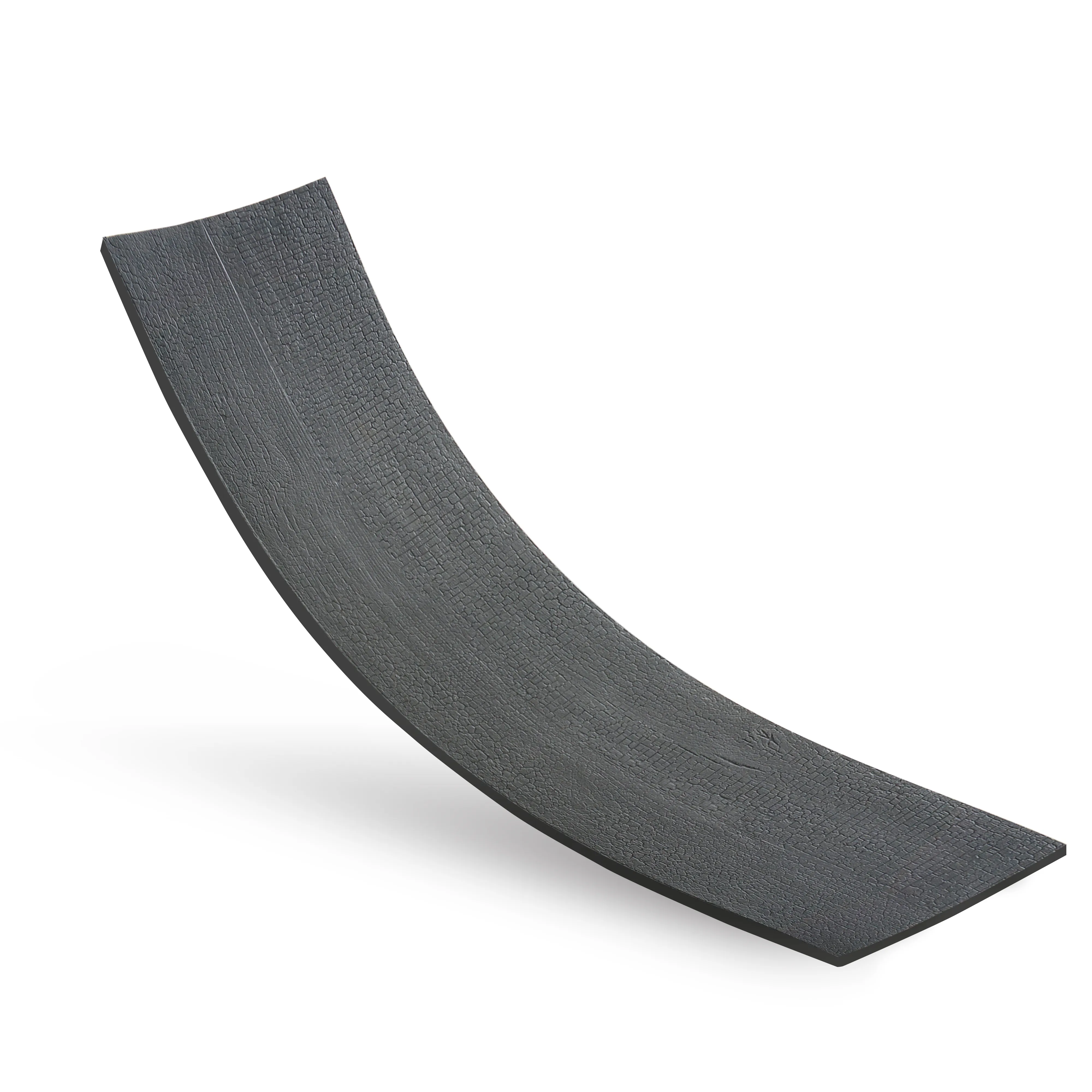
Finally, the boards are sanded lightly to smooth any rough edges, though many craftsmen leave some texture intact to preserve the material's rustic appeal. The result? A board that's dark, textured, and full of character—ready to be turned into a wall panel, a tabletop, or a piece of furniture that will stand the test of time.
Before the charcoal burnt wood boards leave the workshop, they undergo one last inspection. Quality control experts check for uniformity of charring—no patchy spots or areas that are too light or too dark. They test the adhesion of the charred layer by gently scraping it with a fingernail; it should hold firm, not flake off. They also measure moisture content to ensure the wood is stable and won't warp once installed. It's a rigorous process, but it's what separates a mass-produced product from a handcrafted one.
| Feature | Charcoal Burnt Wood Board | Wood Grain Board |
|---|---|---|
| Manufacturing Process | Charred surface via controlled burning, then sealed | Engineered wood with printed or embossed wood grain pattern |
| Texture | Rough, tactile surface with visible charred layer | Smooth or slightly embossed; mimics natural grain but lacks depth |
| Durability | Highly resistant to fire, pests, and rot | Moderate; depends on core material (plywood, MDF, etc.) |
| Best For | Accent walls, outdoor cladding, statement furniture | Budget-friendly flooring, cabinetry, or low-traffic surfaces |
| Aesthetic | Dark, dramatic, and organic; ages with warmth | Consistent, uniform; can mimic various wood species |
Charcoal burnt wood board is more than just a building material; it's a testament to the beauty of transformation. It's about taking something ordinary—a plank of wood—and through skill, patience, and a little fire, turning it into something extraordinary. Whether you're drawn to its durability, its unique look, or the story behind its creation, there's no denying its impact. It's a material that connects us to the past (think of ancient Japanese artisans tending to their torches) while fitting seamlessly into the present (modern homes, offices, and public spaces). So the next time you see a wall clad in charcoal burnt wood, take a moment to appreciate it—not just for how it looks, but for the journey it took to get there.
And who knows? Maybe one day, you'll run your hand over that rough, charred surface and feel a little closer to the fire, the wood, and the craftsmen who brought them together.
Recommend Products












