

Have you ever stood before a building with stunning, flowing curves and wondered, "How did they do that?" In an era where architecture is breaking free from straight lines and rigid boxes, curved surfaces are becoming the signature of modern, sophisticated design. From majestic, sweeping facades to elegant interior archways, these forms capture our imagination. But achieving these beautiful curves has traditionally been a challenge—often heavy, expensive, and difficult to work with. That is, until a groundbreaking material changed the game. Today, we're pulling back the curtain to reveal the magic behind creating one of these very elements: a custom MCM Semicircle Board. Join us as we take a deep dive into the fascinating world of COLORIA GROUP's manufacturing, where earth, science, and artistry converge to shape the future of architecture.
Before we jump into the workshop, let's get acquainted with our star player: MCM, which stands for Modified Cementitious Material. Now, if the word "cement" makes you think of heavy, grey, brittle concrete blocks, it's time for a mental reset. Think of MCM as cement's highly evolved, incredibly talented cousin. It's like comparing a simple home-baked bread to a multi-layered, exquisitely decorated pastry from a master patisserie. Both start with basic ingredients, but the end result is worlds apart.
At its heart, MCM is a revolutionary composite material developed through years of technological innovation. It's an inorganic-organic composite, meaning it cleverly blends the strength of minerals with the flexibility of polymers. The base recipe, which COLORIA GROUP has perfected over decades, consists of natural ingredients like common soil, sand, stone powder, and other mineral components. These are the "cementitious" parts. The "modified" magic comes from introducing special polymers and proprietary additives into the mix. This modification process fundamentally transforms the material's properties at a molecular level.
So, what does this transformation achieve? It gives birth to a material that boasts an incredible list of benefits:
In essence, MCM takes the best qualities of natural materials—their beauty and strength—and enhances them with scientific innovation, leaving the drawbacks like excessive weight and rigidity behind. It's this unique combination that makes it the perfect candidate for crafting custom architectural elements like a semicircle board.
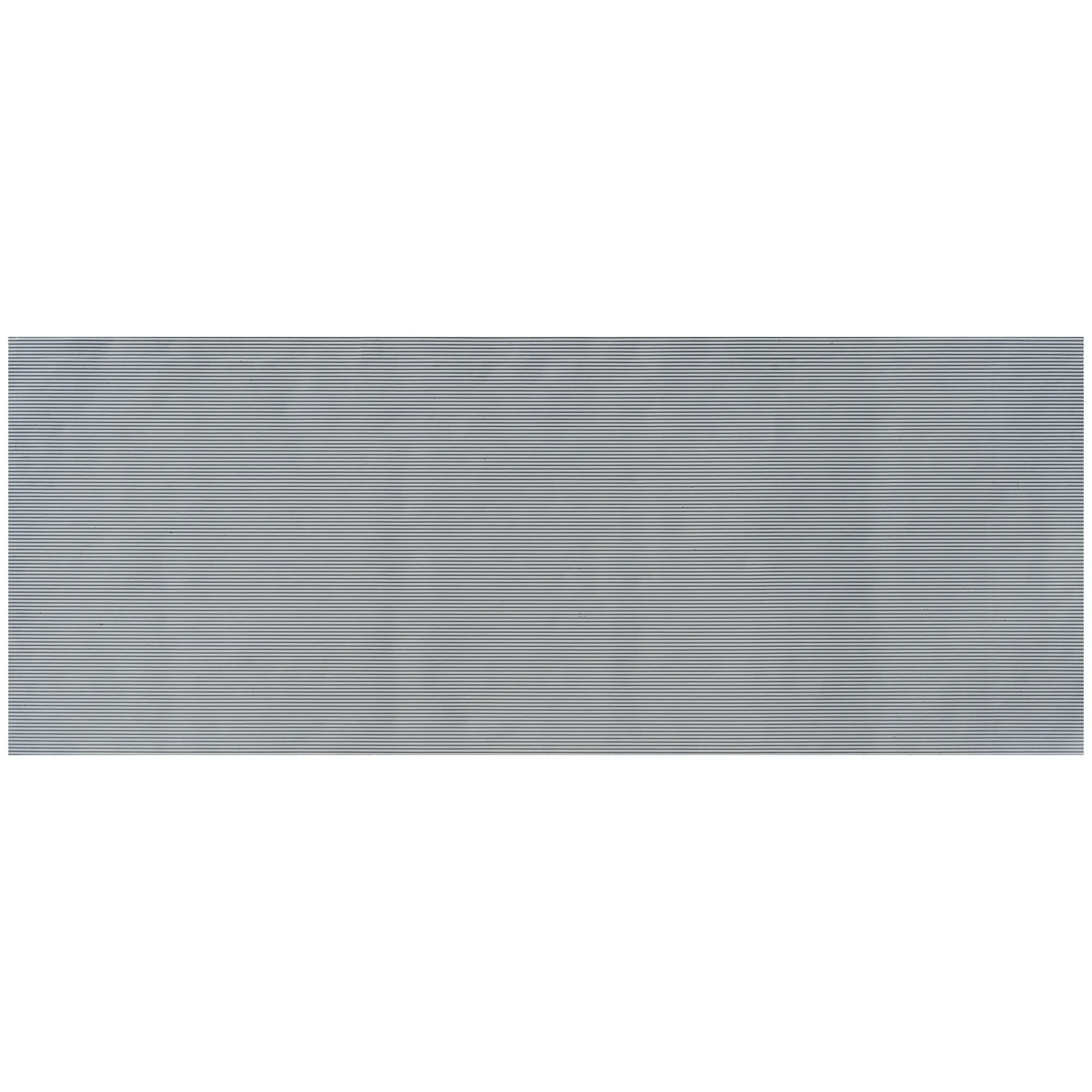
Every great creation begins with an idea. A semicircle board doesn't just appear; it's born from a specific architectural vision. This initial phase is all about precision, communication, and digital craftsmanship.
It all starts with a conversation. An architect designing a sleek, modern commercial building might envision a series of curved columns. A homeowner might want a unique, arched entryway for their living room. Our role at COLORIA GROUP begins here, working as a partner to understand the exact requirements. What is the intended aesthetic? Is it a rustic stone look for an exterior facade or a smooth, polished finish for an interior feature wall? What are the precise dimensions—the radius of the curve, the arc length, the thickness, and the overall height?
For custom projects, there is no room for error. Our technical teams often collaborate directly with project managers and installers. Using advanced tools, they take precise measurements on-site or work from detailed architectural drawings. This step is critical because even a small discrepancy in the radius can lead to significant fitting issues during installation. We consider factors like the substrate a board will be attached to, the environmental conditions it will face, and the desired seam-to-seam appearance.
With all the data in hand, our engineers fire up their powerful Computer-Aided Design (CAD) software. This is where the abstract idea becomes a concrete, digital blueprint. They don't just draw a simple arc; they create a full 3D model of the semicircle board. This digital model is a perfect virtual twin of the final product. It defines every critical parameter with sub-millimeter accuracy: the inner and outer radii, the exact thickness that might vary across the piece, and even the placement of any pre-drilled holes or mounting features. This digital model serves as the single source of truth for the entire manufacturing process, from creating the mold to the final quality control checks. It's a testament to how modern technology ensures that the final physical product will perfectly match the original creative intent.
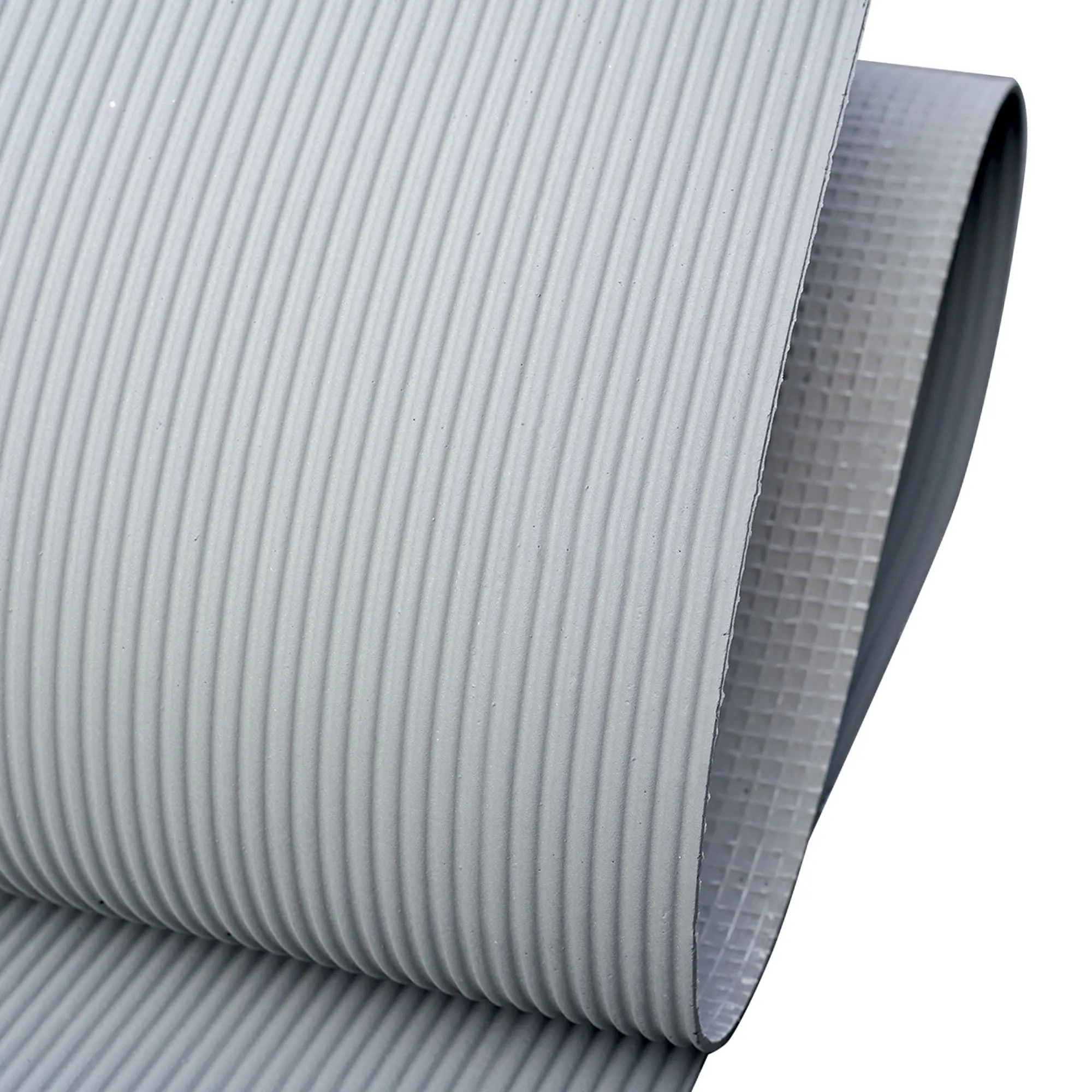
If the digital design is the brain of the operation, the MCM slurry is its heart and soul. The quality, consistency, and composition of this mixture determine everything about the final product—its strength, flexibility, color, and texture. This is where COLORIA GROUP's decades of experience and proprietary knowledge truly come into play.
You can only make a great product from great ingredients. We are incredibly selective about our raw materials. This begins with sourcing the purest forms of clay, quartz sand, stone powder, and other mineral aggregates. Each batch of incoming material undergoes rigorous quality control testing. We check for purity, particle size distribution, and moisture content. Why the obsession with particle size? Because it directly impacts the final texture. An ultra-fine powder is needed for a smooth, marble-like finish, while a mixture with larger grains will produce a more rustic, sandstone-like feel. This meticulous selection ensures consistency from one batch to the next, which is crucial for large projects where multiple boards need to match perfectly.
Here comes the secret sauce. The inspected mineral powders are transferred to massive, computer-controlled hoppers. At this stage, we introduce the "modifiers"—a carefully guarded recipe of high-performance polymers, cross-linking agents, and other specialized additives. These polymers are the key to the material's flexibility; they create a microscopic web-like structure within the mineral matrix, allowing it to bend without breaking. Simultaneously, we introduce the pigments. We use only high-quality, inorganic mineral pigments. This is a critical point. Unlike topical paints that can fade, chip, or peel, our pigments are mixed *throughout* the entire body of the material. This means the color is integral to the board itself. If you were to cut our semicircle board in half, the color on the inside would be the exact same as the color on the surface. This through-body coloration guarantees incredible longevity and resistance to fading from UV exposure.
Imagine a colossal, state-of-the-art kitchen, and in the center is a giant, industrial-grade mixer. All the dry ingredients—the mineral powders and pigments—along with the liquid polymer additives and a precise amount of water are combined in this vessel. The mixing process is a carefully choreographed dance controlled by a computer. It's not just about stirring everything together. The system controls the mixing speed, the duration, and even the temperature of the slurry. The goal is to achieve a perfectly homogeneous mixture with the consistency of a thick, smooth pancake batter. It must be completely free of clumps, unmixed dry spots, or air bubbles, as any of these imperfections could compromise the structural integrity and aesthetic of the final product. This stage can take a significant amount of time, but it's a non-negotiable step to guarantee the flawless quality that COLORIA GROUP is known for.
What's truly amazing is how this core process can be adapted. The same fundamental principles of preparing a high-quality slurry are used across our product lines, whether it's for the vast, seamless panels in the MCM Big Slab Board Series or the intricate, custom designs possible with the MCM 3D Printing Series . The recipe is simply tweaked to optimize for different performance characteristics.
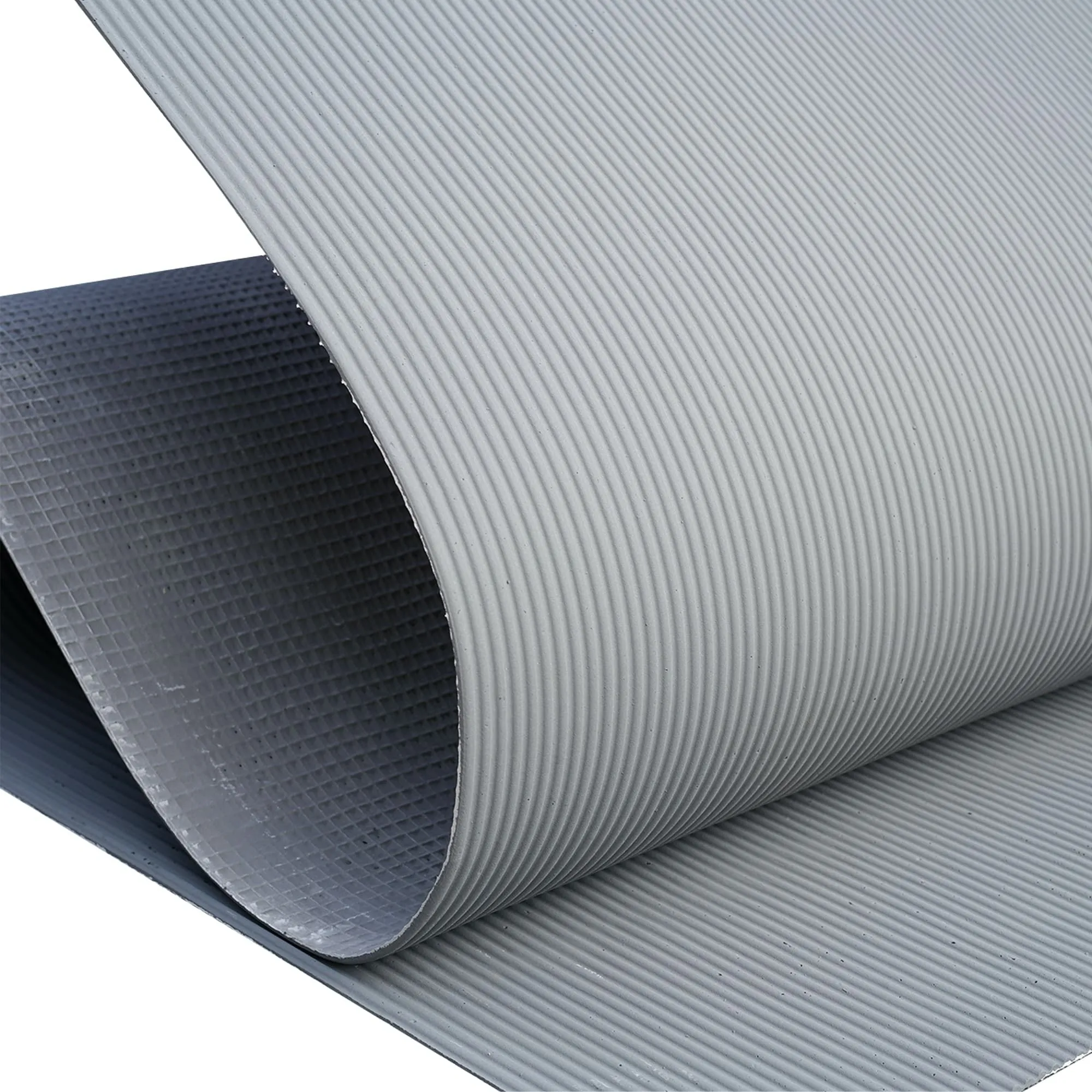
With our perfect slurry ready and waiting, we arrive at the most visually dramatic part of the process: casting and shaping. This is where the liquid mixture begins its transformation into a solid, curved form.
You can't create a custom shape without a custom mold. Based on the precise dimensions from the CAD model, a unique mold is fabricated. For a semicircle board, this isn't a simple flat tray. It's a carefully constructed mold with the exact curvature required. These molds are typically made from high-grade silicone or fiberglass, chosen for their durability and their ability to release the finished product without damaging it. Crucially, the surface of the mold itself is often where the texture is born. If the client wants a slate-like texture, for example, the mold is created from a master piece of real, natural slate. Every tiny cleft, ridge, and detail is captured in the mold, ready to be imprinted onto the MCM slurry.
The prepared MCM slurry is carefully poured or spread into the curved mold. Our skilled technicians ensure the slurry flows into every corner and crevice, and that it's spread to a uniform thickness. This is often done on a vibrating table, which uses gentle, high-frequency vibrations to help settle the slurry, eliminate any trapped air bubbles, and ensure a dense, void-free panel. While the material is in this wet, pliable state, any final texturing can be applied. For some designs, the mold provides all the texture. For others, artisans may use specialized tools to create unique patterns or enhance the natural look, ensuring that no two "hand-finished" pieces are exactly identical, much like natural stone.
There's another fascinating method that truly showcases the material's flexibility. For very large or complex curves, it's sometimes more practical to cast the MCM as a flat sheet first. Then, after a short initial curing period, while the material is in what we call the "green state"—no longer liquid, but not yet fully rigid—it can be carefully lifted and draped over a curved forming buck. It's like gently shaping a piece of thick, damp leather. The material holds the new curved shape as it proceeds to the next stage. This technique highlights the incredible versatility and forgiving nature of MCM.
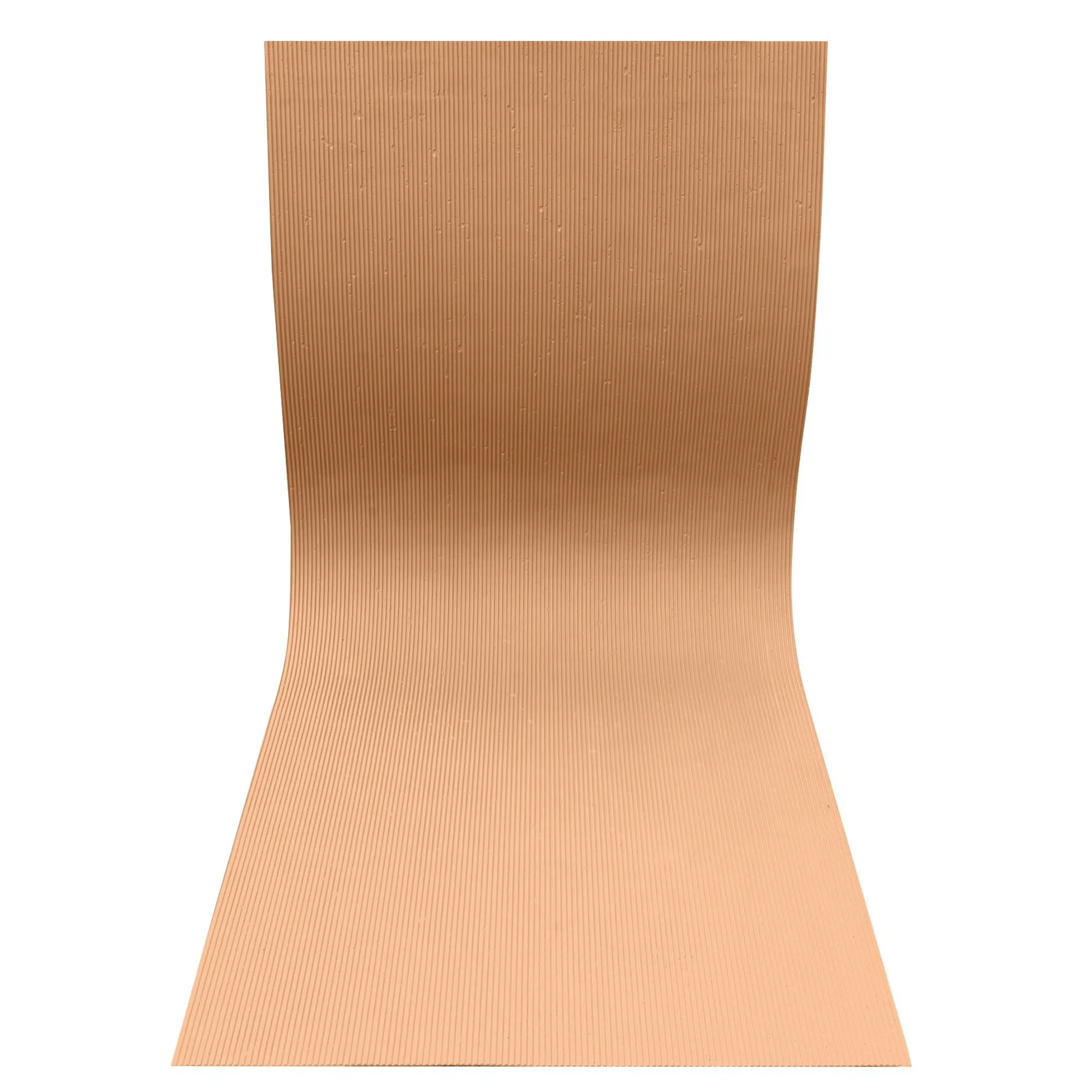
The shaped slurry now enters the final and most scientifically critical phase of its physical transformation: curing. It's a common misconception to think of this as simple "drying." Drying is merely the evaporation of water. Curing is a complex chemical process where the material develops its final strength, durability, and flexibility.
The molded semicircle boards are moved into specialized curing chambers. These are not just warm rooms; they are environments where both temperature and humidity are controlled with extreme precision. Unlike ceramic tiles that require firing in kilns at over 1200°C, MCM cures at a very low temperature, typically between 40-60°C. This low-energy process is a cornerstone of our commitment to green manufacturing.
Inside the curing chamber, two things are happening. First, water is being expelled from the mixture in a slow, controlled manner. If it happens too fast, the surface can crack. Too slow, and the process is inefficient. Second, and more importantly, the heat and humidity activate the polymer additives. They begin to form long, interconnected chains, a process called "cross-linking." This creates a powerful, flexible polymer network that weaves through and binds the mineral particles together. It's this internal microscopic scaffolding that gives the final product its remarkable combination of toughness and pliability. It's a slow, patient process, and rushing it would compromise the quality of the board.
After the curing process is complete—which can take anywhere from 24 to 72 hours depending on the product's thickness and complexity—the semicircle board is ready for the final stages.
The moment of truth! The now solid, yet still flexible, board is carefully removed from its mold. The first thing our quality assurance team does is a visual inspection. They look at the color, the texture, and the surface, checking for any imperfections. Is the color consistent? Is the texture crisp and true to the design?
The board then runs a gauntlet of stringent quality control tests.
How do you ship a large, custom-curved architectural element around the world? With great care. We don't just put our finished semicircle boards in a box. We design and build custom wooden crates specifically for them. Each piece is carefully wrapped in a protective layer to prevent scratches, then secured within the crate with custom-shaped foam supports that prevent any movement during transit. Each crate is clearly labeled with handling instructions and project details, ensuring it arrives at the job site—whether it's in a local city or across the globe in Saudi Arabia—in the same pristine condition it left our factory.
| Feature | COLORIA MCM Semicircle Board | Cut Natural Stone | Glass Fiber Reinforced Concrete (GFRC) |
|---|---|---|---|
| Weight | Extremely Lightweight (approx. 5-8 kg/m²) | Extremely Heavy (can exceed 80 kg/m²) | Heavy (approx. 30-50 kg/m²) |
| Design Flexibility | Very High; easily molded into complex curves. | Low; extremely difficult and expensive to cut into curves. High waste. | High; can be molded, but less flexible than MCM. |
| Installation | Fast and easy; simple adhesive application. | Slow and complex; requires heavy machinery and mechanical fixing. | Moderately complex; requires skilled labor and structural support. |
| Eco-Friendliness | High; low-energy unfired production, uses natural/recycled materials. | Low; high-energy quarrying and transport, high waste. | Medium; less energy than stone but still a cement-based product. |
| Durability | High; weather, fire, and impact resistant. Flexible to prevent cracking. | High, but can be brittle and prone to cracking/staining. | High, but can be brittle and heavy. |
From a simple sketch to a finished architectural masterpiece, the journey of an MCM semicircle board is a symphony of natural materials, scientific innovation, and human craftsmanship. It's a process that transforms humble earth and sand into a high-performance building material that is pushing the boundaries of architectural design.
At COLORIA GROUP, we see ourselves as more than just a manufacturer. We are a one-stop solution provider and a creative partner for architects, designers, and builders. The creation of a single semicircle board is a microcosm of our entire philosophy: a relentless pursuit of quality, a deep commitment to sustainability, and an unwavering passion for helping our clients bring their most ambitious visions to life. The next time you see a building with those breathtaking curves, you'll know the secret behind them—a little bit of magic, and a whole lot of modified cementitious material.
Recommend Products











