

Ever walked through a forest and admired the intricate patterns and rugged durability of tree bark? It's a natural marvel, a protective shield that has inspired countless innovations in construction and design. In our quest for more sustainable and environmentally friendly building materials, it's no surprise that we often look to nature for guidance. One such intriguing material that has emerged from this exploration is pine bark board. While perhaps not as ubiquitous as traditional timber or modern engineered materials, the concept of utilizing what was once considered waste is a testament to human ingenuity and our growing commitment to circular economies. So, how exactly does this fascinating material come to life?
The journey of transforming humble pine bark into a functional construction board is a multi-step process, embodying principles of resourcefulness and engineering. It typically begins with the harvesting of pine trees, primarily for their timber. The bark, which would often be discarded or used as low-value fuel, is instead collected for processing. This initial step is crucial for sustainability, as it repurposes a byproduct that can otherwise contribute to landfill waste or simply decompose without maximizing its potential. The core idea is to extract value from every part of the tree, ensuring that nothing goes to waste. The process of making pine bark board isn't just about creating a new product; it's about redefining waste and seeing it as a valuable raw material with unique properties.
The manufacturing process for pine bark board can be broadly categorized into several key stages, each vital for ensuring the final product meets the necessary performance and aesthetic requirements. While specific methodologies might vary between manufacturers, the fundamental principles remain consistent.
Once pine trees are felled and their logs sent to sawmills, the bark is carefully separated. This separation can be done mechanically or manually. Mechanical debarking is more common in large-scale operations, utilizing specialized machinery that strips the bark efficiently. After separation, the bark isn't immediately ready for board production. It often contains impurities like soil, small pieces of wood, and other organic debris. Therefore, a crucial pre-processing step involves cleaning and sorting the bark. This might include washing, sifting, and even air classification to remove unwanted elements, ensuring a purer raw material for subsequent stages. This meticulous cleaning is essential to prevent defects in the final board and to ensure optimal bonding during pressing.
The raw bark, even after cleaning, is typically in large, irregular pieces. To facilitate uniform mixing with binders and to create a homogenous board, these pieces need to be reduced in size. This is usually achieved through chipping and grinding. Chippers break down larger chunks into smaller, more manageable flakes or strands, while grinders further reduce these into finer particles or fibers. The specific particle size and shape are critical; they directly influence the density, strength, and surface finish of the final board. Different applications might require different particle geometries, meaning this stage is often tailored to the desired product characteristics.
Pine bark, like most natural organic materials, contains a significant amount of moisture. For successful board manufacturing, this moisture content must be reduced to a very specific level, typically between 5% and 10%. Excess moisture can interfere with the bonding process, lead to steam pockets during hot pressing, and ultimately compromise the structural integrity and stability of the board. Industrial dryers, often rotary drum dryers or belt dryers, are employed to achieve this. Careful control over drying temperature and duration is paramount to prevent degradation of the bark fibers and to ensure energy efficiency.
This is where the individual bark particles begin their transformation into a cohesive material. The dried bark particles are thoroughly mixed with a binder system. Traditional binders might include formaldehyde-based resins like urea-formaldehyde (UF) or phenol-formaldehyde (PF) resins. However, with increasing environmental awareness and stringent health regulations, there's a growing trend towards using low-VOC (Volatile Organic Compound) or even formaldehyde-free binders, such as isocyanate-based adhesives or natural glues. Beyond binders, various additives might be incorporated: waterproofing agents to enhance moisture resistance, fire retardants to improve fire safety, and even pigments for aesthetic purposes. The uniformity of this mixing process is critical; every particle needs to be adequately coated to ensure strong adhesion throughout the board.
After mixing, the coated bark particles are spread onto a conveyor belt to form a continuous, uniform mat. This process is often mechanized using air-felting or mechanical spreaders, which ensure an even distribution of particles across the width and length of the mat. The thickness of this mat is carefully controlled, as it will determine the final thickness of the board after pressing. The aim here is to create a pre-form that will be robust enough to handle the subsequent pressing stage without premature breakdown.
The mat then enters a hot press, which is perhaps the most critical stage of the entire process. Under high heat and intense pressure, the binder system is activated, causing the bark particles to bond together and densify. The heat cures the resin, forming strong, durable cross-links between the bark fibers. The pressure compacts the mat to the desired thickness and density, imparting strength and stability to the board. The parameters of hot pressing – temperature, pressure, and pressing time – are meticulously controlled and are specific to the type of bark, binder, and desired board properties. This step transforms a loose mat of particles into a solid, coherent panel.
Once pressed and cooled, the rough boards often have uneven edges. They are then trimmed to precise dimensions. The surfaces might also be sanded to achieve a smooth finish, making them suitable for various applications, including painting, laminating, or veneering. Depending on the intended use, additional finishing treatments may be applied, such as sealants, primers, or decorative coatings. Quality control checks are performed throughout these stages to ensure dimensional accuracy, surface quality, and structural integrity.
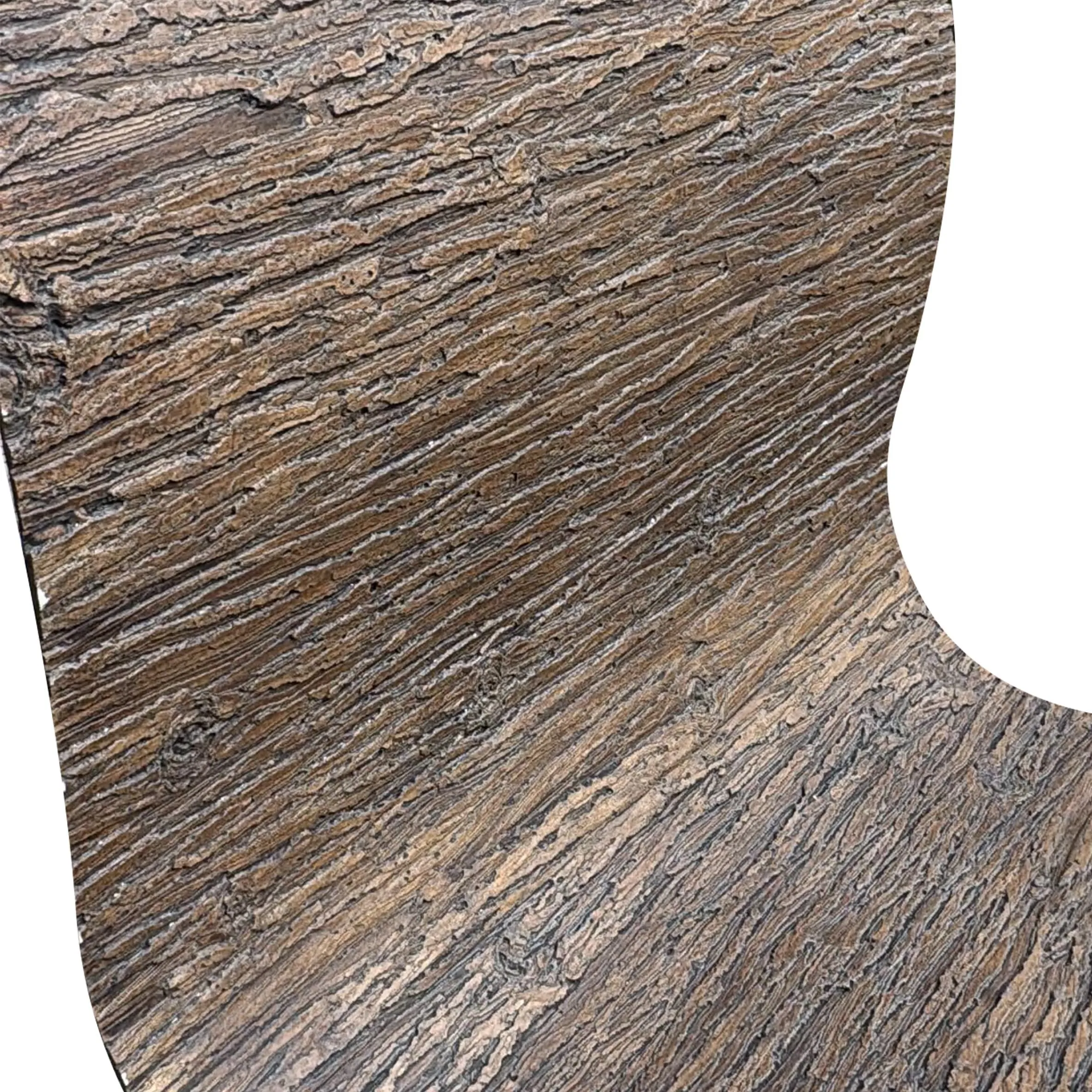
So, what makes pine bark board an attractive option in the vast landscape of building materials? Its primary advantages often revolve around sustainability and unique aesthetics. By repurposing bark, it reduces waste and lessens the demand for virgin timber, aligning perfectly with green building initiatives. Aesthetically, it can offer a distinctive, textured look that brings a touch of natural warmth to interior spaces. Its acoustic properties can also be beneficial in certain applications, offering sound absorption.
| Feature | Description | Potential Benefit |
|---|---|---|
| Sustainability | Utilizes forest industry byproducts, reducing waste. | Lower environmental impact, supports circular economy. |
| Aesthetics | Unique natural texture and earthy tones. | Adds warmth and organic feel to interiors. |
| Acoustic Properties | Porous structure can absorb sound. | Improved indoor acoustics, reduced noise. |
| Lightweight | Often lighter than solid wood panels. | Easier handling and installation, reduced structural load. |
| Thermal Insulation | Good insulating properties due to trapped air. | Contributes to energy efficiency in buildings. |
However, like all materials, pine bark board has its limitations. Its durability and weather resistance might not match that of some high-performance synthetic materials, making it more suitable for specific interior applications or protected exterior uses. It's a niche product, but a valuable one for designers and builders looking for alternative, eco-conscious choices.
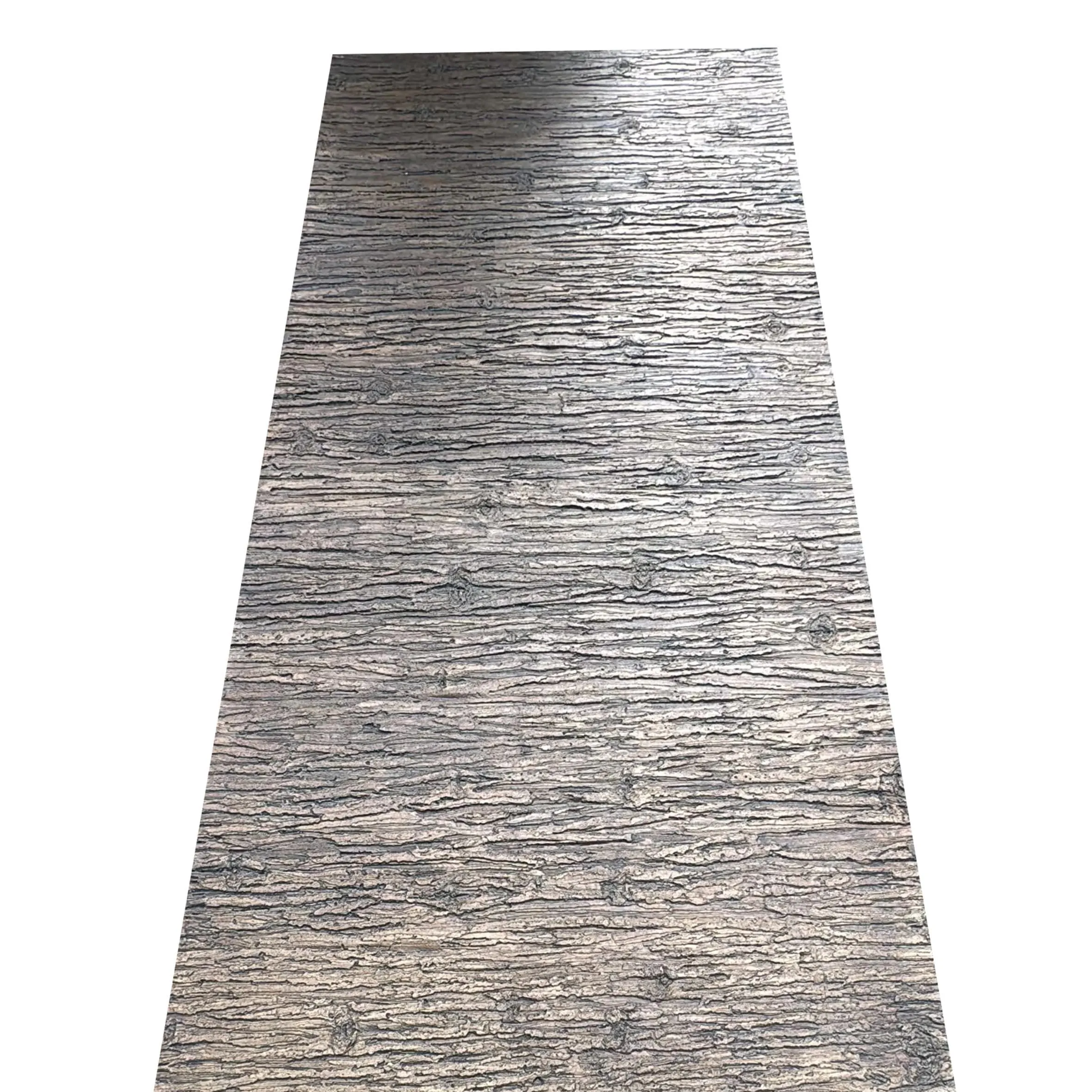
While pine bark board offers a compelling look into sustainable material innovation, the world of building materials is constantly evolving, driven by an ever-increasing demand for performance, aesthetics, and environmental responsibility. This is where companies like COLORIA GROUP truly shine. We understand that modern architecture requires solutions that are not just beautiful, but also robust, adaptable, and kind to our planet. For decades, COLORIA GROUP has been at the forefront of this evolution, leveraging extensive industry experience to deliver cutting-edge materials that redefine possibilities in construction and design.
"At COLORIA GROUP, we believe that true innovation lies in harmonizing performance with planetary care. Our commitment to green and environmental protection characteristics isn't just a promise; it's embedded in the very fabric of our materials and processes."
Our philosophy as a one-stop solution provider in the architectural materials sector is to empower architects, designers, and developers with a comprehensive suite of high-quality internal and external decorative materials and supporting services. We don't just sell products; we offer integrated solutions, helping bring complex visions to life from concept to completion. Our global reach, particularly our strong presence through agencies in Saudi Arabia, allows us to understand and cater to diverse market needs, ensuring that our innovative materials are accessible wherever high-quality construction is taking place.
At the heart of COLORIA GROUP's commitment to innovation and sustainability lies our groundbreaking Modified Cementitious Material (MCM) series. This revolutionary category of materials represents a significant leap forward, offering unparalleled versatility, durability, and eco-friendliness. Unlike traditional cement-based products, MCM materials are engineered with advanced modifications that enhance their flexibility, reduce their weight, and dramatically improve their aesthetic appeal, making them ideal for a myriad of architectural applications. They are designed to meet the rigorous demands of both residential and commercial projects, providing solutions that are not only high-performing but also inherently sustainable.
The MCM technology allows for a reduction in material usage and energy consumption during production, aligning with our overarching goal of minimizing environmental impact. These materials offer the sophisticated look and feel of natural stone, wood, or other textures, but with superior performance characteristics and a significantly lower carbon footprint. This focus on green manufacturing and product lifecycle management ensures that when you choose COLORIA GROUP's MCM products, you're not just getting a beautiful finish; you're investing in a more sustainable future for construction.
Let's delve into some of the incredible MCM product series that COLORIA GROUP offers, showcasing the breadth and depth of our material science expertise:
A cornerstone of COLORIA GROUP's offering, particularly within our MCM product lines, is our unwavering commitment to customization. We understand that every project is unique, with its own set of challenges and aspirations. That's why our materials are designed to be highly adaptable, allowing for bespoke finishes, sizes, and textures that perfectly align with your specific design intent. This flexibility not only enables creative expression but also contributes to reducing material waste by ensuring that products are manufactured precisely to specification.
Hand-in-hand with customization is our dedication to green construction. All our MCM products are developed with environmental responsibility at their core. They boast impressive green and environmental protection characteristics . This includes using recycled content where possible, minimizing VOC emissions, and ensuring a production process that is as energy-efficient as possible. By choosing COLORIA GROUP, you're opting for materials that contribute positively to LEED certifications and other green building standards, demonstrating a commitment to health, sustainability, and responsible resource management. We believe that beautiful design and environmental stewardship are not mutually exclusive; in fact, they enhance each other.
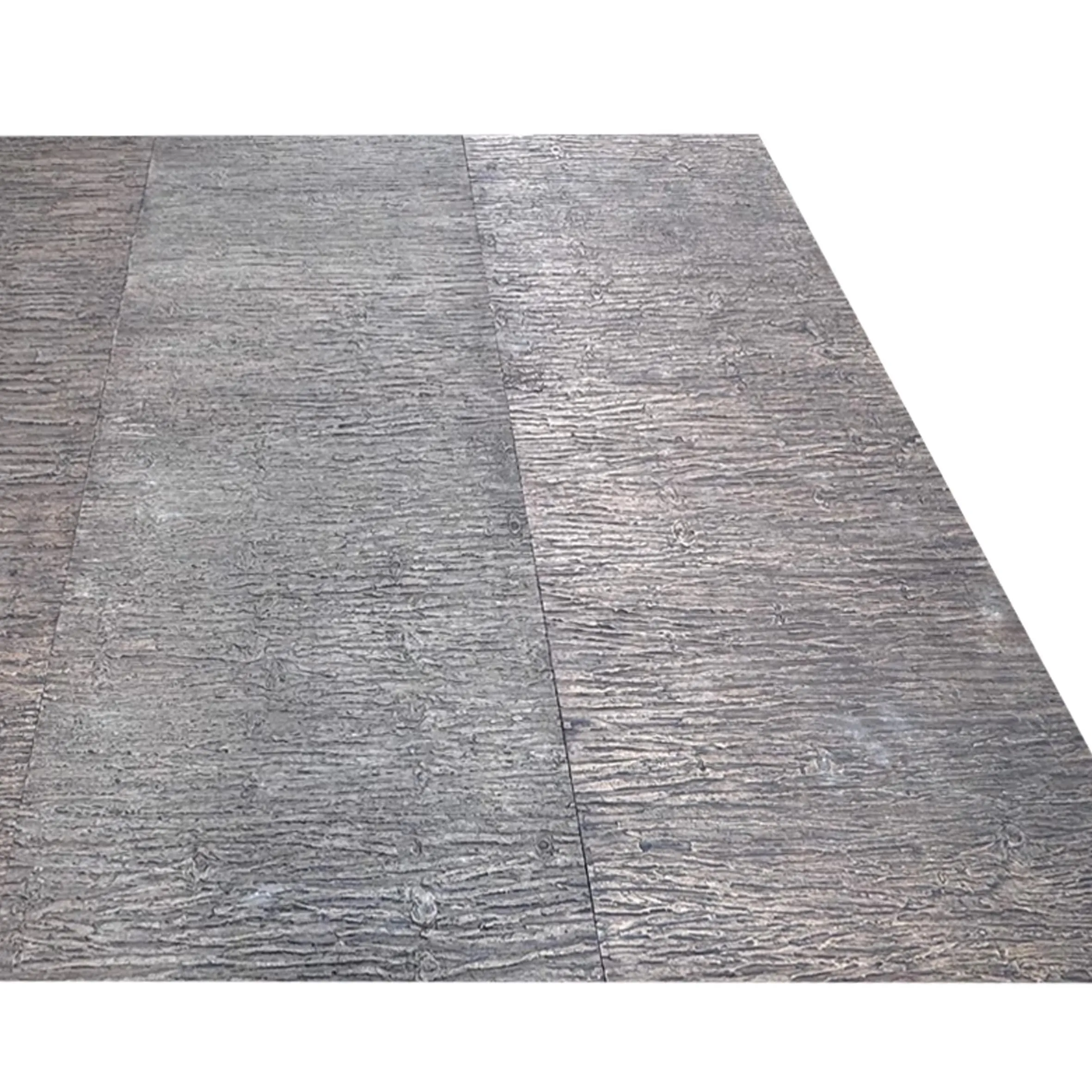
What truly sets COLORIA GROUP apart in the competitive landscape of building materials is our decades of accumulated industry experience. This isn't just about selling products; it's about providing deep knowledge, technical support, and logistical expertise. Our team comprises seasoned professionals who understand the intricacies of architectural design and construction, enabling us to offer invaluable insights and assistance at every stage of a project. From material selection to installation guidance, we stand by our clients, ensuring successful outcomes.
Our role as a one-stop solution provider means simplifying the complex world of architectural materials for our clients. Instead of sourcing different components from various vendors, leading to potential compatibility issues and logistical headaches, COLORIA GROUP offers a comprehensive package. This integrated approach ensures seamless coordination, consistent quality across all materials, and a single point of contact for all your needs. This efficiency is particularly valuable for large-scale projects where timelines and budget management are critical.
Our international footprint, with a significant presence in global markets and specific agencies in thriving regions like Saudi Arabia, underscores our capability to serve a diverse clientele. We understand the nuances of different architectural styles, climatic conditions, and regulatory environments around the world. This global perspective, combined with localized support, allows us to deliver solutions that are not only innovative but also culturally and contextually appropriate.
"Whether you're exploring the potential of sustainable alternatives like engineered bark composites or are captivated by the transformative power of our MCM Big Slab Board Series , COLORIA GROUP offers the expertise and materials to elevate your vision. We are more than just a supplier; we are a partner in innovation, dedicated to shaping the future of architectural excellence."
The journey from raw materials, like pine bark, to advanced composites or our revolutionary MCM products, highlights an industry constantly striving for better, more sustainable solutions. As we move forward, the emphasis will continue to be on materials that offer not just aesthetic appeal and structural integrity, but also contribute positively to environmental health and occupant well-being. COLORIA GROUP is proud to be leading this charge, innovating with materials that are not only beautiful and durable but also inherently responsible.
We invite architects, designers, and developers to explore the vast possibilities offered by our product range. From the impressive scale and versatility of the MCM Project Board Series to the artistic freedom provided by the MCM 3D Printing Series, and the natural elegance of MCM Flexible Stone, we have solutions that inspire and endure. Our dedication to superior quality, coupled with a deep commitment to sustainability and customer satisfaction, positions us as your ideal partner for any construction or renovation endeavor. Let's build a greener, more beautiful future together, one innovative material at a time.
Disclaimer: The content of this article is for promotional and informational purposes, exploring the broader context of sustainable building materials and highlighting the offerings of COLORIA GROUP.
Recommend Products











