
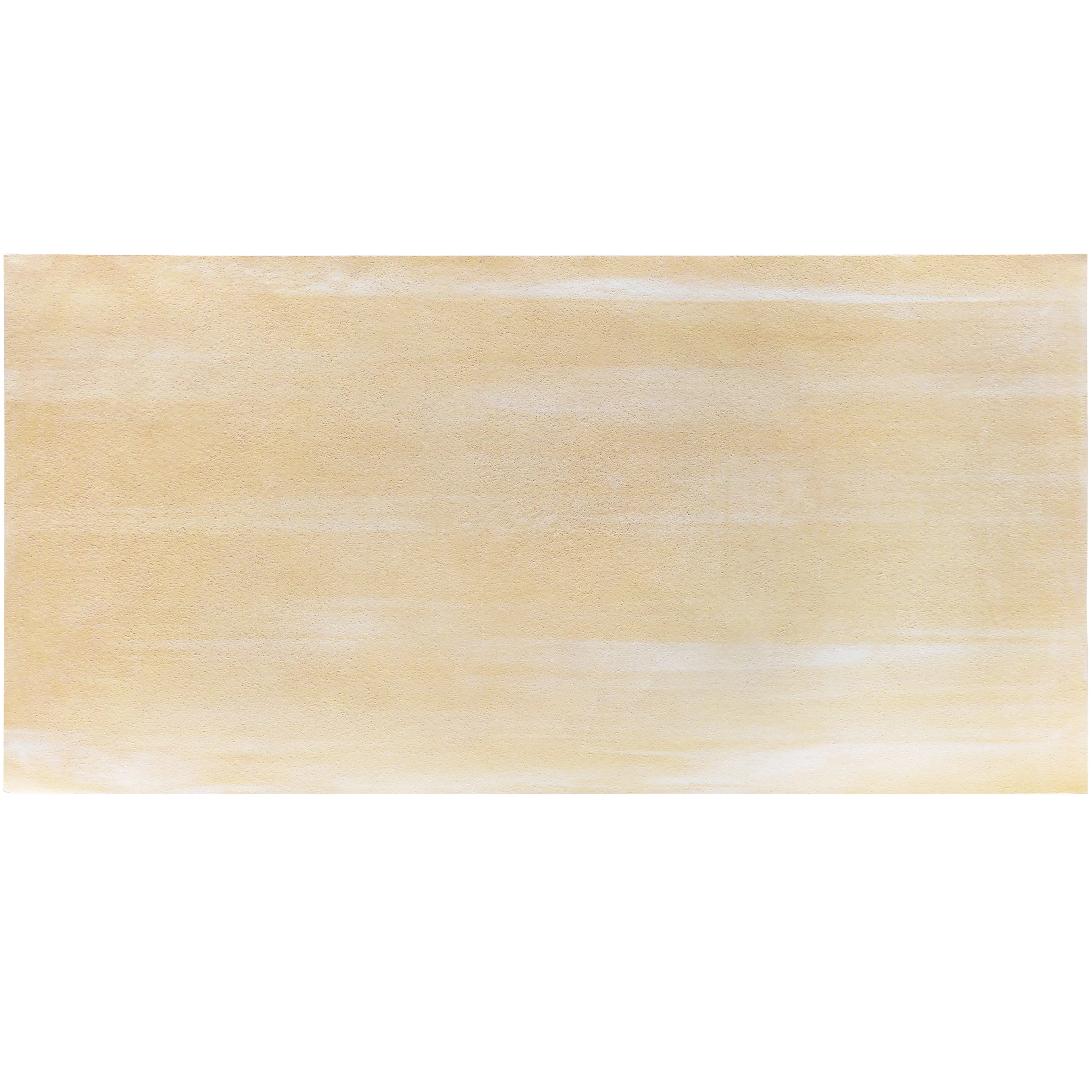
Walk into a sunlit boutique hotel lobby, and your gaze might drift to a wall that seems to glow—soft, textured, like desert sand sculpted by wind, with veining that curls like smoke. That's Sandstone Cloude. It's not just a building material; it's a quiet storyteller, blending the earthy warmth of natural stone with the flexibility of modern design. But how does a material this unique come to life? Let's pull back the curtain on COLORIA GROUP's craft, where science meets art, and every slab carries the (hén) —the trace—of human care.
Before we dive into Sandstone Cloude's journey, let's talk about its backbone: MCM. Short for Modified Composite Material, it's the star of COLORIA's MCM project board series —a lineup that includes everything from sleek fair-faced concrete panels to the supple, stone-like sheets of MCM flexible stone . Think of MCM as nature's best kept secret, reimagined: it takes the raw beauty of minerals, adds a dash of engineering, and emerges as something lightweight, durable, and surprisingly bendable. No more struggling with heavy, brittle stone slabs; MCM bends around curves, sticks to walls with minimal effort, and lasts for decades. It's why architects and designers call it "stone with a personality."
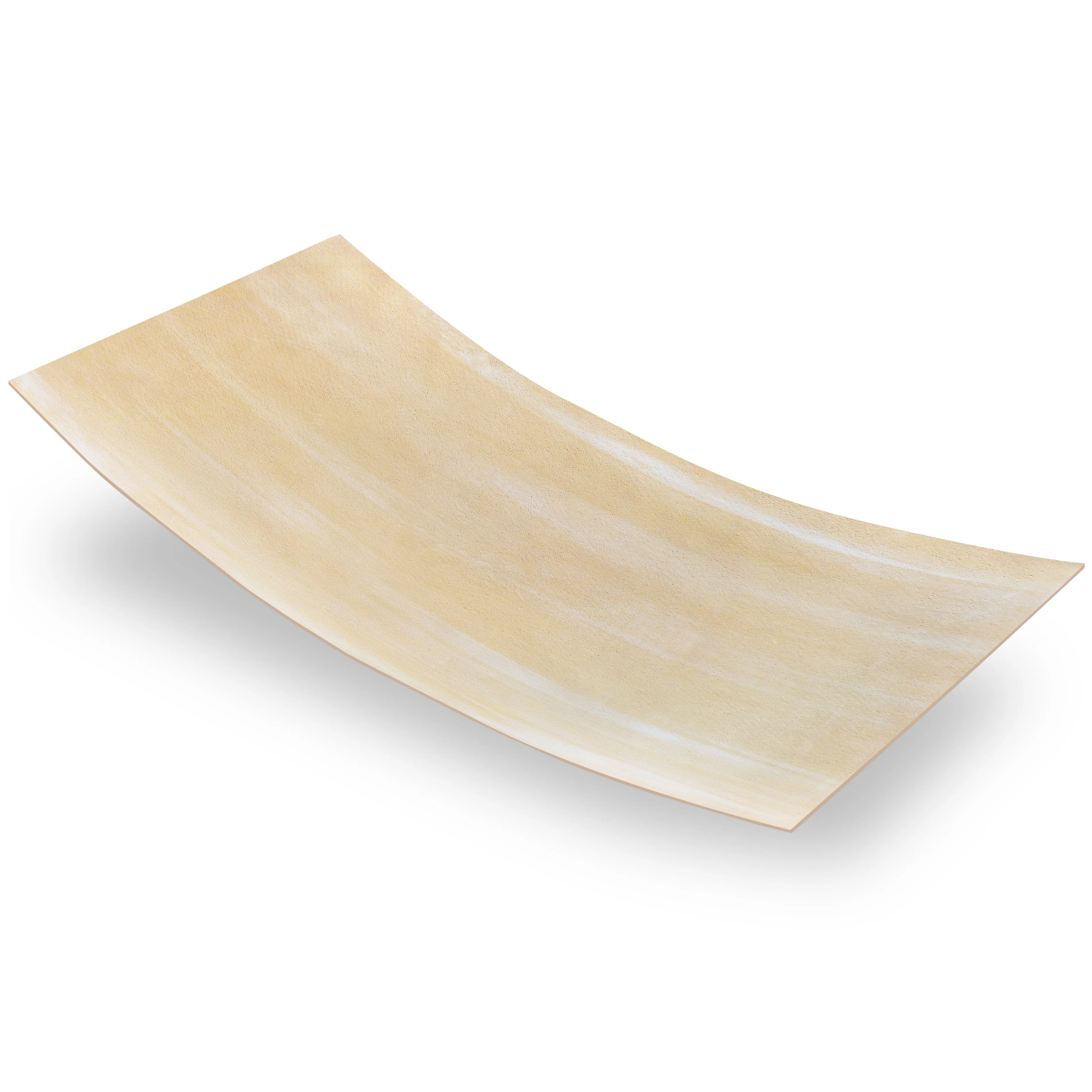
Creating Sandstone Cloude isn't a quick assembly line job. It's a dance between precision and intuition, where machines hum but human hands still guide the way. Let's walk through the process, from raw minerals to that cloud-kissed finish you'd swear was carved by nature itself.
Every great recipe starts with great ingredients, and Sandstone Cloude is no exception. COLORIA's material hunters scour quarries and mineral deposits for the perfect fines—crushed stone dust, natural pigments, and a secret blend of polymers that give MCM its "flex." They're picky, too. "We once rejected a batch of limestone because the color had a pinkish tint we didn't love," says Lina, a materials specialist who's been with the company 12 years. "Sandstone Cloude needs to feel like a soft overcast sky, not a sunset. Details matter."
The star of the show? A fine, powdery sandstone base, sourced from a quarry in northern Italy known for its pale, almost white hue. Mixed with tiny flecks of gray and beige minerals, it's the foundation of that "cloudy" texture. Add a dash of polymer resin (the "glue" that holds it all together without weighing it down), and you've got the makings of something special.
Next, the ingredients head to the mixing room—a space that smells like fresh earth and warm plastic. Giant, slow-turning drums (think: industrial-sized cake mixers) combine the sandstone fines, pigments, and polymers. The key here is balance. Too much resin, and the panel feels "plasticky"; too little, and it cracks. "We test the consistency by hand every 10 minutes," explains Raj, who runs the mixing station. He dips a gloved hand into the drum, pulls out a handful, and squeezes. "It should hold shape like damp beach sand, but crumble just a little when you tap it. That's the sweet spot."
For Sandstone Cloude's signature veining—the wispy, cloud-like patterns—pigment is added in stages. A machine sprays thin streams of darker mineral dust into the mix as it turns, creating those soft, irregular lines. "It's not random," Raj grins. "We've mapped out how the pigments flow, but there's always a little (jīngxǐ)—surprise—texture. That's what makes each panel unique."
Now comes the fun part: turning that wet, earthy mixture into something shaped. The blend is poured into custom molds—giant trays with textured surfaces that stamp the "cloud" pattern into the material. For Sandstone Cloude, the molds are designed to mimic the look of sand dunes after a light rain: slightly uneven, with gentle peaks and valleys. Other MCM panels, like the wave panel , use molds with ridged, ocean-inspired textures, but Sandstone Cloude's mold is all about softness.
Workers smooth the surface with a trowel, making sure no air bubbles get trapped (a single bubble could weaken the panel later). Then, the molds head to a curing room—think: a giant, temperature-controlled greenhouse. Here, the panels sit for 24 hours, slowly hardening as the resin bonds with the minerals. "Curing is like letting bread rise," says Elena, who monitors the room's humidity. "Rush it, and it falls flat. Take your time, and it's perfect."
After curing, the panels are (tuōmó)—unmolded—and sent to the finishing line. Unlike glossy marble or polished granite, Sandstone Cloude gets a "natural" finish: a light sanding to smooth rough edges, then a sealant to protect against stains and water. "We want it to feel like you could reach out and touch a cloud," says Tom, who handles finishing. He runs a palm over a fresh panel. "Not too smooth, not too rough—just right."
A final quality check ensures no cracks, no uneven coloring, no missed spots. "If a panel has a blemish, we don't ship it," Tom adds. "We grind it down and reuse the material. Waste? Not on our watch."
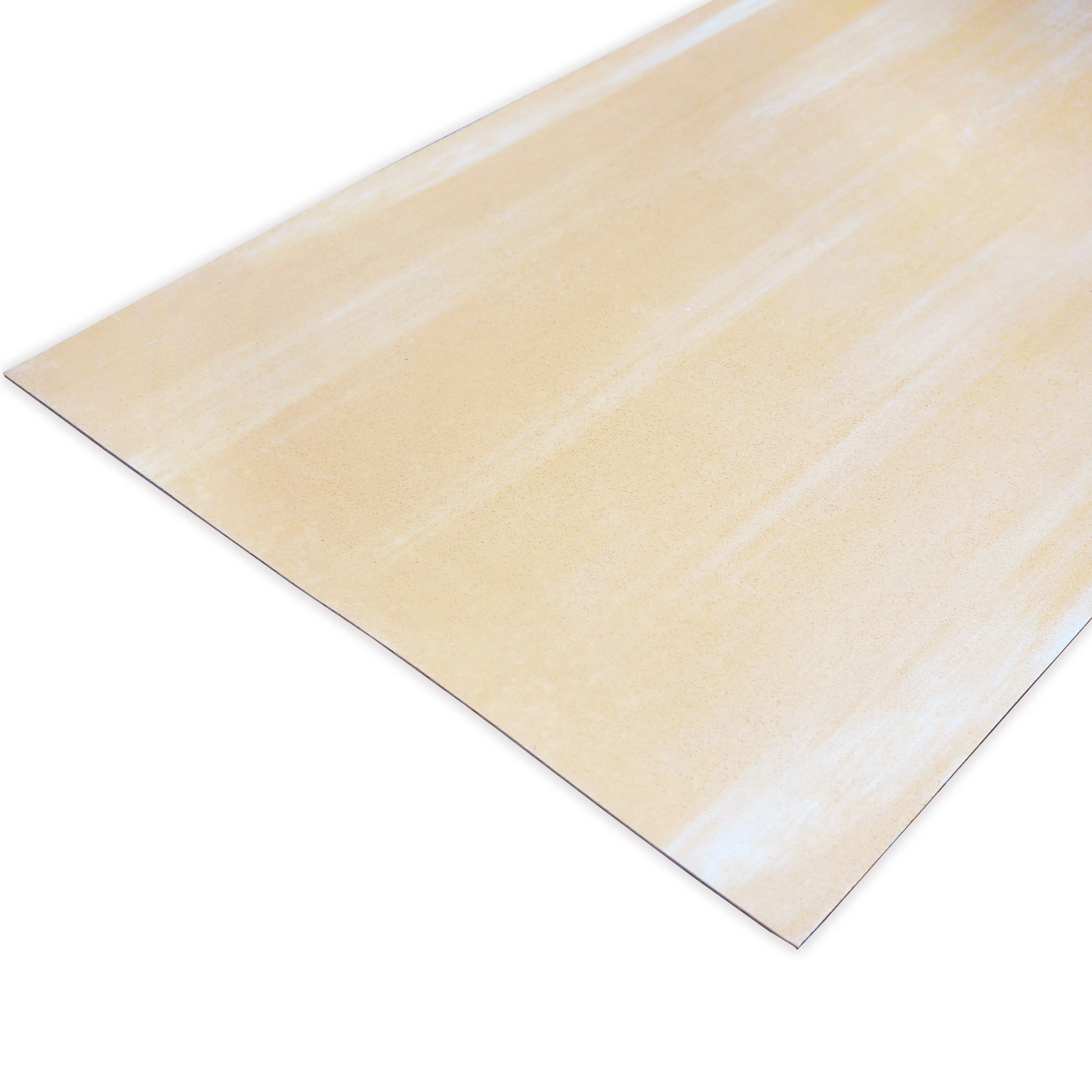
You might be wondering: Why not just use real sandstone? Great question. Let's break it down with a quick comparison:
| Feature | Traditional Sandstone | MCM Flexible Stone (Sandstone Cloude) |
|---|---|---|
| Weight | Heavy (50-60 lbs per sq ft) | Light (5-7 lbs per sq ft) |
| Flexibility | Brittle—can't bend | Bends up to 90 degrees without cracking |
| Installation | Needs heavy machinery and structural support | Installs like wallpaper (glue and a roller!) |
| Durability | Prone to chipping and water damage | Resists scratches, moisture, and UV rays |
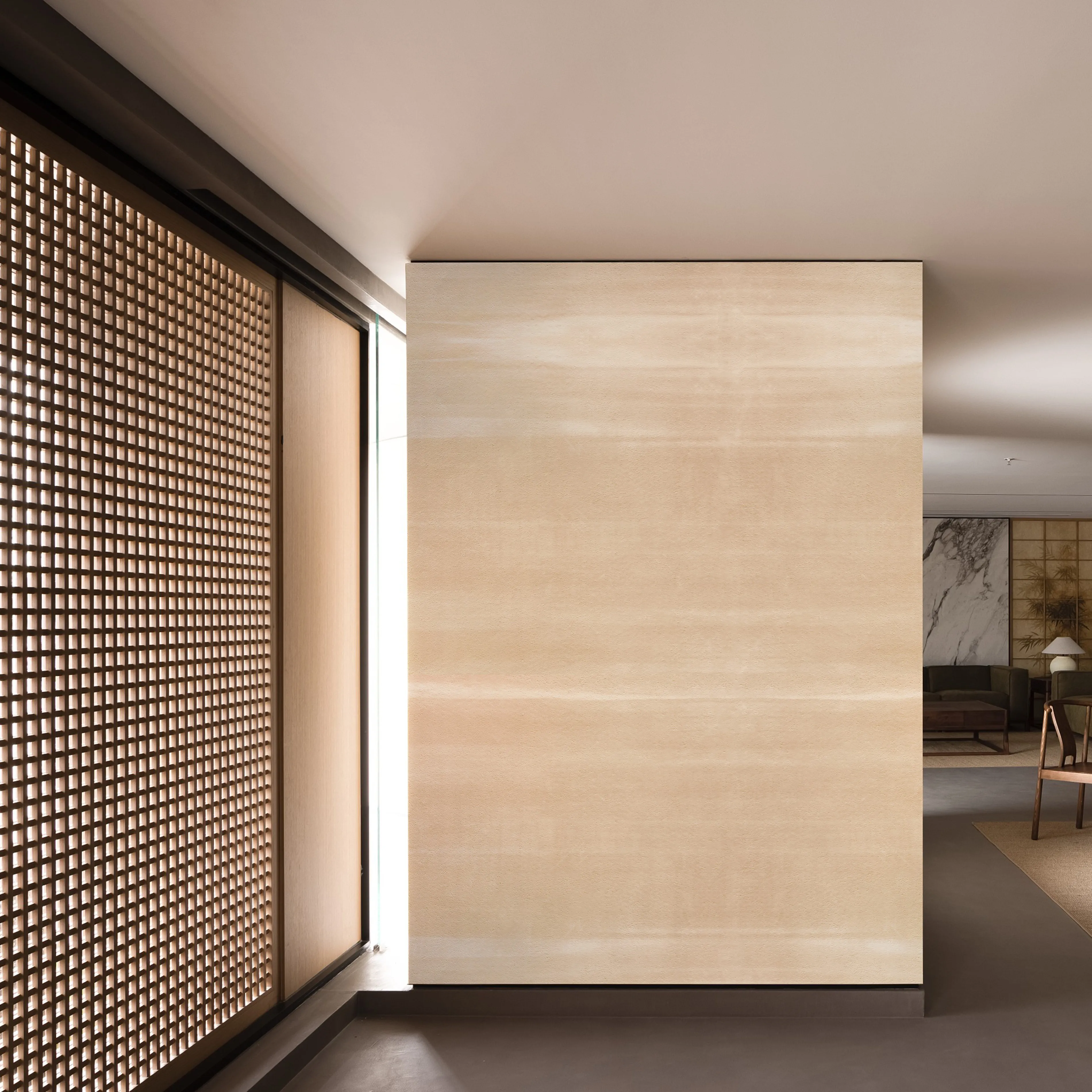
Once it's packaged and shipped, Sandstone Cloude finds its way into all kinds of spaces: boutique hotels, cozy cafes, even residential accent walls. Its neutral palette and soft texture make it a chameleon—pair it with warm woods for a cabin vibe, or with sleek metal for a modern loft. "Last month, a designer used it in a yoga studio," Lina tells me. "She said the walls feel 'calming,' like bringing the outdoors in without the mess."
At the end of the day, Sandstone Cloude isn't just about manufacturing. It's about people: the material hunters who reject "good enough" batches, the mixers who test by hand, the finishers who caress each panel like a piece of art. It's about blending the reliability of technology with the soul of craftsmanship. And in a world that often prioritizes speed over substance, that's something worth celebrating.
So the next time you run your hand over a wall and think, "Wow, that feels like a cloud," remember: it didn't just happen . It was made—with care, curiosity, and a whole lot of heart.
Recommend Products












