
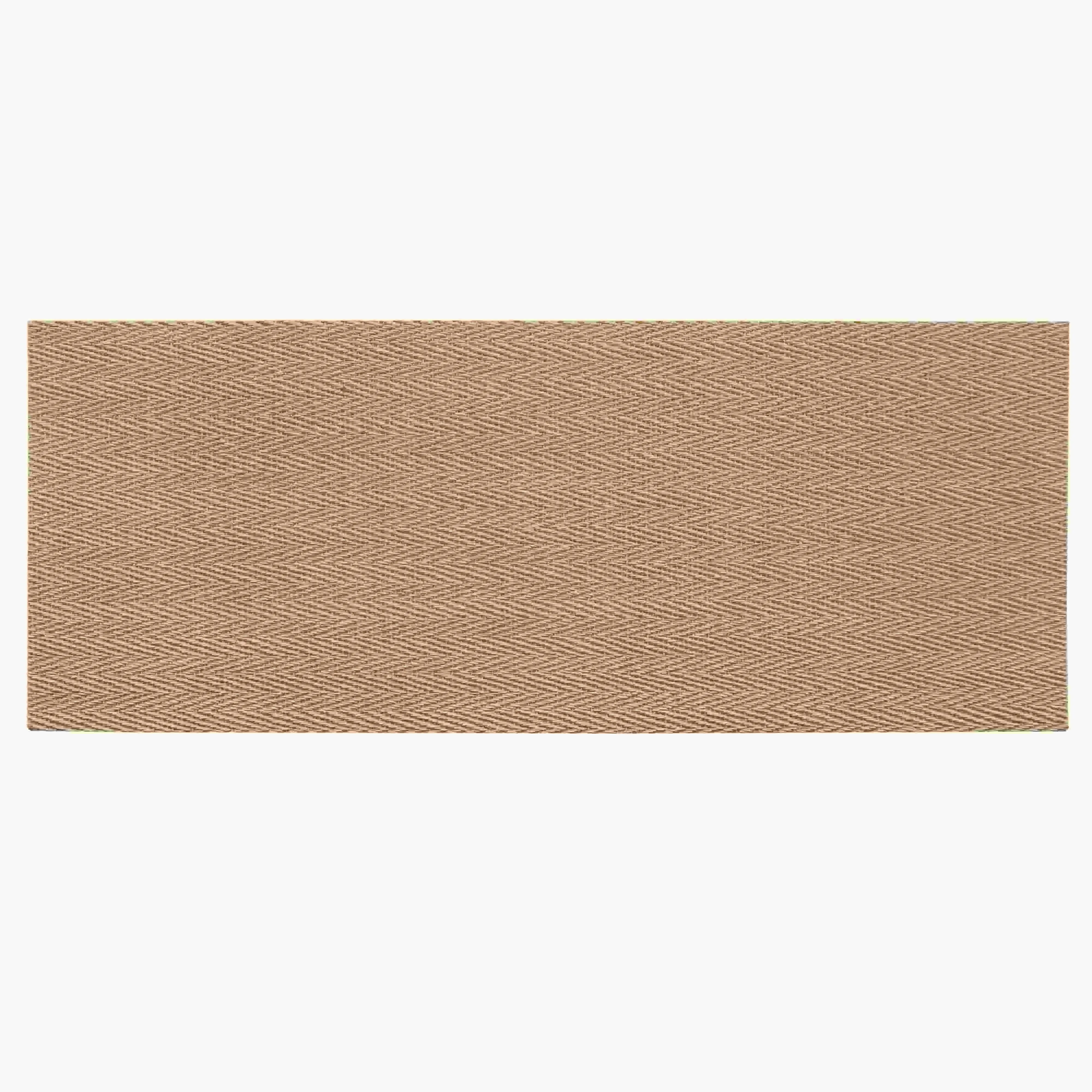
Walk into a boutique hotel lobby, and your gaze lingers on a wall that feels both familiar and unexpected. It looks like a piece of well-loved khaki fabric, woven with care, but as you step closer, you realize it's something else entirely—solid, cool to the touch, and built to last. That's the allure of COLORIA's Weaving (Khaki) MCM Panel: a design that blurs the line between textile art and architectural material. In a world of sleek marbles and industrial concretes, this pattern stands out for its soft, tactile warmth—a nod to tradition, reimagined through cutting-edge technology. Let's dive into the craftsmanship, innovation, and stories behind how this unique texture comes to life.
Before we unravel the Weaving (Khaki) process, let's ground ourselves in what makes MCM Panels a game-changer. MCM, or Modified Composite Material, is a lightweight, flexible, and ultra-durable cladding solution. Unlike traditional stone or concrete, MCM panels combine mineral aggregates, polymers, and reinforcing fibers to create a material that's 70% lighter than natural stone, yet resistant to weather, impact, and UV rays. This versatility is why COLORIA has built its reputation on pushing MCM's creative limits—from the metallic sheen of foamed aluminium alloy board (vintage gold) to the cosmic sparkle of travertine (starry blue) . And Weaving (Khaki) ? It's perhaps their most artisanal offering yet.
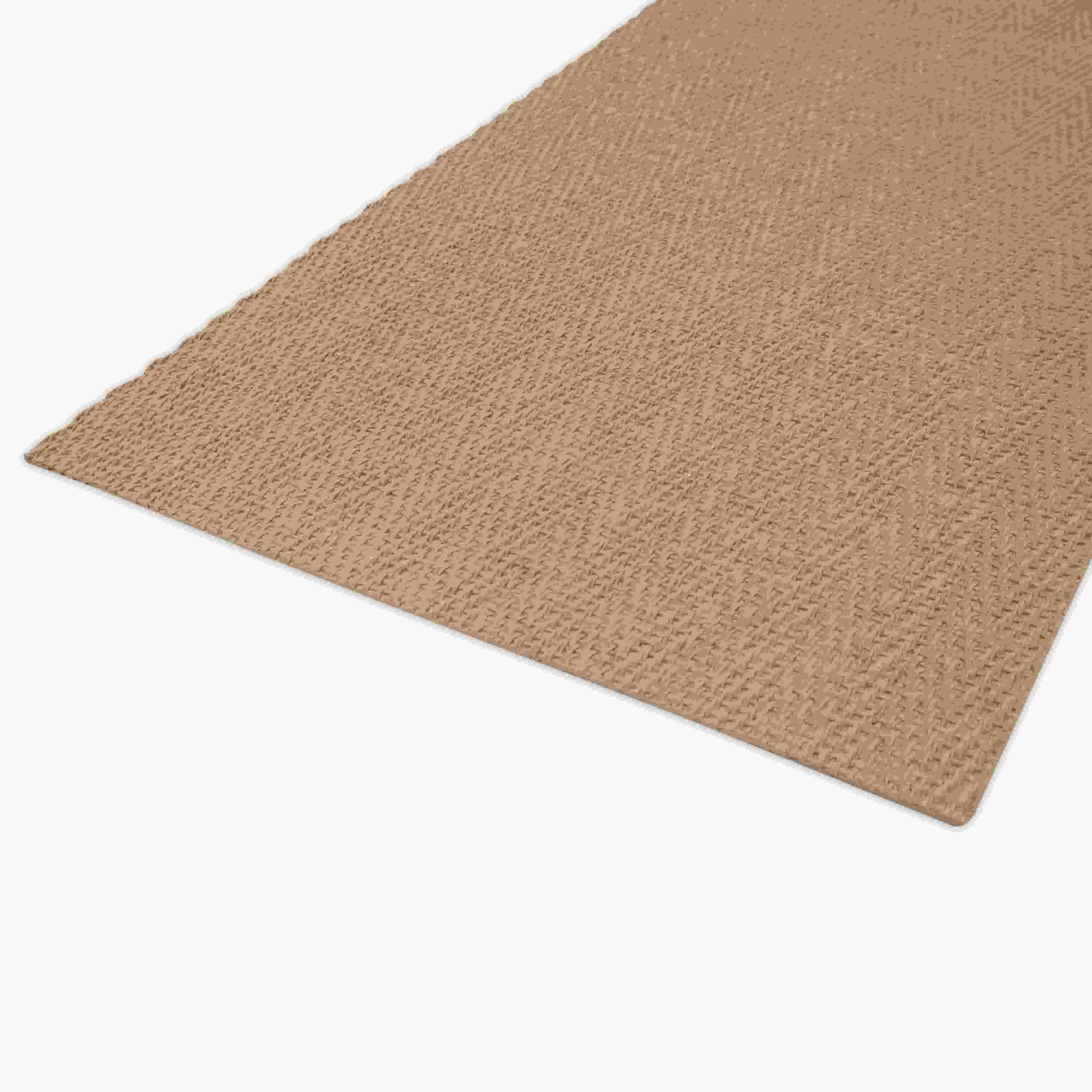
Creating a pattern that mimics the look and feel of woven fabric isn't just about aesthetics—it's about engineering a texture that's both visually convincing and structurally sound. The process spans weeks, blending handcraftsmanship with digital precision. Here's how it unfolds:
Every great product starts with a story, and Weaving (Khaki) began with a simple question: "What if a wall could feel like a favorite khaki jacket?" The design team drew inspiration from military surplus fabrics, vintage canvas tents, and even handwoven rugs—textiles known for their earthy tones, subtle texture variations, and lived-in charm. "Khaki isn't just a color; it's a mood," says Elena Marquez, COLORIA's lead surface designer. "We wanted to capture that soft, slightly faded warmth, but with the sharp definition of a well-executed weave."
Using 3D scanning technology, the team digitized swatches of these textiles, mapping every thread, knot, and imperfection. The goal? To translate the organic irregularity of handwoven fabric into a pattern that could be consistently reproduced on MCM. This meant balancing "perfect imperfection"—enough variation to feel natural, but not so much that the panel looked uneven when installed in large sections.
For a texture as delicate as weaving, the base material is critical. The team settled on MCM flexible stone —a variant of MCM with a higher fiber content, allowing it to bend slightly without cracking. " MCM flexible stone is like the high-quality canvas of the construction world," explains Carlos Mendez, COLORIA's materials engineer. "It takes texture beautifully, holds color evenly, and has the tensile strength to support the raised 'weave' patterns without warping." Unlike rigid stone panels, which can only handle shallow etchings, MCM flexible stone allows for deeper, more pronounced textures—key for making the weaving effect pop.
Once the design was finalized, the team turned to COLORIA's MCM 3d printing series to create prototypes. Using a large-format 3D printer, they produced 1:1 scale models of the weave pattern, testing how light plays on the texture, how shadows form between "threads," and how the khaki color absorbs or reflects light. "3D printing let us iterate quickly," says Mendez. "We printed 17 versions before we got the thread thickness right—too thin, and it looked flat; too thick, and it felt more like corduroy than canvas."
One of the biggest challenges? Replicating the "float" of woven fabric—the way some threads lie over others, creating a subtle 3D depth. The team added micro-grooves between the "weft" and "warp" threads (the horizontal and vertical lines of the weave) to mimic this effect, ensuring that when light hits the panel at an angle, those grooves cast tiny shadows, enhancing the illusion of layers.
With the prototype approved, it was time to create the molds that would stamp the weave onto the MCM flexible stone base. Unlike standard MCM panels, which use flat molds, Weaving (Khaki) required custom-made silicone matrices—flexible enough to capture fine details, yet durable enough to withstand repeated pressings. These molds are 3D-printed in sections, then assembled by hand to ensure no detail is lost.
The molding process itself is a ballet of pressure and timing. The MCM flexible stone substrate, still in its malleable "green" state, is laid over the mold. A hydraulic press then applies 120 tons of pressure—enough to push the material into every nook of the weave pattern, but not so much that it crushes the delicate threads. "It's like making a very precise," jokes Juan Torres, a press operator with 15 years at COLORIA. "Too soft, and the texture blurs; too hard, and you lose the subtlety."
Khaki is deceptively tricky to replicate. It's not just "beige"—it's a blend of warm taupe, soft olive, and hints of sand, with undertones that shift in different lights. To achieve this, COLORIA uses a multi-step pigmentation process. First, the base MCM flexible stone is dyed a neutral "canvas" tone—think pale sand. Then, using airbrushes, artisans apply layers of khaki pigments in varying intensities: darker shades in the "valleys" of the weave (to mimic shadow), lighter tones on the "peaks" (to mimic light catching the threads), and subtle streaks of muted green or brown to add depth.
"We avoid uniform color," says Marquez. "In natural fabrics, dye absorbs unevenly, creating that 'lived-in' look. So we add tiny variations—maybe a slightly darker patch here, a lighter streak there—to make the panel feel less 'manufactured.'" This hand-pigmentation step is one of the few that's still done manually, with artisans trained to replicate the randomness of natural dye absorption.
After texturing and coloring, the panels enter a curing chamber, where they're exposed to controlled heat (65°C) and humidity for 48 hours. This triggers a chemical reaction that cross-links the polymers in the MCM, turning the soft, malleable substrate into a rigid, durable panel. "Curing is where the magic of MCM happens," explains Mendez. "The material goes from feeling like wet clay to something that can withstand a hailstorm."
But Weaving (Khaki) needs extra care here. The raised weave threads are more vulnerable to warping during curing, so panels are placed on custom racks that support each texture without flattening it. "We check them every 6 hours," Torres notes. "If a thread starts to sag, we gently reshape it by hand—old-school craftsmanship, even in a high-tech process."
COLORIA doesn't just test for durability—they test for "feel." Every Weaving (Khaki) panel undergoes a battery of checks: abrasion resistance (will the texture hold up to cleaning?), colorfastness (will the khaki fade in sunlight?), and flexural strength (can it bend slightly during installation?). But the most unique test? A "tactile feedback" survey, where volunteers run their hands over the panel and rate how closely it resembles woven fabric.
"We once had a panel that scored 9/10 for 'look' but only 5/10 for 'feel,'" Marquez recalls. "The threads were too sharp, like plastic instead of fabric. We went back to the mold, softened the edges, and. Now, people often do a double-take—they can't believe it's not cloth."
The final step is a light sealant application—clear, matte, and designed to protect the color without adding shine. "We want it to feel natural, not glossy," Torres explains. Panels are then cut to size (standard 1200x600mm or custom dimensions) and packed with foam inserts to protect the delicate weave during shipping. "It's like sending art," he adds. "Each panel is handled with the care of a painting."
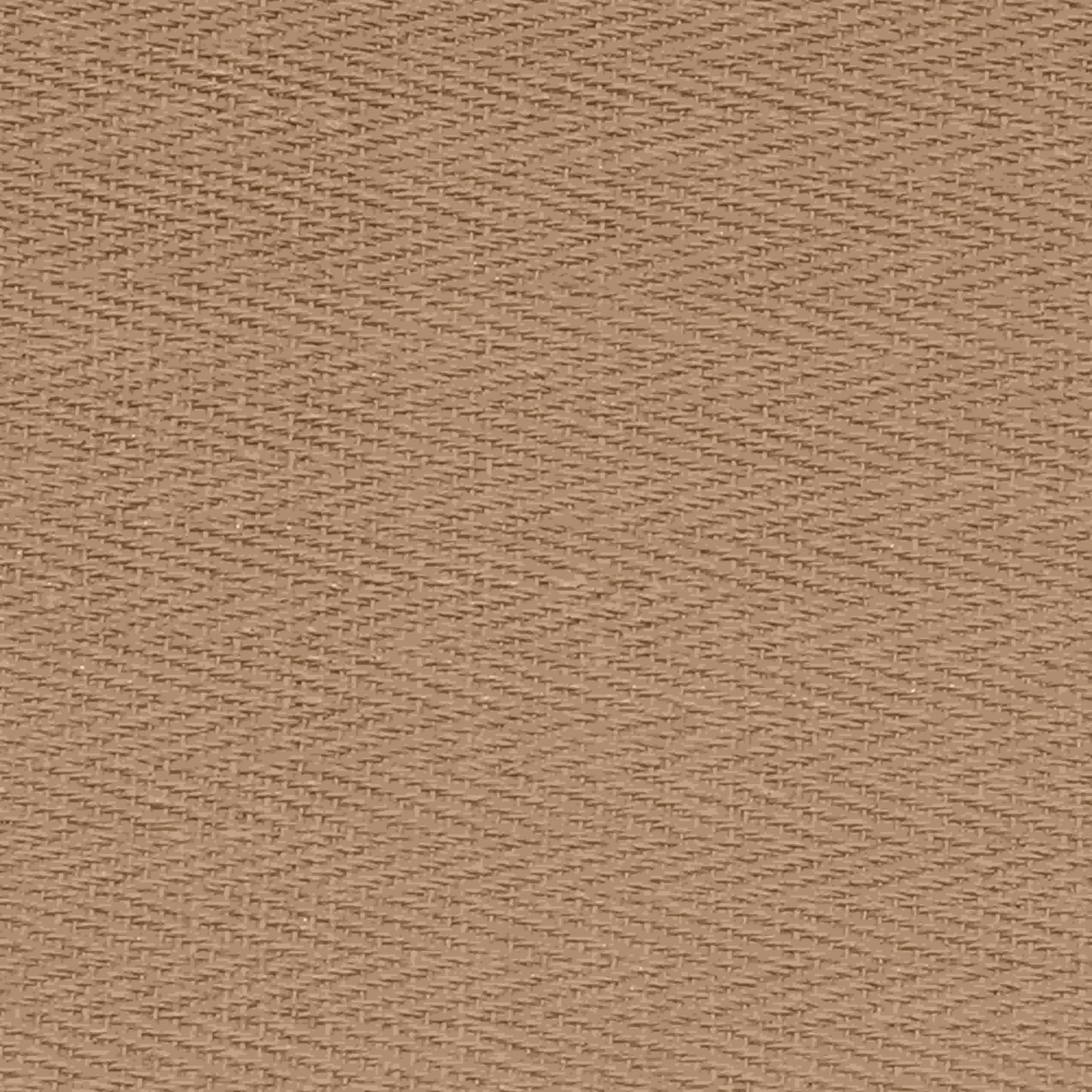
To truly appreciate Weaving (Khaki) , it helps to see how it stacks up against other popular COLORIA patterns. Here's a look at its unique personality:
| Pattern | Base Material | Texture | Vibe | Best For |
|---|---|---|---|---|
| Weaving (Khaki) | MCM flexible stone | Soft, thread-like ridges; subtle shadow lines | Rustic, cozy, artisanal | Accent walls in bedrooms, cafes, or boutique hotels |
| Foamed Aluminium Alloy Board (Vintage Gold) | Aluminium alloy foam | Metallic, slightly porous with a brushed finish | Luxurious, industrial, modern | High-end lobbies, bar fronts, or statement ceilings |
| Travertine (Starry Blue) | MCM with glass microbeads | Porous, with glittering "stars" embedded in blue stone | Cosmic, serene, dramatic | Home theaters, spa interiors, or outdoor patios |
| Rough Granite Stone (Medium Grey) | MCM with granite aggregates | Jagged, stone-like texture with visible mineral grains | Bold, rugged, natural | Exterior facades, fireplace surrounds, or industrial-chic interiors |
"Weaving (Khaki) fills a gap," Marquez sums up. "It's not as flashy as vintage gold aluminium, but it's warmer than rough granite. It's for people who want their space to feel like a hug, not a statement."
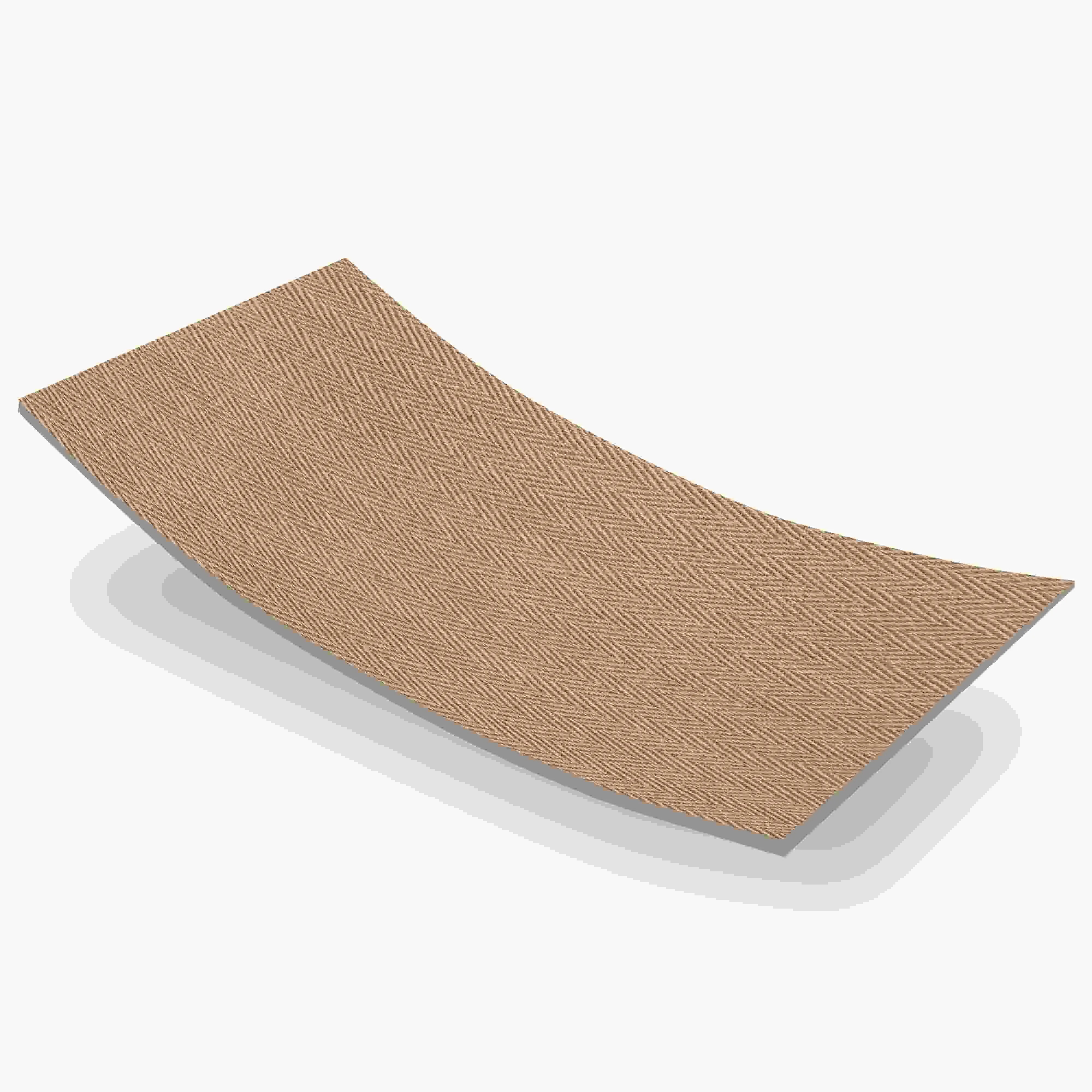
In today's design world, beauty can't exist without responsibility—and Weaving (Khaki) delivers here, too. MCM panels inherently use less raw material than natural stone, and COLORIA takes it further: 90% of their manufacturing waste is recycled, pigments are low-VOC, and the curing process uses solar-heated chambers. Even the khaki color is derived from natural iron oxides, avoiding synthetic dyes.
"Sustainability isn't an add-on for us," says Mendez. "It's part of the design brief. Weaving (Khaki)'s earthy palette is a reminder that nature does color best—and we should honor that."
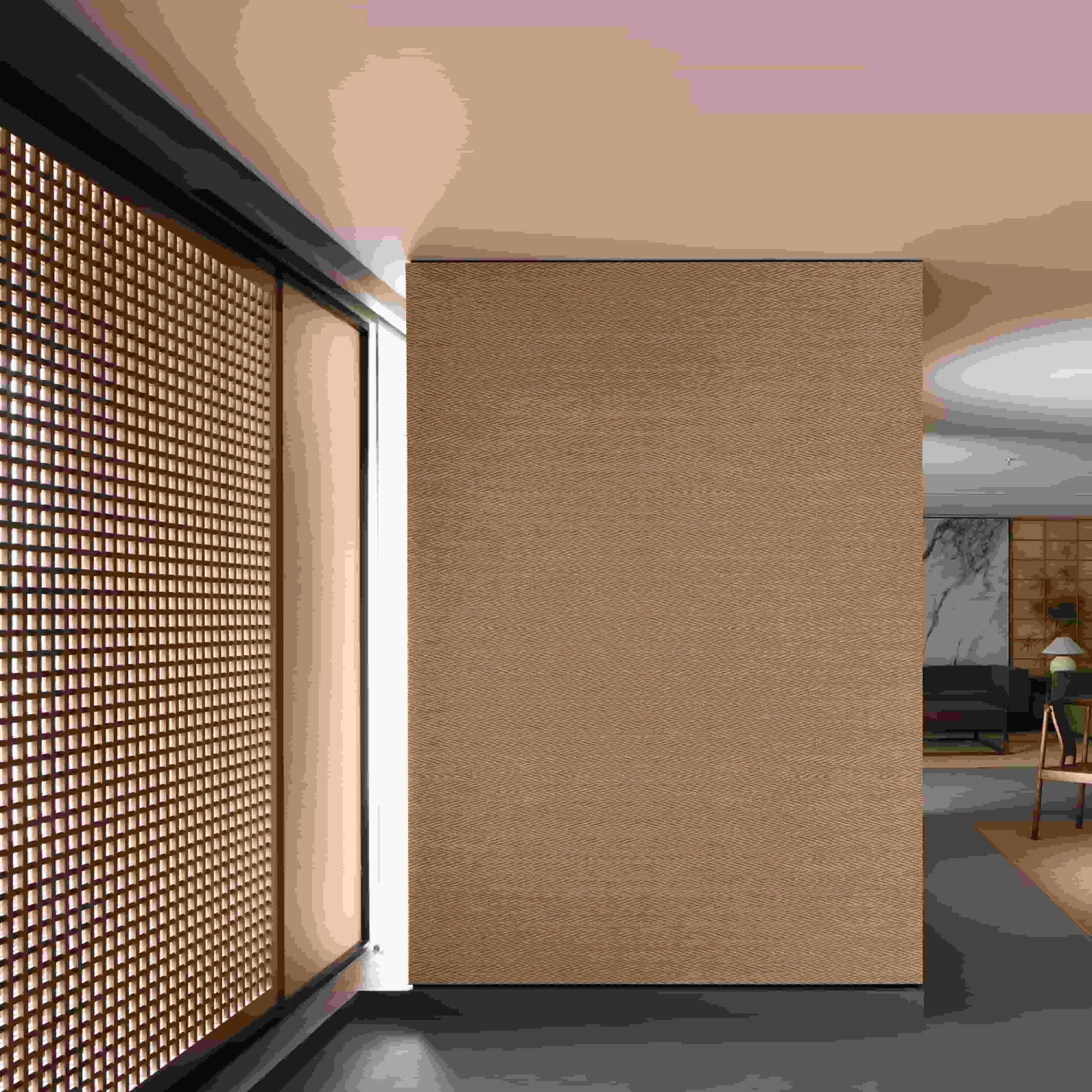
At the end of the day, Weaving (Khaki) is more than a building material. It's a testament to what happens when artisans and engineers collaborate—when a simple idea ("What if a wall felt like fabric?") is nurtured through design, technology, and care. Whether it's gracing the walls of a cozy bookstore or a minimalist home, this pattern invites touch, sparks curiosity, and proves that even in a world of sleek surfaces, warmth never goes out of style.
So the next time you encounter a Weaving (Khaki) panel, take a moment to run your hand over it. Feel the "threads," notice the color shifts, and appreciate the journey—from a sketch of a vintage textile to a durable, beautiful part of the built world. That's the magic of COLORIA: turning materials into memories.
Recommend Products












