
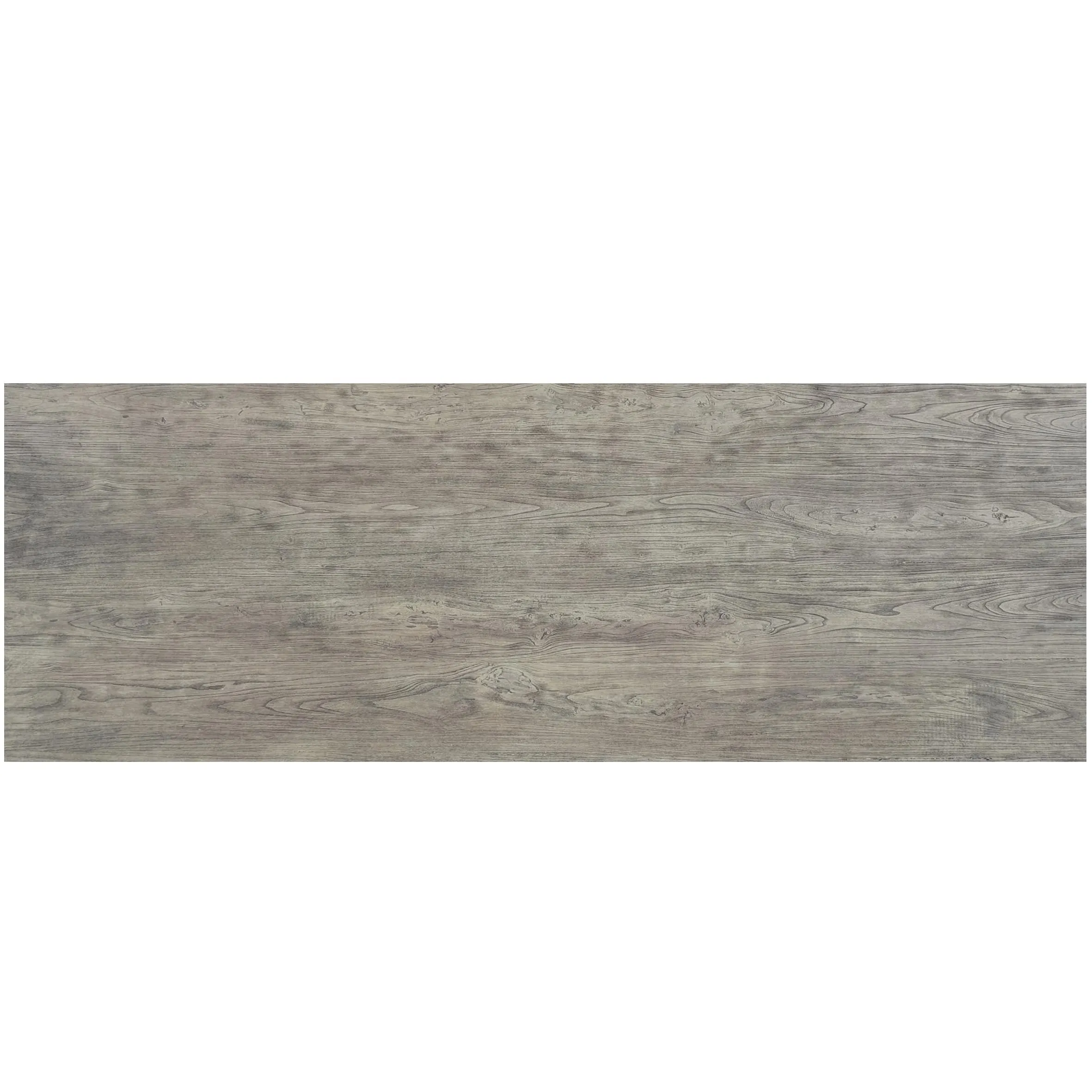
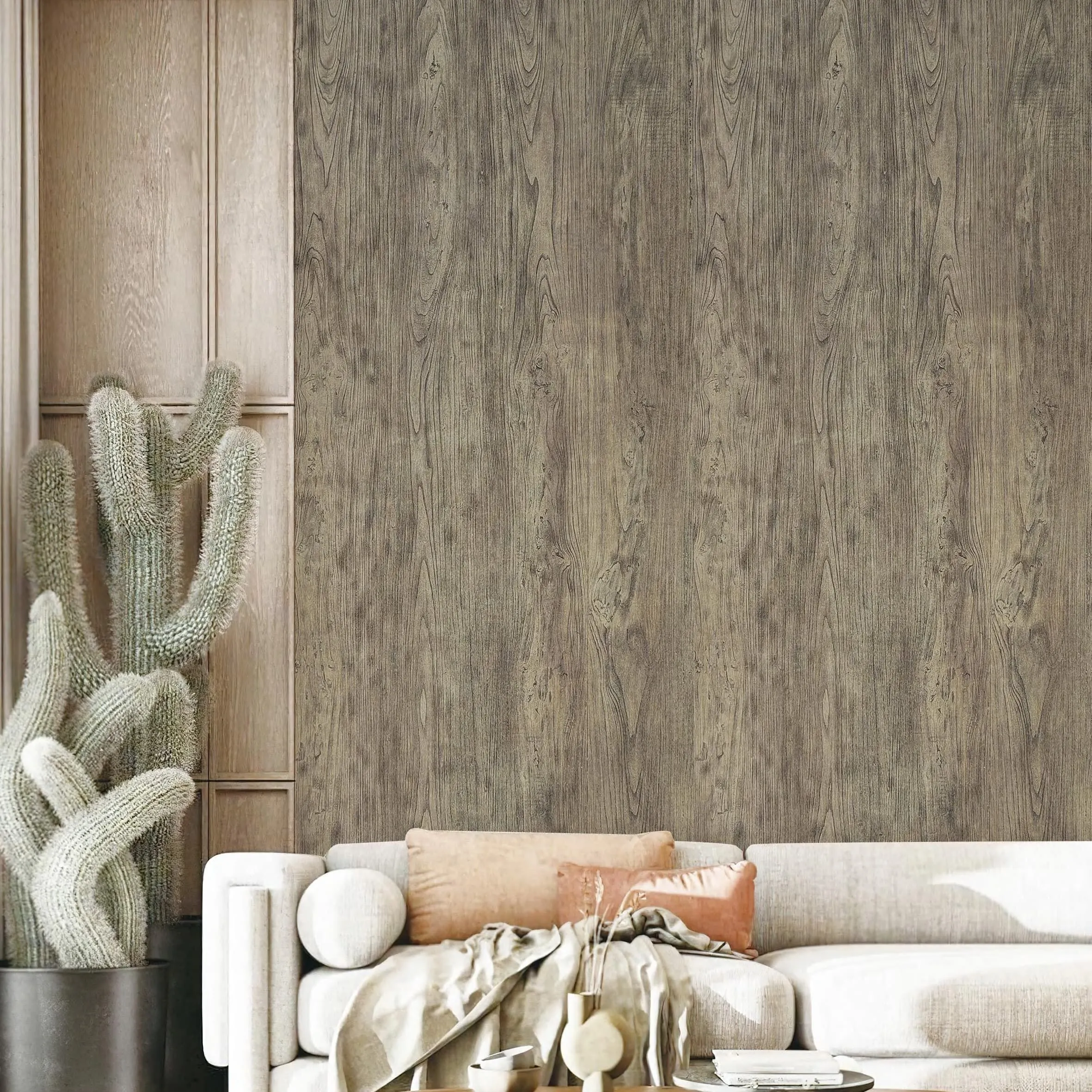
Walk into any modern home, boutique café, or sleek office, and you'll likely spot it: the warm, inviting texture of wood grain, weaving its way across walls, countertops, or even furniture. There's something inherently comforting about that pattern—the way it echoes forests and hearths, grounding spaces in a sense of natural calm. But here's the secret: that "wood" you're admiring might not be wood at all. More and more designers and homeowners are turning to wood grain board —a modified cementitious material that marries the timeless beauty of wood with the unshakable durability of concrete. It's the answer to a common dilemma: how do we bring nature indoors (or outdoors) without sacrificing resilience, sustainability, or peace of mind?
Real wood, for all its charm, comes with a laundry list of headaches. It warps in humidity, fades in sunlight, succumbs to pests, and demands constant upkeep—staining, sealing, refinishing. For high-traffic areas, outdoor spaces, or budget-conscious projects, it often feels like a compromise. Enter wood grain board: a hybrid material born from innovation, designed to mimic wood's aesthetic while outperforming it in nearly every practical category. But how exactly is this wonder material made? Let's pull back the curtain on its production process, exploring the science, art, and care that go into crafting a board that looks like a slice of forest but acts like a fortress.
First things first: wood grain board isn't just "fake wood." It's a modified cementitious composite —a fancy term for a blend of cement, wood fibers (or wood flour), and a cocktail of additives that transform these humble ingredients into something extraordinary. Think of it as a collaboration between two unlikely partners: cement, the workhorse of construction, and wood, the poet of design. The result? A material that's lightweight yet tough, flexible yet stable, and—most importantly—so convincing in its wood-like appearance that even close up, you might do a double-take.
But why "modified"? Traditional cement is strong, sure, but it's also brittle and lacks the organic warmth of wood. By adding wood fibers, manufacturers infuse the material with texture and tensile strength, while additives like polymers or resins improve flexibility and reduce cracking. The goal? To create a board that can be cut, drilled, and installed like wood but stand up to rain, snow, fire, and foot traffic like concrete. It's no wonder it's become a favorite in both residential and commercial design—especially alongside other innovative materials like MCM flexible stone (another modified composite known for its thin, lightweight versatility) and fair-faced concrete (celebrated for its raw, industrial chic).
Fun fact: Early versions of wood-cement composites date back to the 19th century, but modern wood grain board owes its rise to advancements in polymer science and sustainable manufacturing. Today's formulas are lighter, more durable, and more visually precise than ever—some can even replicate the unique grain patterns of oak, walnut, or teak with stunning accuracy.
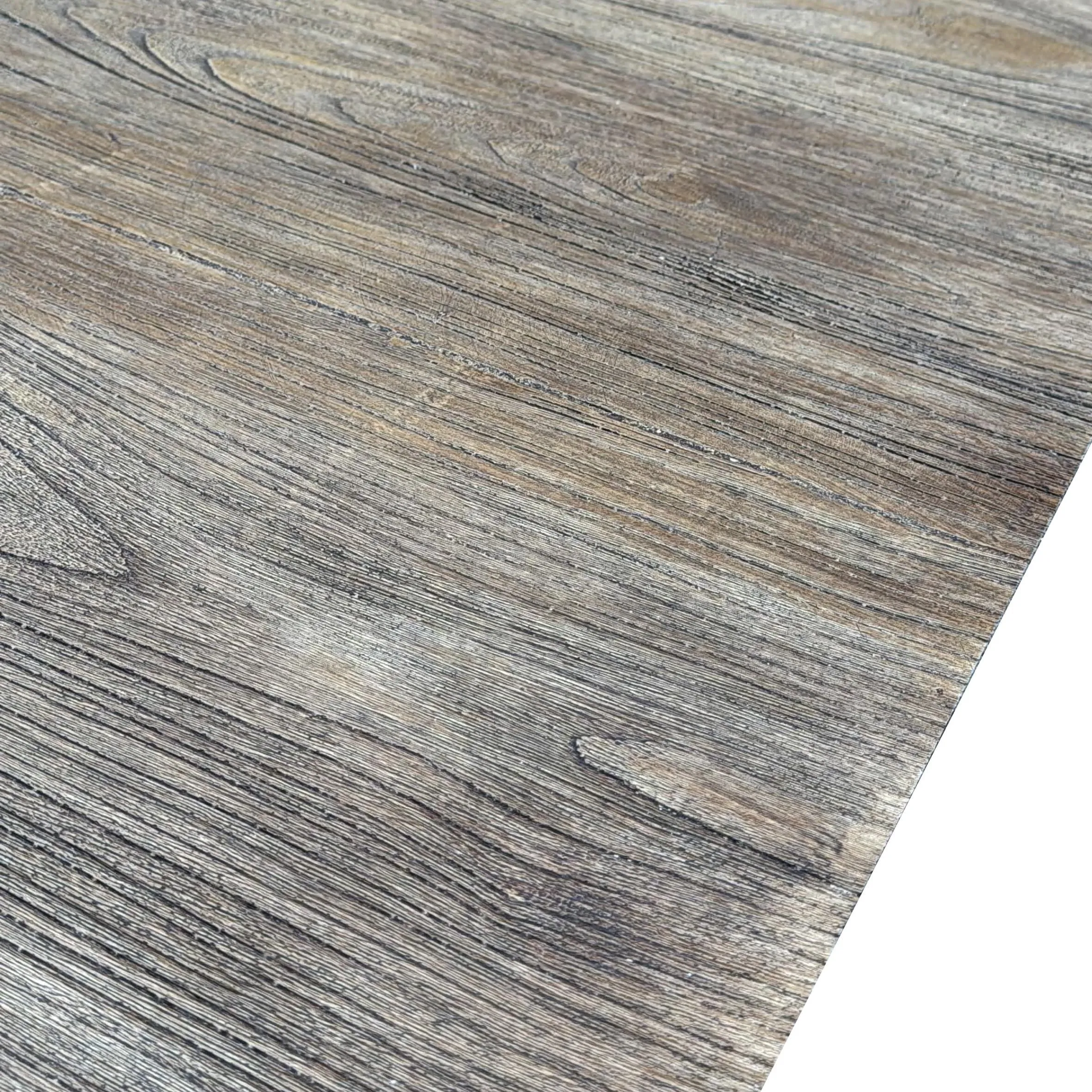
Creating wood grain board is equal parts science and craftsmanship. It's a process that demands precision, patience, and a keen eye for detail—after all, the goal is to make something that feels alive , even if it's made from stone and fiber. Let's break it down, step by step.
Every great material starts with great ingredients. For wood grain board, the stars are:
Sustainability is key here. Many producers prioritize recycled wood fibers, reducing the need for virgin timber, and low-carbon cement blends to minimize environmental impact. It's a small but meaningful way the industry is moving toward greener building practices—proof that durability and eco-consciousness can go hand in hand.
Imagine a giant industrial mixer, churning like a concrete smoothie machine. Here, the raw ingredients come together in precise proportions. The cement and wood fibers are first dry-mixed to ensure even distribution—think of it as whisking flour and sugar before adding wet ingredients in baking. Then, water and additives are slowly poured in, and the mixer goes to work, transforming the dry blend into a thick, malleable paste.
The consistency here is critical. Too wet, and the board might crack during curing; too dry, and it won't hold its shape. Experienced operators monitor the mix closely, adjusting water or additives as needed. It's a bit like a chef tasting a sauce—relying on both measurements and intuition to get it just right.
Now comes the magic: turning that paste into a board with the look of wood. There are a few methods for forming, but the most common is press molding :
The wet mix is poured into large molds, which are lined with textured sheets or plates. These plates are etched with hyper-detailed wood grain patterns—capturing everything from the swirls of burl wood to the straight lines of pine. The molds are then pressed under high pressure (sometimes up to 1,000 psi) to compact the mixture, squeeze out excess water, and imprint the grain pattern deep into the surface. It's like pressing a rubber stamp into clay, but on an industrial scale.
Some manufacturers use extrusion instead, pushing the mix through a die (like a pasta maker) to create long, continuous boards. This method is great for producing uniform planks for flooring or cladding. No matter the technique, the goal is the same: to lock in that wood-like texture so deeply that it feels natural to the touch.
Freshly formed boards are soft and vulnerable—think of a cake right out of the oven. To harden and strengthen, they need time to cure. Curing isn't just drying; it's a chemical process called hydration, where cement reacts with water to form strong, crystalline structures. This takes time—usually 7 to 28 days, depending on the formula and climate.
Boards are often placed in controlled curing rooms with steady temperature and humidity. Some manufacturers use steam curing to speed up the process, but traditional air curing is still preferred for slower, more even strength development. During this phase, the boards shrink slightly as excess water evaporates, so they're monitored for cracks or warping. It's a waiting game, but one that's essential for creating a material that can withstand decades of use.
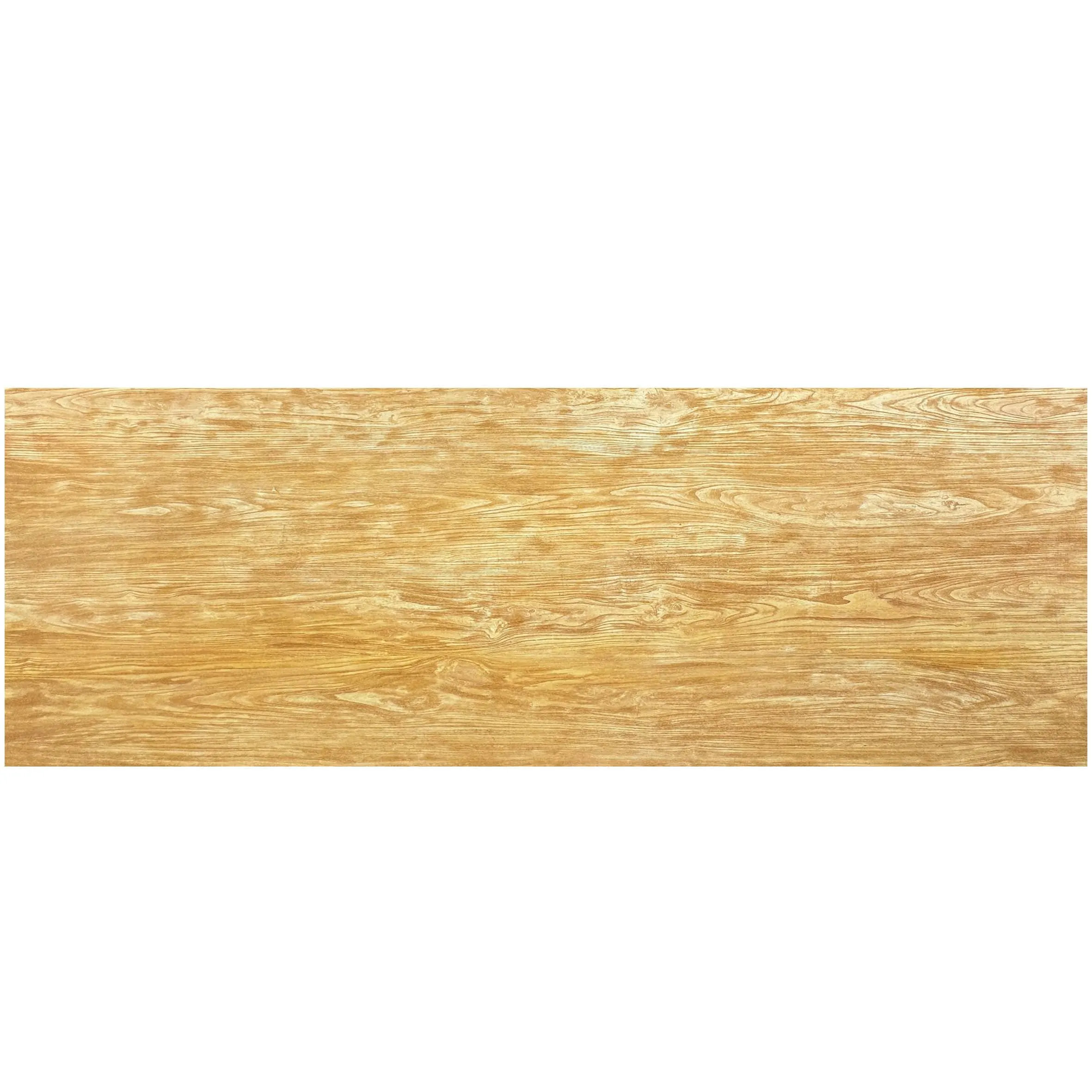
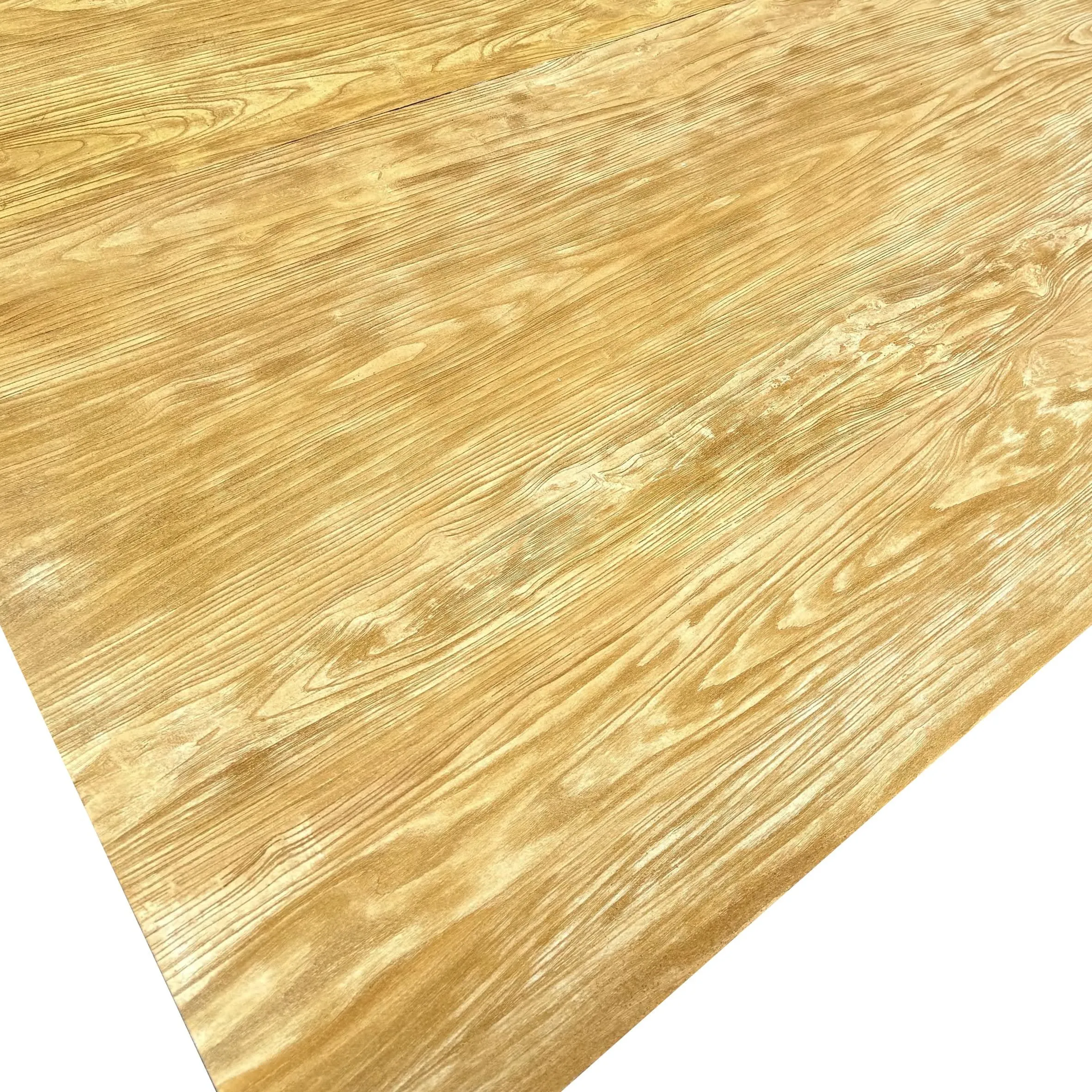
Once cured, the boards are rough around the edges—literally. They're trimmed to size, sanded to smooth out any imperfections, and sometimes sealed with a clear coat to enhance durability and deepen the wood grain color. Stains or dyes might be added to mimic specific wood tones: warm honey oaks, rich walnut browns, or even weathered gray barn wood. The finishing process is where the board truly comes alive, transforming from a utilitarian slab into a design statement.
Some boards are left with a matte finish for a rustic, organic look, while others get a slight sheen to mimic polished wood. The best part? Unlike real wood, these finishes are designed to resist fading, so that "new wood" glow stays bright for years—no annual re-staining required.
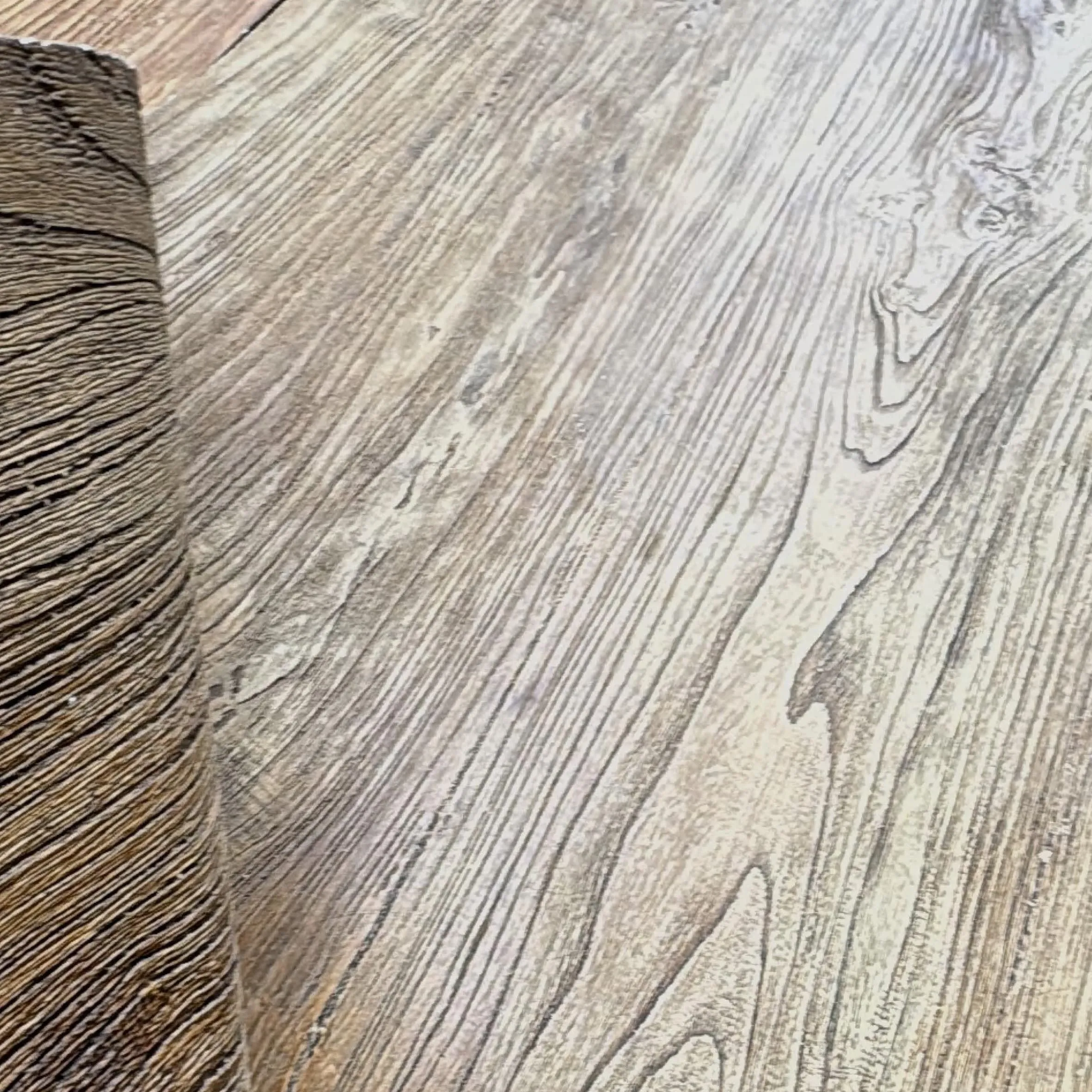
So, what makes wood grain board stand out in a crowded market of building materials? Let's count the ways:
Durability that Defies the Elements: Unlike real wood, wood grain board doesn't rot, warp, or attract termites. It's water-resistant, fire-retardant, and UV-stable—perfect for outdoor patios, bathroom walls, or kitchen backsplashes. In coastal areas, where salt air eats away at real wood, it holds its ground. In humid basements, it laughs at mold. It's the material that keeps on giving, even in the toughest conditions.
Sustainability with a Conscience: By using recycled wood fibers and low-impact cement, wood grain board reduces reliance on virgin timber and cuts down on deforestation. It also has a long lifespan—50+ years in many cases—meaning less frequent replacement and less waste. For eco-conscious builders, it's a no-brainer.
Design Flexibility: Want the look of reclaimed barn wood in your city apartment? Or sleek teak for your outdoor deck without the upkeep? Wood grain board can do it all. It comes in endless colors, grain patterns, and sizes, from thin panels for accent walls to thick planks for flooring. It can be cut, drilled, or routed just like wood, making it a favorite for custom projects.
Cost-Effective in the Long Run: While upfront costs might be slightly higher than budget plywood, wood grain board saves money over time. No need for expensive stains, sealers, or repairs—just an occasional wipe-down with soap and water. It's an investment that pays off in peace of mind.
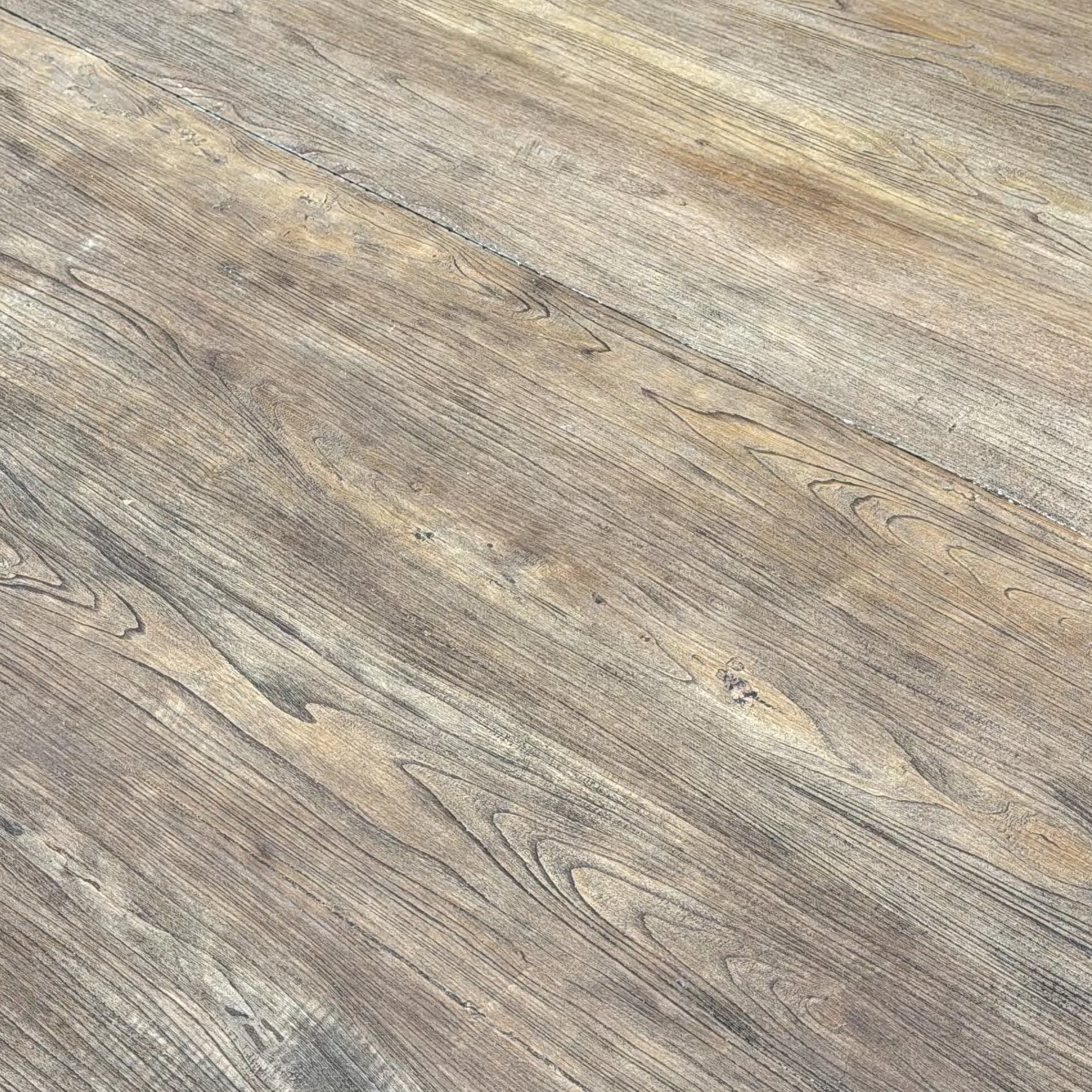
To truly appreciate wood grain board, it helps to see how it compares to other popular materials. Let's put it head-to-head with a few contenders:
| Feature | Wood Grain Board | Real Wood | MCM Flexible Stone | Fair-Faced Concrete |
|---|---|---|---|---|
| Aesthetic | Authentic wood grain texture; customizable colors | Natural, unique grain; warm tones | Stone-like texture (marble, travertine, etc.) | Raw, industrial gray; minimalist |
| Durability | High (resists rot, pests, warping) | Low to moderate (needs maintenance) | High (flexible, weather-resistant) | Very high (brittle but strong) |
| Maintenance | Low (occasional cleaning) | High (staining, sealing, refinishing) | Low (waterproof, easy to clean) | Low (resistant to stains) |
| Sustainability | High (recycled fibers, low carbon) | Variable (depends on sourcing) | High (lightweight, reduces transport emissions) | Moderate (high cement production emissions) |
| Best For | Walls, flooring, furniture, outdoor cladding | Accent pieces, low-traffic areas | Curved surfaces, exterior facades | Statement walls, countertops, industrial spaces |
As the table shows, wood grain board carves out a unique niche: it offers the warmth of wood with the practicality of engineered materials. It's not trying to replace real wood entirely—there will always be a place for solid oak or teak in high-end design—but it's a smarter choice for spaces where beauty and brawn need to coexist.
To truly understand wood grain board's impact, let's step into a few real-world scenarios:
Maria, a homeowner in Miami, dreamed of a backyard deck that looked like it belonged in a mountain cabin—warm wood planks, cozy seating, string lights. But living steps from the ocean meant saltwater, humidity, and brutal sun would turn real wood into a warped, splintered mess in a year. Her contractor suggested wood grain board. Today, her deck features "reclaimed pine" planks that have weathered two hurricane seasons without a scratch. "I hose it down once a month, and it still looks brand new," she says. "It's like having a piece of the mountains in my beach house."
Jake, who owns a bustling café in Chicago, wanted walls that felt "rustic but clean." Real wood paneling would have absorbed coffee spills, scuffed easily, and needed constant refinishing. Instead, he chose wood grain board in a "walnut" finish. "It's got that cozy, cabin vibe, but when a barista spills milk, I just wipe it off," he laughs. "And with all the foot traffic, there's not a single dent or scratch. It's the best design decision I made."
Lina, an architect specializing in green homes, used wood grain board for a community center in Portland. "We wanted to reduce our carbon footprint, so we avoided virgin timber," she explains. "The board's recycled wood fibers and low-VOC finish helped us hit our LEED certification goals. Plus, the kids love running their hands over the 'wood' walls—they think it's real!"
These stories aren't anomalies. Wood grain board is quietly transforming how we build, proving that sustainability, durability, and beauty don't have to be mutually exclusive.
As we face climate change and a growing demand for sustainable materials, wood grain board is more than a trend—it's a glimpse into the future of construction. Manufacturers are already experimenting with new additives to boost insulation properties, or incorporating hemp fibers for even greener composites. Imagine a wood grain board that not only looks like wood but also helps regulate a building's temperature, reducing energy use. Or boards printed with 3D technology to mimic ultra-rare wood species, preserving forests while still offering unique designs.
And let's not forget its role in urban design. As cities grow denser, we're craving connections to nature more than ever. Wood grain board lets us bring "the outdoors in" without sacrificing the durability needed for high-rise living. It's a small way to make concrete jungles feel a little more human.
Wood grain board is more than a building material—it's a story of innovation, compromise, and care. It's about wanting the best of both worlds: the soul of wood and the strength of stone. It's for the homeowner who refuses to choose between beauty and practicality, the designer who wants to push boundaries without harming the planet, and the builder who believes in materials that outlive the trends.
So the next time you run your hand over a "wooden" wall or step onto a "timber" deck, take a moment to appreciate the science and art that went into it. Behind that warm, familiar texture is a team of engineers, craftspeople, and visionaries who asked, "What if we could have it all?" The answer, it turns out, is wood grain board—a material that doesn't just build spaces, but builds a better way forward.
Recommend Products












