
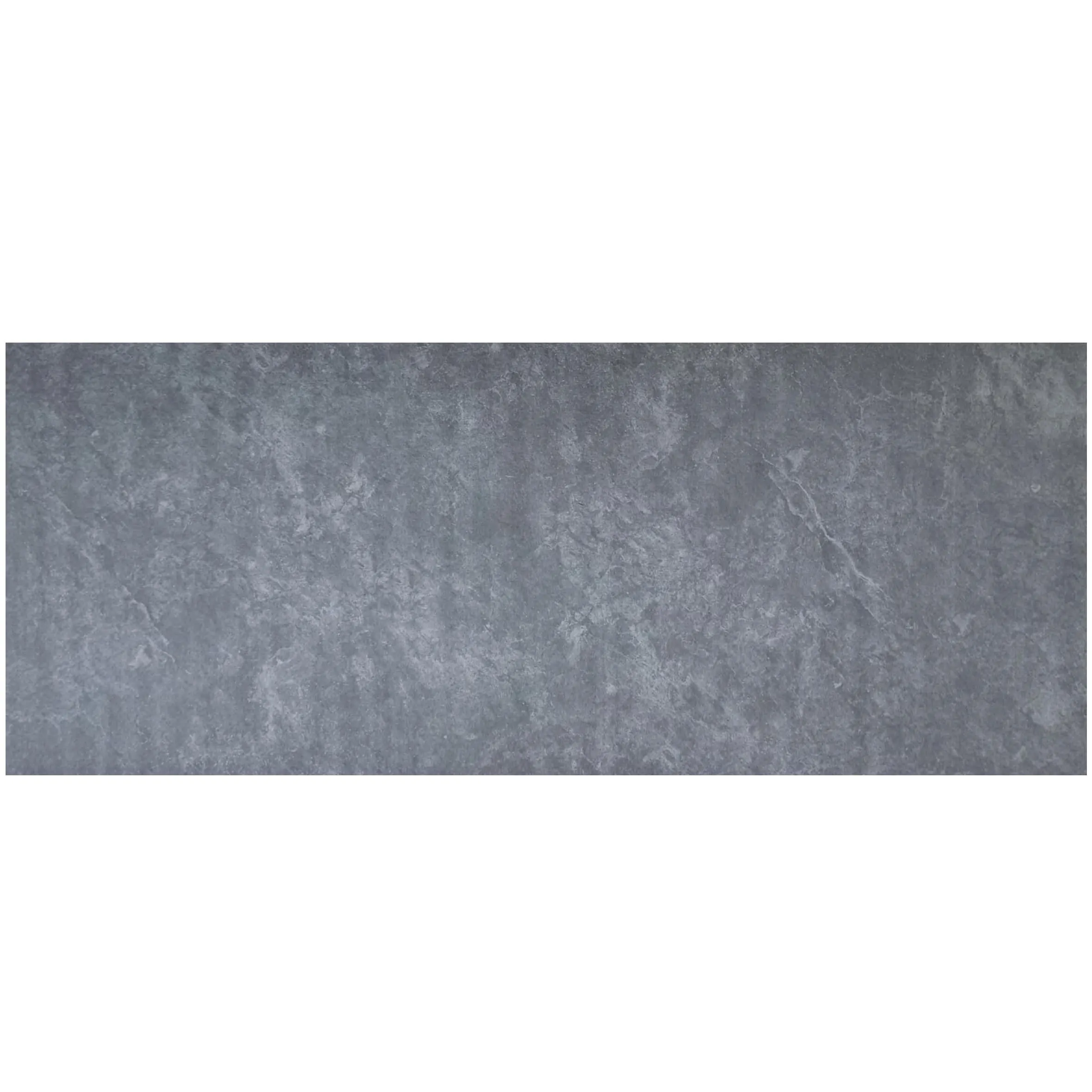
Walk into any well-designed space, and you'll notice it's not just the furniture or layout that catches your eye—it's how light dances across the surfaces. A kitchen countertop, a bathroom backsplash, or a lobby floor made of marble can shift from cool and contemporary to warm and inviting in the blink of an eye, all because of the light surrounding it. Now, imagine that surface is Marble Interstellar Gray —a material with depth, veining, and a chameleon-like ability to transform. In this article, we're diving into how lighting—natural, artificial, soft, or harsh—shapes the way we see this stunning stone, and why understanding this relationship can make or break your design vision.
Before we talk light, let's get to know the star of the show. Marble Interstellar Gray isn't your average gray stone. It's a blend of deep charcoal undertones, swirled with lighter silvery veins that mimic the night sky—hence the "interstellar" name. Unlike flat, uniform colors, its surface has texture: tiny pits, subtle variations in density, and veins that catch light differently depending on the angle. This complexity is what makes it so dynamic, but also why lighting plays such a huge role in its appearance. Think of it like a painting with layers—you need the right light to see all the details.
Compare it to something like Wood Grain Board , for example. Wood has a warm, organic feel that stays relatively consistent under different lights because its color is absorbed into the grain. Marble Interstellar Gray, though? It reflects and refracts light, meaning its look changes based on what's shining on it. That's the magic—and the challenge—of working with it.

Natural light is the most powerful influencer of how Marble Interstellar Gray looks, and it's also the most variable. Morning sun, afternoon glow, north-facing rooms, south-facing rooms—each scenario paints the stone in a different hue. Let's break it down.
Early morning light (6–9 AM) is low in the sky and has a golden tint. When this light hits Marble Interstellar Gray, something beautiful happens: the stone's cooler charcoal tones mellow out, and the silvery veins take on a subtle warmth. In a kitchen with east-facing windows, for example, a countertop made of this marble might look almost taupe-like at breakfast, with the veins appearing softer, like brushstrokes of moonlight. The texture of the stone—those tiny pits and ridges—catches the light gently, adding depth without harshness. It's a calm, inviting look that feels cozy, perfect for starting the day.
By midday (12–3 PM), the sun is high, and light is brighter, bluer, and more intense. Now, Marble Interstellar Gray shifts into high gear. The charcoal base darkens, creating a striking contrast with the silvery veins, which suddenly pop like streaks of lightning. In a south-facing living room with floor-to-ceiling windows, a fireplace surround made of this marble becomes a focal point—its veins glisten, and the depth of the stone becomes more apparent. If the marble is polished (shiny), the light reflects off the surface, adding a glossy, almost mirror-like quality. If it's honed (matte), the light is absorbed more, making the gray feel richer and more grounded. Either way, afternoon light brings out the stone's drama.
The direction your windows face matters, too. North-facing rooms get indirect, cool light—think of a shaded forest on a cloudy day. Here, Marble Interstellar Gray leans into its cooler side: the charcoal can look almost blue-gray, and the veins take on a steely silver tone. This is great for modern, minimalist spaces where you want a sleek, calm vibe. South-facing rooms, on the other hand, get more direct sunlight and warmer light. Here, the marble's gray feels softer, with the veins glowing more like platinum than steel. It's a warmer, more approachable look—ideal for spaces where you want to balance modernity with comfort.

When the sun goes down, artificial light takes over. Unlike natural light, which changes hourly, you can control artificial light—but that control comes with choices. Warm vs. cool bulbs, overhead vs. task lighting, bright vs. dim—each decision affects how Marble Interstellar Gray behaves.
Warm white light (think incandescent bulbs or "soft white" LEDs) has a yellowish tint, similar to candlelight or sunset. When paired with Marble Interstellar Gray, this light softens the stone's edges. The charcoal base warms up, leaning toward taupe or even light brown in some cases, while the silvery veins take on a champagne-like glow. This is perfect for residential spaces like bedrooms or dining rooms, where you want a relaxed, intimate feel. Imagine a bathroom with wall sconces using warm white bulbs: a Marble Interstellar Gray vanity top would feel luxurious but not cold, like stepping into a high-end spa.
Cool white light (fluorescent or "daylight" LEDs) is bluer and brighter, mimicking midday sun. Under this light, Marble Interstellar Gray becomes a study in contrast. The charcoal deepens, the veins sharpen into bright silver lines, and the overall look is sleek, contemporary, and bold. This is ideal for commercial spaces like office lobbies or retail stores, where you want to make a statement. A reception desk clad in this marble under cool white overhead lighting would feel sophisticated and forward-thinking—like a nod to the future.
It's not just the color of the light that matters—it's where it's placed. Task lighting (like under-cabinet lights in a kitchen) directs a narrow beam onto the marble, highlighting specific areas. For example, under-cabinet LEDs aimed at a Marble Interstellar Gray backsplash would make the veins pop, turning the wall into a focal point. Ambient lighting (like recessed ceiling lights), on the other hand, washes the stone in a diffused glow, softening its texture and making the color more uniform. In a living room with ambient lighting, a coffee table made of this marble would blend seamlessly into the space, adding elegance without stealing attention.

Here's a pro tip: the finish of your Marble Interstellar Gray surface—polished (shiny) or honed (matte)—amplifies how light affects it. A polished finish acts like a mirror, reflecting light directly. Under bright light, this can make the stone look more vibrant, with veins that sparkle. But it also shows fingerprints and dust more easily, so it's a trade-off between shine and maintenance. A honed finish, though, absorbs light rather than reflecting it, creating a softer, more muted look. Under harsh light, honed Marble Interstellar Gray won't glare; instead, it will reveal the stone's natural texture, making it feel earthy and organic. It's a great choice for high-traffic areas where you want beauty without the fuss.

To really understand Marble Interstellar Gray's versatility, let's compare it to two other popular materials: Fair-Faced Concrete and Polish Concrete .
Fair-Faced Concrete is raw, industrial, and has a flat, matte finish. It absorbs light, so its color (usually gray or beige) stays consistent under any lighting. It's great for a minimalist look, but it lacks the depth of Marble Interstellar Gray. Polish Concrete, on the other hand, is shiny like polished marble, but its color is more uniform—no veining, no texture. Under different lights, it might look slightly lighter or darker, but it won't transform the way Marble Interstellar Gray does.
The takeaway? If you want a material that evolves with your space, that keeps things interesting from morning to night, Marble Interstellar Gray is unbeatable. It's not just a surface—it's a collaborator with light.
| Lighting Condition | Effect on Marble Interstellar Gray | Best For |
|---|---|---|
| Morning Natural Light (6–9 AM) | Warm golden tint; veins soften; charcoal warms to taupe | Kitchens, breakfast nooks |
| Afternoon Natural Light (12–3 PM) | Bright, bold contrast; veins sharpen; charcoal deepens | Living rooms, south-facing spaces |
| Warm White Artificial Light (2700K–3000K) | Soft, cozy; veins take on champagne glow | Bedrooms, dining rooms, spas |
| Cool White Artificial Light (4000K–5000K) | Sleek, modern; veins pop as bright silver | Office lobbies, retail stores |
| Honed Finish + Ambient Light | Soft texture; muted, earthy feel | High-traffic areas, family rooms |
| Polished Finish + Task Light | Glossy reflection; veins sparkle | Accent walls, statement pieces |
Pro Tip: Test Before You Commit!
Lighting can be tricky to predict, so always test a sample of Marble Interstellar Gray in your space before installing it. Take the sample home, place it near windows at different times of day, and hold it under your existing light fixtures. You'll be amazed at how much it changes—and you'll avoid any "why does it look different than in the showroom?" surprises later.
At the end of the day, Marble Interstellar Gray is more than a material—it's a canvas, and light is the paint. Whether you're designing a home, a hotel, or a store, understanding how these two work together will help you create spaces that feel alive, dynamic, and uniquely yours. So the next time you're admiring a beautiful marble surface, take a second to notice the light. Chances are, it's the secret to making that stone shine.
And if you're considering Marble Interstellar Gray for your next project? Embrace the transformation. Let the light play, and watch as your space evolves from morning to night—because great design isn't static. It's a dance between what you see and how you see it.
Recommend Products












