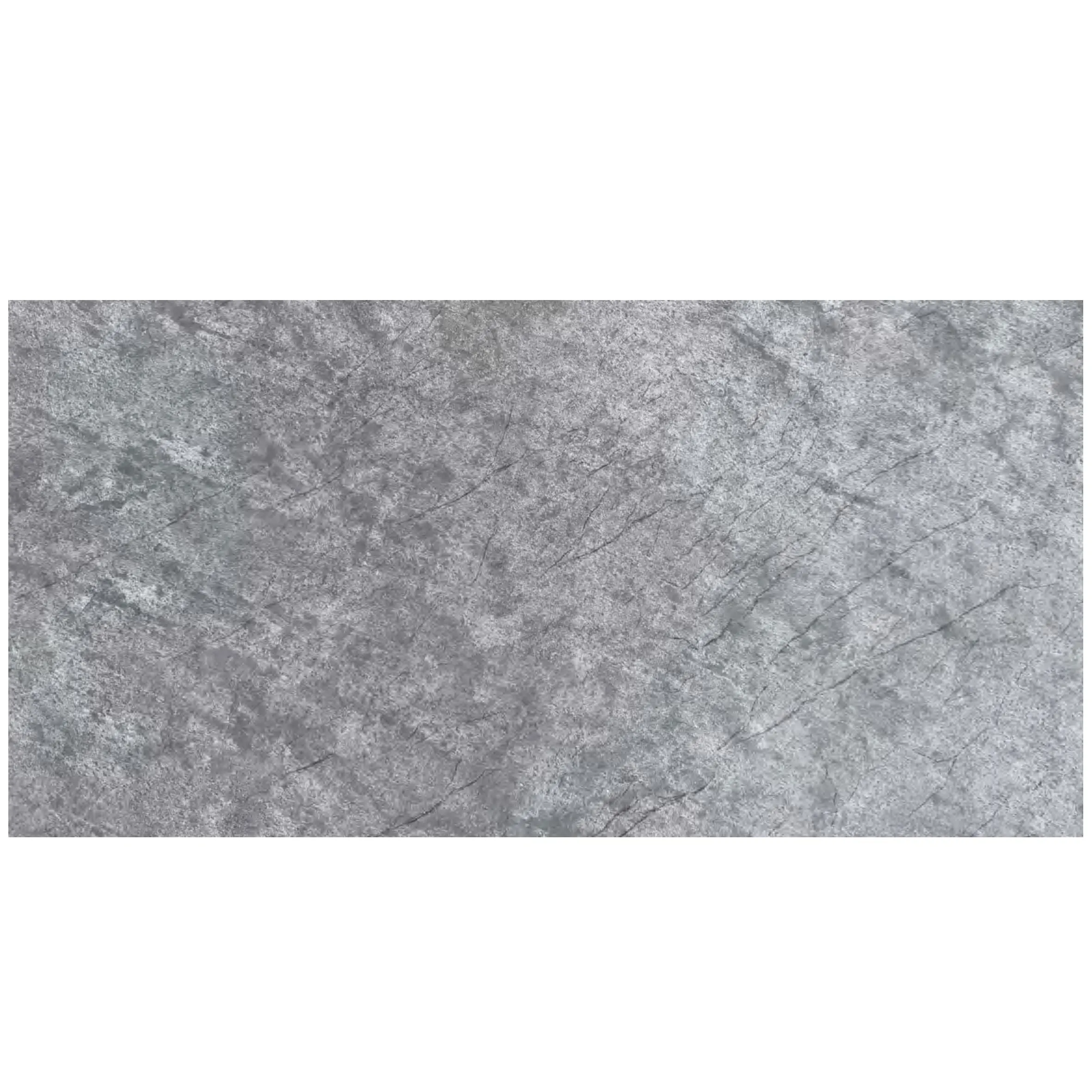
High-rise buildings are more than just towering structures—they're feats of engineering that blend functionality, safety, and beauty. But behind every sleek skyscraper or modern apartment complex lies a hidden challenge: choosing materials that can withstand the demands of height without weighing the building down. For architects, engineers, and construction teams, the battle between durability, aesthetics, and weight is constant. Enter
glacial slate
—a material that's been quietly revolutionizing high-rise construction with its surprising lightness and impressive performance. In this article, we'll explore just how lightweight
glacial slate truly is, and why that matters for the future of building upward.
The Weighty Problem in High-Rise Construction
To understand why
glacial slate is a game-changer, let's start with the basics: high-rise buildings face unique stressors. Every material used in their construction—from the foundation to the facade—adds to the "dead load" the building's structure must support. Traditional facade materials like marble or granite can weigh 30–40 kg per square meter, and when you multiply that by thousands of square meters across 50+ floors, the numbers get staggering. This extra weight forces engineers to overdesign structural elements, adding steel beams, thicker concrete slabs, and stronger foundations—all of which drive up costs and slow down construction.
Then there's the human factor. Heavy materials are harder to transport up floors, require more workers and specialized equipment (like cranes), and increase the risk of on-site injuries. A 2023 survey by the Construction Industry Institute found that facade installation delays due to heavy materials accounted for 12% of schedule overruns in high-rise projects. For contractors, every day saved matters—and that's where lightweight materials like
glacial slate step in.
What Makes Glacial Slate So Lightweight?
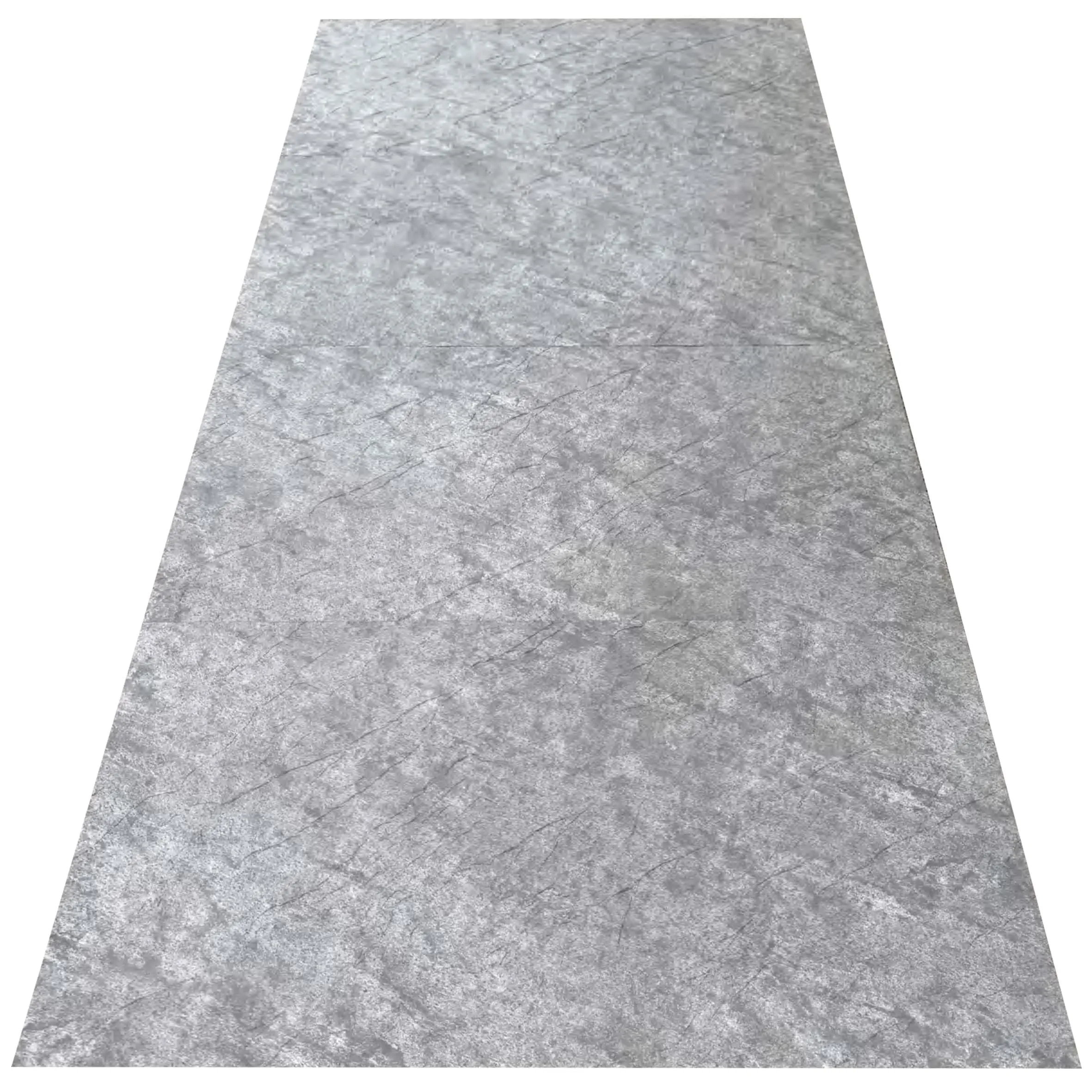
Glacial slate's lightness isn't an accident—it's the result of both natural formation and innovative engineering. Geologically, it forms in ancient glacial deposits where layers of sediment are compressed over millennia but retain tiny air pockets, giving it a porous structure. Modern manufacturing takes this a step further: companies like MCM (which pioneered
MCM flexible stone
and
MCM big slab board series
) enhance this natural porosity by combining crushed glacial stone with a lightweight, high-strength polymer binder. The result? A material that weighs just 12–15 kg per square meter—about half the weight of traditional slate and a third the weight of
fair-faced concrete
.
To put that in perspective: A standard 1m x 2m
glacial slate slab weighs around 30 kg. Compare that to a similar-sized slab of
travertine (starry blue)
, which can hit 65 kg, or a
foamed aluminium alloy board (vintage silver)
at 25 kg (though aluminium lacks
glacial slate's natural texture). This lightness doesn't compromise strength, either—
glacial slate has a flexural strength of 15 MPa, making it resistant to cracking even in high winds or seismic activity.
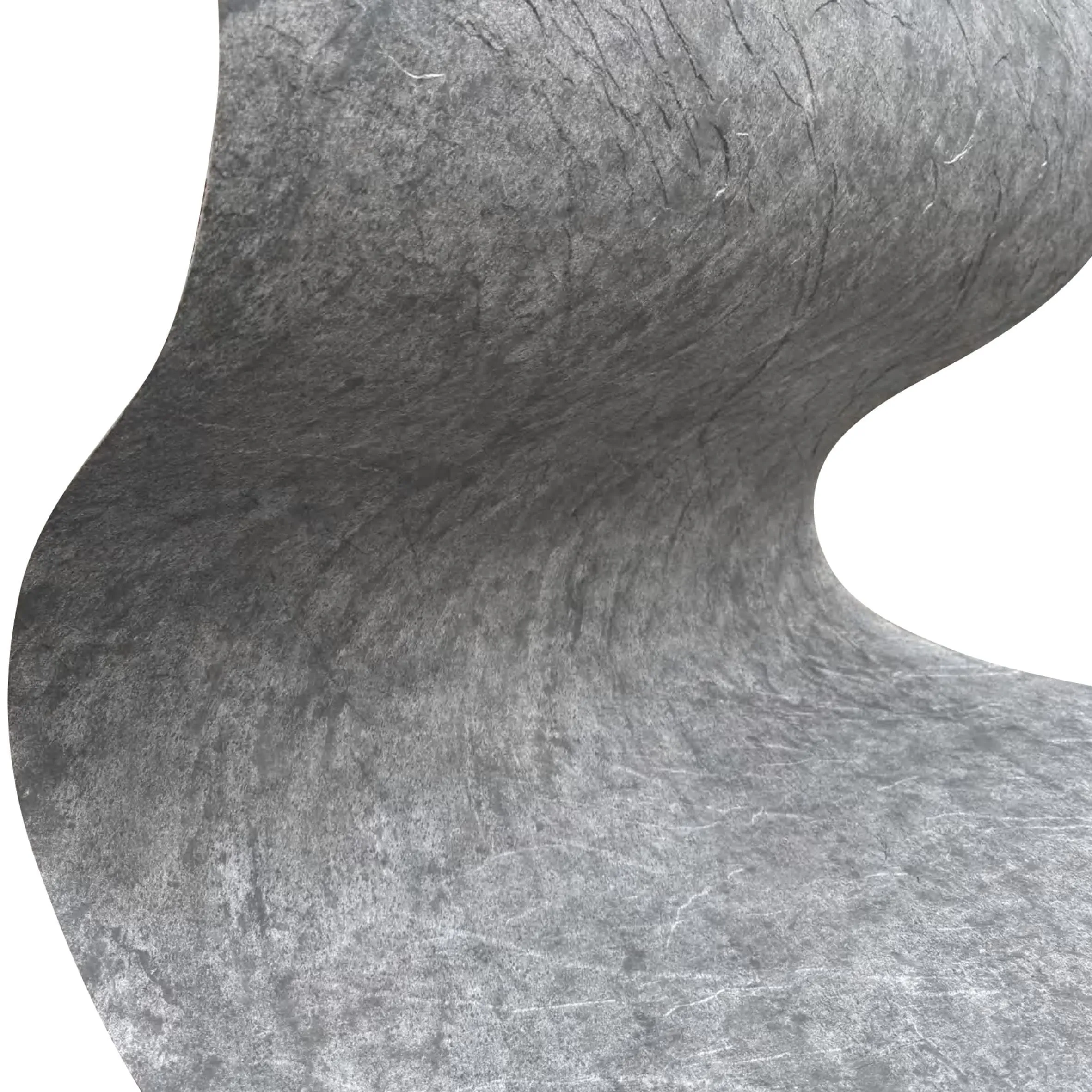
5 Key Advantages of Glacial Slate for High-Rises
1. Reduced Structural Stress = Lower Costs
By cutting dead load by up to 50%,
glacial slate lets engineers optimize structural designs. A 40-story residential tower in Seattle that switched to
glacial slate for its facade reduced the required steel reinforcement by 18%, saving $2.3 million in structural costs alone. "We were able to slim down the perimeter columns by 15 cm," said lead structural engineer Maria Gonzalez. "That might not sound like much, but it added 30 sq.m of usable floor space per floor—space that sold for $800/sq.m."
2. Faster, Safer Installation
Lighter slabs mean easier handling. A two-person crew can carry and install
glacial slate panels without cranes, reducing reliance on heavy machinery. On a 35-story hotel project in Dubai, contractors reported installing 40% more facade panels per day using
glacial slate compared to
Lunar Peak Silvery
(a popular lightweight stone alternative). "We went from 12 panels a day to 17," said site foreman Ahmed Khalid. "And with fewer crane lifts, we cut fuel costs by $1,200/week."
3. Aesthetic Versatility
Lightweight doesn't mean boring.
Glacial slate comes in a range of finishes, from rough-hewn to polished, and can mimic other materials like wood or stone. Architects love it for its ability to blend with other facade elements—for example, pairing it with
Lunar Peak Golden
accents or
travertine (starry orange)
highlights for a dynamic look. Unlike
foamed aluminium alloy board (vintage gold)
, which has a metallic sheen,
glacial slate offers the warmth of natural stone, making it ideal for residential and hospitality projects.
4. Durability in Extreme Conditions
Don't let its lightness fool you—
glacial slate is tough. It's frost-resistant (critical for high-rises in cold climates), fire-rated (up to 2 hours), and resistant to UV fading. In accelerated aging tests, it showed minimal wear after 20 years of simulated weather exposure, outperforming
travertine (vintage black)
and even some types of concrete. This longevity reduces maintenance costs—no need for frequent repairs or replacements.
5. Sustainability Wins
Lightweight materials are greener, too.
Glacial slate's low weight cuts transportation emissions: a single truck can carry 200
glacial slate slabs versus 100 traditional stone slabs, halving carbon output. Plus, MCM's manufacturing process uses 80% recycled stone dust, diverting waste from landfills. A 2024 lifecycle analysis by the Green Building Council found that
glacial slate has a 35% lower carbon footprint than
polish concrete
over a 50-year building lifespan.
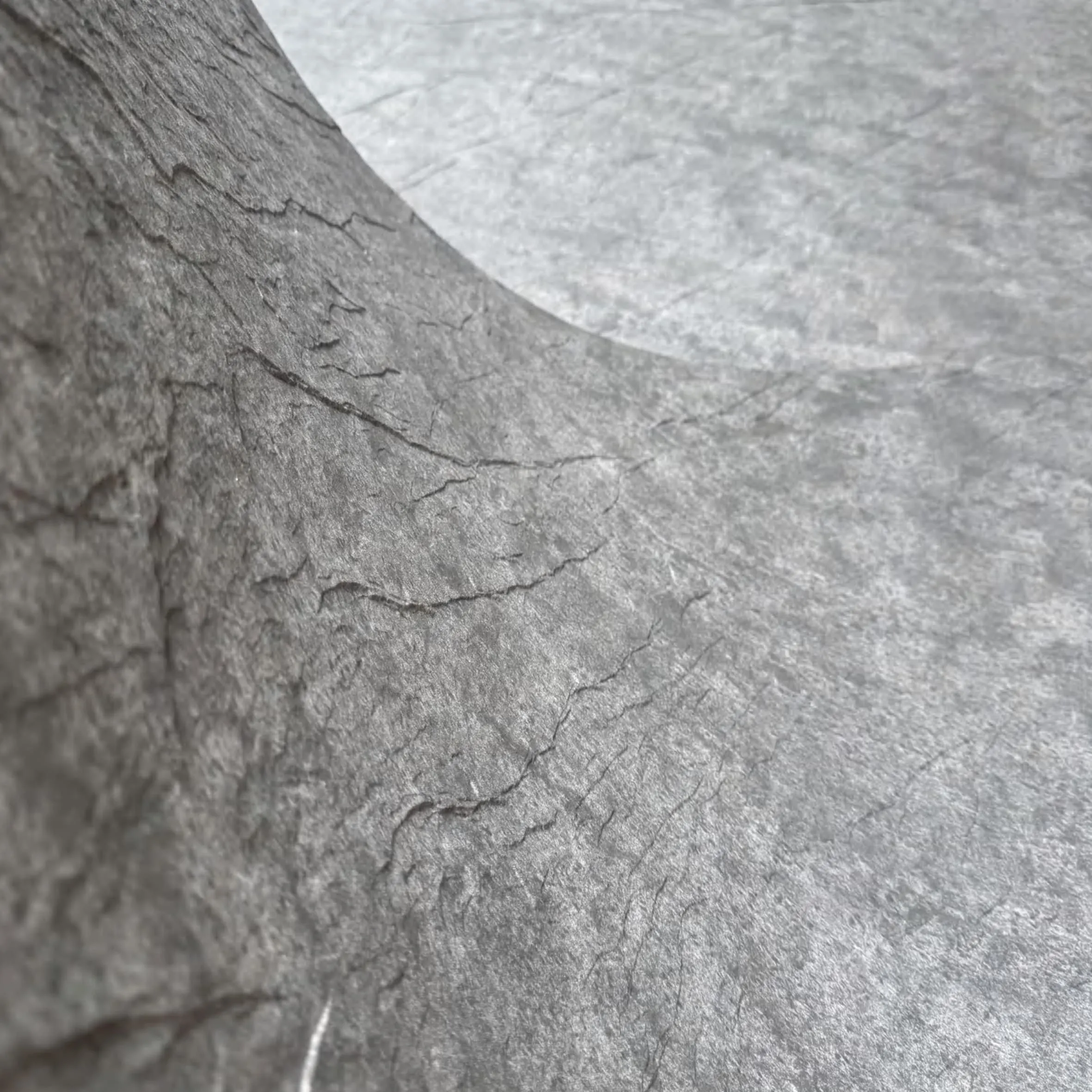
How Does Glacial Slate Stack Up Against Other Lightweight Materials?
As the table shows,
glacial slate balances weight, durability, and cost better than most alternatives. It's lighter than
fair-faced concrete, more durable than foamed aluminium, and cheaper than
travertine—making it a sweet spot for high-rise projects.
Real-World Success Stories
Glacial slate isn't just theoretical—it's already transforming skylines. Take the Azure Tower in Toronto, a 47-story mixed-use building completed in 2023. The design team chose
glacial slate for its facade, paired with
Lunar Peak Black
accents, to create a modern, textured look. "We needed something lightweight to meet the city's strict wind-load requirements," said architect James Chen. "
Glacial slate let us achieve the natural stone aesthetic we wanted without overloading the structure. Installation took 6 weeks instead of the projected 10, and we saved $1.8 million on structural steel."
Another example is the Oasis Residences in Dubai, where
glacial slate was used for the podium levels. The material's resistance to humidity and salt air (critical in coastal areas) and easy maintenance made it a no-brainer. "We haven't had to replace a single panel in 2 years," said facility manager Raj Patel. "Compare that to our previous building, which used
rust square line stone
—we were repairing chips and cracks every 6 months."
The Future of High-Rise Construction: Light, Strong, and Beautiful
As cities grow taller and construction demands become more urgent, materials like
glacial slate will only grow in importance. Its combination of lightness, strength, and beauty solves the triple challenge of cost, speed, and sustainability that plagues high-rise projects. Whether paired with
MCM flexible stone
for curved facades or used in large-format
MCM big slab board series
panels for seamless walls,
glacial slate proves that you don't have to sacrifice performance for aesthetics—or vice versa.
For contractors, it's a tool to finish projects on time and under budget. For architects, it's a canvas to create striking, sustainable designs. And for building owners, it's a long-term investment in durability and value. In the race to build smarter, higher, and greener,
glacial slate isn't just keeping up—it's leading the way.