
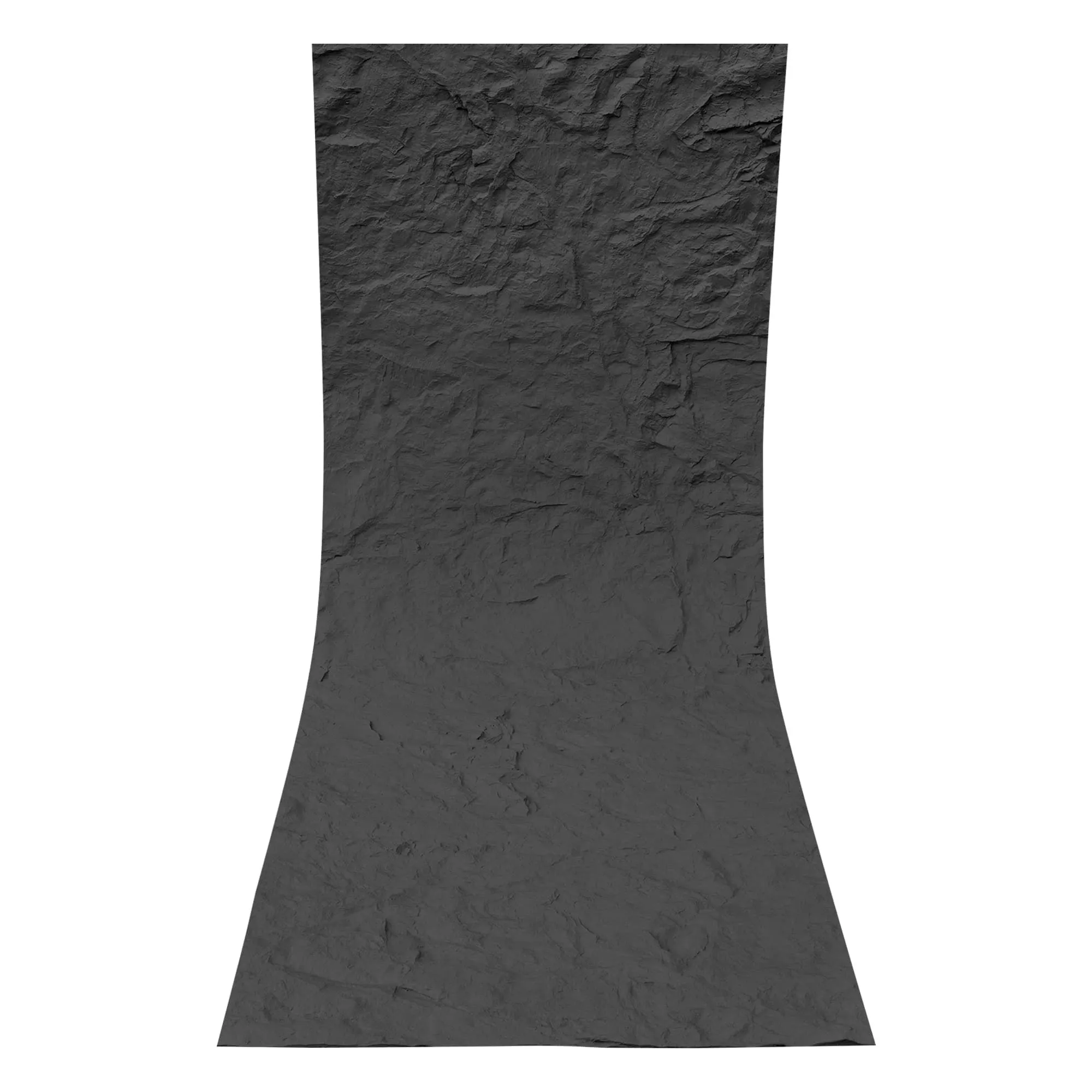
Let's start with a scenario we've all lived through, even if we don't realize it. Imagine walking into a building—maybe a cozy café downtown, a sleek office lobby, or even a friend's new home—and being struck by the walls. Not just their color or texture, but their *presence*. There's something about a well-chosen cladding material that feels permanent, like it's been there for decades and will stay for decades more. But here's the question that lingers in the back of every homeowner, architect, or builder's mind: *Will this material actually stand the test of time?* When it comes to COLORIA's boulder slab (vintage black) , the answer isn't just "yes"—it's a resounding "and then some."
In a world where trends come and go faster than a viral TikTok video, durability has become the unsung hero of good design. We want materials that don't just look good on day one but age like fine wine, gaining character without losing integrity. That's where COLORIA's MCM technology steps in, turning the vintage black boulder slab from a pretty face into a workhorse. But before we dive into the science of why it lasts, let's get clear on what exactly we're talking about here.
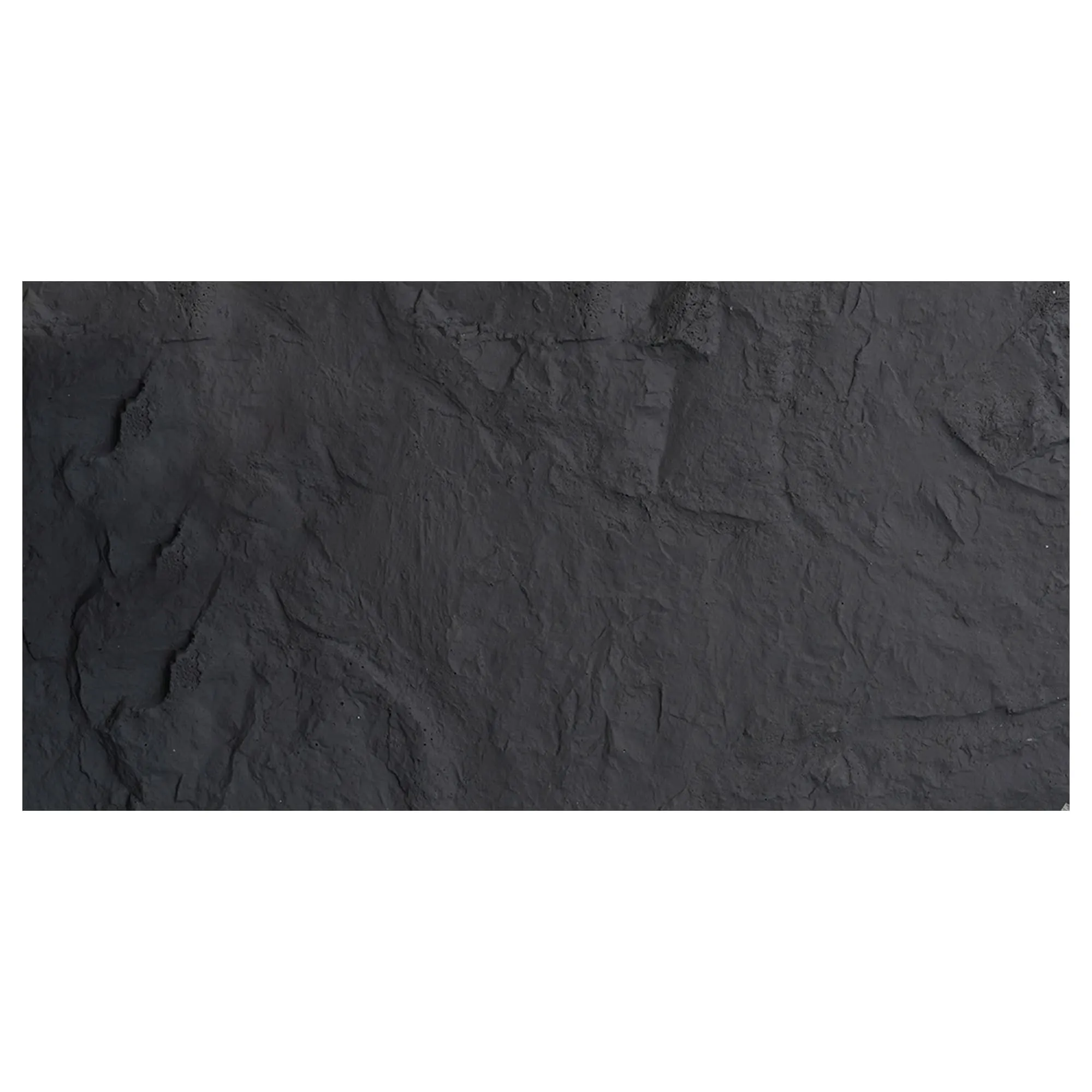
First things first: vintage black boulder slab isn't your average stone. It's part of COLORIA's MCM big slab board series —a line of cladding materials designed to mimic the raw, earthy beauty of natural stone while packing in the kind of durability that natural stone can only dream of. Picture this: the deep, moody black of a storm cloud at dusk, swirled with subtle gray veining that looks like fossilized lightning. It's rugged yet refined, industrial yet warm, the kind of material that can anchor a minimalist living room or add edge to a modern storefront.
But here's the kicker: unlike natural boulder stone, which is heavy, porous, and prone to cracking, COLORIA's version is built on MCM flexible stone technology. MCM, or Modified Composite Material, is the secret sauce here—a blend of natural minerals, high-performance polymers, and a reinforcing mesh that creates a material that's lightweight, flexible, and tougher than a well-worn work boot. Think of it as natural stone's smarter, more resilient cousin. It looks like the real deal, but it won't chip if a stray basketball hits it, or fade after a few harsh winters, or require a team of specialists to install.
To understand why vintage black boulder slab lasts so long, we need to peek under the hood of MCM technology. Let's break it down like we're explaining it to a friend over coffee (no PhD required, promise).
Traditional natural stone is a single, solid slab—beautiful, but brittle. MCM, on the other hand, is a sandwich (stay with me here). At the bottom, there's a tough, lightweight base layer that gives structural support. In the middle, a core of mineral-rich composite that's mixed with polymers to add flexibility (so it can bend without breaking). On top, a surface layer that's engineered to look and feel exactly like natural stone—right down to the texture of a rough-hewn boulder. Finally, a protective coating that repels water, UV rays, and the general wear and tear of daily life.
This layered design is why MCM flexible stone outperforms traditional materials. Natural stone has pores that soak up water, leading to cracks when it freezes. MCM? The polymer core and protective coating make it waterproof. Natural stone is heavy, which means more stress on walls and higher installation costs. MCM weighs up to 80% less, so it's easier to install and puts less strain on buildings over time. And unlike, say, fair-faced concrete —which can develop hairline cracks after just a few years of temperature swings—MCM's flexibility lets it expand and contract with the elements, like a material that knows how to "go with the flow."
COLORIA doesn't just *say* their MCM products last—they prove it. We're talking lab tests that make your high school science experiments look like child's play. Imagine a material being blasted with 5,000 hours of UV radiation (that's like leaving it in the desert sun for 6+ years straight) and coming out with zero fading. Or submerged in saltwater for months to simulate coastal conditions, only to show no signs of corrosion. Or frozen and thawed 300 times in a row (the equivalent of 30 harsh winters) without a single crack.
Vintage black boulder slab isn't just passing these tests—it's acing them. The secret? That protective top layer we mentioned earlier, which acts like a force field against UV rays, moisture, and pollutants. And the mineral-rich core? It's inert, meaning it doesn't react with chemicals or environmental factors that would eat away at other materials. Even in industrial areas with high pollution, or coastal regions with salt-laden air, this slab stays true to its color and texture.
Okay, enough about the "how"—let's cut to the chase: *how long does vintage black boulder slab actually last?* If we're talking about a well-installed, properly maintained slab, COLORIA's engineers estimate a lifespan of 50+ years . Let that sink in. Fifty years. That's longer than most mortgages, longer than the average car ownership (which is about 8 years, for context), and longer than the time it takes for a tree to grow from a sapling to a giant. For a building material, that's not just durability—that's legacy.
But where does that number come from? Let's break down the factors that contribute to that 50+ year lifespan:
The MCM blend is a masterclass in balance. Too much polymer, and the material might feel cheap or plastic-y. Too many minerals, and it loses flexibility. COLORIA's sweet spot? A mix that's 70% natural minerals (think marble dust, quartz, and feldspar) and 30% high-grade polymers. This combo gives the slab the best of both worlds: the look and feel of stone, with the durability of modern composites. The polymers act as a binder, holding the minerals together in a matrix that resists impact, while the minerals provide that authentic texture and weight (without the actual weight).
Compare that to natural stone, which is 100% mineral—and porous. Water seeps in, freezes, expands, and cracks. Pollutants stain it. Even fair-faced concrete , which is tough, is prone to spalling (that flaking you see on old concrete walls) after 15-20 years. Vintage black boulder slab? It laughs in the face of these issues.
Let's talk about the weather—nature's way of testing a material's mettle. In hot climates, UV rays can fade even the darkest colors. In cold climates, freeze-thaw cycles turn water into a wrecking ball. In humid climates, mold and mildew make themselves at home. Vintage black boulder slab? It's like a material that packed for every season.
UV resistance? The top coating is infused with UV stabilizers that prevent color fading. Even after 50 years in direct sunlight, the black stays black, not a washed-out gray. Moisture resistance? The non-porous surface means water beads up and rolls off, no seepage, no mold, no mildew. Impact resistance? Ever seen a hockey puck hit a wall? Yeah, this slab can take that. In fact, COLORIA's impact tests show it can withstand hits from objects weighing up to 5kg (that's about the weight of a small dog) without chipping or cracking. For a material used on exteriors or high-traffic areas, that's a game-changer.
Here's a truth no one talks about: even the best material in the world will fail if installed poorly. A wonky installation can lead to water pooling behind the slab, gaps that let in pests, or uneven stress that causes cracking. That's why COLORIA doesn't just sell slabs—they train installers. Their MCM big slab board series is designed for precision installation, with interlocking edges and lightweight panels that make it easy to get a tight, seamless fit. No heavy lifting cranes required, no messy mortar, just a clean, efficient process that ensures the slab is secured properly from day one.
And because the slabs are lightweight (about 3-4 kg per square meter, compared to natural stone's 20+ kg), there's less stress on the building's structure over time. No sagging walls, no cracked foundations—just a cladding that sits snugly, doing its job for decades.
Numbers are great, but context is better. Let's put vintage black boulder slab's 50+ year lifespan into perspective by comparing it to other common cladding materials. We'll use a table to make it easy to digest:
| Material | Estimated Lifespan | Maintenance Needs | Key Weaknesses |
|---|---|---|---|
| Vintage Black Boulder Slab (MCM) | 50+ years | Low: Occasional cleaning with mild soap and water; no sealing required | None significant; avoid harsh chemical cleaners |
| Natural Granite (Black) | 20-30 years | High: Seal every 1-2 years; prone to staining | Porous, heavy, prone to cracking in freeze-thaw cycles |
| Fair-Faced Concrete | 15-25 years | Moderate: Prone to spalling; may need patching | Absorbs moisture, cracks over time, fades in UV light |
| Traditional Ceramic Tiles | 10-20 years | Moderate: Grout needs sealing; tiles can crack or loosen | Grout lines trap dirt; tiles can pop off in extreme temps |
| Vinyl Siding | 20-30 years | Low: Easy to clean, but fades quickly | Prone to warping in heat; cracks in cold; not eco-friendly |
See the pattern? Vintage black boulder slab isn't just outlasting the competition—it's doubling, even tripling, the lifespan of some materials. And it's doing it with less maintenance. Natural granite might look similar, but it requires annual sealing to prevent stains, and it's so heavy that it adds structural costs to a building. Fair-faced concrete? It's tough, but after 15 years, you'll start seeing cracks and discoloration. Vintage black boulder slab? It's the tortoise in the race—slow and steady, and it wins by a mile.
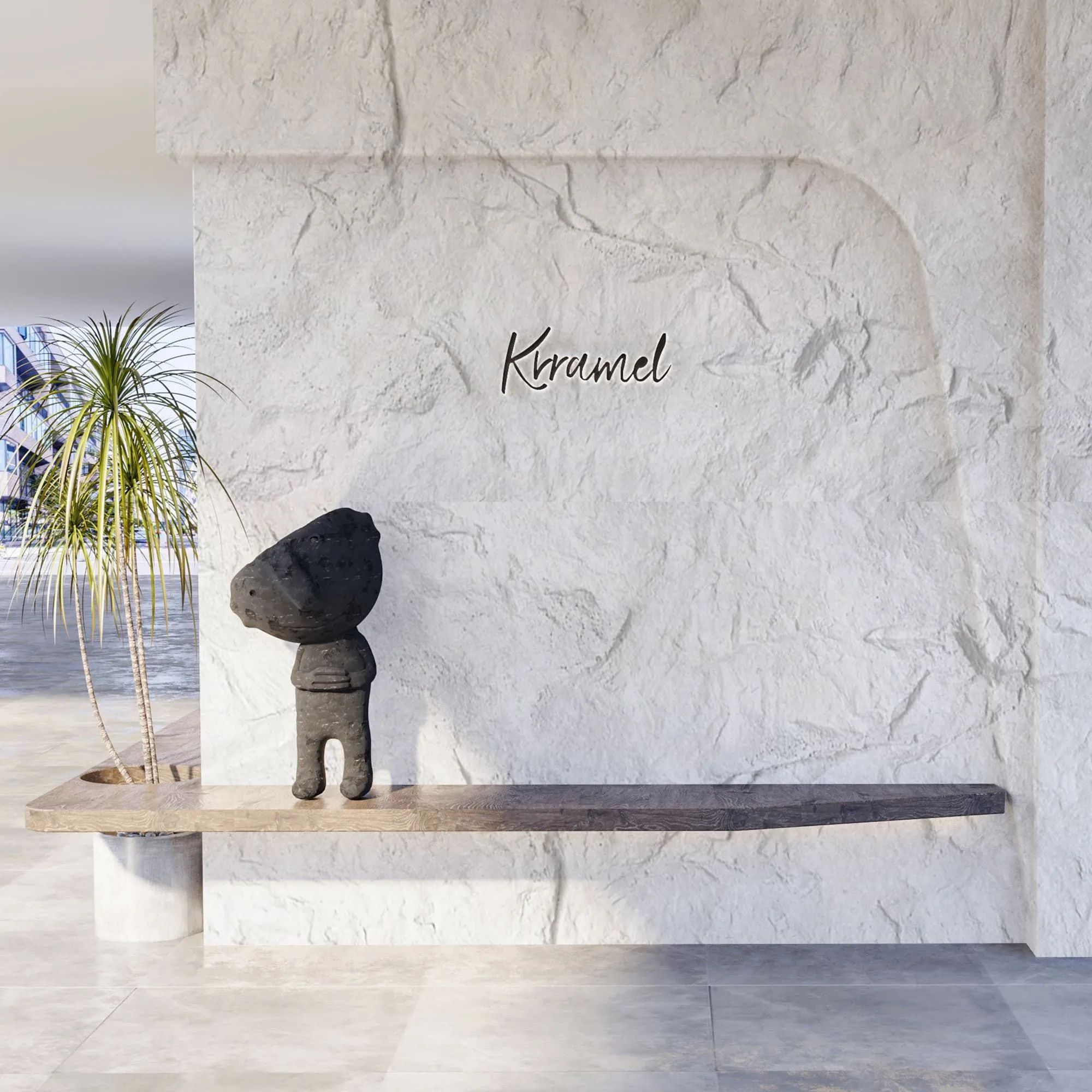
Numbers and lab tests are one thing, but real-world examples? That's where the rubber meets the road. Let's take a look at a few projects where COLORIA's vintage black boulder slab has been in place for over a decade—proof that its lifespan isn't just a marketing claim.
In 2012, a commercial developer in Miami, Florida, chose vintage black boulder slab for the exterior cladding of a three-story office park. Miami, if you're not familiar, is a tough place for building materials: high humidity, saltwater breeze, and occasional hurricanes. Fast forward to 2024, and those slabs look almost identical to how they did on day one. No fading, no cracks, no signs of corrosion. The developer, who initially worried about the cost (MCM is an investment upfront), now calls it "the best decision we made." Why? Because they haven't had to replace a single slab, and the building still turns heads as one of the most modern in the area.
Up north, in Boulder, Colorado (fitting, right?), a homeowner installed vintage black boulder slab on their home's exterior in 2010. Colorado winters are brutal: temperatures swing from 70°F in the day to below freezing at night, with heavy snow and ice. After 14 years, the only change? A slight patina that the homeowner describes as "adding character." No cracking from freeze-thaw, no peeling, no need for repairs. "I thought we'd have to replace the cladding by now," they told COLORIA's team during a follow-up. "Instead, it still looks like we just built the house."
In downtown Chicago, a popular café used vintage black boulder slab for its interior accent wall in 2015. Think constant foot traffic, coffee spills, kids running around, and the occasional chair bump. Six years later, that wall is still spotless. The owner jokes, "I've had to replace the furniture twice, but the wall? It's the only thing in here that doesn't complain." Even with daily wipe-downs and the occasional coffee splash, the slab has retained its color and texture—proof that it's not just for exteriors.
We've mentioned "proper maintenance" a few times, but what does that actually entail? Spoiler: it's way easier than you think. Unlike natural stone, which requires regular sealing and cleaning, vintage black boulder slab is low-maintenance to the point of being almost "set it and forget it."
For most situations, a quick wipe with a damp cloth or sponge is all you need. If there's dirt or grime buildup (say, from a dusty summer or a winter of road salt), mix a little mild dish soap with warm water and gently scrub with a soft brush. Avoid abrasive cleaners or scouring pads—they can scratch the protective layer. And steer clear of harsh chemicals like bleach or ammonia, which can discolor the slab over time.
Every 5-7 years, do a quick inspection. Look for any loose edges (though this is rare with proper installation), or areas where the color seems off (even rarer). If you notice a chip (which would require a significant impact, like a falling branch), COLORIA offers repair kits that let you patch small areas yourself. For larger issues? Their warranty covers material defects for 10 years, so you're covered if something goes wrong.
That's it. No annual sealing, no expensive professional cleanings, no stress. Just a material that takes care of itself, so you can focus on enjoying your space.
Durability isn't just about saving money (though it does that, too). It's also about sustainability. Think about it: if a material lasts 50 years instead of 20, that means fewer replacements, less waste, and lower carbon emissions from manufacturing and transportation. COLORIA's MCM products are classified as green building materials for a reason—they're made with recycled minerals, require less energy to produce than natural stone, and are 100% recyclable at the end of their lifespan.
And let's not forget the lightweight factor. Because vintage black boulder slab weighs so little, transporting it uses less fuel than hauling heavy natural stone. Installing it requires fewer workers and less equipment, further reducing the carbon footprint. For architects and builders aiming for LEED certification or other green building standards, this slab is a no-brainer.
At the end of the day, choosing a building material is about more than aesthetics. It's about trust. Trust that the money you invest today will pay off tomorrow, trust that the material will age gracefully, and trust that it won't let you down when the going gets tough. With COLORIA's vintage black boulder slab, that trust is earned. Fifty years isn't just a number—it's a promise that this slab will be there for the milestones: the first home cooked meal, the graduation parties, the quiet mornings with coffee, and everything in between.
So, to circle back to that initial question: *How long does vintage black boulder slab last?* Long enough to become part of your story. Long enough to outlast trends, fads, and even the occasional change of heart. In a world that's always rushing to the next new thing, sometimes the best choice is the one that's built to stay. And in that case, vintage black boulder slab isn't just a good choice—it's a legacy.
Recommend Products












