
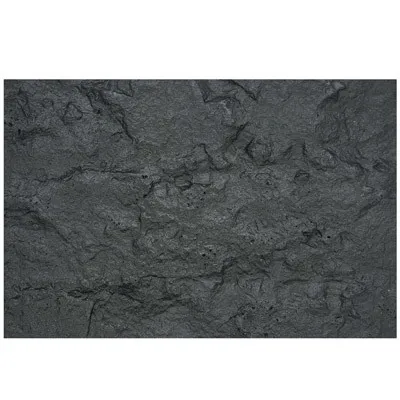
In the grand theater of modern architecture, a quiet revolution is underway. It's a shift from building bigger and faster to building smarter and more responsibly. As our cities expand, the conversation has turned towards sustainable urban development—creating spaces that are not only beautiful and functional but also kind to our planet. This is where material science takes center stage, and where a product like Lunar Peak Black from COLORIA GROUP becomes more than just a design choice; it becomes a statement of intent.
What is Lunar Peak Black? On the surface, it's a sophisticated, deep black finish that lends an air of timeless elegance to any architectural project. It evokes the mystery of a moonless night sky or the quiet strength of polished volcanic rock. But its true power lies beneath the surface, in the very DNA of its composition. Lunar Peak Black is a premier example of COLORIA GROUP's cutting-edge **Modified Cementitious Material** (MCM), a technology engineered to meet the most pressing challenges of our time: environmental responsibility, resource efficiency, and long-term durability. This article will explore how this single product, as a representative of the entire MCM family, is a powerful tool for architects, developers, and city planners aiming to achieve their sustainable urban development goals.
Before we can appreciate the impact of Lunar Peak Black, we need to understand the revolutionary material it's made from. Traditional building materials like quarried stone, ceramic tiles, and concrete have been the workhorses of construction for centuries. However, they come with a significant environmental cost. Quarrying scars landscapes and consumes vast amounts of energy. Firing ceramics and producing cement are among the world's most carbon-intensive industrial processes.
COLORIA GROUP, as a one-stop solution provider with decades of industry insight, recognized this fundamental challenge. The answer wasn't to merely find an alternative, but to reinvent the very concept of a cladding material. MCM technology is the result of that vision. It starts with natural, abundant raw materials like soil, sand, and stone powder. Through a proprietary process, these inorganic materials are modified at a molecular level, mixed with color pigments, and then shaped. The transformative step happens next: instead of being fired at scorching temperatures of over 1200°C like ceramics, MCM is cured at a low temperature of around 100-120°C.
This low-energy process is a game-changer. It slashes carbon emissions by over 80% compared to traditional tile manufacturing. There's no wastewater discharge, and the primary components are often sourced from recycled or widely available materials, reducing the strain on virgin resources. The result is a material that is incredibly versatile, lightweight, and robust, possessing the aesthetic qualities of natural stone or wood but without the ecological baggage. Lunar Peak Black, therefore, isn't just a color—it's the embodiment of a sustainable manufacturing philosophy.
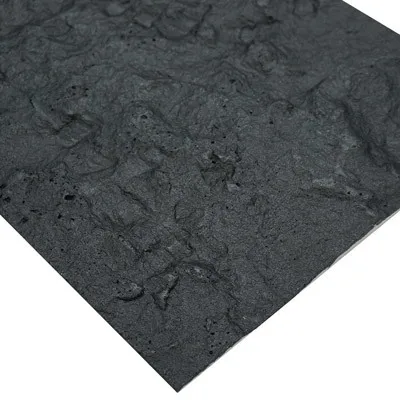
Sustainable urban development rests on several key pillars: ecological balance, resource efficiency, economic viability, and human well-being. Lunar Peak Black, through its MCM composition, directly supports each of these pillars in tangible, measurable ways.
The most immediate contribution of Lunar Peak Black to sustainability is its drastically reduced environmental impact. As mentioned, the low-temperature curing process is a cornerstone of its green credentials. This isn't just a minor improvement; it's a fundamental shift in energy consumption. Imagine the energy required to run a kiln at over a thousand degrees Celsius versus the energy to simply cure a material at the temperature of boiling water. This difference, scaled across thousands of square meters of facade for a commercial project, translates into a massive reduction in the building's embodied carbon—the total greenhouse gas emissions generated from manufacturing and transporting the materials.
Furthermore, the composition of MCM materials helps promote a circular economy. The technology allows for the integration of waste materials, such as tailings from stone processing or construction debris, transforming what would be landfill-bound waste into a high-value, durable product. This reduces our reliance on quarrying, preserving natural landscapes and biodiversity. When you specify a facade clad in Lunar Peak Black, you are actively choosing a material that lessens resource depletion and minimizes industrial pollution.
One of the most profound, yet often overlooked, aspects of sustainability in construction is weight. The sheer mass of traditional materials has a cascading effect on a project's resource consumption. A heavy stone or concrete panel facade requires a more robust structural frame to support it. This means more steel and concrete—both energy-intensive materials—are needed for the building's skeleton.
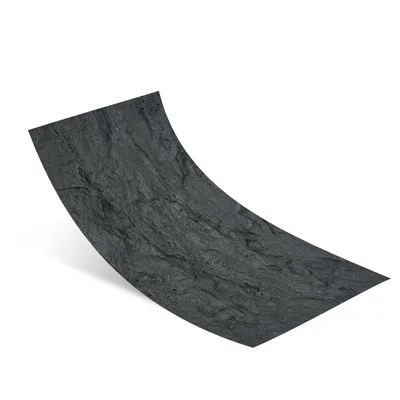
This is where products from the **MCM Flexible Stone** series, which includes finishes like Lunar Peak Black, truly shine. This material is astonishingly lightweight and thin, often just 2-4mm thick, with a weight of around 4-6 kg per square meter. Compare this to natural stone, which can easily weigh 80-120 kg per square meter. This is a weight reduction of over 90%.
This dramatic weight difference yields multiple sustainability benefits:
Sustainability is not just about being green; it must also be economically sensible. A material that needs constant repair or replacement is inherently unsustainable, regardless of how it's made. Lunar Peak Black, as an MCM product, is engineered for longevity. It represents a long-term investment that pays dividends over the entire lifecycle of a building.
The material boasts an impressive array of performance characteristics. It has a Class A fire rating, making it one of the safest facade materials available. It is resistant to water, freezing and thawing cycles, fading from UV exposure, and the corrosive effects of acid rain and urban pollution. Unlike paint, it won't peel or chip. Unlike some natural stones, it won't easily stain or effloresce. This resilience means a building clad in Lunar Peak Black will maintain its pristine appearance for decades with minimal maintenance. Reduced maintenance cycles mean less money, fewer resources, and less disruption spent on cleaning, repairing, and replacing the facade over the building's life. This low lifecycle cost makes it an economically intelligent choice for developers focused on long-term asset value.
Finally, sustainable urban development is about creating healthy environments for people. The buildings we live and work in have a direct impact on our health. Many conventional building materials can release harmful substances into the air, such as Volatile Organic Compounds (VOCs) from paints and adhesives, or formaldehyde from composite woods.
MCM materials like Lunar Peak Black are fundamentally inert and non-toxic. They contain no VOCs, formaldehyde, or other harmful chemicals, contributing to better indoor and outdoor air quality. The material is also "breathable," allowing water vapor to pass through, which can help manage humidity within the wall structure and reduce the risk of mold and mildew growth—a common problem that can lead to respiratory issues. By choosing materials that are safe and non-toxic, architects and developers are investing in the health and well-being of the building's occupants, a core principle of truly sustainable design.
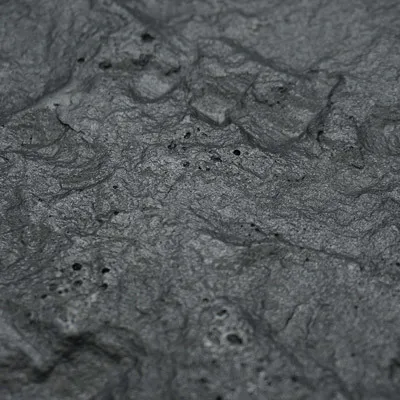
For too long, sustainability was perceived as a constraint on design, forcing architects to choose between their creative vision and their environmental principles. COLORIA GROUP's MCM technology shatters this paradigm. The material's inherent flexibility allows it to be formed into a vast array of textures, shapes, and sizes. Lunar Peak Black is just one expression within a universe of possibilities.
This versatility is best seen across the different product series:
This design freedom means that achieving sustainable development goals no longer requires aesthetic sacrifice. Architects can pursue bold, innovative designs while simultaneously specifying a material that is light on the planet. COLORIA GROUP's role as a **one-stop solution provider** means that these different series can be integrated into a single project, offering a coherent palette of sustainable materials to realize a complete architectural vision.
To put the advantages of Lunar Peak Black into perspective, a direct comparison with traditional materials is essential. The following table breaks down the key attributes across the lifecycle of a building material.
| Feature | Lunar Peak Black (MCM) | Natural Stone (e.g., Granite) | Ceramic Tile | Exterior Paint |
|---|---|---|---|---|
| Avg. Weight (per m²) | 4-6 kg | 80-120 kg | 15-25 kg | Negligible |
| Embodied Carbon (Production) | Very Low | High (Quarrying, Transport) | Very High (High-Temp Firing) | Low to Moderate |
| Raw Materials | Natural soil, sand, recycled powders | Finite quarried resource | Clay, feldspar (mined) | Petroleum-based polymers |
| Installation Complexity | Low (lightweight, flexible, fast) | Very High (heavy machinery, skilled labor) | Moderate (requires precise grouting) | Low (but requires surface prep) |
| Design Flexibility | Very High (curves, 3D shapes, large formats) | Low (rigid, heavy, hard to shape) | Moderate (limited to tile size/shape) | High (color) but flat |
| Fire Safety (Rating) | Class A | Class A | Class A | Varies, often combustible |
| Durability & Lifespan | 50+ years (fade, crack, freeze-thaw resistant) | 100+ years (can stain/crack) | 30-50 years (grout fails, can crack) | 5-10 years (peels, fades, needs repainting) |
| Lifecycle Cost | Low (minimal maintenance) | High (high initial + potential repair cost) | Moderate (regrouting/replacement) | Very High (frequent repainting cycles) |
| Health & Safety (VOCs) | Zero | Zero | Zero | Low to High, depending on type |
The table clearly illustrates the holistic superiority of MCM technology. While paint might seem cheap initially, its short lifespan and need for constant reapplication make it a highly unsustainable and costly choice in the long run. Natural stone, while durable, carries an immense environmental and logistical burden. Ceramic tile is energy-intensive and less versatile. Lunar Peak Black, representing the MCM category, strikes the optimal balance: it delivers the aesthetic permanence of stone and the design versatility of a modern composite, all within a framework of profound ecological responsibility and long-term economic value.
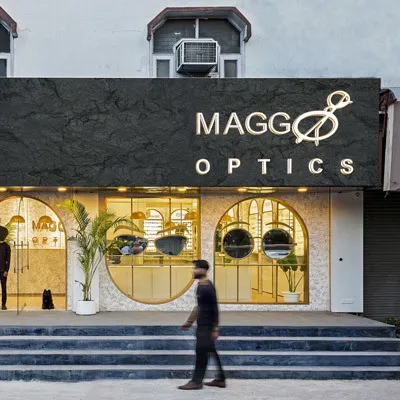
The path toward sustainable urban development is paved with innovation. It requires us to rethink not just how we design our cities, but what we build them with. Lunar Peak Black is more than a product; it's a symbol of this new direction. It proves that architectural beauty and environmental stewardship are not mutually exclusive goals.
Through its low-impact manufacturing, extreme lightweight properties, long-term durability, and boundless design potential, this advanced material from COLORIA GROUP provides a concrete solution for a sustainable future. It empowers architects to dream big while treading lightly on the earth. As we continue to shape the skylines of tomorrow, from rapidly growing hubs like those in Saudi Arabia to established global metropolises, materials like Lunar Peak Black will be essential. They are the building blocks of a world that is not only visually stunning but also resilient, healthy, and sustainable for generations to come.
Recommend Products












