
Building a future where innovation meets responsibility, one panel at a time
Step into a community center in the heart of a bustling city. The walls are warm, textured, and glow with a quiet confidence—neither cold like industrial concrete nor overly opulent like polished marble. This is the work of Marble Concrete Board , a material that's redefining what it means to build sustainably. In a world racing to meet the United Nations' Sustainable Development Goals (SDGs), materials like these aren't just construction choices; they're promises. Promises to protect our planet, empower communities, and foster innovation that lasts. Let's explore how this unassuming panel is quietly becoming a hero in the global push for a better future.
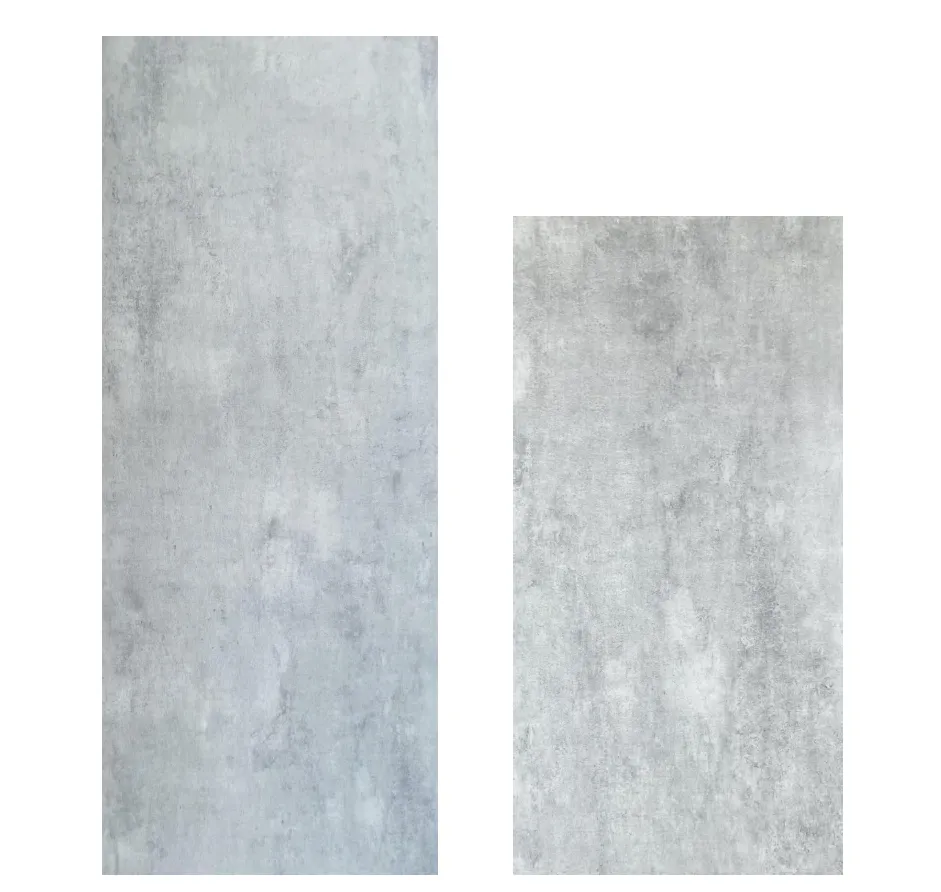
Before diving into its impact, let's get to know the star of the show. Marble Concrete Board is a hybrid material that marries the best of two worlds: the timeless elegance of marble and the durability of high-performance concrete. It's crafted using a blend of recycled marble aggregates, eco-friendly binders, and advanced manufacturing techniques that minimize waste. The result? A panel that's lightweight yet strong, flexible enough to curve around architectural details, and rich in texture—think the soft veining of marble meets the earthy depth of fair-faced concrete , but with a fraction of the environmental footprint.
But it's not just about looks. Unlike traditional marble (which often requires heavy quarrying and transportation) or standard concrete (notorious for high carbon emissions), Marble Concrete Board is designed with sustainability in mind. It's part of a new generation of green building materials that prioritize both performance and planet—materials that ask: "What if we didn't have to choose between beauty and responsibility?"
Goal 11 of the SDGs calls for "inclusive, safe, resilient, and sustainable cities." For anyone who's lived in a concrete jungle, this goal hits close to home. Urban spaces often feel disconnected from nature, their hard surfaces trapping heat and their sterile designs draining life. Marble Concrete Board is changing that by adding warmth and texture to buildings, turning facades into canvases that reflect local culture and natural beauty.
Take, for example, a low-income housing project in Brazil. Instead of using cheap, drab cement blocks, architects opted for Marble Concrete Board in earthy tones. The result? Residents report feeling prouder of their homes, and the textured walls help regulate indoor temperatures, reducing the need for air conditioning. In another case, a school in Kenya used the material for its classrooms; the soft, diffused light bouncing off the panels creates a calmer learning environment, boosting student focus. These aren't just "green" wins—they're quality-of-life wins. When buildings feel human, communities thrive.
And let's not forget resilience. Marble Concrete Board is resistant to fire, moisture, and wear, making it ideal for cities prone to climate shocks. In coastal areas, where saltwater can erode traditional materials, its durability means fewer repairs and less waste over time. It's a small detail, but in the fight to build cities that can withstand storms—both literal and metaphorical—it adds up.
Goal 12 is all about "ensuring sustainable consumption and production patterns." The construction industry is a major culprit here: it accounts for 30% of global waste and 25% of carbon emissions. Marble Concrete Board tackles this head-on, starting with its ingredients. By using recycled marble chips (leftover from quarrying and renovation projects), it diverts waste from landfills. In fact, some manufacturers claim up to 70% of their raw materials are recycled—a stark contrast to traditional marble, which generates massive amounts of waste during extraction and cutting.
The manufacturing process itself is also a model of efficiency. Unlike flexible stone (which sometimes requires energy-intensive curing), Marble Concrete Board uses low-temperature production methods and water recycling systems. One factory in Italy reports cutting its water usage by 40% and energy consumption by 25% compared to standard concrete production. And when the panels reach the end of their life? They're fully recyclable, closing the loop on the material's lifecycle.
| Material | Recycled Content | Carbon Footprint (kg CO₂/m²) | End-of-Life Recyclability |
|---|---|---|---|
| Traditional Marble | 0-5% | 18-22 | Low (often ends in landfills) |
| Standard Concrete | 5-10% | 12-15 | Moderate (crushed for aggregate) |
| Marble Concrete Board | 50-70% | 4-6 | High (100% recyclable into new panels) |
The numbers speak for themselves. By choosing Marble Concrete Board, builders aren't just cutting costs—they're cutting waste, emissions, and guilt. It's responsible consumption in action.
Goal 9 challenges us to "build resilient infrastructure, promote inclusive and sustainable industrialization, and foster innovation." Marble Concrete Board is a poster child for this goal. Its creation wasn't just about mixing two materials—it was about reimagining what construction could be. The material's flexibility, for instance, allows architects to design curved walls, intricate facades, and custom shapes without the need for expensive, wasteful cutting. This reduces on-site labor, speeds up construction, and lowers the risk of errors—all while pushing the boundaries of design.
Take the case of a tech campus in Silicon Valley. The design called for a facade that mimicked the rolling hills of the surrounding landscape. Traditional materials would have required thousands of custom-cut stones, generating tons of waste. Instead, the team used Marble Concrete Board panels shaped on-site with minimal tools, achieving the organic look with 80% less waste. "It was like sculpting with clay, but on a building scale," one architect noted. "We didn't just build a wall—we told a story."
And it's not alone in this innovation. When paired with complementary materials like foamed aluminium alloy board (vintage silver) —another lightweight, recyclable option—Marble Concrete Board creates synergies that make entire buildings more sustainable. Together, they reduce the structural load of a building, allowing for thinner support beams and less concrete overall. It's a reminder that sustainability thrives when materials work in harmony, not isolation.
At the end of the day, the SDGs are about people. They're about ensuring that our children inherit a world where clean air, safe homes, and thriving communities are the norm, not the exception. Marble Concrete Board, for all its technical merits, shines brightest here. It's a material that doesn't just build structures—it builds pride. In a village in India, a community hall built with the panels has become a hub for weddings, meetings, and festivals. "Before, we met under a tarp," one resident said. "Now, we have a space that feels like it belongs to us—a space that says, 'You matter.'"
It's also a material that empowers workers. Because it's lightweight and easy to install, it reduces the physical strain on construction laborers, many of whom suffer from injuries due to heavy lifting. In some countries, manufacturers are partnering with local training programs to teach workers how to handle and install these panels, creating new, sustainable jobs in the process. "I used to carry bricks all day, my back always hurting," said a construction worker in Mexico. "Now, I install these panels with a team, and we finish faster. I go home with energy left to play with my kids."
Marble Concrete Board isn't a silver bullet. No single material can solve all our sustainability challenges. But it is a powerful example of how innovation, when rooted in purpose, can move the needle. As more architects, builders, and policymakers embrace materials like this, we edge closer to a world where every building is a statement—a statement that we care about our planet, our communities, and the future we're building together.
So the next time you walk past a building with a warm, textured facade, pause for a moment. Maybe it's Marble Concrete Board. Maybe it's another green material. Either way, it's a sign of progress. Progress that's measured not just in tons of recycled waste or reduced emissions, but in the lives it touches and the hope it inspires. After all, the best buildings aren't just made of stone and concrete—they're made of purpose.
Recommend Products












