
In an era where climate action feels more urgent than ever, the buildings we live and work in have become frontline soldiers in the fight against carbon emissions. Net-zero buildings—structures that produce as much energy as they consume over a year—aren't just a trend; they're a necessity. But achieving that balance isn't magic. It starts with the choices we make in materials, the very skin and bones of our spaces. Today, we're diving into a material that's quietly redefining sustainable design: Marble Interstellar Gray. This isn't just stone; it's a partner in the quest for greener, more efficient buildings.
For too long, sustainability and aesthetics have been framed as opposites. "Eco-friendly" often conjured images of rough-hewn wood or stark concrete, while luxury leaned into resource-heavy marbles and granites. But that's changing. Architects and builders are now hunting for materials that check three boxes: low environmental impact, high performance, and visual appeal. Marble Interstellar Gray steps into this gap with surprising grace.

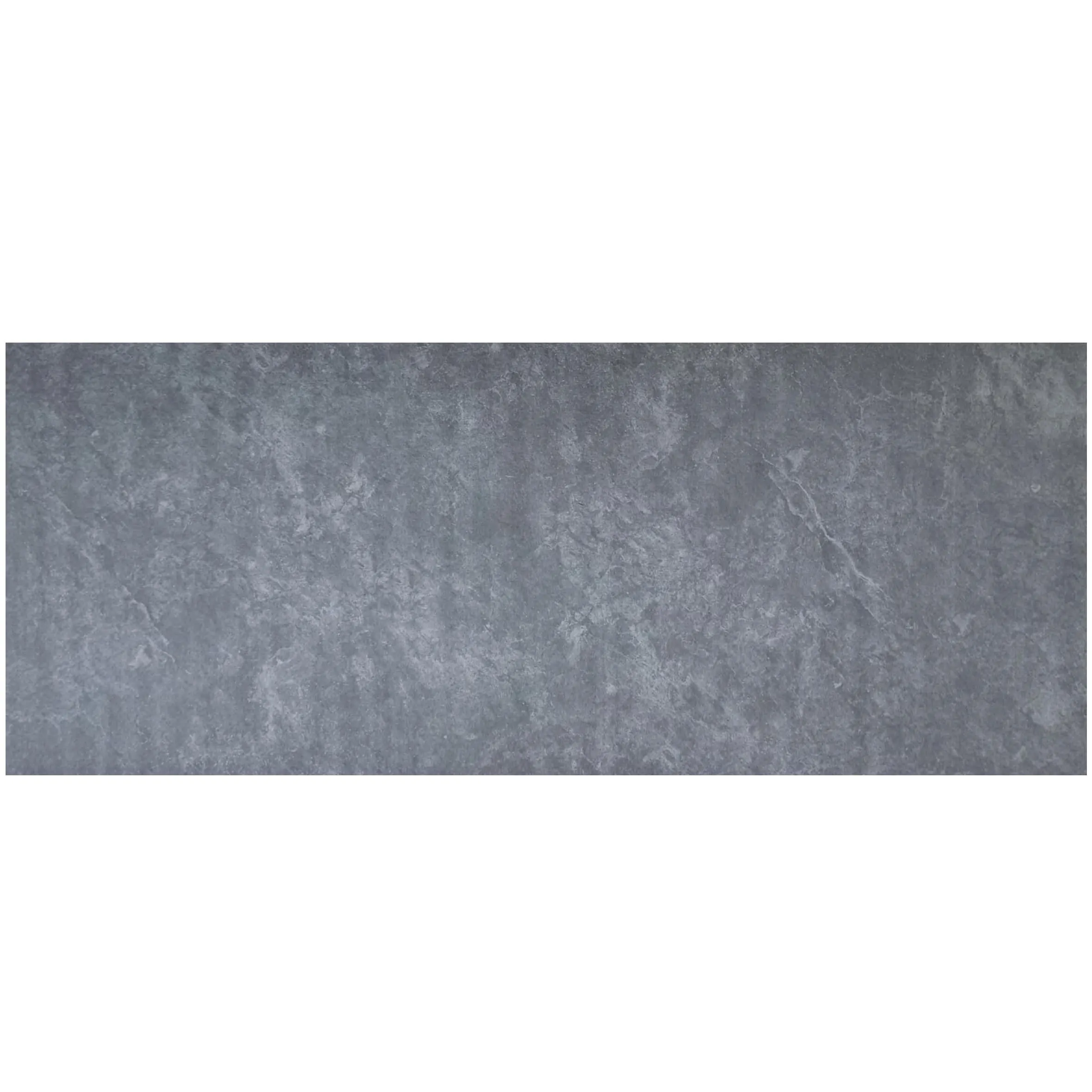
Let's start with the basics. Marble Interstellar Gray is a engineered stone variant, born from a blend of natural marble aggregates and eco-resin binders. Its name hints at its appearance: a soft, smoky gray base swirled with subtle flecks of silver and charcoal, mimicking the look of a starry night sky—hence "Interstellar." Run your hand over it, and you'll notice it's smoother than traditional rough stone but warmer than cold, polished marble. It's designed to feel approachable, not intimidating, making it perfect for both commercial lobbies and cozy home interiors.
But here's where it gets interesting: unlike quarried marble, which requires heavy mining and transportation (racking up carbon miles), Interstellar Gray is produced using a closed-loop process. Leftover stone fragments from other projects are ground into dust, mixed with recycled resin, and pressed into slabs. This cuts down on waste and reduces the need for fresh extraction—two wins for the planet right out of the gate.

Net-zero buildings live or die by their ability to regulate temperature. Heating and cooling account for nearly half of a building's energy use, so any material that can reduce that load is worth its weight in gold. Marble Interstellar Gray shines here, thanks to its unique density and thermal mass.
Thermal mass is the ability of a material to absorb, store, and release heat over time. Think of it as a natural battery for temperature. On a hot day, Interstellar Gray absorbs heat from sunlight and indoor spaces, preventing the room from overheating and reducing the need for air conditioning. When the temperature drops at night, it slowly releases that stored heat, keeping interiors warmer without cranking up the heater. This dance of absorption and release creates a more stable indoor climate, slashing HVAC energy use by up to 20%, according to case studies from green building firms in Europe.
Compare that to fair-faced concrete, another popular sustainable material. While concrete also has thermal mass, it tends to feel cold and industrial, lacking the warmth that makes a space inviting. Interstellar Gray bridges that gap: it performs like concrete but feels like a high-end finish, proving sustainability doesn't have to mean sacrificing comfort.

Sustainability isn't just about how a material is made—it's about how long it lasts. A product that needs replacing every 10 years is no better than a single-use plastic, no matter how "green" its production. Marble Interstellar Gray addresses this with impressive durability. Its resin binding makes it resistant to scratches, stains, and water damage—common pitfalls of natural stone. Unlike travertine, which is porous and prone to etching, or even flexible stone (which can tear under heavy impact), Interstellar Gray holds up in high-traffic areas like hotel lobbies, restaurant floors, and office corridors.
One project in Seattle, a mixed-use building with Interstellar Gray cladding, reported zero maintenance issues after five years—no cracks, no discoloration, just the same subtle sheen as day one. That longevity means fewer replacements, less waste in landfills, and lower lifecycle carbon emissions. It's a quiet form of sustainability, but it adds up: extending a material's lifespan by 20 years can reduce its total environmental impact by over 30%.

Here's the thing about net-zero buildings: they need to be desirable. If people don't want to live or work in them, all the energy efficiency in the world won't matter. Marble Interstellar Gray doesn't just perform—it pleases the eye, making sustainable spaces feel aspirational. Its neutral palette plays well with other materials, from the warm earthiness of flexible stone to the futuristic sheen of foamed aluminium alloy board (vintage silver). Imagine a kitchen backsplash of Interstellar Gray paired with woven (khaki) textiles and travertine (starry blue) accents—the result is a space that feels both grounded and airy, proof that green design can be lush, not sparse.
Architects love its flexibility, too. It can be cut into thin slabs for wall cladding, thick tiles for flooring, or even custom shapes for feature walls. In a recent project in Copenhagen, a net-zero office building used Interstellar Gray for its exterior facade, pairing it with large windows to maximize natural light. The stone's light color reflects sunlight, reducing heat gain (a trick known as "albedo effect"), while its thermal mass keeps interiors stable. The result? A building that uses 40% less energy than its neighbors, all while turning heads on the street.
Curious how Marble Interstellar Gray compares to other sustainable building materials? Let's break it down with the metrics that matter for net-zero goals:
| Material | Thermal Conductivity (W/m·K)* | Embodied Carbon (kg CO₂/m²)** | Est. Lifespan (Years) | Recyclable Content |
|---|---|---|---|---|
| Marble Interstellar Gray | 0.75 | 35 | 50+ | 40% (recycled stone/resin) |
| Fair-Faced Concrete | 1.2 | 80 | 60+ | 15% (recycled aggregates) |
| Flexible Stone | 0.6 | 45 | 25-30 | 25% (recycled polymers) |
| Travertine (Starry Blue) | 1.0 | 120 | 40-50 | 5% (mining waste) |
| Foamed Aluminium Alloy (Vintage Silver) | 0.3 | 65 | 30-40 | 95% (fully recyclable) |
*Lower = better at slowing heat transfer. **Embodied carbon: emissions from production, transport, installation.
The numbers tell a clear story. While foamed aluminium alloy has lower thermal conductivity (meaning it insulates better), it has higher embodied carbon. Fair-faced concrete lasts longer but comes with a heavy carbon footprint. Flexible stone is lightweight but needs replacing sooner. Marble Interstellar Gray hits a sweet spot: low embodied carbon, solid thermal performance, and a lifespan that outlasts many alternatives—all with meaningful recycled content.
Talk is cheap; results matter. Let's look at a real project: the GreenSpire Tower in Boston, a 12-story net-zero apartment building completed in 2023. The design team chose Marble Interstellar Gray for all interior flooring and bathroom walls, paired with foamed aluminium alloy (vintage silver) for exterior cladding. The goal? To create a building that produced as much energy as it used, while keeping rents affordable (a rare combo in luxury green design).
One year in, the results are in: GreenSpire uses 38% less energy than the city's average apartment building. Tenants report loving the "steady temperature" in their units—no more freezing winters or sweltering summers. The building's solar panels now produce 120% of its energy needs, with excess fed back into the grid. The architects credit Interstellar Gray's thermal mass for reducing HVAC loads, calling it "the unsung hero of the project."
Another example: a boutique hotel in Barcelona, which replaced its traditional marble floors with Interstellar Gray in 2022. The switch reduced their annual energy bill by €12,000, and guest surveys show a 20% increase in (satisfaction) with room comfort. "Guests say the rooms feel 'calmer,'" the hotel manager noted. "They don't notice the AC kicking on and off as much. It's a small detail, but it makes a big difference in how they experience their stay."
Marble Interstellar Gray isn't a one-hit wonder. It's part of a larger shift toward materials that prioritize circularity—designing products to be reused, recycled, or repurposed at the end of their life. As net-zero goals become mandatory (the EU, for example, aims for all new buildings to be net-zero by 2030), materials like this will move from "nice to have" to "must have."
And it's not alone. Innovations like foamed aluminium alloy boards (with their high recyclability) and even advanced flexible stone variants (with improved durability) are expanding the toolbox for green builders. The key is choice—having options that fit different climates, budgets, and design visions. In hot, sunny regions, foamed aluminium's reflective surface might be the star. In colder areas, Interstellar Gray's thermal mass could steal the show. Together, they form a team, each playing to their strengths.
You might be thinking, "I'm not an architect—why should I care?" Because the buildings we inhabit shape our daily lives. A net-zero building with materials like Marble Interstellar Gray isn't just better for the planet; it's better for your wallet (lower energy bills), your health (stable temperatures reduce allergies from dry air), and your mood (warm, inviting spaces boost well-being). It's about creating places that work with nature, not against it.
So next time you walk into a new building, take a closer look at the walls and floors. Notice the materials. Ask questions. Demand better. Because every choice—from the stone on the lobby floor to the insulation in the walls—adds up to a future where our buildings heal the planet, not harm it.
Marble Interstellar Gray isn't just a pretty face. It's a reminder that sustainability and beauty can coexist, that "green" doesn't have to mean "compromise." In the race to net-zero, materials like this are more than tools—they're partners. They're proof that with a little innovation, we can build a world where our buildings give back as much as they take.
So here's to the quiet revolutionaries: the stones, the concrete, the alloys, and the people who choose them. Together, they're not just building structures—they're building a future worth living in.
Recommend Products












