
Walk into a home on a 95°F summer day, and you'll likely be hit with a wave of cool air the second you open the door—thanks to an overworked air conditioner. Now, imagine that same home staying comfortably cool with the AC set 5 degrees higher, or even off entirely. That's not magic; it's the power of choosing the right building materials. In a world where buildings account for nearly 40% of global energy consumption, materials like marble stream stone are quietly revolutionizing how we think about energy efficiency. More than just a pretty facade, this unique stone isn't just built to look good—it's built to work smarter, keeping spaces comfortable while slashing energy bills. Let's dive into how this material is changing the game.
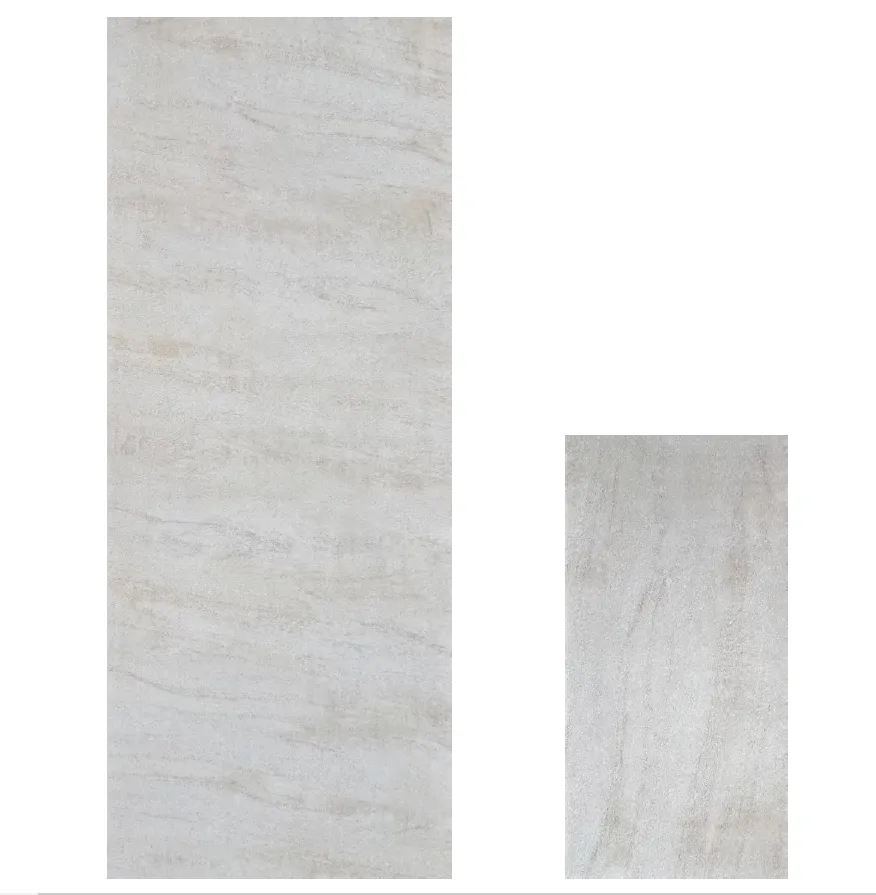
First things first: What makes marble stream stone different from the generic "stone" you might find on a garden path? Picture a material that marries the timeless beauty of natural marble with the engineered precision of modern construction. Marble stream stone gets its name from its distinctive texture—soft, flowing patterns that mimic the movement of water over rock, giving walls and surfaces a dynamic, organic feel. But its real magic lies beneath that surface.
Unlike traditional marble, which is often heavy and porous, marble stream stone is crafted using a blend of natural marble aggregates, reinforced polymers, and mineral binders. This process creates a material that's lighter than solid stone yet surprisingly dense, with a network of micro-pores that act like tiny insulators. It's part of a broader family of innovative cladding solutions, sitting alongside products like mcm flexible stone —but where MCM excels in flexibility and adaptability, marble stream stone shines in thermal performance. Think of it as the "energy-efficient cousin" in the stone family, designed to do more than just cover walls: it's a silent partner in regulating indoor temperatures.
So, how exactly does a piece of stone help a building use less energy? It all comes down to four core properties that work together to create a "passive cooling and heating" system—no fancy tech required.
Ever noticed how a stone patio stays warm long after the sun sets? That's thermal mass—the ability to absorb, store, and slowly release heat. Marble stream stone has exceptional thermal mass, thanks to its dense composition. During the day, it soaks up heat from sunlight and warm air, preventing it from immediately seeping into your home. Then, as temperatures drop at night, it releases that stored heat gradually, keeping rooms from getting too cold. In reverse, during winter, it absorbs warmth from indoor heating systems and radiates it back, reducing the need for constant furnace use. It's like having a built-in temperature buffer that smooths out extreme swings, so your HVAC system doesn't have to work overtime.
Remember those micro-pores we mentioned earlier? They're not just for show. These tiny air-filled pockets act as natural insulators, slowing the transfer of heat through walls. Traditional materials like drywall or even solid concrete have limited insulation value—heat passes through them quickly, forcing you to crank up the heat or AC to compensate. Marble stream stone, though, creates a barrier that keeps hot air out in summer and warm air in during winter. Tests show that walls clad in marble stream stone can reduce heat transfer by up to 35% compared to standard concrete block walls. That means less energy wasted, and more money staying in your pocket.
Not all stones are created equal when it comes to reflecting sunlight. Dark, matte surfaces absorb more heat, turning your building into a giant solar collector. Marble stream stone, however, typically comes in lighter, earthy tones—think soft grays, warm beiges, and creamy whites—that naturally reflect a portion of the sun's rays. Its slightly textured finish scatters light rather than absorbing it, reducing "solar gain" (the amount of heat that builds up on exterior surfaces). This is a game-changer in hot climates, where a reflective facade can lower indoor temperatures by 8–10°F on a sunny day. Suddenly, that afternoon AC marathon becomes optional.
Energy efficiency isn't just about daily use—it's also about the big picture. A material that needs to be replaced every 10 years isn't truly efficient, because manufacturing and installing new materials requires energy, too. Marble stream stone is built to last. Resistant to cracks, fading, and weathering, it can stand up to decades of rain, snow, and sun without losing its thermal properties. Compare that to materials like painted wood, which might need refinishing every 5 years, or even some types of travertine (a porous cousin) that can deteriorate quickly in harsh climates. By lasting longer, marble stream stone reduces the "embodied energy" of a building—the energy used to produce and replace materials over time—making it a sustainable choice for the long haul.
To really understand marble stream stone's impact, let's compare it to two common building materials: fair-faced concrete (a popular choice for modern, industrial designs) and traditional travertine (a classic natural stone). Here's how they measure up in key energy-related categories:
| Material | Thermal Mass Capacity | Solar Reflectance (SRI)* | Insulation Value (R-Value per inch) | Typical Lifespan |
|---|---|---|---|---|
| Marble Stream Stone | High (stores 2–3x more heat than concrete) | 65–75 (light colors) | 0.8–1.2 | 50+ years |
| Fair-Faced Concrete | Moderate-High | 30–45 (dark gray) | 0.1–0.2 | 30–40 years |
| Traditional Travertine | Moderate | 45–55 (beige tones) | 0.3–0.5 | 20–30 years (with sealing) |
*Solar Reflectance Index (SRI) measures a material's ability to reflect solar heat; higher = cooler surfaces.
The numbers tell the story: Marble stream stone outperforms both concrete and travertine in thermal storage, reflectivity, and insulation. For example, in Phoenix, a home with marble stream stone cladding might see its summer cooling costs drop by 25–30% compared to one with fair-faced concrete. And because it lasts longer, it avoids the energy-intensive replacement cycles of travertine, which often requires resealing every 5–7 years.
Enough theory—let's talk real buildings. From cozy homes to sprawling commercial complexes, marble stream stone is proving its worth in diverse settings. Here are a few standout examples:
In Scottsdale, Arizona, a developer recently built a community of 50 homes using marble stream stone exteriors. The result? Homeowners report using 28% less air conditioning in summer compared to similar-sized homes with stucco walls. One resident, Maria Gonzalez, notes: "Last July, we kept the AC at 78°F instead of 74°F, and it still felt comfortable. Our bill dropped from $220 to $155 that month alone. It's like the walls are doing the work for us."
A 12-story office building in Seoul, South Korea, opted for marble stream stone cladding on its south and west facades (the sides most exposed to sunlight). Post-construction, energy audits showed the building used 19% less electricity for cooling than neighboring towers with glass exteriors. Employees even reported feeling more comfortable, with fewer complaints about "hot spots" near windows—a common issue with glass-heavy designs.
Historical buildings face a unique challenge: balancing preservation with modern energy needs. When the 1920s-era City Hall in Portland, Oregon, underwent a renovation, architects chose marble stream stone to replace deteriorating limestone cladding. The new material matched the original's aesthetic but added thermal benefits—the building now uses 32% less heating oil in winter, all while maintaining its historic charm. "We didn't want to sacrifice character for efficiency," says lead architect James Chen. "Marble stream stone let us have both."
Energy efficiency is just the start. Marble stream stone also ticks boxes for sustainability, a growing priority for builders and homeowners alike. Because it's made with natural marble aggregates (often recycled from quarry waste), it reduces the need for new stone mining. Its long lifespan means less material ends up in landfills, and at the end of its life, it can be crushed and reused as aggregate for new construction. Compare that to synthetic cladding materials, which often contain non-recyclable plastics and off-gas harmful chemicals. With marble stream stone, you're not just saving energy—you're reducing your building's carbon footprint, too.
So, should you rush out to clad your entire home in marble stream stone? It depends on your climate, budget, and goals. If you live in a region with extreme temperature swings (think desert summers or cold winters), the thermal mass benefits will shine. For milder climates, the reflectivity and insulation might still make a noticeable difference in energy bills. And while it's slightly more expensive upfront than stucco or basic concrete, the long-term savings (not to mention the boost in property value) often make it a smart investment. Plus, with its range of colors and textures—from soft ivory to deep charcoal—there's a style to suit everything from modern minimalism to rustic charm.
At the end of the day, building materials shouldn't just be passive elements—they should be active participants in making our spaces better. Marble stream stone does exactly that, turning walls into silent energy managers that keep us comfortable, save us money, and reduce our impact on the planet. It's a reminder that sustainability and beauty don't have to be enemies; in fact, when done right, they can work together to create buildings that are as kind to the environment as they are to the people inside them.
So, the next time you walk into a building and feel that perfect, effortless comfort, take a closer look at the walls. Chances are, there's more going on than meets the eye—and it might just be marble stream stone, quietly doing its job. Here's to a future where our buildings don't just use energy, but respect it.
Recommend Products












