
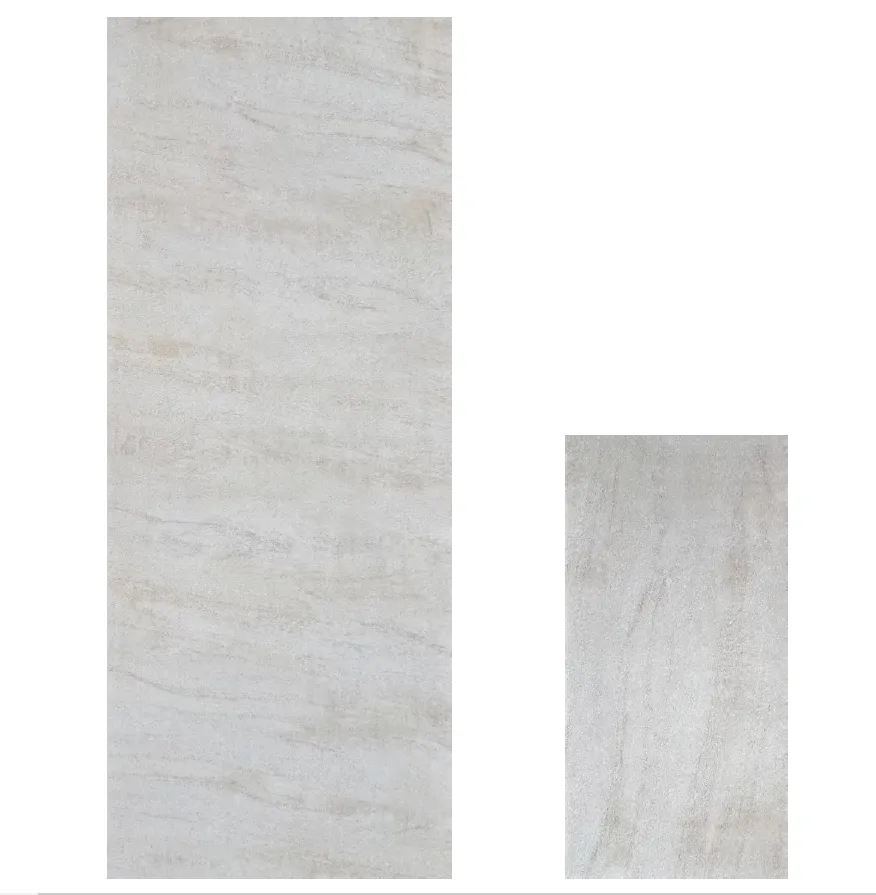
Standing atop a windswept cliff in coastal Maine, the Oceanview Hotel has seen its fair share of fury. For over a decade, it's borne the brunt of nor'easters that hurl freezing rain and 70-mile-per-hour gusts, not to mention the relentless salt spray that eats away at lesser materials. Yet walk up to its exterior walls today, and you'll find something remarkable: the facade, clad in marble stream stone , looks as crisp and vibrant as the day it was installed. No cracks spiderwebbing across the surface, no faded colors, no signs of surrender to the elements. It's a quiet testament to why choosing the right building material isn't just about aesthetics—it's about resilience. And in a world where climate extremes are becoming the norm, marble stream stone is quickly emerging as the unsung hero of durable design.
Before we dive into how marble stream stone beats the odds, let's talk about why so many materials struggle. Extreme weather isn't just "bad weather"—it's a relentless assault on a building's skin. Take freeze-thaw cycles, for example: water seeps into tiny pores, freezes, expands by 9%, and cracks the material from the inside out. Do that enough times, and even concrete can crumble. Then there's coastal salt: the ocean's mist carries corrosive salts that eat away at metal and weaken stone over time. Intense sunlight? UV rays fade colors and can make some materials brittle. And heavy, pounding rain? It wears down surfaces, washes away protective layers, and accelerates aging. For architects and builders, the challenge isn't just to create something beautiful—it's to create something that can laugh in the face of these daily battles.
Marble stream stone isn't your average building material. Think of it as the material equivalent of a seasoned mountaineer—built tough, adaptable, and ready for whatever Mother Nature throws its way. Its resilience starts at the very beginning, in how it's formed. Unlike some softer stones that are porous and prone to absorbing water, marble stream stone is dense, with a tight, interlocking grain structure that acts like a suit of armor. Imagine a sponge versus a brick: the sponge soaks up water, but the brick? It just lets it slide off. That's marble stream stone in a nutshell.
But it's not just about density. The stone also has a naturally low porosity, meaning there are fewer tiny holes for water, salt, or grime to sneak into. This is a game-changer for freeze-thaw resistance. When water can't penetrate deeply, there's less chance of it freezing and expanding inside the stone. It's like having a waterproof jacket that actually keeps you dry, instead of one with a million tiny holes. And because it's less porous, it's also less likely to stain or discolor when exposed to pollutants or coastal salts—so that rich, earthy tone you love stays looking fresh for decades, not just years.
In places like the Rocky Mountains or northern Europe, where temperatures swing from below freezing to above in a single day, freeze-thaw cycles are public enemy number one for buildings. Let's say you have a stone wall that soaks up rainwater during the day. Overnight, the temperature drops to 25°F, and that water turns to ice. Ice expands by about 9%, which is enough to crack even solid rock over time. But marble stream stone? Its low porosity means it absorbs far less water to begin with. In lab tests, it's shown to absorb less than 1% of its weight in water, compared to some travertines that can absorb up to 5%. That's like the difference between a paper towel and a raincoat—one soaks up everything, the other repels it. So when the temperature drops, there's simply not enough water inside to cause damage. Buildings in places like Banff, Canada, have used marble stream stone for over 15 years, and even after harsh winters, the walls still look as solid as the day they were built.
If you've ever visited a coastal town, you've probably noticed how metal railings rust faster, paint peels sooner, and even stone can start to look worn. That's thanks to salt spray—tiny droplets of seawater carried by the wind that land on buildings and slowly eat away at their surfaces. Salt is corrosive, and over time, it can dissolve the minerals in some stones, leaving them pitted and weak. But marble stream stone's dense structure acts like a barrier. The salt can't penetrate the surface easily, so it sits on top, where rain can wash it away. In Miami, a luxury beachfront hotel replaced its old limestone facade with marble stream stone five years ago. The original limestone was already showing signs of pitting from salt spray after just 10 years; today, the marble stream stone walls still have that smooth, unblemished finish, even with ocean breezes hitting them daily.
In desert regions like Arizona or the Middle East, the sun isn't just hot—it's relentless. UV rays beat down on buildings day after day, fading paint, weakening plastics, and even bleaching some stones. But marble stream stone has a natural resistance to UV damage. Its color comes from minerals deep within the stone, not just a surface layer, so even after years of direct sunlight, it doesn't fade or turn chalky. Compare that to fair-faced concrete , which can start to discolor or develop hairline cracks from UV exposure over time. A resort in Dubai, where summer temperatures regularly hit 110°F and the sun blazes for 12 hours a day, used marble stream stone for its exterior cladding. After seven years, guests still comment on how "fresh" the building looks, with none of the faded, weathered appearance you see on neighboring structures.
In tropical regions like Southeast Asia or the Pacific Islands, monsoon season brings months of heavy rain and strong winds. Raindrops can hit surfaces with enough force to erode soft materials, and wind-driven debris can scratch or chip exteriors. Marble stream stone's hard, dense surface stands up to this punishment. Its smooth texture means rainwater runs off quickly, instead of pooling and causing damage, and its toughness resists scratches from flying debris. A coastal villa in Bali, which endures annual monsoons with winds up to 60 mph, has used marble stream stone for its outdoor walls and patio. After a particularly brutal monsoon last year, the owners were amazed: while their wooden deck needed repairs and their neighbor's travertine (starry blue) patio had developed hairline cracks, the marble stream stone surfaces looked untouched. "It's like it just shook off the storm," one owner said.
You might be wondering: is marble stream stone really better than other popular building materials? Let's take a closer look. Below is a comparison of marble stream stone with three other common options: fair-faced concrete, travertine (starry blue) , and mcm flexible stone —all of which are used in modern architecture, but with different strengths and weaknesses when it comes to extreme weather.
| Material | Freeze-Thaw Resistance | Coastal Salt Resistance | UV Resistance | Maintenance Needs |
|---|---|---|---|---|
| Marble Stream Stone | Excellent (low porosity, minimal water absorption) | Excellent (dense surface resists salt penetration) | Excellent (mineral-based color resists fading) | Low (occasional cleaning with water) |
| Fair-Faced Concrete | Good (but can crack if water seeps in) | Moderate (prone to staining from salt) | Moderate (may discolor over time) | Moderate (sealing every 2-3 years) |
| Travertine (Starry Blue) | Moderate (higher porosity increases freeze-thaw risk) | Moderate (needs regular sealing to resist salt) | Good (but color may fade slightly in intense sun) | High (sealing every 1-2 years, prone to staining) |
| MCM Flexible Stone | Good (flexibility resists cracking) | Good (but may require more frequent cleaning) | Good (but color fastness varies by product) | Moderate (occasional cleaning, avoid harsh chemicals) |
As the table shows, marble stream stone consistently outperforms these other materials in key areas of weather resistance and maintenance. While mcm flexible stone offers flexibility, and fair-faced concrete is durable in its own right, neither matches marble stream stone's all-around ability to stand up to extreme conditions with minimal upkeep. And when compared to travertine (starry blue), which is beloved for its unique appearance, marble stream stone proves that you don't have to sacrifice durability for beauty.
Numbers and lab tests are one thing, but real-world results tell the truest story. Let's look at a few buildings around the world that have put marble stream stone to the test in some of the harshest climates on Earth.
Nestled in the Swiss Alps, the Alpine View Lodge sits at 6,500 feet, where winters bring snow depths of 10 feet and temperatures as low as -15°F. Summer temperatures can climb to 75°F, creating perfect conditions for freeze-thaw cycles. When the lodge was renovated 10 years ago, the architects chose marble stream stone for the exterior walls and chimney. "We needed something that could handle the extreme temperature swings and heavy snow," says lead architect Maria Schmidt. "We considered wood, concrete, and even mcm flexible stone , but marble stream stone's track record with freeze-thaw resistance won us over." Today, after a decade of brutal winters and warm summers, the stone walls are still crack-free, and the chimney—exposed to the worst of the weather—looks as solid as ever. "Guests often comment on how the lodge looks 'timeless,'" Schmidt adds. "That's the marble stream stone doing its job."
In Perth, Australia, the Coastal Heritage Museum overlooks the Indian Ocean, where salt-laden winds and baking sun are constant challenges. The museum's original limestone exterior began to deteriorate after just 12 years, with pitting and discoloration from salt spray. When it was time for a renovation, the curators wanted a material that could withstand the coastal environment while complementing the museum's historic architecture. They chose marble stream stone. "We were skeptical at first," admits curator James Wilson. "We'd tried so many materials, and nothing seemed to last. But five years later, the marble stream stone walls look brand new. Even during cyclone season, when wind speeds hit 80 mph, there's no damage—just a quick rinse with water, and it's back to looking perfect." The museum now uses marble stream stone for outdoor exhibits, too, including a sculpture garden that's exposed to the elements 24/7. "It's not just durable," Wilson says. "It has this warm, natural texture that makes the exhibits feel connected to the landscape. We couldn't be happier."
Choosing marble stream stone isn't just about avoiding repairs or replacing materials every few years—it's about building for the long haul. In an era where sustainability is more important than ever, durable materials reduce waste and lower the carbon footprint of buildings. Instead of tearing down and rebuilding facades every decade, marble stream stone lasts 50 years or more with minimal maintenance. That's less energy used in manufacturing, less transportation of new materials, and less landfill waste from old, worn-out cladding.
And let's not forget aesthetics. Extreme weather-resistant materials are often thought of as "industrial" or "utilitarian"—think plain concrete or metal panels. But marble stream stone brings beauty to durability. Its natural variations in color and texture add warmth and character to buildings, whether they're modern skyscrapers or cozy mountain cabins. It can be cut into sleek, contemporary slabs or rough-hewn for a rustic look, making it versatile enough for any architectural style. "Clients don't have to choose between 'tough' and 'beautiful' anymore," says architect Schmidt. "Marble stream stone gives them both."
Extreme weather isn't going away. If anything, it's becoming more frequent and more intense. For architects, builders, and homeowners, that means making smarter choices about the materials we use. Marble stream stone isn't just a building material—it's a long-term investment in resilience, sustainability, and beauty. It's the kind of material that doesn't just survive the elements; it thrives in them, turning harsh climates into opportunities to showcase durability and design.
So the next time you walk past a building that looks as stunning as the day it was built, even after years of rain, snow, salt, and sun, take a closer look. Chances are, it's wearing marble stream stone. And as our world continues to change, that's the kind of material we'll need more of—strong, reliable, and ready to stand the test of time.
Recommend Products












