

In the competitive world of commercial architecture, the exterior of a building is more than just a facade; it's a statement, a reflection of brand identity, and a crucial element in attracting clients and tenants. For decades, masonry stone has been the material of choice for architects and developers aiming to achieve a blend of timeless elegance, robust durability, and sustainable design. From grand corporate headquarters to bustling retail complexes, the application of masonry stone can transform a conventional structure into an iconic landmark. This article delves into the profound impact of masonry stone on commercial building exteriors, exploring its multifaceted benefits through compelling case studies and highlighting innovative approaches in material science, such as those pioneered by COLORIA GROUP.
Masonry stone, encompassing a wide array of natural and engineered materials, has been a cornerstone of construction for millennia. Its inherent strength, aesthetic versatility, and long lifespan make it an ideal candidate for commercial applications where performance and appearance are paramount. In today's market, where sustainability and efficiency are increasingly valued, modern masonry solutions are evolving to meet these demands without compromising on traditional appeal.
The visual impact of a stone facade is undeniable. Natural stone, with its unique patterns, textures, and color variations, conveys a sense of permanence, luxury, and solidity that few other materials can match. For commercial enterprises, this translates into an elevated brand image. A building clad in exquisite stone signals quality, stability, and success, subtly influencing perceptions of the businesses housed within. Whether it's the stately grandeur of granite, the warm earthiness of sandstone, or the refined elegance of limestone, each stone type offers a distinct aesthetic that can be tailored to a company's specific branding.
"Architecture is the learned game, correct and magnificent, of forms assembled in the light." - Le Corbusoier. Masonry stone allows architects to play this game with unparalleled mastery, sculpting light and shadow into breathtaking commercial edifices.
Commercial buildings are subject to relentless wear and tear from weather, pollution, and general urban activity. Masonry stone excels in these conditions, offering exceptional resistance to fire, moisture, pests, and the corrosive effects of environmental elements. Unlike many other cladding materials that require frequent painting, repair, or replacement, a well-installed stone facade can last for centuries with minimal maintenance, significantly reducing operational costs over the building's lifecycle. This long-term value proposition is particularly attractive for large-scale commercial investments.
In an era of increasing environmental consciousness, the sustainability credentials of building materials are under intense scrutiny. Traditional masonry stone, as a natural resource, has a lower embodied energy compared to many manufactured materials, especially when sourced locally. Furthermore, its thermal mass properties contribute to better energy efficiency by regulating indoor temperatures, reducing the need for excessive heating and cooling.
Beyond natural stone, innovations in engineered stone, like the MCM (Modified Cementitious Material) series products offered by COLORIA GROUP, are pushing the boundaries of sustainable building. These materials often incorporate recycled content, consume less energy in production, and offer lightweight alternatives that reduce transportation costs and structural load. The MCM Flexible Stone , for example, combines the aesthetic appeal of natural stone with superior flexibility and a significantly reduced environmental footprint. This commitment to green building is becoming a non-negotiable aspect of modern commercial development.
From sleek, modern high-rises to traditional, classic structures, masonry stone's versatility allows it to adapt to diverse architectural styles. It can be cut, carved, polished, or left raw to achieve various textures and finishes. Advanced fabrication techniques and the development of materials such as the MCM Big Slab Board Series enable architects to implement grand, continuous surfaces or intricate patterns, providing limitless design possibilities for exterior facades, accent walls, and hardscaping elements around commercial properties. This adaptability ensures that each commercial project can achieve a unique and distinctive appearance.
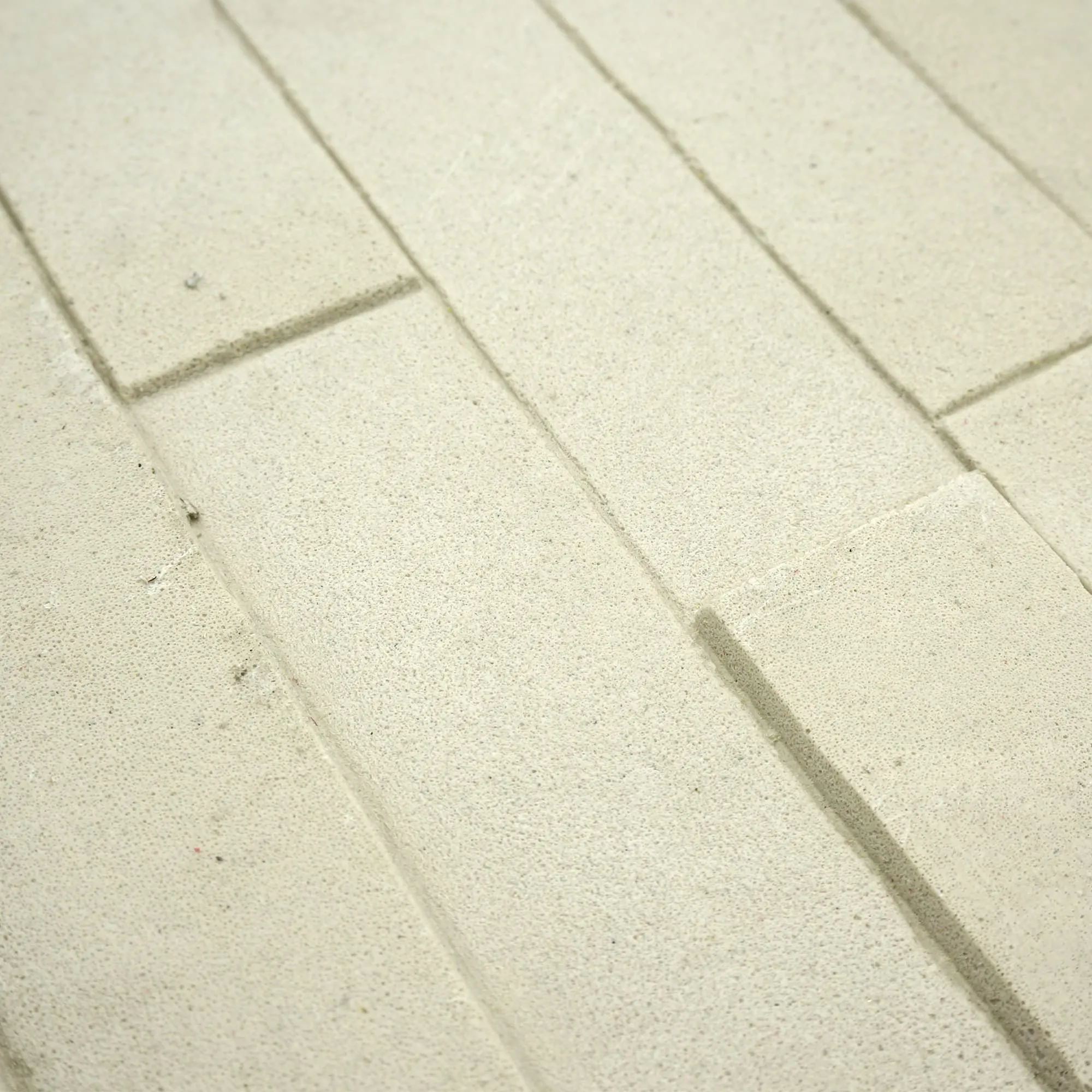
While the principles of masonry remain timeless, the materials themselves are constantly evolving. COLORIA GROUP, as a one-stop solution provider in architectural materials, stands at the forefront of this evolution, particularly with its advanced MCM (Modified Cementitious Material) series products . These materials represent a significant leap forward in addressing contemporary challenges in construction, offering customized and eco-friendly solutions for both residential and commercial projects globally.
Modified Cementitious Material (MCM) technology redefines what's possible with masonry. Unlike traditional stone, MCM is engineered using a blend of inorganic mineral powders, quartz sand, and various additives, cured under specific conditions to achieve properties that often surpass natural stone in specific applications. Key advantages include:
COLORIA GROUP's focus on MCM technology provides commercial developers and architects with unparalleled choices for exterior applications.
| Product Series | Key Characteristics | Commercial Exterior Application Benefits |
|---|---|---|
| MCM Big Slab Board Series | Large format panels (e.g., 1.2x2.4m, 1.2x3.6m), lightweight, various textures (stone, wood, concrete). | Ideal for modern, seamless facades. Reduces installation time and joint lines, creating a sleek, high-end look. Perfect for grand entrances and expansive wall areas, offering a sophisticated aesthetic similar to large natural stone slabs without the weight or cost. |
| MCM Project Board Series | Tailored for specific project requirements, diverse sizes, thicknesses, and finishes. Focus on performance and cost-effectiveness for large-scale applications. | Designed for efficiency in large commercial developments, such as office parks, retail centers, and industrial facilities. Provides customized solutions that meet specific structural, aesthetic, and budgetary constraints while ensuring uniformity and durability across vast areas. |
| MCM 3D Printing Series | Utilizes advanced 3D printing technology to create intricate, customized patterns and textures. Enables complex geometries and unique architectural features. | Offers unprecedented design freedom for bespoke architectural elements. Perfect for creating unique building identities, sculptural facades, or incorporating complex brand motifs directly into the exterior, setting a commercial building apart visually. |
| MCM Flexible Stone | Ultra-thin, bendable sheets replicating natural stone aesthetics. Lightweight and easy to install on various substrates, including curved surfaces. | Revolutionizes facade renovation and new construction where flexibility, weight, and speed of installation are critical. Ideal for curved building elements, columns, or areas where traditional heavy stone would be impractical. Provides a realistic stone look with exceptional workability. |
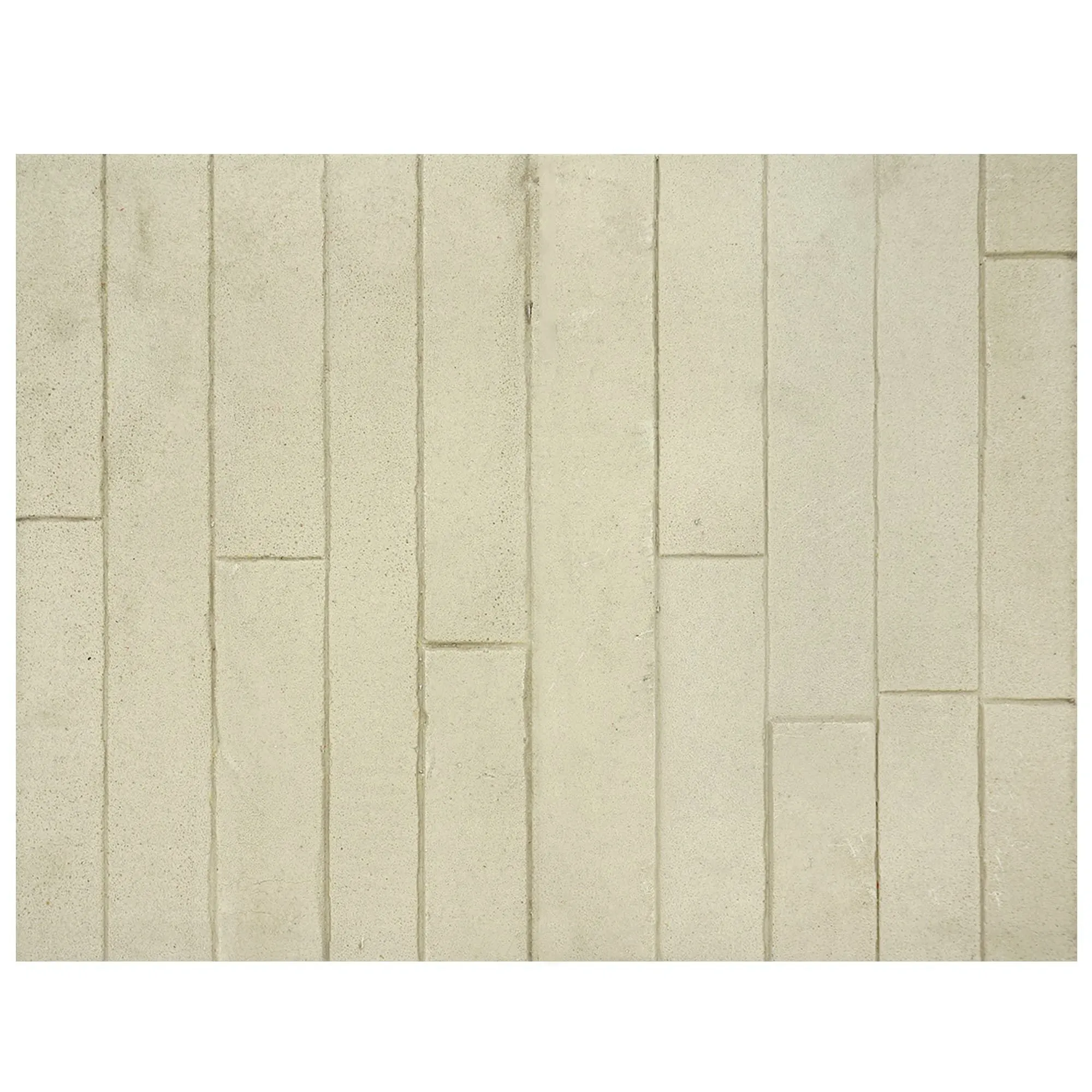
To truly appreciate the impact of masonry stone on commercial buildings, let's examine a few hypothetical, yet representative, case studies that illustrate the diverse applications and benefits, often leveraging innovative materials like those from COLORIA GROUP.
Client Need: A leading financial institution sought to construct a new headquarters that would project an image of stability, trustworthiness, and sophisticated modernity. The exterior needed to be iconic, durable, and low-maintenance, capable of withstanding urban environmental challenges for decades.
Traditional Approach vs. Innovative Solution: Initially, natural granite was considered for its classic grandeur. However, the weight, cost of installation, and environmental concerns regarding quarrying led the architectural team to explore alternatives. COLORIA GROUP proposed a solution utilizing their MCM Big Slab Board Series in a granite-effect finish.
Implementation: Over 15,000 square meters of custom-sized MCM big slab boards, mimicking the deep gray tones and subtle speckles of polished granite, were specified. The lightweight nature of the MCM panels allowed for a lighter structural frame and faster installation using a rainscreen cladding system. Intricate detailing around the main entrance and podium levels incorporated smaller, custom-cut panels from the MCM Project Board Series , ensuring seamless integration and precise geometric alignment.
Outcome: Pinnacle Tower now stands as a striking landmark. The MCM facade provides the desired gravitas and elegance of natural stone but with significantly reduced material and installation costs, faster project completion, and enhanced thermal performance due to the ventilated rainscreen system. The building's exterior requires minimal cleaning and maintenance, proving its long-term cost-effectiveness. The financial institution successfully conveyed its brand values through an exterior that is both visually stunning and sustainably responsible.
Client Need: Developers aimed to create a vibrant, engaging retail and entertainment complex that would draw visitors and provide a distinctive architectural identity. The exterior needed to be visually diverse, able to incorporate curved elements, and resistant to high foot traffic and potential impacts, while still offering a high-end feel.
Challenge and Solution: The design called for undulating facades, curved entrance canopies, and diverse textures to delineate different zones within the complex. Traditional stone cladding would have been prohibitively expensive and structurally challenging for the curved elements. The solution came from COLORIA GROUP's MCM Flexible Stone and MCM 3D Printing Series .
Implementation: The main curved pedestrian walkways and cylindrical columns were clad with MCM Flexible Stone in a warm sandstone texture. Its ability to bend and adhere to complex geometries allowed for a seamless, natural stone appearance without the need for complex cutting or heavy lifting equipment. For the main entrances and feature walls, bespoke panels from the MCM 3D Printing Series were utilized. These panels featured intricate relief patterns and custom logos, creating a unique, tactile experience and reinforcing the complex's luxurious yet welcoming brand. The large, flat areas of the complex employed cost-effective panels from the MCM Project Board Series in a complementary natural tone, ensuring consistency and efficiency.
Outcome: Oasis Galleria became an architectural marvel. The combination of flexible and 3D-printed MCM materials allowed the architects to realize their ambitious design vision. The facade offers incredible visual depth and tactile interest, attracting visitors and establishing the complex as a premium destination. The durability of the MCM materials ensures that the complex maintains its pristine appearance despite heavy usage, providing a welcoming and impressive exterior for years to come.
Client Need: An environmentally focused development firm sought to build a campus of office buildings that exemplified sustainability, energy efficiency, and a harmonious integration with the natural landscape. The exterior materials needed to be demonstrably eco-friendly, contribute to LEED certification, and offer aesthetic appeal that resonated with a green ethos.
Material Selection: The client's strict sustainability criteria immediately ruled out materials with high embodied energy or limited recyclability. COLORIA GROUP's entire MCM product line, with its inherent green characteristics, was an ideal fit. Specifically, the versatility of the MCM Big Slab Board Series and MCM Project Board Series was paramount.
Implementation: Each building on the campus utilized the MCM Big Slab Board Series for its primary facade, chosen in earthy tones and natural textures like subtle slate and raw concrete finishes to blend seamlessly with the surrounding greenery. These large panels minimized waste during installation and offered excellent thermal performance. For accent walls and entryways, the MCM Project Board Series was customized to incorporate vertical louvers and perforated panels, providing solar shading and unique aesthetic elements. The lightweight nature of the MCM allowed for installation over existing structures in some areas, further reducing waste.
Outcome: GreenScape Business Campus achieved multiple LEED Platinum certifications. The MCM facades significantly contributed to the campus's energy efficiency by providing a durable, thermally robust outer layer. The aesthetic appeal of the buildings, with their natural stone-like finishes, created a calming and productive environment, attracting high-profile tenants who prioritize sustainability. The project demonstrated that advanced masonry materials can deliver both high-performance and a beautiful, environmentally responsible commercial exterior.
Client Need: A historic downtown bank building, originally constructed with heavy cut stone in the early 20th century, needed extensive exterior restoration. The goal was to preserve its architectural heritage and classic appearance while upgrading its structural integrity, energy efficiency, and reducing ongoing maintenance burdens. Demolition and complete replacement were not options due to preservation guidelines.
Restoration Challenge: The original stone was severely weathered, cracked, and spalling in many areas. Replacing it with new cut stone would have been astronomically expensive, time-consuming, and potentially damaging to the building's historic fabric. Furthermore, modern insulation and waterproofing were needed without altering the facade's depth significantly.
COLORIA GROUP Solution: The innovative approach involved using custom-matched MCM Project Board Series panels. COLORIA GROUP's team meticulously analyzed the existing stone's color, texture, and grain patterns. They then engineered MCM panels that precisely replicated the original limestone and marble details, including intricate carvings and decorative elements. The lightweight nature of the MCM allowed for direct application over a newly installed insulation layer, effectively preserving the historic appearance while dramatically improving thermal performance. For areas with intricate cornices and detailed window surrounds, specially formed MCM 3D Printing Series components were fabricated to match the original designs perfectly.
Outcome: The Grand Old Bank Building was successfully restored to its former glory, indistinguishable from its original appearance to the casual observer. The use of MCM materials provided a sustainable, cost-effective, and historically sensitive solution. The building now boasts significantly improved energy efficiency, reduced maintenance requirements, and a revitalized presence in the city, continuing its legacy while meeting modern building standards. This project elegantly demonstrates how advanced masonry materials can bridge the gap between historical preservation and contemporary building needs.
Client Need: A fast-growing international hotel chain, with a significant presence in Saudi Arabia, needed to rapidly deploy multiple new hotels across different cities. Each hotel required a consistent, high-quality exterior aesthetic that could withstand harsh desert climates, be installed efficiently, and project a luxury image suitable for the hospitality sector.
Logistical and Material Challenges: Sourcing consistent natural stone across multiple international sites within tight deadlines was a major logistical hurdle and cost concern. The extreme temperatures and sand abrasion in the region also demanded highly durable and low-maintenance materials. With COLORIA GROUP having an agency in Saudi Arabia, their local presence and expertise became a significant advantage.
COLORIA GROUP's Tailored Solution: COLORIA GROUP, leveraging its global market reach and local presence, became the sole provider for the exterior materials. They supplied their MCM Project Board Series specifically tailored for large-scale, repetitive construction. A standard set of MCM panels was designed to mimic a sophisticated, light-colored travertine with subtle veining, ensuring brand consistency across all hotel locations. The panels were engineered for exceptional UV resistance and thermal stability to endure the desert climate. The large format of the MCM Big Slab Board Series was used for grand lobby entrances and key architectural features, providing a continuous, opulent finish. The consistency in production quality and ease of installation were critical factors.
Outcome: The hotel chain successfully launched multiple properties on schedule and within budget. The MCM facades delivered a uniform, high-end appearance that met the brand's luxury standards. The durability of the materials ensured minimal impact from the challenging environment, keeping maintenance costs low. COLORIA GROUP's ability to provide a one-stop solution, from material specification to delivery, facilitated the rapid and successful expansion, demonstrating the efficacy of advanced masonry materials for large-scale international commercial projects. The local support in Saudi Arabia was invaluable for project coordination and timely execution.
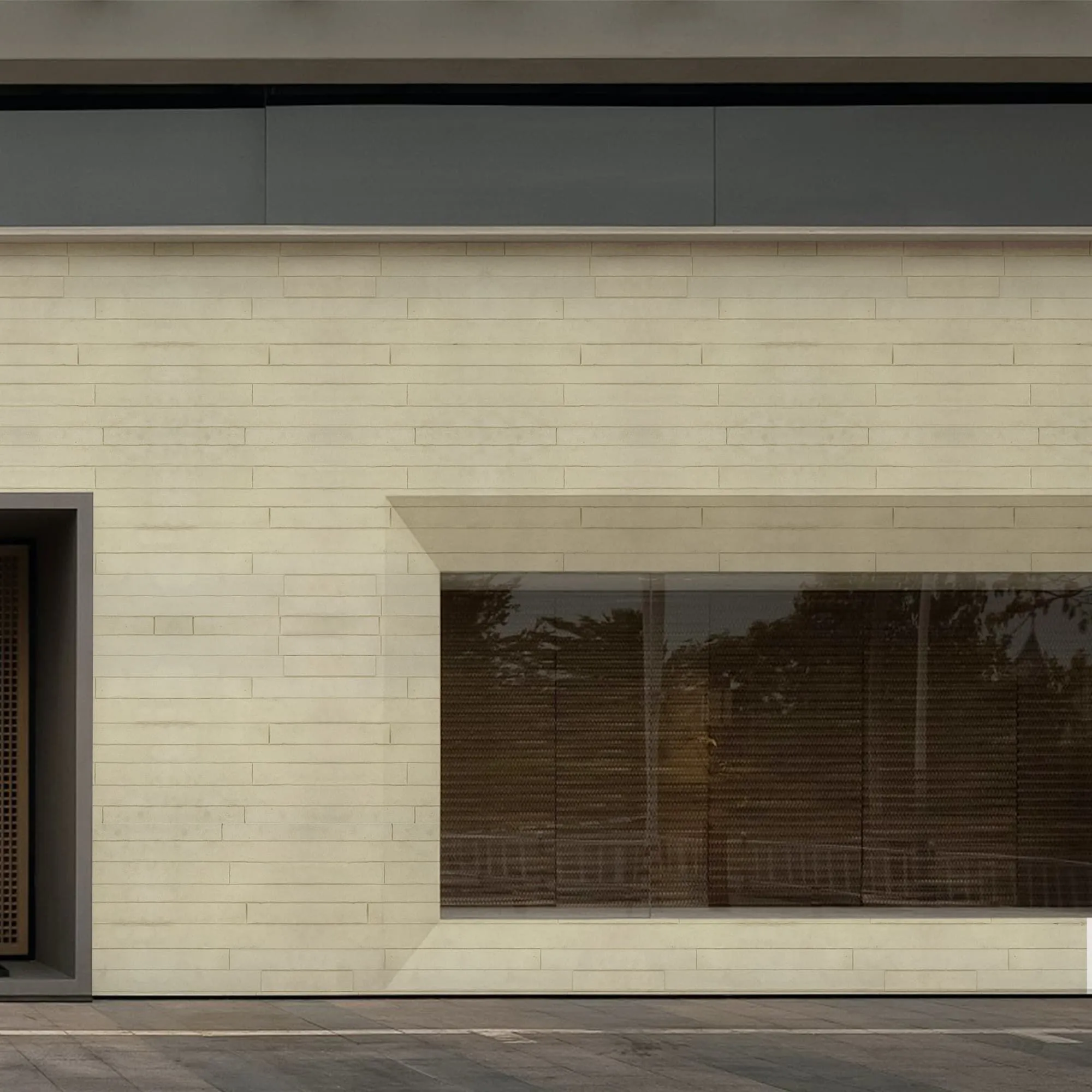
The case studies underscore a vital truth: the choice of exterior cladding material is a strategic decision that impacts a commercial building's aesthetics, performance, cost, and long-term value. Partnering with a specialized provider like COLORIA GROUP offers distinct advantages for developers, architects, and contractors:
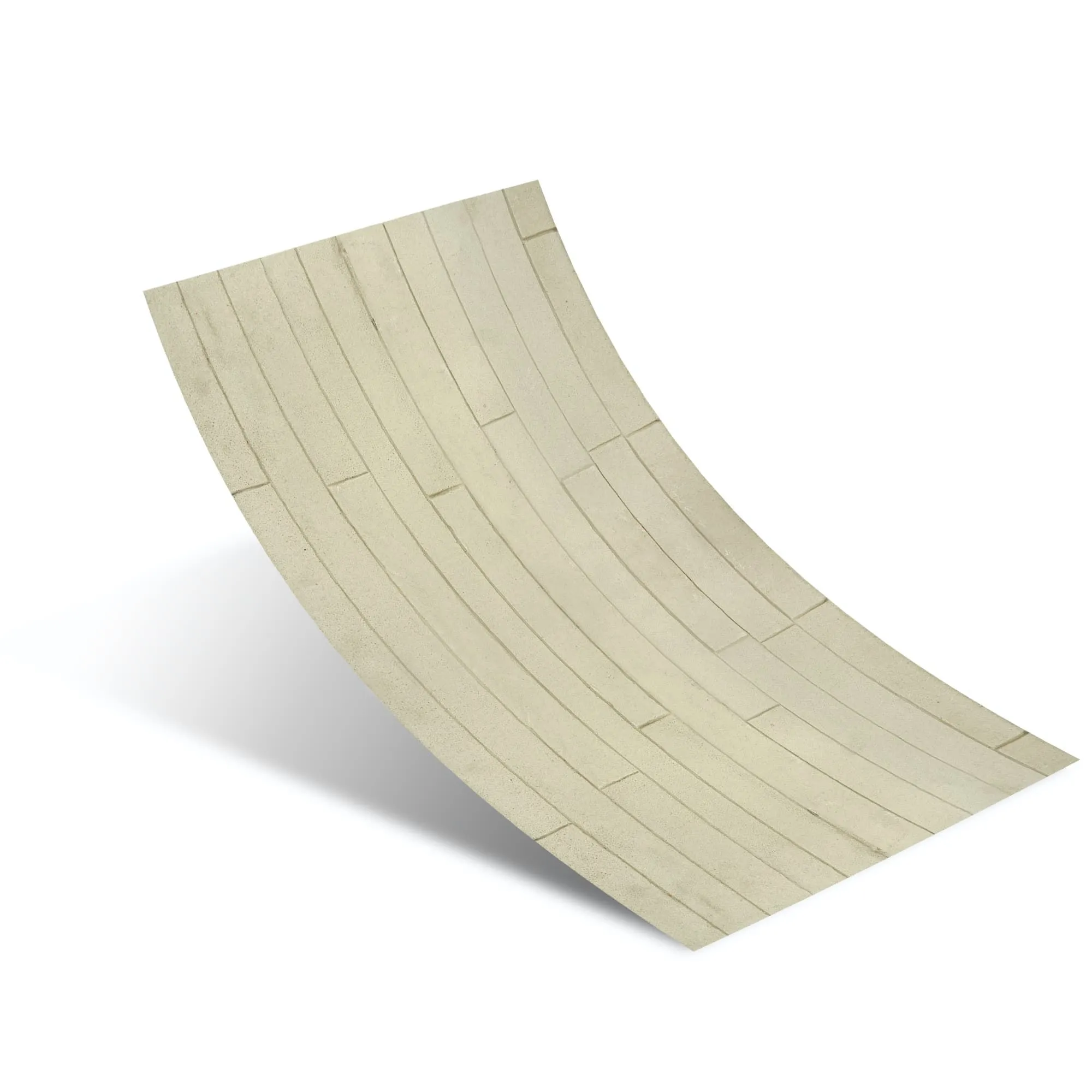
As technology advances and environmental concerns grow, the demand for intelligent, sustainable, and aesthetically pleasing commercial building exteriors will only intensify. Masonry stone, particularly in its evolved forms like COLORIA GROUP's MCM products, is perfectly positioned to meet these future challenges.
We will likely see even greater integration of smart technologies within facade systems, enhanced thermal performance, and materials that actively contribute to air purification or energy generation. The trend towards hyper-customization, enabled by technologies like 3D printing, will allow commercial buildings to become true works of art, deeply reflective of their occupants' identities and values.
The commitment to green building practices will continue to drive innovation, leading to materials with even lower embodied energy, higher recycled content, and fully recyclable properties. Companies like COLORIA GROUP, with their dedication to sustainable and customized solutions, are not just participants in this future but active shapers of it. They are demonstrating that durable, beautiful, and high-performance commercial exteriors can also be responsible and innovative.
Recommend Products











