
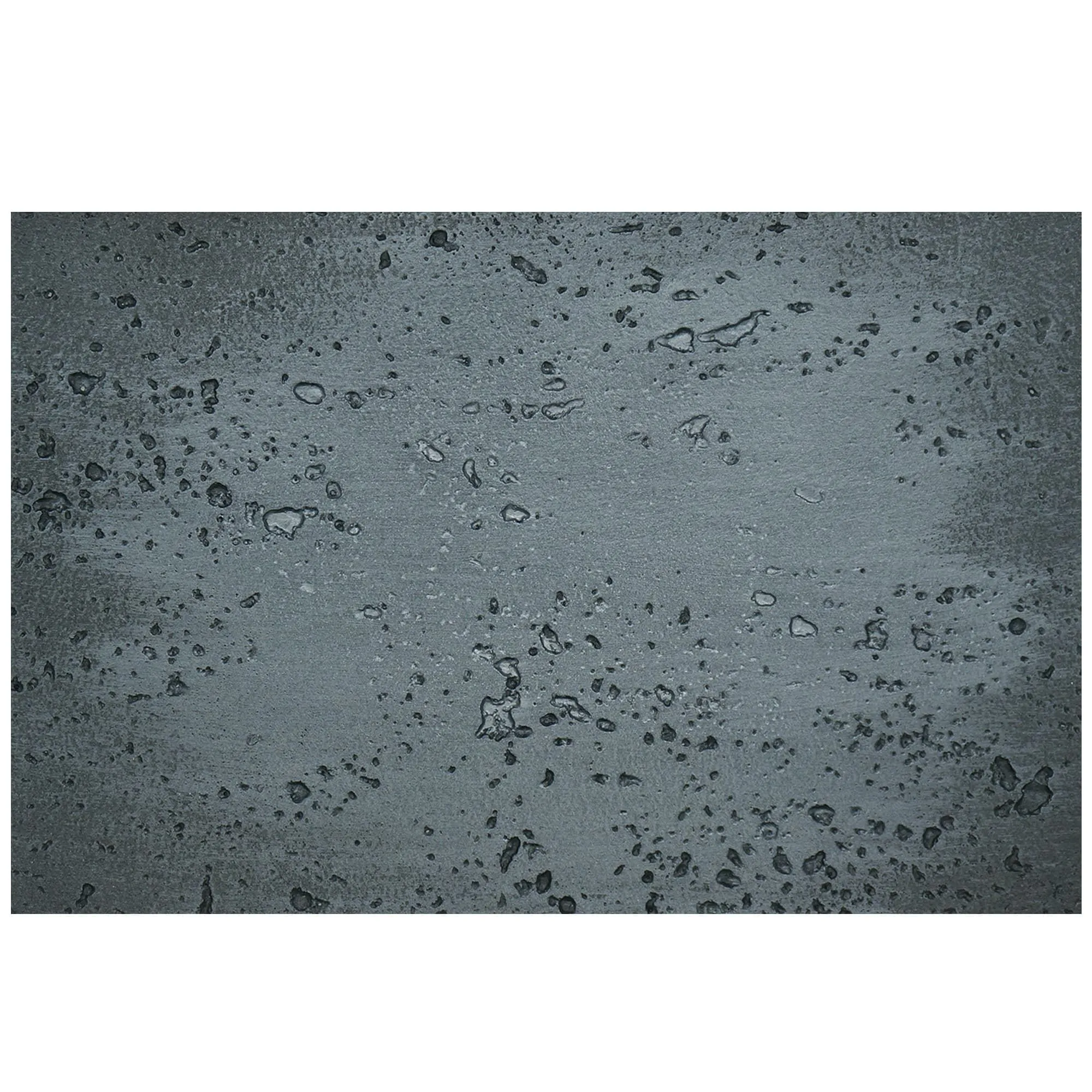
There's a quiet magic in travertine. It's the kind of stone that doesn't shout—instead, it whispers stories of ancient quarries, sun-baked terrains, and the slow, patient work of time. For designers and architects, travertine isn't just a material; it's a bridge between eras. And among its many iterations, Travertine (Vintage Silver) stands out like a well-loved heirloom—subtle, sophisticated, and brimming with character. Its muted silver base, streaked with whispers of taupe and soft gray, evokes the patina of aged metal, yet retains the organic warmth only natural stone can offer. But here's the challenge: real travertine is heavy, porous, and often unpredictable. Quarrying it leaves ecological footprints, and transporting large slabs? A logistical headache. Enter MCM 3D Printing Technology—a innovation that's not just copying travertine's look, but capturing its soul. Let's dive into how this technology is redefining what's possible, one layer at a time.
First, let's talk about why Vintage Silver travertine matters. Imagine a boutique hotel lobby where sunlight filters through floor-to-ceiling windows, hitting walls clad in stone that shimmers softly—not with the harsh gleam of polished marble, but with the understated glow of something that's seen time. That's Vintage Silver. Its surface isn't perfectly smooth; it's dotted with tiny pores, the result of gas bubbles escaping as the stone formed millions of years ago. These pores aren't flaws—they're character. They catch light, cast delicate shadows, and make the stone feel alive. Then there are the veins: thin, irregular lines that wind across the surface like rivers on a map, in tones of pale gray and warm beige. Together, these elements create a material that's both timeless and modern, rustic and refined.
But here's the catch: natural travertine is a diva. It's heavy—so heavy that installing it on high-rise facades or curved surfaces often requires reinforced structures, driving up costs. It's porous, meaning it stains easily; a spilled glass of wine or a rainstorm can leave permanent marks unless sealed repeatedly. And because it's mined from the earth, each slab is unique—but not always in the way designers want. A project might call for 50 identical panels, but nature rarely delivers uniformity. Worse, quarrying travertine disrupts ecosystems, and transporting it globally adds to carbon footprints. For architects and builders who care about both aesthetics and responsibility, this has long been a painful trade-off.
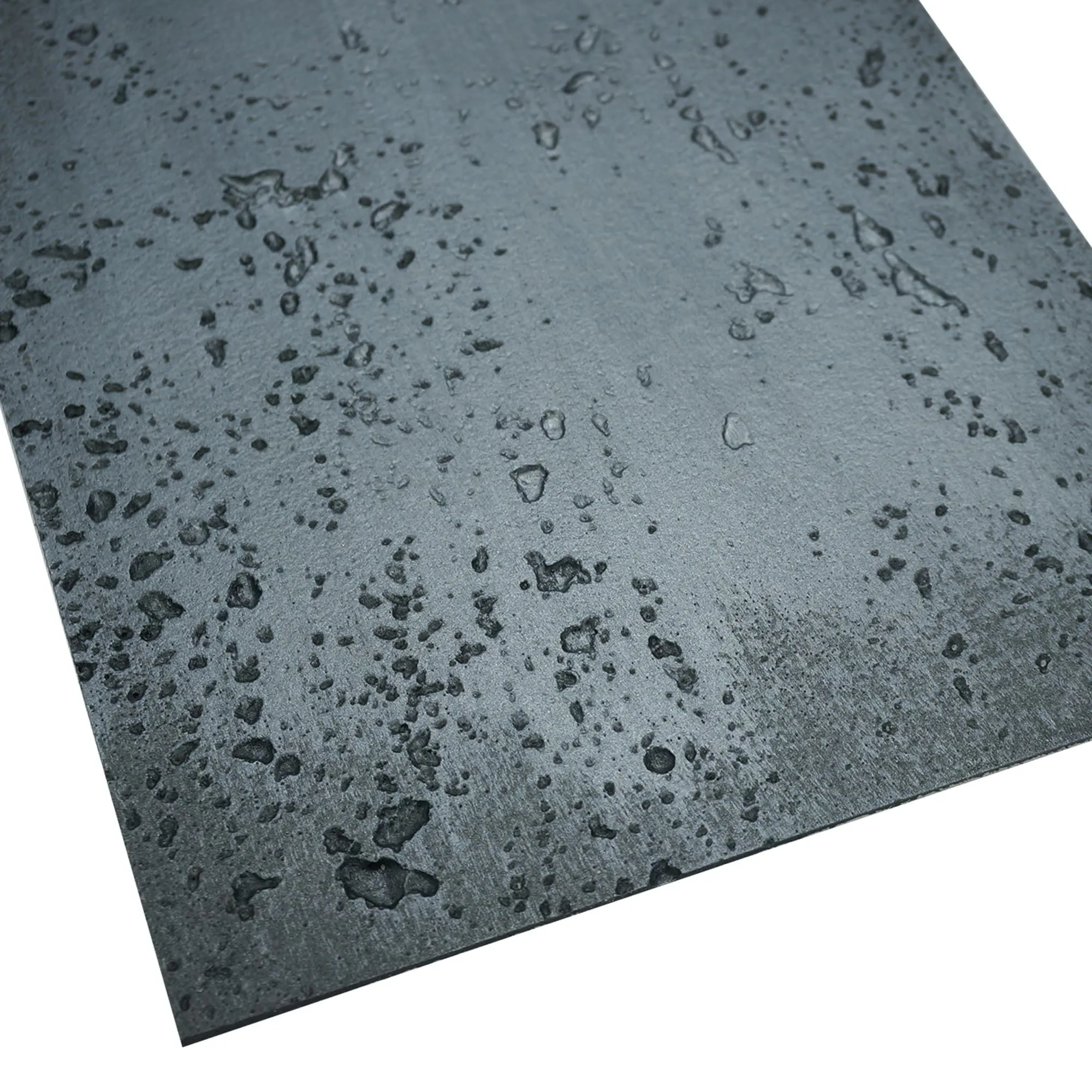
MCM 3D Printing Technology isn't just about "printing stone." It's about reimagining how we create materials that honor nature while outperforming it. At its core, this technology uses advanced additive manufacturing to layer eco-friendly, high-performance composites—think mineral blends, recycled resins, and reinforcing fibers—into precise, detailed structures. But what makes it revolutionary is its ability to mimic the microscopic details that make travertine (Vintage Silver) so special. Let's break it down.
Traditional 3D printers might create smooth, uniform surfaces, but MCM's printers are different. They're equipped with specialized nozzles that can vary pressure and material flow in real time, recreating the uneven texture of travertine's pores. Imagine a painter using a brush with thousands of tiny bristles, each depositing just the right amount of paint to mimic the stone's natural pitting. That's essentially what MCM's technology does, but with digital precision. Before printing even begins, a high-resolution scanner maps a real Vintage Silver travertine slab, capturing every dip, ridge, and color variation. This digital blueprint becomes the guide, ensuring that the printed version isn't just "close"—it's indistinguishable to the naked eye.
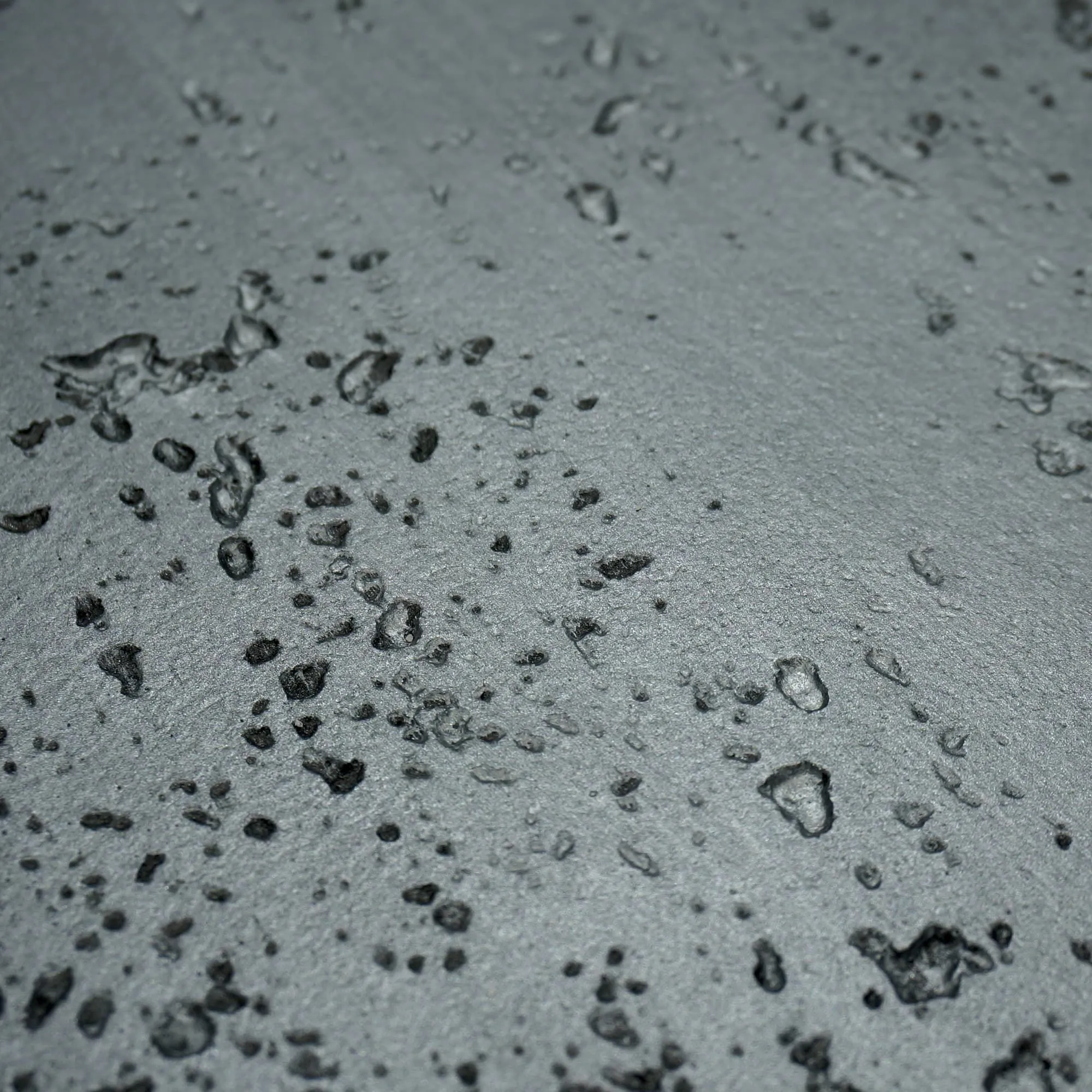
But texture is only half the story. The color of Vintage Silver is a masterpiece of subtlety—a balance of cool silver and warm undertones that shifts with light. MCM's printers use multi-color pigment systems, blending shades on the fly to recreate these nuances. Unlike traditional dyeing, which can result in flat, uniform color, this method layers pigments like nature does, creating depth that makes the printed material feel alive. Run your hand over an MCM 3D printed travertine panel, and you'll feel the same slight roughness, the same play of light and shadow, as you would on the real thing. It's not replication—it's reincarnation .
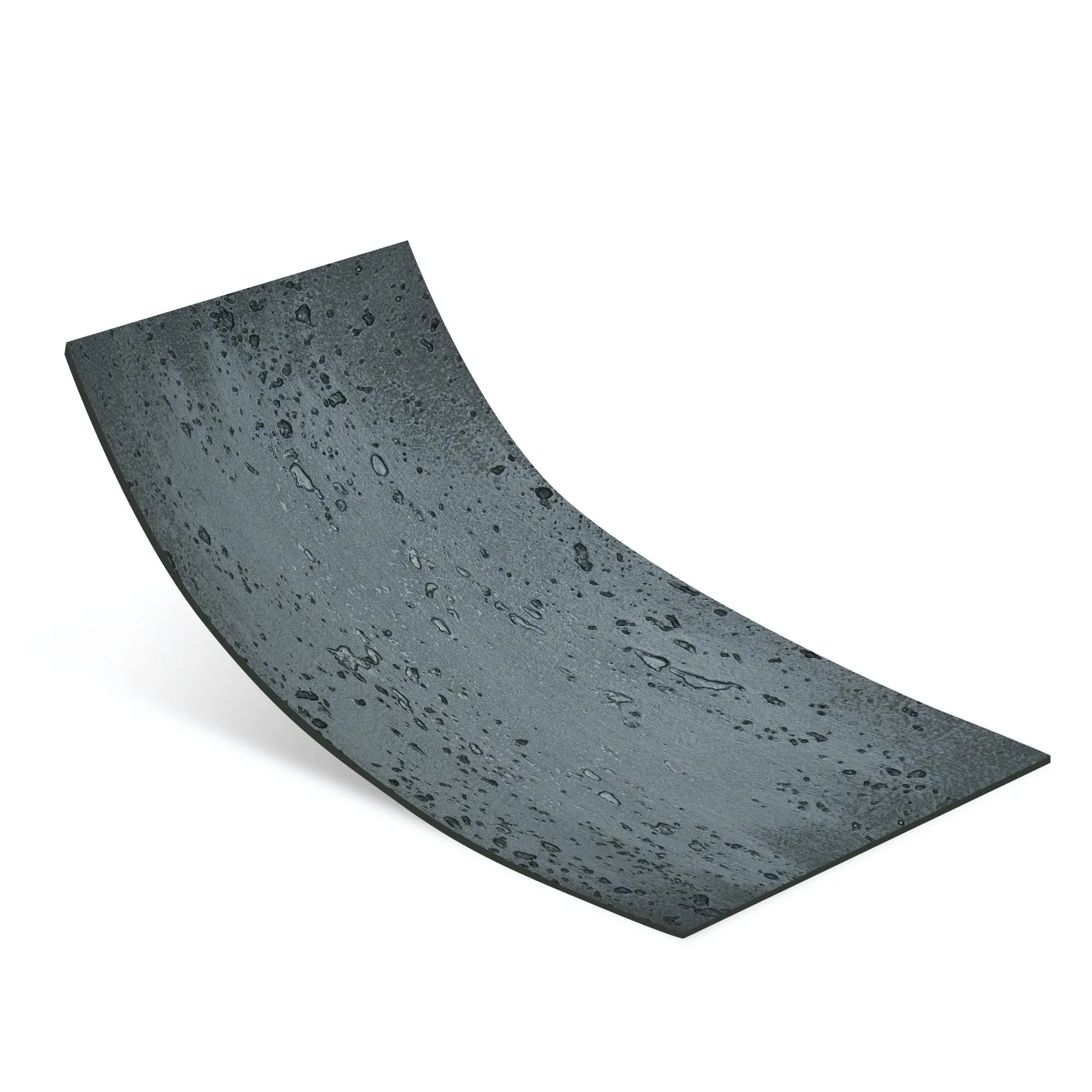
MCM 3D printed travertine (Vintage Silver) isn't just about looking good—it's about working smarter. This is where MCM flexible stone comes into play. Unlike natural travertine, which is rigid and brittle, MCM's printed panels are flexible, bending up to 90 degrees without cracking. Imagine cladding a curved wall in Vintage Silver travertine, or wrapping a spiral staircase in its elegant texture—something once impossible with natural stone. This flexibility opens doors for designers to dream bigger, creating spaces that flow organically without sacrificing the material's aesthetic.
Then there's the MCM big slab board series , which solves another age-old problem: scale. Natural travertine slabs are limited by how large they can be quarried and transported, often maxing out at 3x5 feet. MCM's 3D printers, however, can produce slabs up to 10x4 feet in a single piece, with zero seams. For commercial projects like hotel lobbies or airport terminals, this means uninterrupted stretches of Vintage Silver beauty, free from the distraction of grout lines or mismatched slabs. It's a game-changer for architects who want to create immersive, cohesive spaces that feel grand yet intimate.
| Feature | Natural Travertine (Vintage Silver) | MCM 3D Printed Travertine (Vintage Silver) |
|---|---|---|
| Weight | Heavy (20-25 lbs/sq ft) | Lightweight (6-8 lbs/sq ft) |
| Flexibility | Rigid, prone to cracking | Flexible (bends up to 90°) |
| Uniformity | Highly variable (unique but inconsistent) | Digitally controlled (consistent across batches) |
| Sustainability | Quarrying impacts ecosystems; high carbon footprint | Recycled materials; low waste; local production |
| Installation | Requires heavy machinery; complex | Lightweight; easy to cut/shape; DIY-friendly |
Let's step into the shoes of an architect, say, designing a boutique restaurant in the heart of a historic district. The client wants the space to feel both timeless and contemporary—something that honors the neighborhood's past while modern diners. Natural Vintage Silver travertine would be perfect, but the building's old structure can't support the weight of traditional slabs. Enter MCM 3D printed travertine. The architect specifies MCM big slab boards for the main dining wall, creating a sweeping backdrop of Vintage Silver that stretches 30 feet without a seam. For the curved bar front, MCM flexible stone panels wrap around the counter, their bendable nature following the bar's gentle arc. The result? A space that feels grounded in history but unshackled by its limitations.
Or consider a homeowner renovating their kitchen. They love the look of travertine backsplashes but worry about stains from cooking oils and sauces. MCM's 3D printed Vintage Silver panels, however, are sealed during production with a protective layer that's far more durable than traditional sealants. They're also lightweight, so installing them doesn't require reinforcing the wall. The homeowner gets the aesthetic they crave—warm, textured, timeless—without the maintenance headaches. It's design freedom without compromise.
Even commercial exteriors are getting in on the action. A hotel chain in Dubai, known for blending luxury with sustainability, recently clad its new wing in MCM 3D printed travertine (Vintage Silver) paired with foamed aluminium alloy board (vintage silver) . The combination of the stone's organic texture and the metal's sleek finish creates a striking contrast, while both materials' lightweight properties reduced the building's structural load. Guests marvel at the "ancient" stone facade, unaware it's a cutting-edge, eco-friendly innovation.
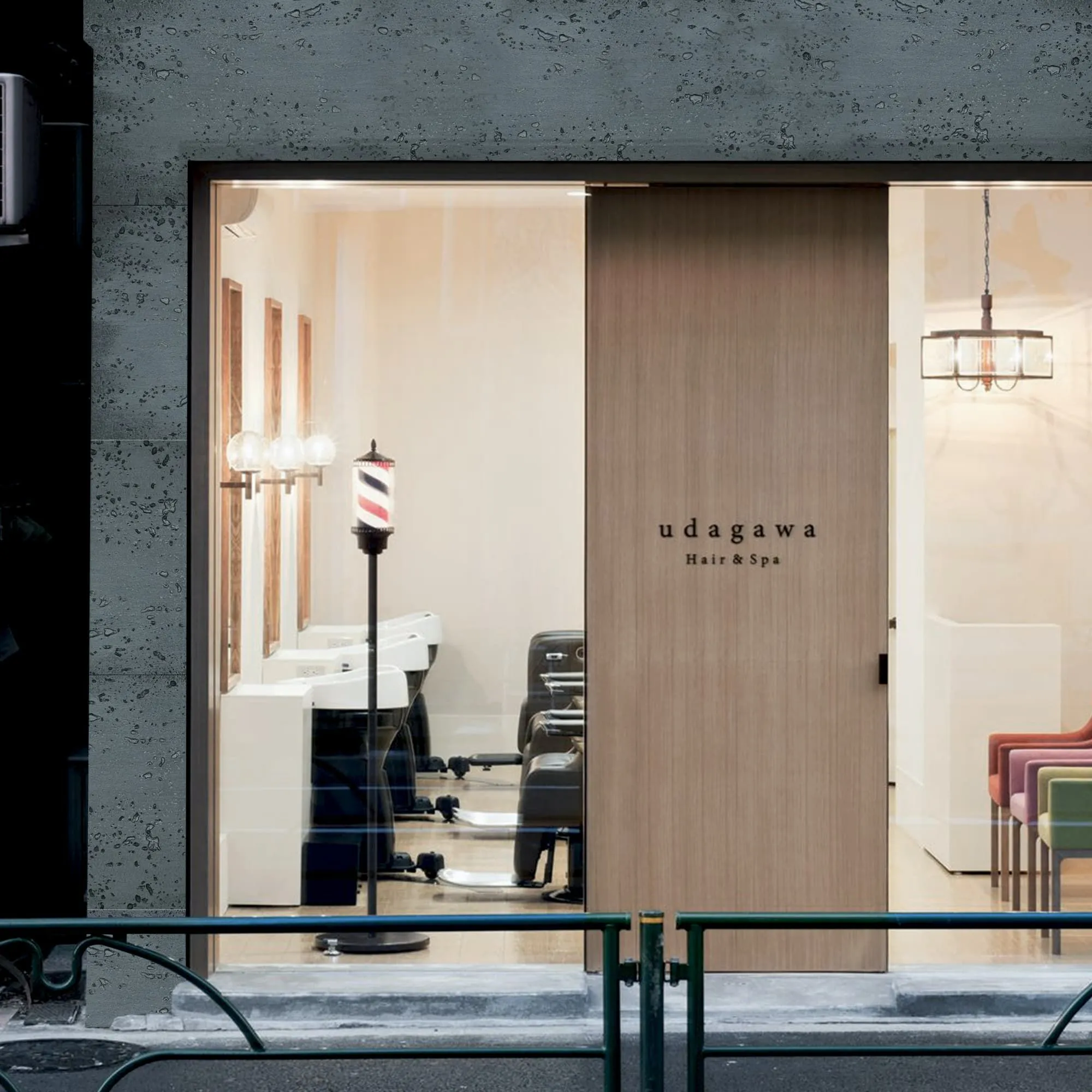
At a time when the world is waking up to the urgency of sustainability, MCM 3D printed travertine (Vintage Silver) isn't just a pretty face—it's a responsible choice. Traditional travertine mining involves heavy machinery, deforestation, and habitat disruption. MCM's process, by contrast, uses up to 70% recycled materials, and because it's printed locally, it cuts down on transportation emissions. For brands and builders aiming for LEED certification or carbon-neutral projects, this is a game-changer. It proves that beauty and responsibility don't have to be enemies—they can be partners.
Accessibility is another win. Natural Vintage Silver travertine is expensive, with prices often exceeding $100 per square foot. MCM's printed version, by contrast, is significantly more affordable, making this once-elite aesthetic accessible to more projects, from small cafes to residential homes. It's democratizing design, ensuring that the warmth and elegance of travertine aren't reserved for luxury budgets alone.
But perhaps the most exciting part is what this technology unlocks for the future. If MCM can replicate travertine (Vintage Silver) this accurately, what's next? Maybe other rare stones, or even custom textures inspired by nature—think travertine with the pattern of ocean waves, or the texture of desert sand. The possibilities are limited only by imagination. For designers, this means a world where materials no longer dictate the design—design dictates the materials.
At the heart of it all, MCM 3D printing isn't just about technology or materials. It's about stories. The story of an architect who can finally realize their vision for a curved, light-filled space without compromising on texture. The story of a homeowner who walks into their kitchen every morning and smiles, knowing their backsplash is both beautiful and kind to the planet. The story of a city skyline that blends the old and new, where "historic" materials meet cutting-edge innovation.
Travertine (Vintage Silver) has always told a story of time and nature. Now, MCM 3D printing is adding a new chapter—one of human ingenuity, sustainability, and boundless creativity. It's proof that we don't have to choose between honoring the past and building the future. With the right tools, we can have both. And in that balance, we find something truly special: spaces that feel not just designed, but lived in —warm, authentic, and full of life.
Recommend Products












